 ES
ES FR
FR EN
EN IT
IT DE
DE
cooling drying pipe rotation
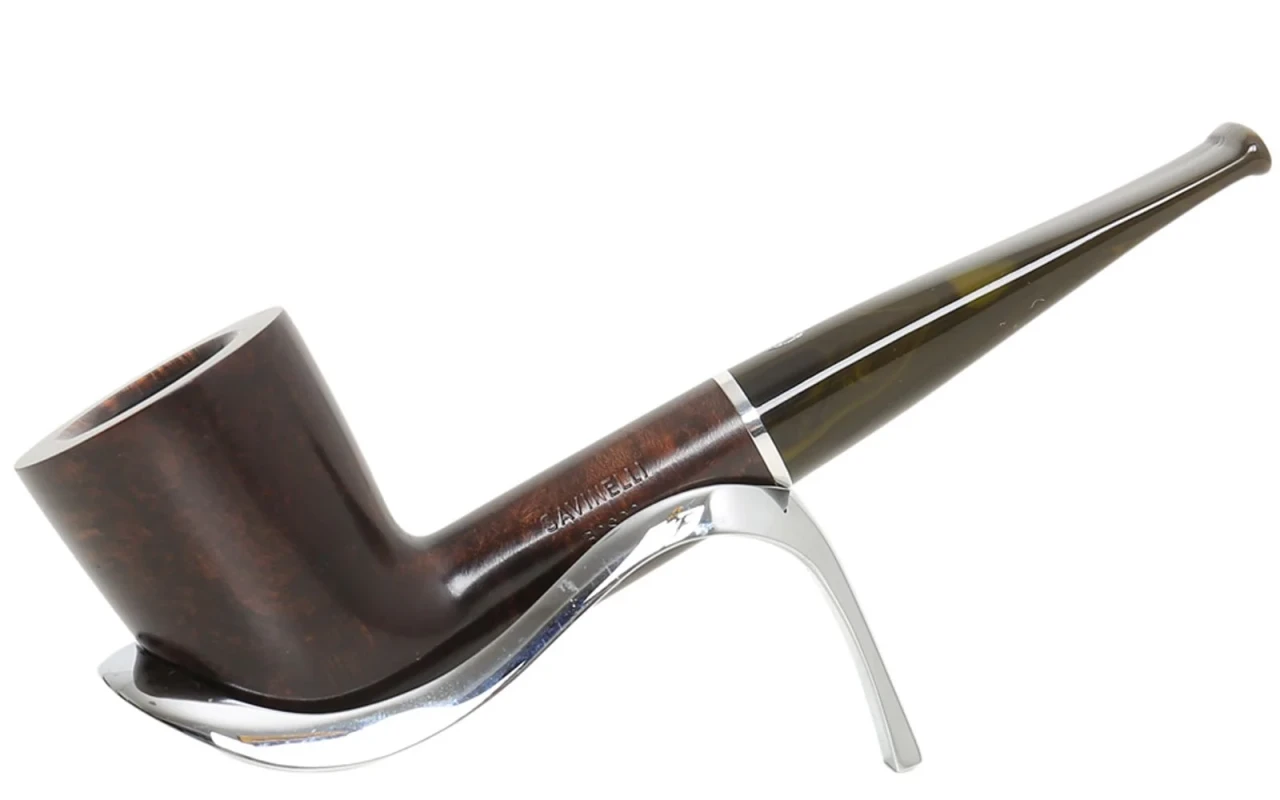
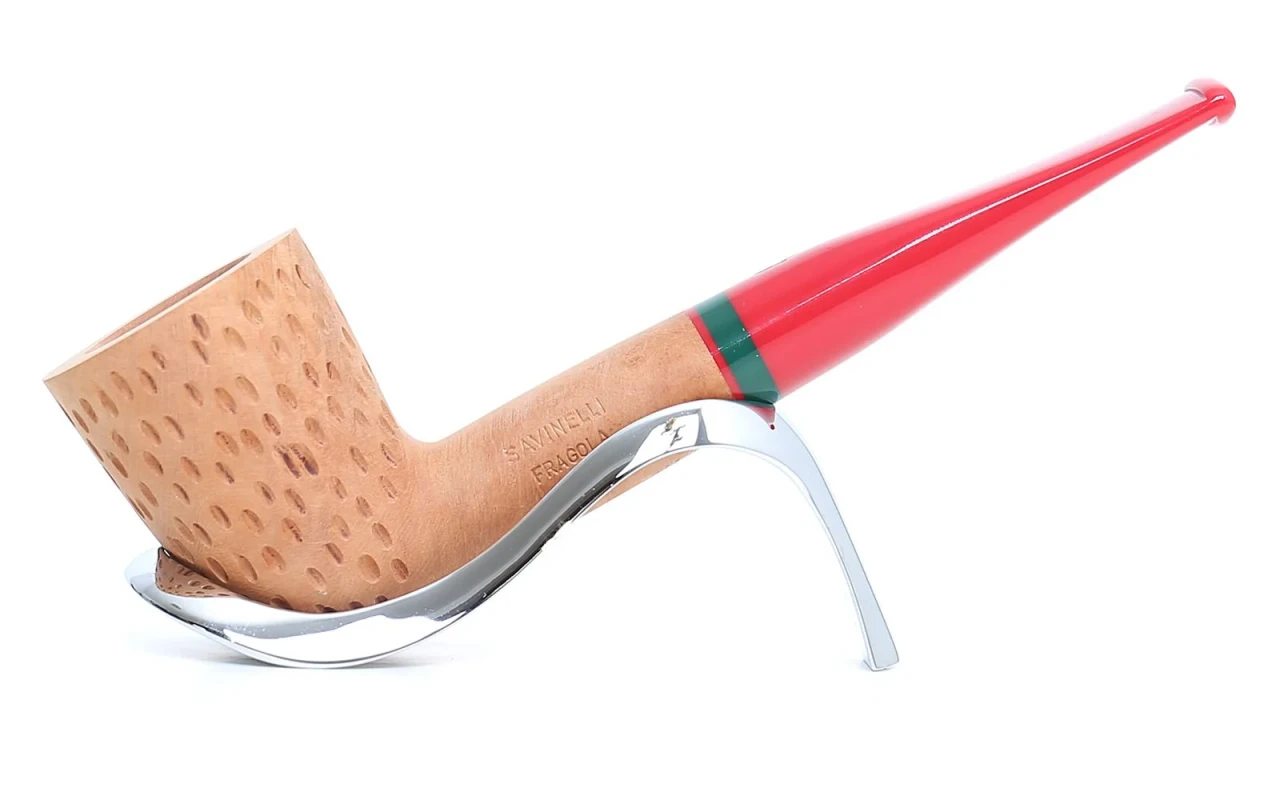
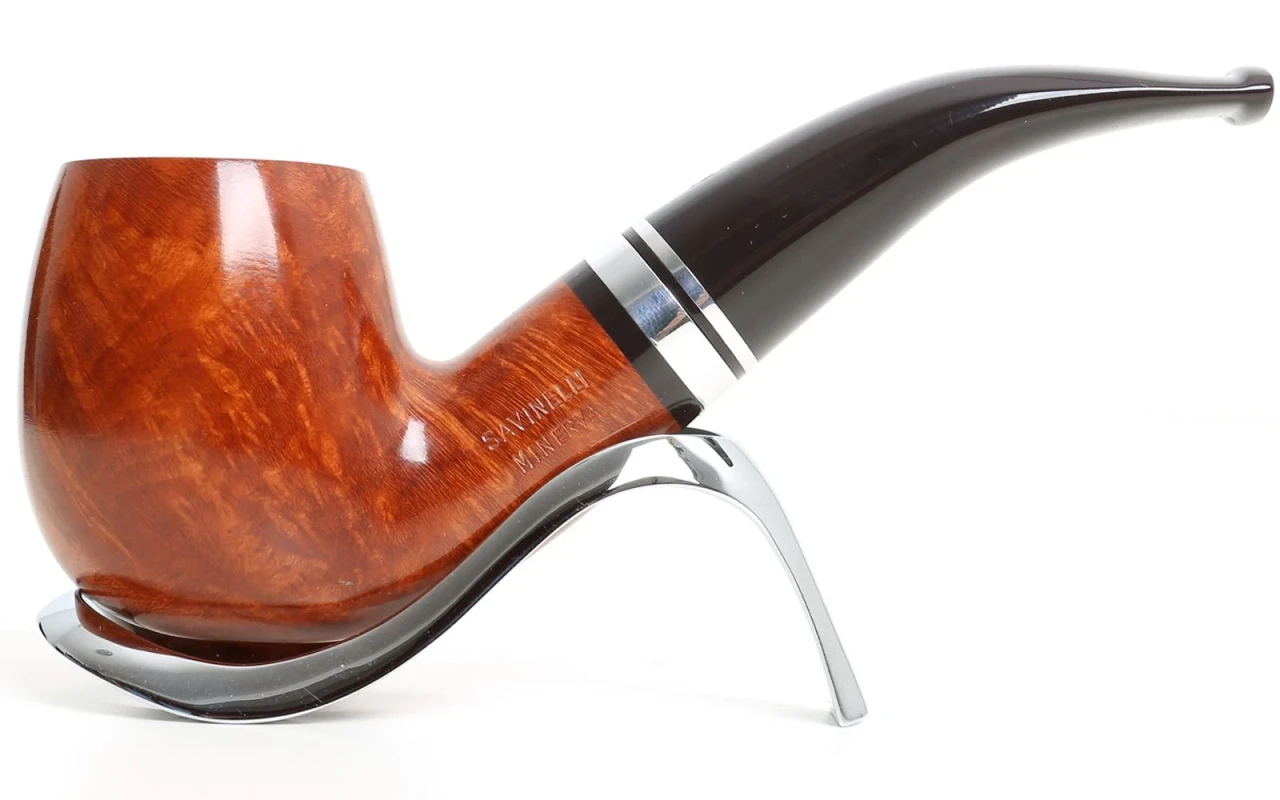
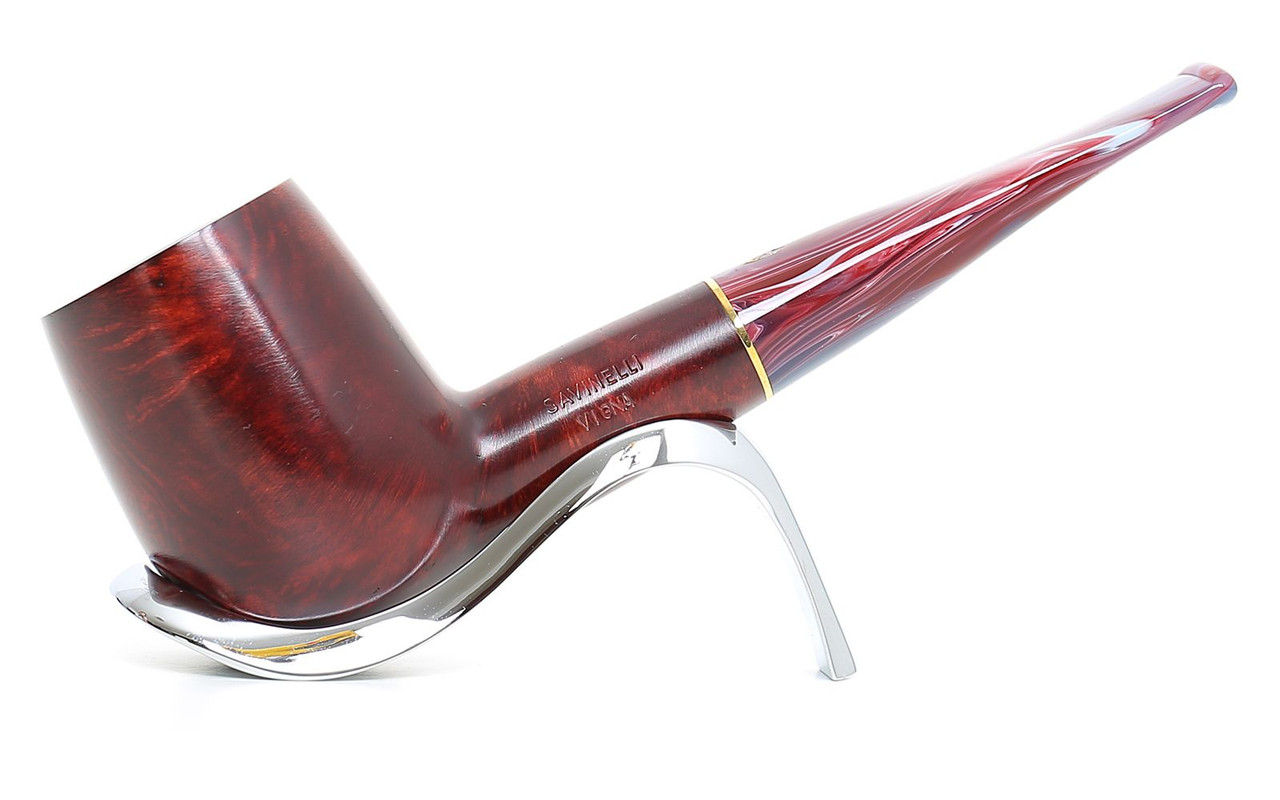
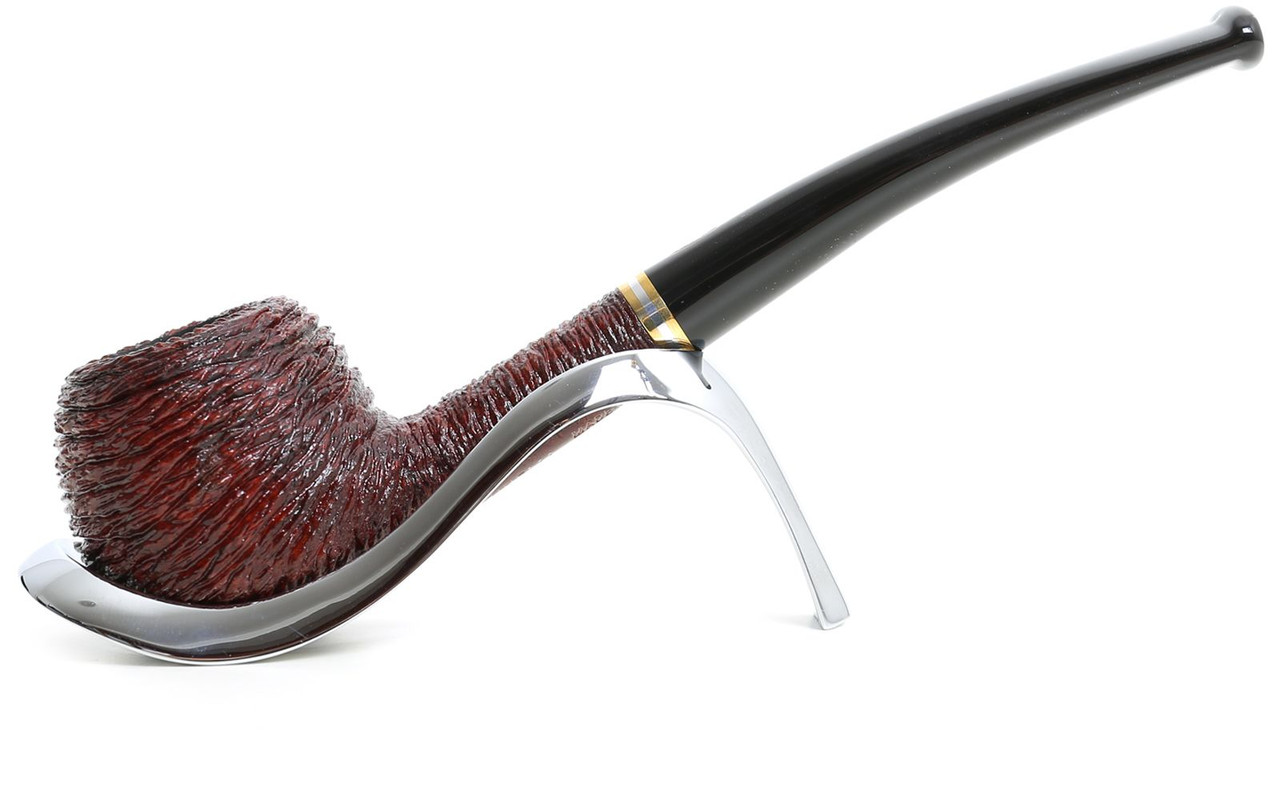
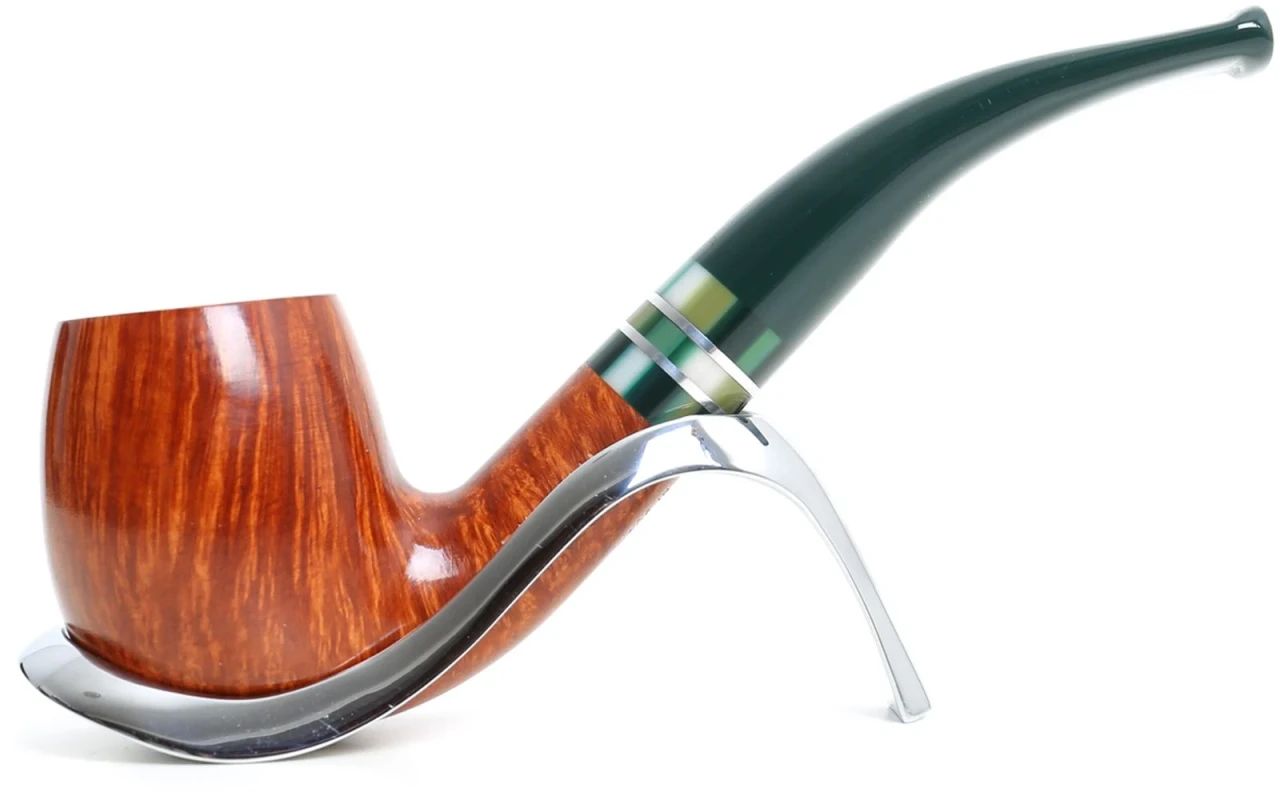
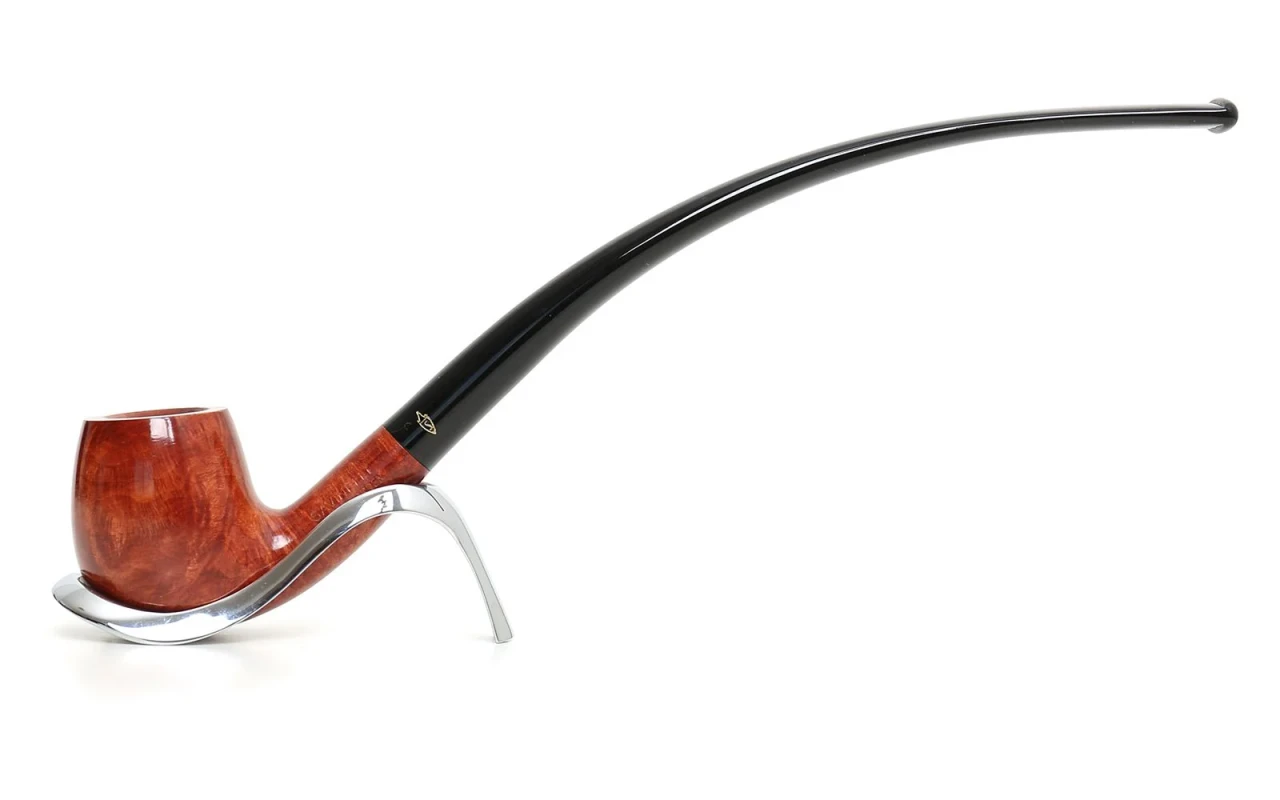

cooling drying pipe rotation
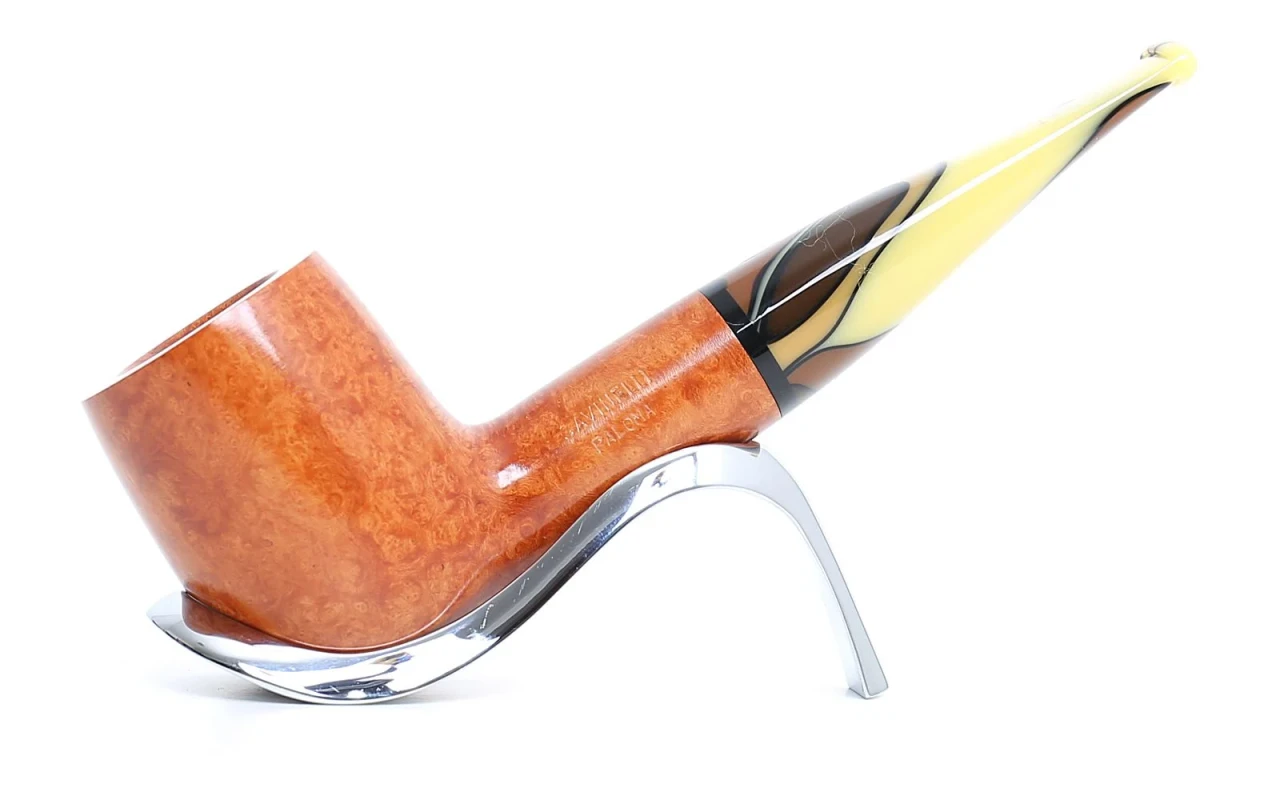
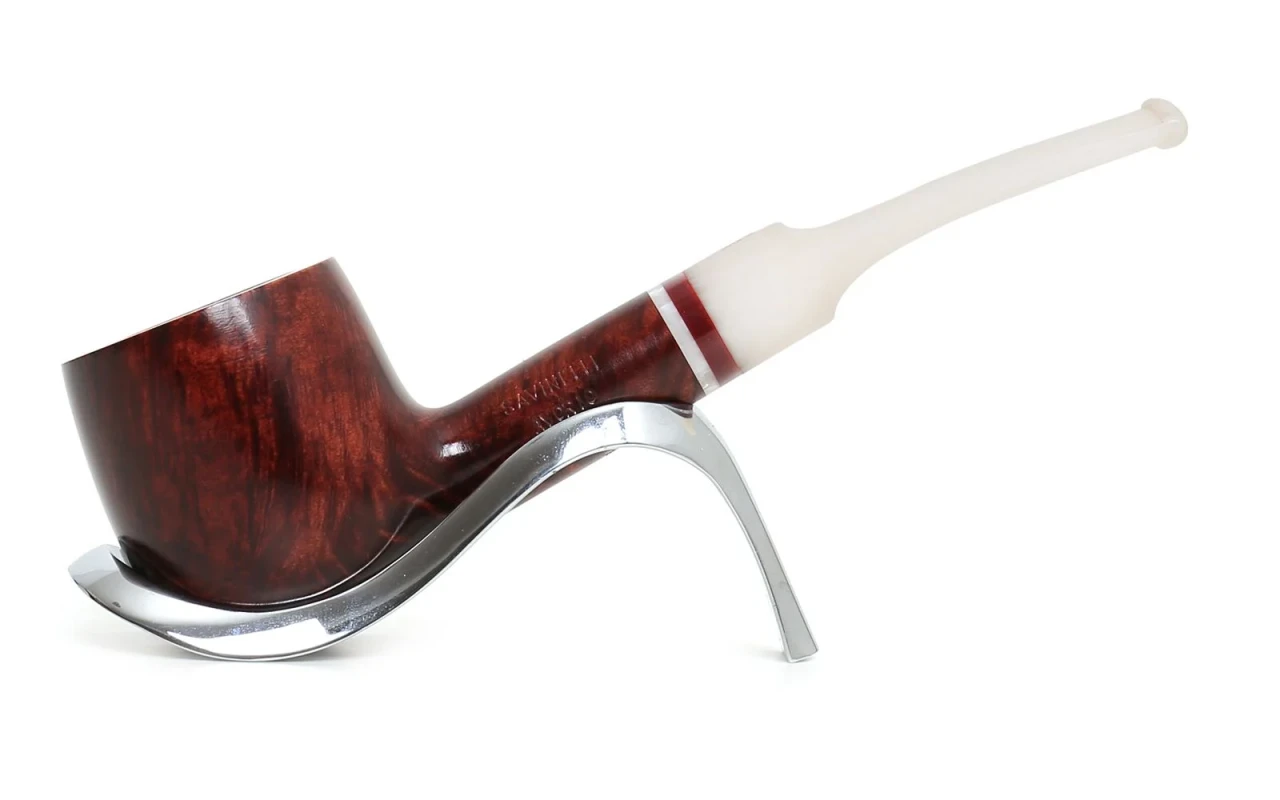
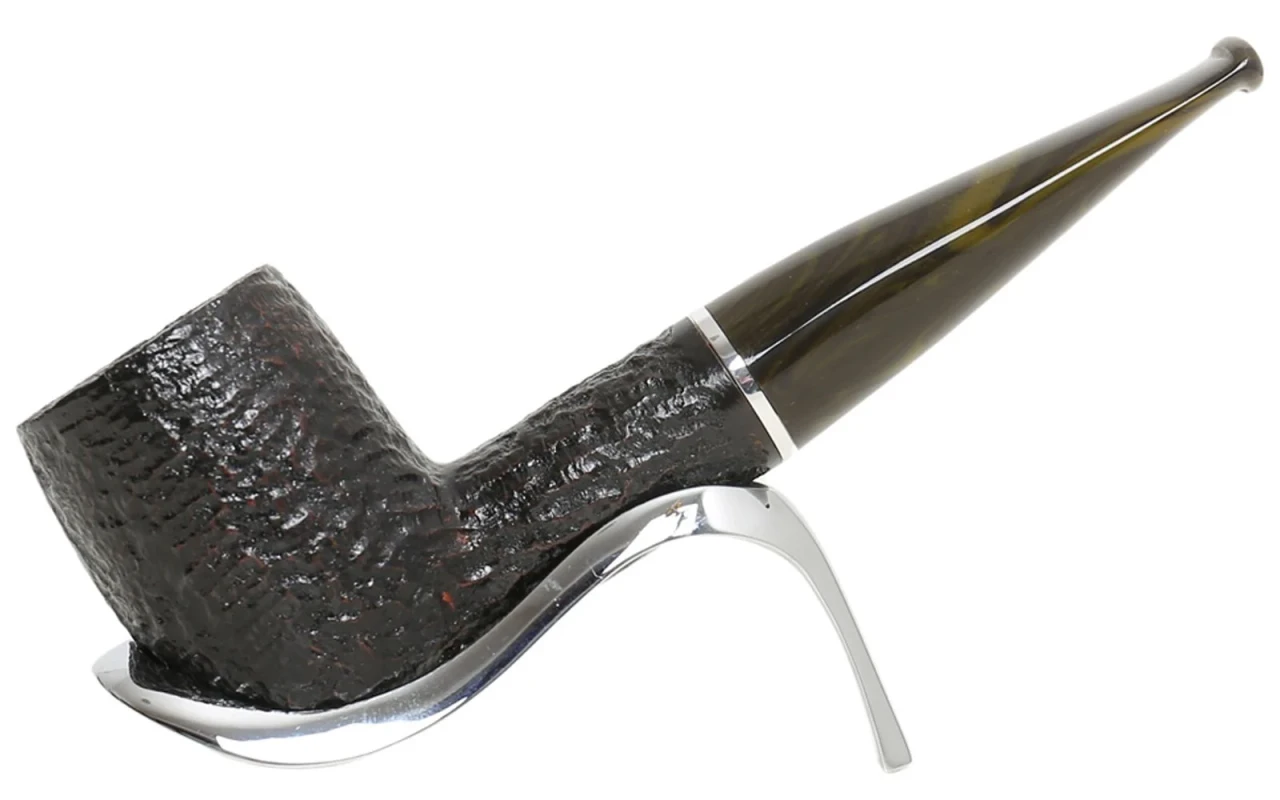
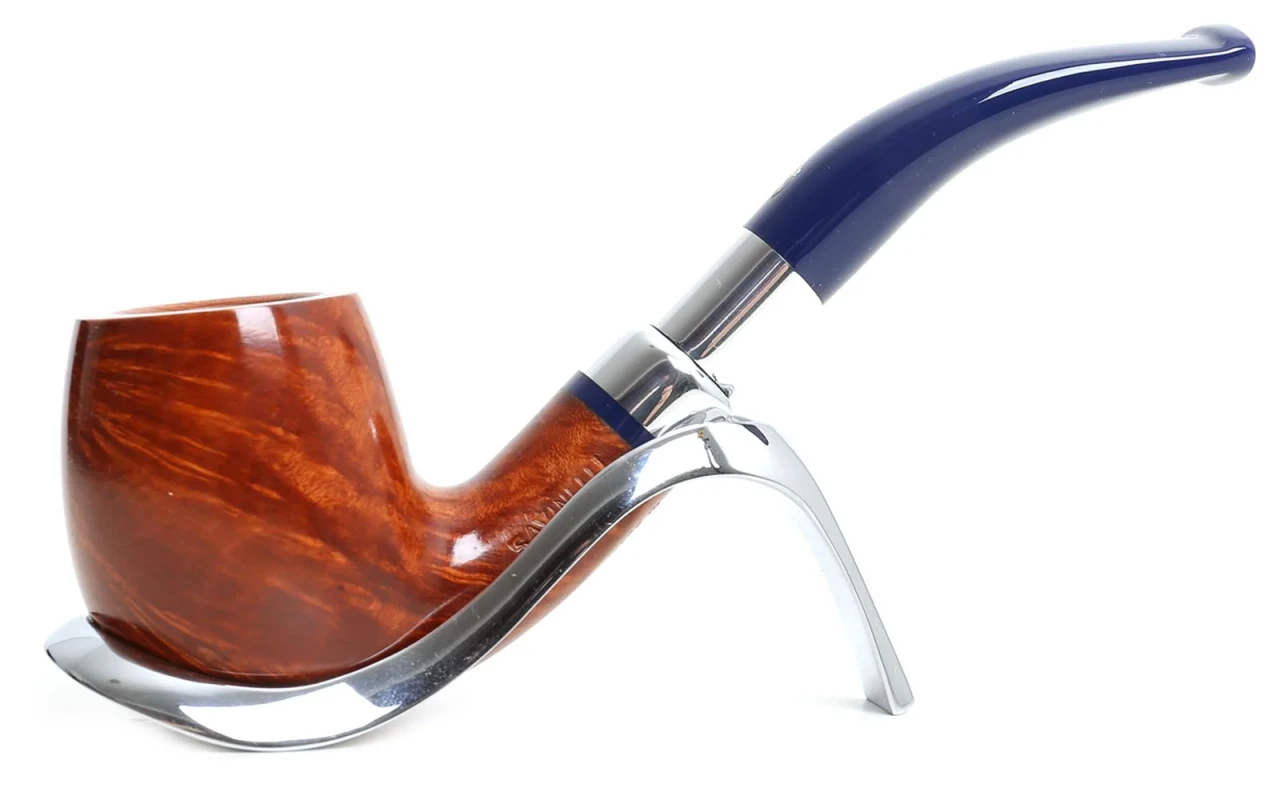
Cooling and drying pipes after processing are crucial to ensure the quality of the final product. Rotating the pipes during this process helps ensure an even distribution of heat and air, facilitating uniform drying and reducing the risk of deformations. This technique also helps prevent condensation from forming inside the pipes themselves. Through the combination of cooling, drying, and rotation of the pipes, a high-quality final product is obtained, ready to be further processed or marketed.
Pipe cooling method
The pipe cooling method is an essential process to ensure a smoother and more enjoyable smoking experience. There are various techniques to cool pipe smoke, including the use of active charcoal or meerschaum filters, pipes with air chambers, or pipes with condensing systems. Additionally, one can cool pipe smoke by drinking cold liquids during the smoking session or by filling the pipe with wide-cut tobaccos that burn more slowly. These strategies help reduce the temperature of the inhaled smoke, thereby enhancing the overall pipe smoking experience.
How to properly dry a pipe
To properly dry a pipe after use, it is important to follow some fundamental steps:1. Disassemble the pipe to separate its various parts.2. Run a pipe cleaner through the stem and the mouthpiece to remove moisture and tobacco residues.3. Use a specific tool to scrape the bowl of the pipe and remove solid residues.4. Leave the disassembled pipe open in a cool and dry place for at least 24 hours, allowing it to ventilate and dry completely.5. Finally, reassemble the pipe only when it is completely dry to prevent mold or foul odors from forming.
Benefits of rotating pipes
Rotating pipes during smoking offers several benefits to pipe enthusiasts. Firstly, it promotes an even tobacco combustion, ensuring a fuller aroma and a better taste experience. Additionally, it helps to prevent excessive overheating of the pipe, preserving its structure over time. Regularly rotating pipes also helps to reduce the formation of deposits and residues inside the combustion chamber, facilitating cleaning and maintaining the smoke quality intact. Lastly, it promotes even oxidation of the pipe, contributing to its longevity and the preservation of its aesthetic and functional characteristics.
'%3e%3cg id='Final-Copy-2_2_' transform='translate(1275.000000, 200.000000)'%3e%3cpath class='st0' d='M7.4,12.8h6.8l3.1-11.6H7.4C4.2,1.2,1.6,3.8,1.6,7S4.2,12.8,7.4,12.8z'/%3e%3c/g%3e%3c/g%3e%3c/g%3e%3cg id='final---dec.11-2020'%3e%3cg id='_x30_208-our-toggle' transform='translate(-1275.000000, -200.000000)'%3e%3cg id='Final-Copy-2' transform='translate(1275.000000, 200.000000)'%3e%3cpath class='st1' d='M22.6,0H7.4c-3.9,0-7,3.1-7,7s3.1,7,7,7h15.2c3.9,0,7-3.1,7-7S26.4,0,22.6,0z M1.6,7c0-3.2,2.6-5.8,5.8-5.8 h9.9l-3.1,11.6H7.4C4.2,12.8,1.6,10.2,1.6,7z'/%3e%3cpath id='x' class='st2' d='M24.6,4c0.2,0.2,0.2,0.6,0,0.8l0,0L22.5,7l2.2,2.2c0.2,0.2,0.2,0.6,0,0.8c-0.2,0.2-0.6,0.2-0.8,0 l0,0l-2.2-2.2L19.5,10c-0.2,0.2-0.6,0.2-0.8,0c-0.2-0.2-0.2-0.6,0-0.8l0,0L20.8,7l-2.2-2.2c-0.2-0.2-0.2-0.6,0-0.8 c0.2-0.2,0.6-0.2,0.8,0l0,0l2.2,2.2L23.8,4C24,3.8,24.4,3.8,24.6,4z'/%3e%3cpath id='y' class='st3' d='M12.7,4.1c0.2,0.2,0.3,0.6,0.1,0.8l0,0L8.6,9.8C8.5,9.9,8.4,10,8.3,10c-0.2,0.1-0.5,0.1-0.7-0.1l0,0 L5.4,7.7c-0.2-0.2-0.2-0.6,0-0.8c0.2-0.2,0.6-0.2,0.8,0l0,0L8,8.6l3.8-4.5C12,3.9,12.4,3.9,12.7,4.1z'/%3e%3c/g%3e%3c/g%3e%3c/g%3e%3c/g%3e%3c/svg%3e) Your Privacy Choices
Your Privacy Choices 


