 ES
ES FR
FR EN
EN IT
IT DE
DE
Common materials for travel pipes
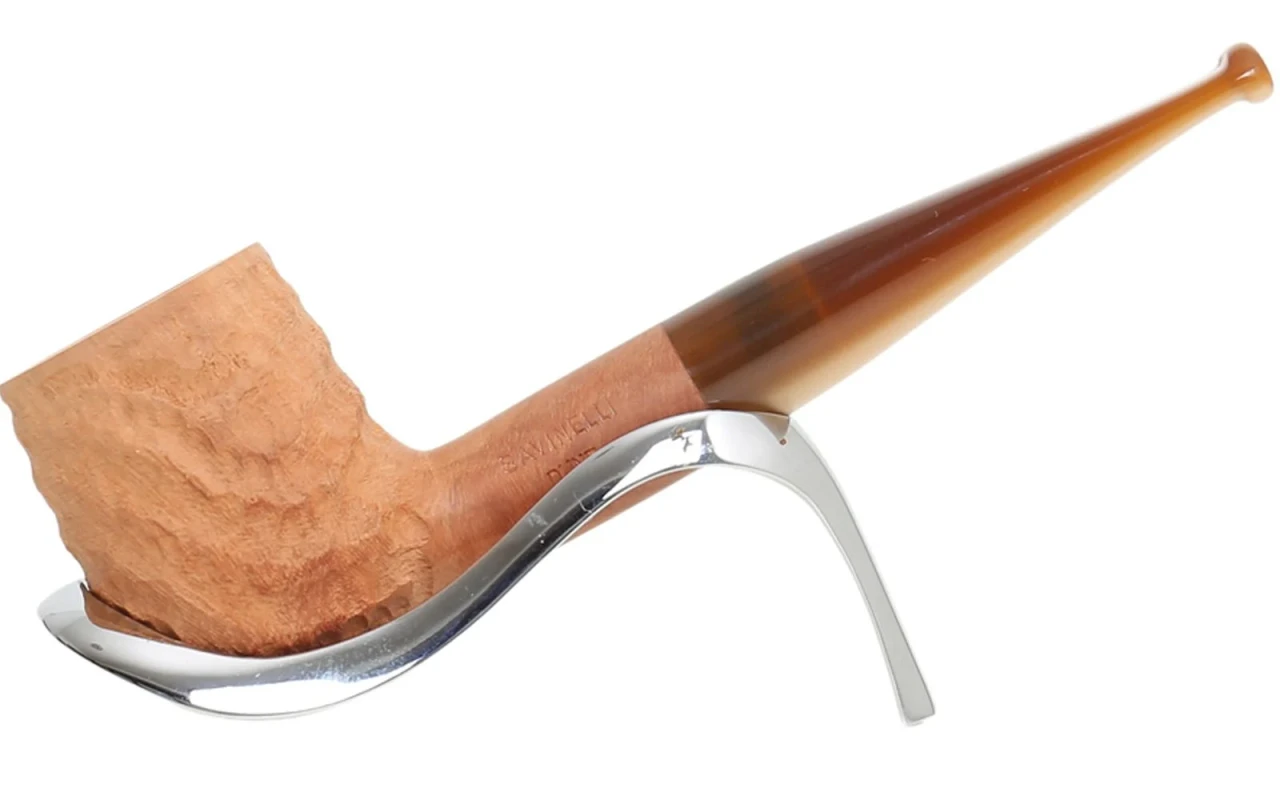
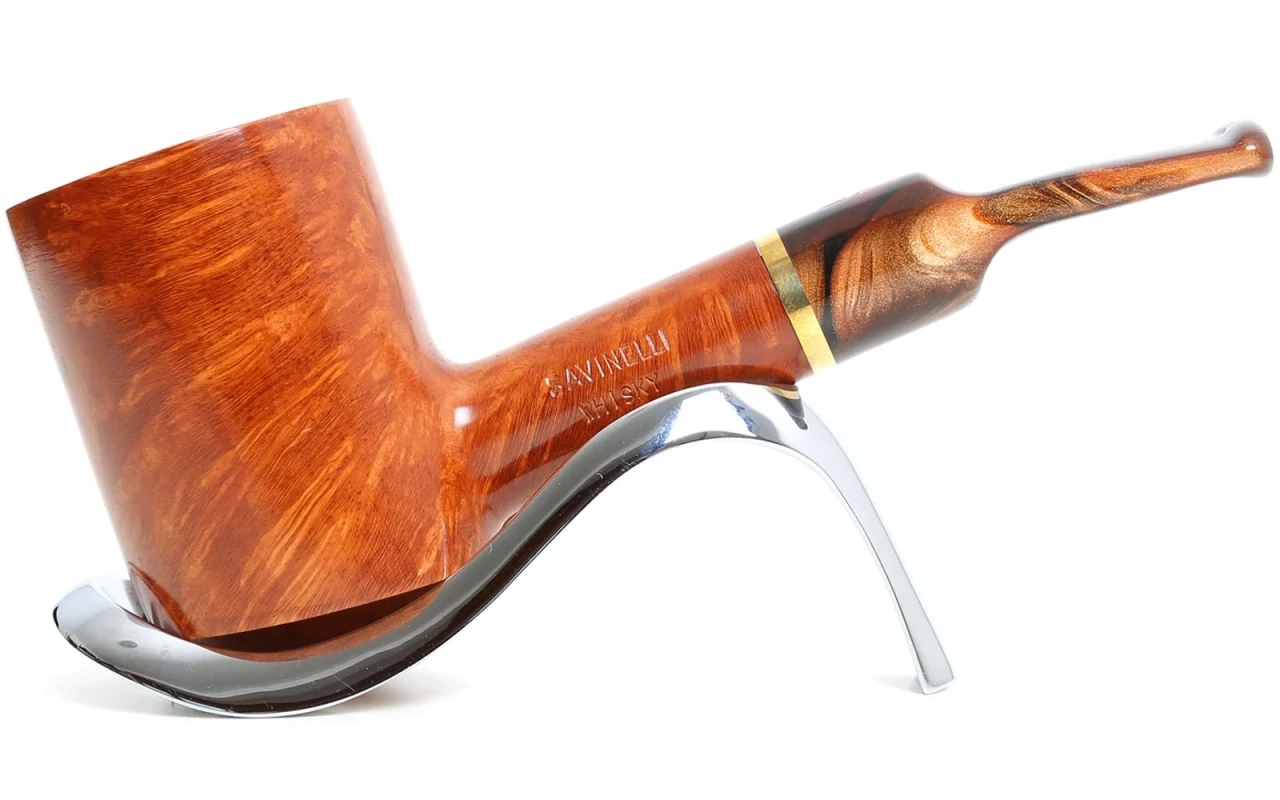
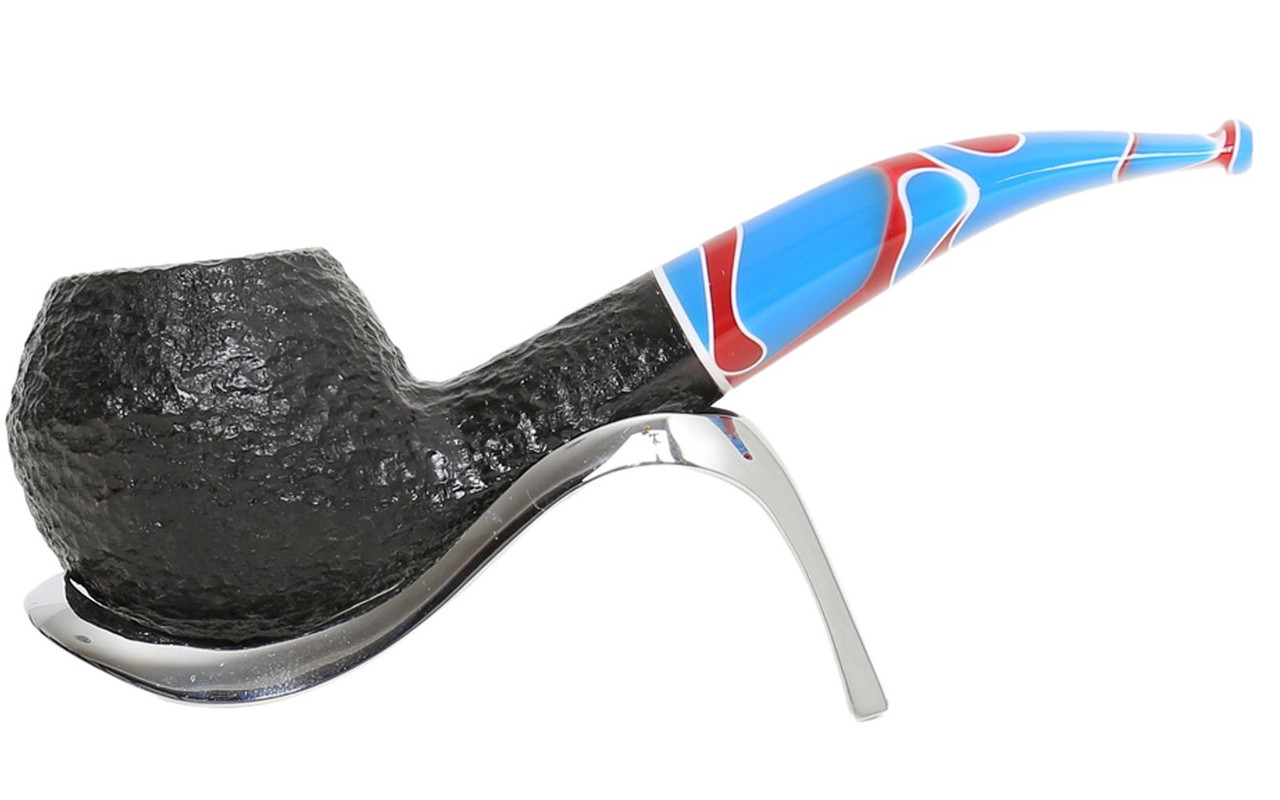
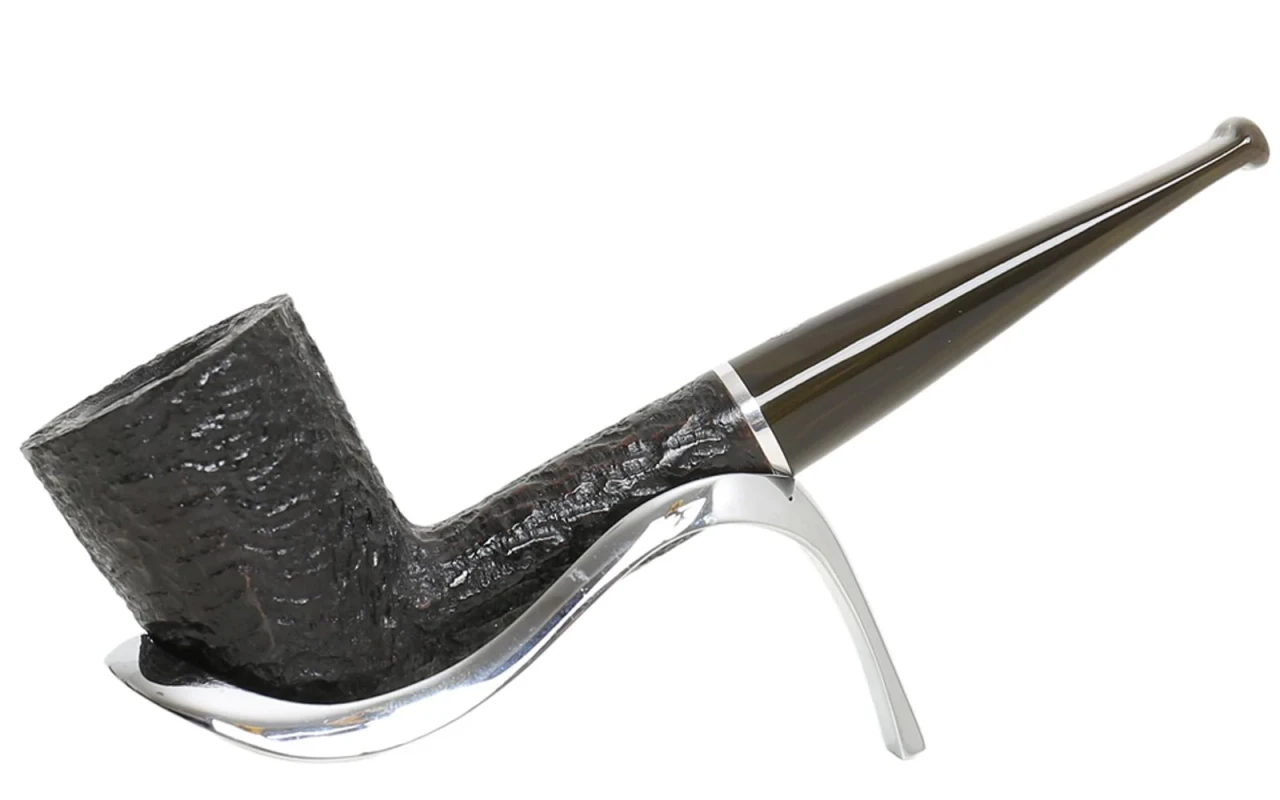
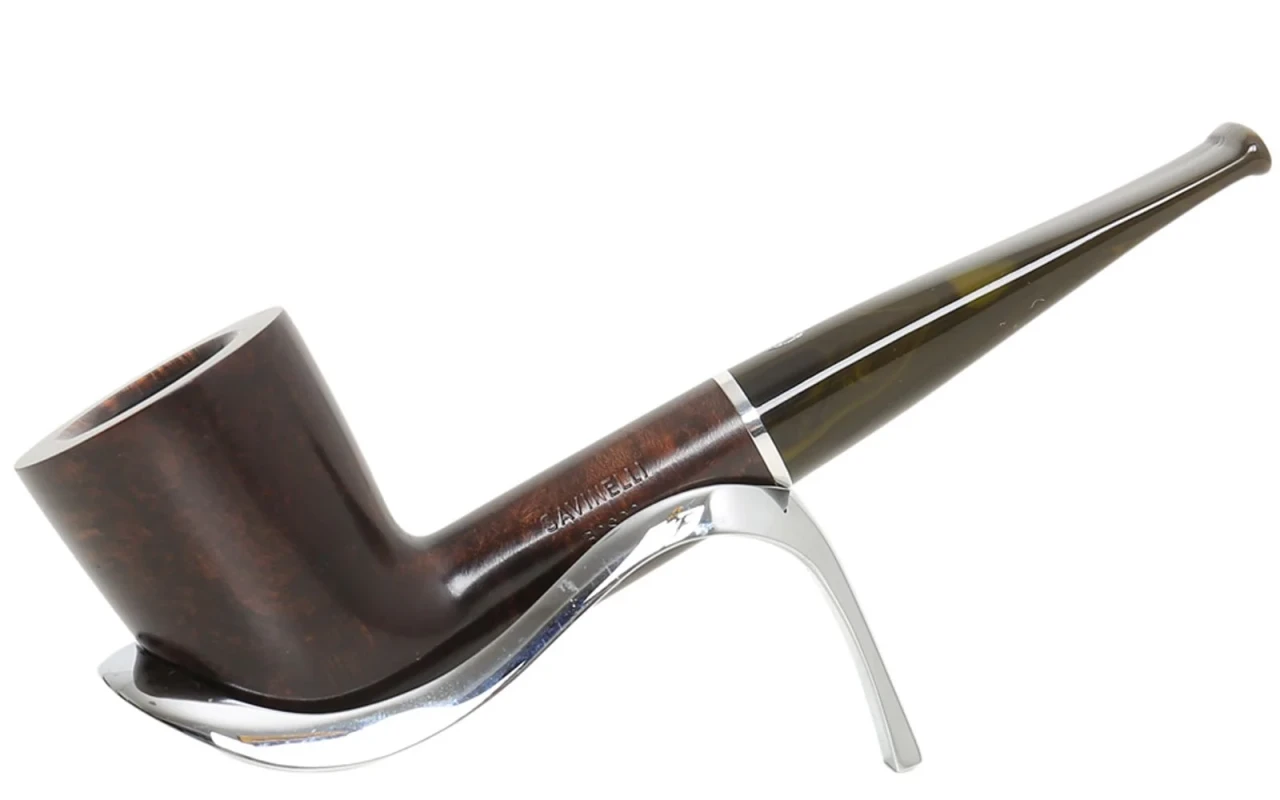
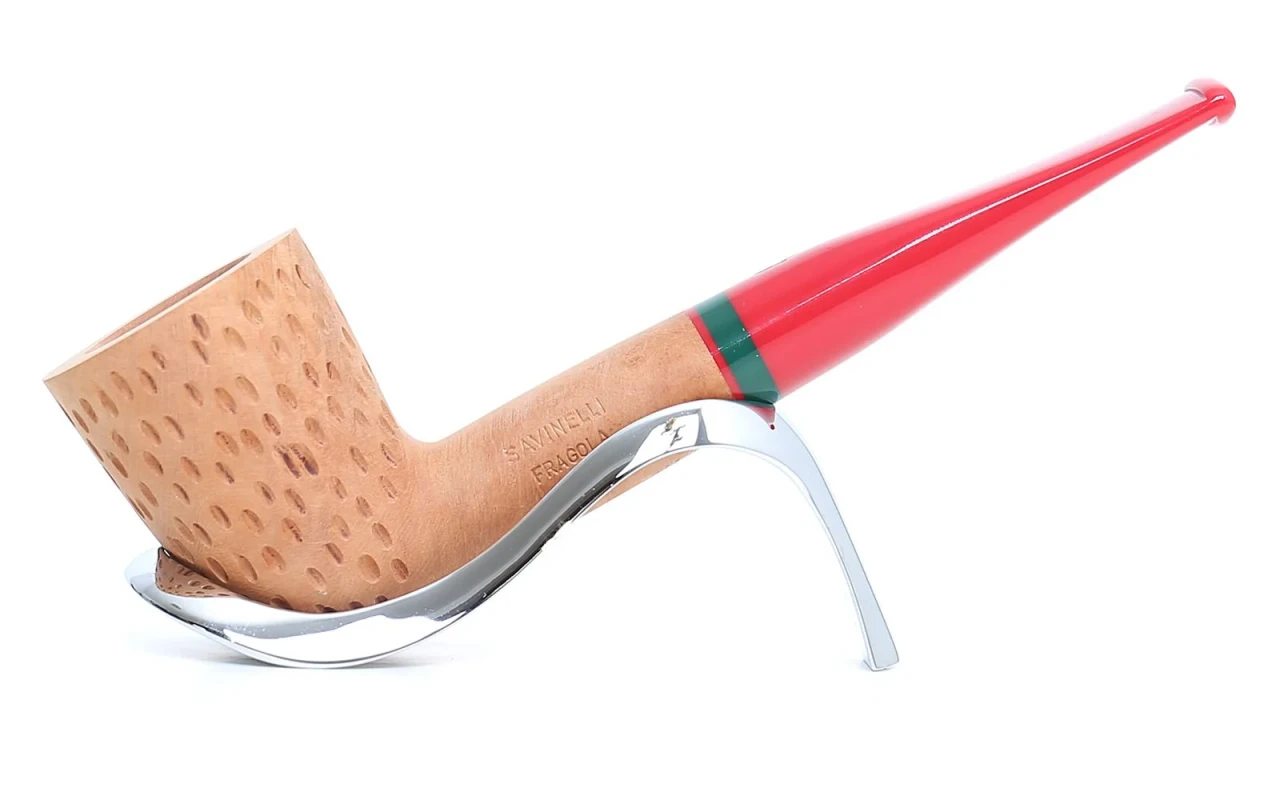
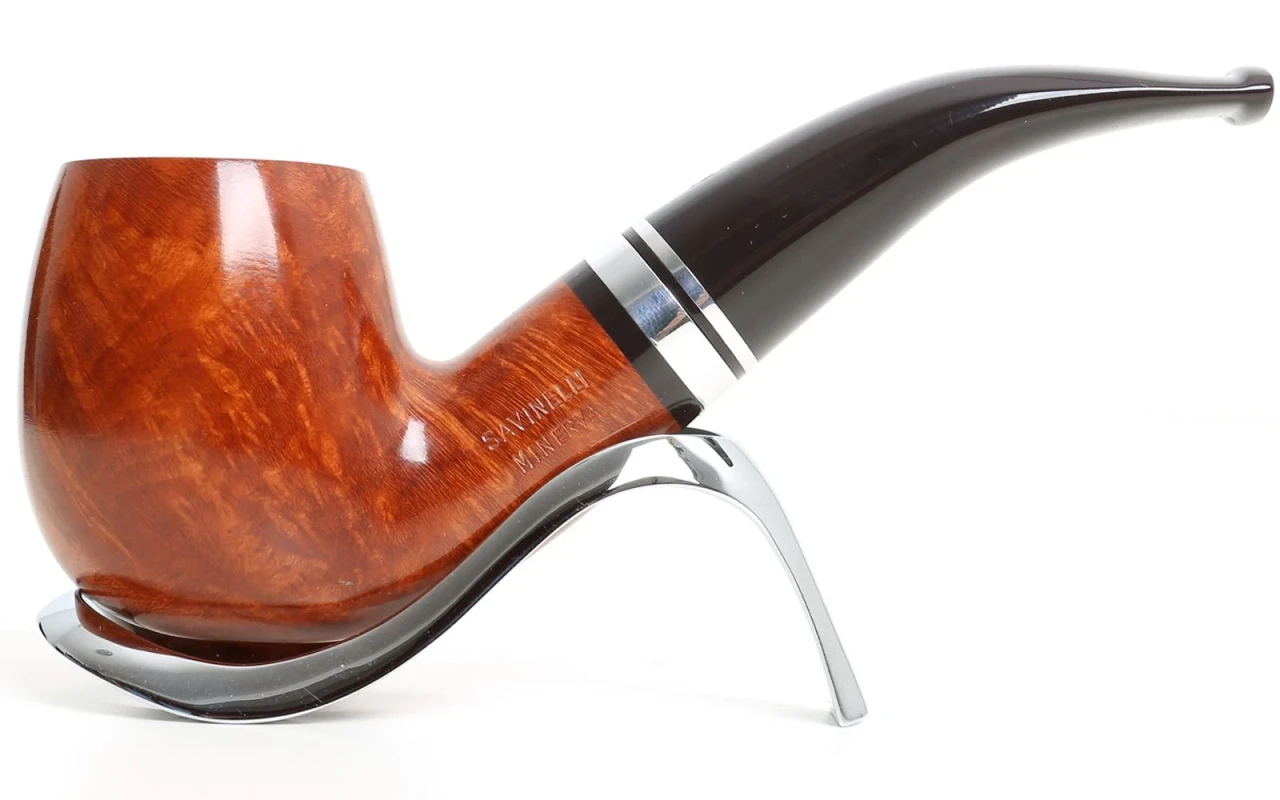
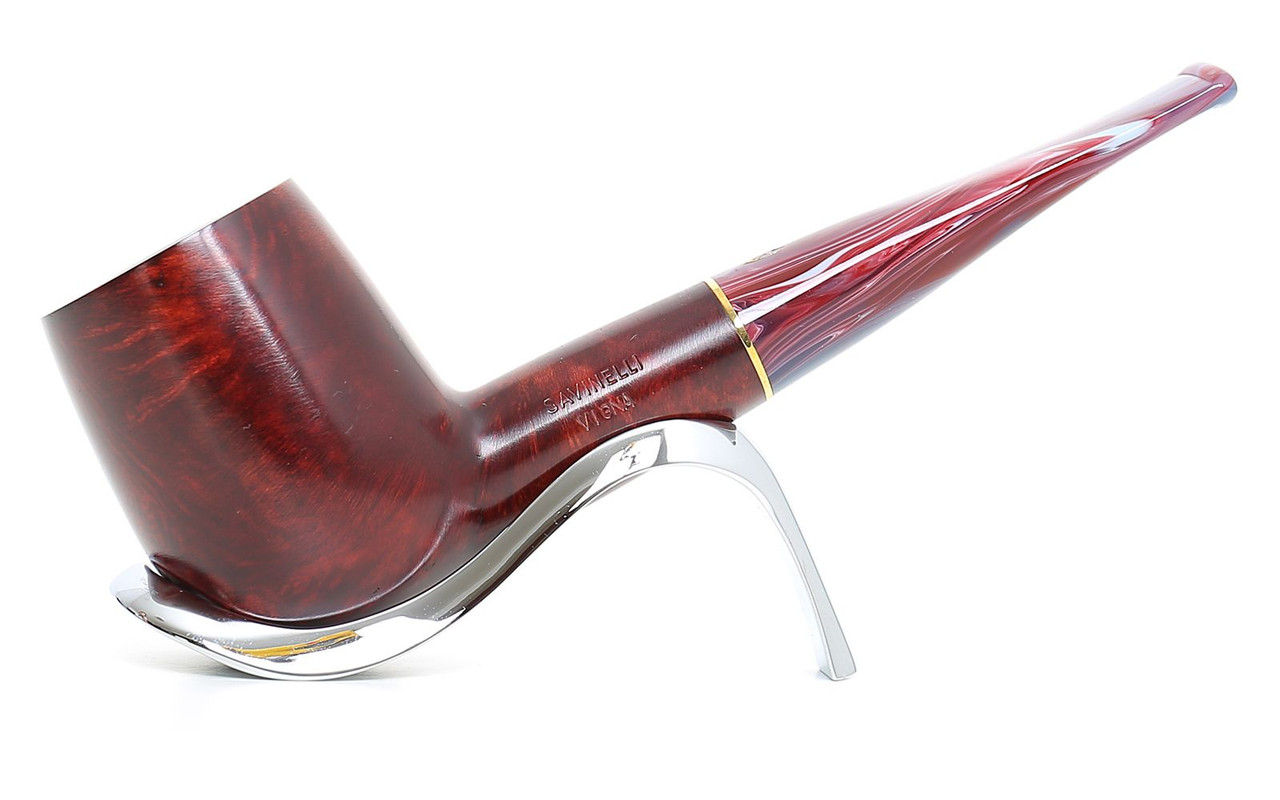
Common materials for travel pipes
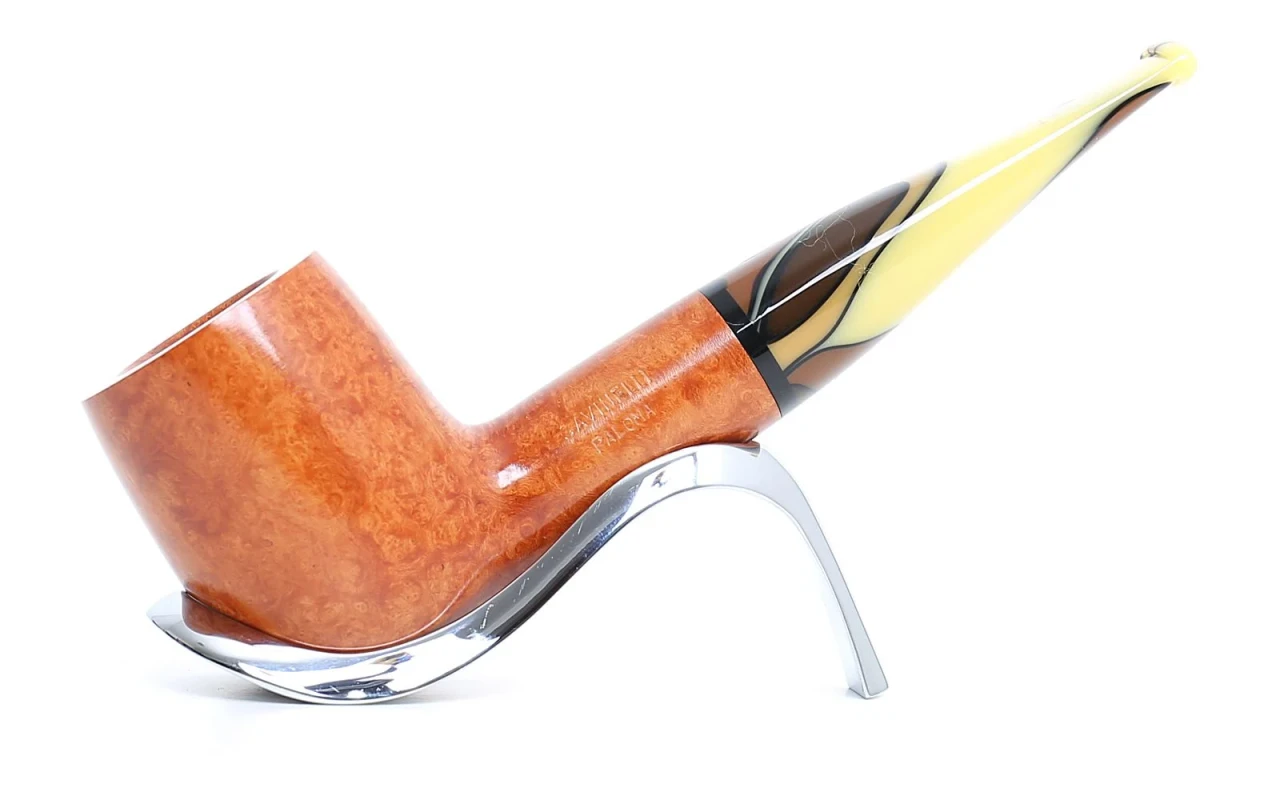
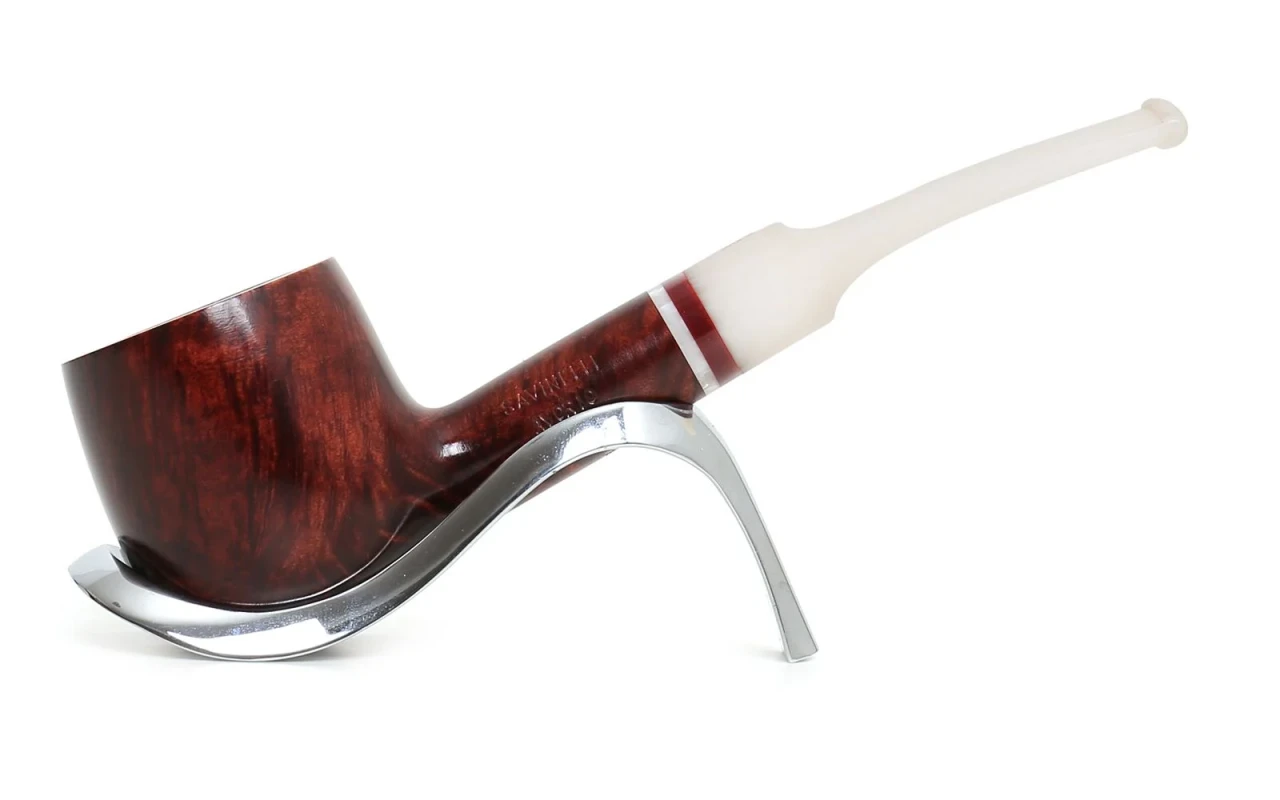
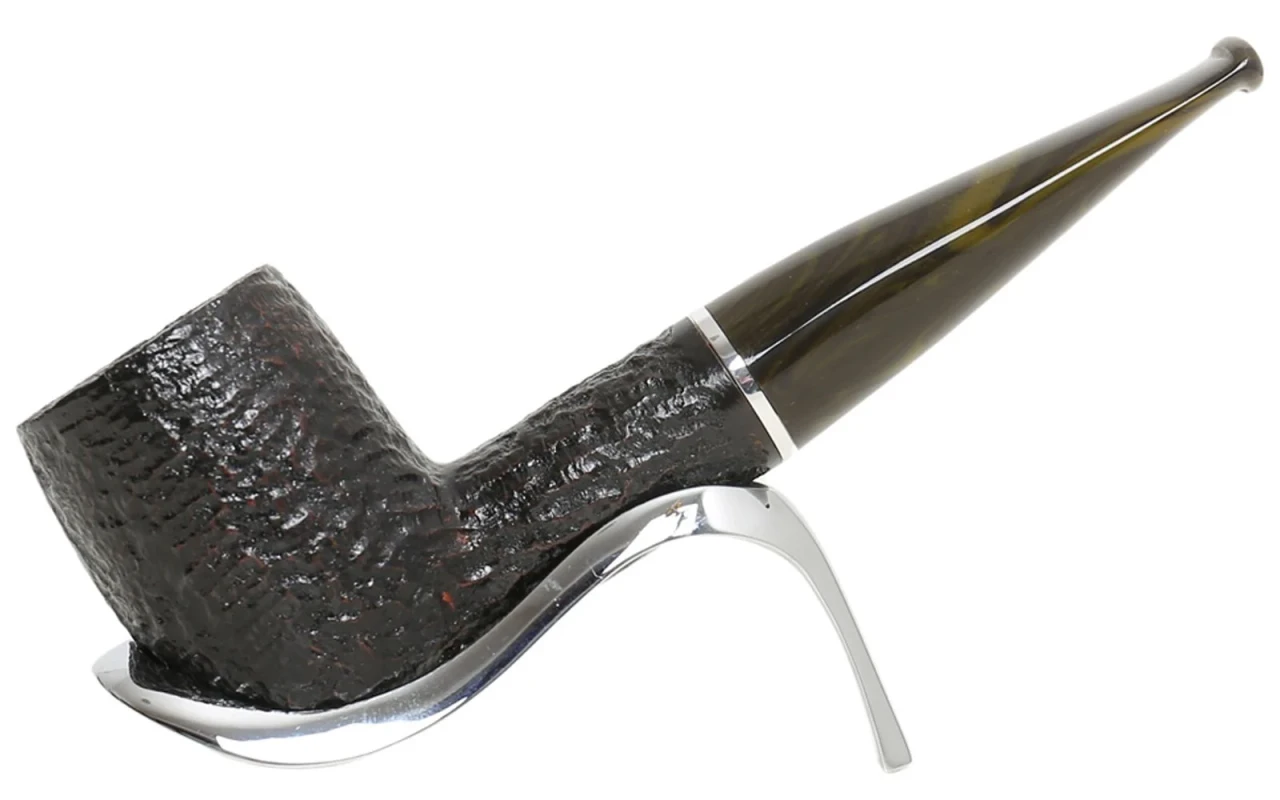
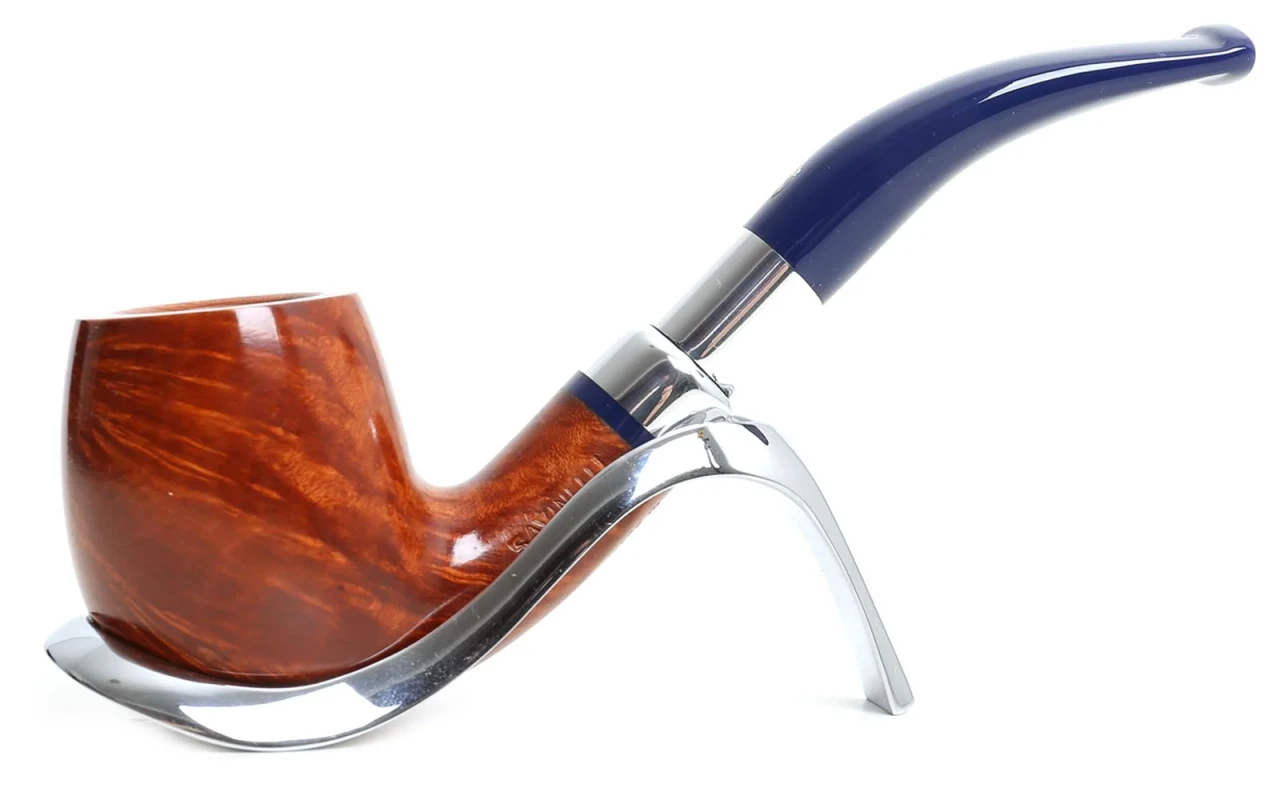
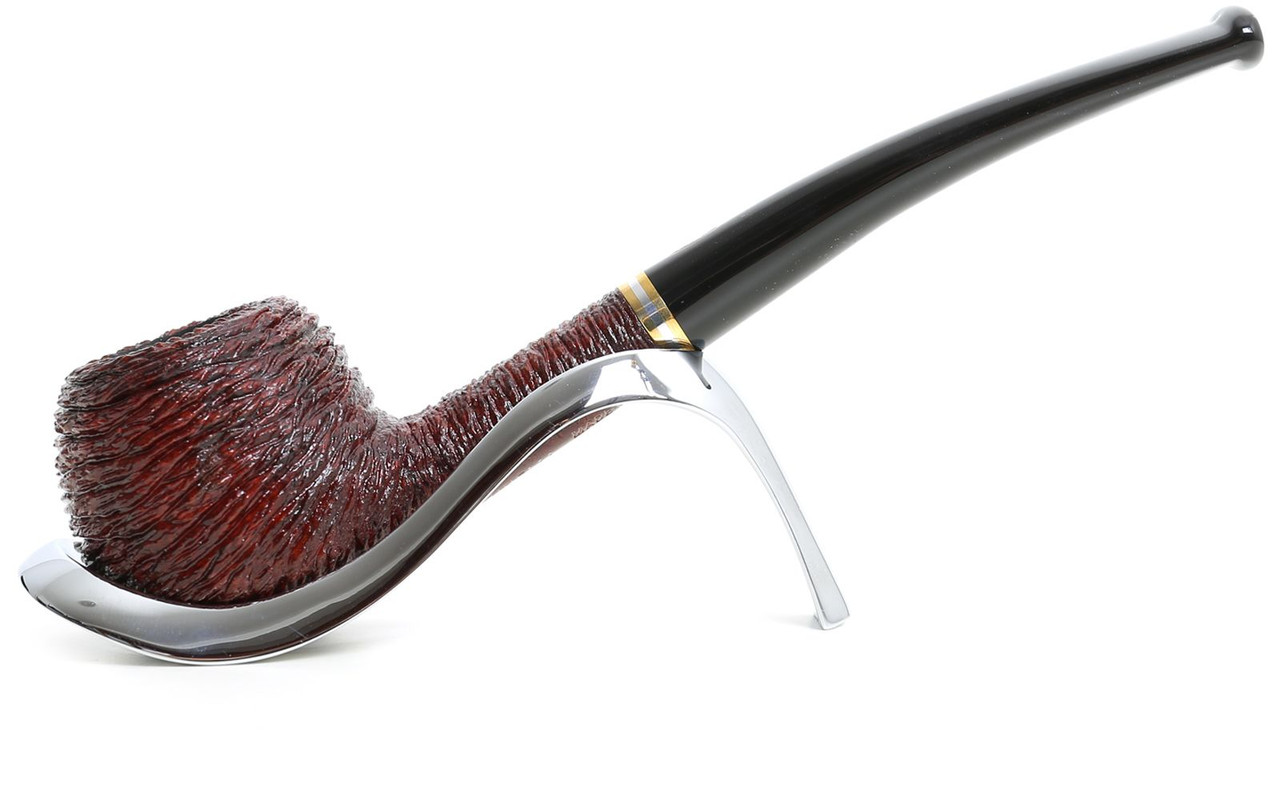
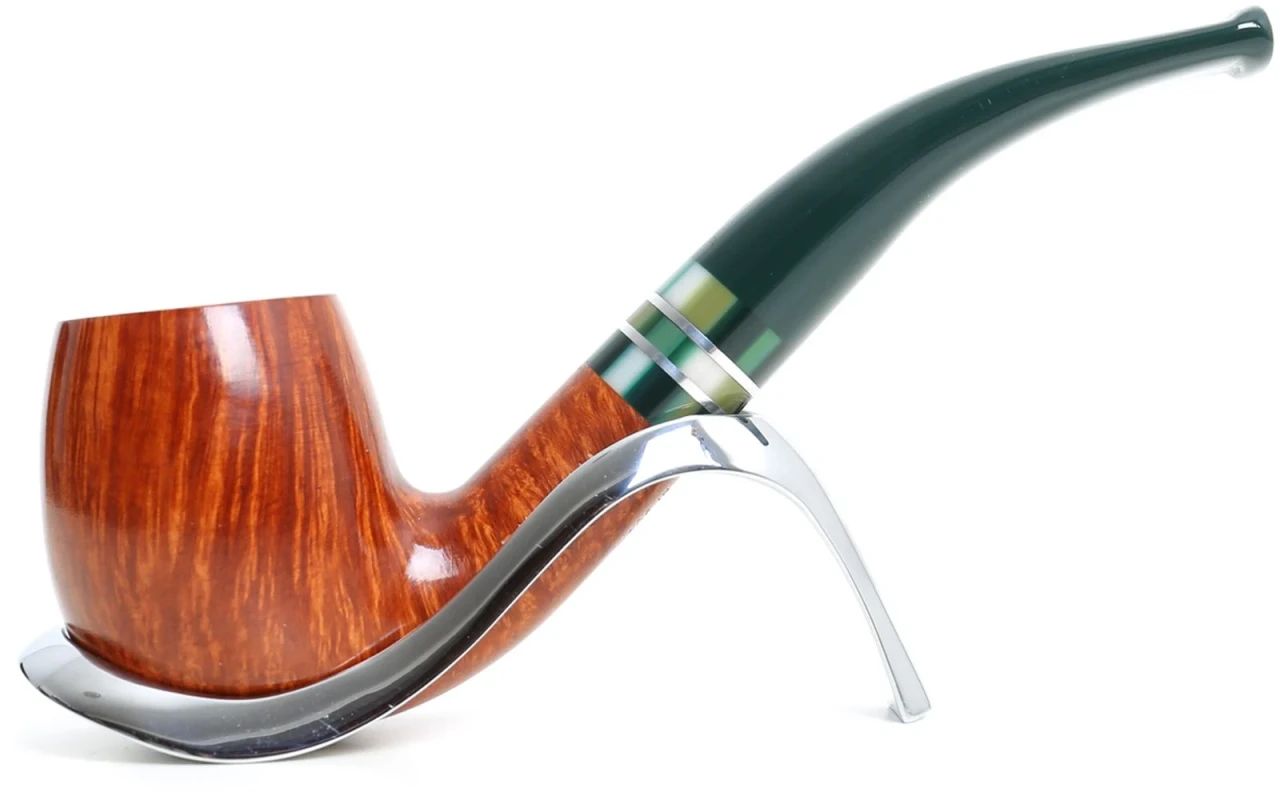
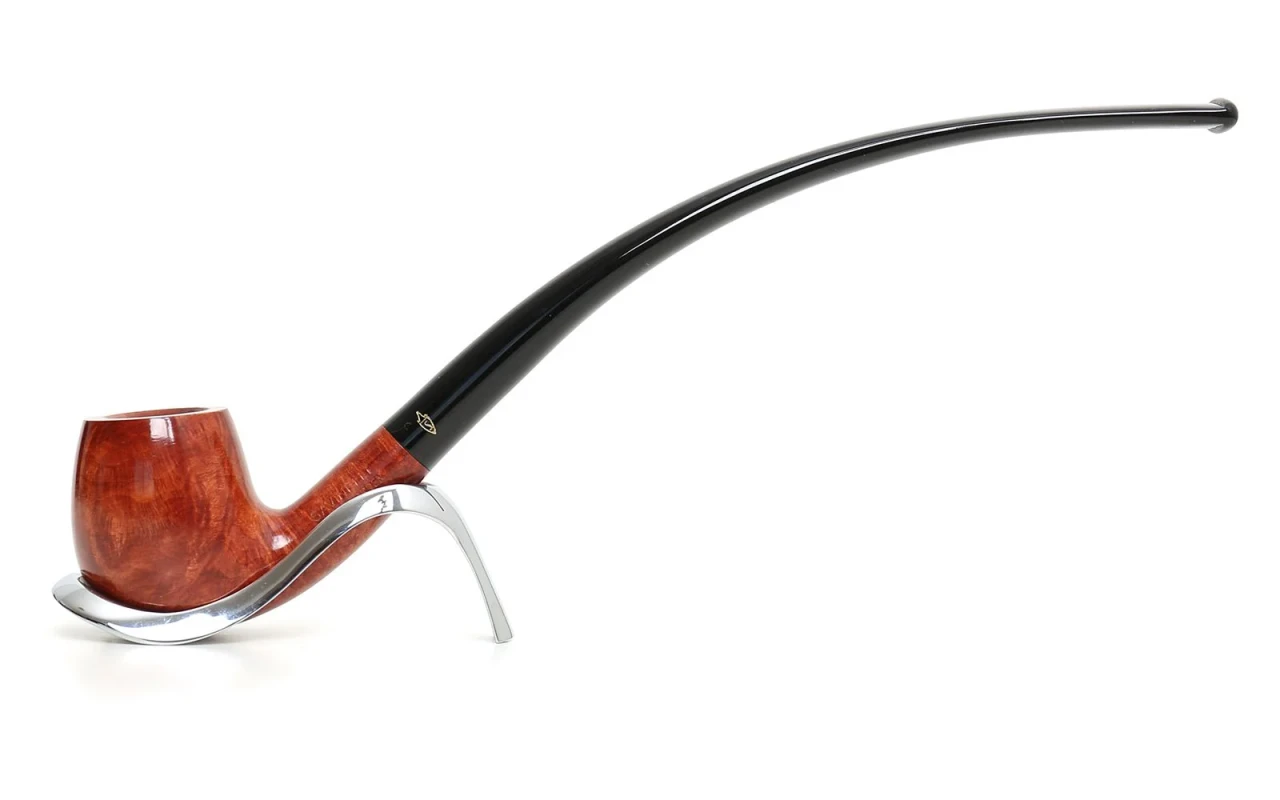
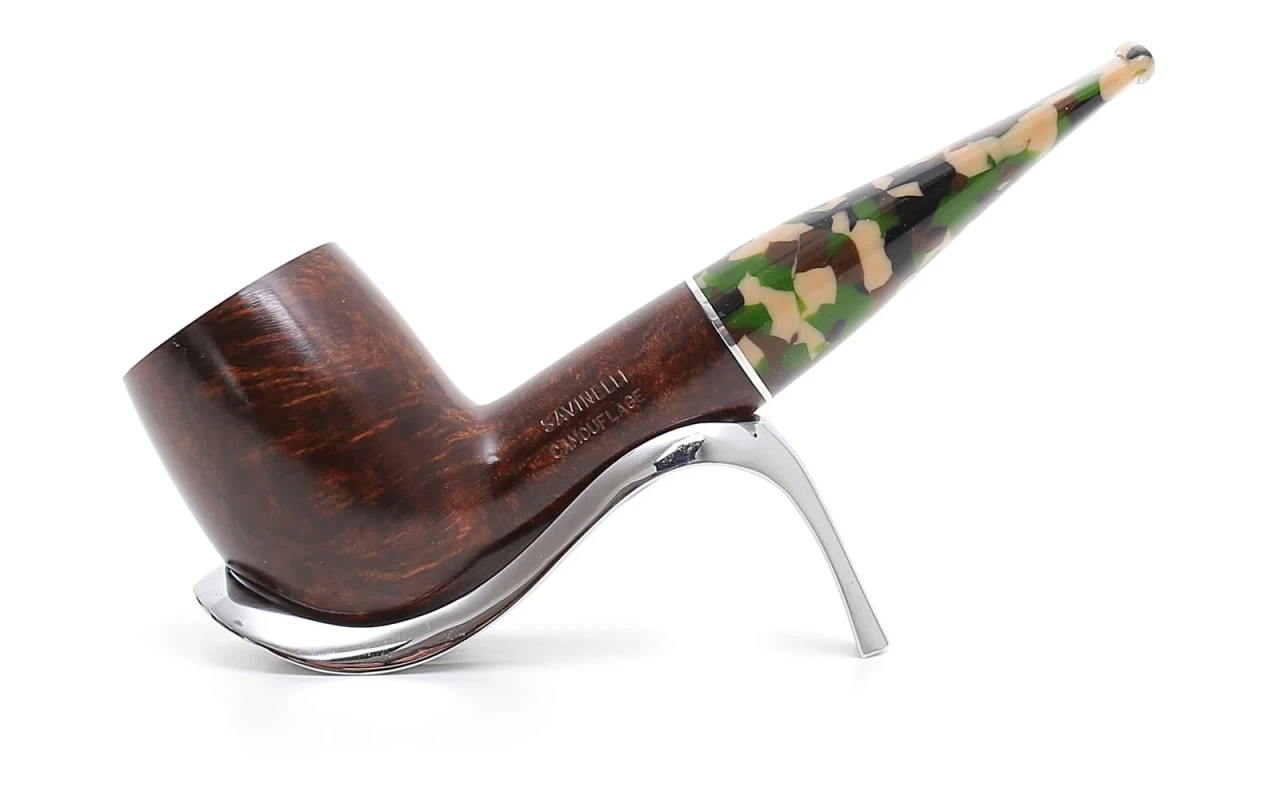
Common materials for travel pipes include:- Wood: lightweight and durable, it is a popular choice for travel pipes.- Metal: lightweight and long-lasting, ideal for those looking for a sturdy pipe.- Corn cob: light and inexpensive, corn cob travel pipes are often disposable.- Meerschaum: a porous material that absorbs tobacco oils, ensuring a drier smoke.- Clay: provides a pure and neutral smoke, but is fragile and requires special care.- Coral: rare and expensive, coral travel pipes are precious pieces but delicate.
Materials for Handcrafted Pipes
The most common materials used for crafting handcrafted pipes are wood, briar, clay, corn cob, and meerschaum. Wood is often chosen for its beauty and its ability to absorb smoke over time, while briar is valued for its unique aesthetic characteristics. Clay pipes offer a particularly pure flavor delivery, while corn cob pipes are lightweight and cost-effective. Meerschaum, on the other hand, is renowned for its moisture-absorbing properties and its tendency to darken with use, giving the pipe a distinctive patina over time. The choice of material often depends on the smoker's personal preferences and the desired smoking experience.
Pipe Smokers Accessories
Pipe smokers accessories are essential tools to fully enjoy the pipe smoking experience. Among the main accessories, you can find:- Pipe filter: useful to reduce moisture and nicotine content in the smoke.- Pipe stand: to safely transport your pipe.- Soft flame lighter: ideal for lighting the pipe without burning it.- Beeswax matches: perfect for lighting the pipe without affecting the tobacco flavor.- Tobacco pouch: to store tobacco optimally.These accessories are fundamental for a complete and satisfying pipe smoking experience.
Pipe Maintenance Guidelines
Proper pipe maintenance is essential to ensure optimal performance over time. Here are some useful guidelines for taking care of a pipe:- Regular cleaning: clean the pipe after each use to prevent residue buildup and unpleasant odors.- Use of pipe cleaners: use pipe cleaners to clean the air passage and the mouthpiece.- Adequate drying: allow the pipe to dry completely before storing it.- Pipe rotation: alternate the use of pipes to allow for rest and prevent overheating.- Periodic inspection: regularly check the wear and tear of the pipe and replace any damaged parts.By following these simple guidelines, it will be possible to keep your pipes in optimal condition over time.
'%3e%3cg id='Final-Copy-2_2_' transform='translate(1275.000000, 200.000000)'%3e%3cpath class='st0' d='M7.4,12.8h6.8l3.1-11.6H7.4C4.2,1.2,1.6,3.8,1.6,7S4.2,12.8,7.4,12.8z'/%3e%3c/g%3e%3c/g%3e%3c/g%3e%3cg id='final---dec.11-2020'%3e%3cg id='_x30_208-our-toggle' transform='translate(-1275.000000, -200.000000)'%3e%3cg id='Final-Copy-2' transform='translate(1275.000000, 200.000000)'%3e%3cpath class='st1' d='M22.6,0H7.4c-3.9,0-7,3.1-7,7s3.1,7,7,7h15.2c3.9,0,7-3.1,7-7S26.4,0,22.6,0z M1.6,7c0-3.2,2.6-5.8,5.8-5.8 h9.9l-3.1,11.6H7.4C4.2,12.8,1.6,10.2,1.6,7z'/%3e%3cpath id='x' class='st2' d='M24.6,4c0.2,0.2,0.2,0.6,0,0.8l0,0L22.5,7l2.2,2.2c0.2,0.2,0.2,0.6,0,0.8c-0.2,0.2-0.6,0.2-0.8,0 l0,0l-2.2-2.2L19.5,10c-0.2,0.2-0.6,0.2-0.8,0c-0.2-0.2-0.2-0.6,0-0.8l0,0L20.8,7l-2.2-2.2c-0.2-0.2-0.2-0.6,0-0.8 c0.2-0.2,0.6-0.2,0.8,0l0,0l2.2,2.2L23.8,4C24,3.8,24.4,3.8,24.6,4z'/%3e%3cpath id='y' class='st3' d='M12.7,4.1c0.2,0.2,0.3,0.6,0.1,0.8l0,0L8.6,9.8C8.5,9.9,8.4,10,8.3,10c-0.2,0.1-0.5,0.1-0.7-0.1l0,0 L5.4,7.7c-0.2-0.2-0.2-0.6,0-0.8c0.2-0.2,0.6-0.2,0.8,0l0,0L8,8.6l3.8-4.5C12,3.9,12.4,3.9,12.7,4.1z'/%3e%3c/g%3e%3c/g%3e%3c/g%3e%3c/g%3e%3c/svg%3e) Your Privacy Choices
Your Privacy Choices 


