 FR
FR EN
EN IT
IT DE
DE
Common materials for pipe stems
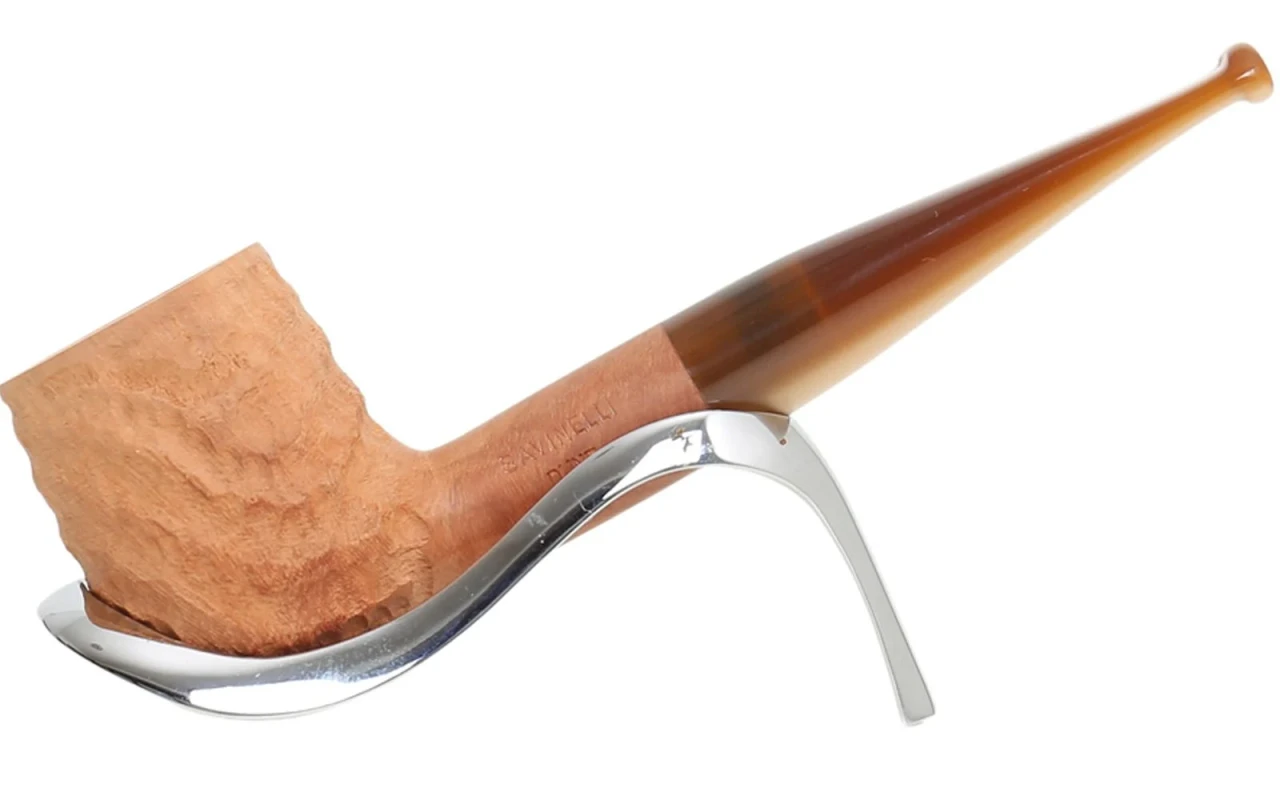
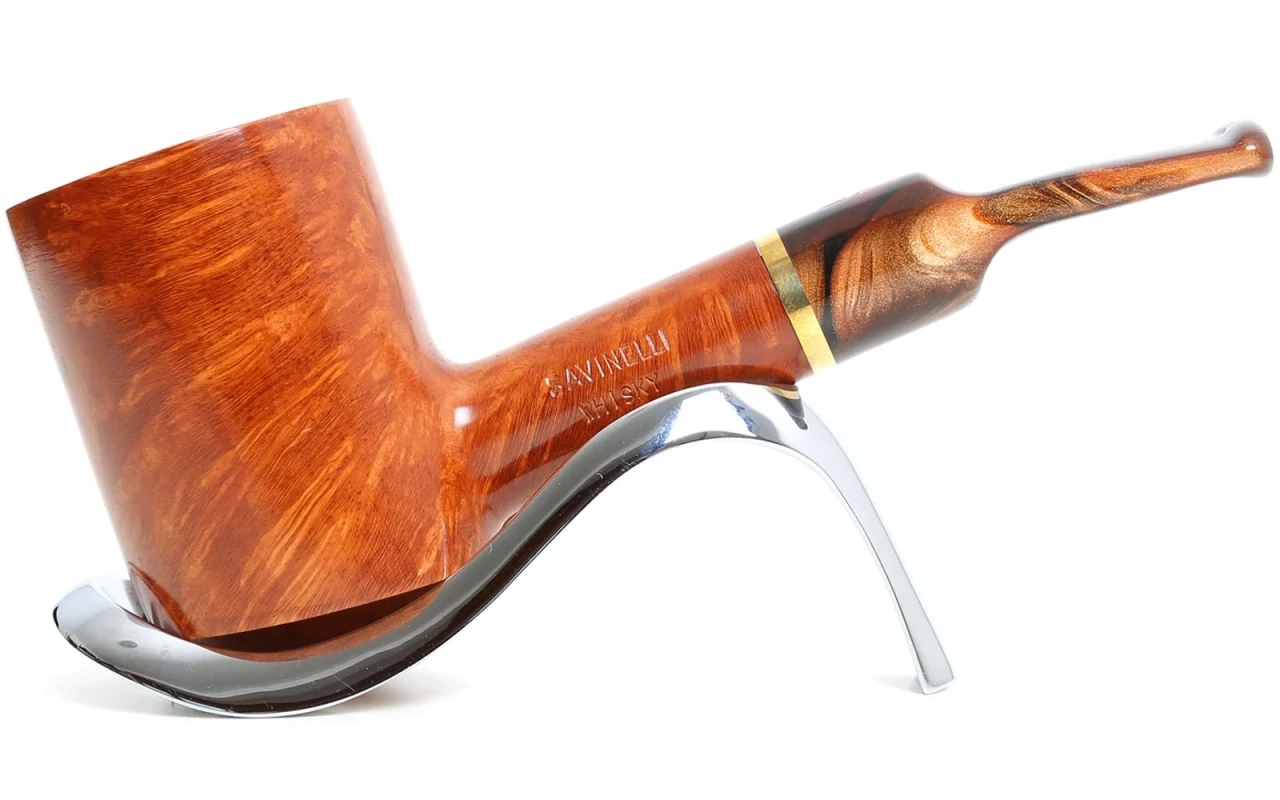
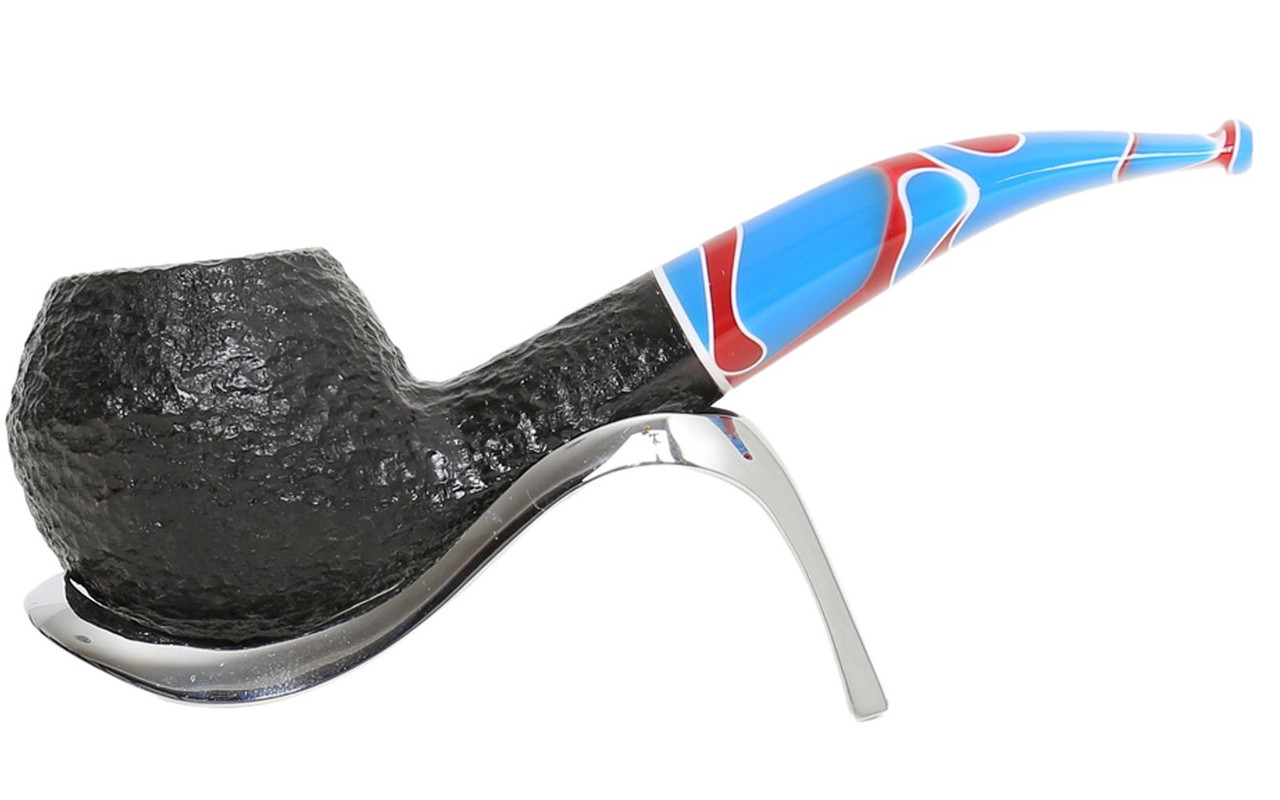
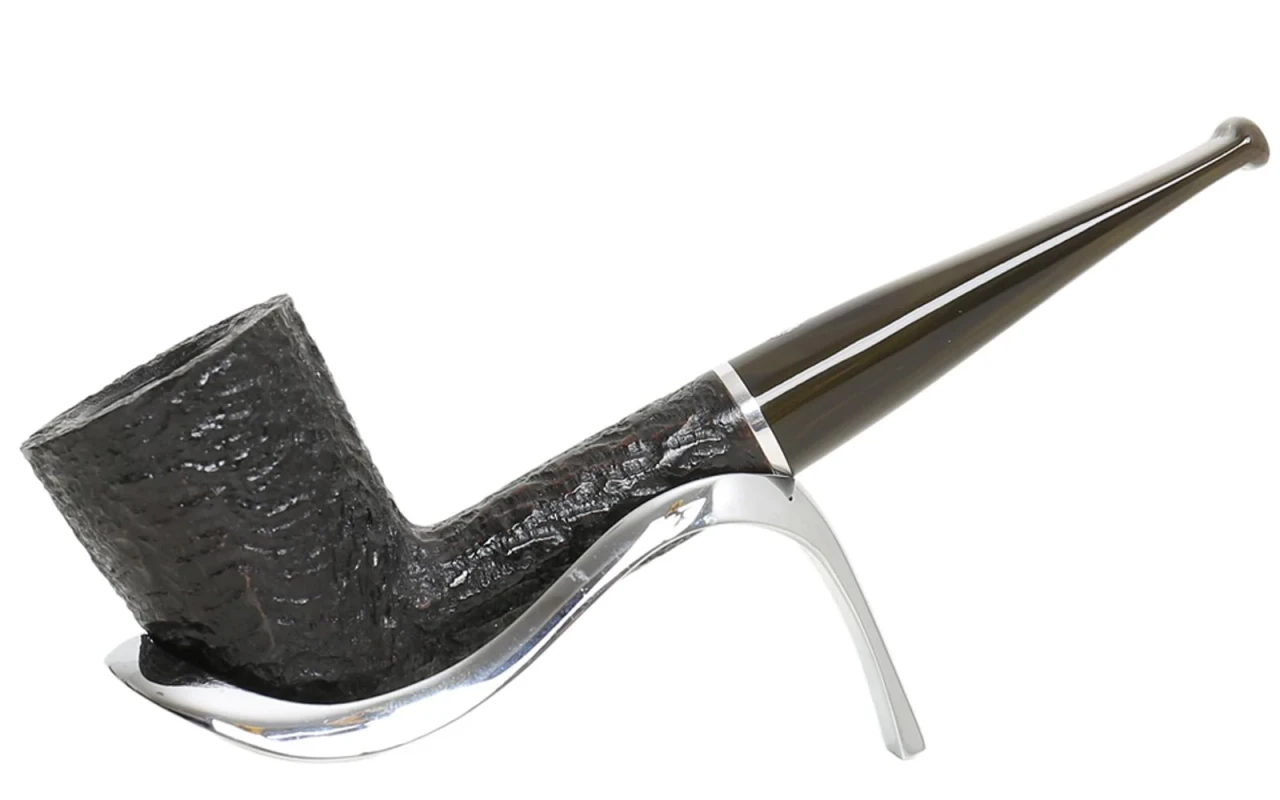
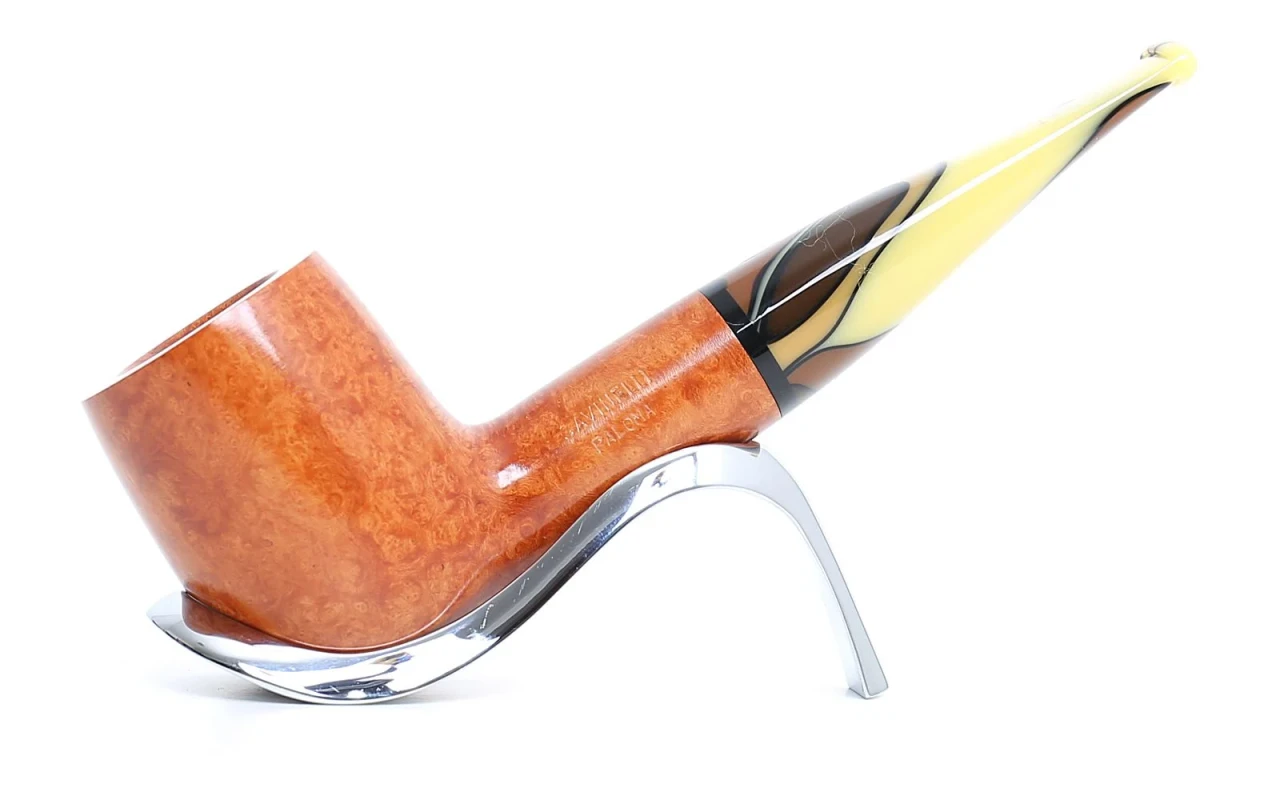
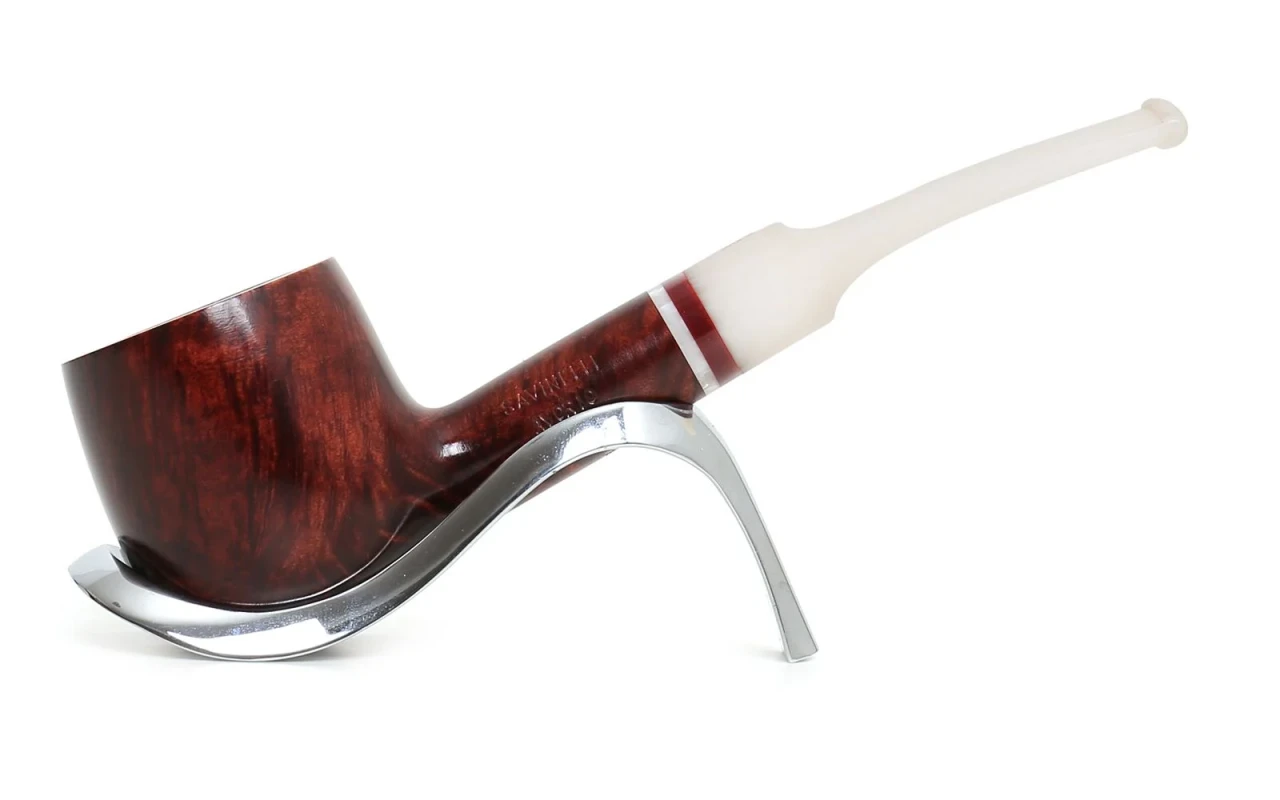
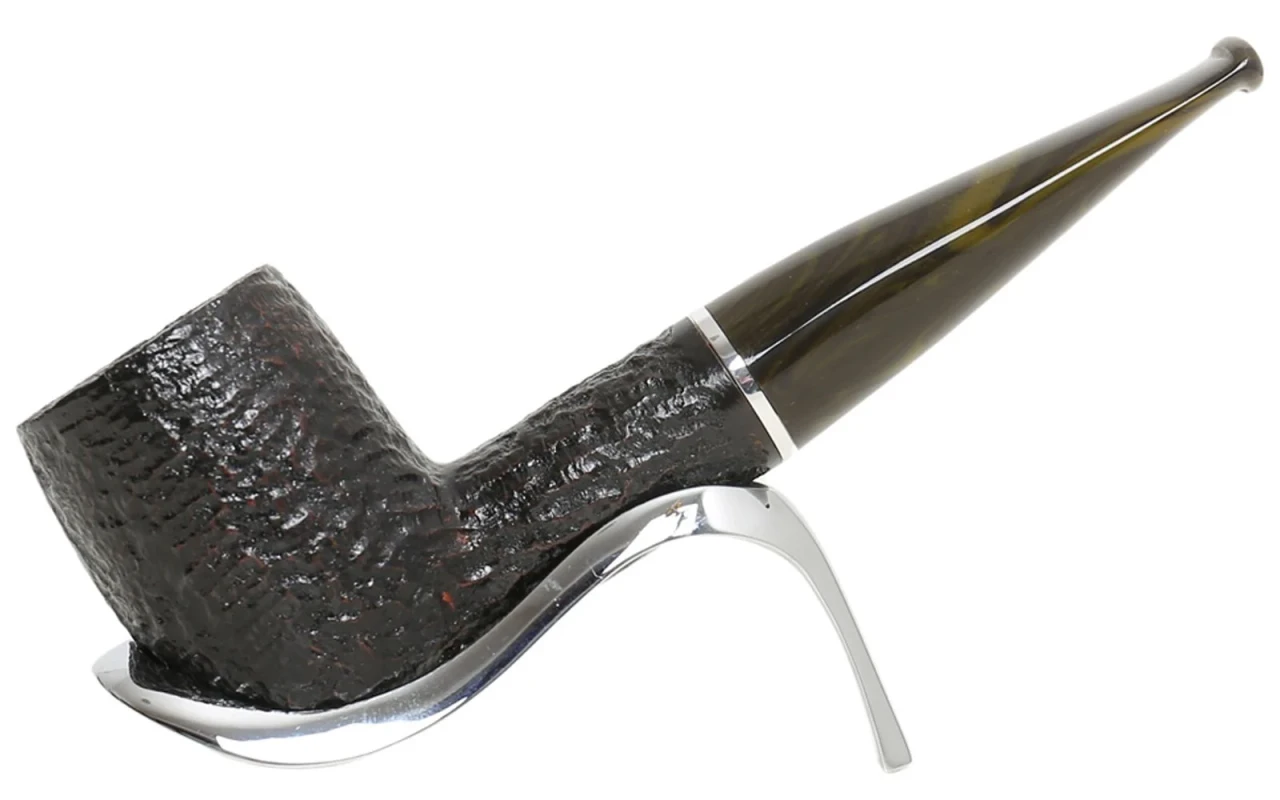
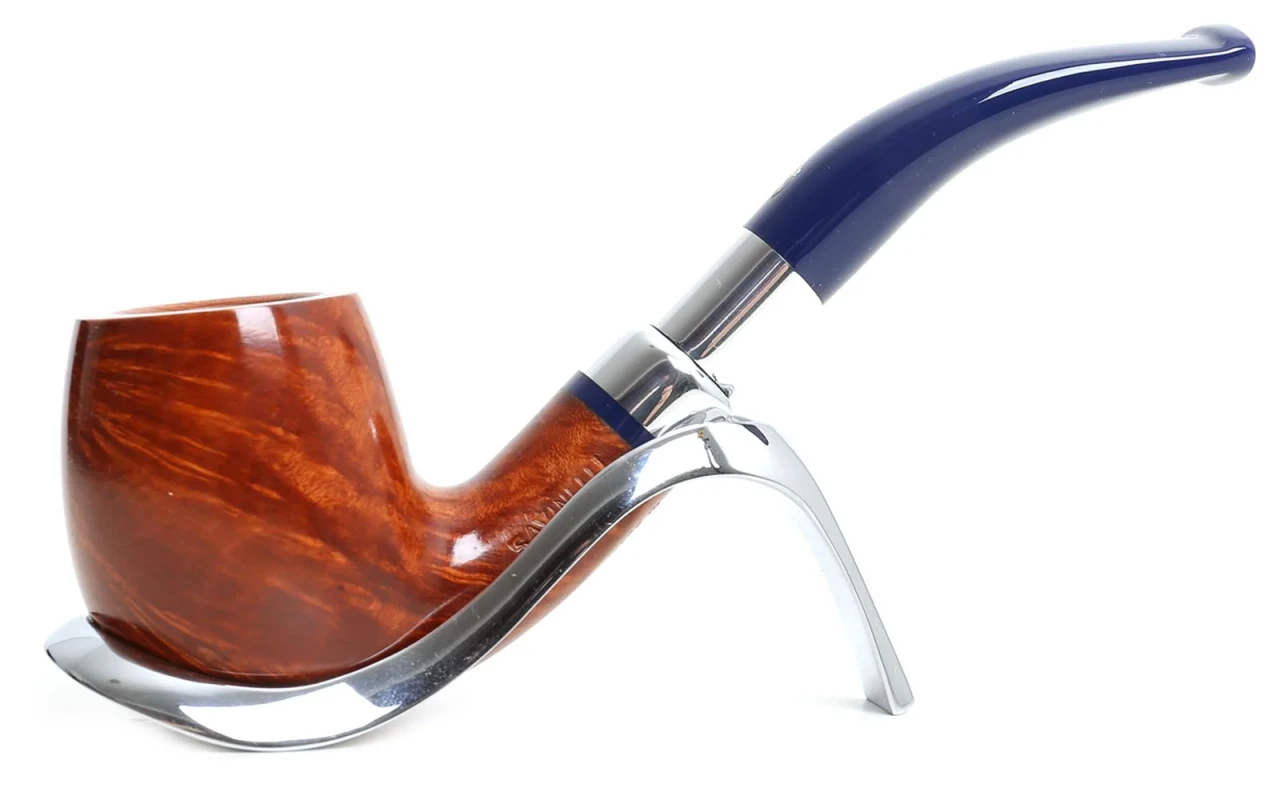
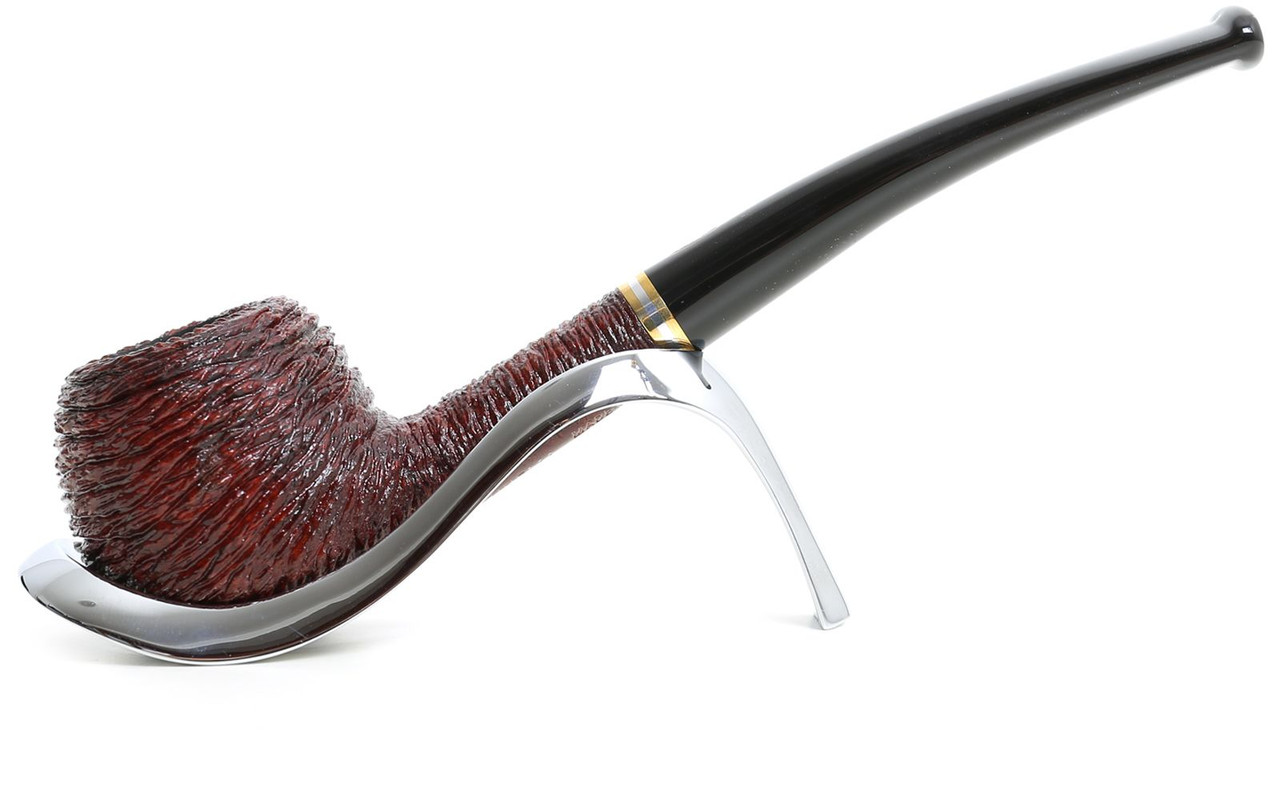
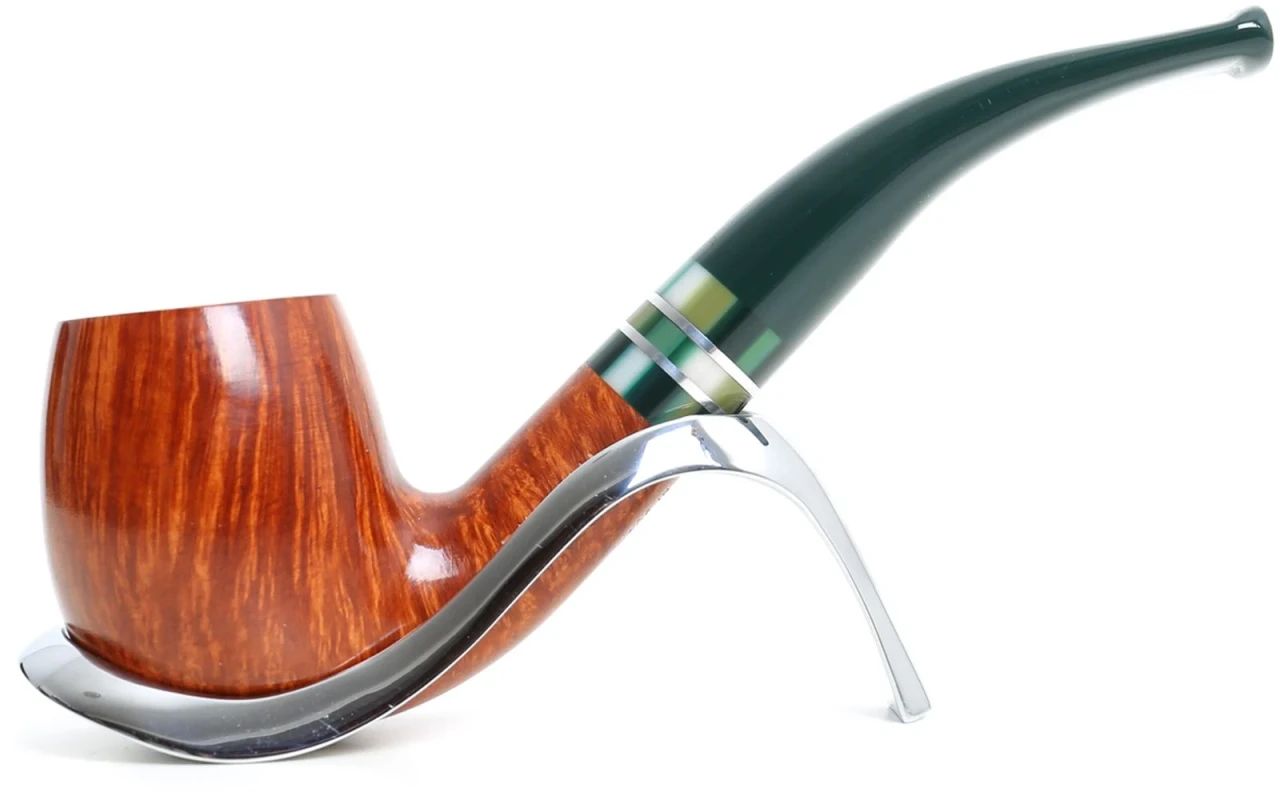
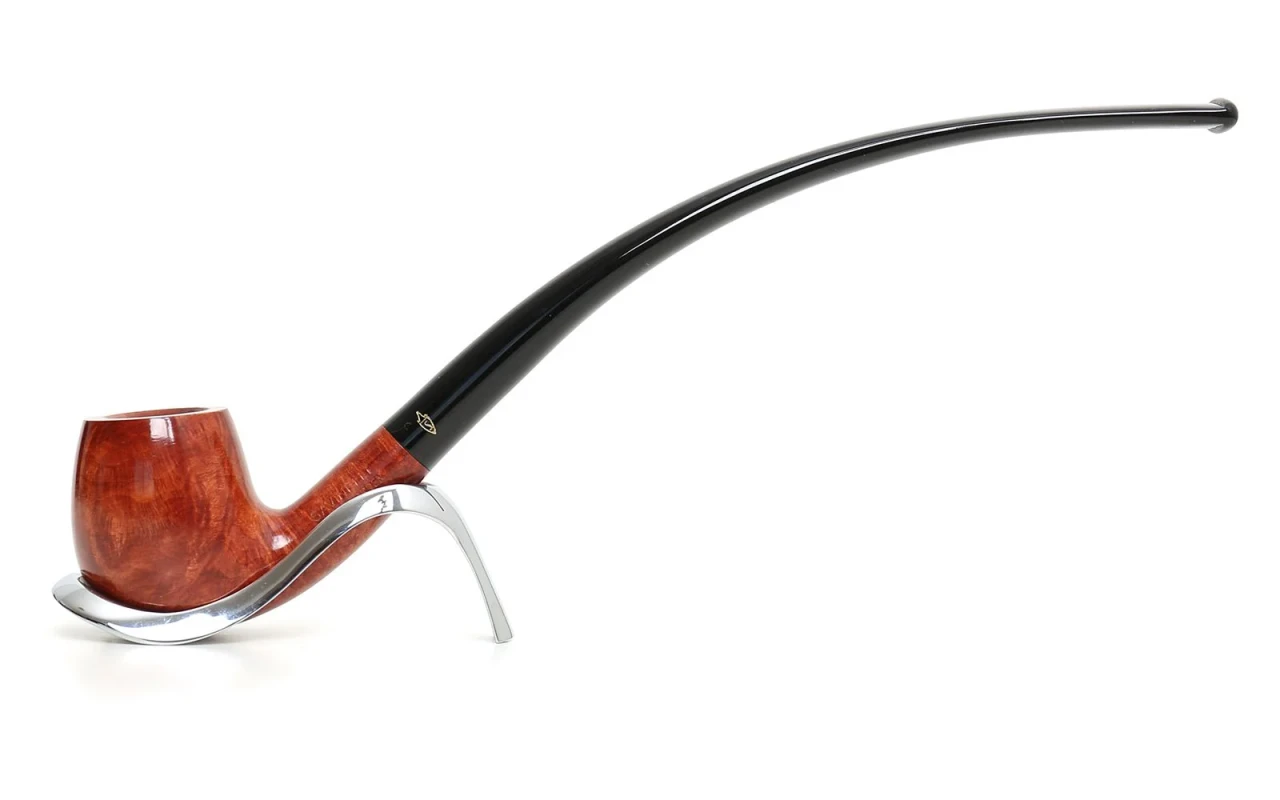
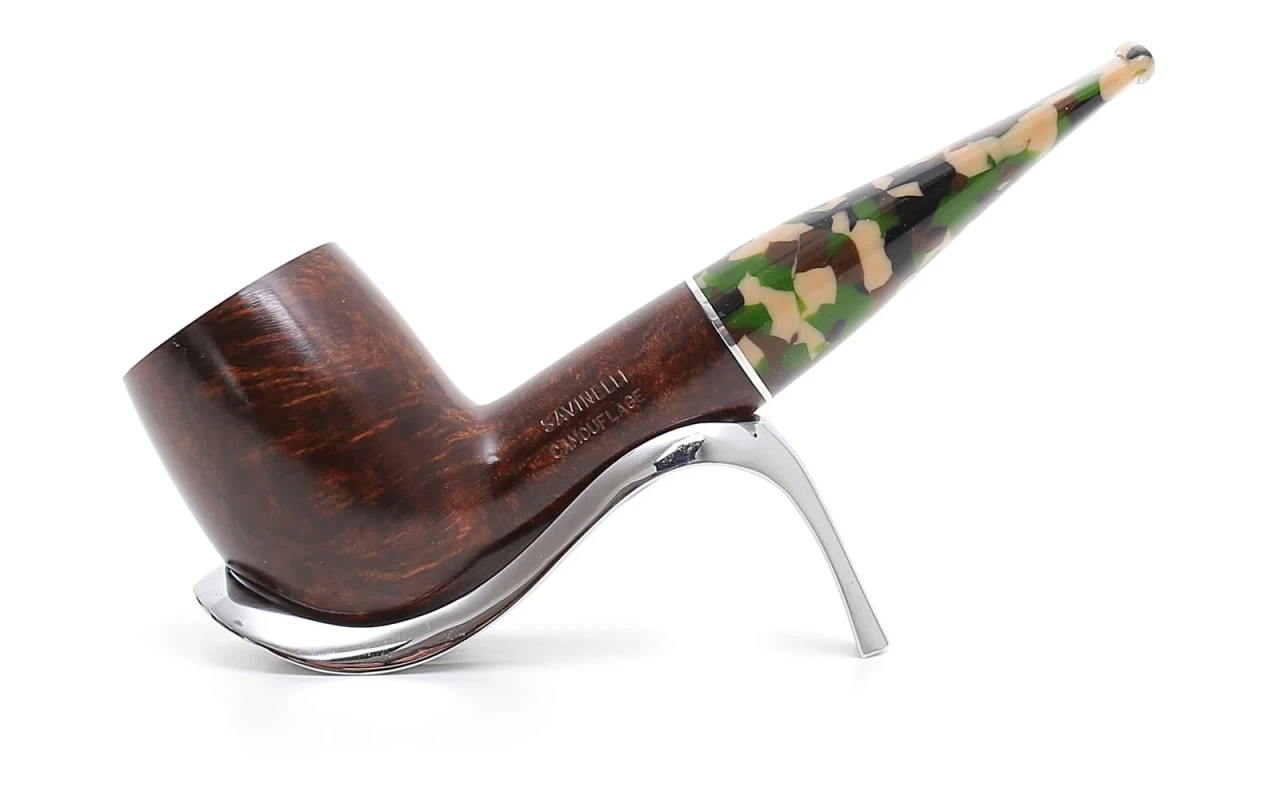
Common materials for pipe stems
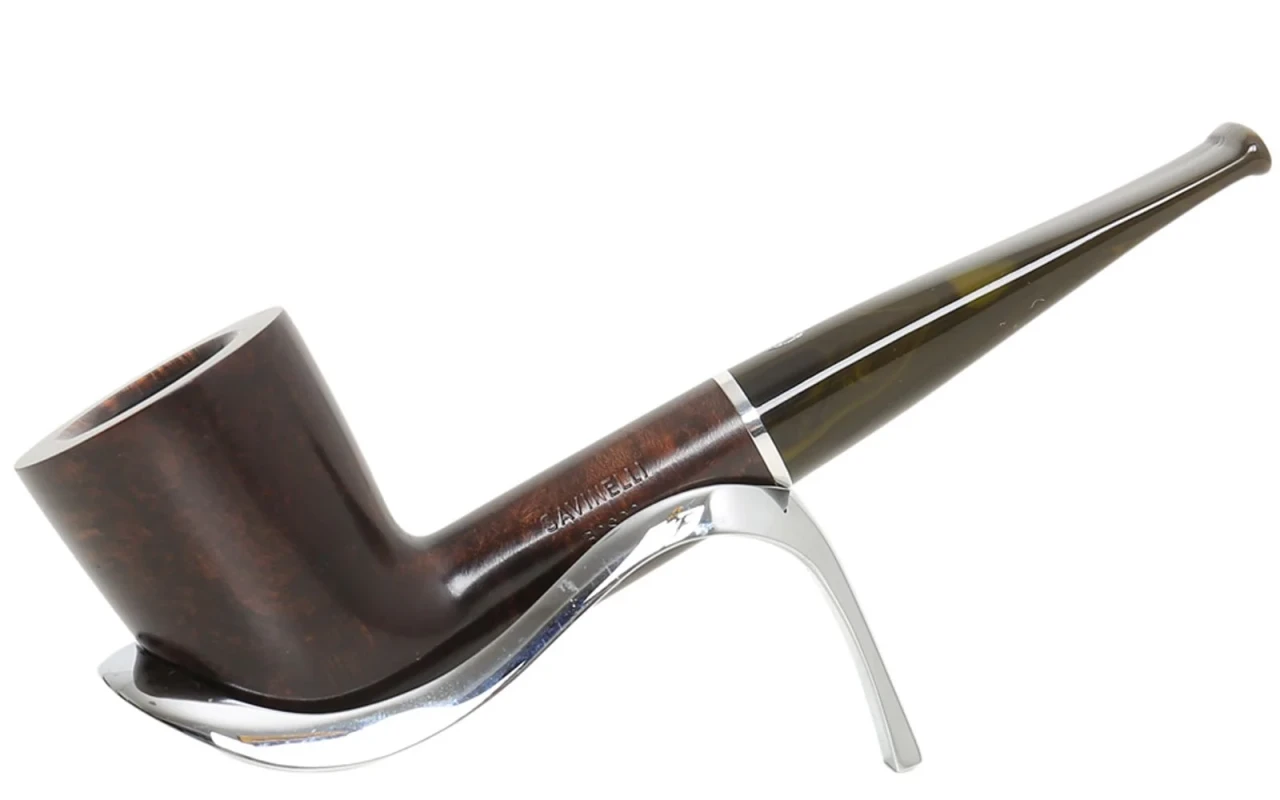
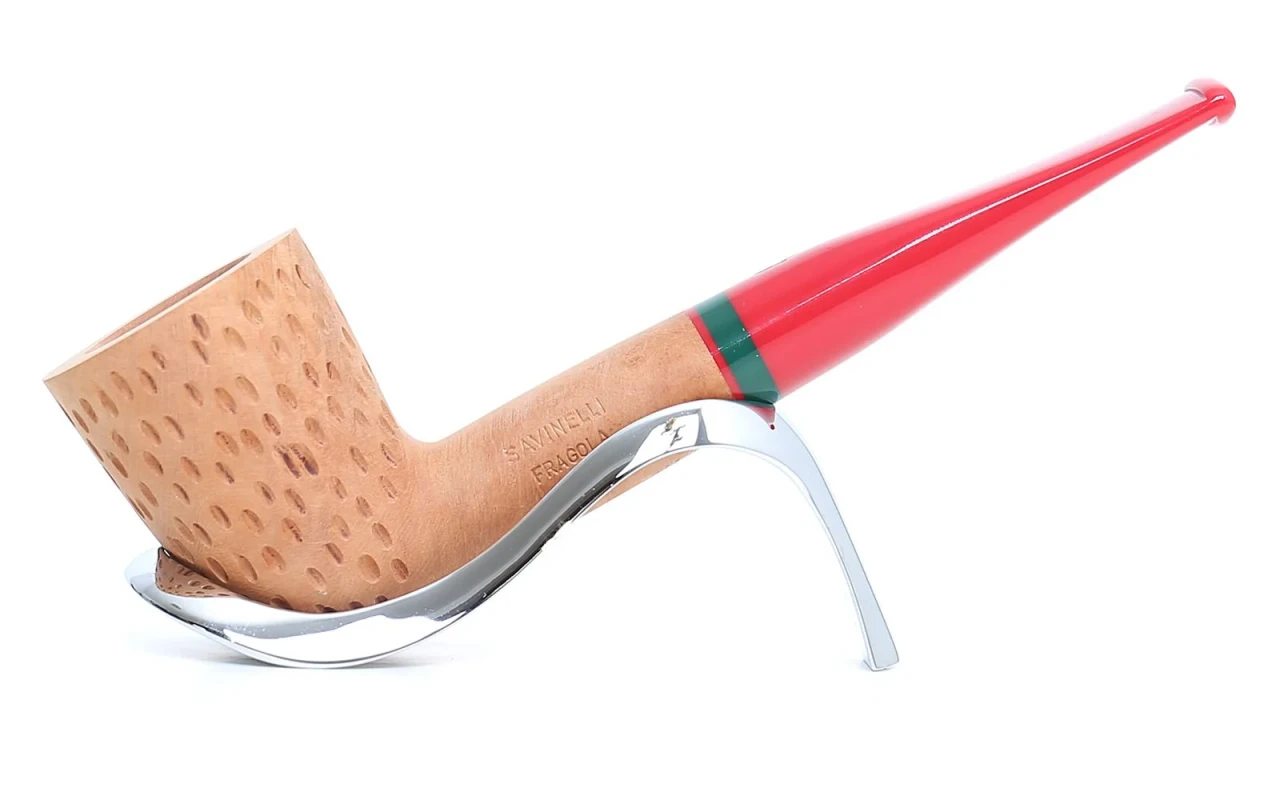
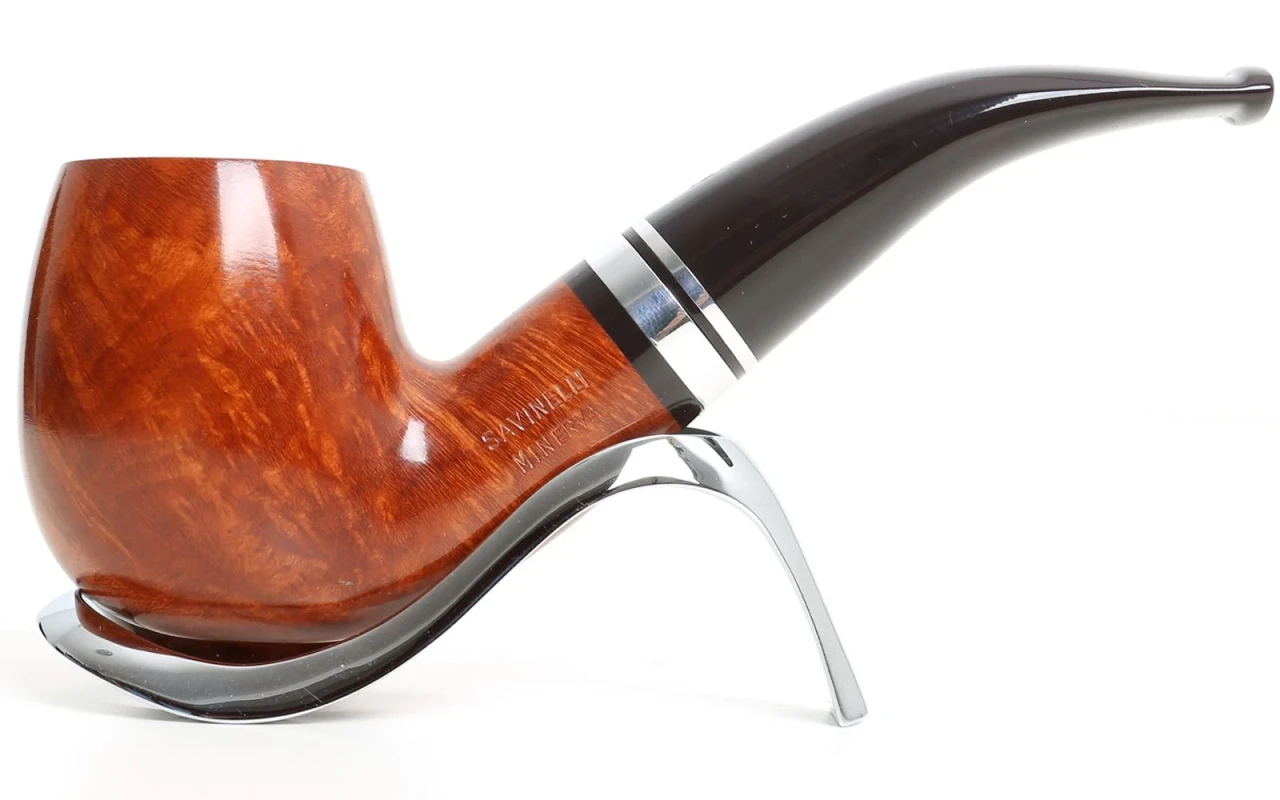
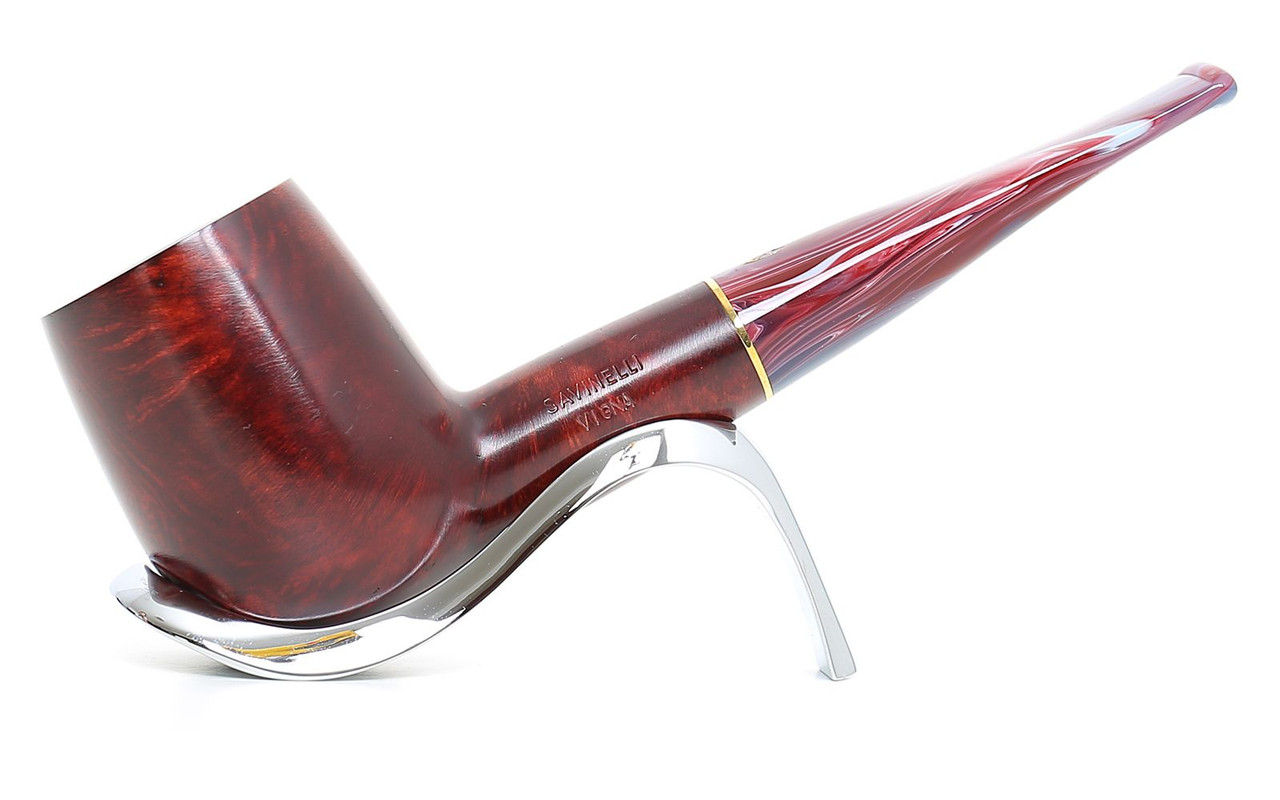
Pipe stems are commonly made with materials such as:- Acrylic: lightweight and durable, often used for colored and customized stems.- Ebonite: high-quality material, resistant to bite marks and heat, but requires special care.- Bamboo: appreciated for its natural beauty and lightness.- Alabaster: elegant and refined material, used for luxury pipe stems.- Silver: used for decorative inserts or high-end pipe stems.- Horn: traditional material that adds elegance and lightness to the stem.The choice of material depends on personal taste and the desired quality of the pipe.
PIPE PIPE SMOKING
Pipe smoking is the process of tobacco combustion inside a specially designed pipe. During combustion, the tobacco releases chemicals that are inhaled through the smoker's mouth. This practice has a long history and tradition in many cultures, with pipes made of various materials such as wood, clay, corn cob, and briar. Pipe smoking requires a certain skill in properly filling the pipe, lighting it evenly, and maintaining a constant burn. Pipe enthusiasts appreciate not only the unique taste of tobacco but also the ritual and tranquility that accompany this practice.
Materials for smoking pipes
The most common materials used for making smoking pipes include:- Briar wood: a durable and heat-resistant wood, highly valued for its aesthetic characteristics and ability to absorb moisture.- Corn cob: inexpensive and lightweight, often chosen for budget smoking pipes and travel models.- Clay: provides excellent flavor rendering, but requires special care to avoid breakage.- Meerschaum: a porous white stone, lightweight and heat-resistant, appreciated for its ability to absorb nicotine and moisture.- Briar: dried heather root wood, particularly suitable for the production of high-quality pipes.
Types of wood for pipes
There are different types of wood used for the production of smoking pipes. Among the most common ones are:- Briar wood: a very resistant and lightweight wood, commonly used for high-quality pipes.- Olive wood: a hard wood with a unique appearance, often used for artisanal pipes.- Chestnut wood: a lightweight and durable wood, valued for its natural beauty.- Walnut: a dark and sturdy wood, ideal for rustic pipes with a traditional design.- Cherry wood: a light wood with a pleasant aroma, used for medium-range pipes.Each of these types offers unique characteristics that influence the taste and quality of the smoking experience.
Components of smoking pipes
Smoking pipes are composed of several essential elements that contribute to their functionality and design. Here are the main components of smoking pipes:- Bowl: the top part of the pipe where the tobacco is inserted.- Stem: the long, thin part that connects the bowl to the mouthpiece.- Mouthpiece: the end part of the pipe where the smoker places the mouth to inhale the smoke.- Combustion chamber: the space inside the bowl where the tobacco combustion takes place.- Filter: some pipes are equipped with a filter to reduce moisture and harmful smoke residues.
'%3e%3cg id='Final-Copy-2_2_' transform='translate(1275.000000, 200.000000)'%3e%3cpath class='st0' d='M7.4,12.8h6.8l3.1-11.6H7.4C4.2,1.2,1.6,3.8,1.6,7S4.2,12.8,7.4,12.8z'/%3e%3c/g%3e%3c/g%3e%3c/g%3e%3cg id='final---dec.11-2020'%3e%3cg id='_x30_208-our-toggle' transform='translate(-1275.000000, -200.000000)'%3e%3cg id='Final-Copy-2' transform='translate(1275.000000, 200.000000)'%3e%3cpath class='st1' d='M22.6,0H7.4c-3.9,0-7,3.1-7,7s3.1,7,7,7h15.2c3.9,0,7-3.1,7-7S26.4,0,22.6,0z M1.6,7c0-3.2,2.6-5.8,5.8-5.8 h9.9l-3.1,11.6H7.4C4.2,12.8,1.6,10.2,1.6,7z'/%3e%3cpath id='x' class='st2' d='M24.6,4c0.2,0.2,0.2,0.6,0,0.8l0,0L22.5,7l2.2,2.2c0.2,0.2,0.2,0.6,0,0.8c-0.2,0.2-0.6,0.2-0.8,0 l0,0l-2.2-2.2L19.5,10c-0.2,0.2-0.6,0.2-0.8,0c-0.2-0.2-0.2-0.6,0-0.8l0,0L20.8,7l-2.2-2.2c-0.2-0.2-0.2-0.6,0-0.8 c0.2-0.2,0.6-0.2,0.8,0l0,0l2.2,2.2L23.8,4C24,3.8,24.4,3.8,24.6,4z'/%3e%3cpath id='y' class='st3' d='M12.7,4.1c0.2,0.2,0.3,0.6,0.1,0.8l0,0L8.6,9.8C8.5,9.9,8.4,10,8.3,10c-0.2,0.1-0.5,0.1-0.7-0.1l0,0 L5.4,7.7c-0.2-0.2-0.2-0.6,0-0.8c0.2-0.2,0.6-0.2,0.8,0l0,0L8,8.6l3.8-4.5C12,3.9,12.4,3.9,12.7,4.1z'/%3e%3c/g%3e%3c/g%3e%3c/g%3e%3c/g%3e%3c/svg%3e) Your Privacy Choices
Your Privacy Choices 


