 ES
ES FR
FR EN
EN IT
IT DE
DE
Common materials for curved pipes
Common materials for curved pipes
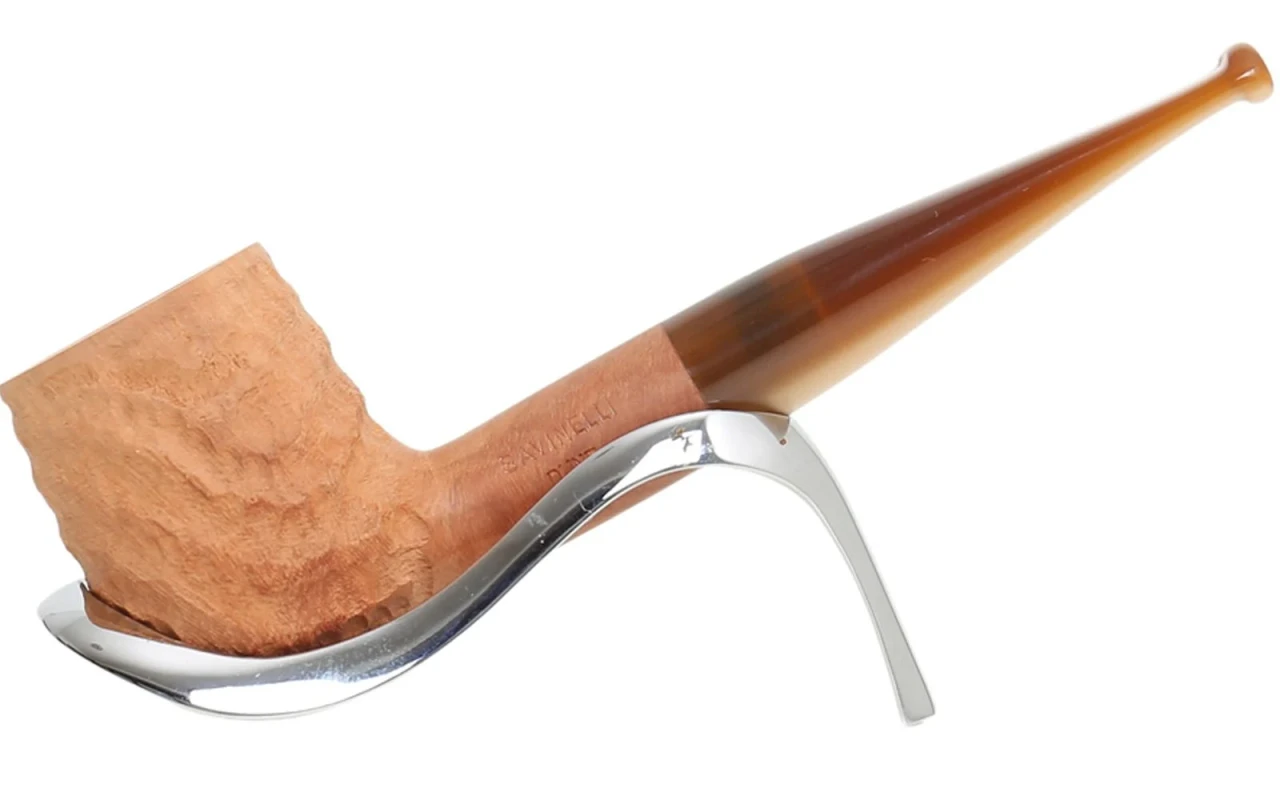
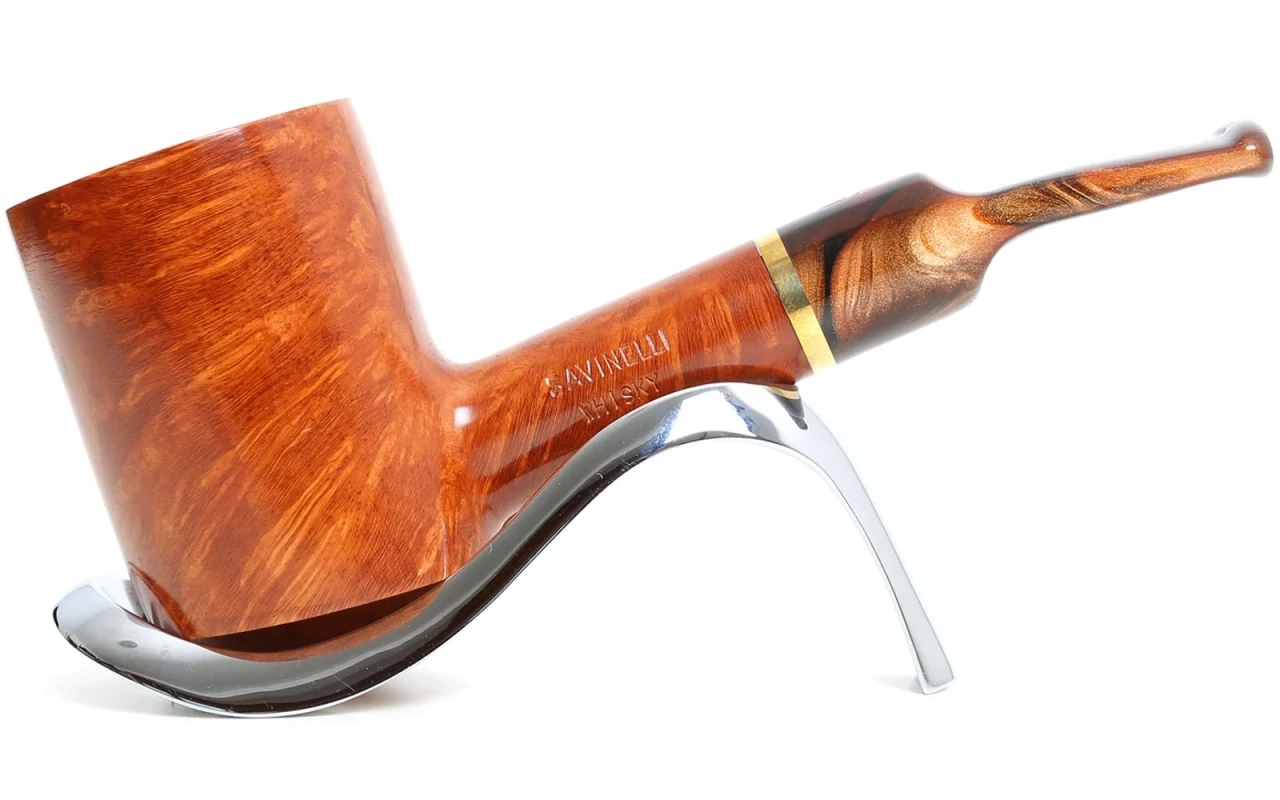
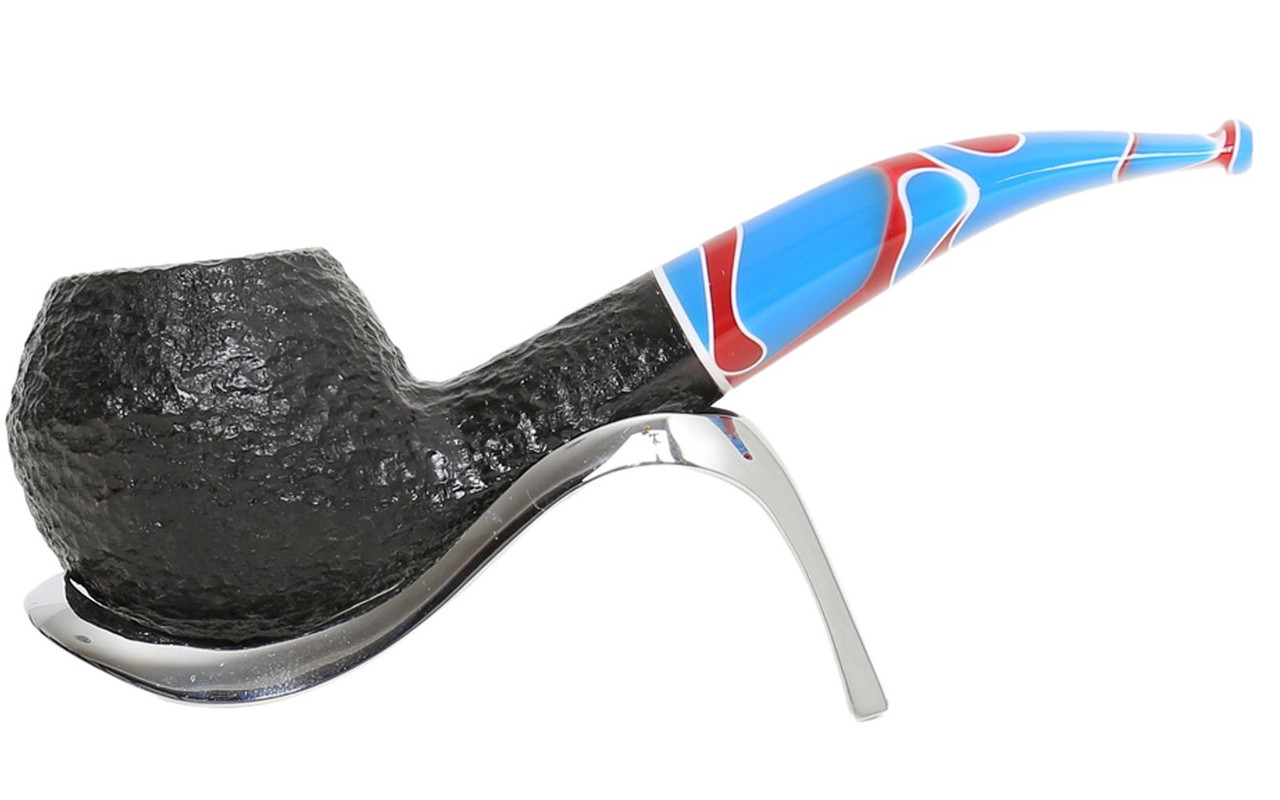
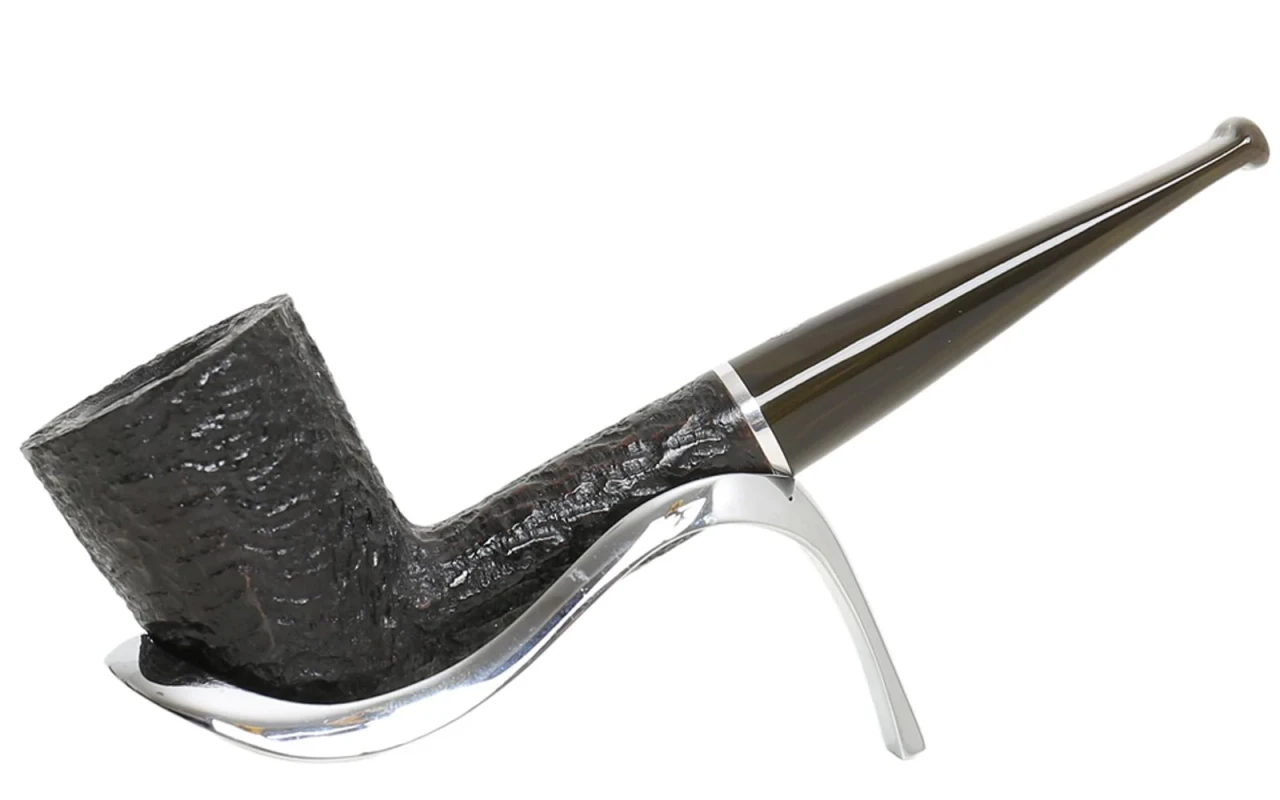
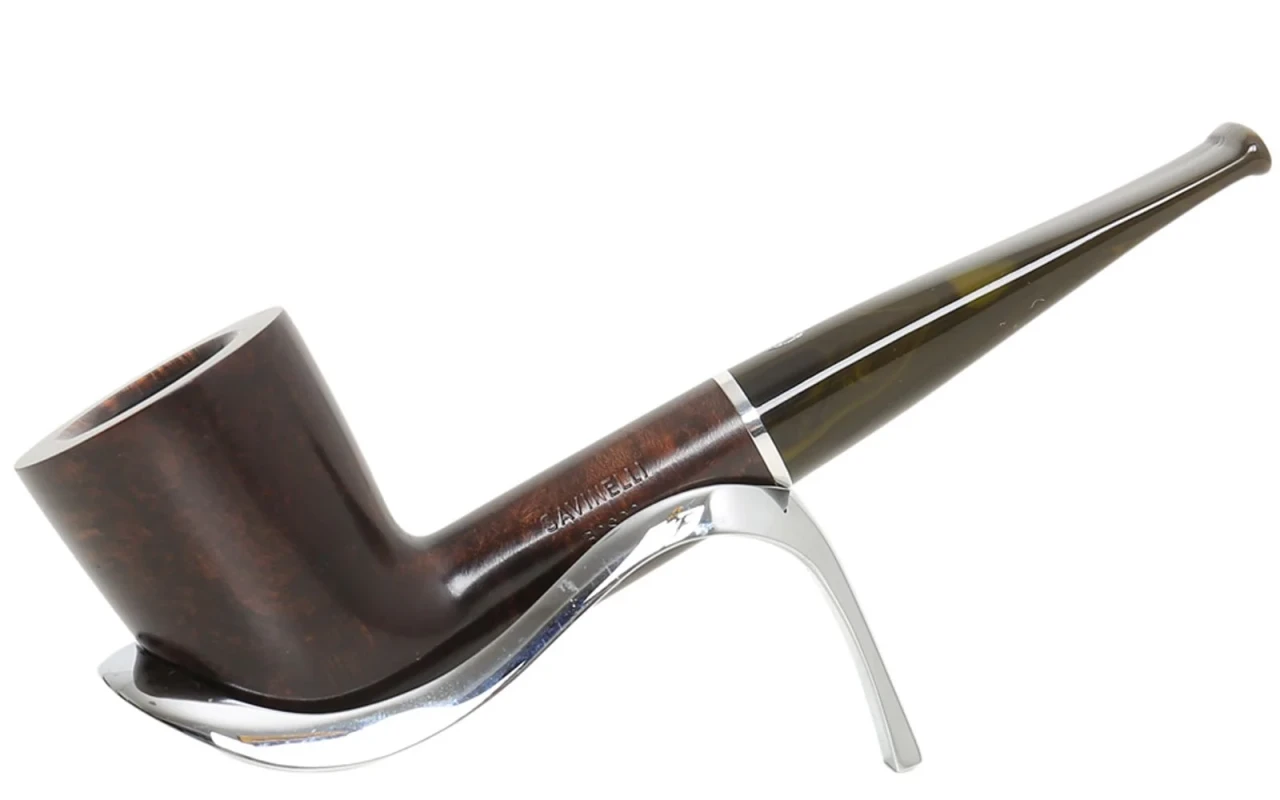
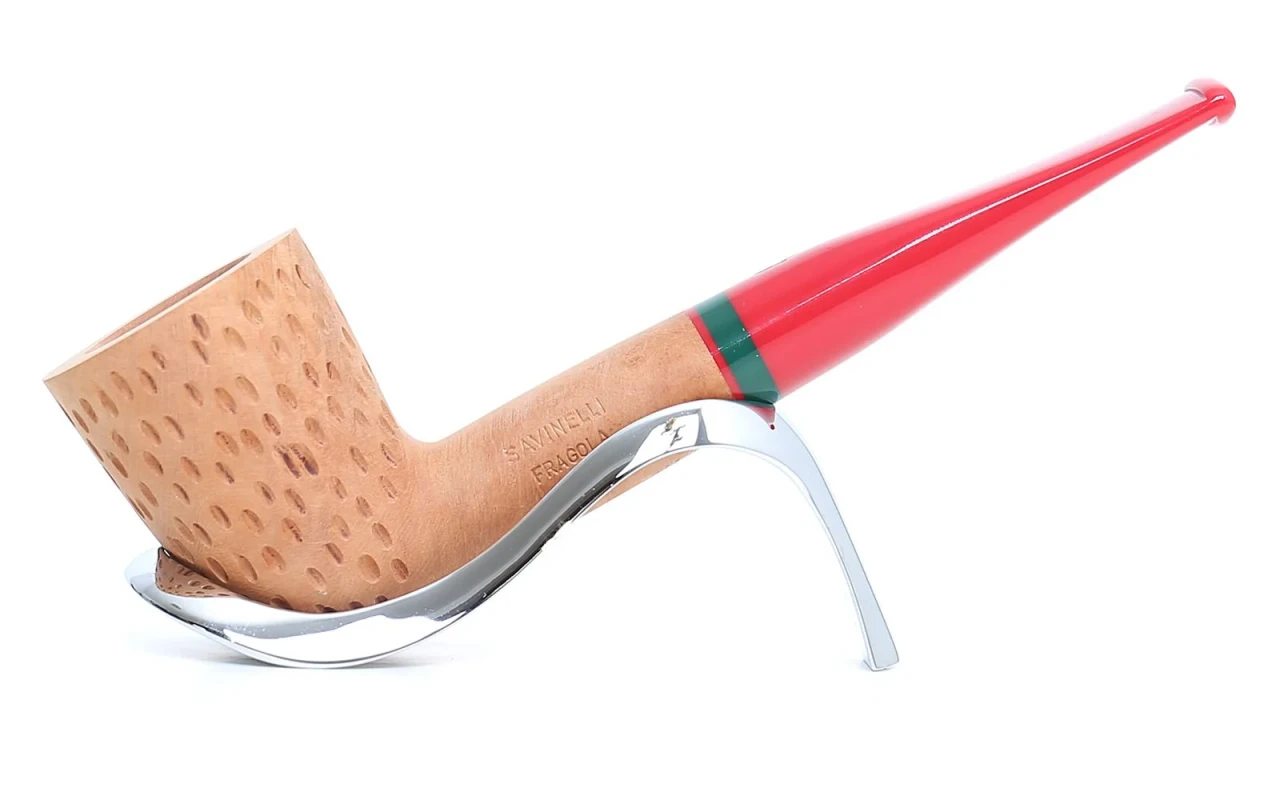
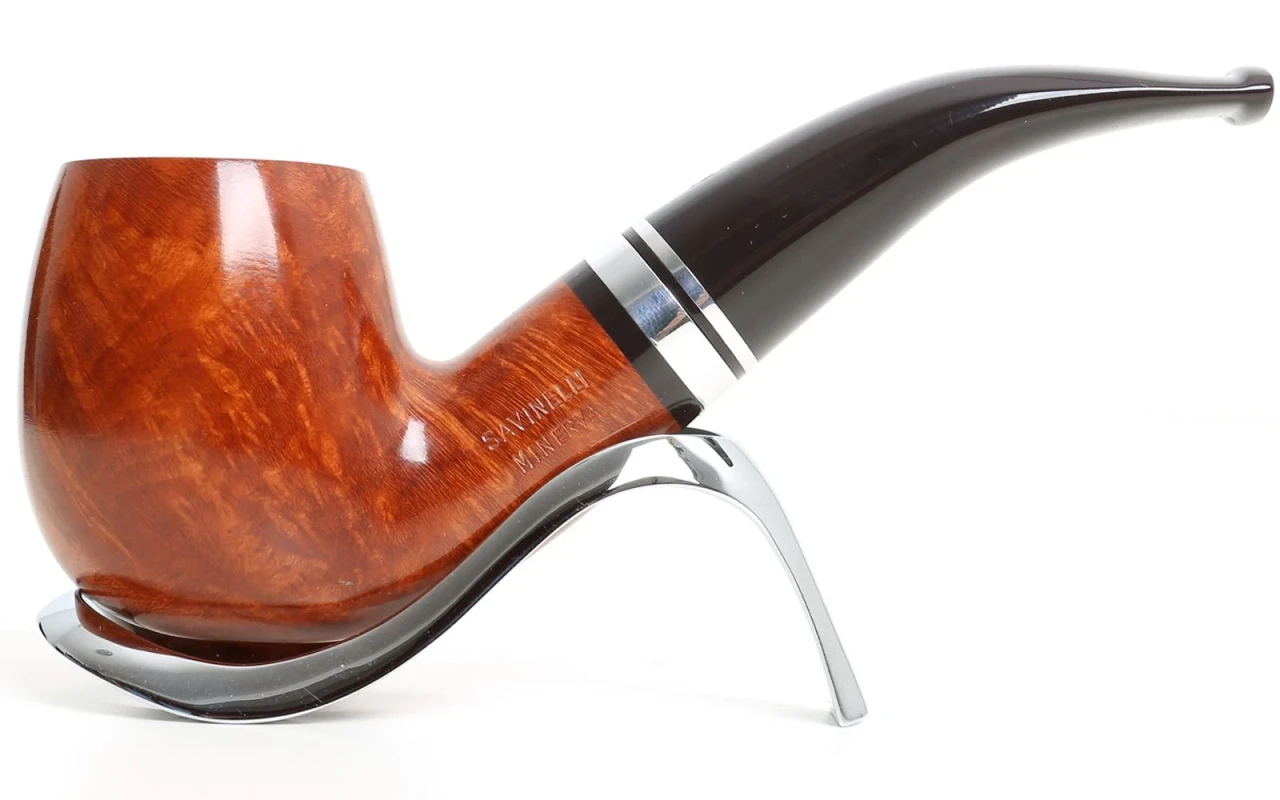
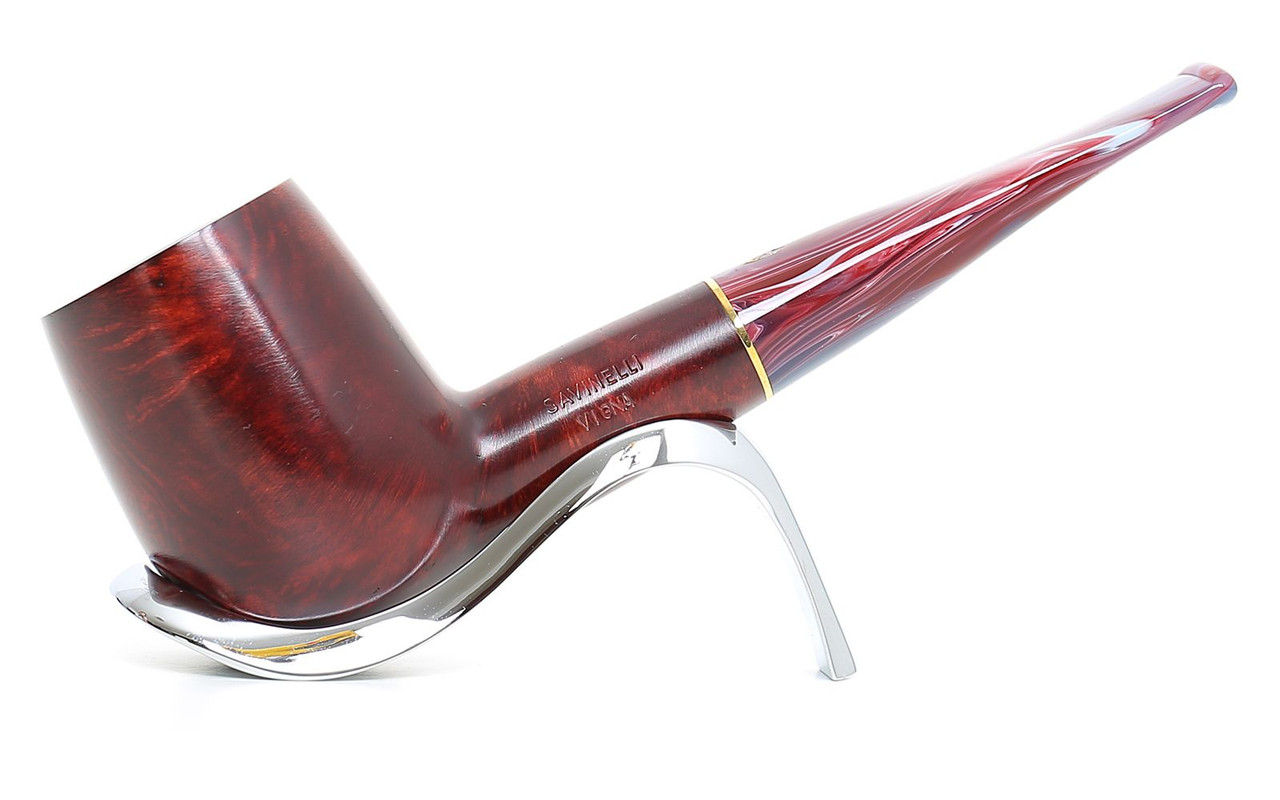
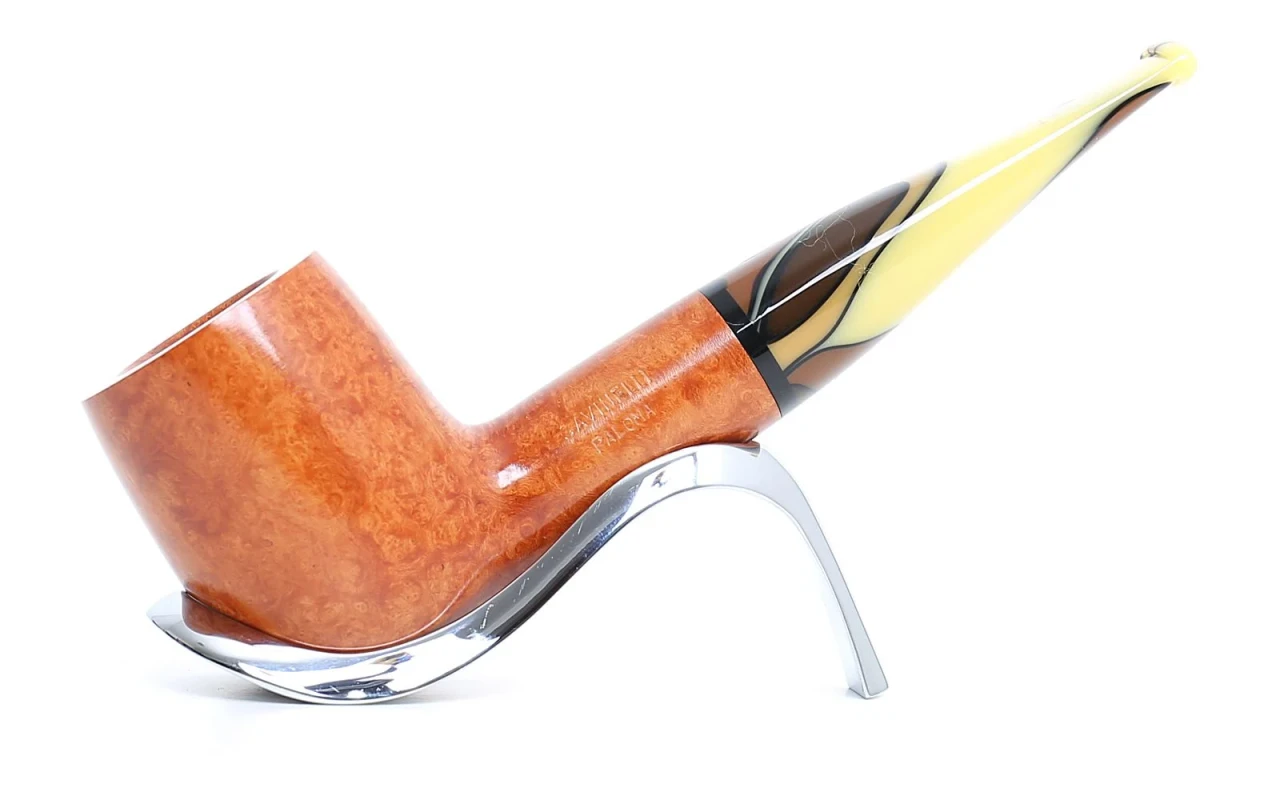
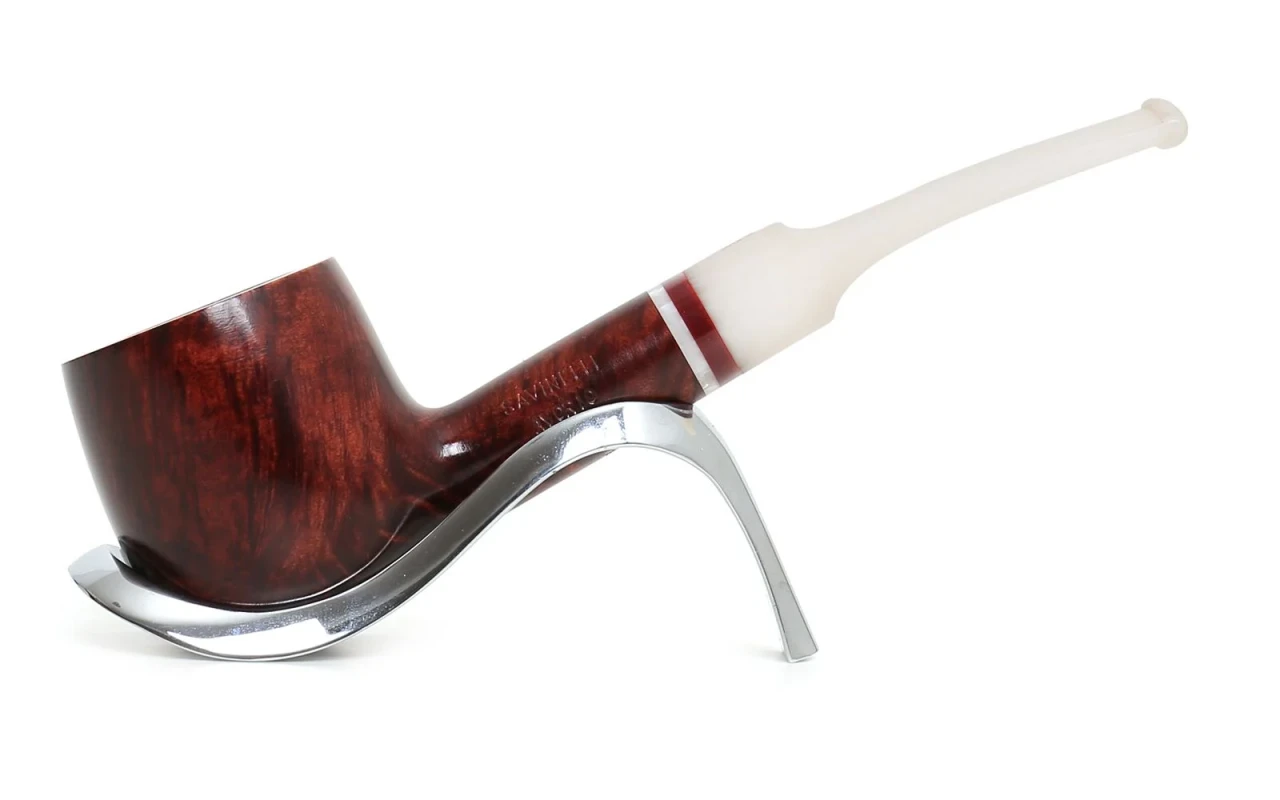
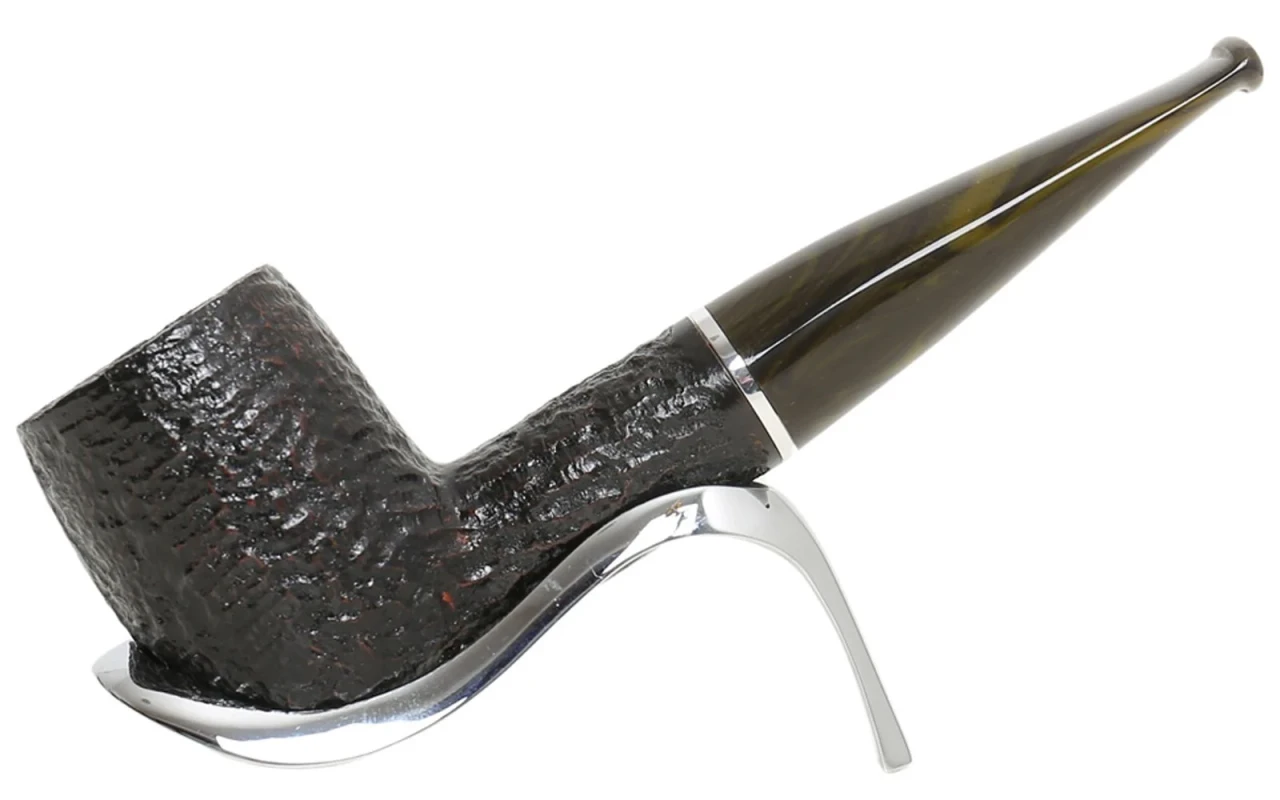
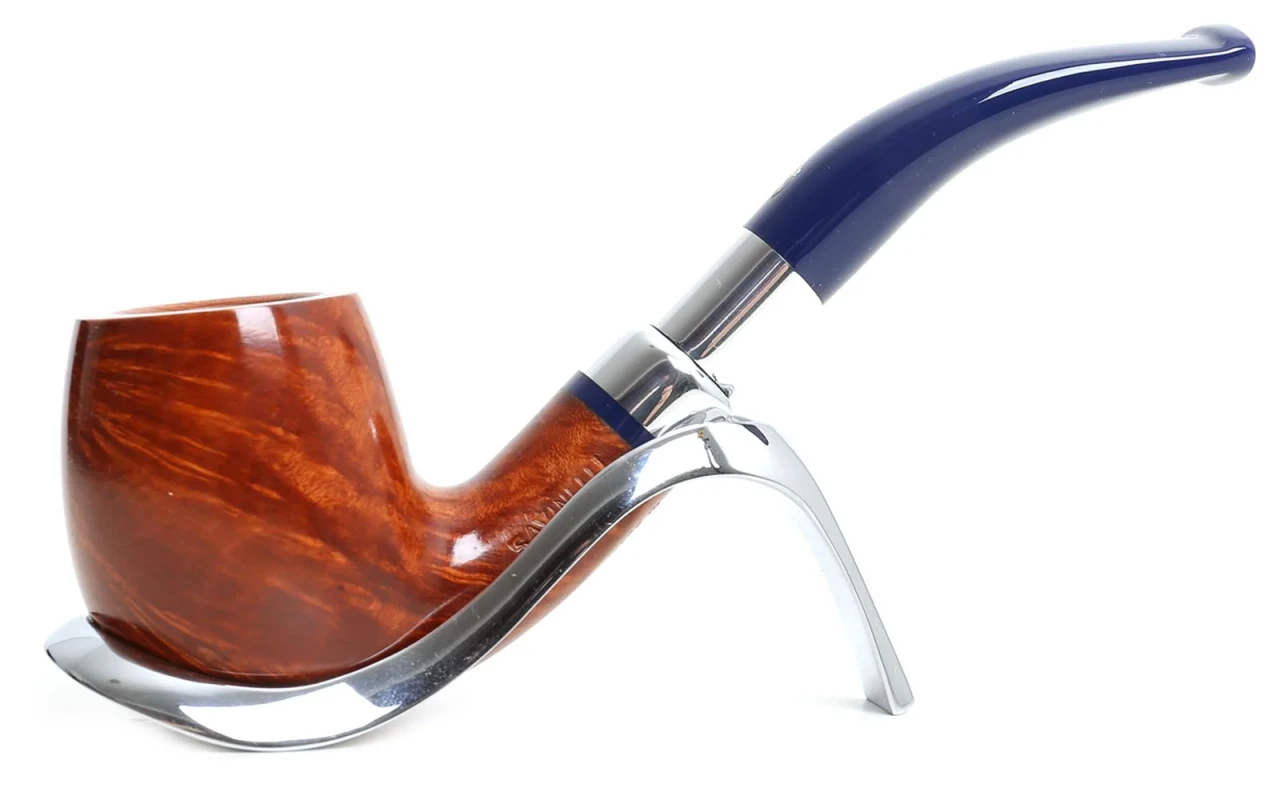
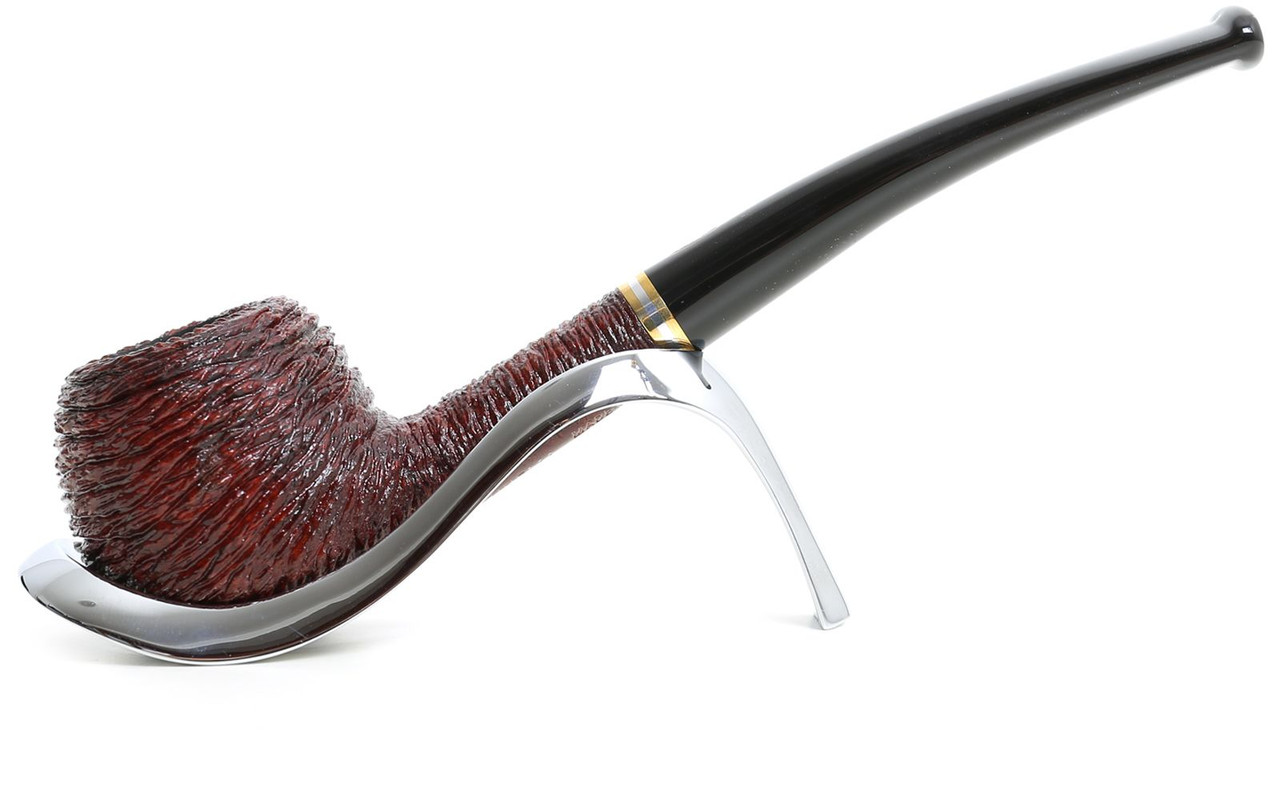
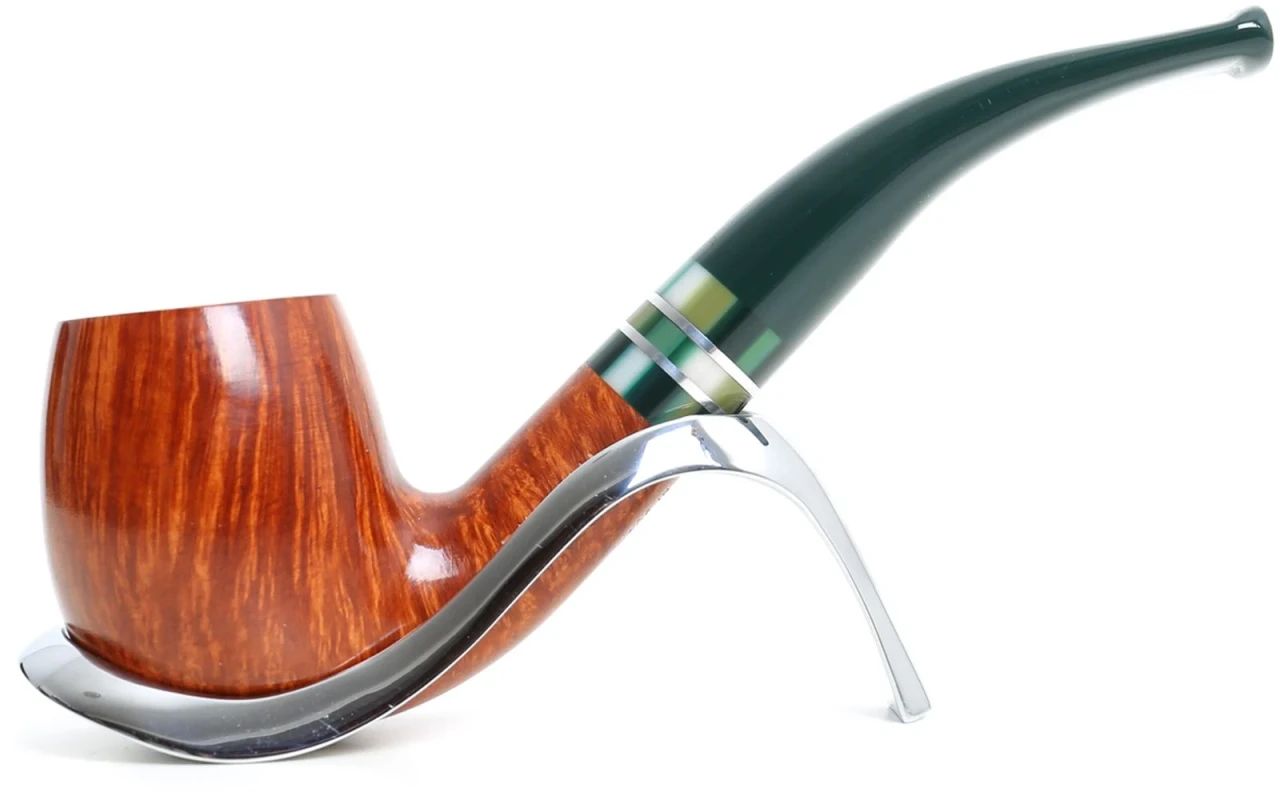
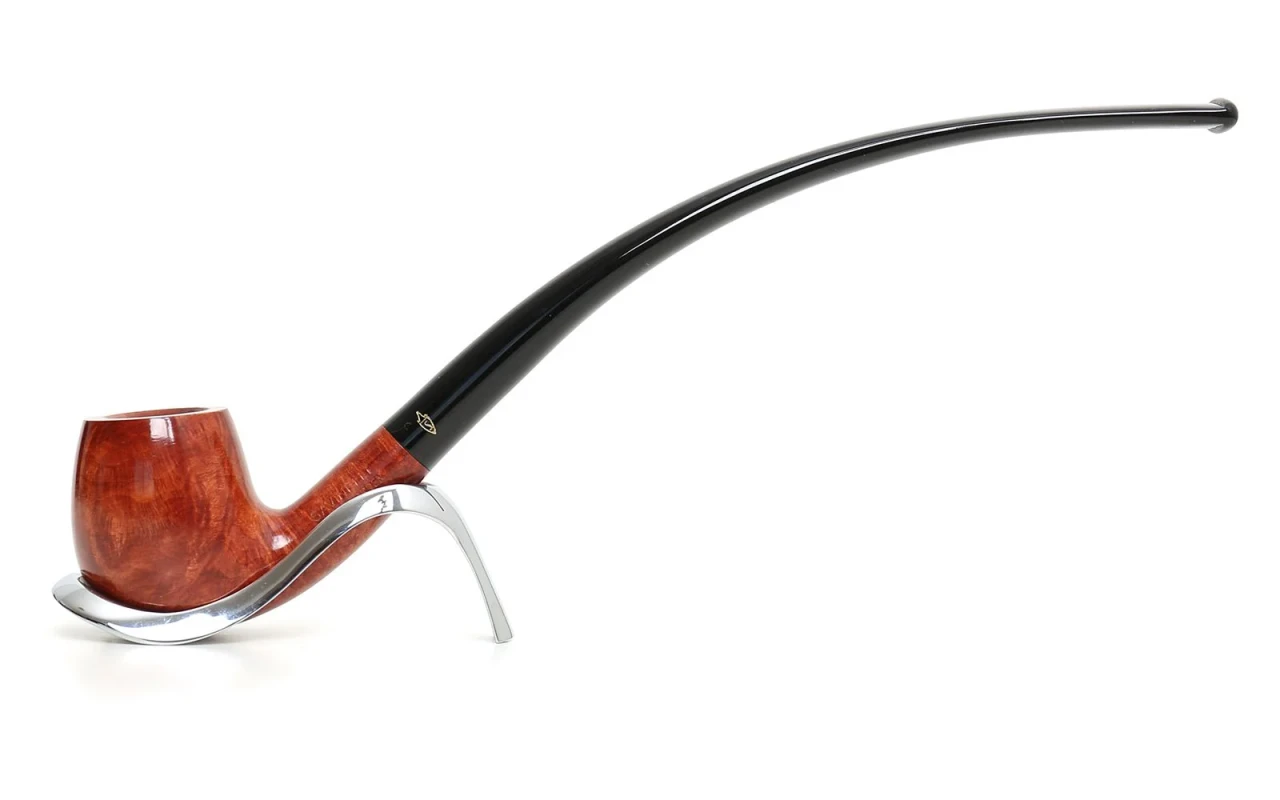
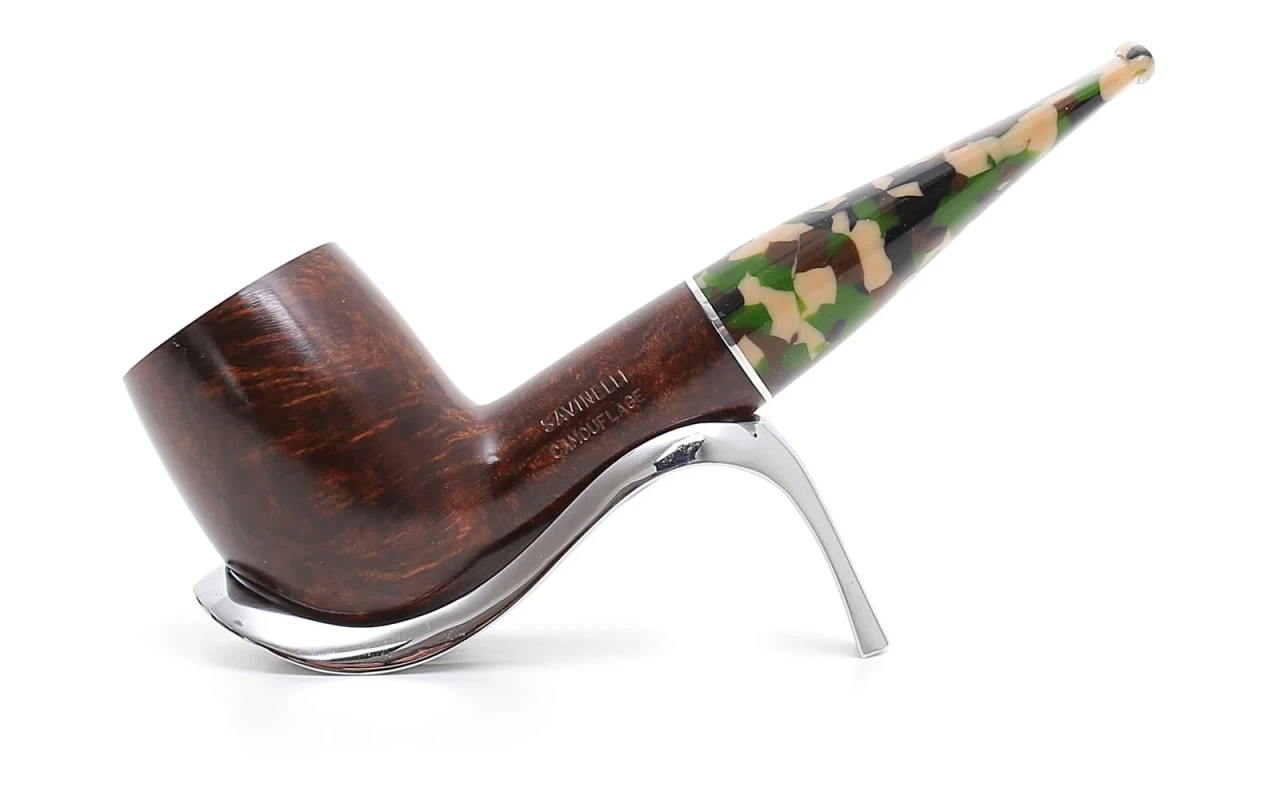
Curved pipes are often made with high-quality materials to ensure an optimal smoking experience. Common materials used include:- Briar wood: light and resistant, it offers a neutral flavor that does not alter the tobacco.- Olive wood: hard and heat-resistant, it gives a rustic and natural touch to the pipe.- Corn cob: light and affordable, ideal for travel or occasional pipes.- Meerschaum: a porous stone that absorbs moisture, ensuring a cool and dry smoke.- Clay: a traditional material that allows for a pure and natural smoking experience.These materials are chosen for their specific characteristics that influence the overall experience of smoking a curved pipe.
Smoking Pipe Materials
Smoking pipes can be made from different materials, each with unique characteristics. The most common materials include:- **Wood**: traditional and appreciated for its aesthetic qualities and ability to absorb moisture.- **Briar**: lightweight and heat-resistant, highly valued for the production of high-quality pipes.- **Corn cob**: economical and lightweight, often used for budget pipes or decorative purposes.- **Clay**: provides a pure flavor experience but is fragile and requires special care.- **Meerschaum**: a white mineral that absorbs nicotine and color over time, ensuring a unique pipe experience.
Types of Wood for Pipes
There are several types of wood used in the crafting of smoking pipes. Some of the most common and appreciated woods include:1. Briar Root: a hard and durable wood, widely used for its moisture-absorbing and heat-dissipating qualities.2. Olive Morta: a dense wood with a fine grain, valued for its beauty and strength.3. Cherry Wood: a lightweight and easy-to-work wood, often used for budget-friendly pipes.4. Walnut: a wood with beautiful grain patterns, valued for its durability and aesthetic characteristics.The choice of wood depends on the smoker's personal preferences and the desired quality of the pipe.
Materials for pipe construction
The most common materials used for pipe construction are wood, clay, meerschaum, and briar. Wood, such as walnut, cherry, or olive, is popular for its durability and ability to absorb moisture from the smoke. Clay pipes offer excellent heat conduction, ensuring a cool smoke, while meerschaum pipes are lightweight and absorb liquids, enhancing the tobacco flavor. Briar pipes, on the other hand, are known for their beauty and longevity. Each material imparts unique characteristics to the pipe, influencing the smoking experience.
'%3e%3cg id='Final-Copy-2_2_' transform='translate(1275.000000, 200.000000)'%3e%3cpath class='st0' d='M7.4,12.8h6.8l3.1-11.6H7.4C4.2,1.2,1.6,3.8,1.6,7S4.2,12.8,7.4,12.8z'/%3e%3c/g%3e%3c/g%3e%3c/g%3e%3cg id='final---dec.11-2020'%3e%3cg id='_x30_208-our-toggle' transform='translate(-1275.000000, -200.000000)'%3e%3cg id='Final-Copy-2' transform='translate(1275.000000, 200.000000)'%3e%3cpath class='st1' d='M22.6,0H7.4c-3.9,0-7,3.1-7,7s3.1,7,7,7h15.2c3.9,0,7-3.1,7-7S26.4,0,22.6,0z M1.6,7c0-3.2,2.6-5.8,5.8-5.8 h9.9l-3.1,11.6H7.4C4.2,12.8,1.6,10.2,1.6,7z'/%3e%3cpath id='x' class='st2' d='M24.6,4c0.2,0.2,0.2,0.6,0,0.8l0,0L22.5,7l2.2,2.2c0.2,0.2,0.2,0.6,0,0.8c-0.2,0.2-0.6,0.2-0.8,0 l0,0l-2.2-2.2L19.5,10c-0.2,0.2-0.6,0.2-0.8,0c-0.2-0.2-0.2-0.6,0-0.8l0,0L20.8,7l-2.2-2.2c-0.2-0.2-0.2-0.6,0-0.8 c0.2-0.2,0.6-0.2,0.8,0l0,0l2.2,2.2L23.8,4C24,3.8,24.4,3.8,24.6,4z'/%3e%3cpath id='y' class='st3' d='M12.7,4.1c0.2,0.2,0.3,0.6,0.1,0.8l0,0L8.6,9.8C8.5,9.9,8.4,10,8.3,10c-0.2,0.1-0.5,0.1-0.7-0.1l0,0 L5.4,7.7c-0.2-0.2-0.2-0.6,0-0.8c0.2-0.2,0.6-0.2,0.8,0l0,0L8,8.6l3.8-4.5C12,3.9,12.4,3.9,12.7,4.1z'/%3e%3c/g%3e%3c/g%3e%3c/g%3e%3c/g%3e%3c/svg%3e) Your Privacy Choices
Your Privacy Choices 


