 ES
ES FR
FR EN
EN IT
IT DE
DE
Choosing the Best Material for Pipes
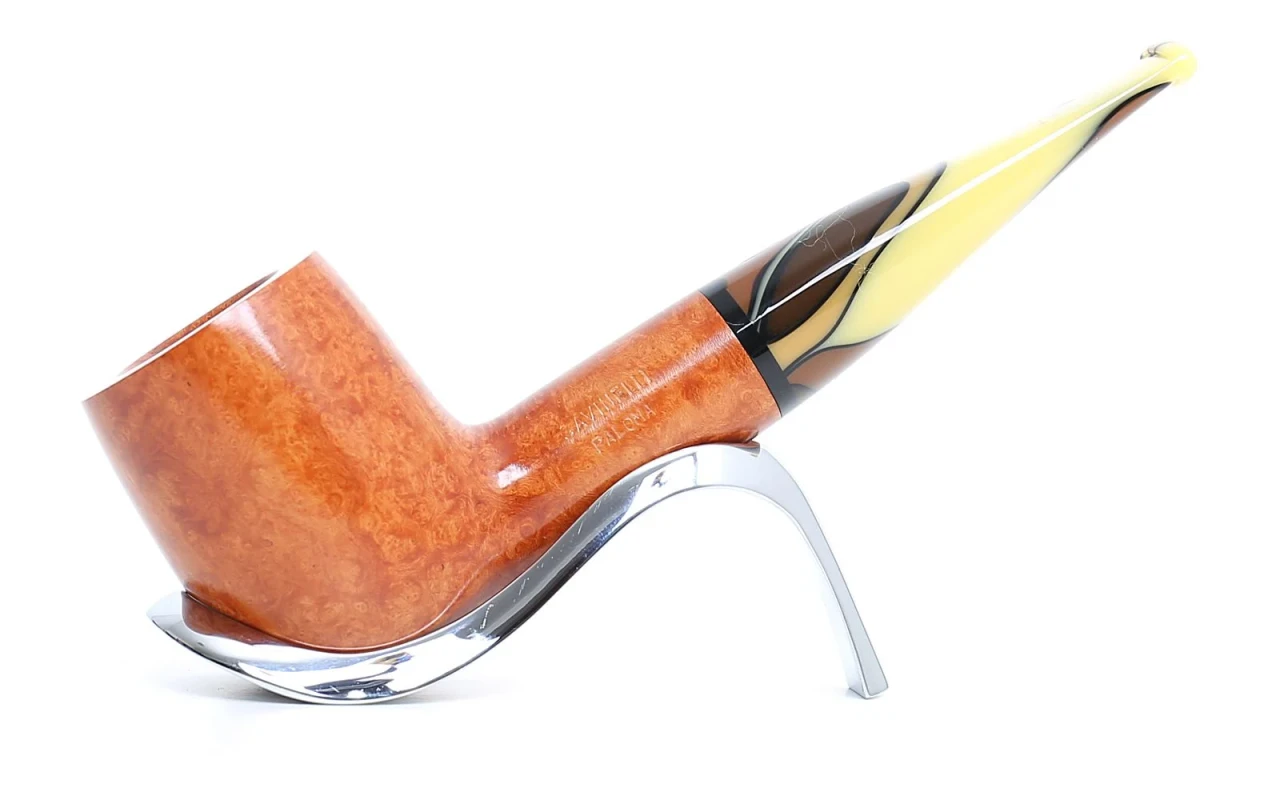
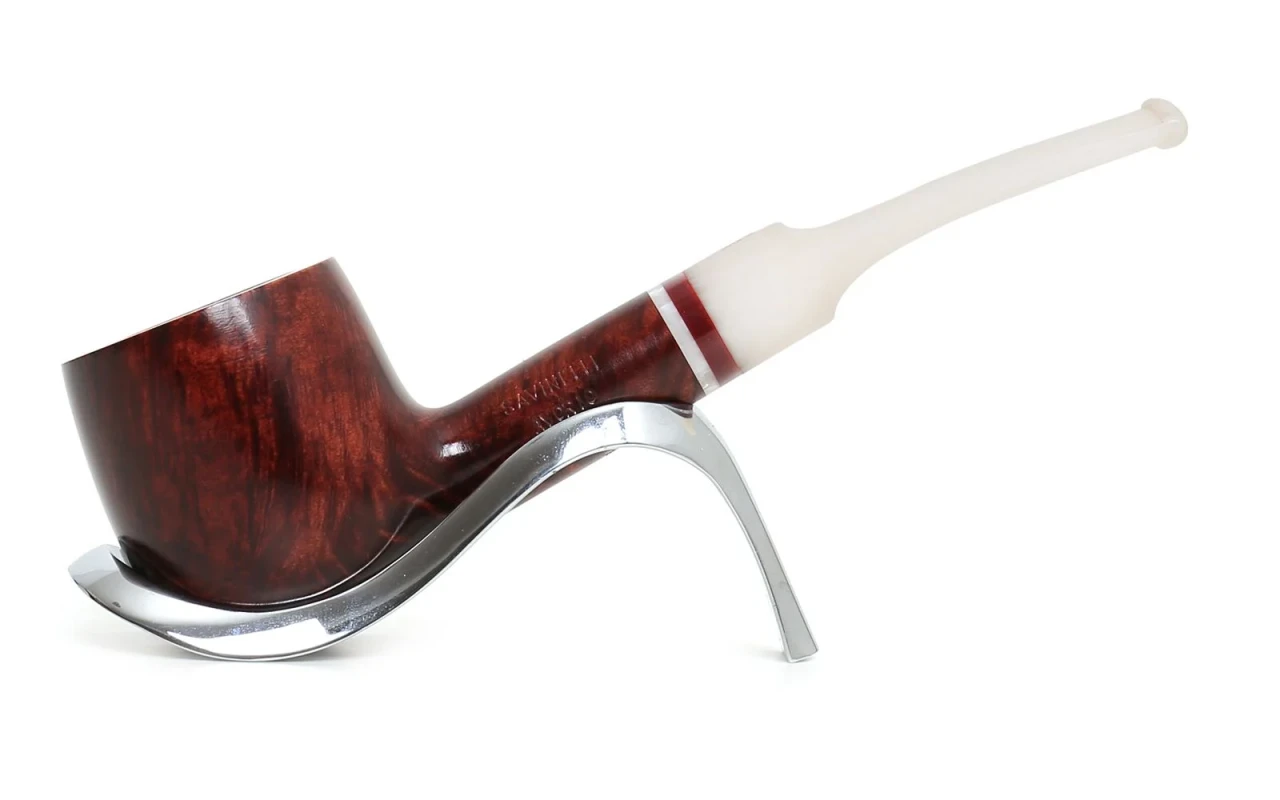
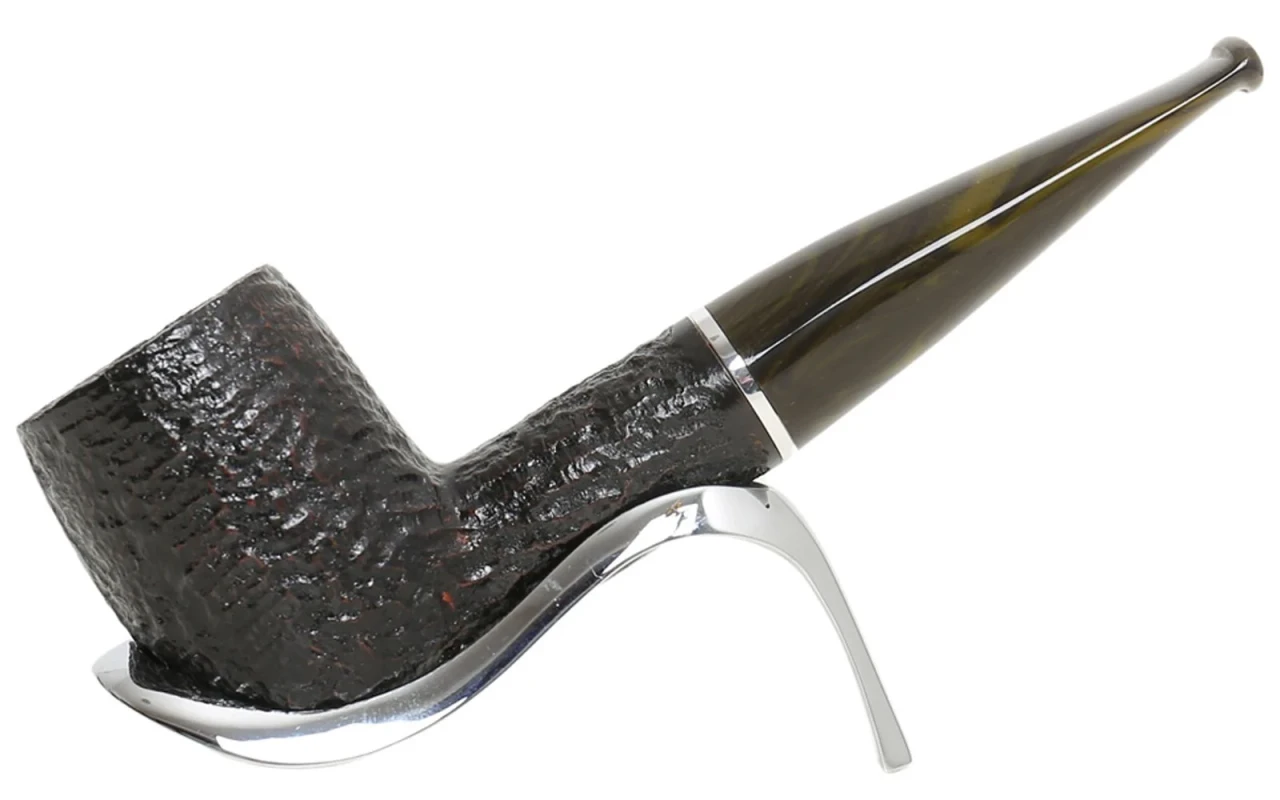
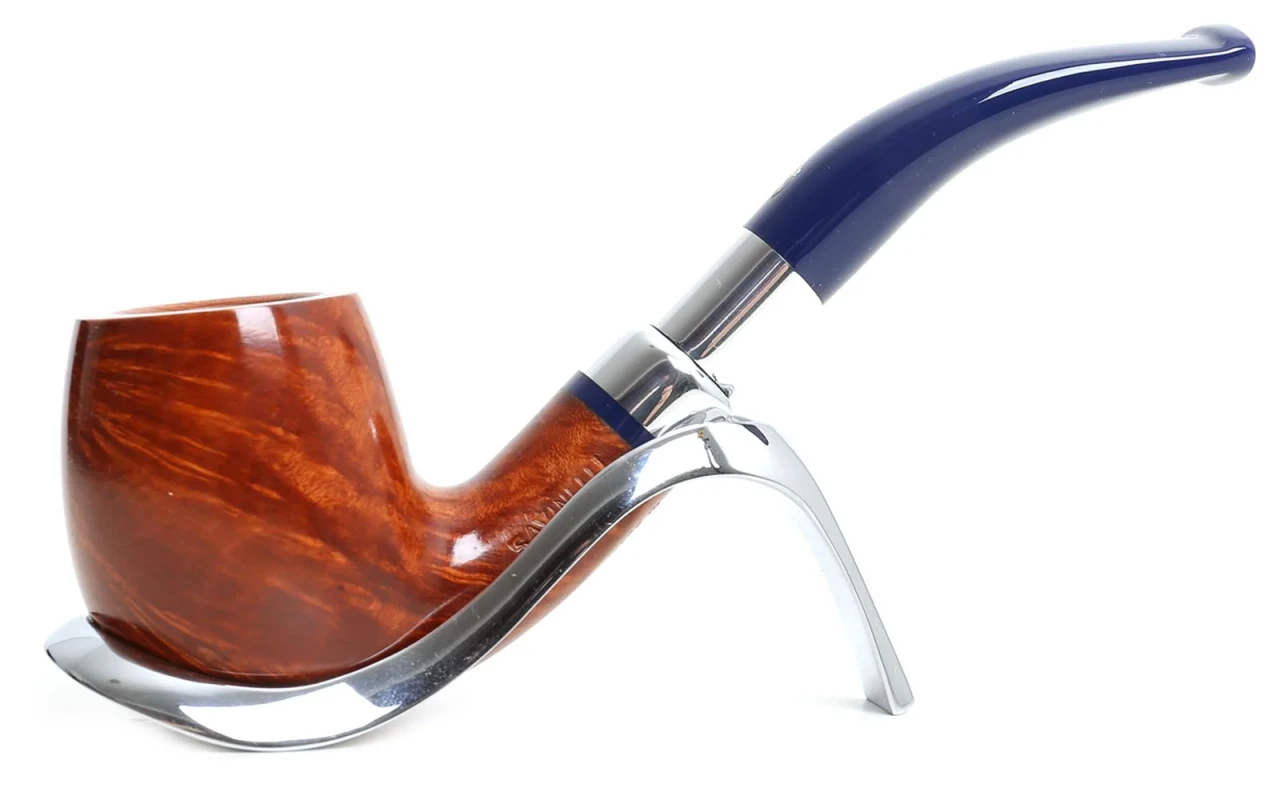
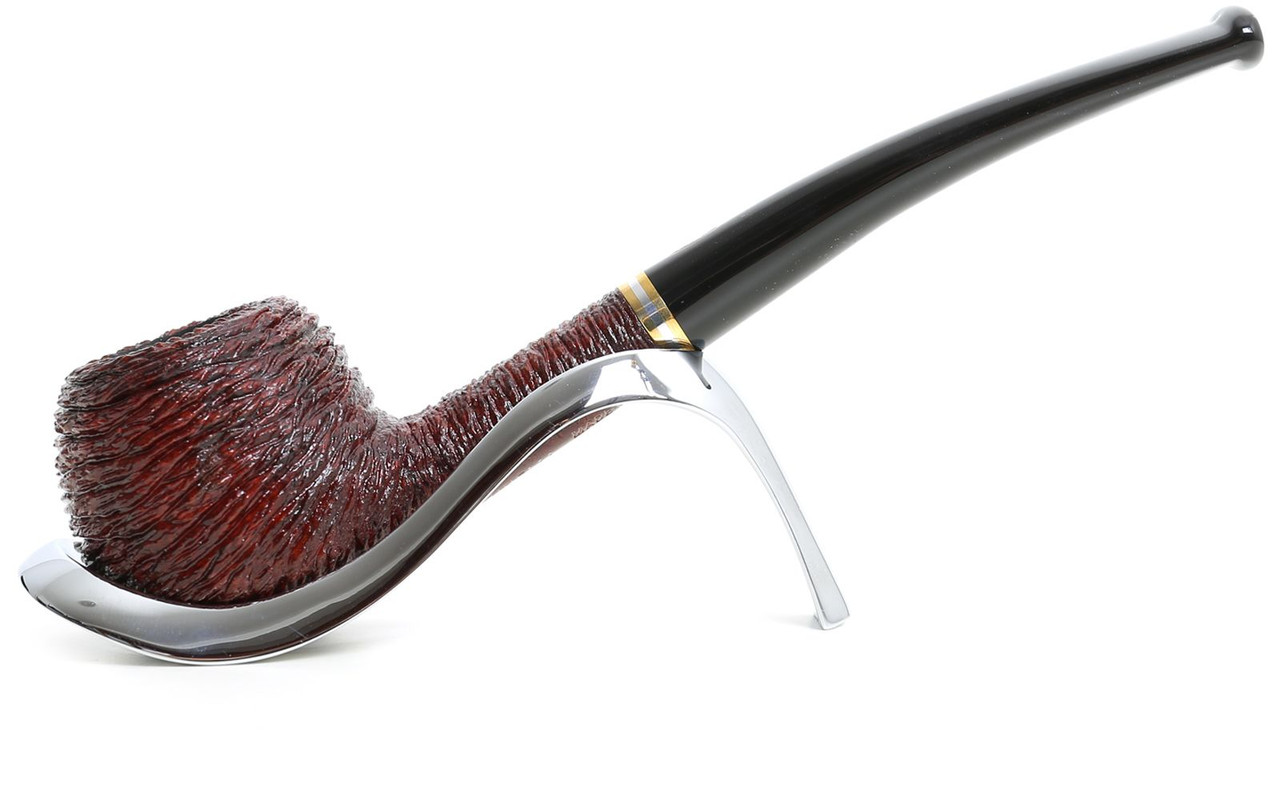
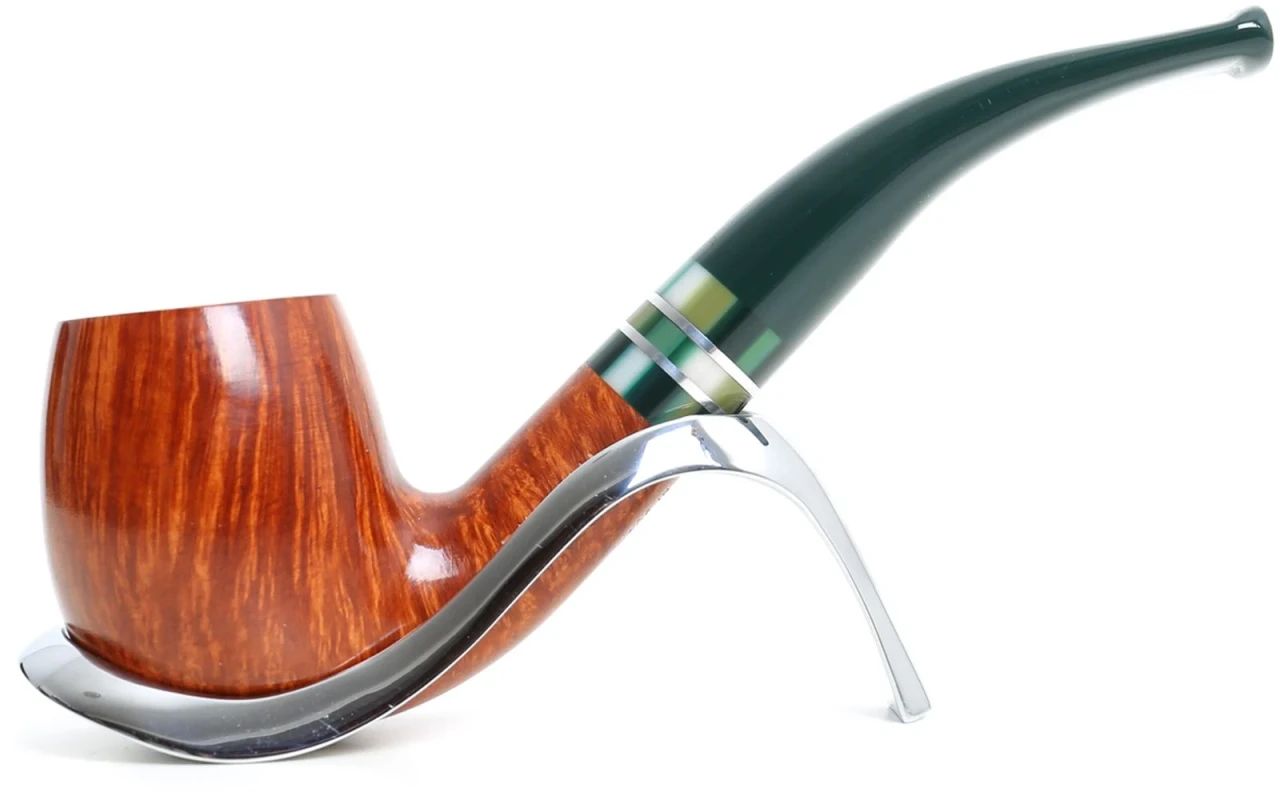
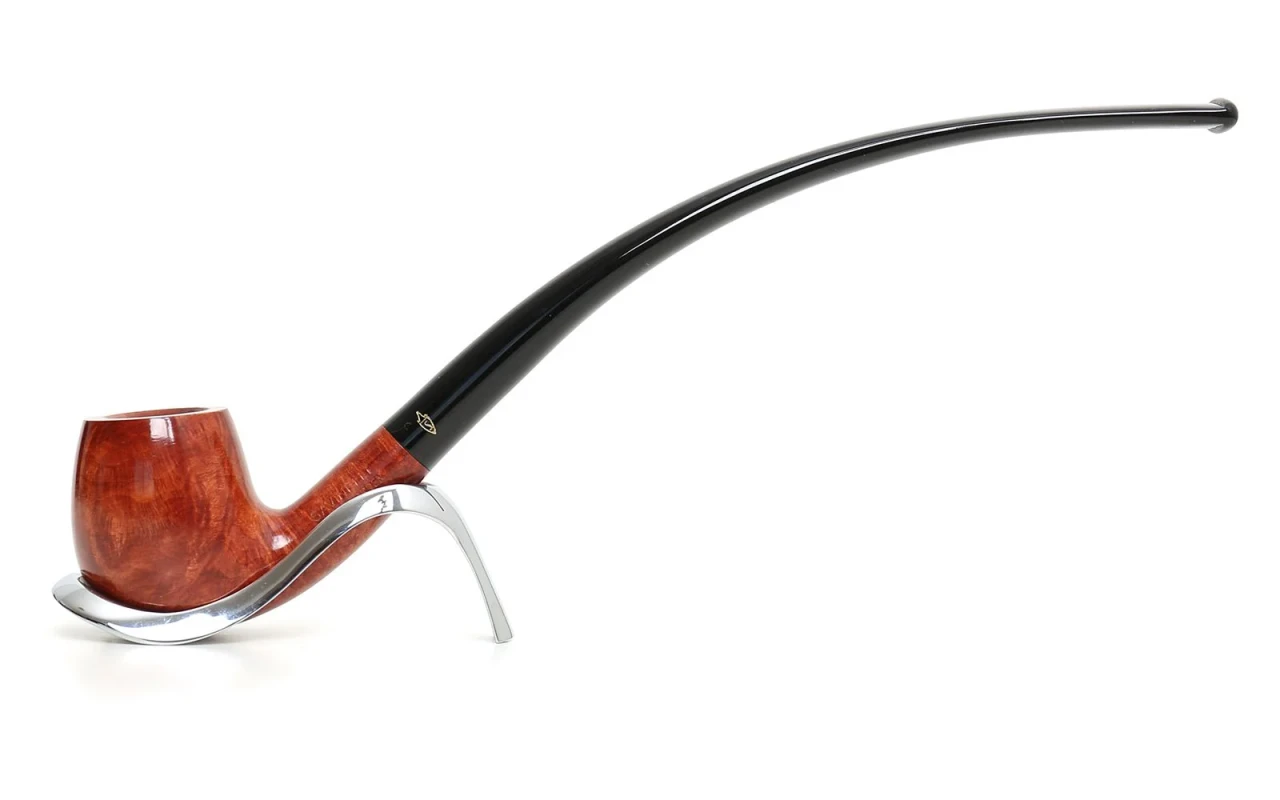
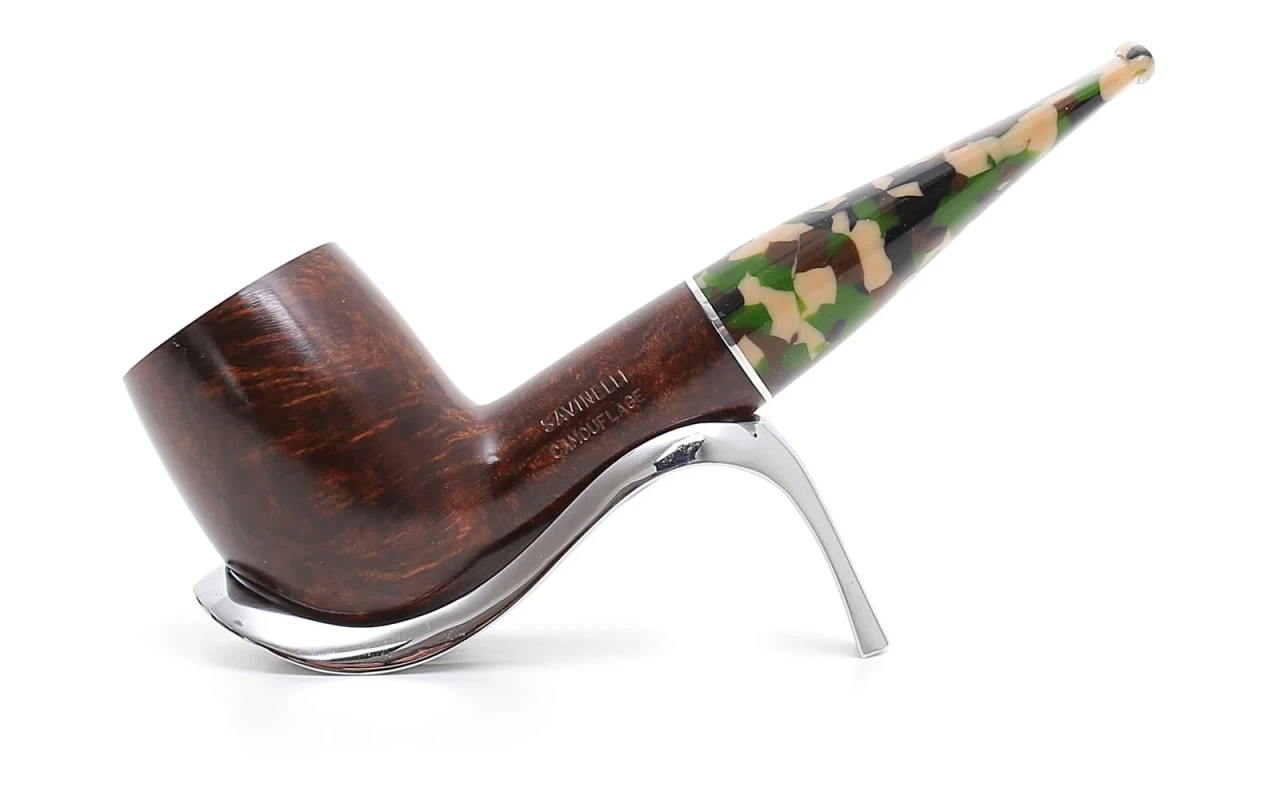
Choosing the Best Material for Pipes
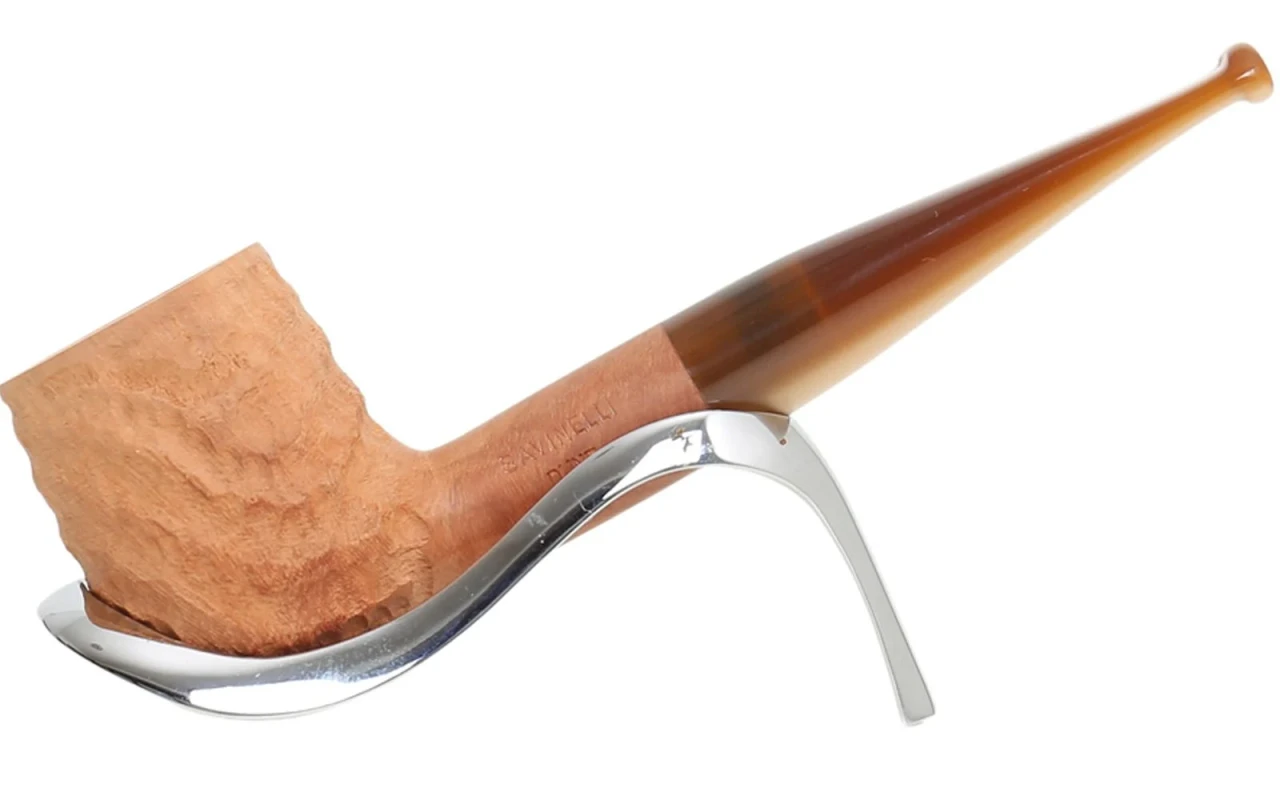
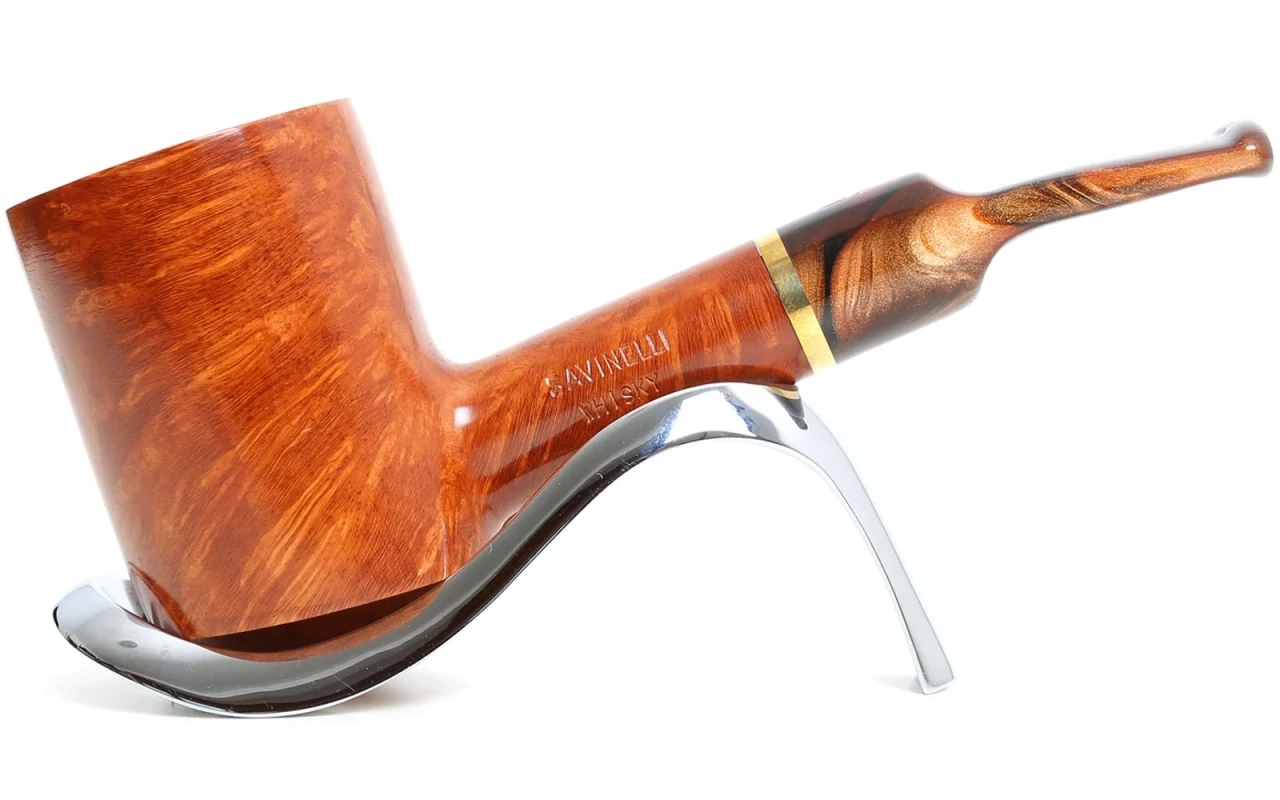
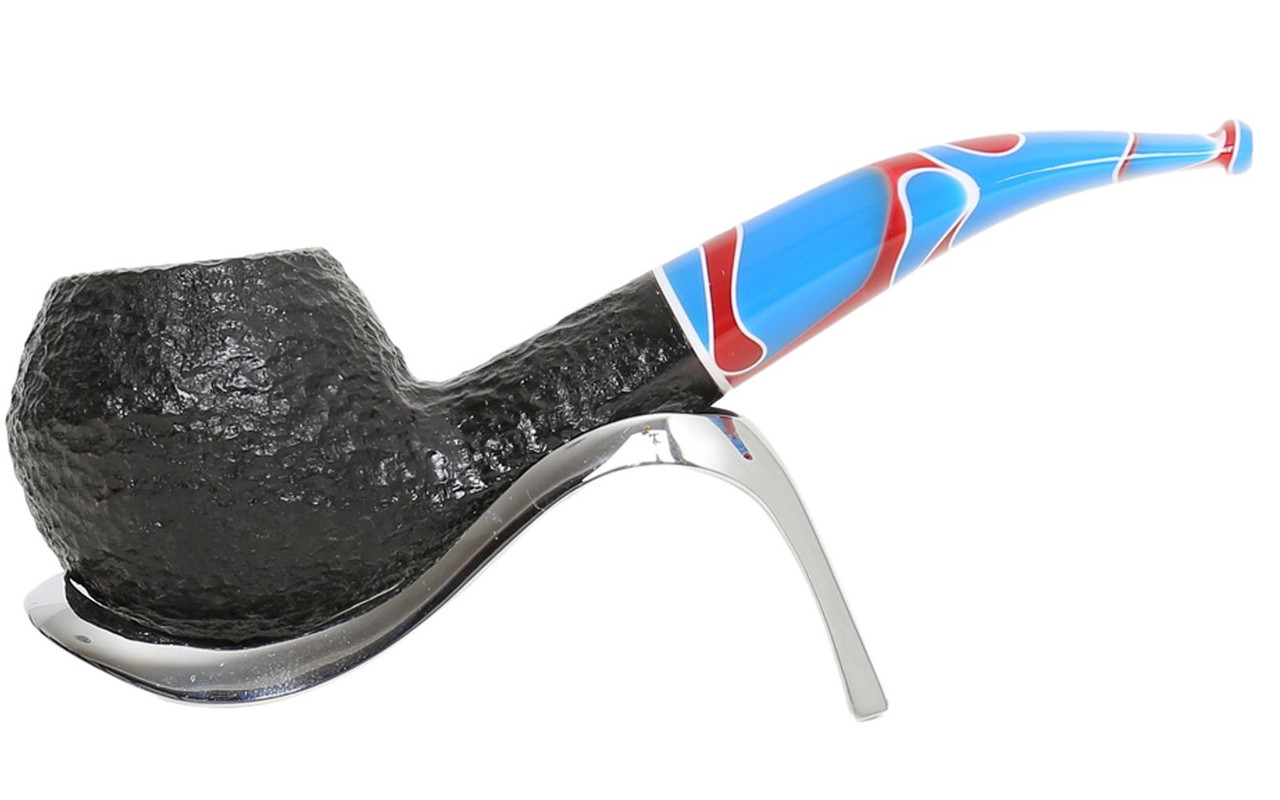
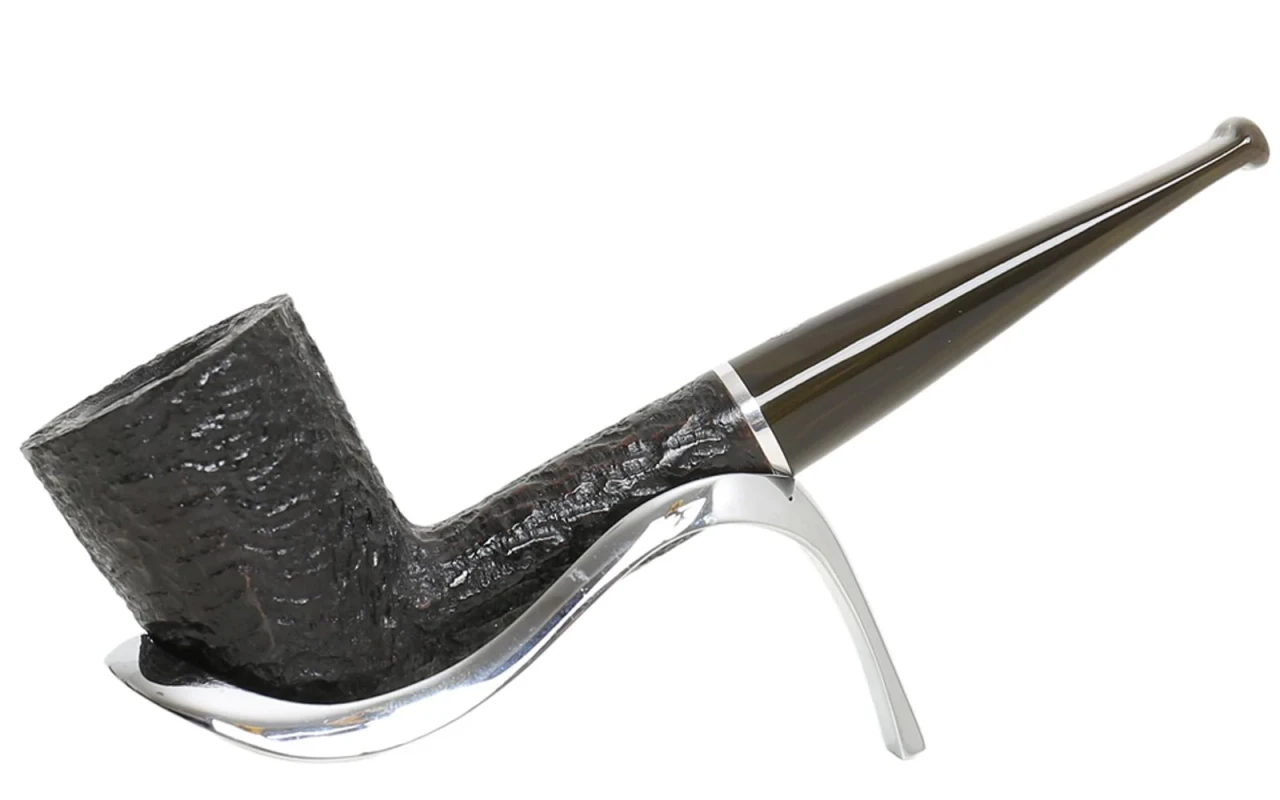
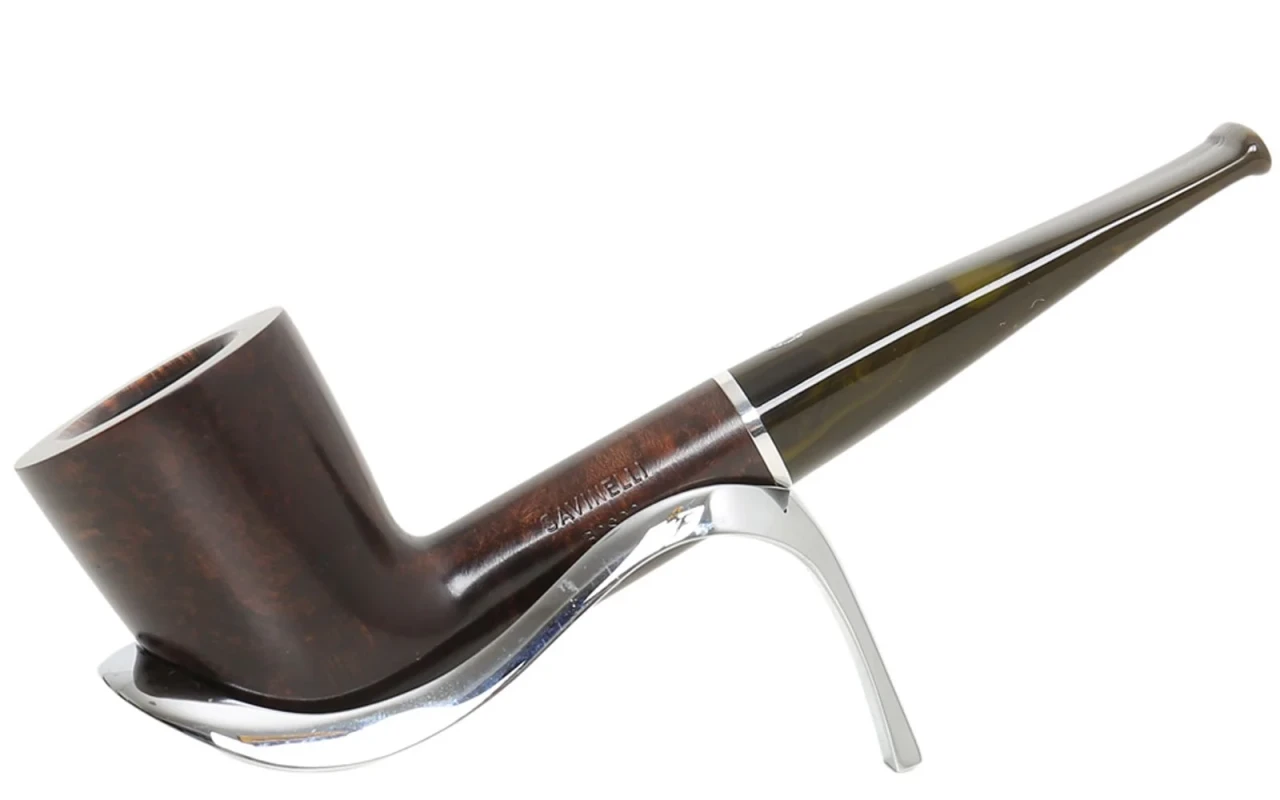
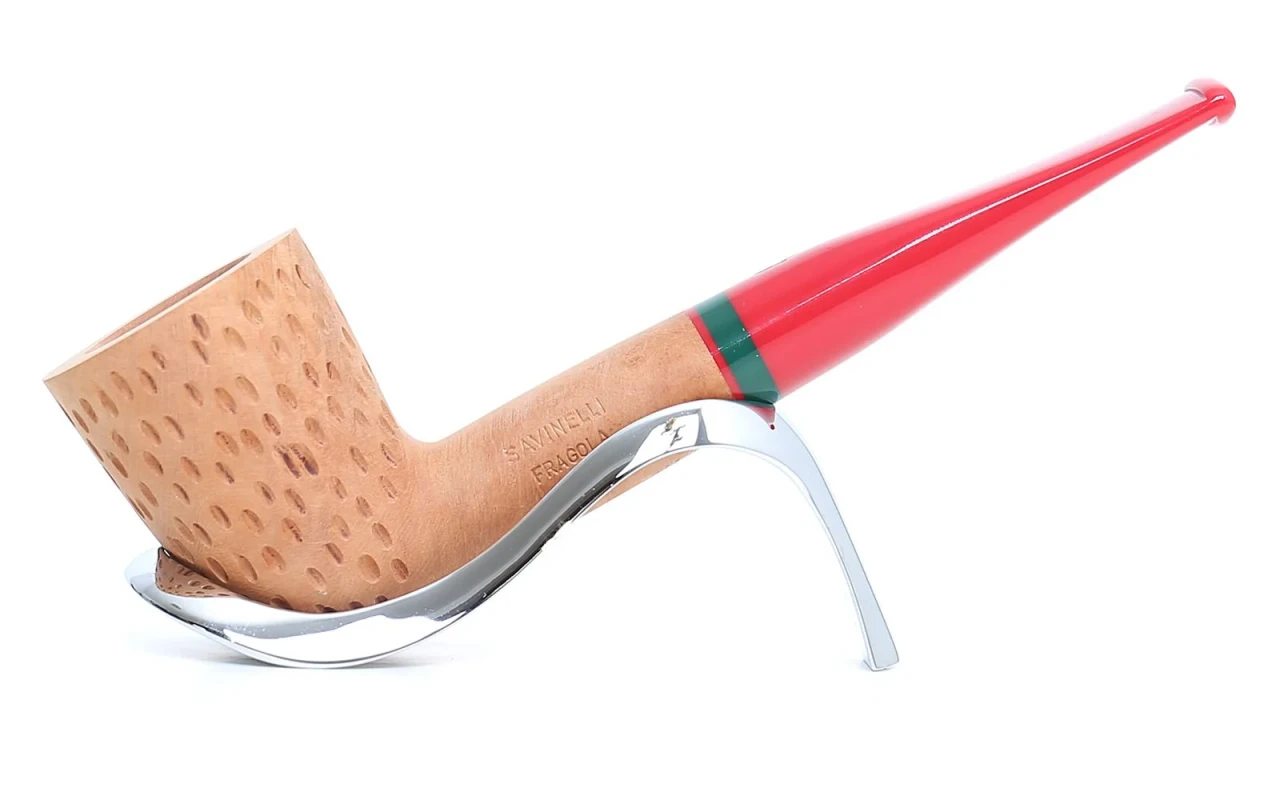
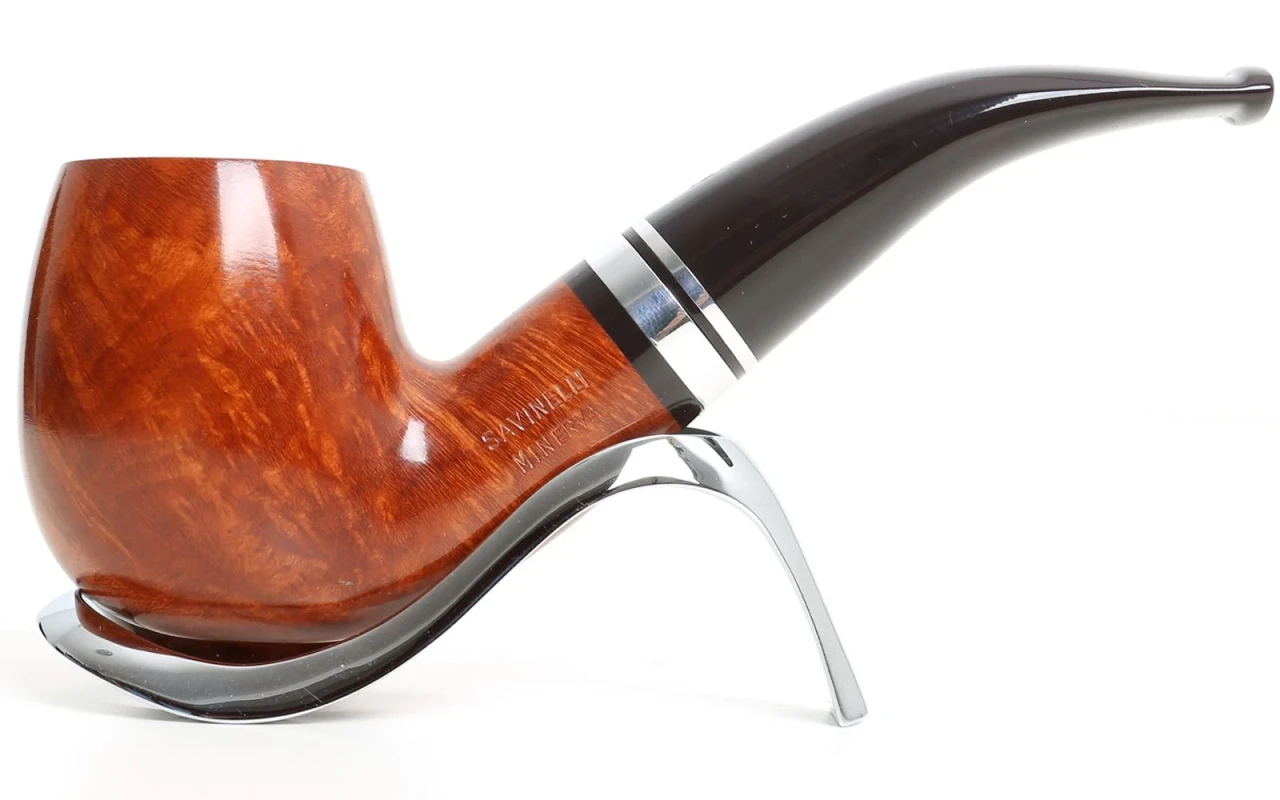
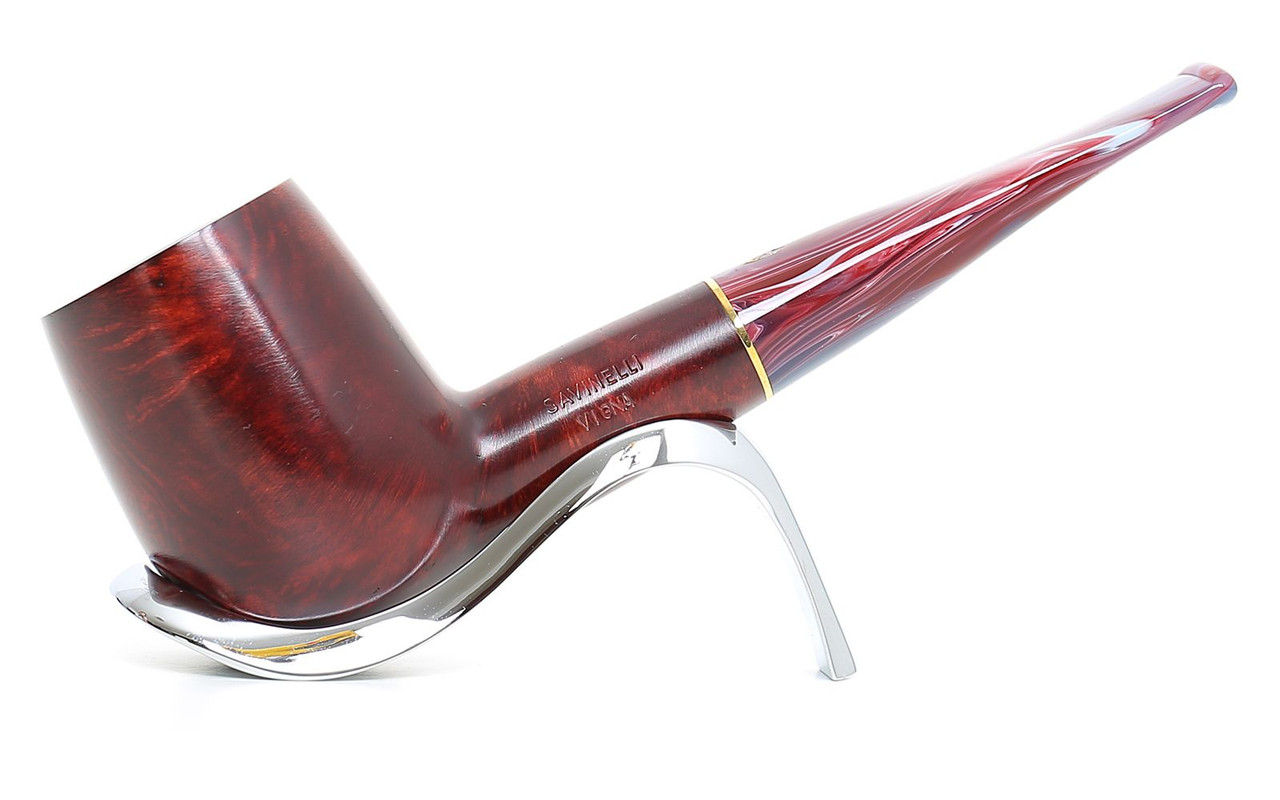
The best material for constructing a pipe depends on the individual preferences of the smoker and the desired characteristics. However, some common materials used for pipes include:- Briar wood: lightweight, heat-resistant, and moisture-absorbent.- Meerschaum: a porous material that absorbs tobacco oils, ensuring a pure aroma.- Briar: a hard and heat-resistant wood, highly valued for its beauty and durability over time.- Corn cob: inexpensive and lightweight, often chosen for its qualities of cool and neutral smoke.The choice of material depends on each smoker's personal preferences in terms of aesthetics, weight, heat, and smoke flavor.
Materials for smoking pipes
Materials for smoking pipes can influence the smoking experience. Pipes can be made from various materials, each with different characteristics:- Briar wood: commonly used for its heat and combustion resistance.- Corn cob: inexpensive and lightweight, it can influence the tobacco flavor.- Clay: a porous material that absorbs moisture, but requires special care.- Meerschaum: a natural stone that absorbs nicotine and colors with use.The choice of material depends on individual preferences for aroma, weight, and maintenance of the smoking pipe.
Best Pipe Materials
The most commonly used materials for pipe production are wood, briar root, corn cob, and clay. Each material offers unique characteristics that influence the pipe smoking experience. Wood, such as briar, is valued for its durability and ability to absorb smoke moisture. Briar root pipes are lightweight and durable, while corn cob pipes provide an economical and lightweight option. Clay pipes are appreciated for their ability to evenly absorb and release heat. The choice of material depends on each smoker's personal preferences.
Tobacco Pipe Materials
The most common materials used for making tobacco pipes are wood, briar, corn cob, and clay. Wood pipes, such as briar wood, provide a good smoking experience due to their thermal properties. Corn cob pipes are lightweight and affordable, allowing for a cool and dry smoke. Clay pipes are valued for the pure taste of tobacco, but they are fragile and require careful handling. Other materials used include meerschaum and metal pipes, each with unique characteristics that influence the smoking experience. It is important to choose the pipe material based on personal preferences and the desired quality of the smoke.
'%3e%3cg id='Final-Copy-2_2_' transform='translate(1275.000000, 200.000000)'%3e%3cpath class='st0' d='M7.4,12.8h6.8l3.1-11.6H7.4C4.2,1.2,1.6,3.8,1.6,7S4.2,12.8,7.4,12.8z'/%3e%3c/g%3e%3c/g%3e%3c/g%3e%3cg id='final---dec.11-2020'%3e%3cg id='_x30_208-our-toggle' transform='translate(-1275.000000, -200.000000)'%3e%3cg id='Final-Copy-2' transform='translate(1275.000000, 200.000000)'%3e%3cpath class='st1' d='M22.6,0H7.4c-3.9,0-7,3.1-7,7s3.1,7,7,7h15.2c3.9,0,7-3.1,7-7S26.4,0,22.6,0z M1.6,7c0-3.2,2.6-5.8,5.8-5.8 h9.9l-3.1,11.6H7.4C4.2,12.8,1.6,10.2,1.6,7z'/%3e%3cpath id='x' class='st2' d='M24.6,4c0.2,0.2,0.2,0.6,0,0.8l0,0L22.5,7l2.2,2.2c0.2,0.2,0.2,0.6,0,0.8c-0.2,0.2-0.6,0.2-0.8,0 l0,0l-2.2-2.2L19.5,10c-0.2,0.2-0.6,0.2-0.8,0c-0.2-0.2-0.2-0.6,0-0.8l0,0L20.8,7l-2.2-2.2c-0.2-0.2-0.2-0.6,0-0.8 c0.2-0.2,0.6-0.2,0.8,0l0,0l2.2,2.2L23.8,4C24,3.8,24.4,3.8,24.6,4z'/%3e%3cpath id='y' class='st3' d='M12.7,4.1c0.2,0.2,0.3,0.6,0.1,0.8l0,0L8.6,9.8C8.5,9.9,8.4,10,8.3,10c-0.2,0.1-0.5,0.1-0.7-0.1l0,0 L5.4,7.7c-0.2-0.2-0.2-0.6,0-0.8c0.2-0.2,0.6-0.2,0.8,0l0,0L8,8.6l3.8-4.5C12,3.9,12.4,3.9,12.7,4.1z'/%3e%3c/g%3e%3c/g%3e%3c/g%3e%3c/g%3e%3c/svg%3e) Your Privacy Choices
Your Privacy Choices 


