 ES
ES FR
FR EN
EN IT
IT DE
DE
Briar Wood Used in Pipe Production
Briar Wood Used in Pipe Production
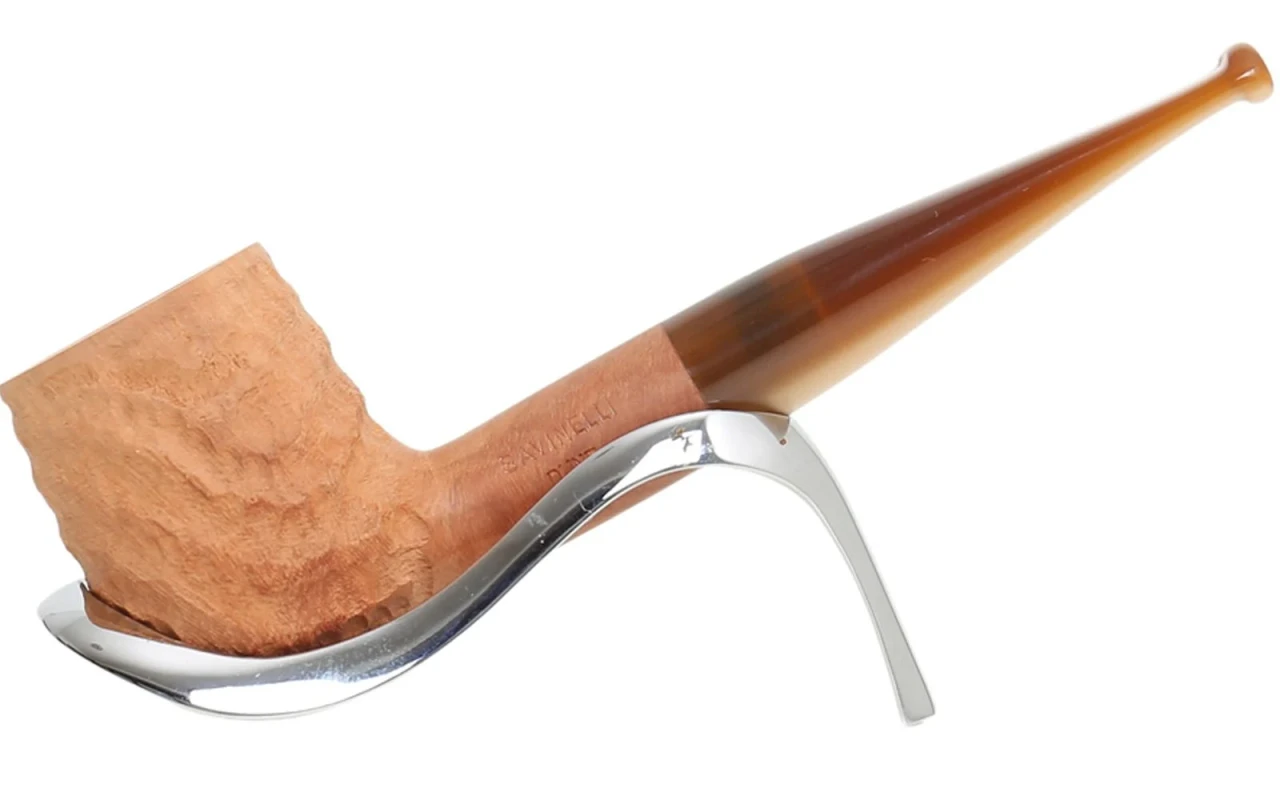
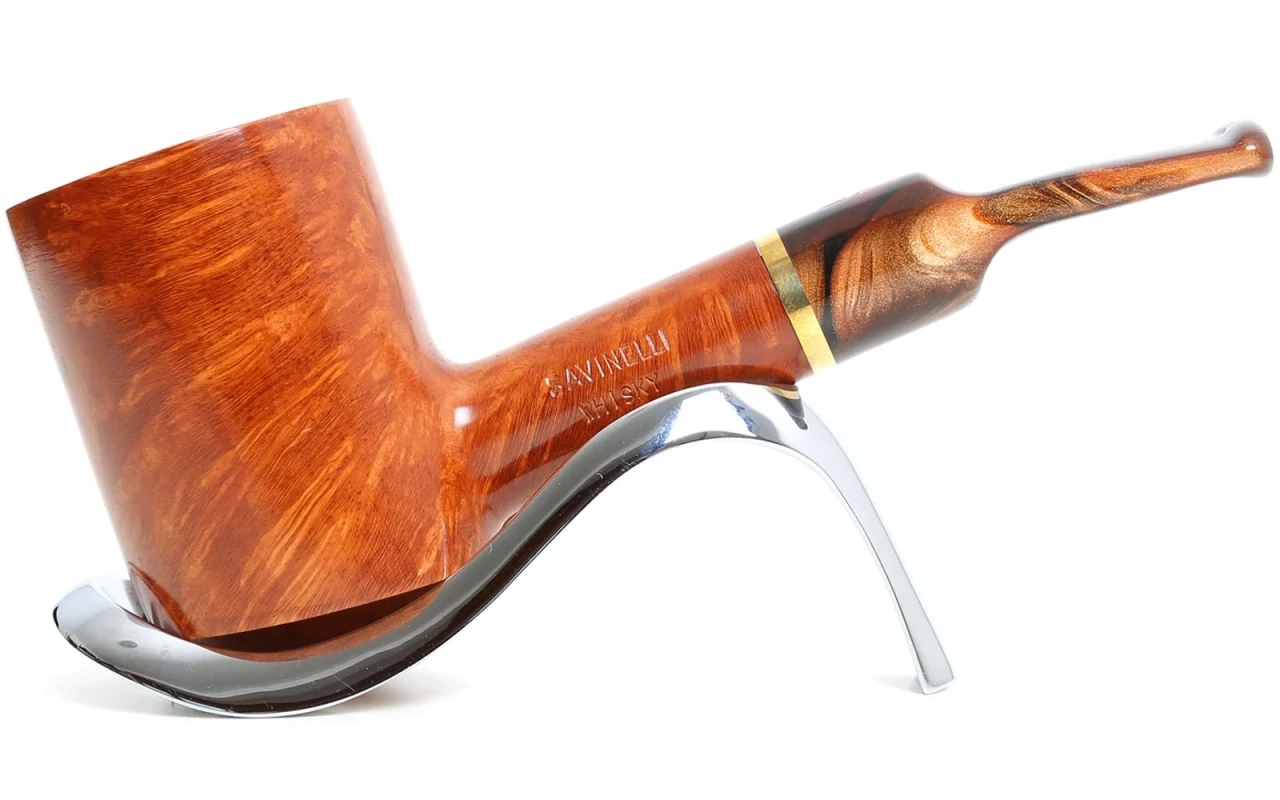
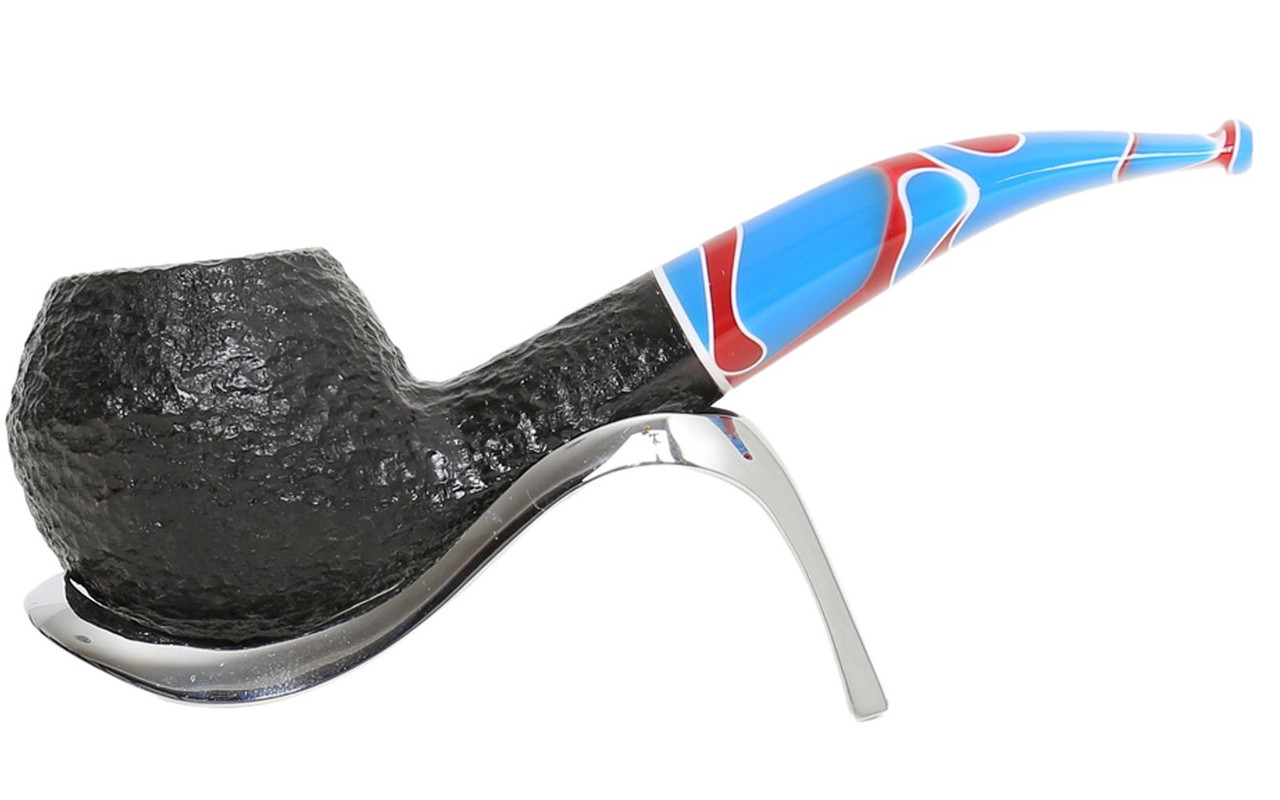
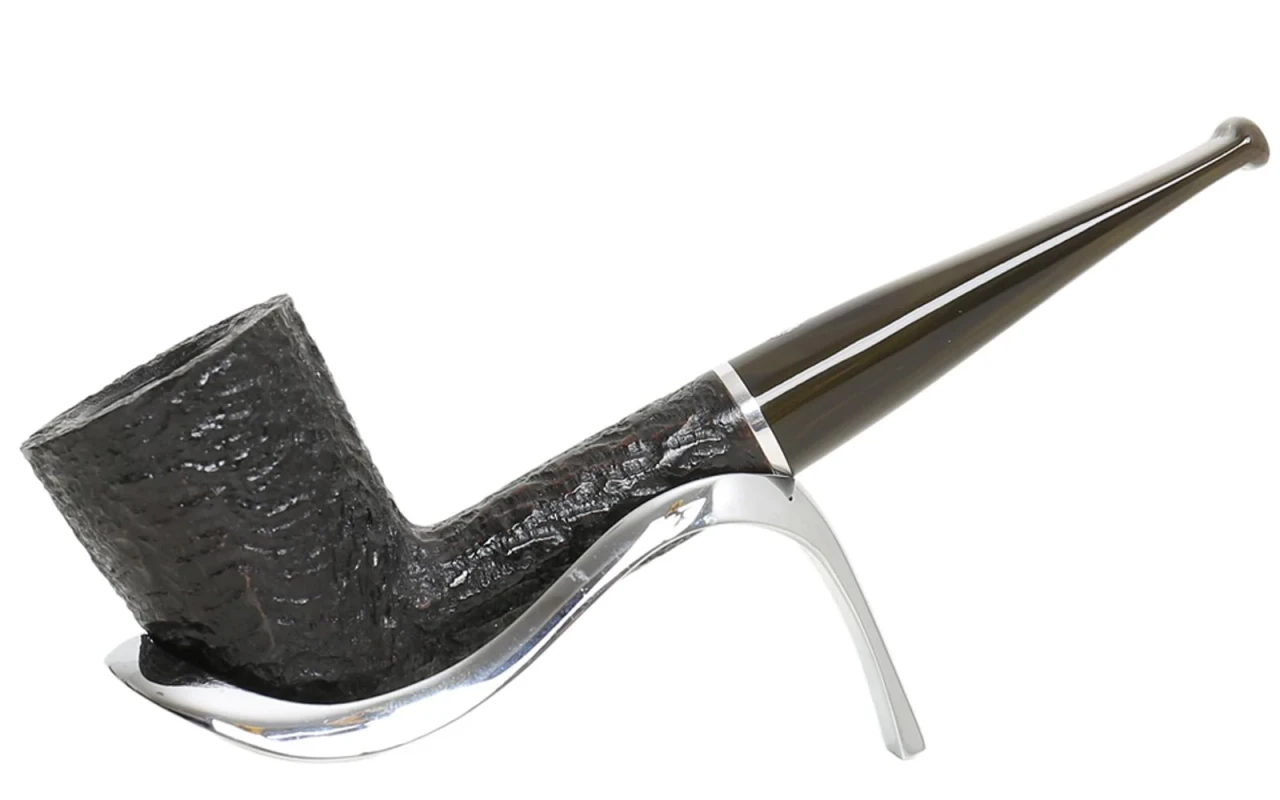
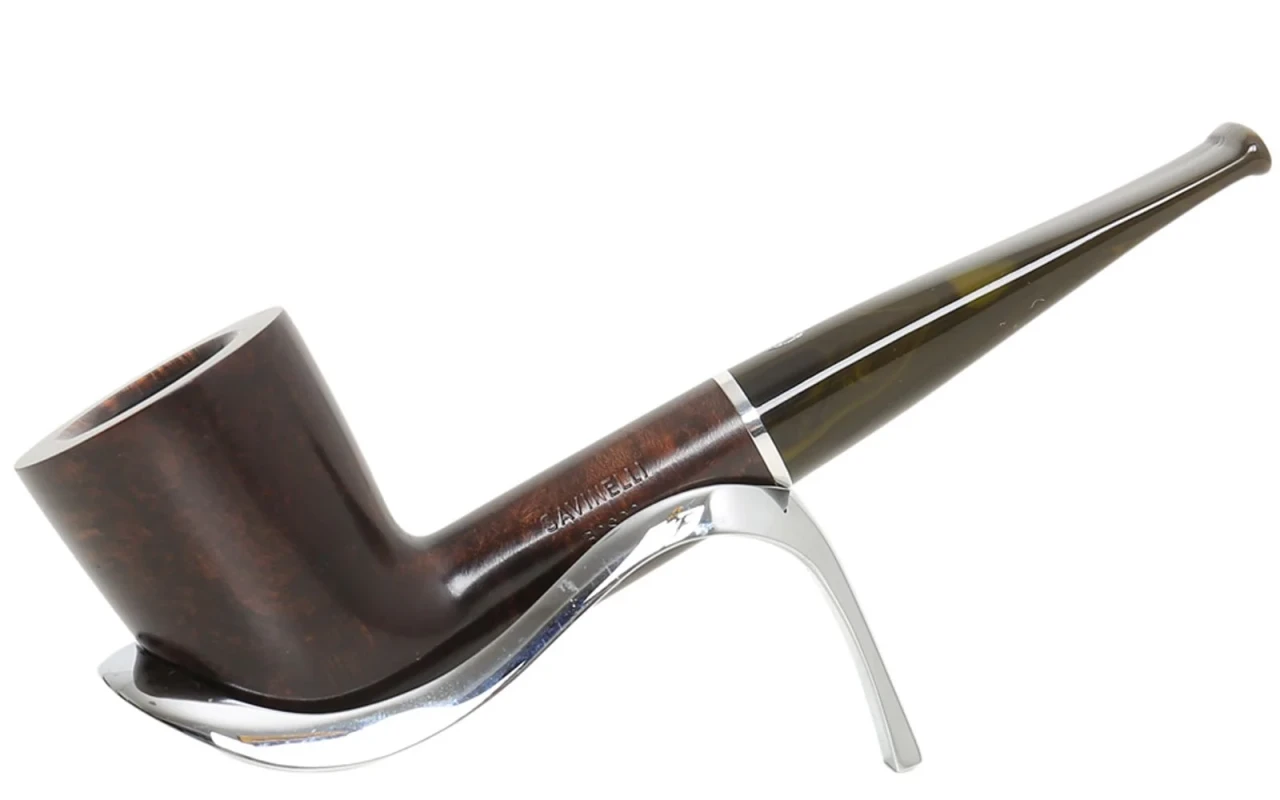
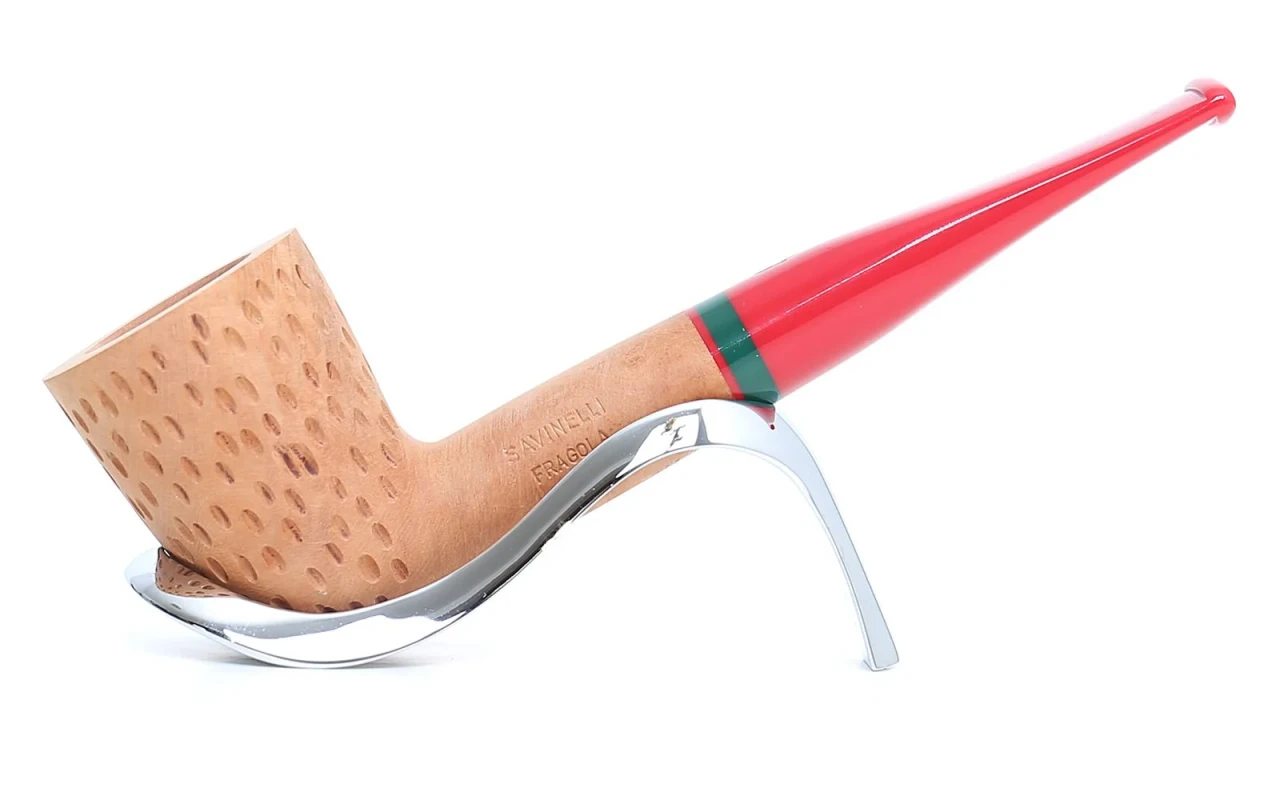
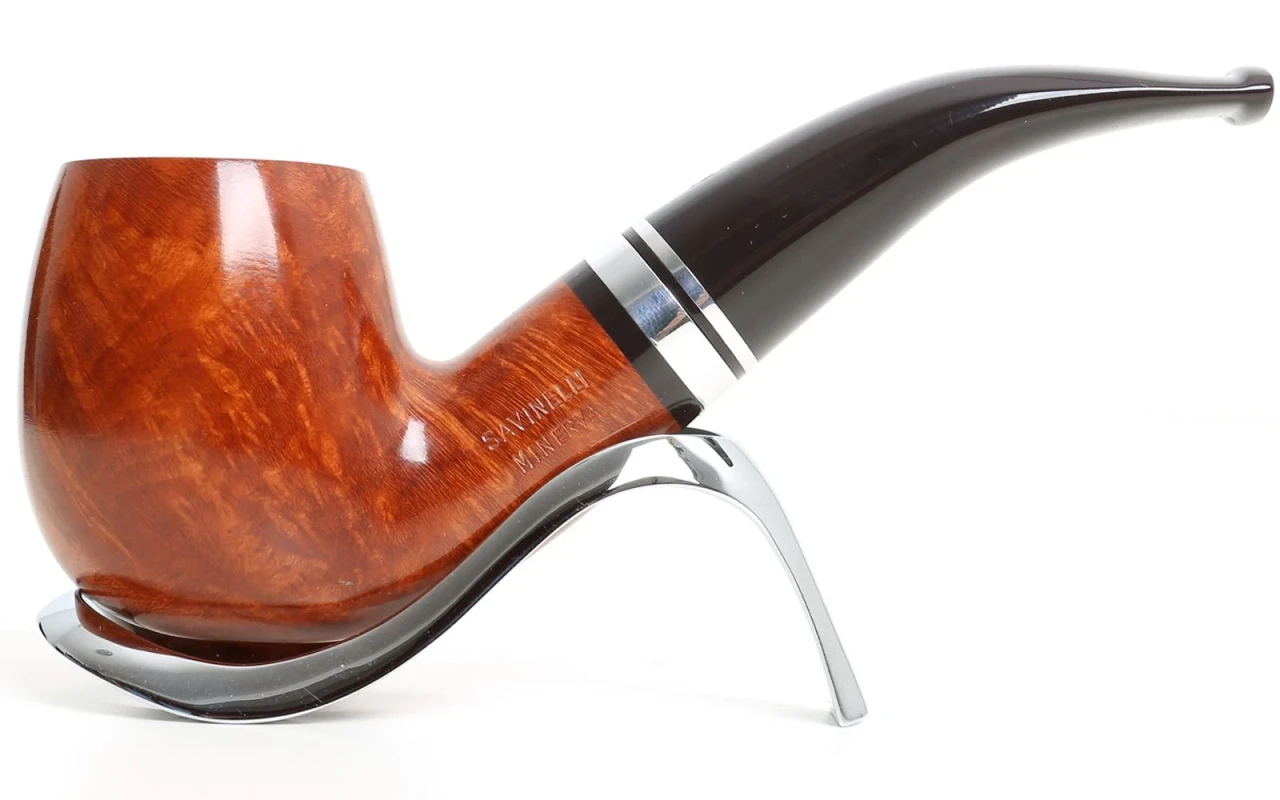
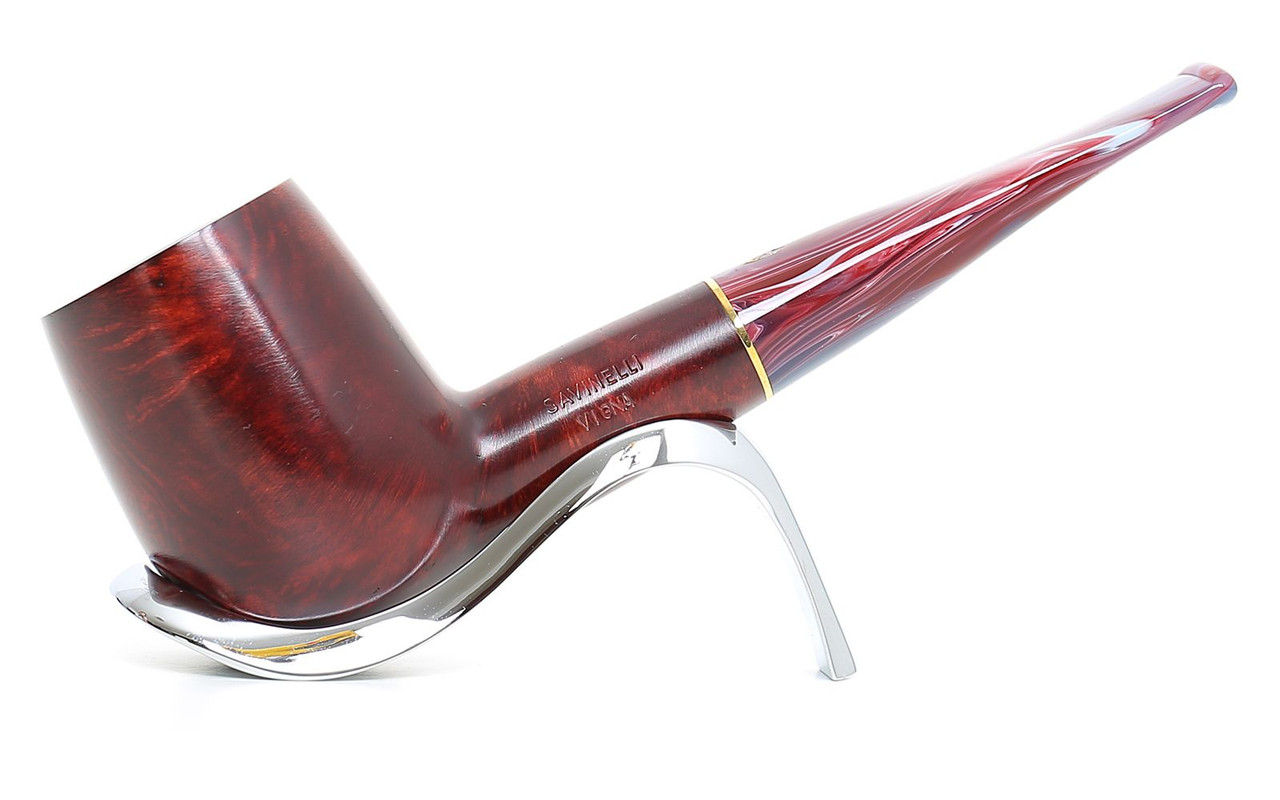
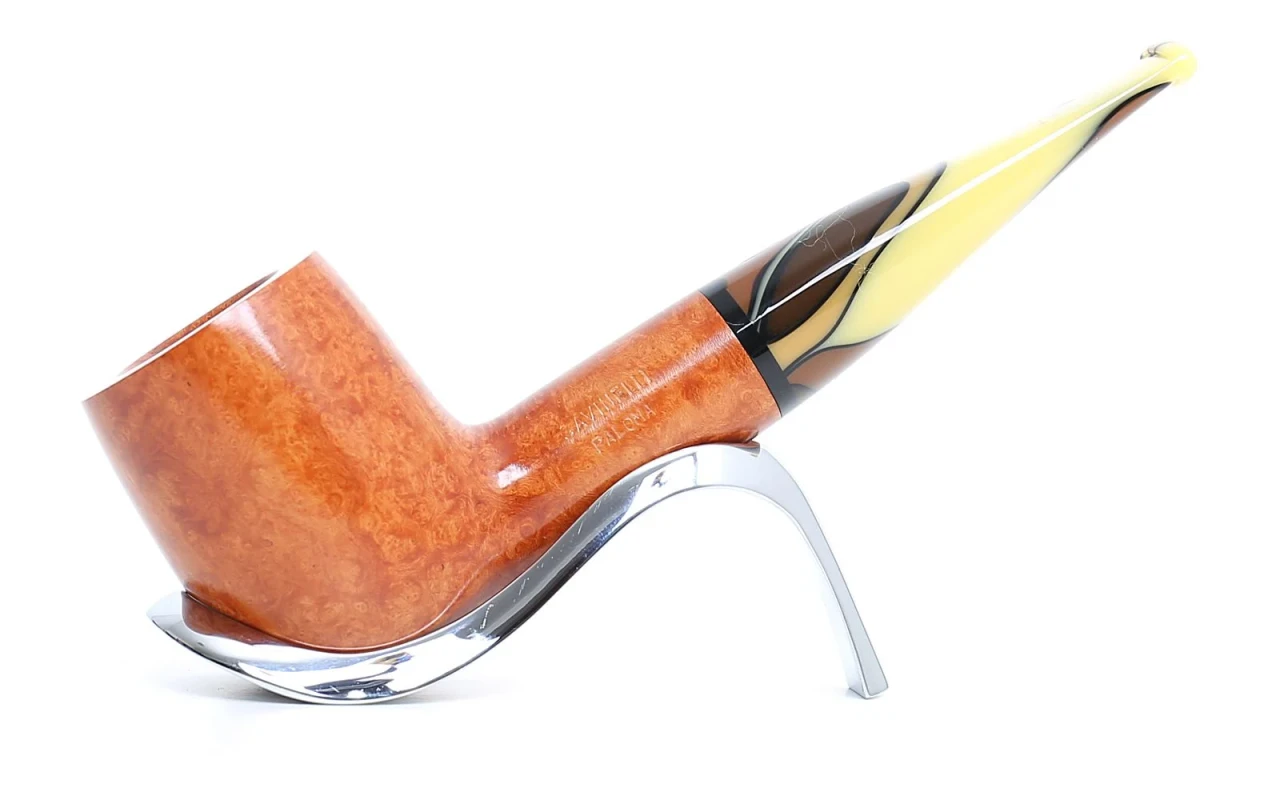
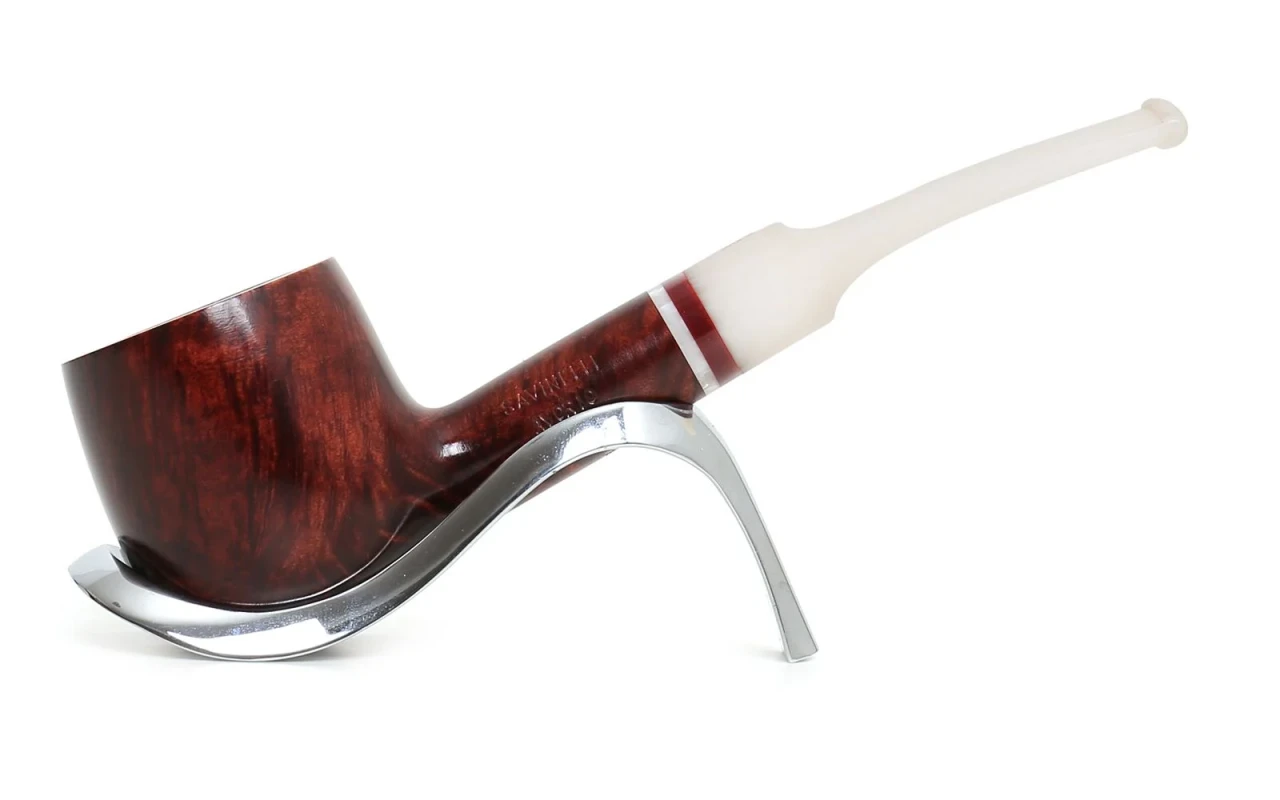
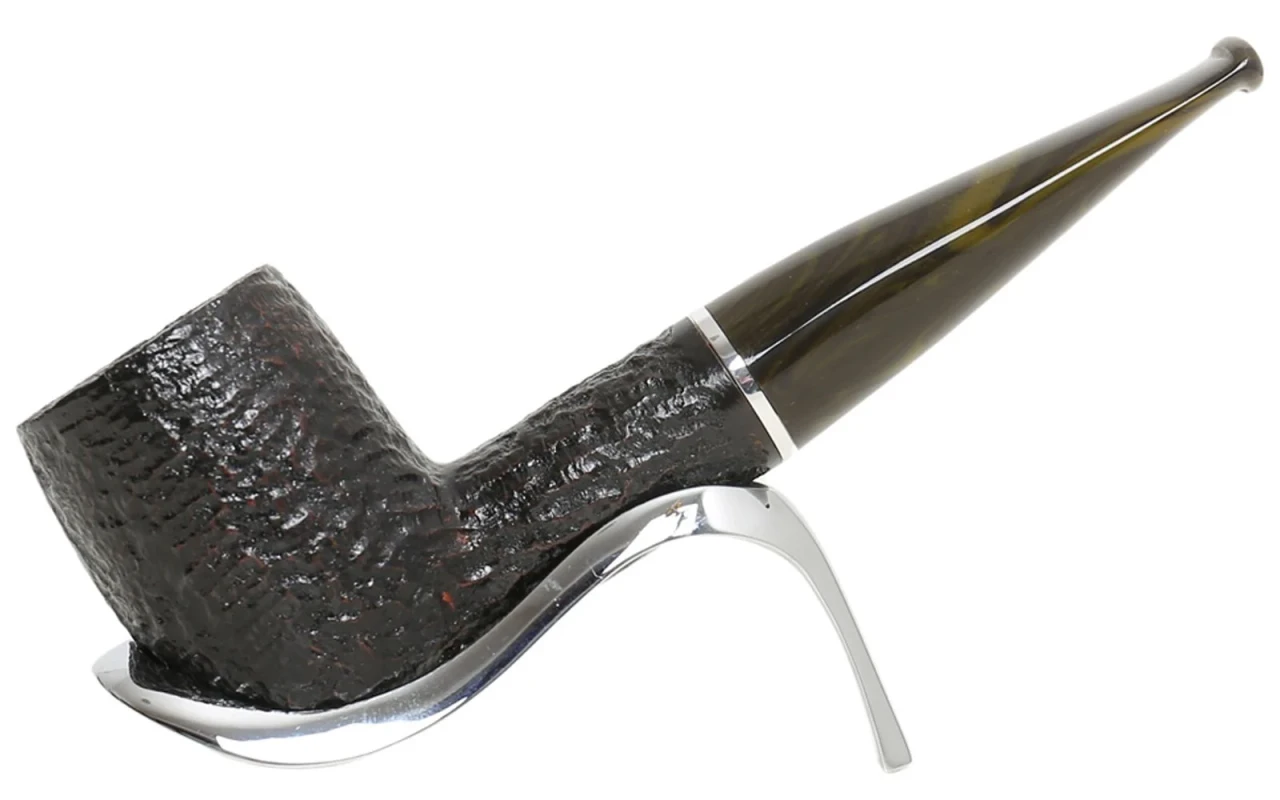
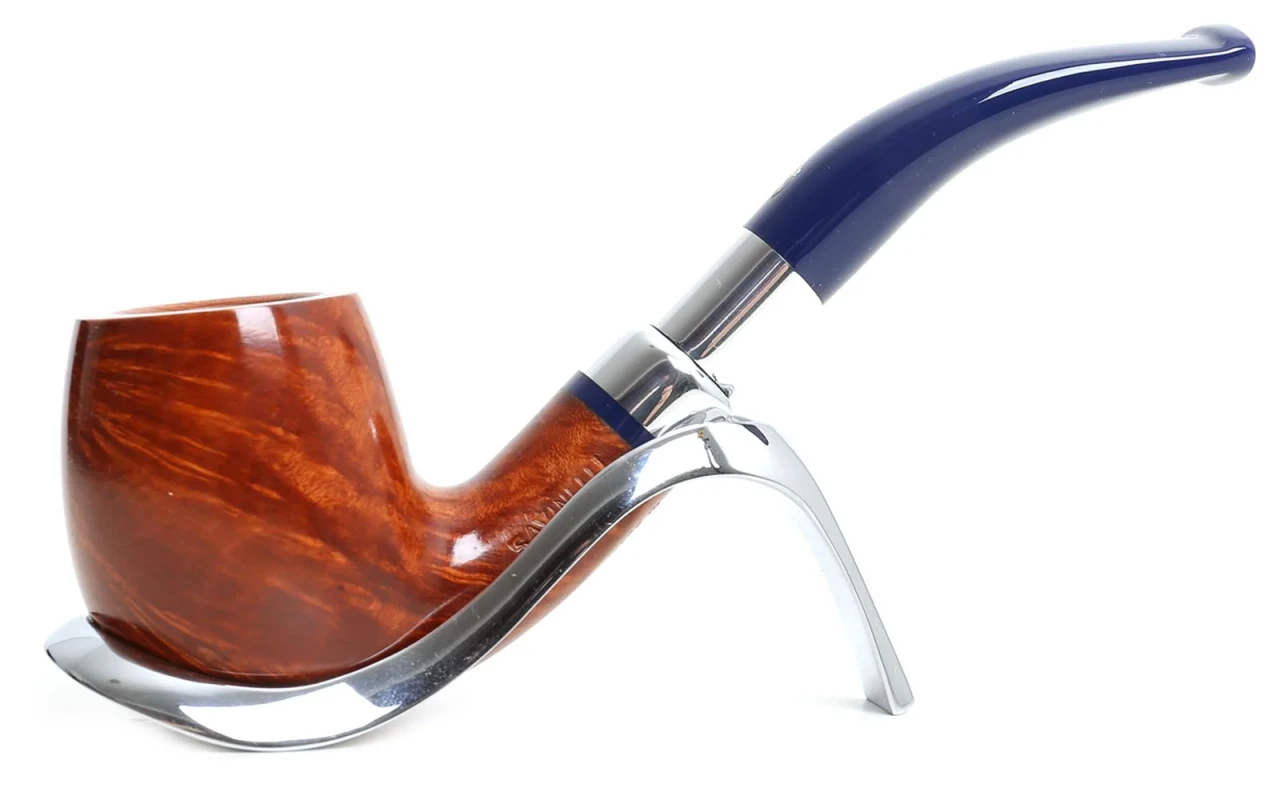
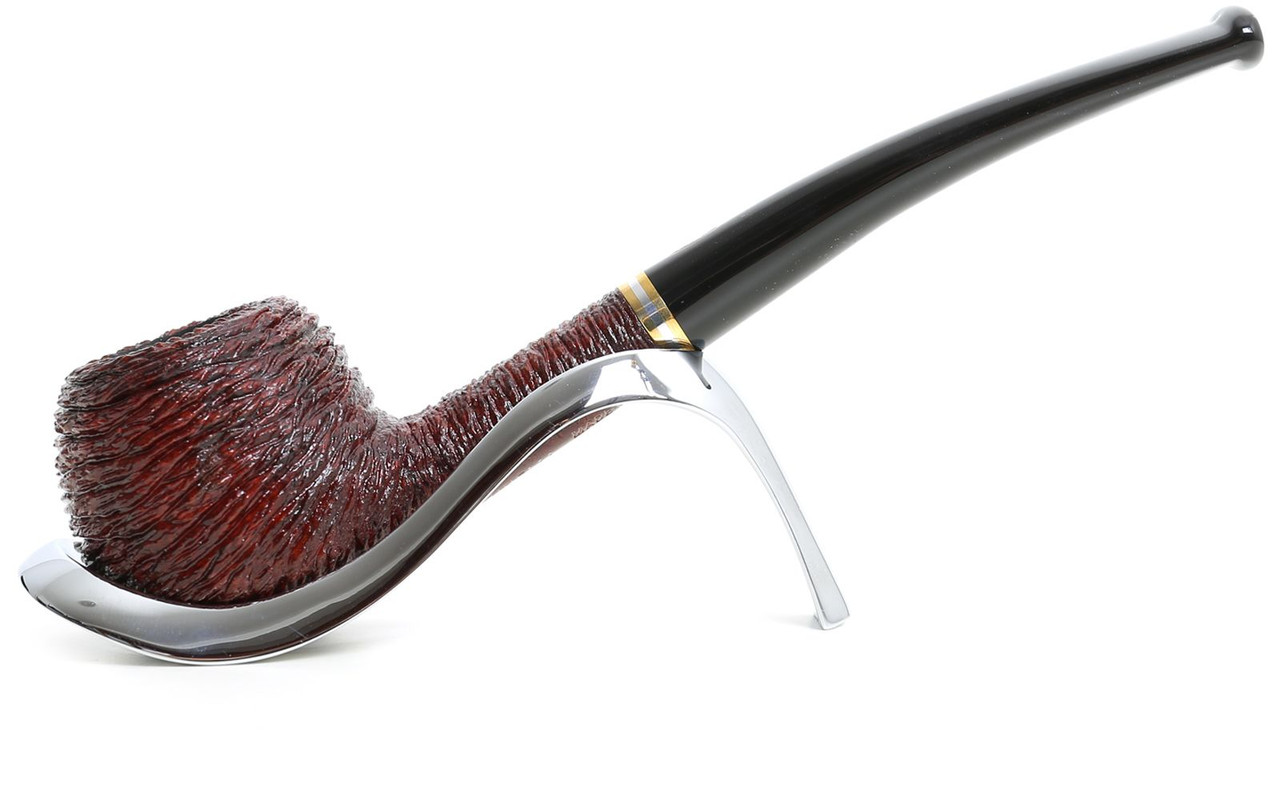
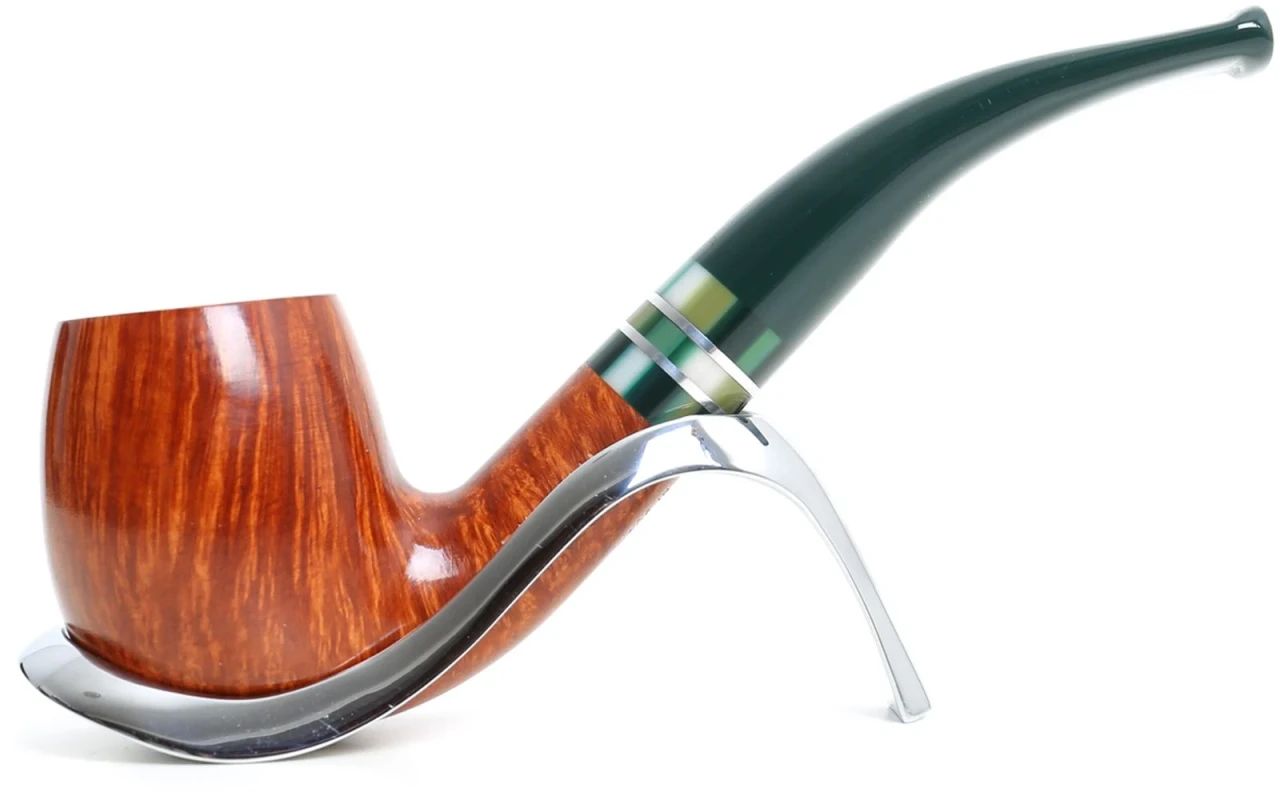
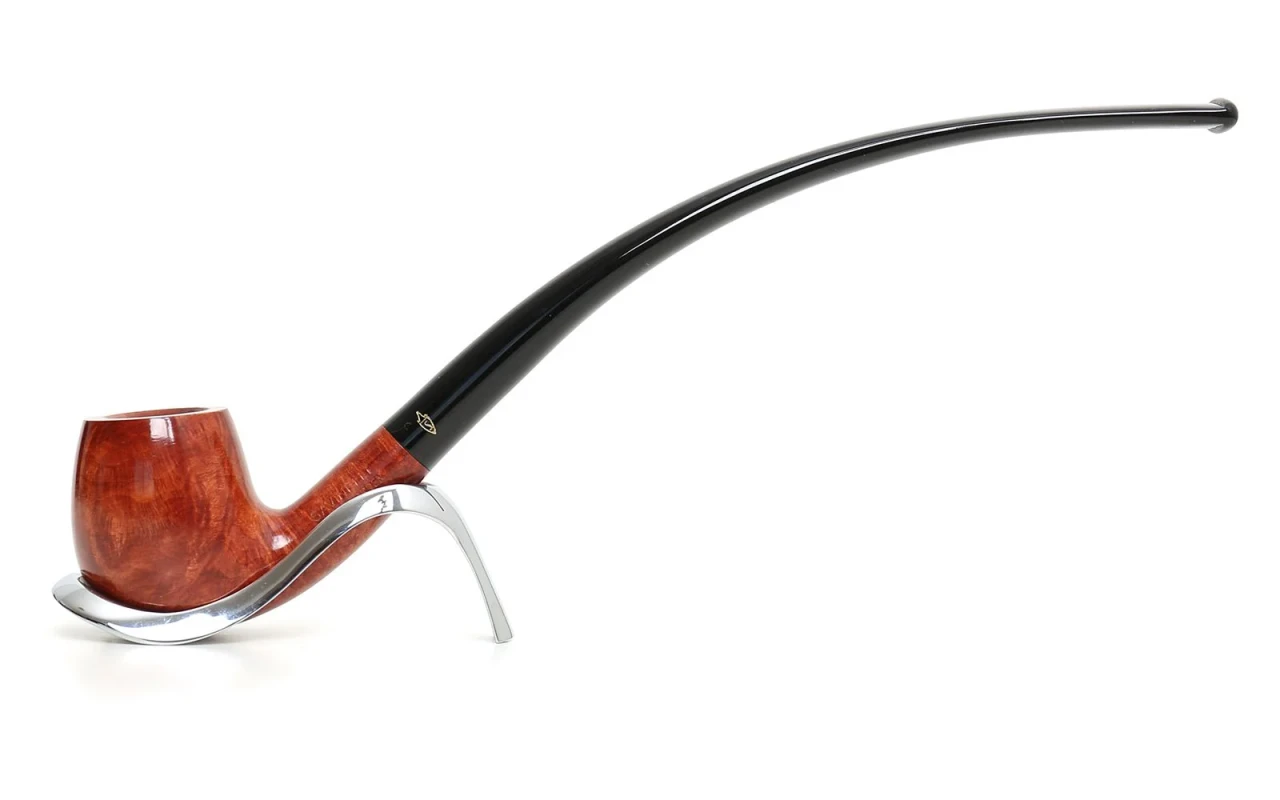
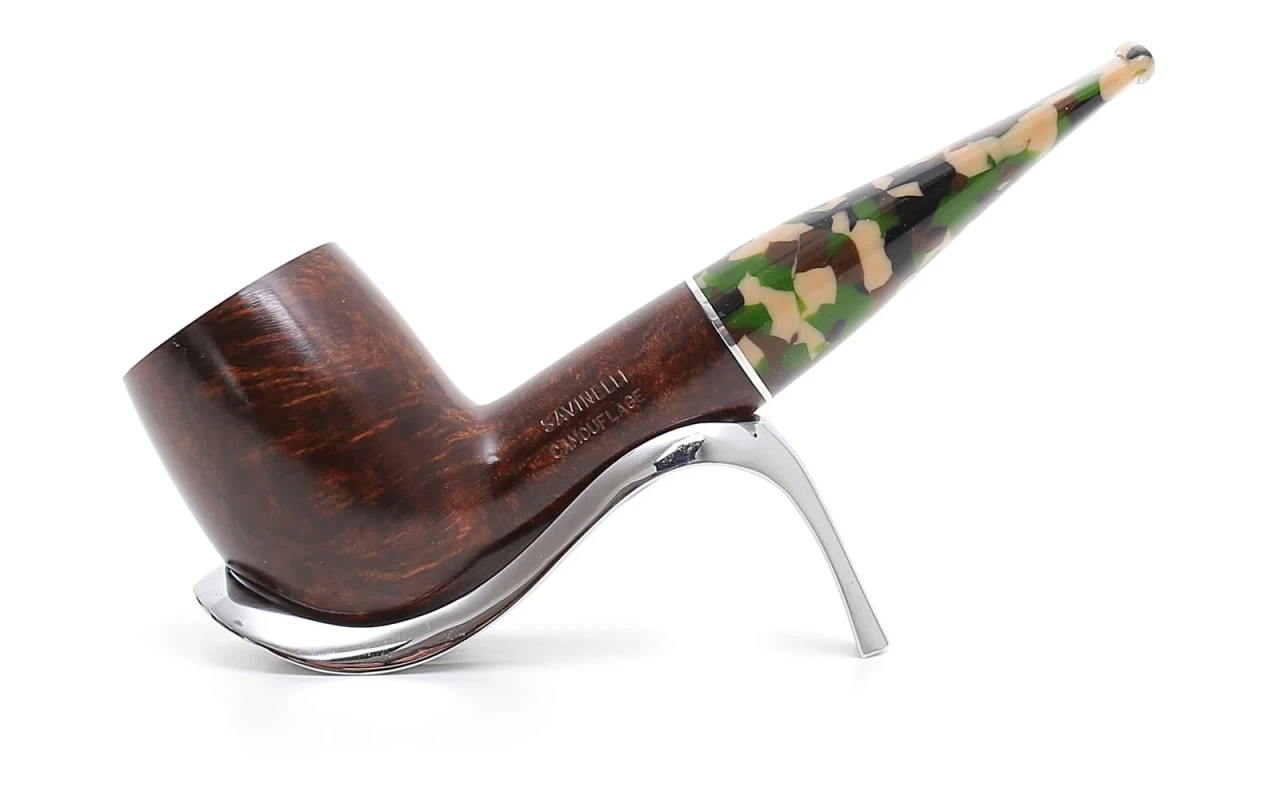
Briar wood used in pipe production is a high-quality material, renowned for its unique characteristics. This precious wood is selected for its strength and ability to absorb heat, ensuring a cooler and more enjoyable smoke. The roots are carefully crafted by artisans to create high-quality pipes, appreciated for both their aesthetics and performance. Thanks to its heat resistance and moisture absorption capacity, briar wood is an excellent choice for pipe enthusiasts seeking a superior smoking experience.
Briarwood Pipe
Briarwood is the most common material used for making pipes. This wood comes from the Erica arborea tree, also known as briar. Pipes made from this briarwood are highly valued for their heat resistance, allowing for an even tobacco combustion. Additionally, the porous structure of briarwood absorbs moisture during smoking, ensuring a cooler and drier smoke. Briarwood pipes are considered high-quality and provide an excellent experience for smokers who appreciate tradition and craftsmanship in the world of pipes.
Types of briar wood for pipes
There are mainly two types of briar wood used for making pipes: heather briar and olive briar. Heather briar, obtained from the Ericaceae plant, is highly valued for its heat resistance and ability to absorb moisture, ensuring a drier and cooler smoke. Olive briar, sourced from the Olea europaea tree, is distinguished by its unique grain patterns and veins, giving each pipe a distinctive appearance. Both types of briar wood are highly appreciated by pipe enthusiasts for their aesthetic and functional characteristics.
Pipe briar processing
The processing of briar for pipes is a craftsmanship process that requires skill and precision. Briar, being the most common material used for making pipes, is selected for its resistance characteristics and optimal smoke absorption capacity. After harvesting, the briar undergoes several treatments to make it suitable for processing, such as drying and seasoning. Subsequently, through turning and shaping, the pipe takes shape, and it is finally smoothed and polished to ensure impeccable aesthetic appearance. Briar processing therefore requires artisanal skills and attention to detail to create high-quality pipes.
'%3e%3cg id='Final-Copy-2_2_' transform='translate(1275.000000, 200.000000)'%3e%3cpath class='st0' d='M7.4,12.8h6.8l3.1-11.6H7.4C4.2,1.2,1.6,3.8,1.6,7S4.2,12.8,7.4,12.8z'/%3e%3c/g%3e%3c/g%3e%3c/g%3e%3cg id='final---dec.11-2020'%3e%3cg id='_x30_208-our-toggle' transform='translate(-1275.000000, -200.000000)'%3e%3cg id='Final-Copy-2' transform='translate(1275.000000, 200.000000)'%3e%3cpath class='st1' d='M22.6,0H7.4c-3.9,0-7,3.1-7,7s3.1,7,7,7h15.2c3.9,0,7-3.1,7-7S26.4,0,22.6,0z M1.6,7c0-3.2,2.6-5.8,5.8-5.8 h9.9l-3.1,11.6H7.4C4.2,12.8,1.6,10.2,1.6,7z'/%3e%3cpath id='x' class='st2' d='M24.6,4c0.2,0.2,0.2,0.6,0,0.8l0,0L22.5,7l2.2,2.2c0.2,0.2,0.2,0.6,0,0.8c-0.2,0.2-0.6,0.2-0.8,0 l0,0l-2.2-2.2L19.5,10c-0.2,0.2-0.6,0.2-0.8,0c-0.2-0.2-0.2-0.6,0-0.8l0,0L20.8,7l-2.2-2.2c-0.2-0.2-0.2-0.6,0-0.8 c0.2-0.2,0.6-0.2,0.8,0l0,0l2.2,2.2L23.8,4C24,3.8,24.4,3.8,24.6,4z'/%3e%3cpath id='y' class='st3' d='M12.7,4.1c0.2,0.2,0.3,0.6,0.1,0.8l0,0L8.6,9.8C8.5,9.9,8.4,10,8.3,10c-0.2,0.1-0.5,0.1-0.7-0.1l0,0 L5.4,7.7c-0.2-0.2-0.2-0.6,0-0.8c0.2-0.2,0.6-0.2,0.8,0l0,0L8,8.6l3.8-4.5C12,3.9,12.4,3.9,12.7,4.1z'/%3e%3c/g%3e%3c/g%3e%3c/g%3e%3c/g%3e%3c/svg%3e) Your Privacy Choices
Your Privacy Choices 


