 ES
ES FR
FR EN
EN IT
IT DE
DE
Best Materials for Pipes
Best Materials for Pipes
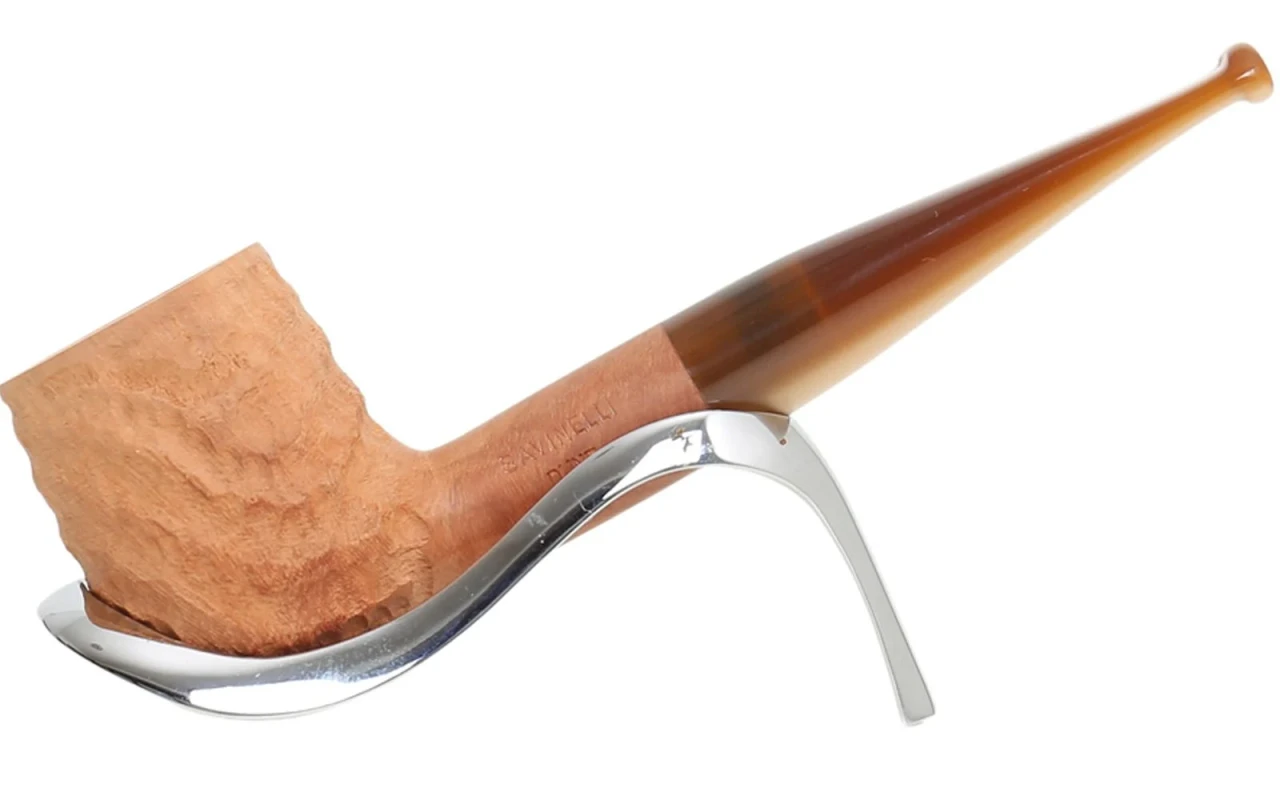
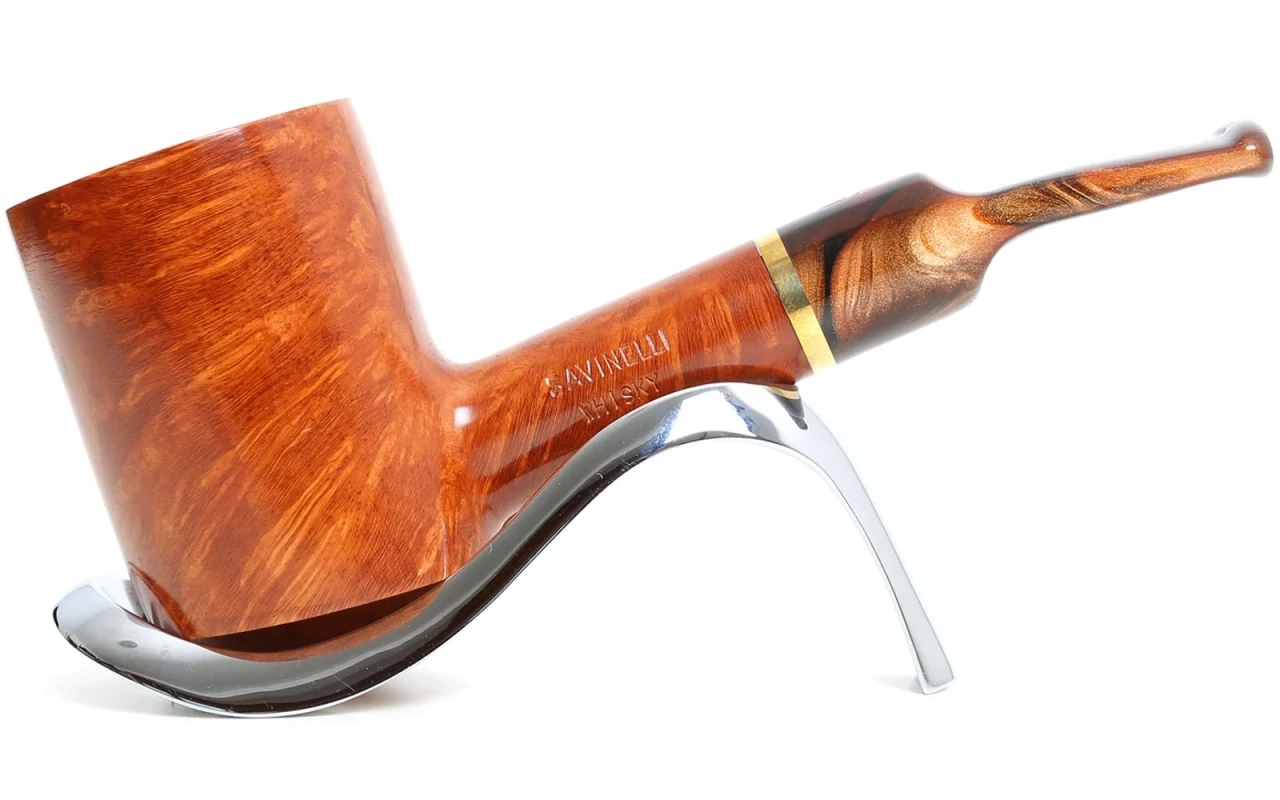
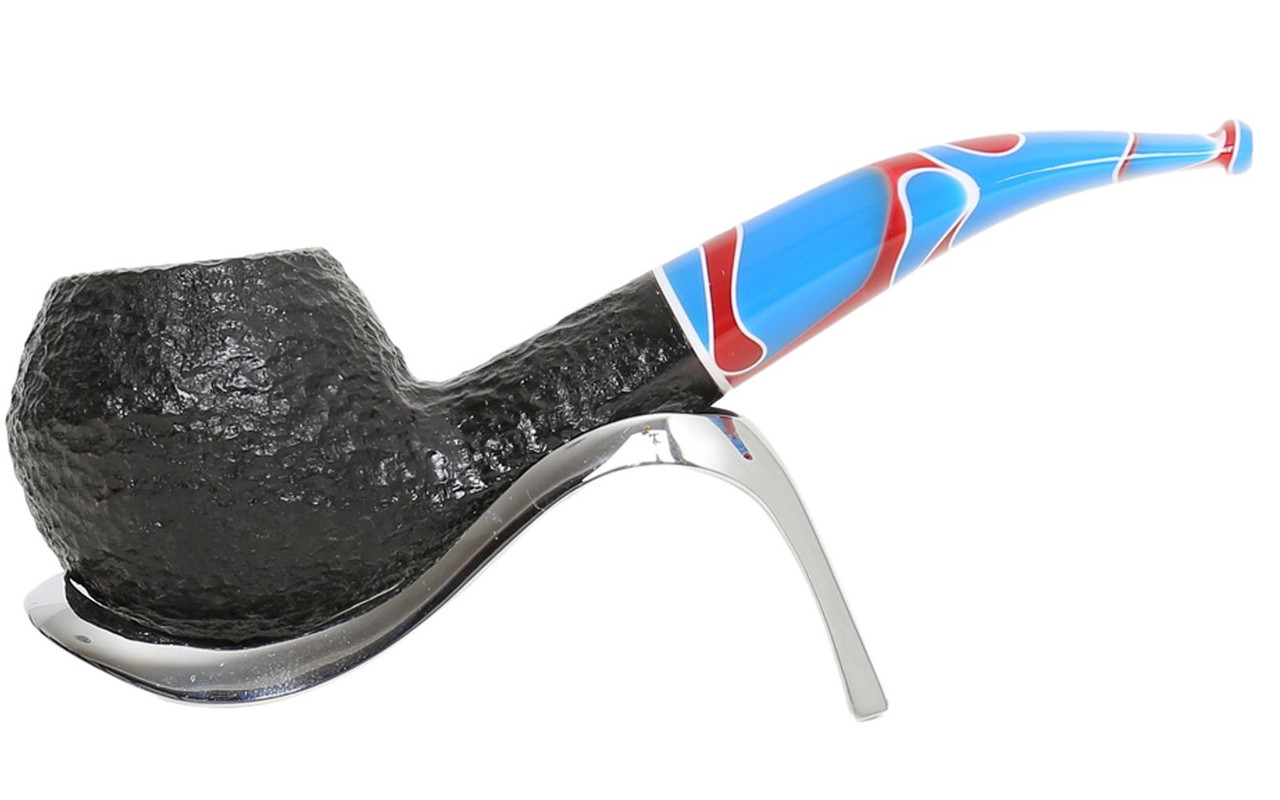
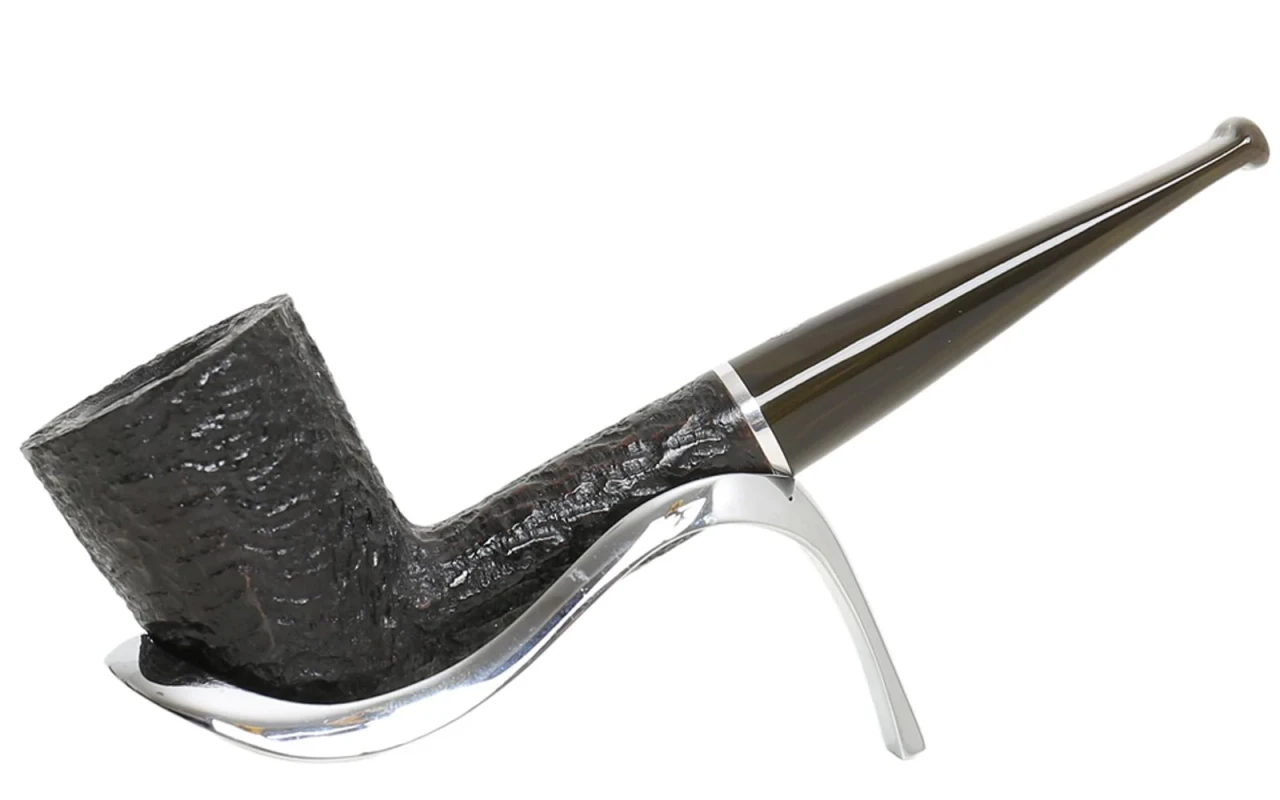
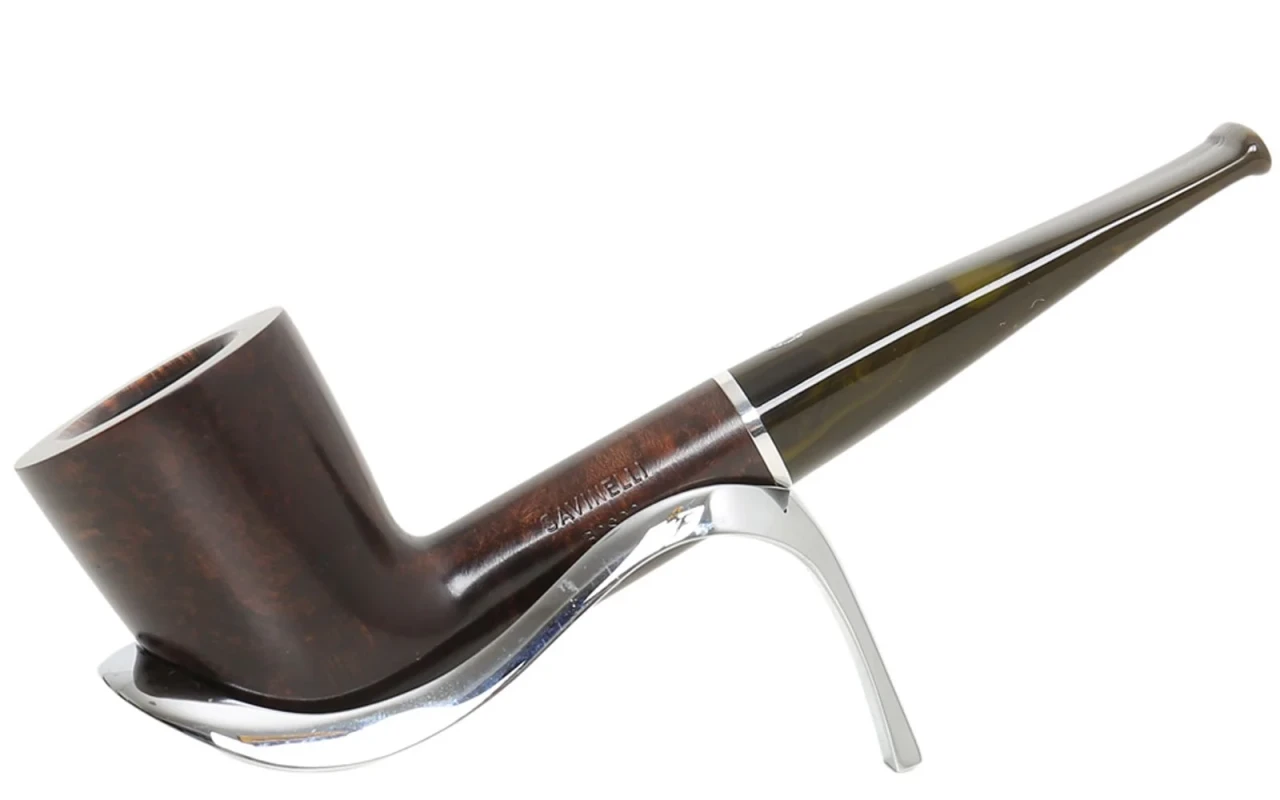
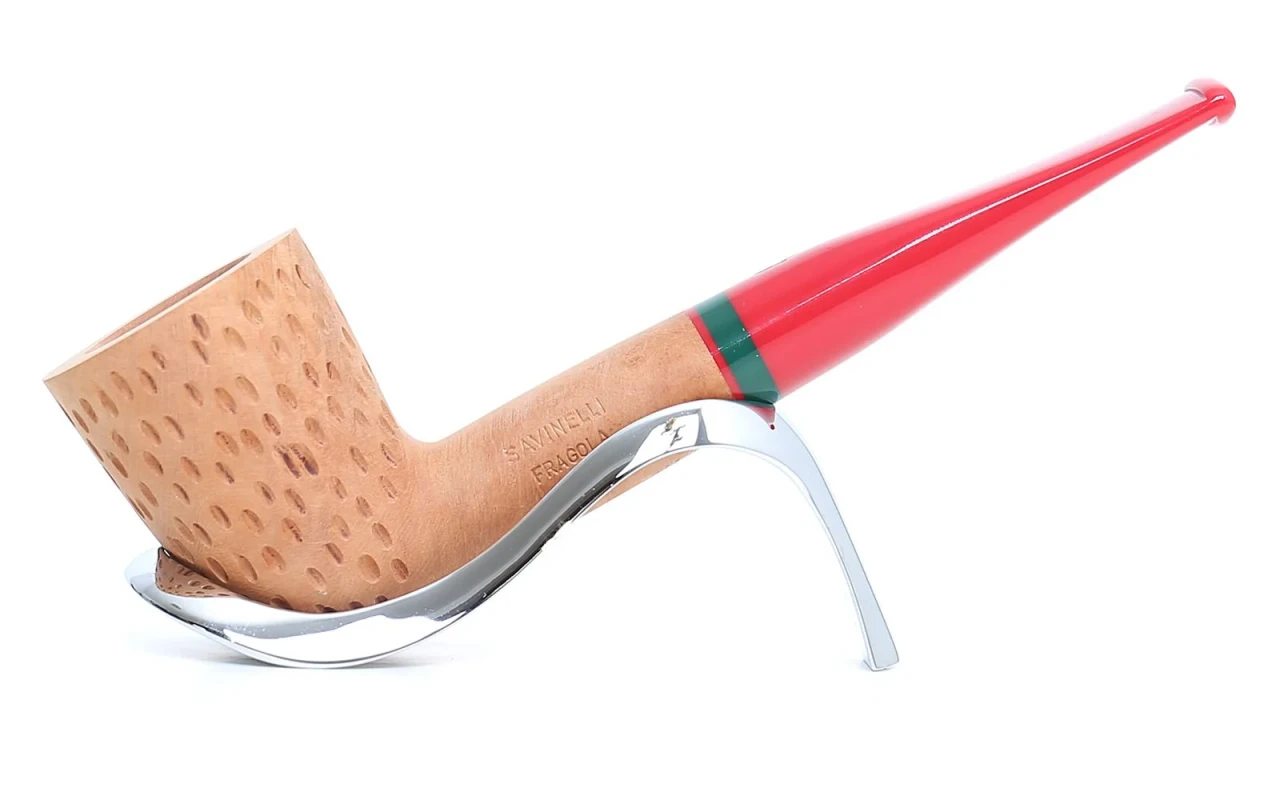
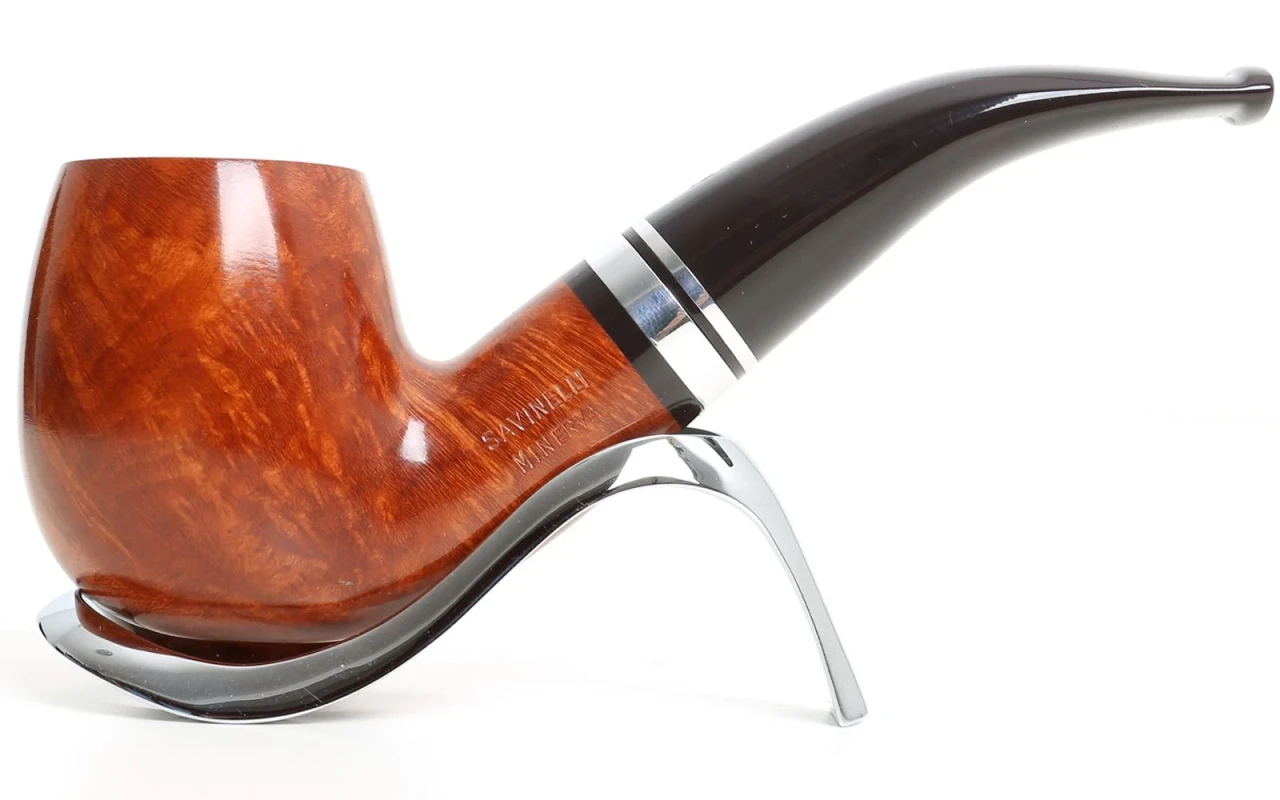
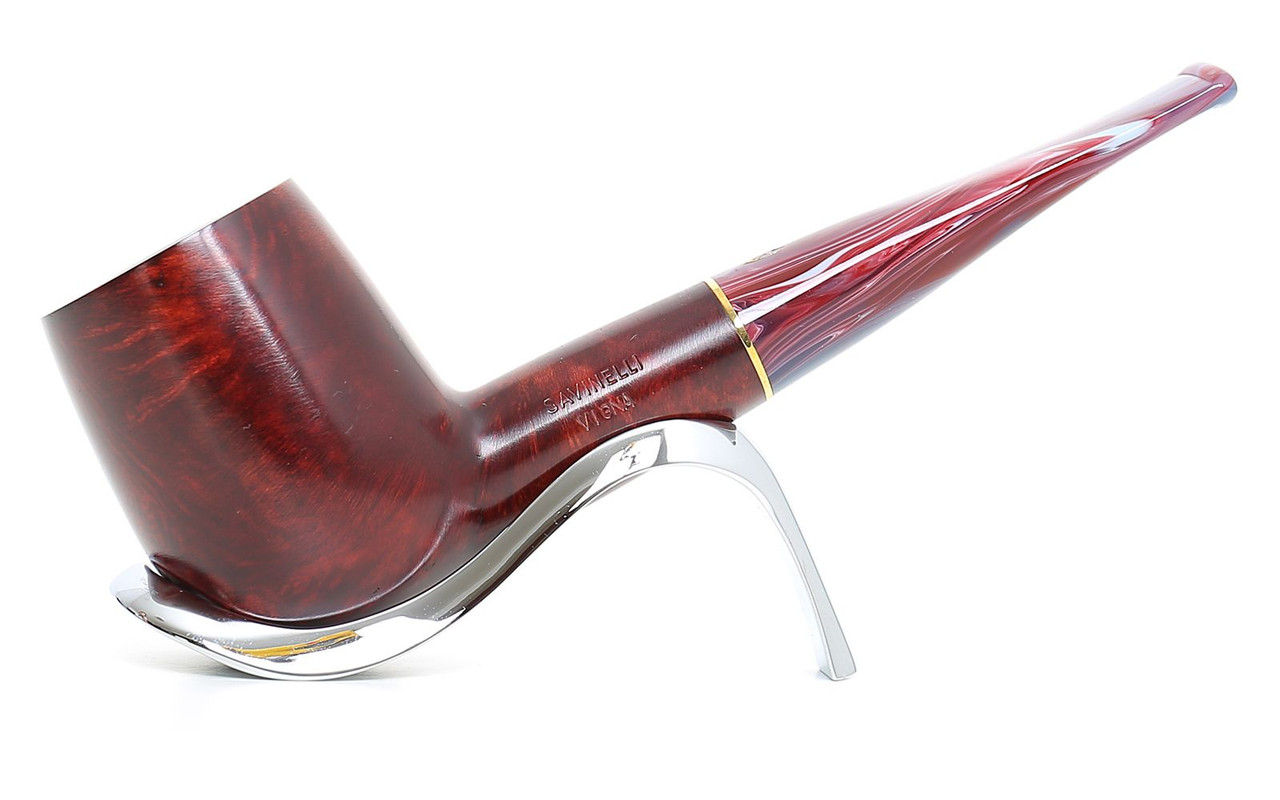
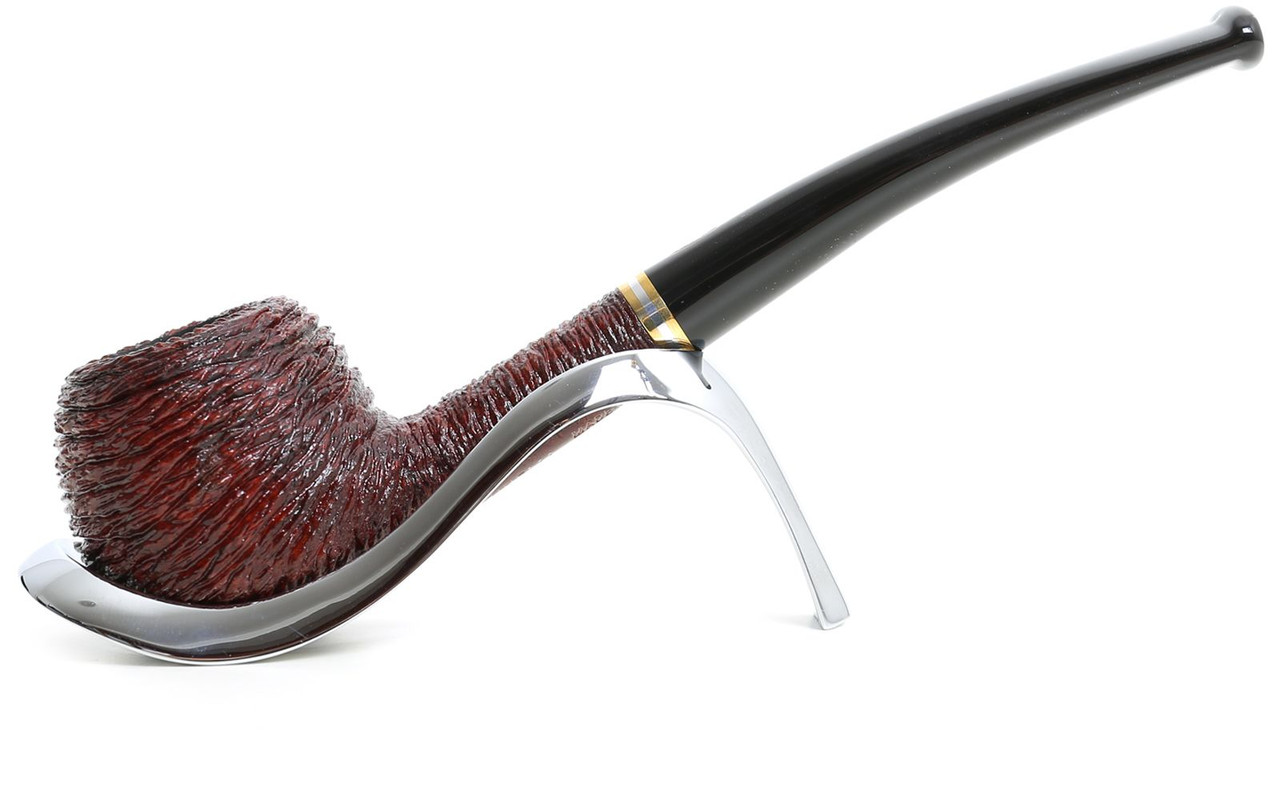
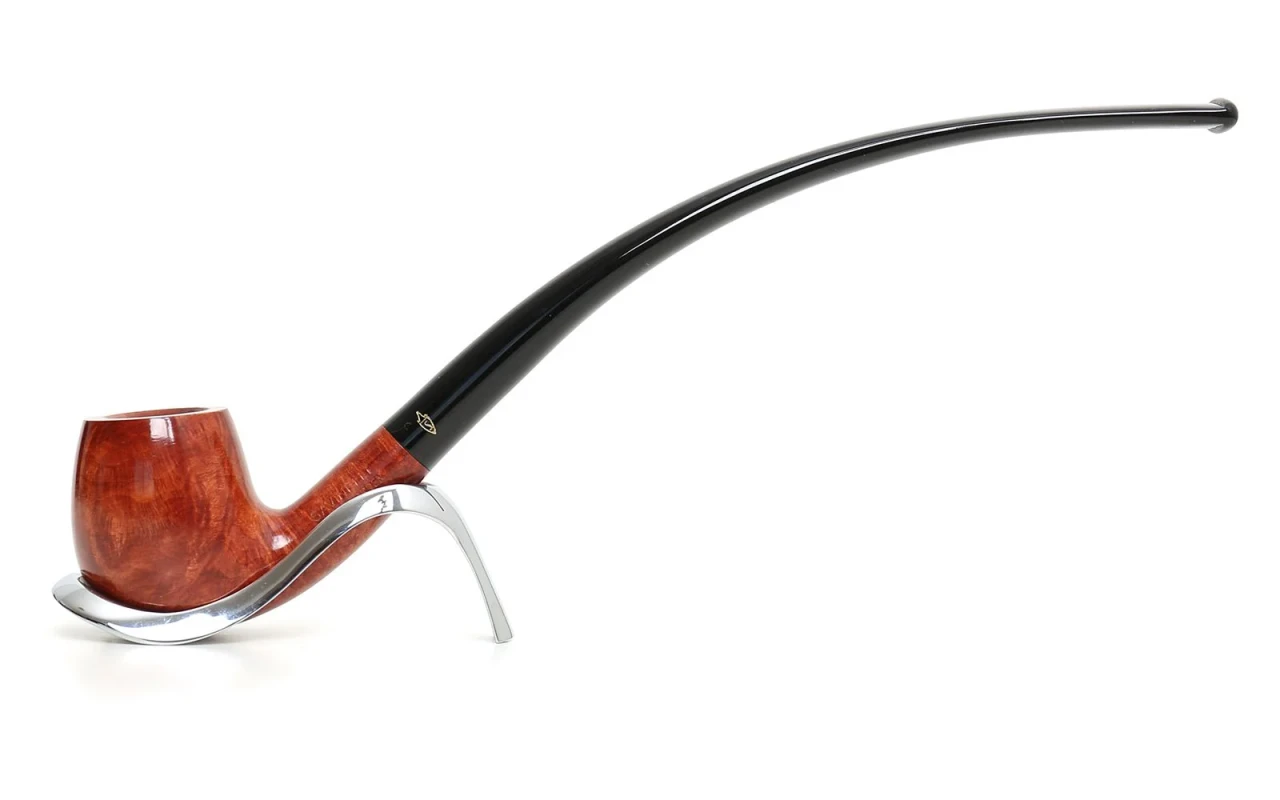
The best materials for pipes are traditionally high-quality wood, briar, clay, or corn. These materials offer optimal performance and a better smoking experience. Wood is popular for its ability to absorb tobacco moisture, ensuring even combustion. Briar is appreciated for its heat and flame resistance, as well as its unique appearance. Clay pipes are lightweight and allow for a pure tobacco flavor, while corn pipes are affordable and light. The choice of material depends on personal preferences and the smoking experience one wishes to achieve.
Pipe smoking materials
Materials for pipe smoking are essential to ensure a good smoking experience. The main materials used are:- Briar wood: considered the best for smoking pipes, it is heat-resistant and absorbs moisture.- Corn cob: inexpensive and lightweight, often used for disposable pipes.- Clay: offers a neutral taste but requires special care.- Meerschaum: a porous stone that absorbs moisture and smoke residues, ensuring a cooler and drier smoke.The choice of material impacts the quality of the smoke and the pipe's lifespan.
Tobacco Pipe Materials
The most common materials used for making tobacco pipes are wood, briar root, clay, corn cob, and metal. Wood, such as olive, walnut, or briar, is appreciated for its heat and flame resistance. Briar root, renowned for its moisture absorption and ability to provide a cooler smoke, is a popular choice. Clay pipes offer a unique purity of taste, while corn cob pipes are lightweight and affordable. Finally, metal pipes are durable and easy to clean, although they may slightly alter the tobacco flavor. Choosing the right material depends on each smoker's personal preferences.
Materials for Handmade Pipes
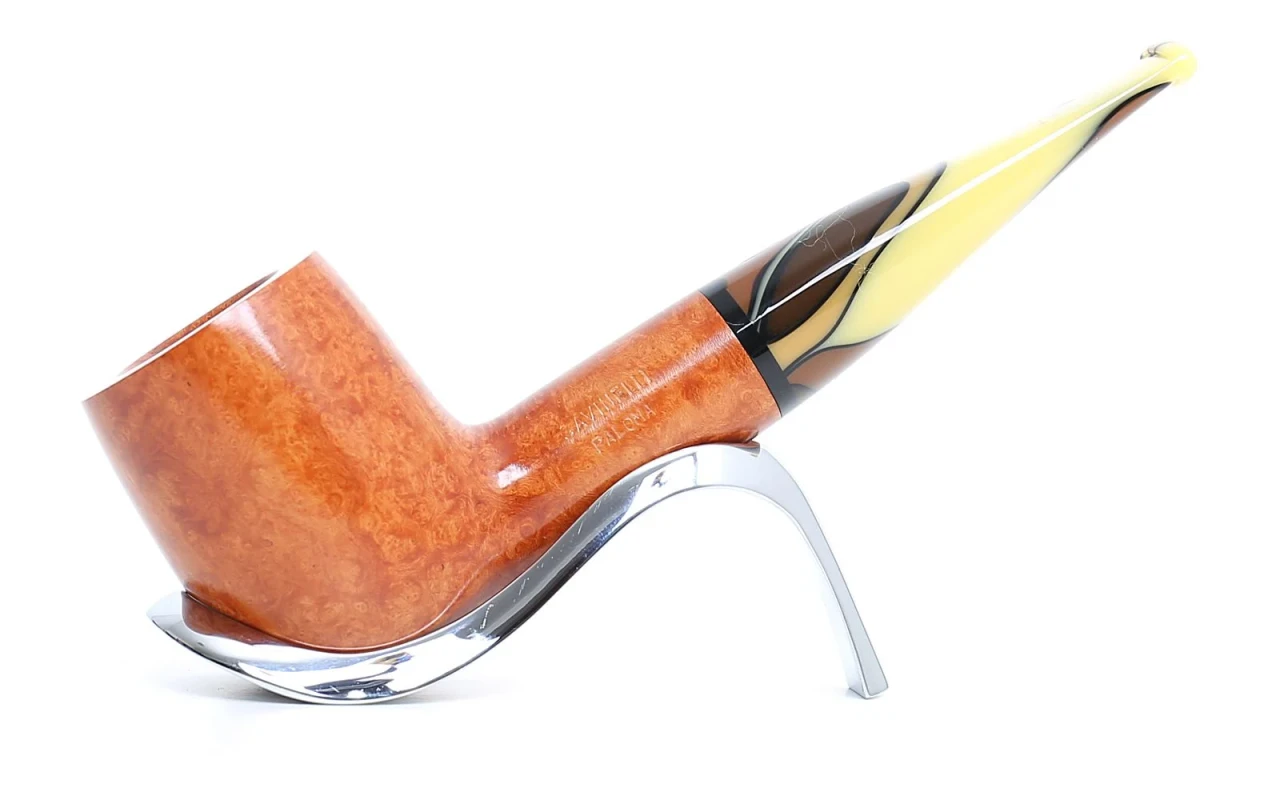
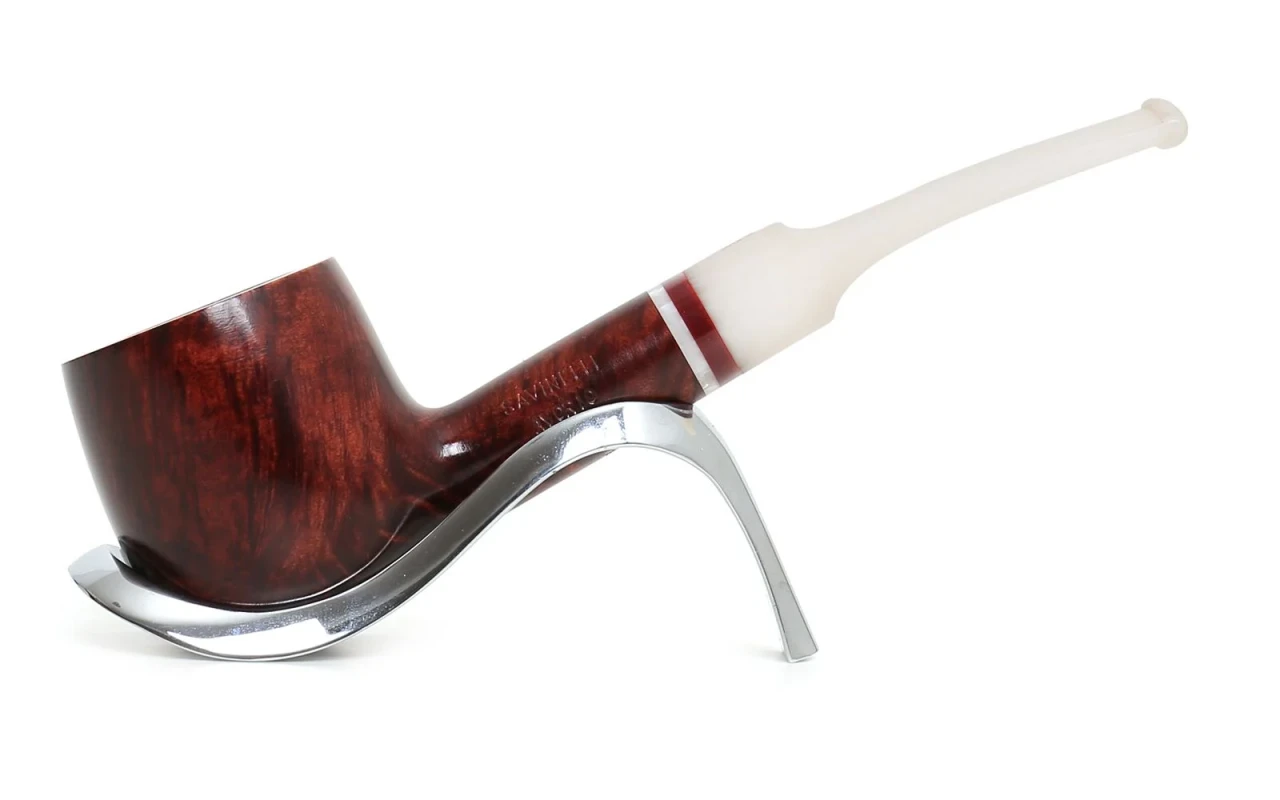
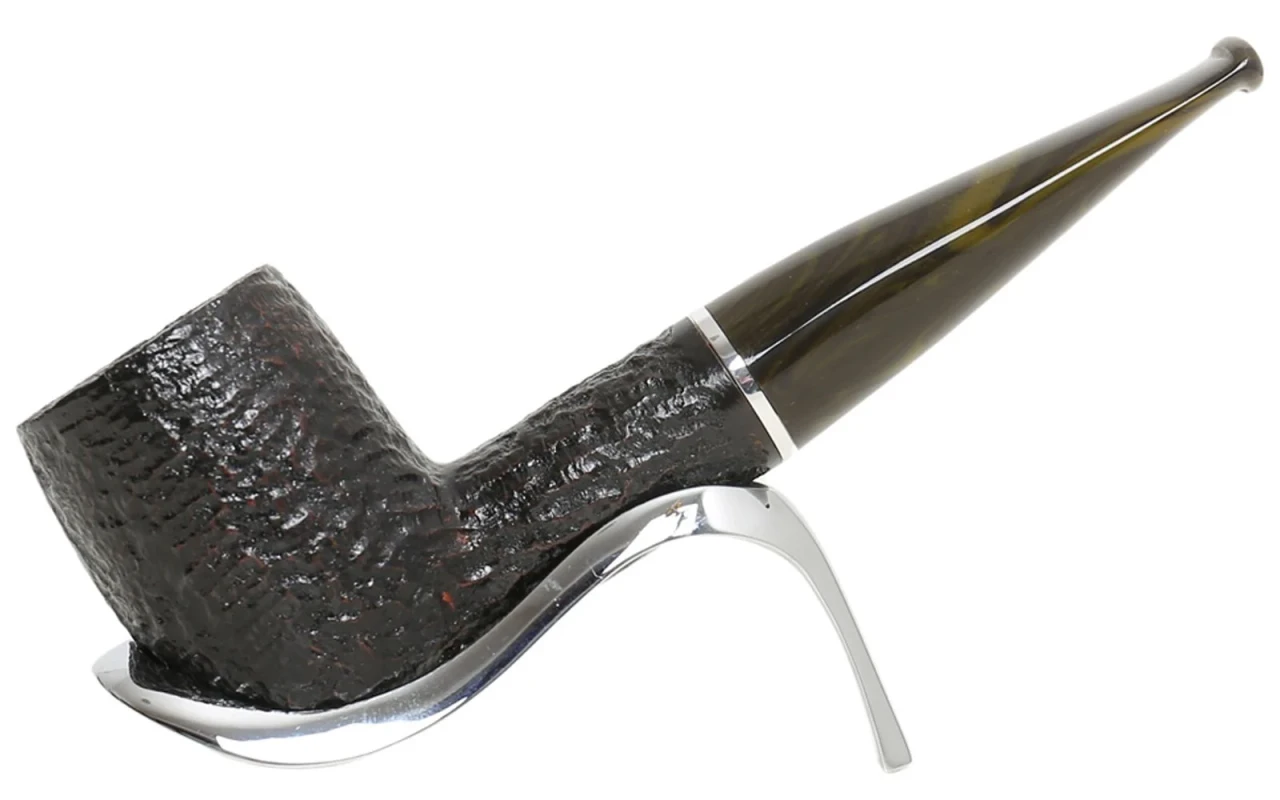
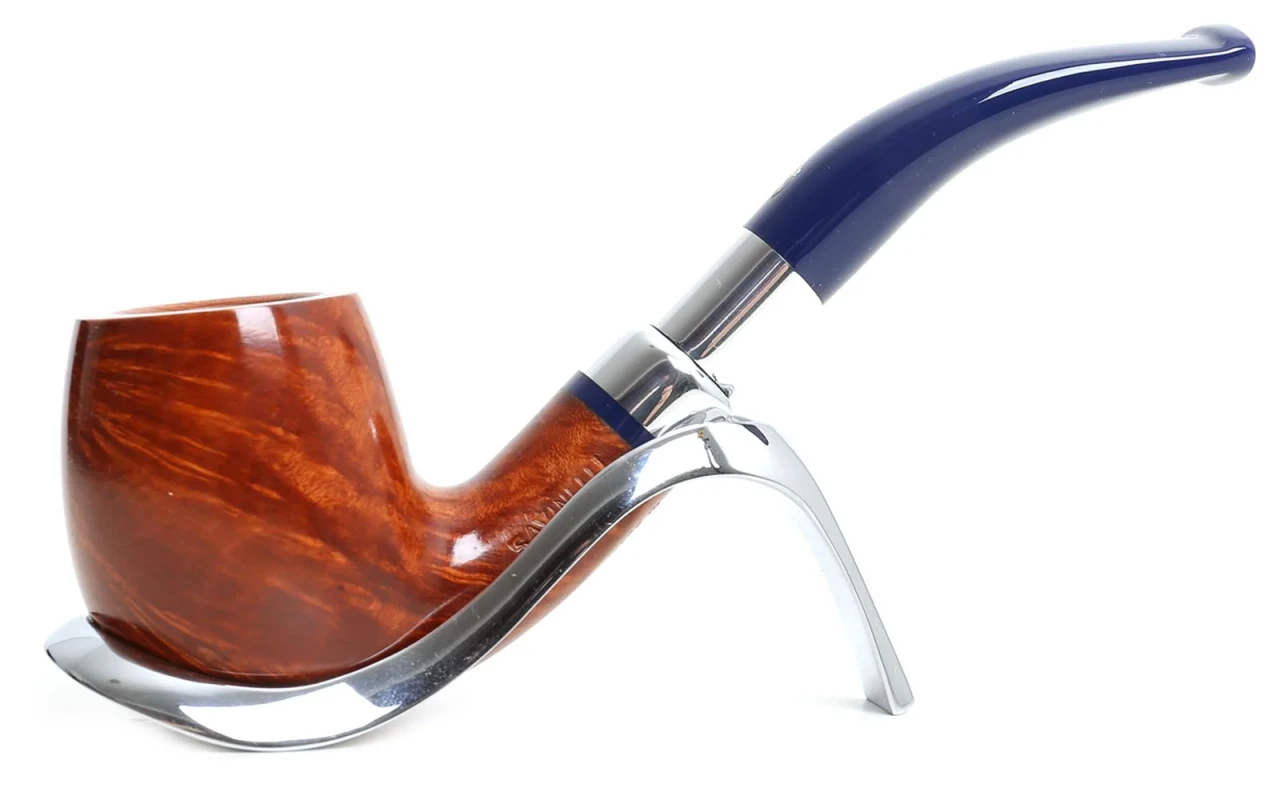
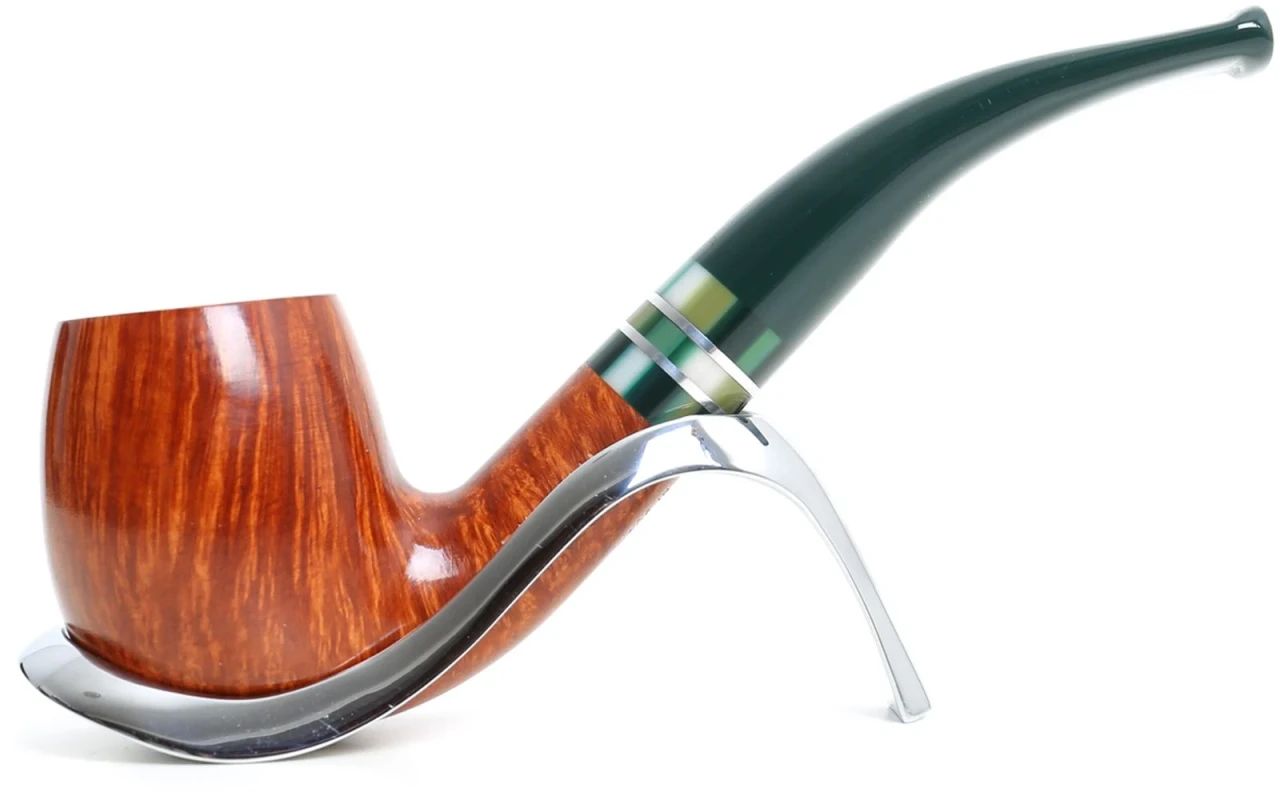
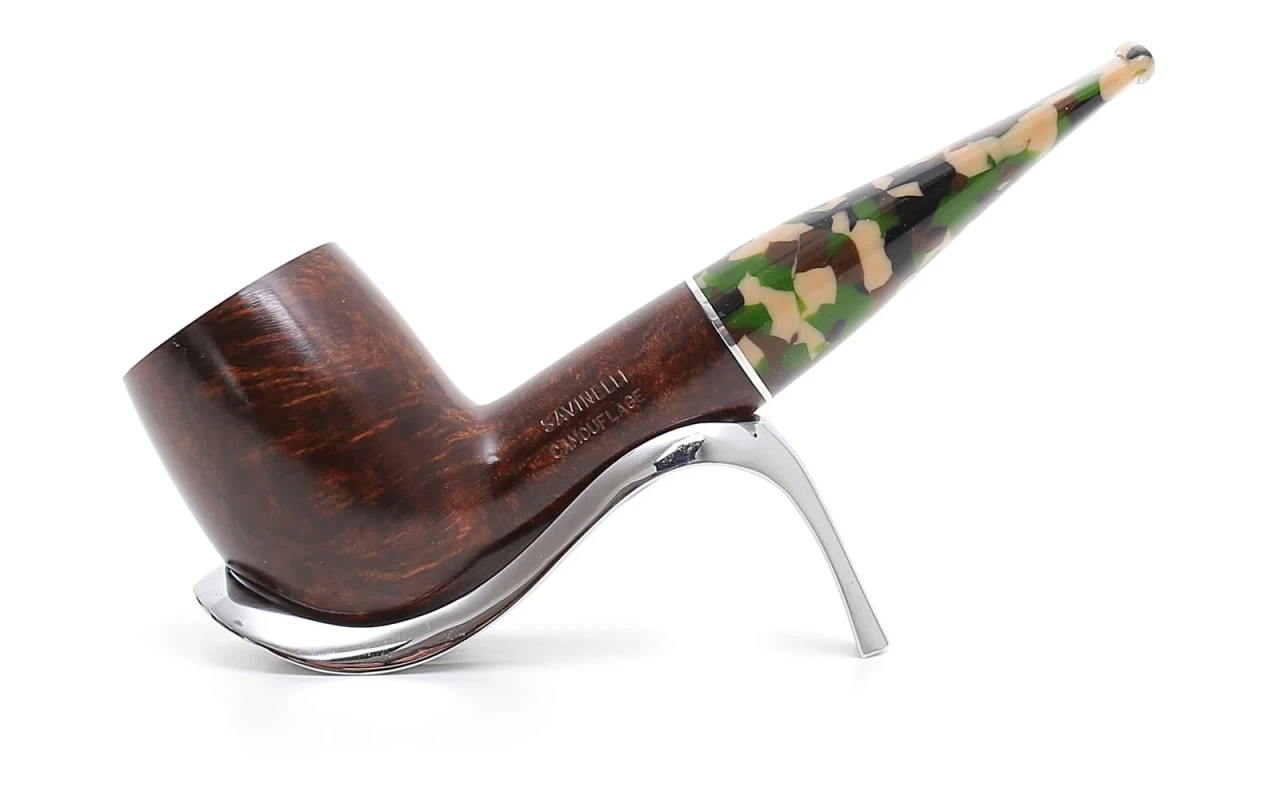
The materials used for crafting a handmade pipe can vary depending on the builder's preference and desired characteristics. However, the most common materials include:- Briar: high-quality wood chosen for its heat and combustion resistance.- Stem: usually made of acrylic or ebonite, providing a more comfortable smoking experience.- Decorative rings: often crafted from metal or wood, adding an aesthetic touch to the pipe.- Filter: in some cases, fishbone or sea foam filters are used to reduce moisture and cool down the smoke.These materials, combined with artisanal skills, contribute to the creation of a unique and high-quality pipe.
'%3e%3cg id='Final-Copy-2_2_' transform='translate(1275.000000, 200.000000)'%3e%3cpath class='st0' d='M7.4,12.8h6.8l3.1-11.6H7.4C4.2,1.2,1.6,3.8,1.6,7S4.2,12.8,7.4,12.8z'/%3e%3c/g%3e%3c/g%3e%3c/g%3e%3cg id='final---dec.11-2020'%3e%3cg id='_x30_208-our-toggle' transform='translate(-1275.000000, -200.000000)'%3e%3cg id='Final-Copy-2' transform='translate(1275.000000, 200.000000)'%3e%3cpath class='st1' d='M22.6,0H7.4c-3.9,0-7,3.1-7,7s3.1,7,7,7h15.2c3.9,0,7-3.1,7-7S26.4,0,22.6,0z M1.6,7c0-3.2,2.6-5.8,5.8-5.8 h9.9l-3.1,11.6H7.4C4.2,12.8,1.6,10.2,1.6,7z'/%3e%3cpath id='x' class='st2' d='M24.6,4c0.2,0.2,0.2,0.6,0,0.8l0,0L22.5,7l2.2,2.2c0.2,0.2,0.2,0.6,0,0.8c-0.2,0.2-0.6,0.2-0.8,0 l0,0l-2.2-2.2L19.5,10c-0.2,0.2-0.6,0.2-0.8,0c-0.2-0.2-0.2-0.6,0-0.8l0,0L20.8,7l-2.2-2.2c-0.2-0.2-0.2-0.6,0-0.8 c0.2-0.2,0.6-0.2,0.8,0l0,0l2.2,2.2L23.8,4C24,3.8,24.4,3.8,24.6,4z'/%3e%3cpath id='y' class='st3' d='M12.7,4.1c0.2,0.2,0.3,0.6,0.1,0.8l0,0L8.6,9.8C8.5,9.9,8.4,10,8.3,10c-0.2,0.1-0.5,0.1-0.7-0.1l0,0 L5.4,7.7c-0.2-0.2-0.2-0.6,0-0.8c0.2-0.2,0.6-0.2,0.8,0l0,0L8,8.6l3.8-4.5C12,3.9,12.4,3.9,12.7,4.1z'/%3e%3c/g%3e%3c/g%3e%3c/g%3e%3c/g%3e%3c/svg%3e) Your Privacy Choices
Your Privacy Choices 


