 ES
ES FR
FR EN
EN IT
IT DE
DE
Benefits of using high-quality materials

Benefits of using high-quality materials
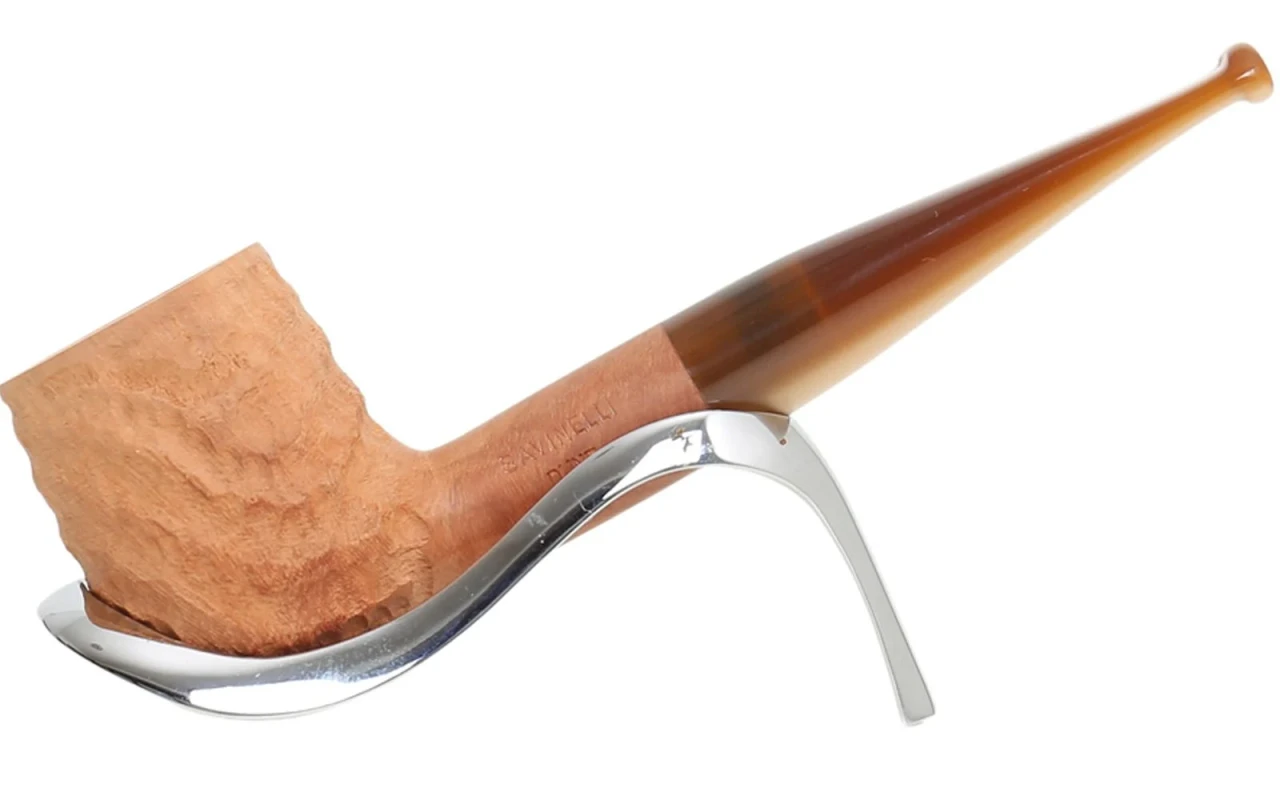
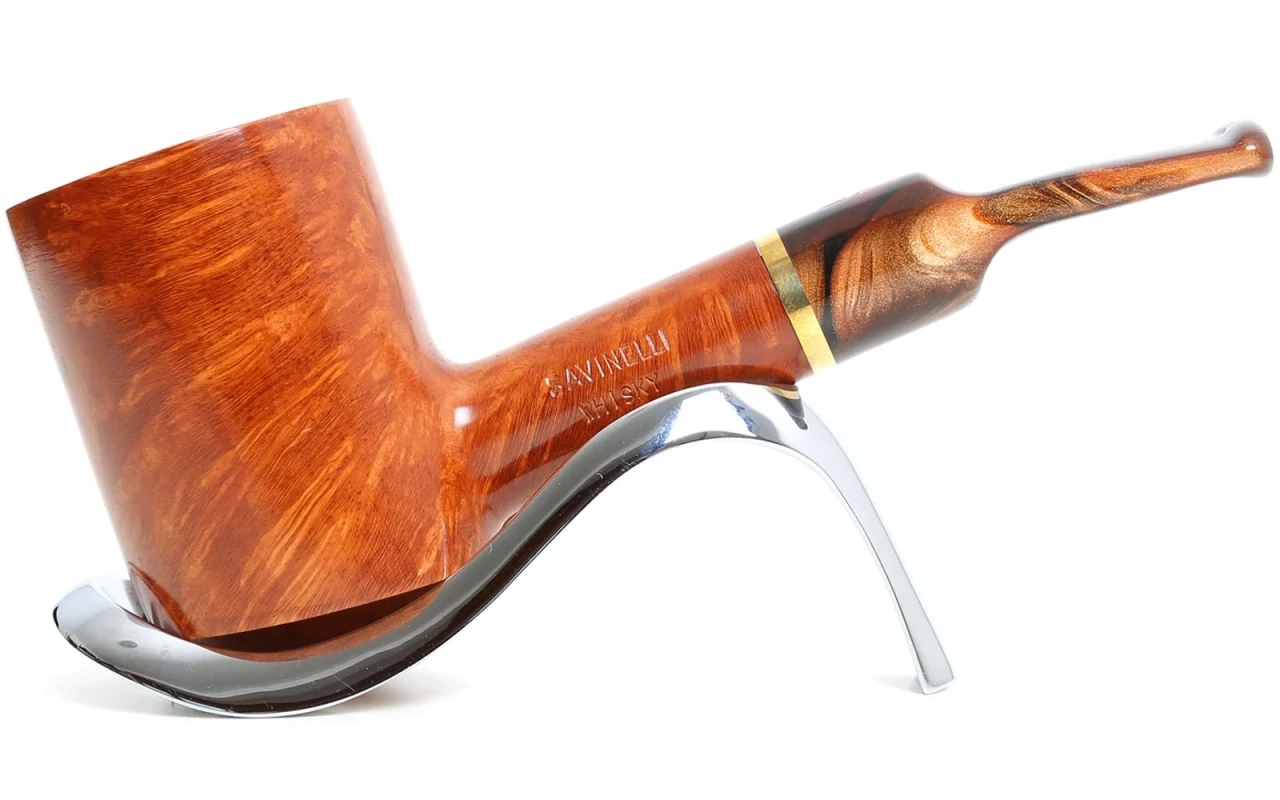
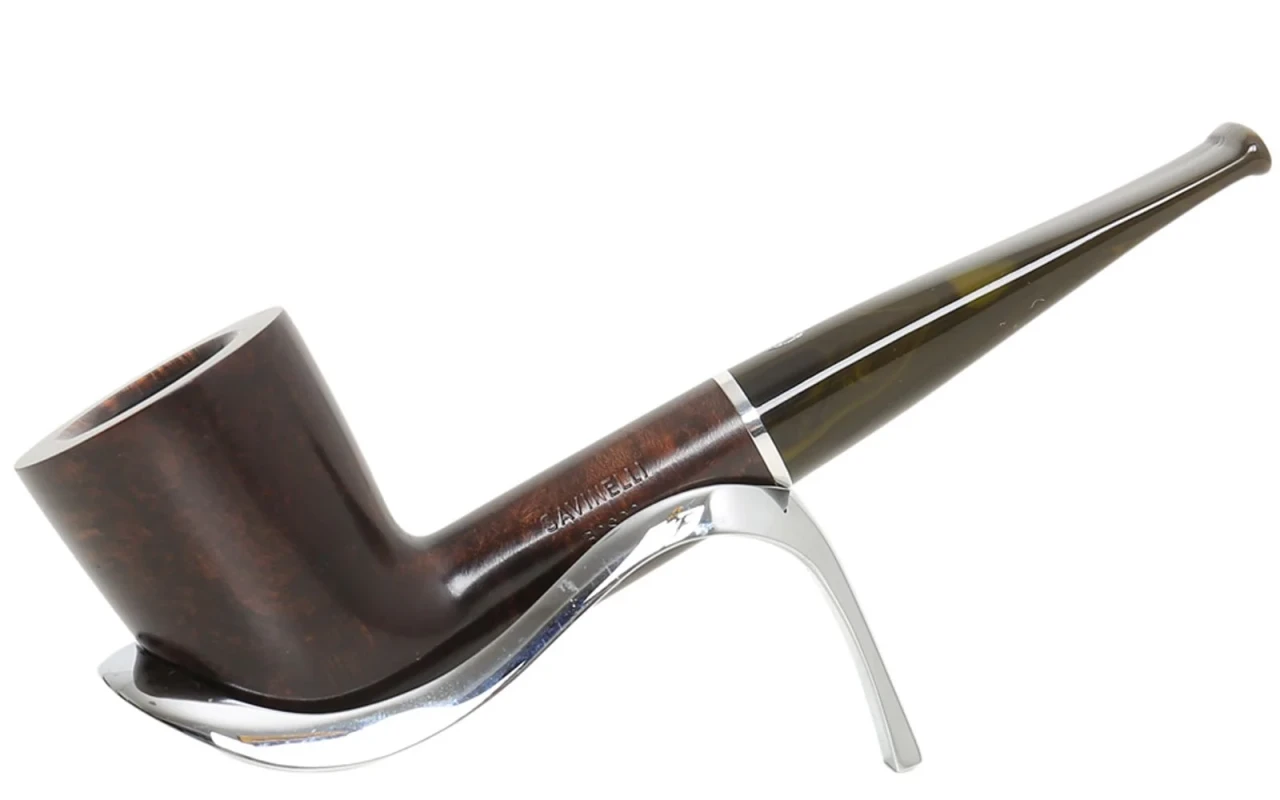
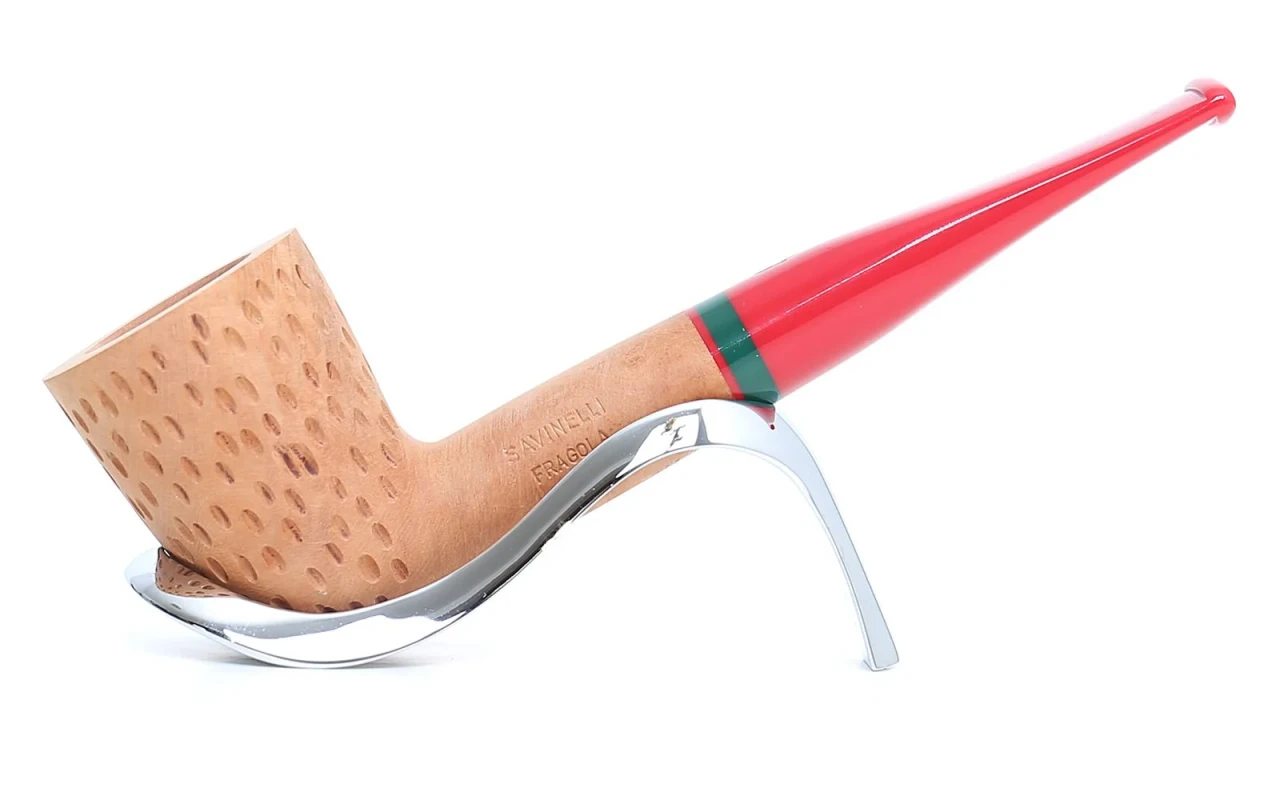
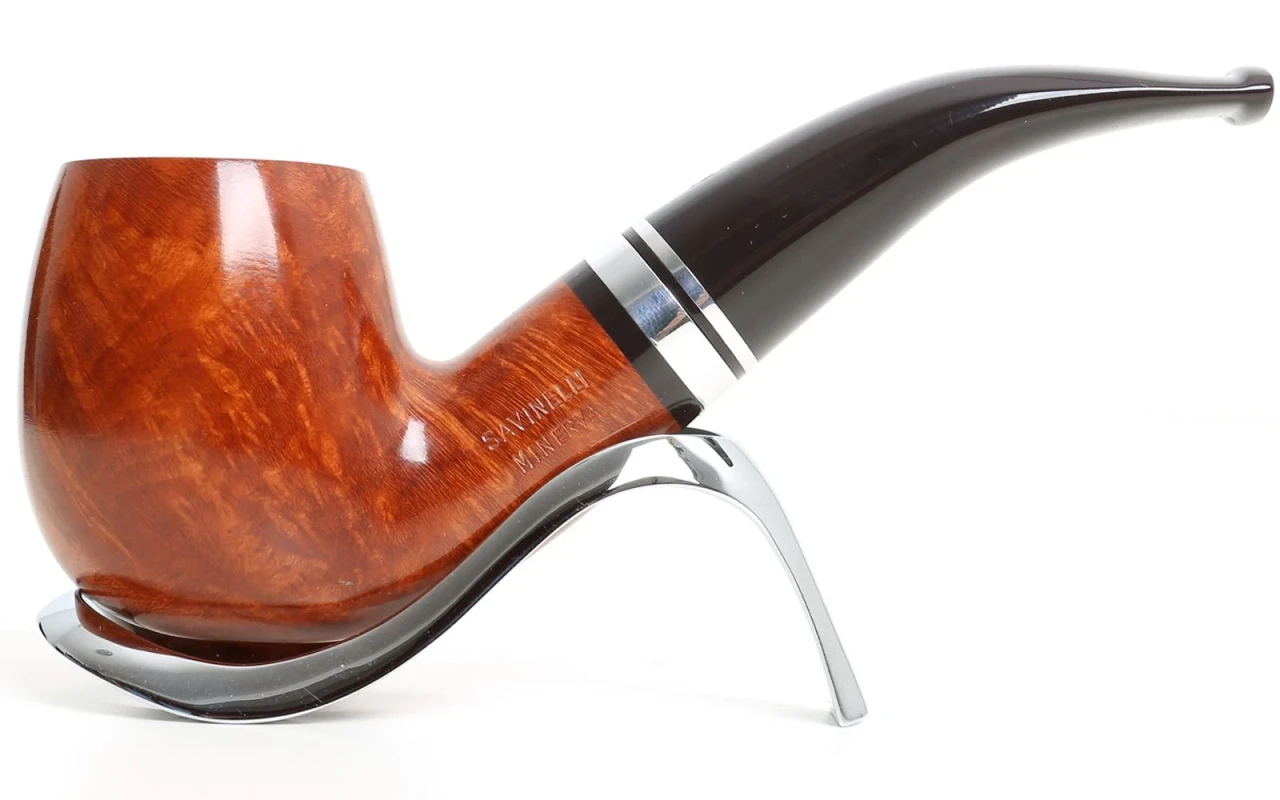
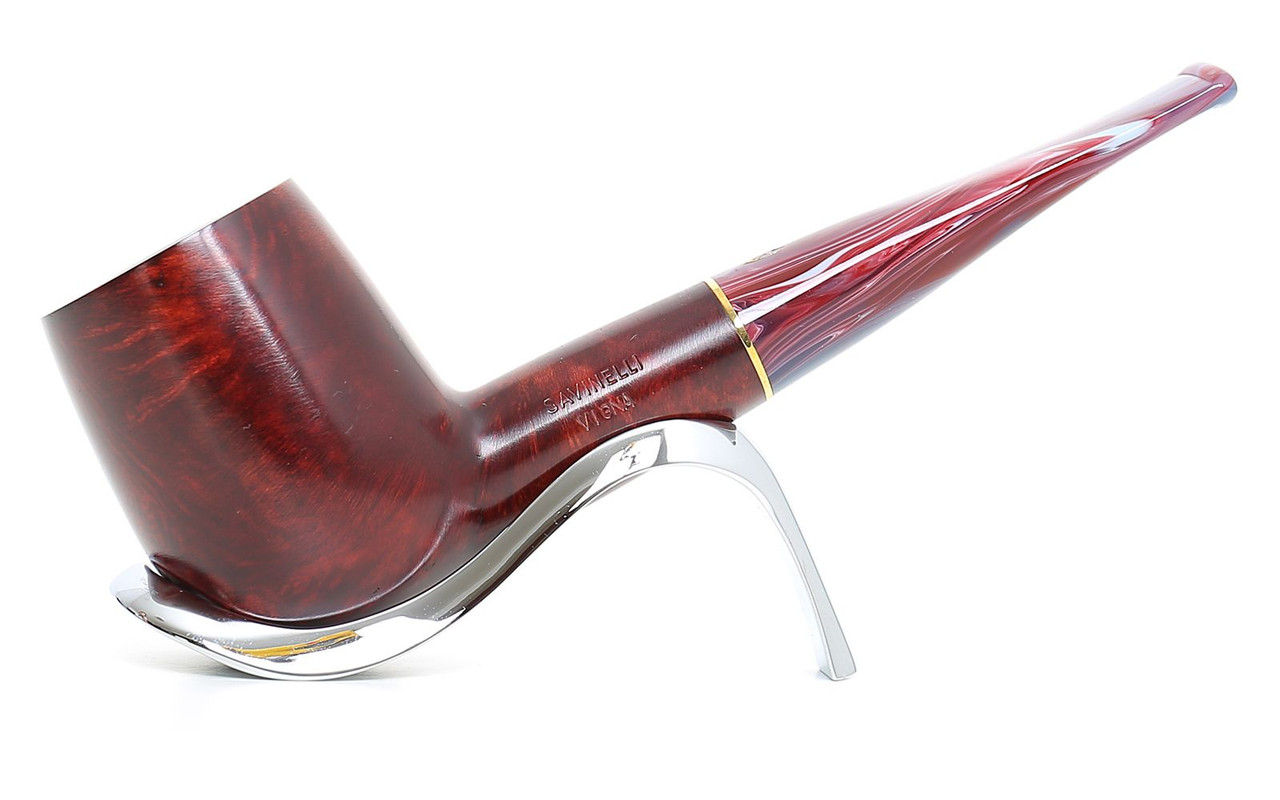
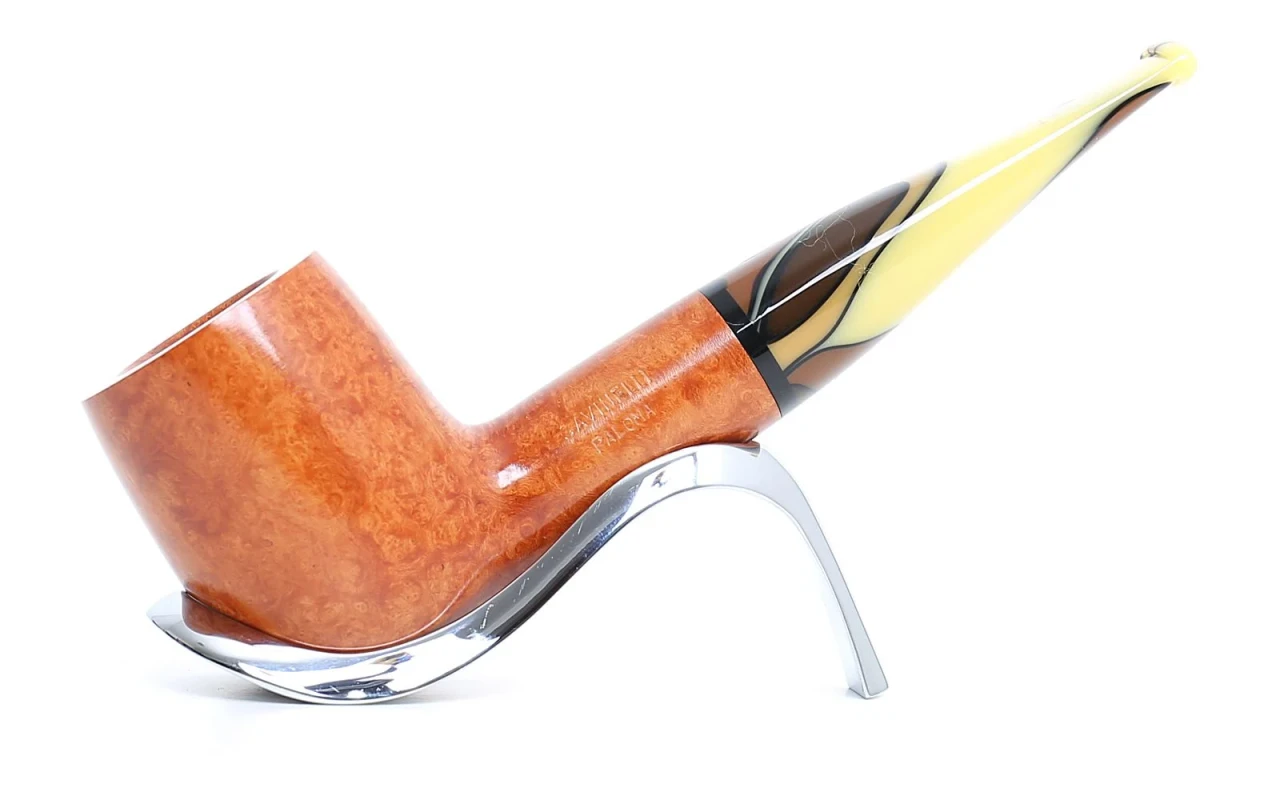
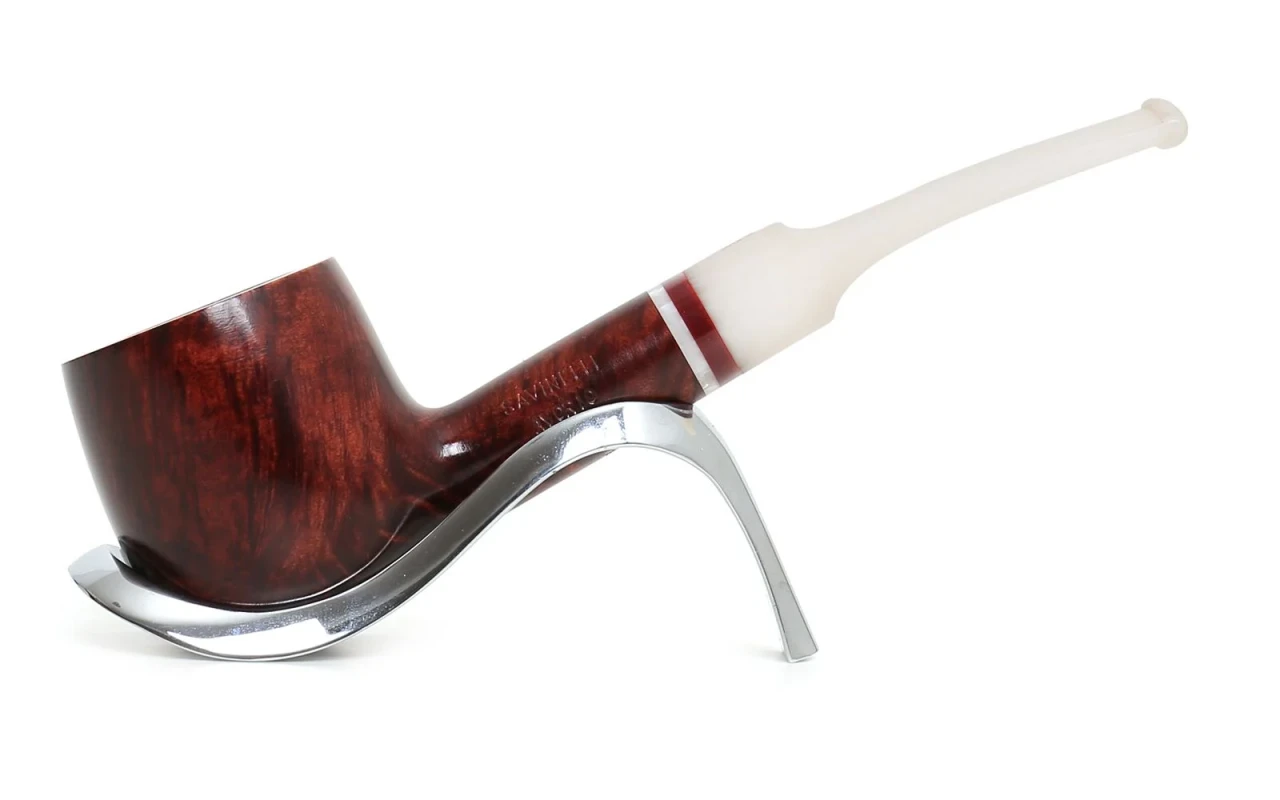
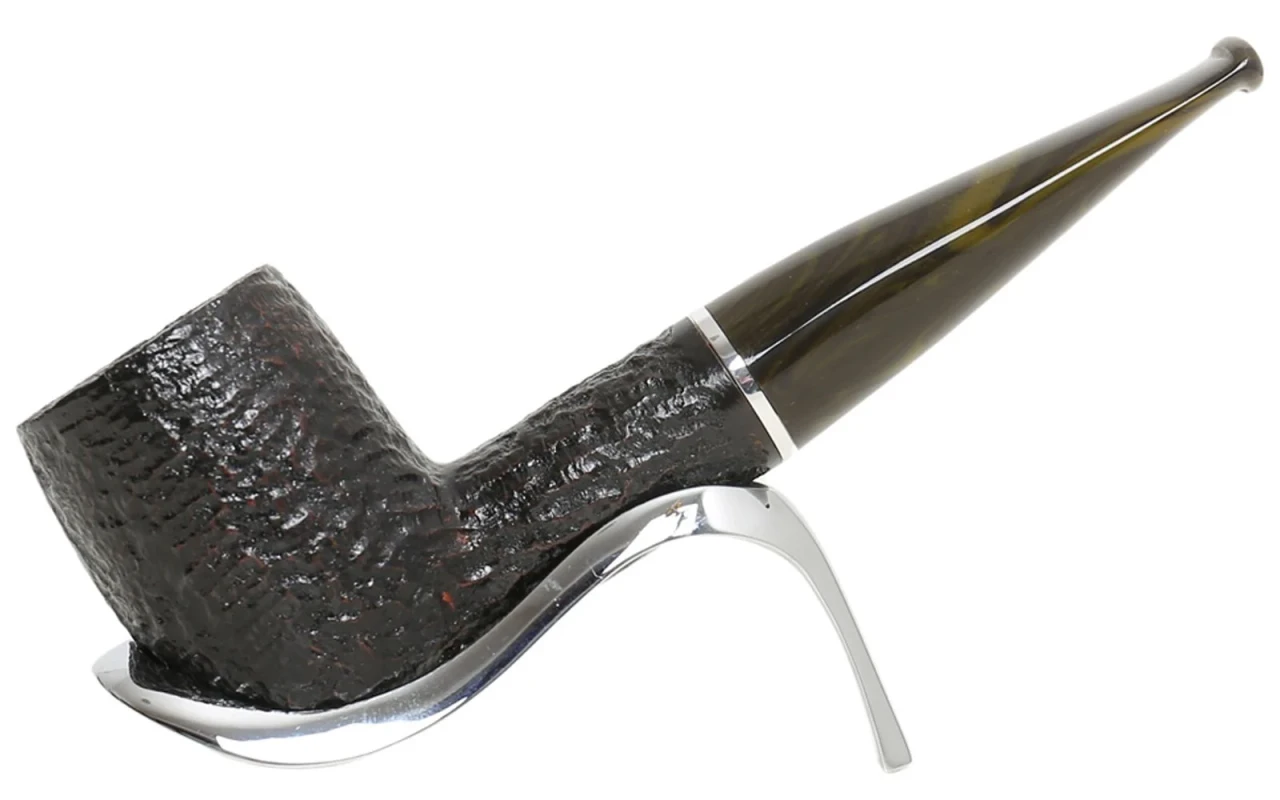
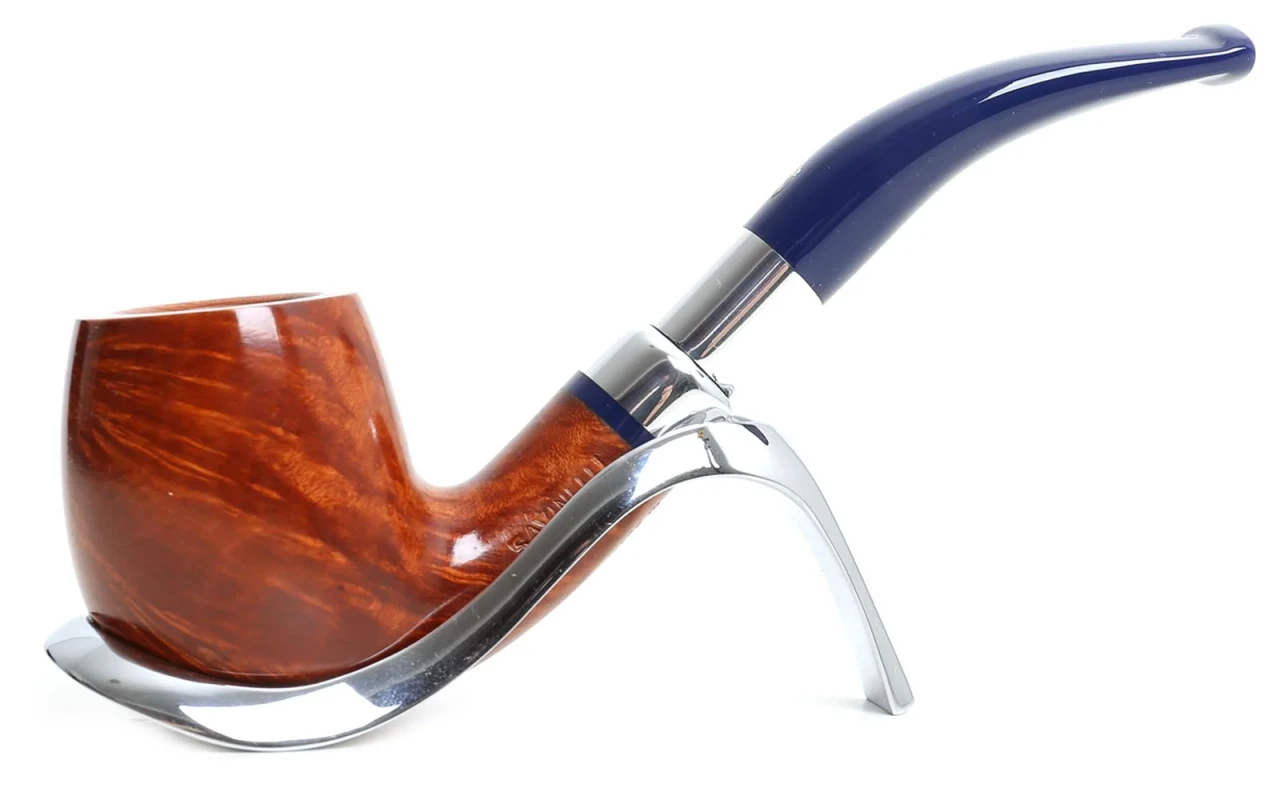
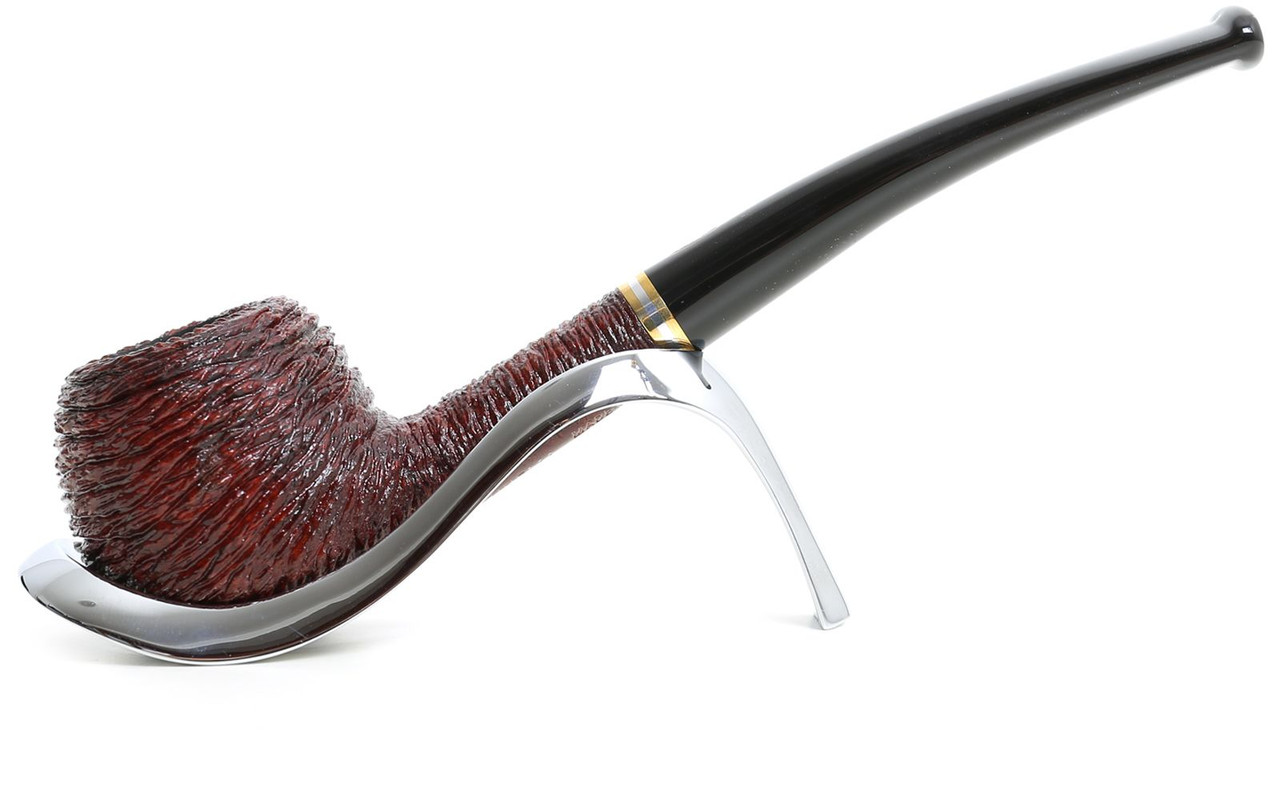
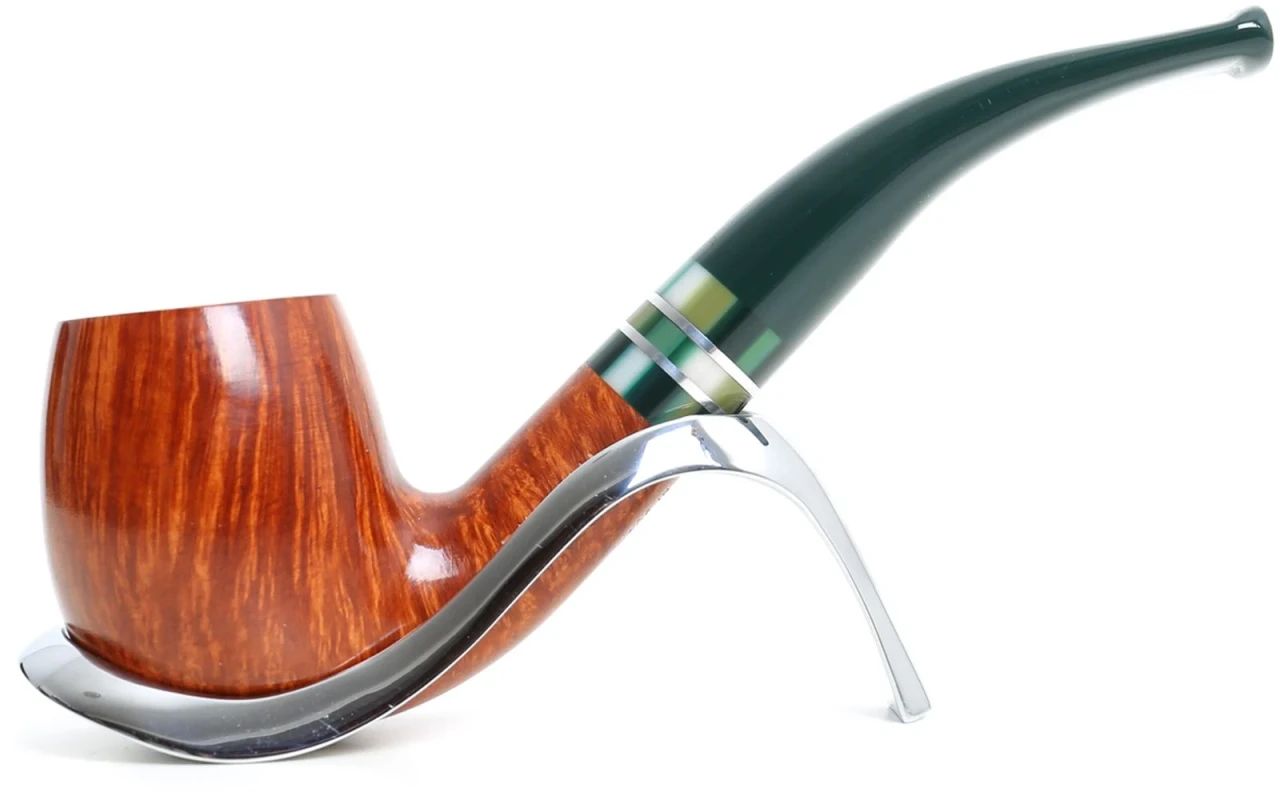
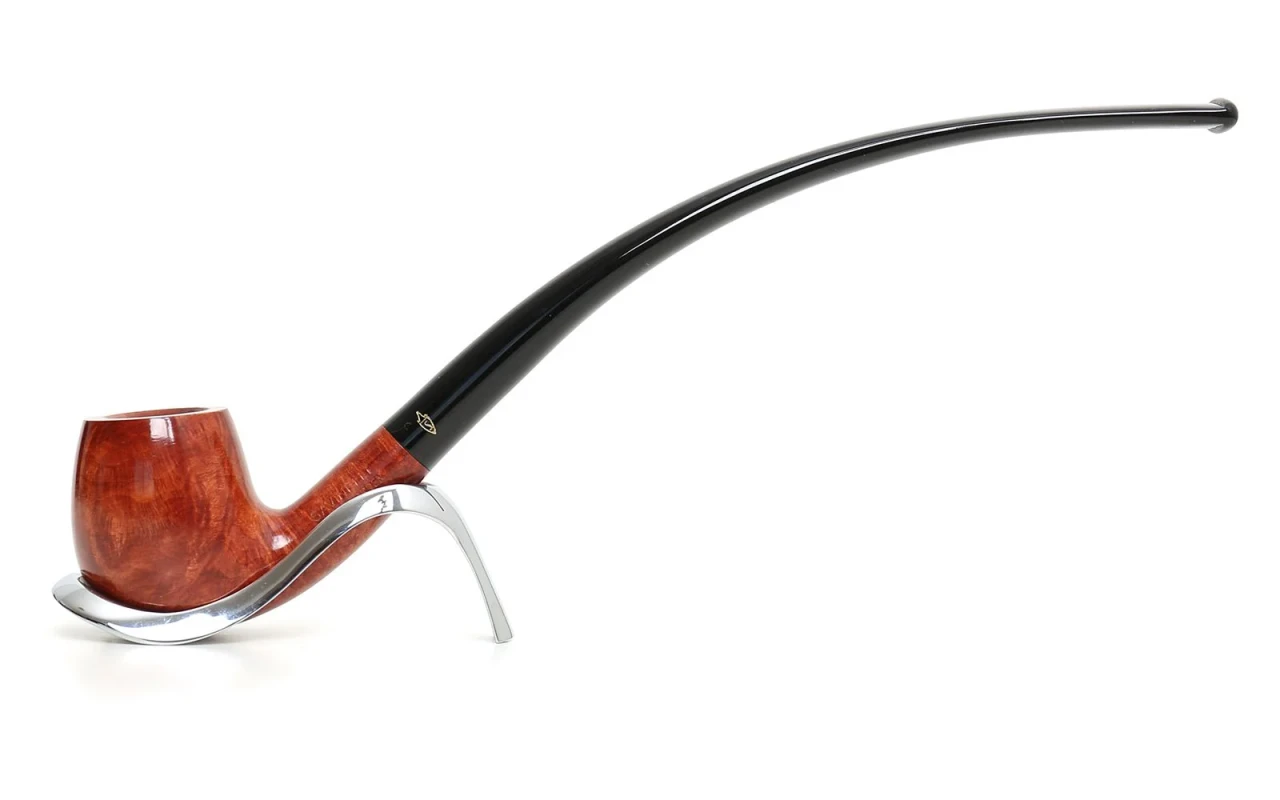
Using high-quality materials for crafting pipes brings numerous advantages. These materials, such as briar or olive wood, ensure greater resistance and durability over time compared to cheaper materials. Moreover, they offer superior aromatic performance, allowing pipe enthusiasts to fully appreciate the tobacco flavor without unwanted interferences. Pipes made with premium materials also feature more precise and detailed craftsmanship, resulting in enhanced aesthetic elegance. Lastly, investing in high-quality materials ensures a more satisfying and fulfilling smoking experience for pipe tobacco enthusiasts.
Product Quality Improvement
Improving the quality of the product is a fundamental continuous process to ensure customer satisfaction and remain competitive in the market. To achieve optimal results, it is essential to follow some key steps:- Conduct a thorough analysis of customer feedback to identify areas for improvement.- Implement rigorous quality control standards throughout the entire production chain.- Invest in staff training to ensure technical skills and quality awareness.- Collaborate with reliable suppliers to ensure the quality of raw materials.- Constantly monitor production processes and make timely corrections.By following these guidelines, it is possible to obtain a high-quality product that meets consumer expectations.
Long-lasting Quality
Pipes made with high-quality materials, such as briar wood or heather root, offer a greater durability over time compared to those made with cheaper materials. These high-quality materials are known for their resistance to heat and crack formation. Furthermore, proper maintenance, such as regular cleaning and the use of suitable filters, can further contribute to extending the life of the pipe. Investing in a quality pipe and taking proper care of it can ensure a pleasant smoking experience over time.
Maintenance Reduction
Reducing the maintenance of pipes is a fundamental goal to ensure their efficient operation over time. Some useful practices to reduce the need for maintenance interventions include:- Use of high-quality materials for the construction of pipes- Regular cleaning of pipes to prevent residue buildup and blockages- Use of suitable filters to prevent the entry of debris and impurities- Periodic inspection of pipes to early detect any damage or wear- Use of protective accessories to prevent physical damage to pipes- Maintenance of a suitable environment for pipes, avoiding extreme temperatures or high humidityBy following these practices, it is possible to reduce the need for corrective interventions and extend the lifespan of pipes over time.
'%3e%3cg id='Final-Copy-2_2_' transform='translate(1275.000000, 200.000000)'%3e%3cpath class='st0' d='M7.4,12.8h6.8l3.1-11.6H7.4C4.2,1.2,1.6,3.8,1.6,7S4.2,12.8,7.4,12.8z'/%3e%3c/g%3e%3c/g%3e%3c/g%3e%3cg id='final---dec.11-2020'%3e%3cg id='_x30_208-our-toggle' transform='translate(-1275.000000, -200.000000)'%3e%3cg id='Final-Copy-2' transform='translate(1275.000000, 200.000000)'%3e%3cpath class='st1' d='M22.6,0H7.4c-3.9,0-7,3.1-7,7s3.1,7,7,7h15.2c3.9,0,7-3.1,7-7S26.4,0,22.6,0z M1.6,7c0-3.2,2.6-5.8,5.8-5.8 h9.9l-3.1,11.6H7.4C4.2,12.8,1.6,10.2,1.6,7z'/%3e%3cpath id='x' class='st2' d='M24.6,4c0.2,0.2,0.2,0.6,0,0.8l0,0L22.5,7l2.2,2.2c0.2,0.2,0.2,0.6,0,0.8c-0.2,0.2-0.6,0.2-0.8,0 l0,0l-2.2-2.2L19.5,10c-0.2,0.2-0.6,0.2-0.8,0c-0.2-0.2-0.2-0.6,0-0.8l0,0L20.8,7l-2.2-2.2c-0.2-0.2-0.2-0.6,0-0.8 c0.2-0.2,0.6-0.2,0.8,0l0,0l2.2,2.2L23.8,4C24,3.8,24.4,3.8,24.6,4z'/%3e%3cpath id='y' class='st3' d='M12.7,4.1c0.2,0.2,0.3,0.6,0.1,0.8l0,0L8.6,9.8C8.5,9.9,8.4,10,8.3,10c-0.2,0.1-0.5,0.1-0.7-0.1l0,0 L5.4,7.7c-0.2-0.2-0.2-0.6,0-0.8c0.2-0.2,0.6-0.2,0.8,0l0,0L8,8.6l3.8-4.5C12,3.9,12.4,3.9,12.7,4.1z'/%3e%3c/g%3e%3c/g%3e%3c/g%3e%3c/g%3e%3c/svg%3e) Your Privacy Choices
Your Privacy Choices 


