 ES
ES FR
FR EN
EN IT
IT DE
DE
Artisanal Pipe Crafting
Artisanal Pipe Crafting
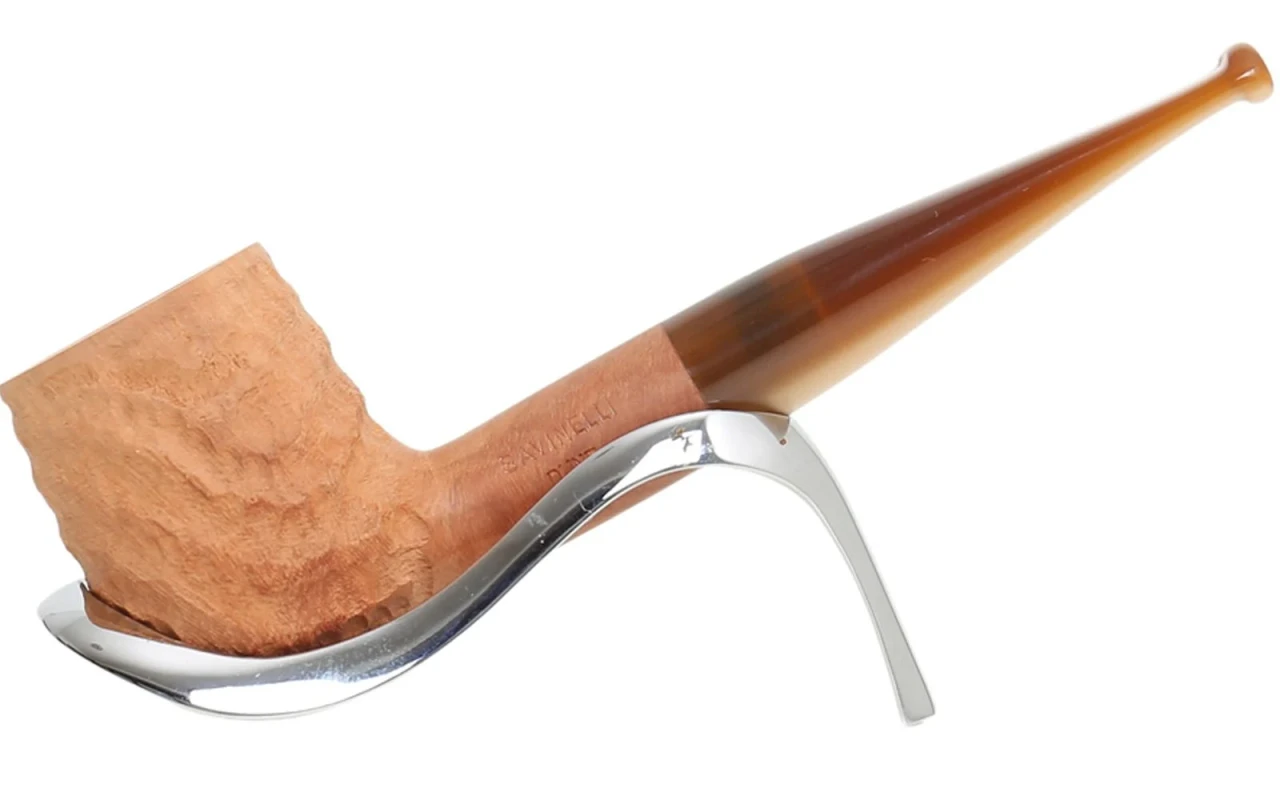
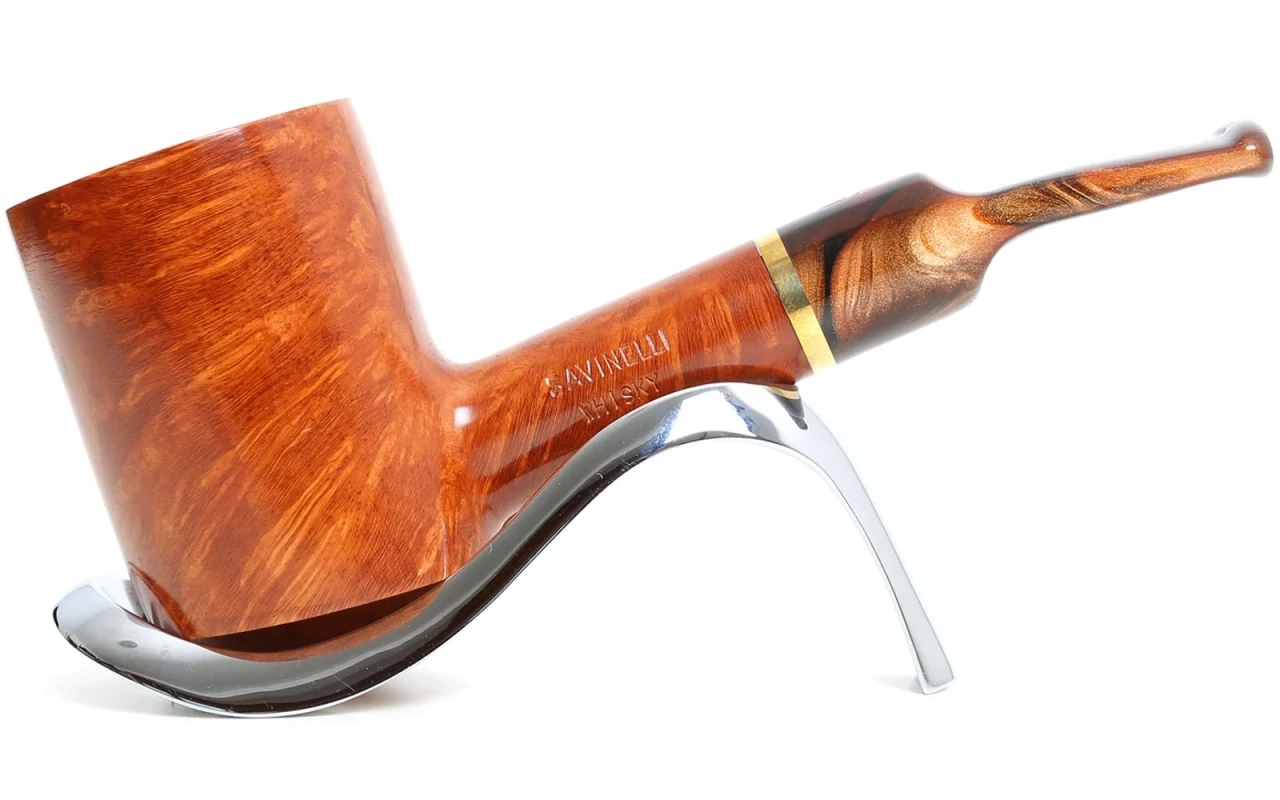
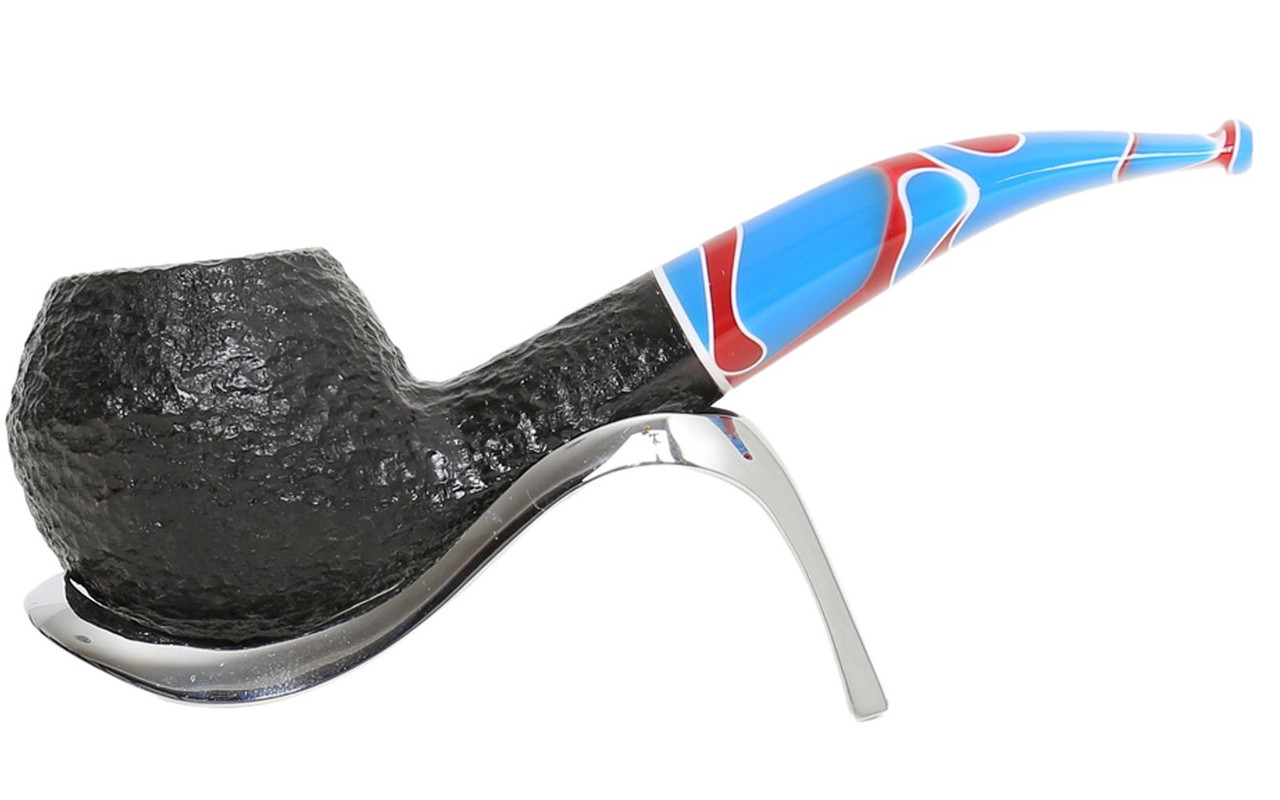
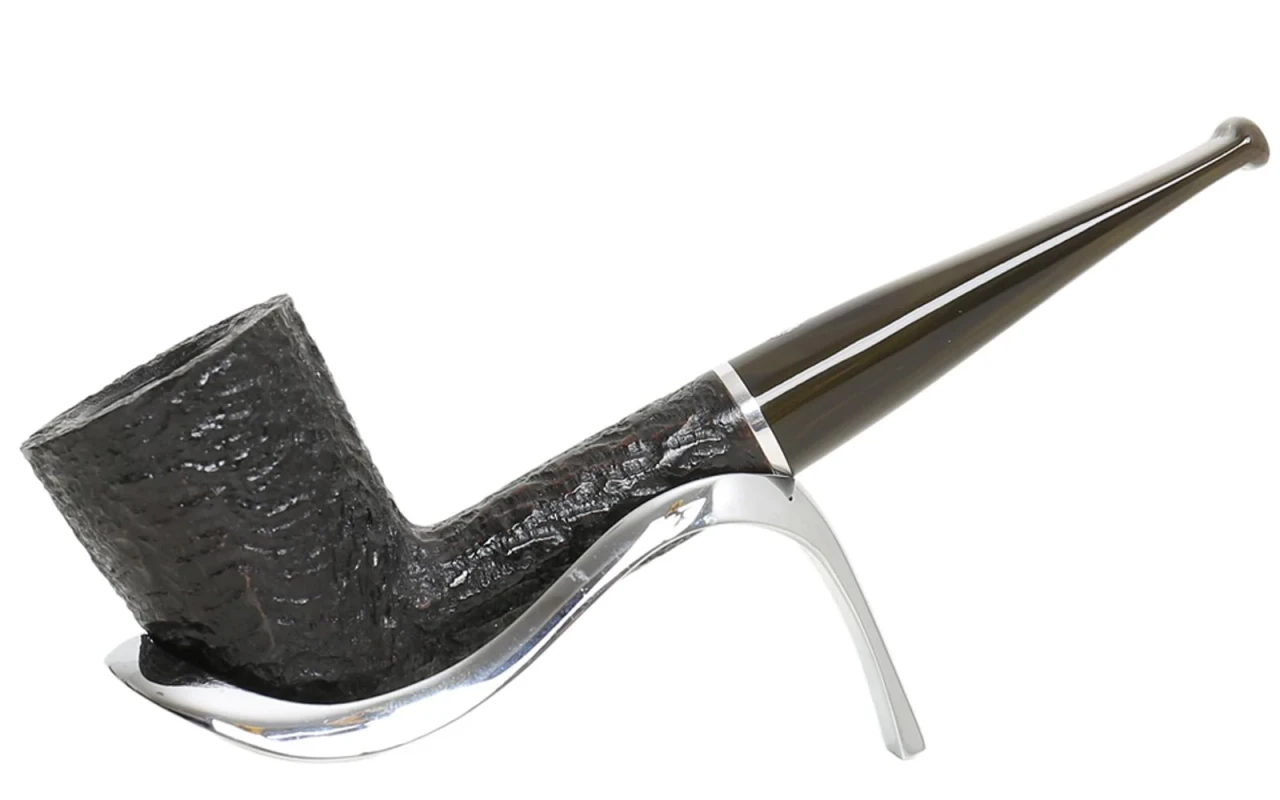
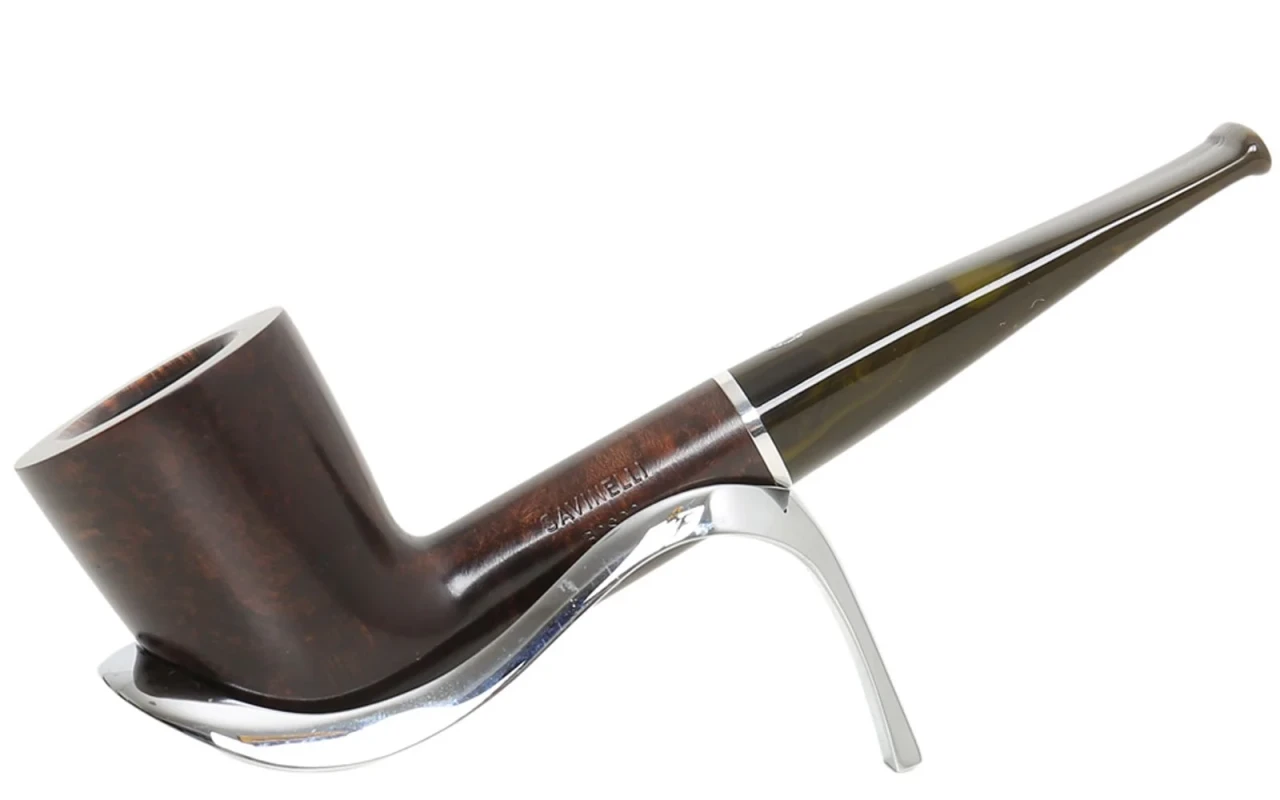
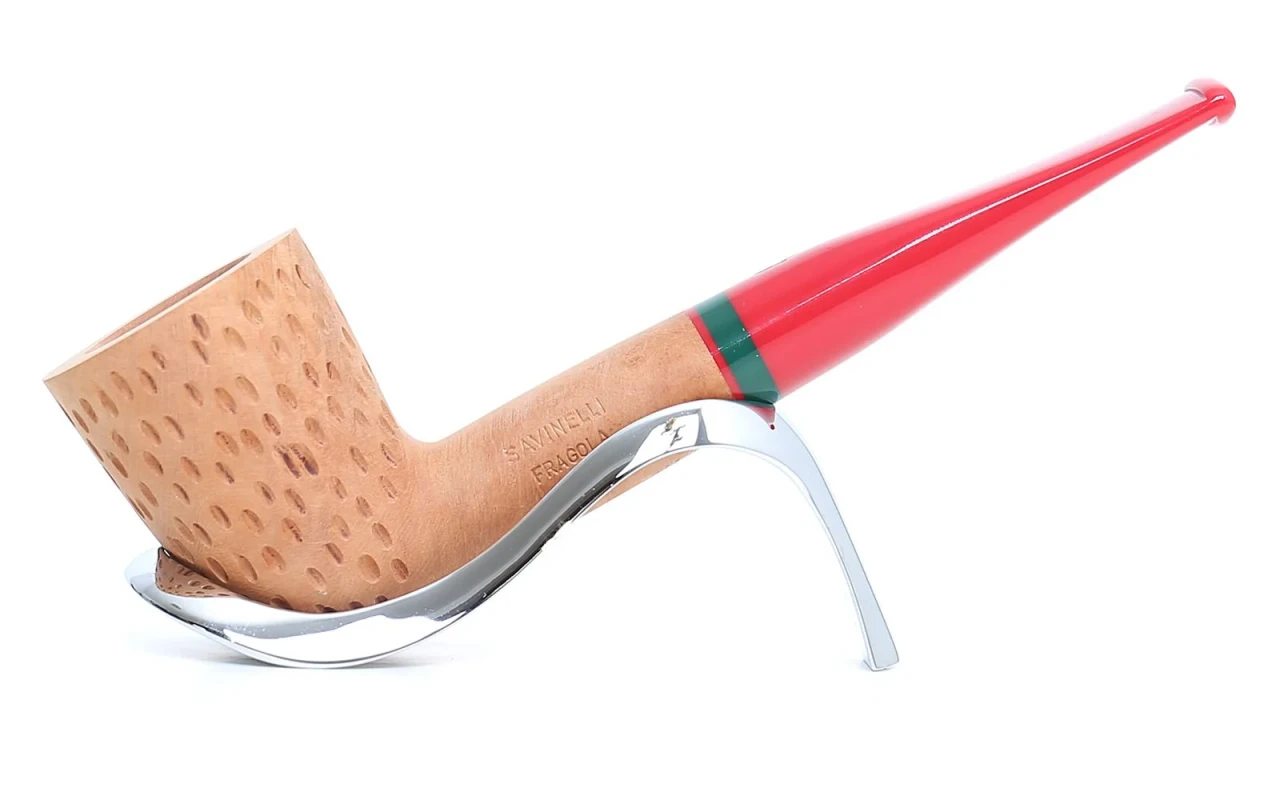
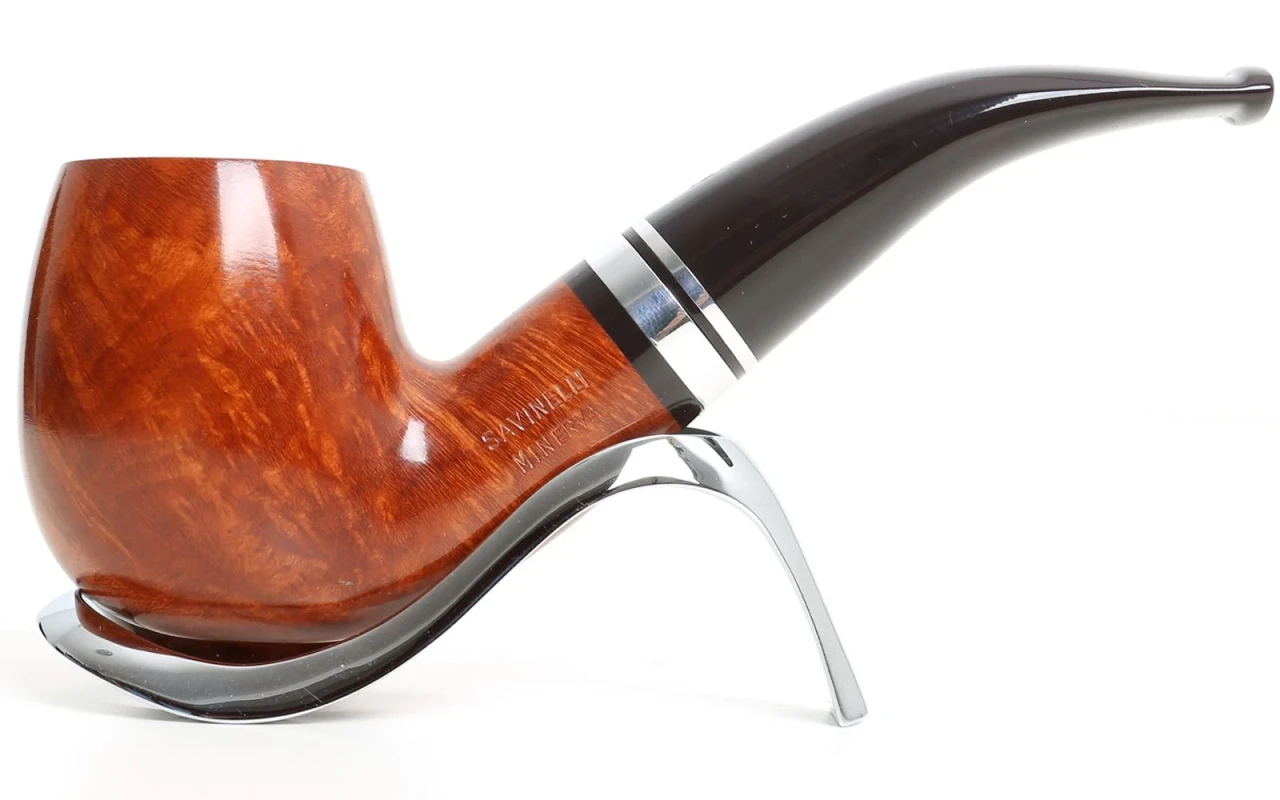
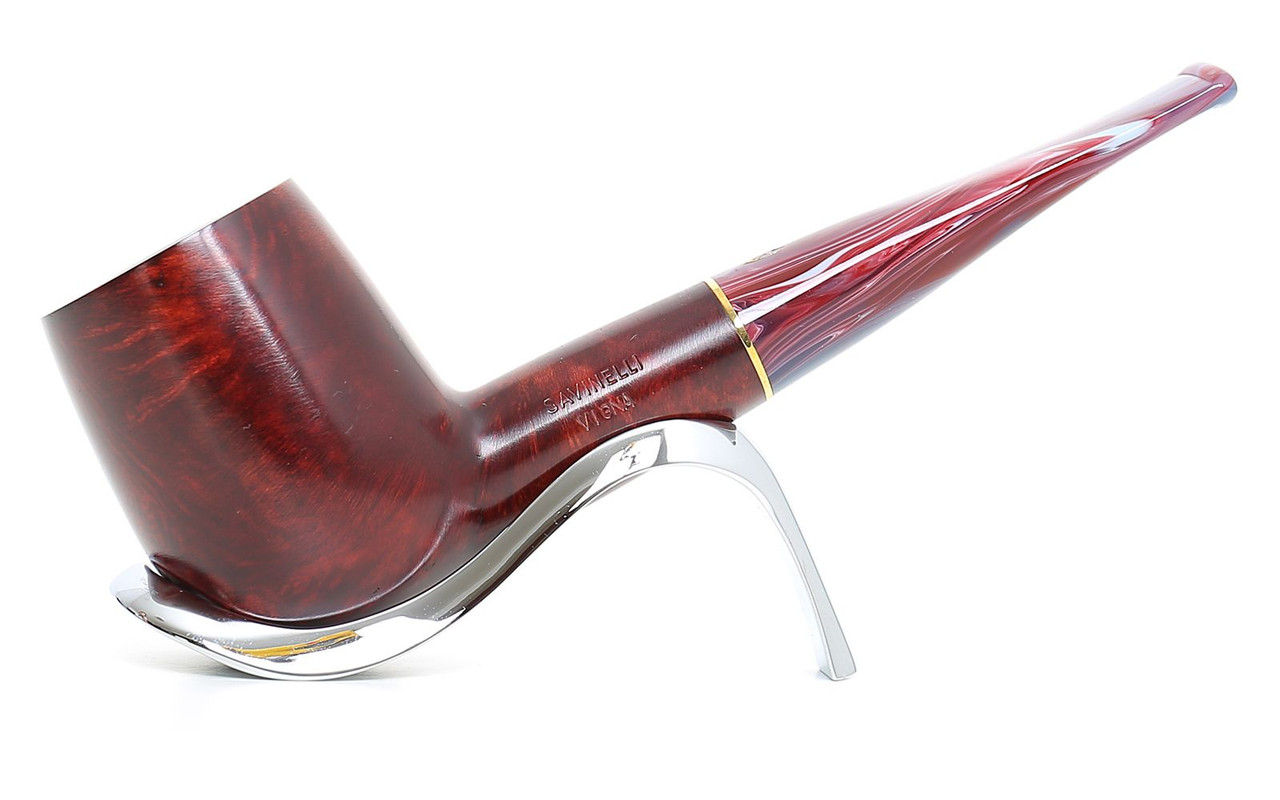
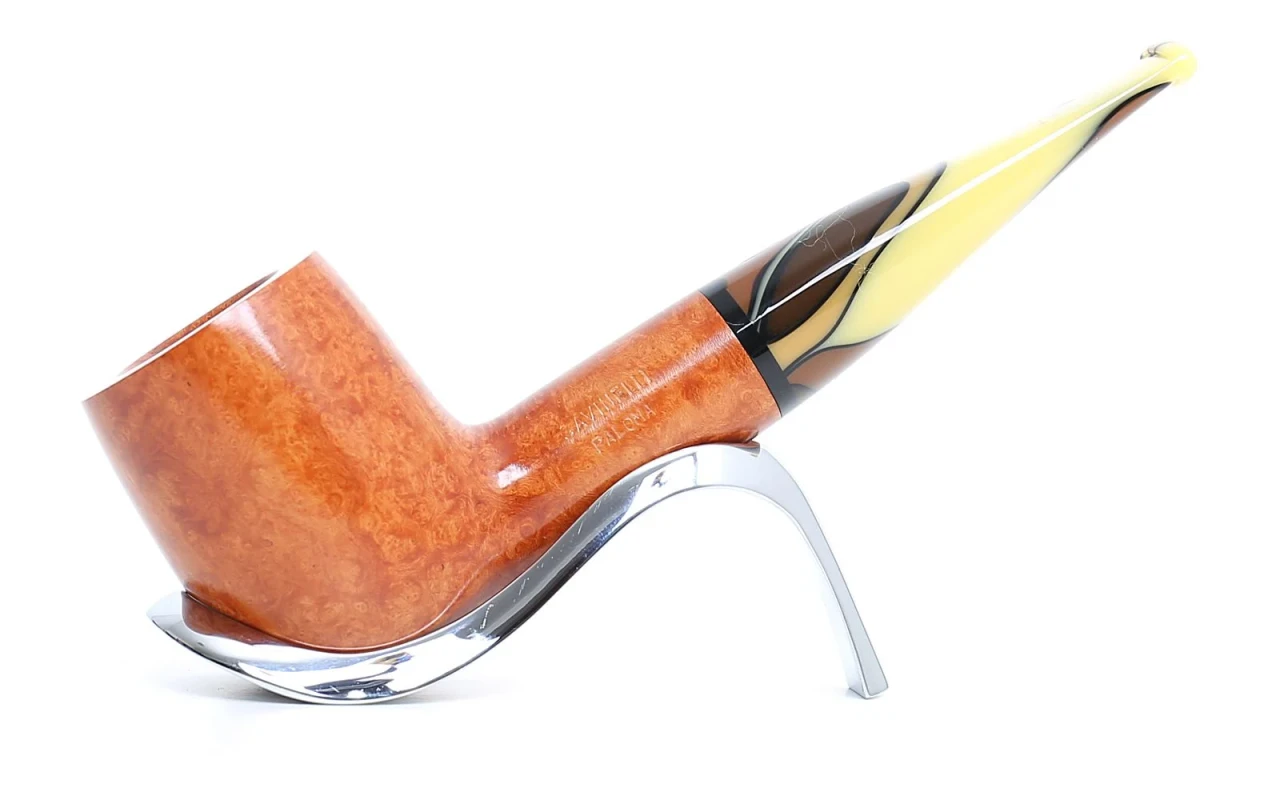
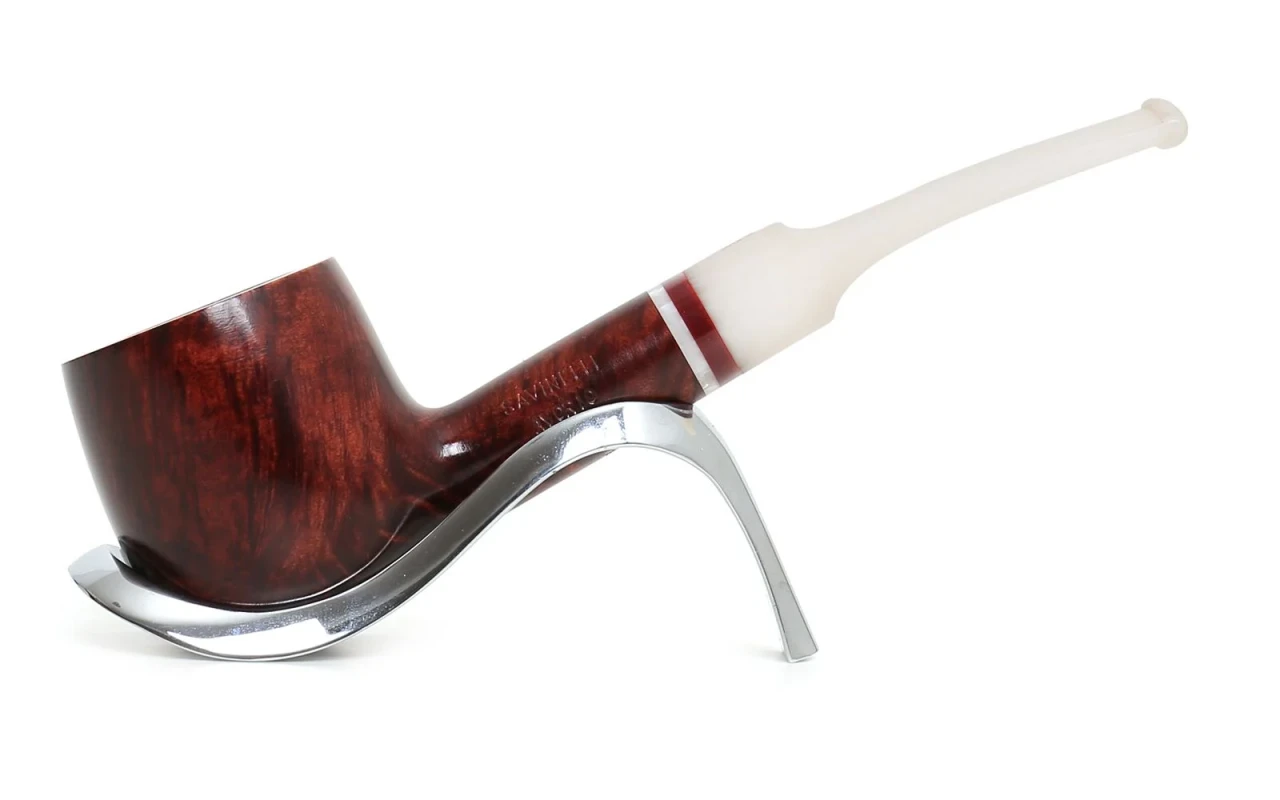
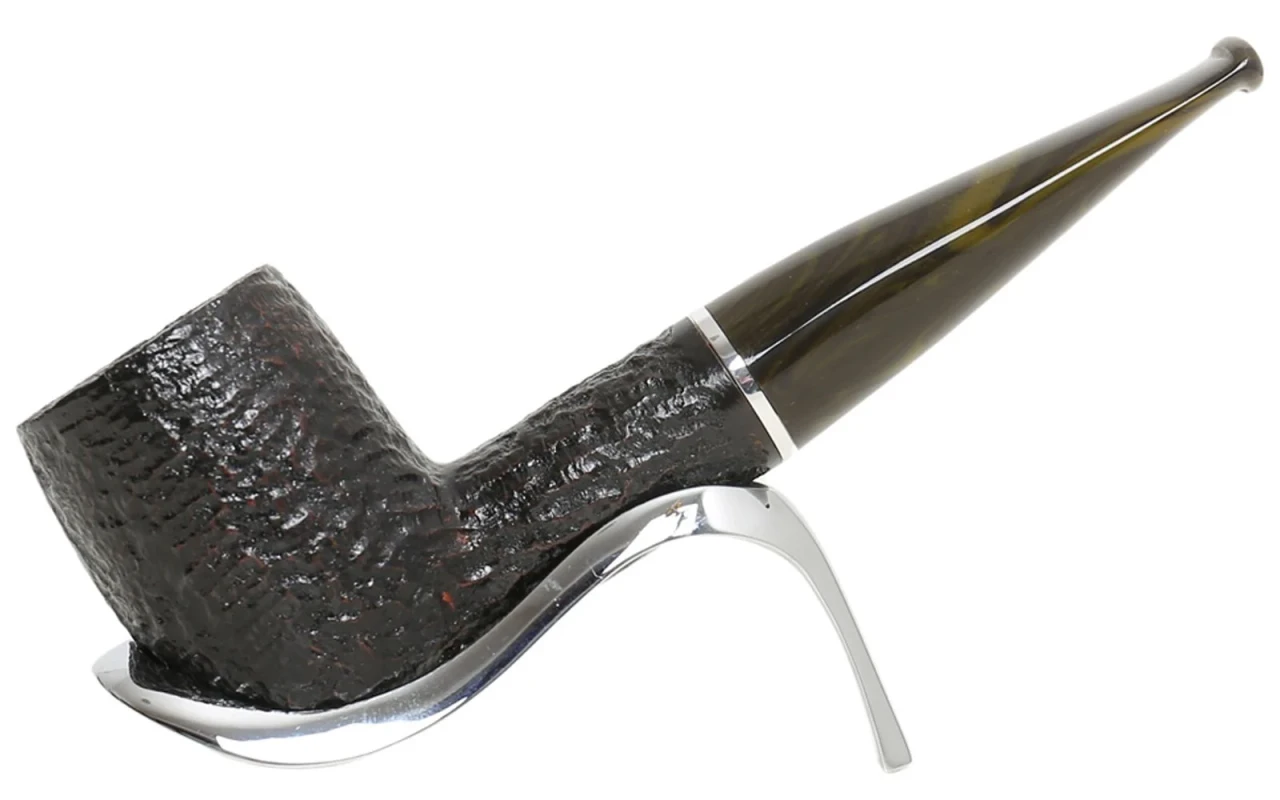
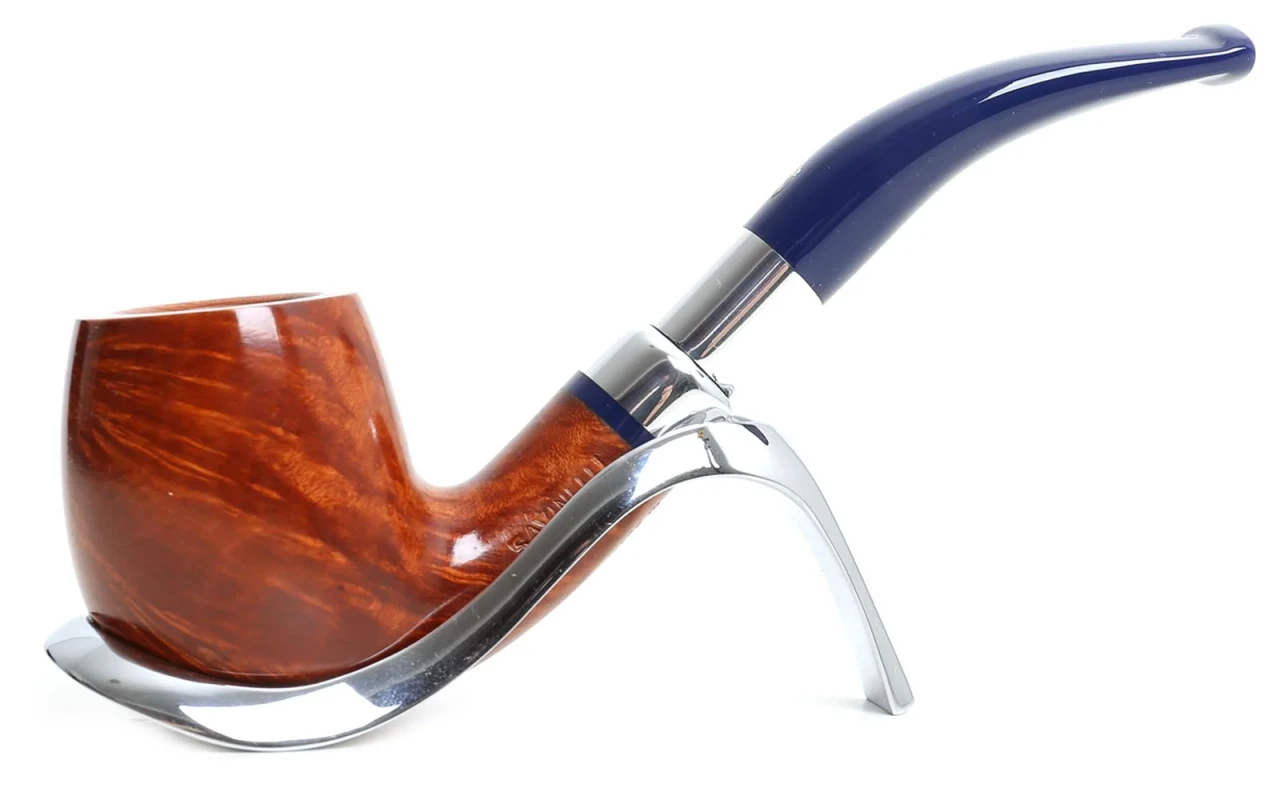
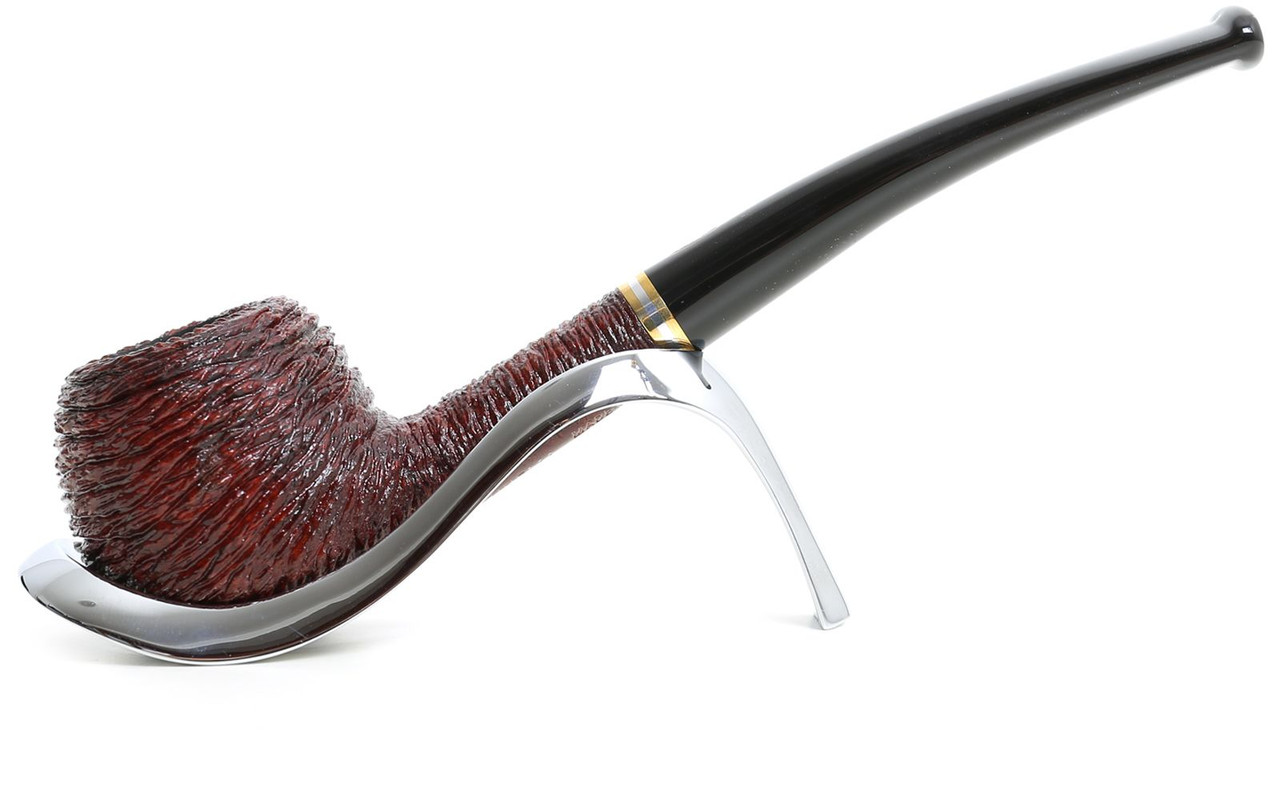
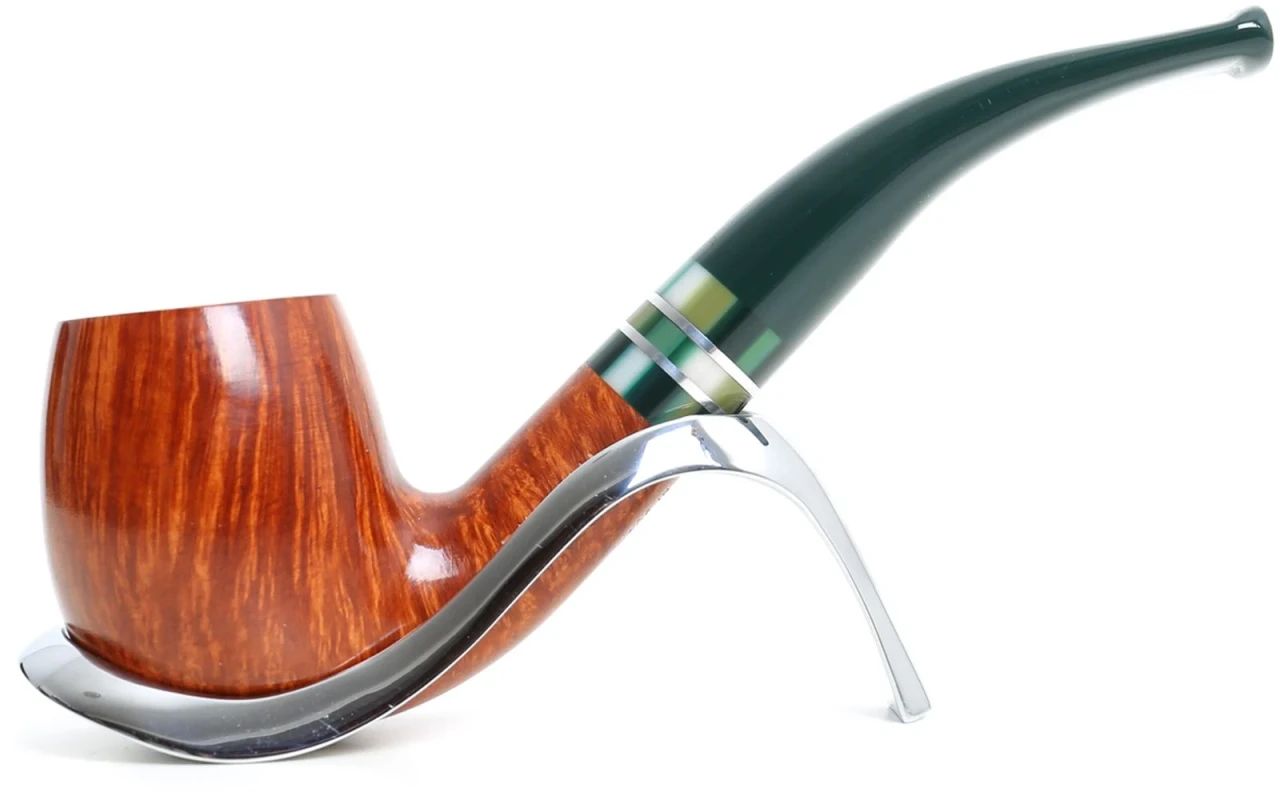
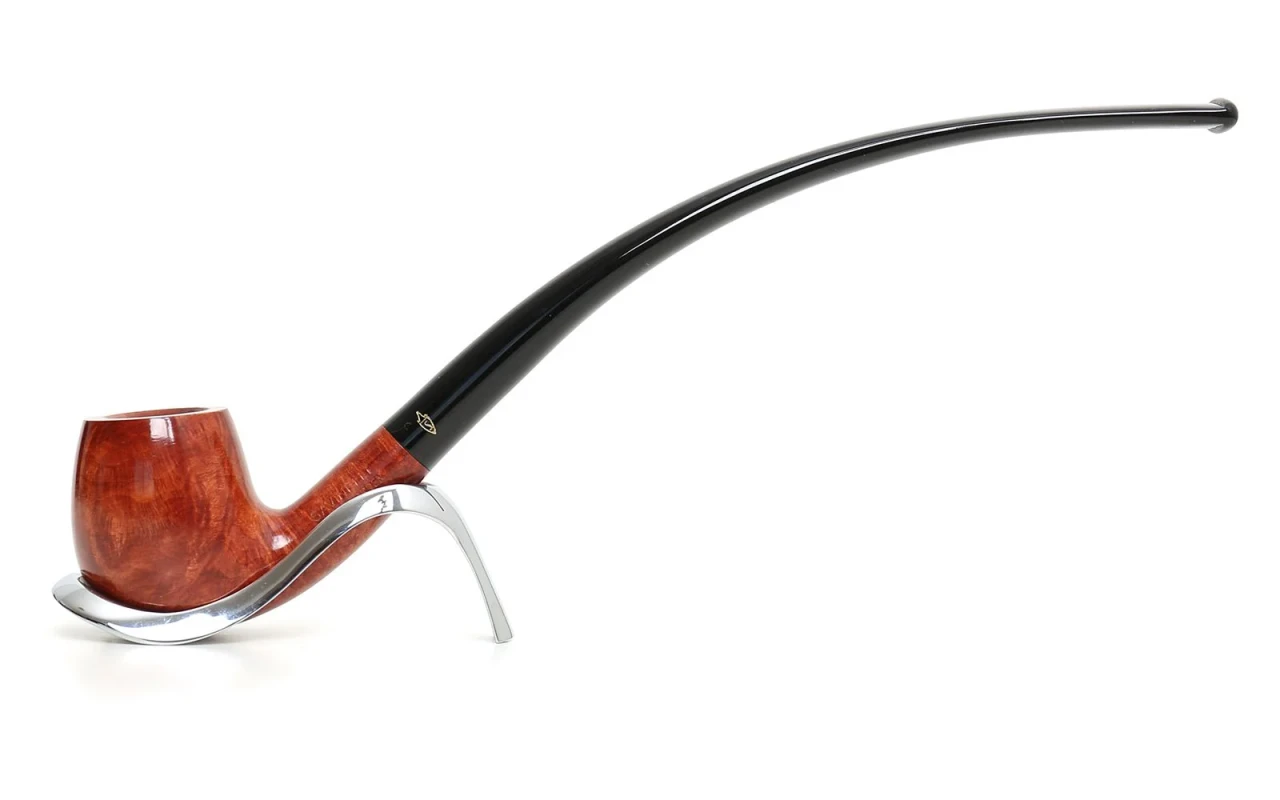
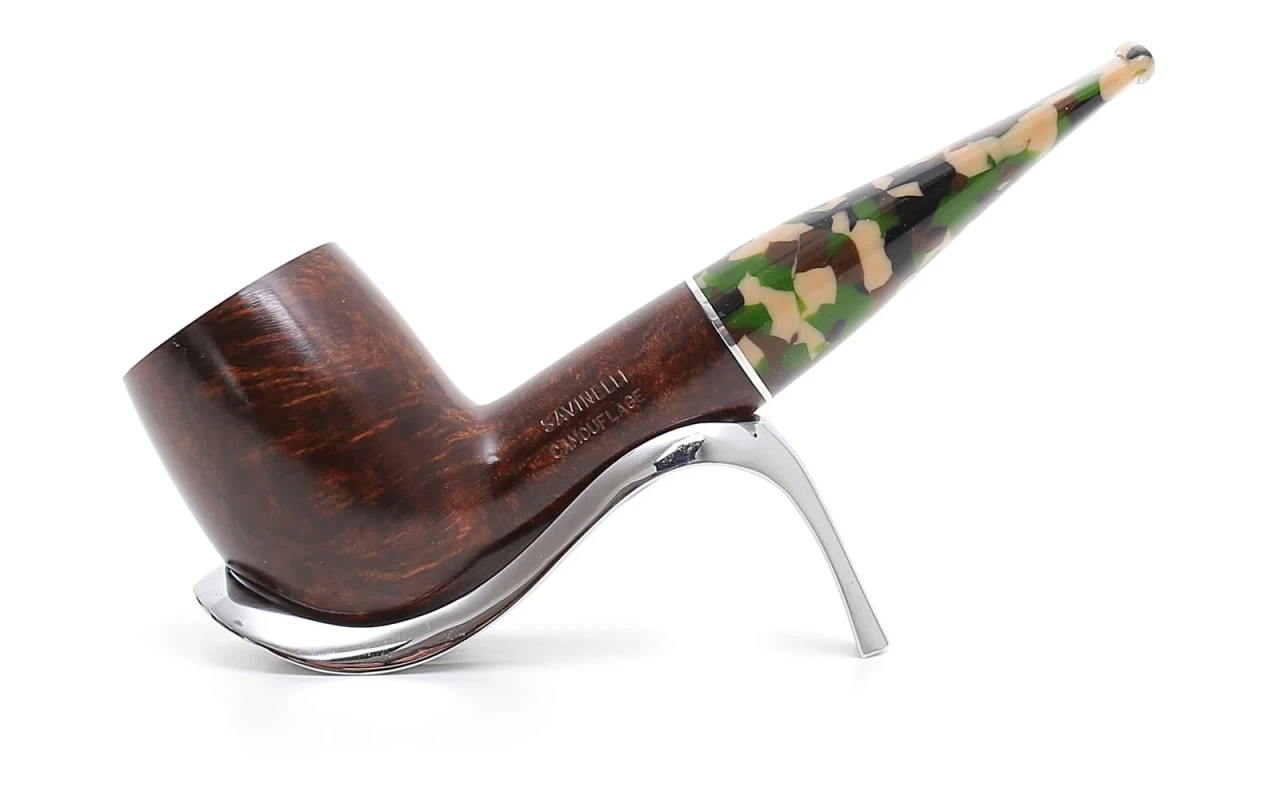
The artisanal pipe crafting is a process that requires great skill and precision. Experienced artisans carefully select the best materials, such as briar wood or corn cob, to create high-quality pipes. After choosing the most suitable material, the briar is shaped and carved by hand to achieve the desired shape. Subsequently, holes and chambers are drilled inside the pipe to ensure optimal tobacco combustion. Finally, the surface is smoothed and polished to obtain a finished product of great beauty and functionality. Artisanal pipe crafting requires time, experience, and passion to achieve excellent results.
Craftsmanship of Pipes
The craftsmanship of pipes is a meticulous process that requires skill and precision. Pipes are handmade by expert craftsmen who carefully select high-quality woods. The wood is shaped and smoothed to create the desired shape, while the combustion chamber and air passage are meticulously worked to ensure an optimal smoke. Every detail, such as finishing and polishing, contributes to creating a unique and high-quality pipe. Thanks to craftsmanship, each pipe becomes a functional work of art appreciated by true connoisseurs.
Types of wood for pipes
There are different types of wood used for making smoking pipes. The most common ones are:- Briar wood: a very durable and lightweight wood, widely used for its ability to absorb moisture from the smoke.- Morta: a particularly hard wood that is heat resistant, ideal for long-lasting pipes.- Olive wood: wood with interesting grain patterns, valued for its aesthetic beauty.- Cherry wood: a lightweight and easy-to-work wood, often chosen for smaller pipes.- Walnut: a durable and resistant wood, which imparts a distinctive flavor to the smoke.The choice of wood depends on the smoker's personal preferences and the characteristics desired from the pipe.
Pipe smoking maintenance
Maintaining pipe smoking is essential to ensure optimal performance and extend its lifespan over time. Here are some useful tips:- Regular cleaning: remove tobacco and tar residues with a pipe cleaner or a specific brush.- Thorough drying: after each use, make sure the pipe is completely dry to prevent moisture build-up.- Tobacco rotation: alternate between different types of tobacco to prevent residue accumulation.- General condition check: regularly check for cracks or damages on the pipe.By following these practices, you will be able to fully enjoy your pipe smoking experience over time.
Handcrafted pipe design
Handcrafted pipes are sought-after and unique design objects, handmade by expert artisans. These smoking works of art skillfully combine aesthetics and functionality, offering a wide range of styles and materials. Handcrafted pipes can be made from briarwood, mortar, corn cob, and other precious materials, each imparting a unique character to the piece. Artisans creating handcrafted pipes stand out for their attention to detail, precision in craftsmanship, and passion for this ancient trade. Owning a handcrafted pipe means appreciating the art and tradition of tobacco processing in a sophisticated and distinctive way.
'%3e%3cg id='Final-Copy-2_2_' transform='translate(1275.000000, 200.000000)'%3e%3cpath class='st0' d='M7.4,12.8h6.8l3.1-11.6H7.4C4.2,1.2,1.6,3.8,1.6,7S4.2,12.8,7.4,12.8z'/%3e%3c/g%3e%3c/g%3e%3c/g%3e%3cg id='final---dec.11-2020'%3e%3cg id='_x30_208-our-toggle' transform='translate(-1275.000000, -200.000000)'%3e%3cg id='Final-Copy-2' transform='translate(1275.000000, 200.000000)'%3e%3cpath class='st1' d='M22.6,0H7.4c-3.9,0-7,3.1-7,7s3.1,7,7,7h15.2c3.9,0,7-3.1,7-7S26.4,0,22.6,0z M1.6,7c0-3.2,2.6-5.8,5.8-5.8 h9.9l-3.1,11.6H7.4C4.2,12.8,1.6,10.2,1.6,7z'/%3e%3cpath id='x' class='st2' d='M24.6,4c0.2,0.2,0.2,0.6,0,0.8l0,0L22.5,7l2.2,2.2c0.2,0.2,0.2,0.6,0,0.8c-0.2,0.2-0.6,0.2-0.8,0 l0,0l-2.2-2.2L19.5,10c-0.2,0.2-0.6,0.2-0.8,0c-0.2-0.2-0.2-0.6,0-0.8l0,0L20.8,7l-2.2-2.2c-0.2-0.2-0.2-0.6,0-0.8 c0.2-0.2,0.6-0.2,0.8,0l0,0l2.2,2.2L23.8,4C24,3.8,24.4,3.8,24.6,4z'/%3e%3cpath id='y' class='st3' d='M12.7,4.1c0.2,0.2,0.3,0.6,0.1,0.8l0,0L8.6,9.8C8.5,9.9,8.4,10,8.3,10c-0.2,0.1-0.5,0.1-0.7-0.1l0,0 L5.4,7.7c-0.2-0.2-0.2-0.6,0-0.8c0.2-0.2,0.6-0.2,0.8,0l0,0L8,8.6l3.8-4.5C12,3.9,12.4,3.9,12.7,4.1z'/%3e%3c/g%3e%3c/g%3e%3c/g%3e%3c/g%3e%3c/svg%3e) Your Privacy Choices
Your Privacy Choices 


