 ES
ES FR
FR EN
EN IT
IT DE
DE
Alternative Materials to Wood for Pipe Bowls
Alternative Materials to Wood for Pipe Bowls
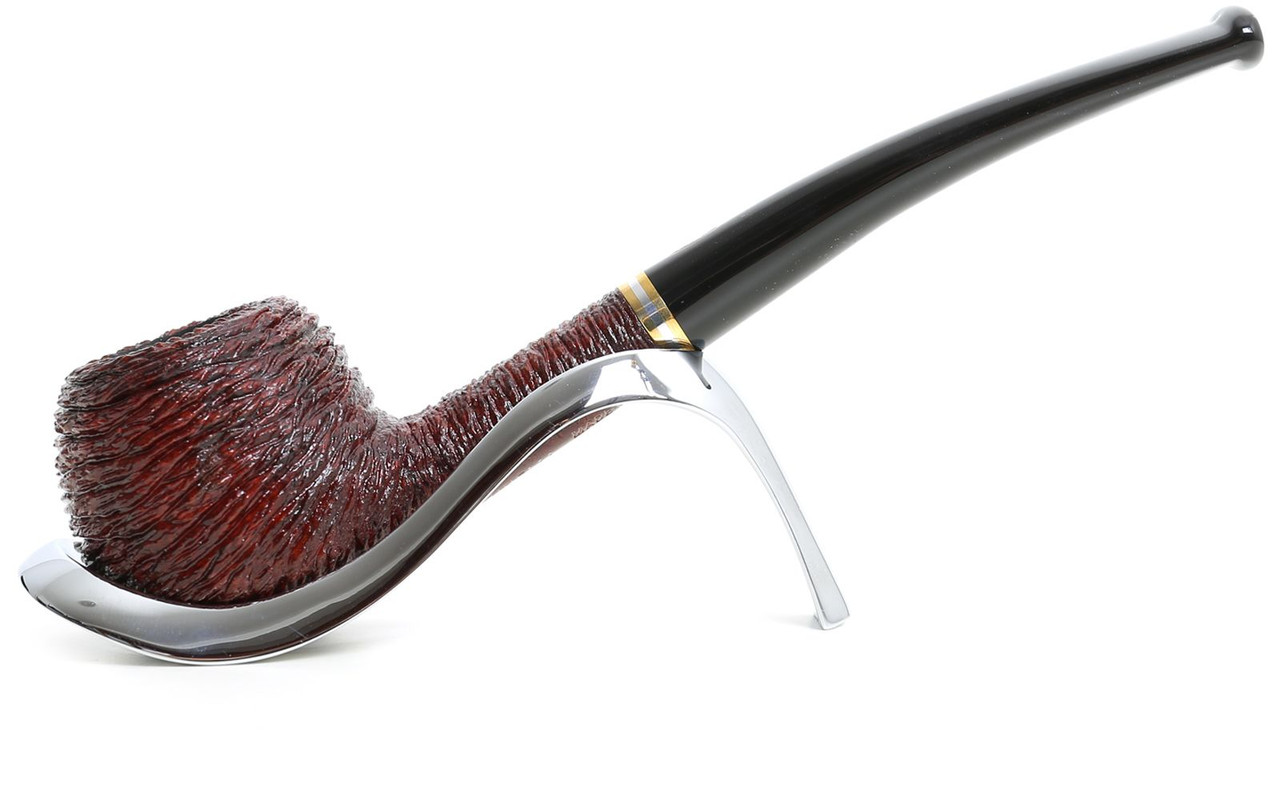
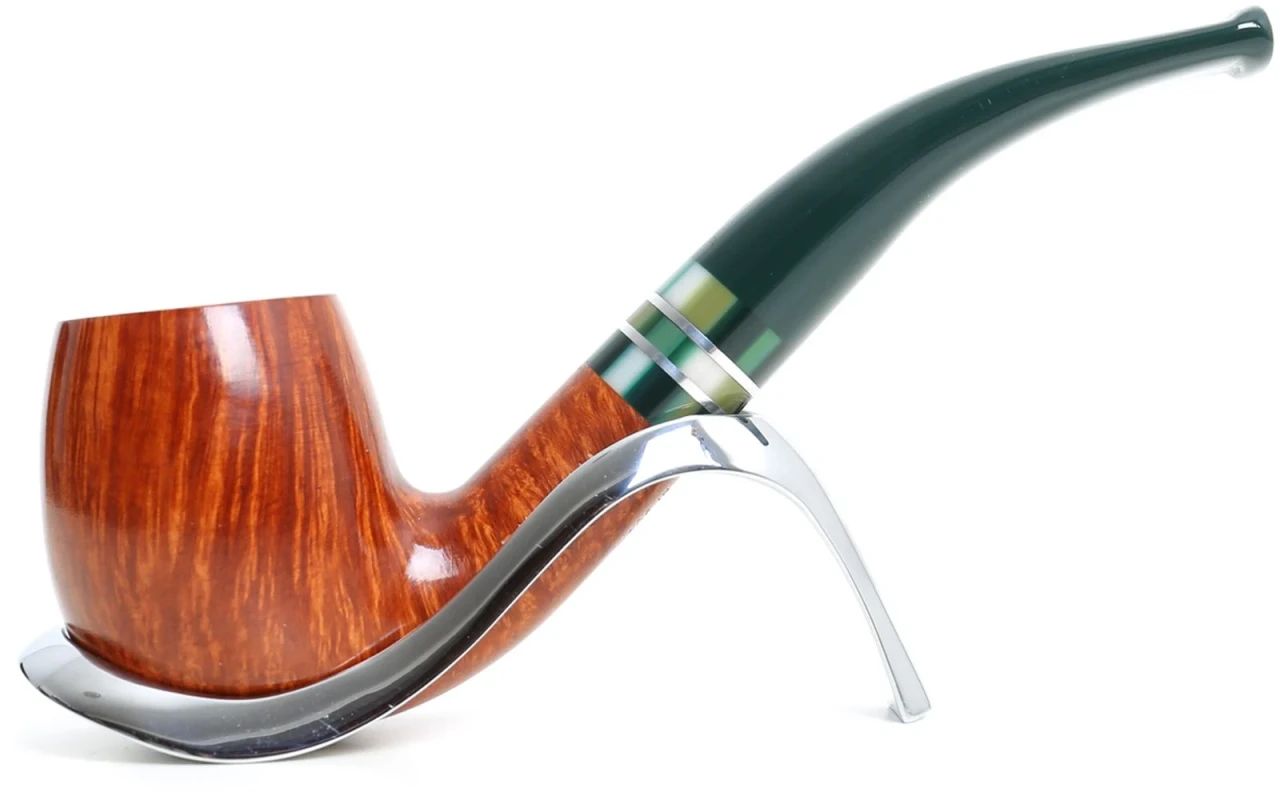
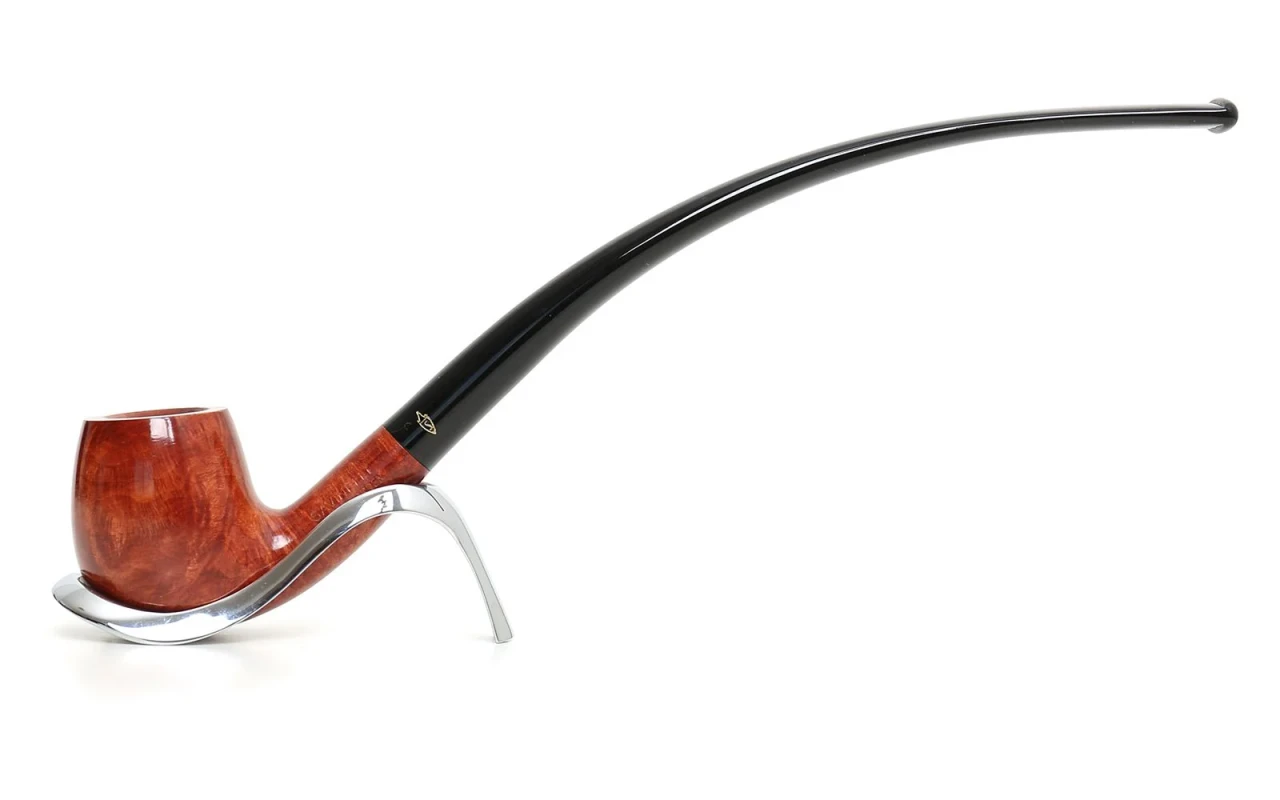
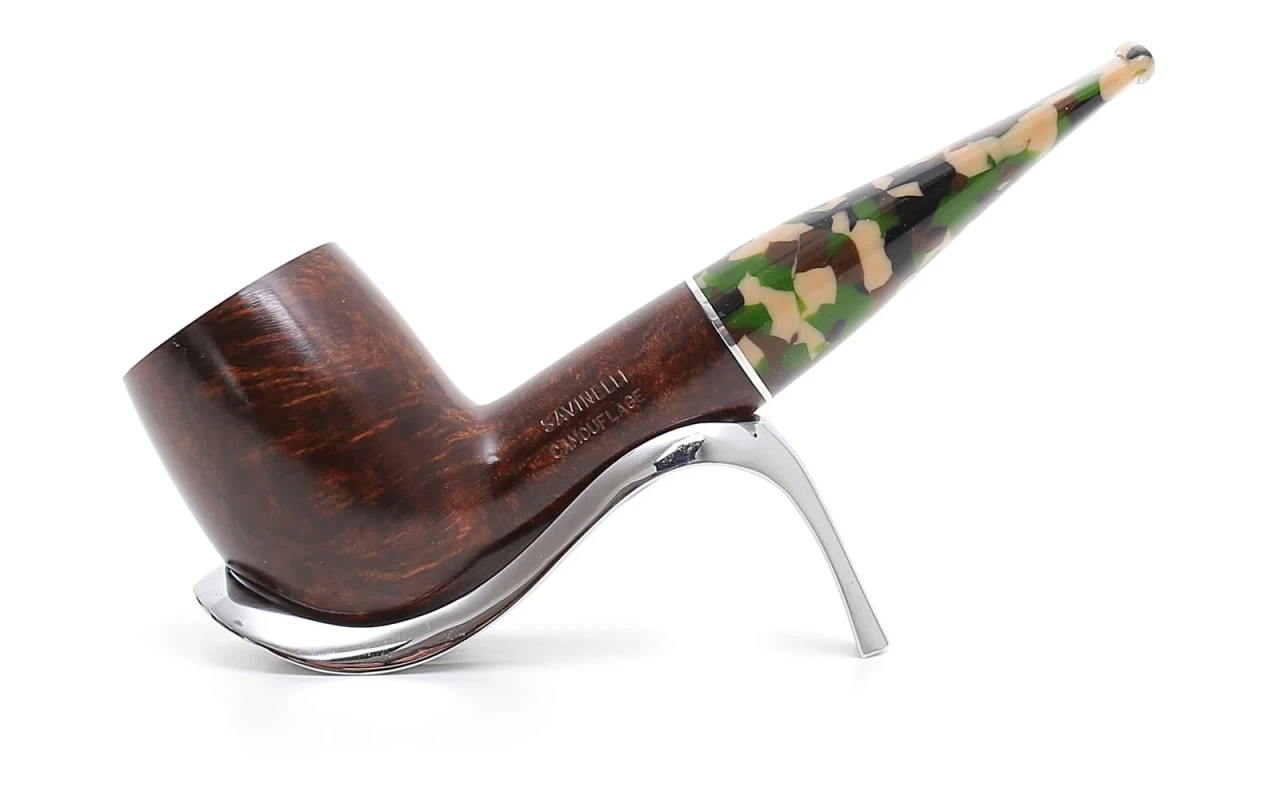
There are several alternative materials to wood for crafting smoking pipes. Among the most common options are:- **Metals**: such as stainless steel, aluminum, or brass, which provide durability and corrosion resistance.- **Clay**: traditionally used to create pipes with unique characteristics and a distinctive flavor.- **Corn**: corn cob pipes, known for being inexpensive and lightweight.- **Meerschaum**: a porous stone that absorbs smoking oils, developing a unique patina over time.- **Maple**: a harder wood than traditional pipe wood, offering increased strength and longevity.These materials offer different smoking experiences and sensations compared to traditional wood.
Materials for pipes alternative to wood
There are several options of materials alternative to wood for making pipes, each with specific characteristics. Some common materials include:- **Corn**: light and inexpensive, but requires special care to avoid moisture damage.- **Clay**: light and neutral, but fragile and sensitive to extreme temperatures.- **Meerschaum**: absorbs oils during use, ensuring a sweeter smoke.- **Metals**: such as aluminum or stainless steel, durable but tend to overheat during use.- **Stone**: such as briar or coral, offer a unique aromatic yield but require careful maintenance.The choice of material depends on the smoker's personal preferences and desired characteristics in the pipe.
Non-wood materials for pipes
There are several non-wood materials used for making pipes, each with specific characteristics. Among the main alternatives to wood, we find:1. **Clay**: lightweight and porous, ensures a cool smoke but requires special care.2. **Metals**: such as brass or silver, offer durability but can influence the taste of tobacco.3. **Corn cob**: corn cob pipes are affordable and lightweight, ideal for beginners.4. **Meerschaum**: a porous and lightweight stone, appreciated for its ability to absorb moisture.Each material has advantages and disadvantages to consider before choosing your ideal pipe.
Eco-friendly pipe materials
Eco-friendly pipe materials are made from natural and sustainable components, reducing the environmental impact compared to traditional pipes made of synthetic materials. Typically, eco-friendly pipes are crafted from high-quality wood sourced from sustainably managed forests or briar root. These materials provide a more natural and environmentally respectful smoking experience. Additionally, some manufacturers use eco-friendly or biodegradable resins for external finishes, promoting a greener approach in the world of pipes.
Synthetic pipe materials
Synthetic pipe materials are an alternative choice to traditional ones such as wood or clay. Synthetic pipes are made from modern materials like polypropylene or acrylic, which offer advantages in terms of resistance, ease of cleaning, and durability. These materials can withstand the heat generated during tobacco combustion without deforming or releasing harmful substances. Synthetic pipes are lightweight, affordable, and available in a wide range of colors and designs. However, some purists may still prefer the charm and warmth of traditional wood.
'%3e%3cg id='Final-Copy-2_2_' transform='translate(1275.000000, 200.000000)'%3e%3cpath class='st0' d='M7.4,12.8h6.8l3.1-11.6H7.4C4.2,1.2,1.6,3.8,1.6,7S4.2,12.8,7.4,12.8z'/%3e%3c/g%3e%3c/g%3e%3c/g%3e%3cg id='final---dec.11-2020'%3e%3cg id='_x30_208-our-toggle' transform='translate(-1275.000000, -200.000000)'%3e%3cg id='Final-Copy-2' transform='translate(1275.000000, 200.000000)'%3e%3cpath class='st1' d='M22.6,0H7.4c-3.9,0-7,3.1-7,7s3.1,7,7,7h15.2c3.9,0,7-3.1,7-7S26.4,0,22.6,0z M1.6,7c0-3.2,2.6-5.8,5.8-5.8 h9.9l-3.1,11.6H7.4C4.2,12.8,1.6,10.2,1.6,7z'/%3e%3cpath id='x' class='st2' d='M24.6,4c0.2,0.2,0.2,0.6,0,0.8l0,0L22.5,7l2.2,2.2c0.2,0.2,0.2,0.6,0,0.8c-0.2,0.2-0.6,0.2-0.8,0 l0,0l-2.2-2.2L19.5,10c-0.2,0.2-0.6,0.2-0.8,0c-0.2-0.2-0.2-0.6,0-0.8l0,0L20.8,7l-2.2-2.2c-0.2-0.2-0.2-0.6,0-0.8 c0.2-0.2,0.6-0.2,0.8,0l0,0l2.2,2.2L23.8,4C24,3.8,24.4,3.8,24.6,4z'/%3e%3cpath id='y' class='st3' d='M12.7,4.1c0.2,0.2,0.3,0.6,0.1,0.8l0,0L8.6,9.8C8.5,9.9,8.4,10,8.3,10c-0.2,0.1-0.5,0.1-0.7-0.1l0,0 L5.4,7.7c-0.2-0.2-0.2-0.6,0-0.8c0.2-0.2,0.6-0.2,0.8,0l0,0L8,8.6l3.8-4.5C12,3.9,12.4,3.9,12.7,4.1z'/%3e%3c/g%3e%3c/g%3e%3c/g%3e%3c/g%3e%3c/svg%3e) Your Privacy Choices
Your Privacy Choices 


