 FR
FR EN
EN IT
IT DE
DE
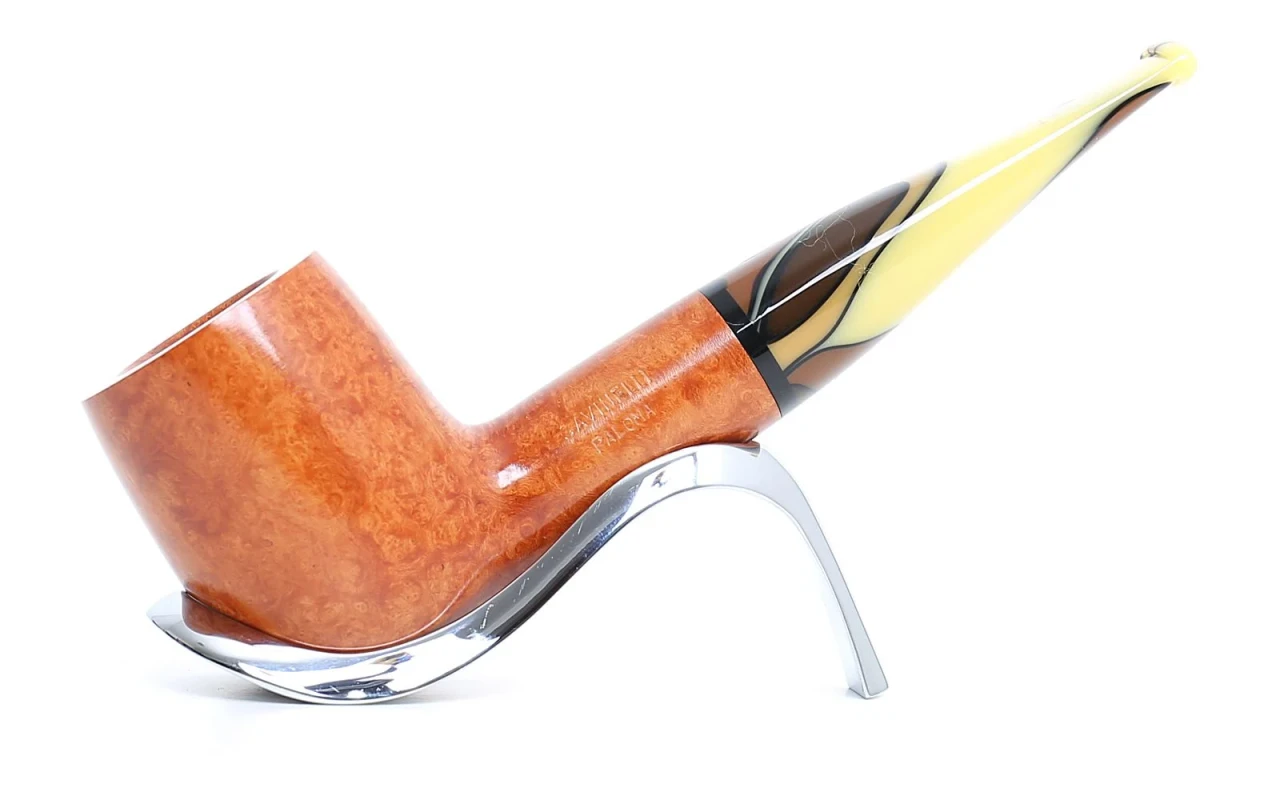
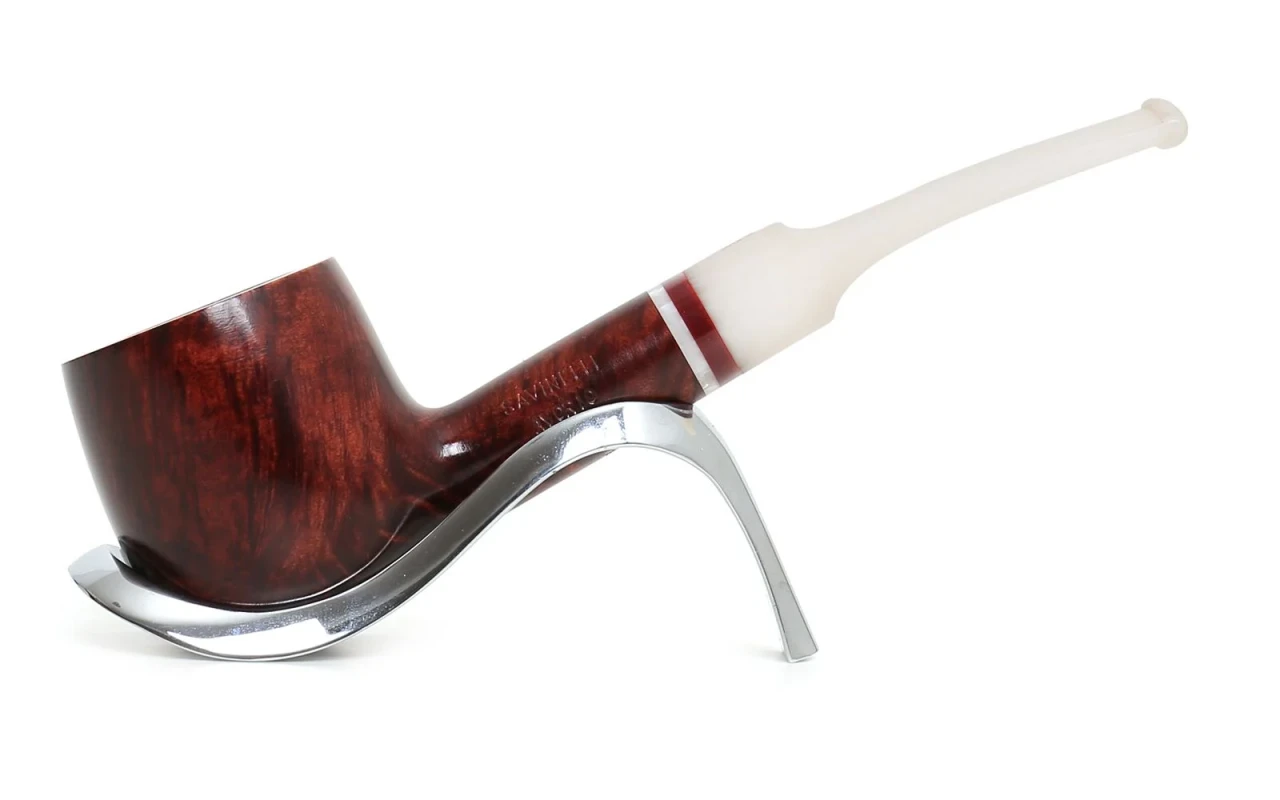
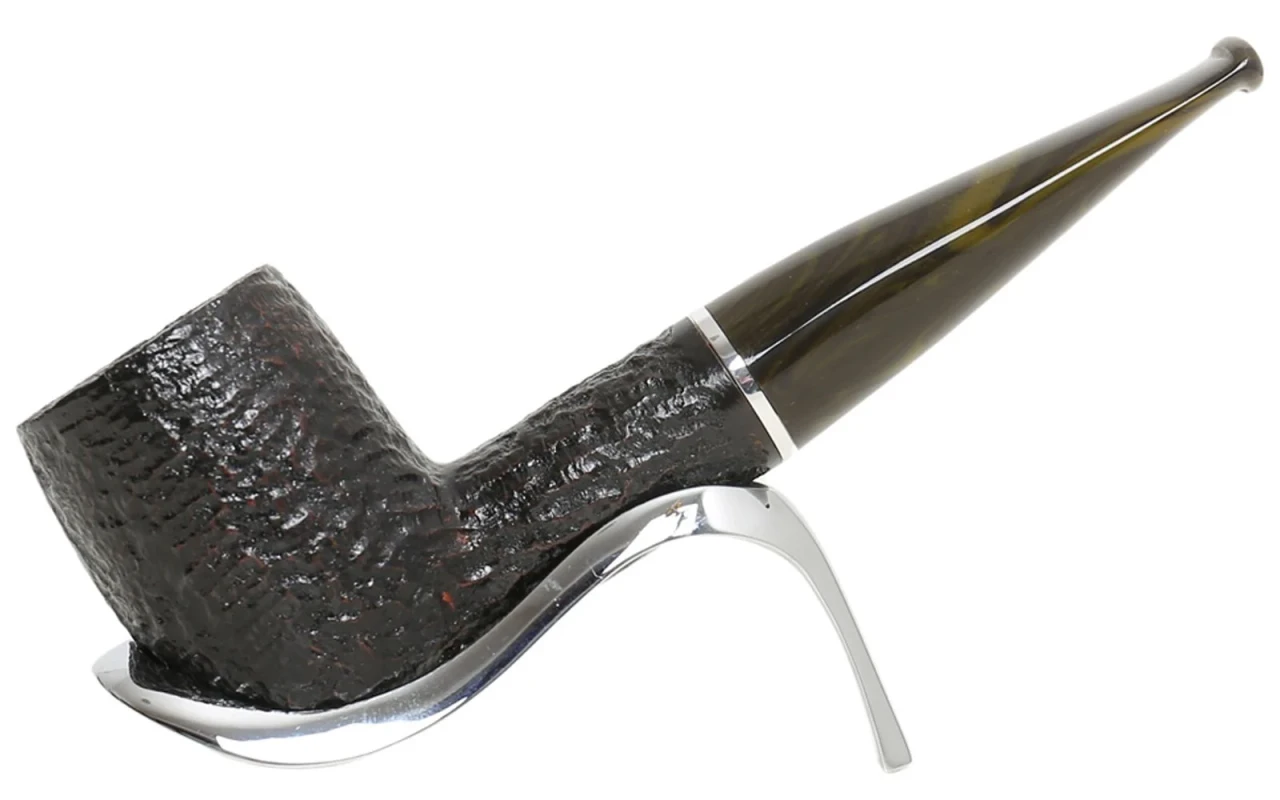
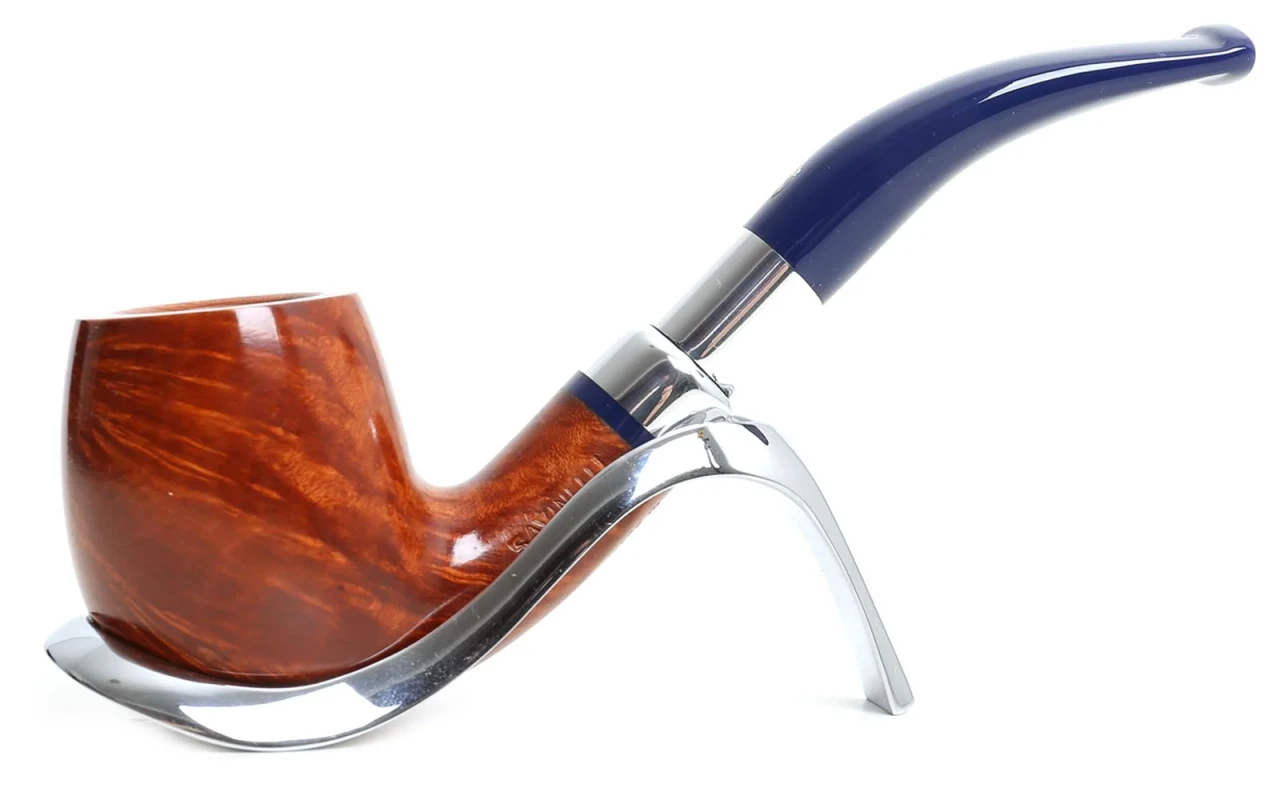
Alternative materials for the production of pipes instead of briar wood
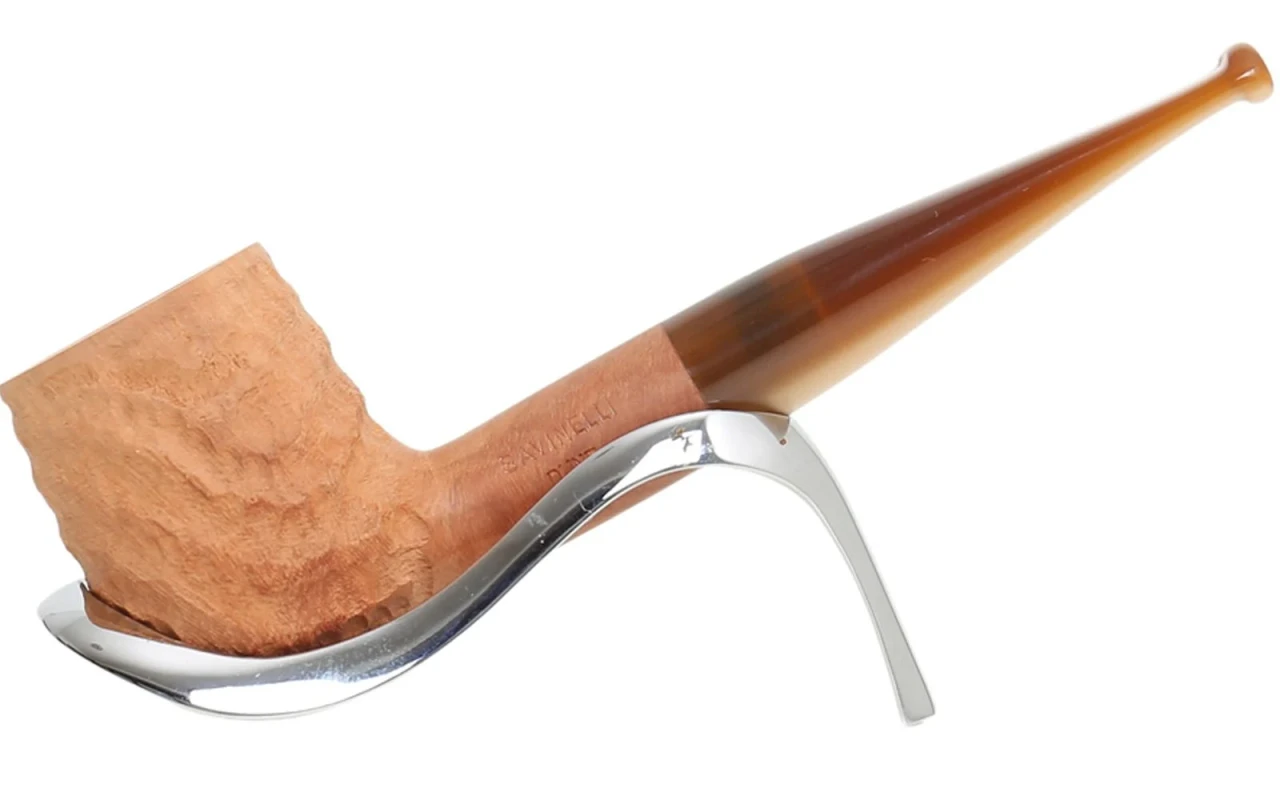
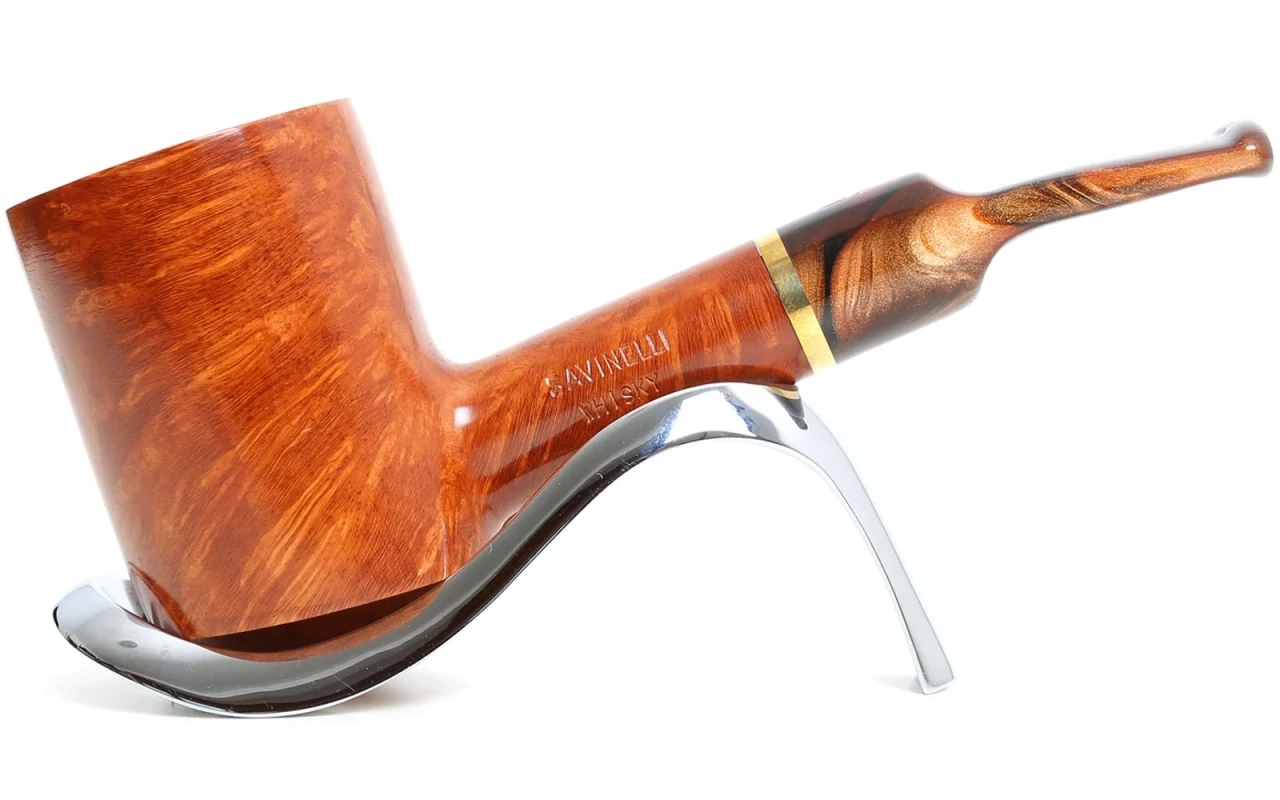
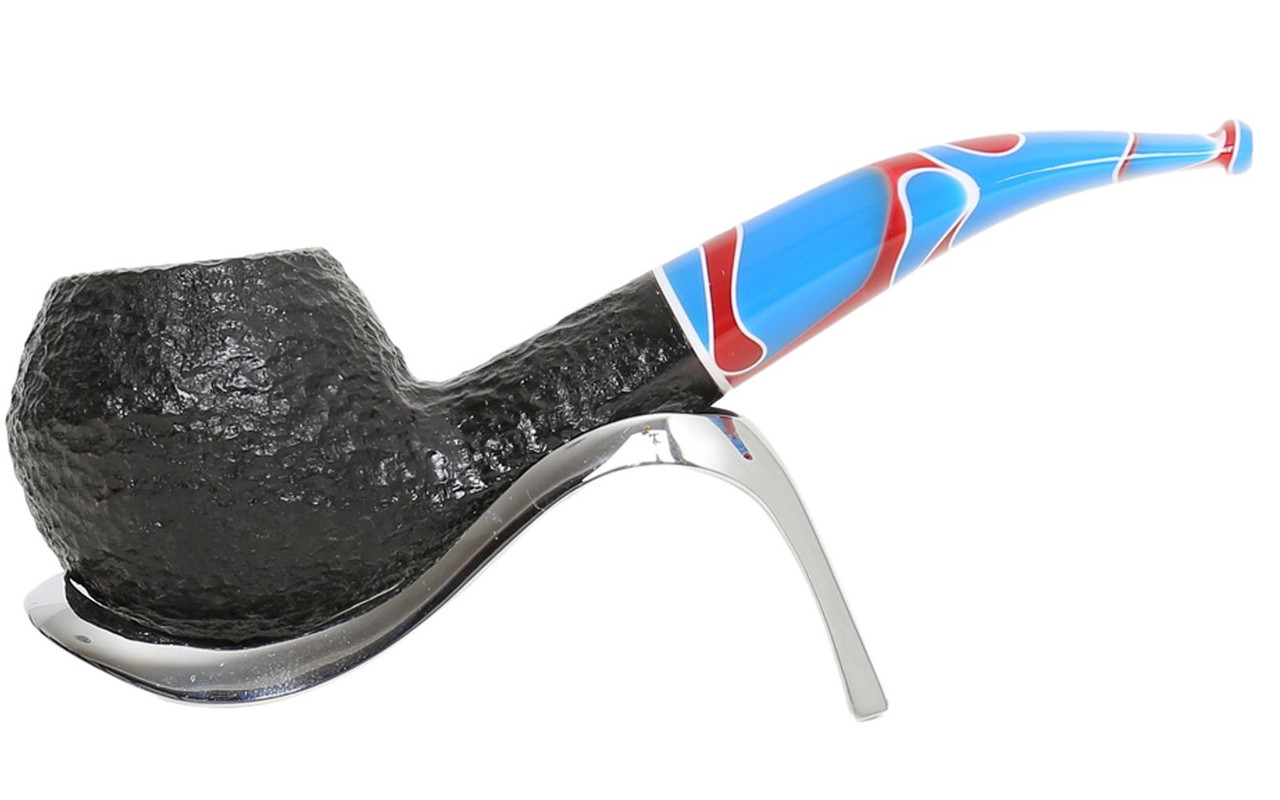
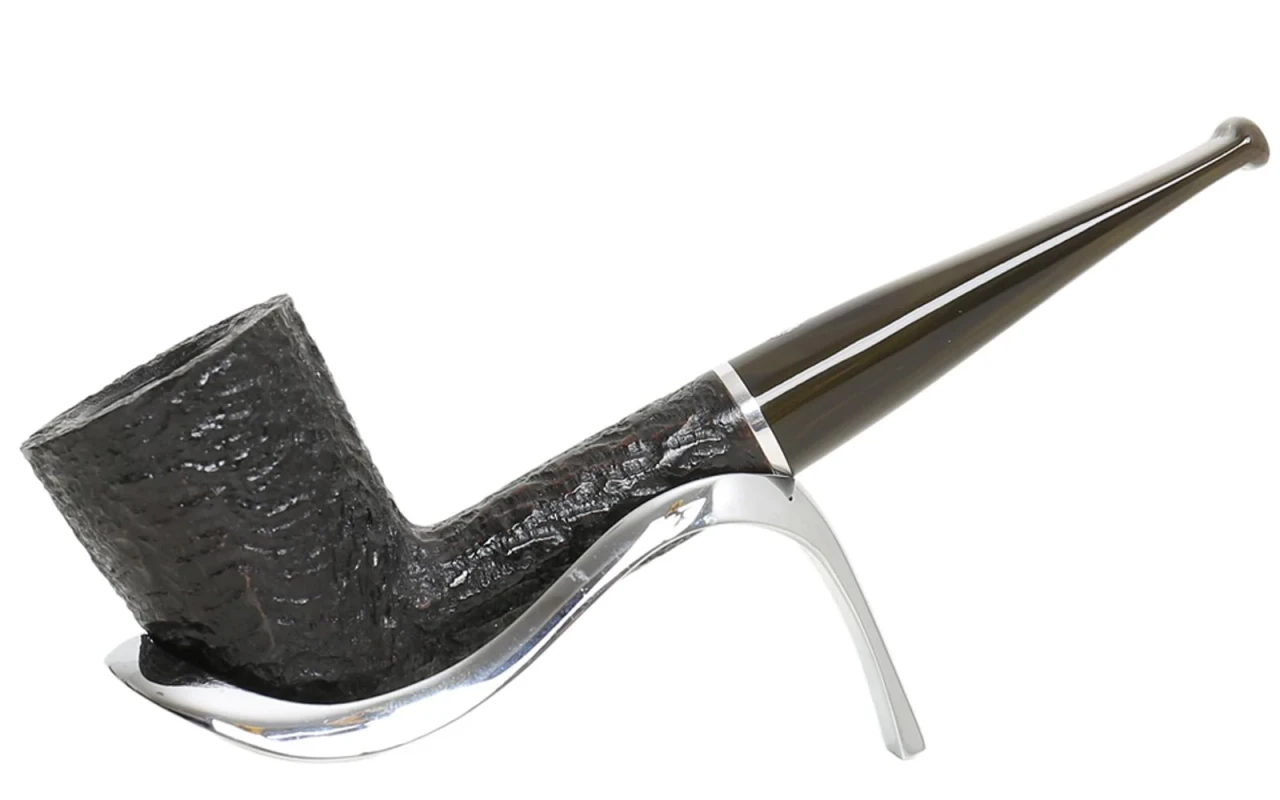
Alternative materials for the production of pipes instead of briar wood
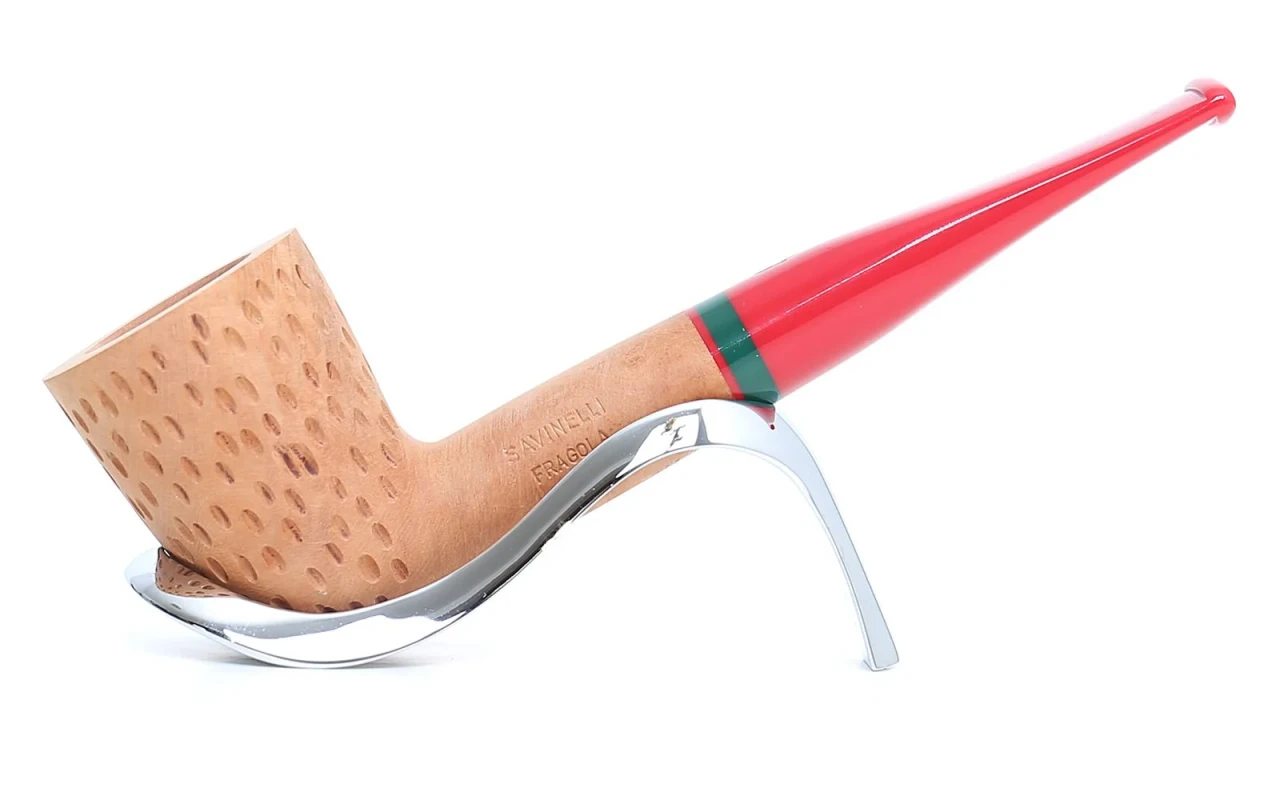
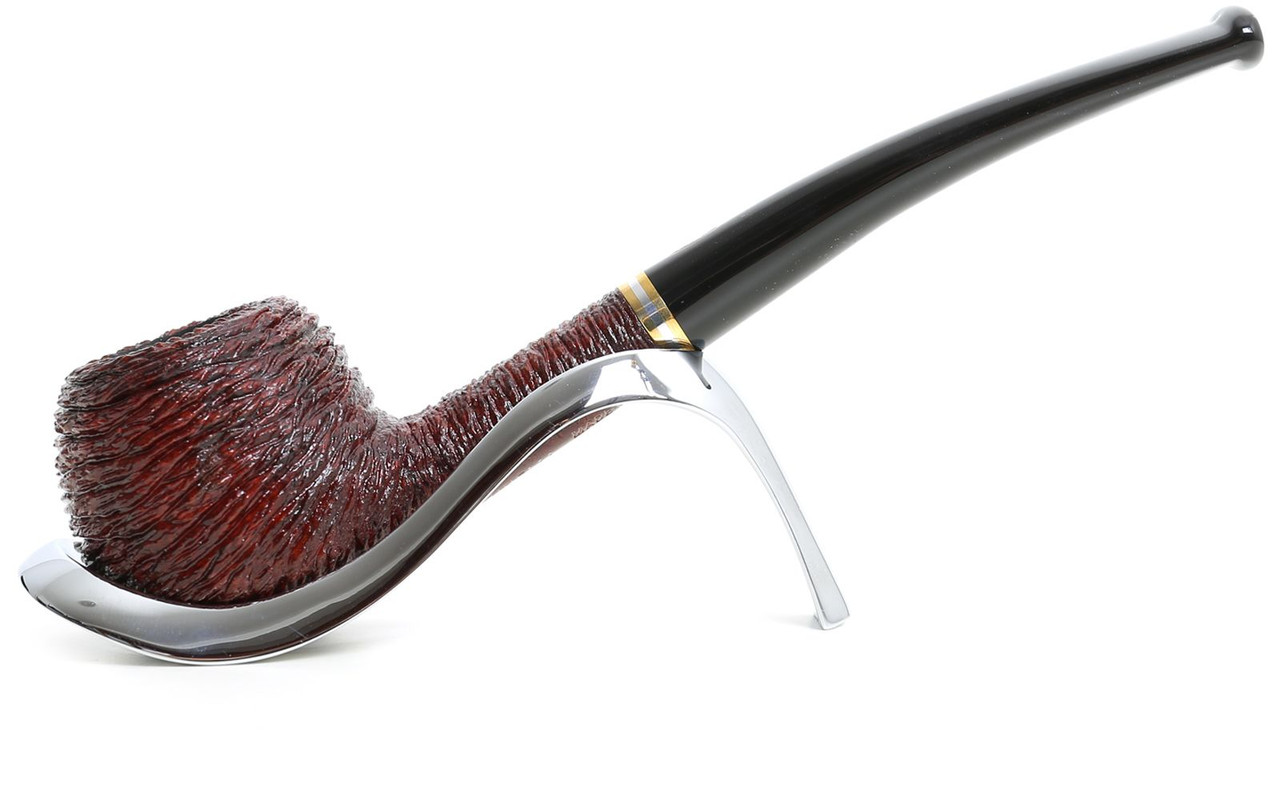
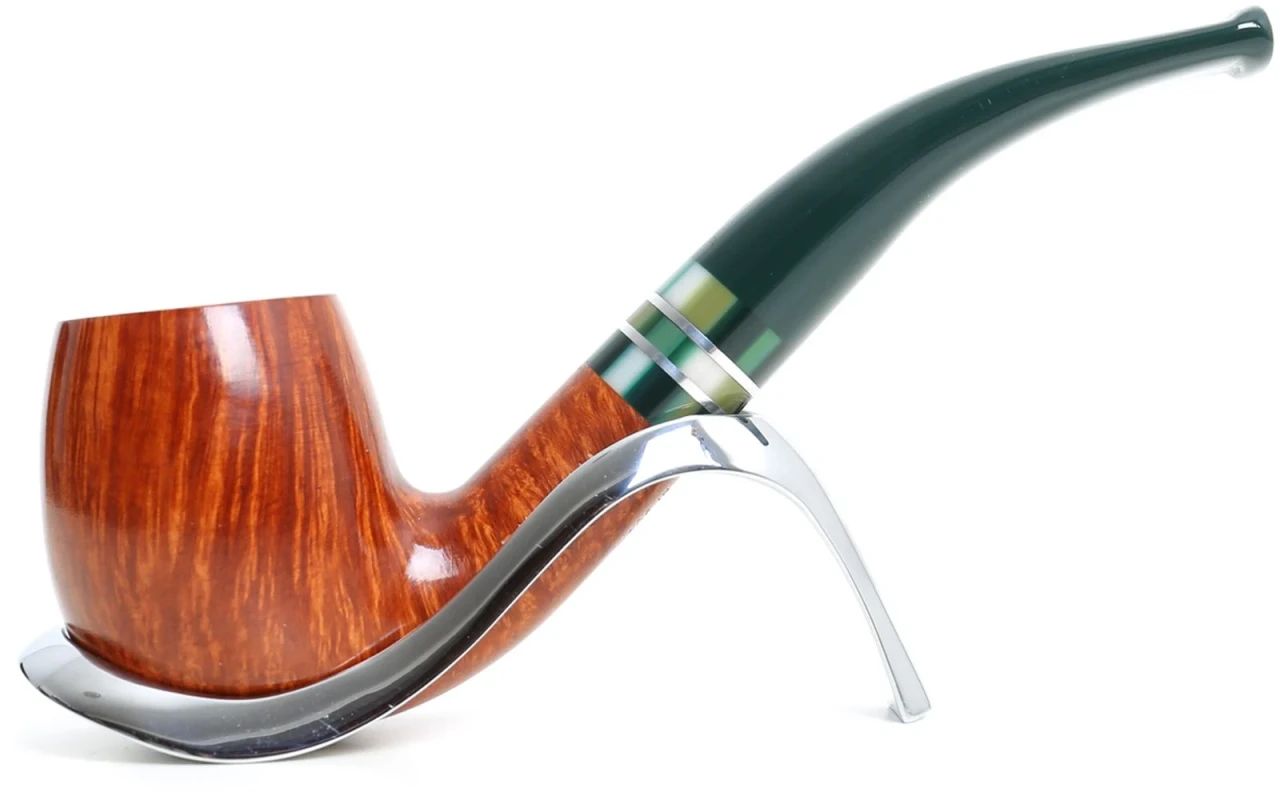
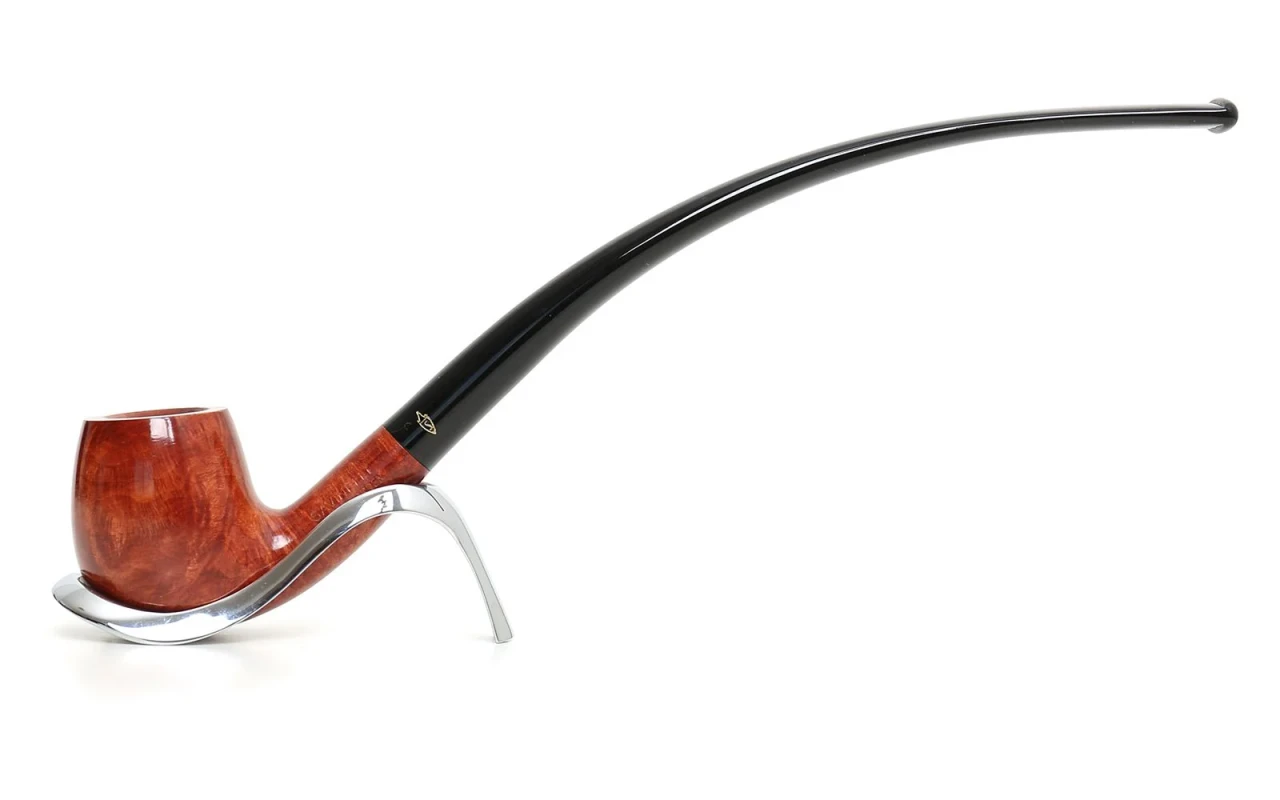
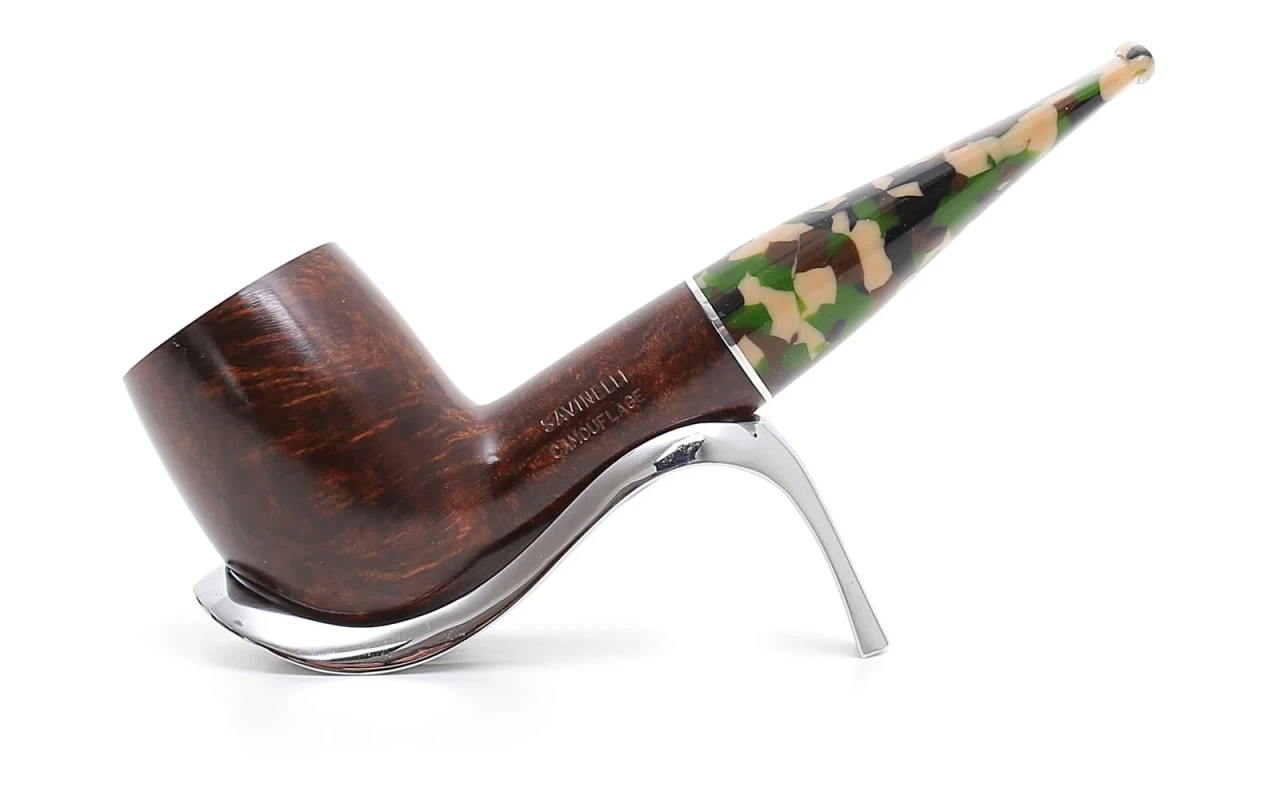
There are several alternative materials to briar wood for the production of pipes, capable of offering similar or complementary characteristics. Some options include:- Synthetic briar: a material composed of resins and wood fibers, designed to mimic the characteristics of briar wood.- Meerschaum: a porous stone derived from marine deposits, appreciated for its ability to absorb liquids and darken with use.- Corn cob: pipes made from dried corn, lightweight and affordable, often chosen for their practicality.These materials offer valid alternatives to traditional briar wood, with unique and distinctive characteristics.
Materials for smoking pipes
Smoking pipes can be made from different materials, each with unique characteristics. The main materials used include:- Briar wood: lightweight and durable, offering a neutral taste.- Chestnut wood: light and porous, absorbs moisture.- Meerschaum: porous stone that absorbs flavors, ensuring a cool smoke.- Clay: a traditional material that ensures a gentle smoke.- Corn cob: inexpensive and lightweight, often chosen for cheaper smoking pipes.The choice of material will influence the taste, lightness, and durability of the smoking pipe.
Alternative Handcrafted Pipes
Alternative handcrafted pipes are made with materials different from the classic wood, offering a variety of options for pipe smoking enthusiasts. Materials such as briar root, corn cob, clay, meerschaum, and even stone are used to create unique pipes. These alternatives provide different smoking experiences, influencing taste, temperature, and tactile sensations. Alternative handcrafted pipes are appreciated both for their unique aesthetics and for the distinctive smoking characteristics they offer, allowing smokers to customize their smoking experience.
Types of Wood for Pipes
There are several types of wood used in the production of smoking pipes. Among the most common are:- Briar: wood from the Erica Arborea shrub, known for its heat resistance and slow combustion.- Morta: fossil wood from trees buried for millennia in peat bogs, characterized by exceptional hardness and moisture absorption capacity.- Olive wood burl: a precious wood appreciated for its beauty and longevity.- Oak burl: sturdy and robust wood, often used for rustic pipes.- Cherry wood: with a warm and inviting appearance, ideal for elegant and refined pipes.Each type of wood imparts unique characteristics to the pipes in terms of taste, combustion, and longevity.
'%3e%3cg id='Final-Copy-2_2_' transform='translate(1275.000000, 200.000000)'%3e%3cpath class='st0' d='M7.4,12.8h6.8l3.1-11.6H7.4C4.2,1.2,1.6,3.8,1.6,7S4.2,12.8,7.4,12.8z'/%3e%3c/g%3e%3c/g%3e%3c/g%3e%3cg id='final---dec.11-2020'%3e%3cg id='_x30_208-our-toggle' transform='translate(-1275.000000, -200.000000)'%3e%3cg id='Final-Copy-2' transform='translate(1275.000000, 200.000000)'%3e%3cpath class='st1' d='M22.6,0H7.4c-3.9,0-7,3.1-7,7s3.1,7,7,7h15.2c3.9,0,7-3.1,7-7S26.4,0,22.6,0z M1.6,7c0-3.2,2.6-5.8,5.8-5.8 h9.9l-3.1,11.6H7.4C4.2,12.8,1.6,10.2,1.6,7z'/%3e%3cpath id='x' class='st2' d='M24.6,4c0.2,0.2,0.2,0.6,0,0.8l0,0L22.5,7l2.2,2.2c0.2,0.2,0.2,0.6,0,0.8c-0.2,0.2-0.6,0.2-0.8,0 l0,0l-2.2-2.2L19.5,10c-0.2,0.2-0.6,0.2-0.8,0c-0.2-0.2-0.2-0.6,0-0.8l0,0L20.8,7l-2.2-2.2c-0.2-0.2-0.2-0.6,0-0.8 c0.2-0.2,0.6-0.2,0.8,0l0,0l2.2,2.2L23.8,4C24,3.8,24.4,3.8,24.6,4z'/%3e%3cpath id='y' class='st3' d='M12.7,4.1c0.2,0.2,0.3,0.6,0.1,0.8l0,0L8.6,9.8C8.5,9.9,8.4,10,8.3,10c-0.2,0.1-0.5,0.1-0.7-0.1l0,0 L5.4,7.7c-0.2-0.2-0.2-0.6,0-0.8c0.2-0.2,0.6-0.2,0.8,0l0,0L8,8.6l3.8-4.5C12,3.9,12.4,3.9,12.7,4.1z'/%3e%3c/g%3e%3c/g%3e%3c/g%3e%3c/g%3e%3c/svg%3e) Your Privacy Choices
Your Privacy Choices 


