 ES
ES FR
FR EN
EN IT
IT DE
DE
Advantages and disadvantages of different materials
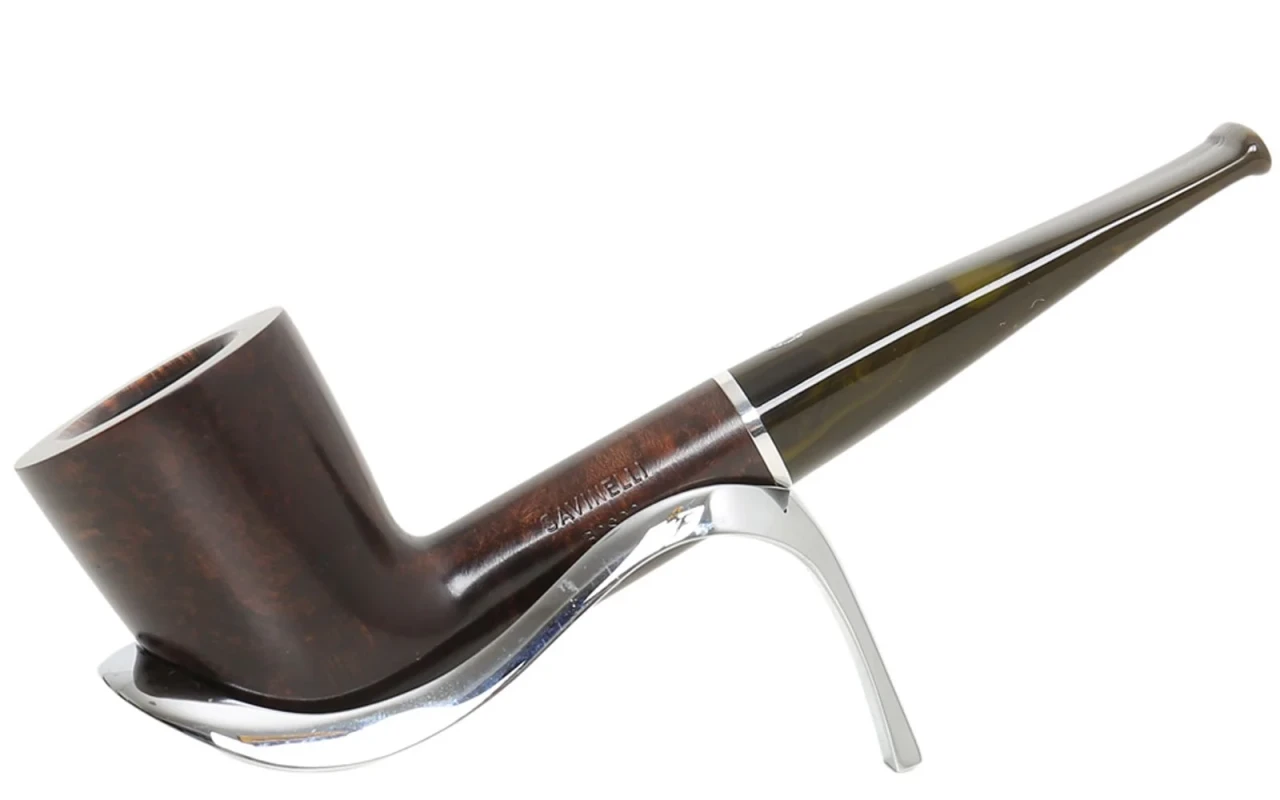
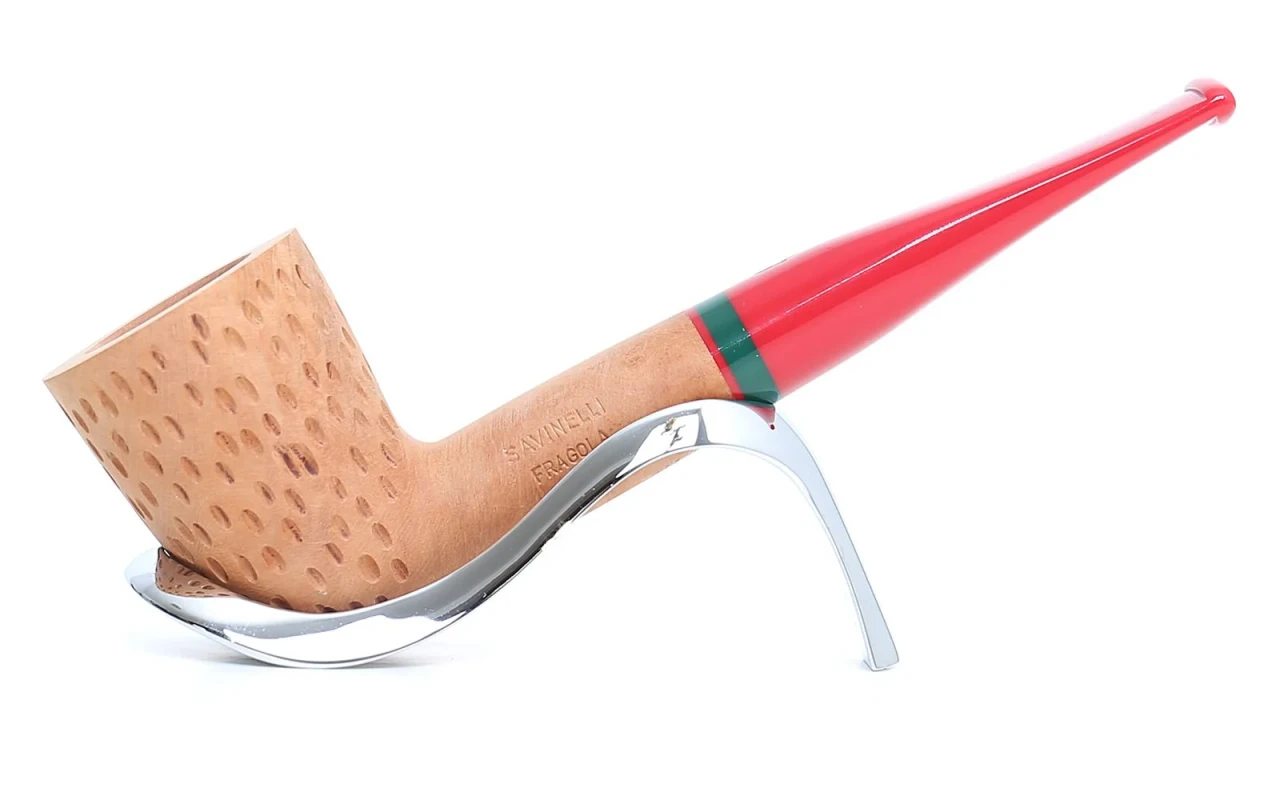
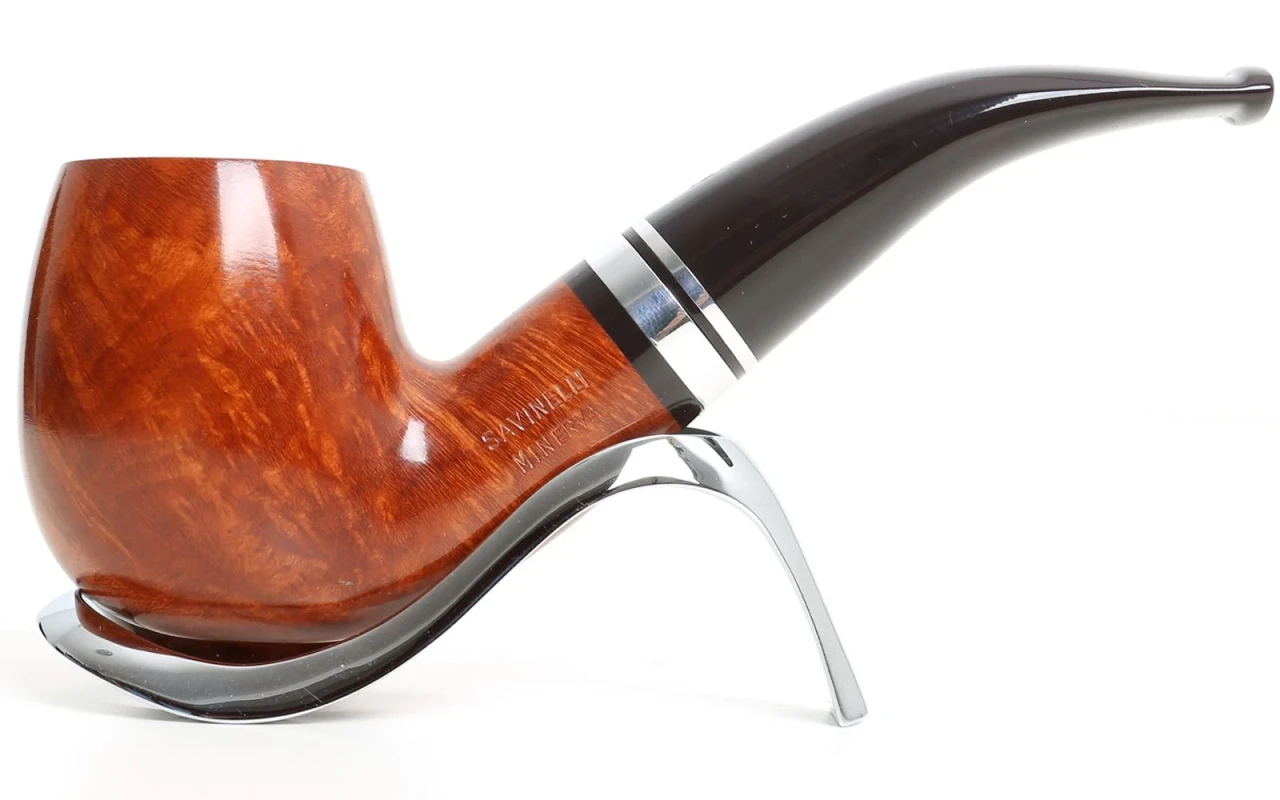
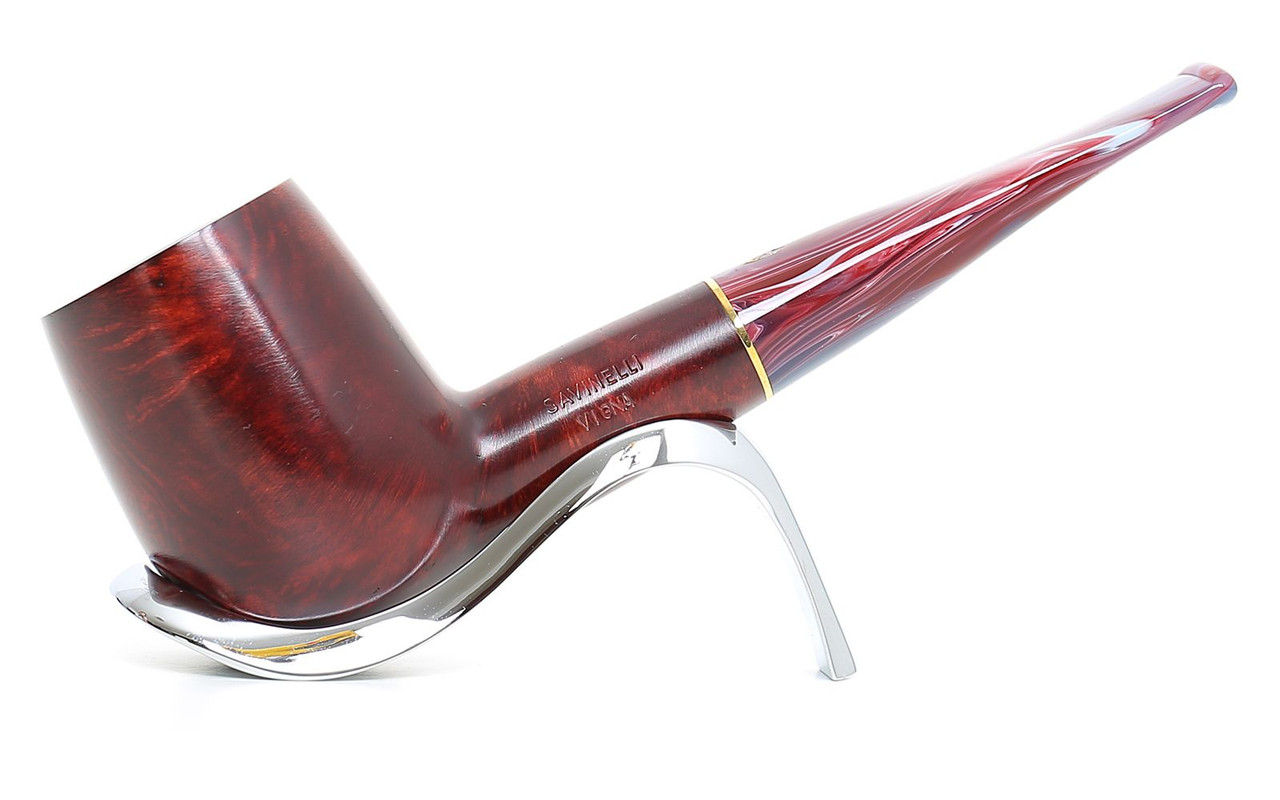
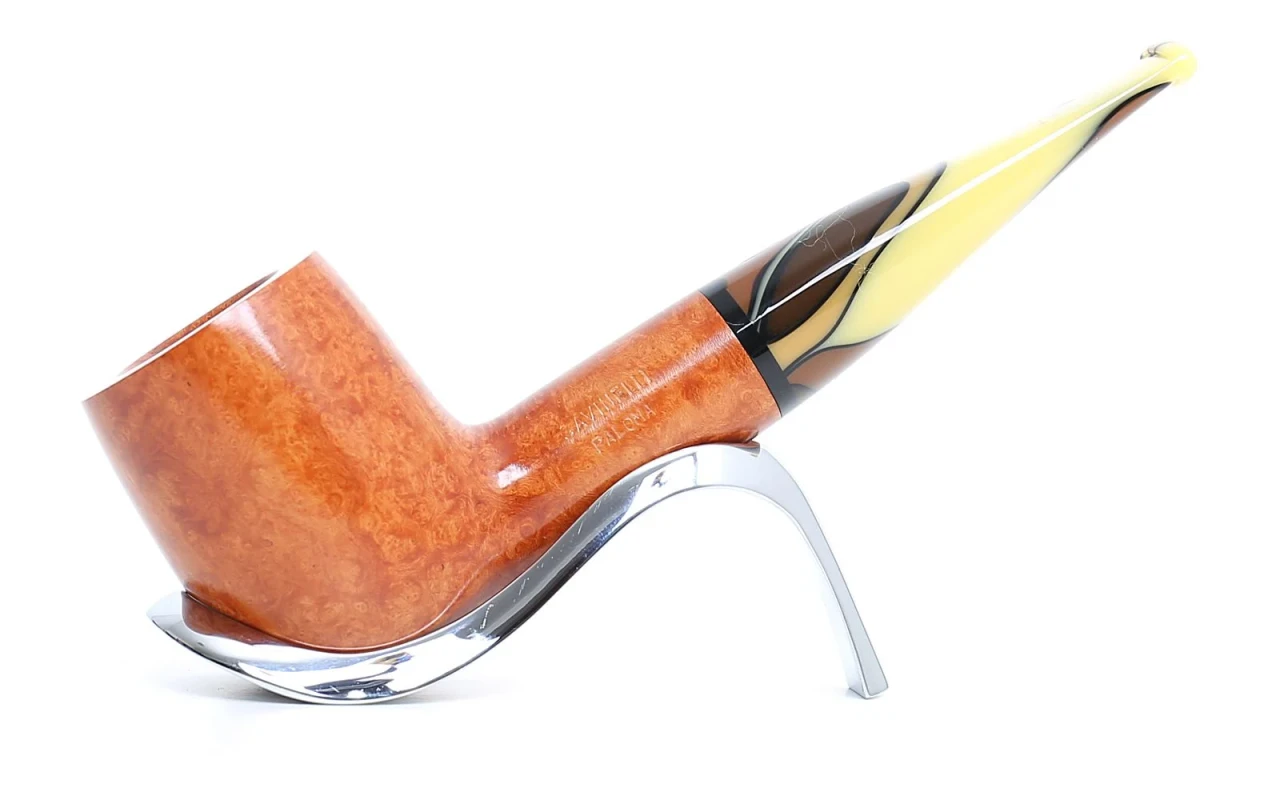
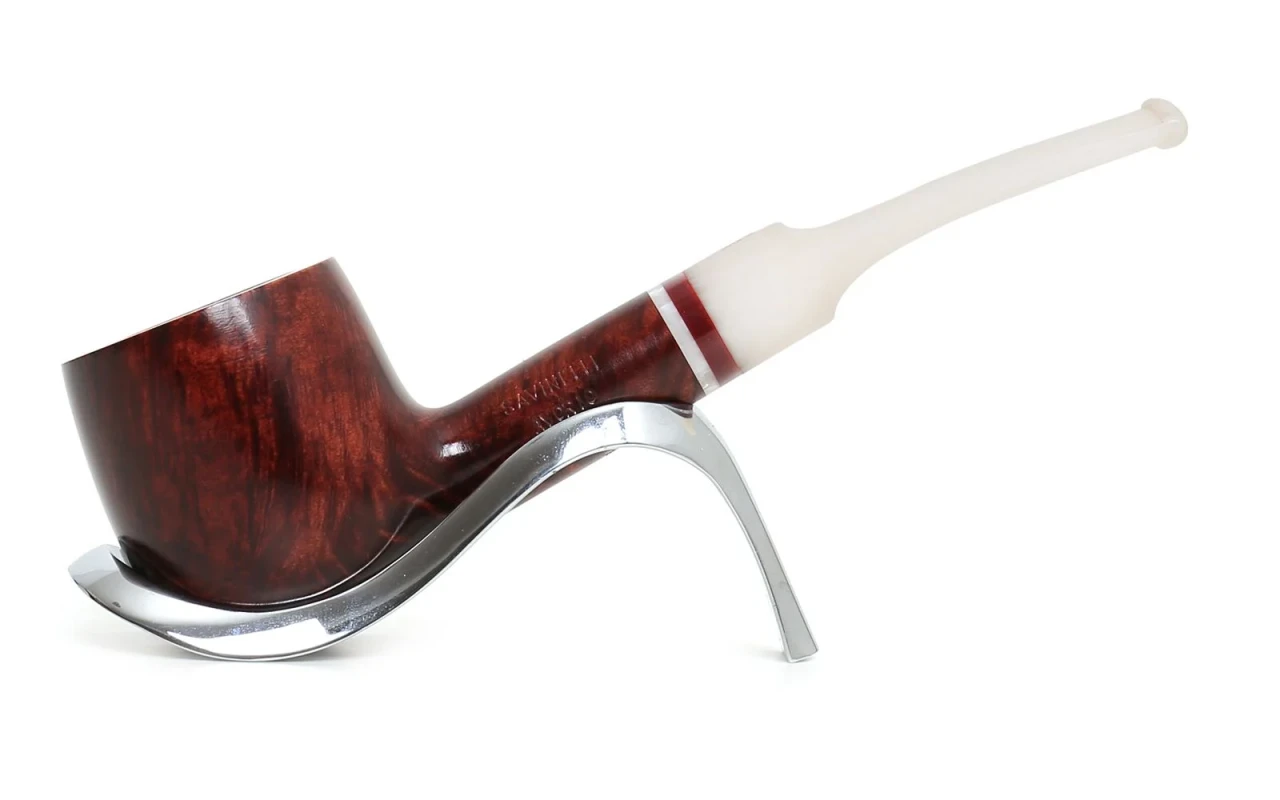
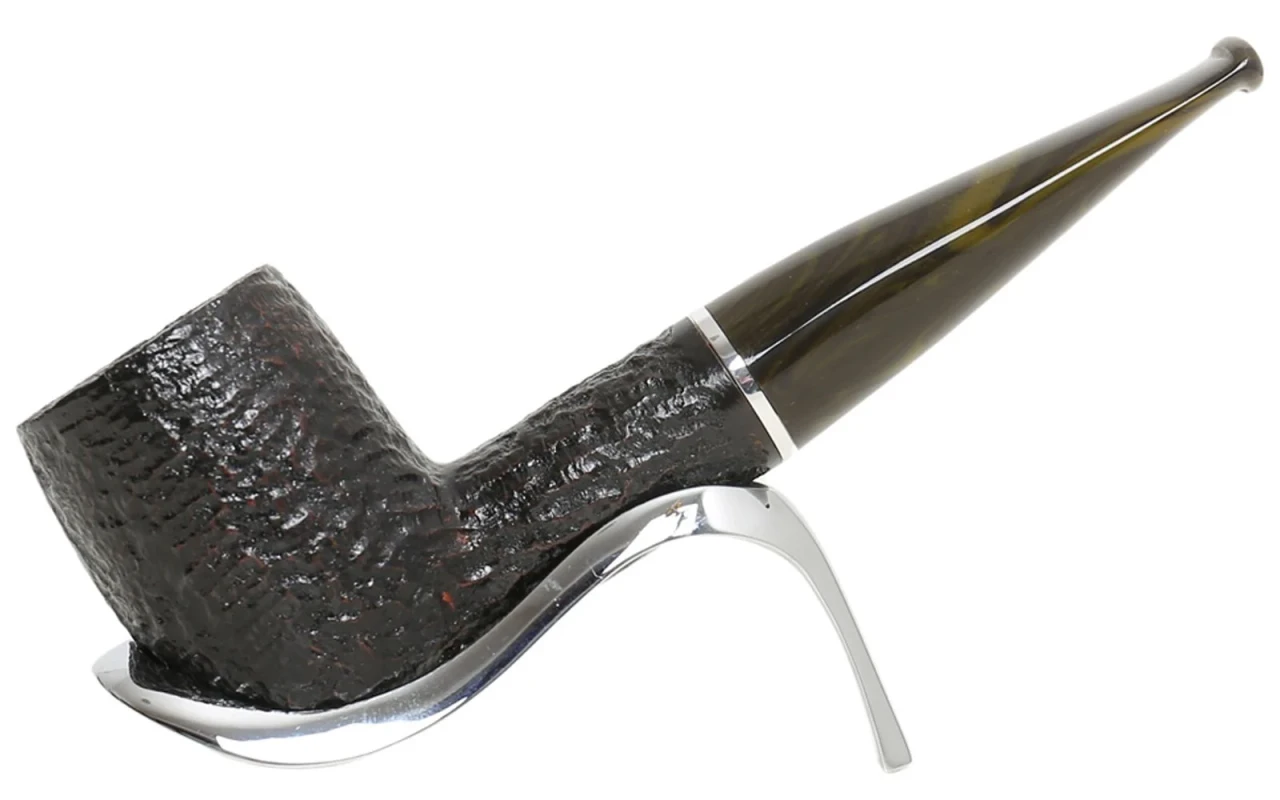
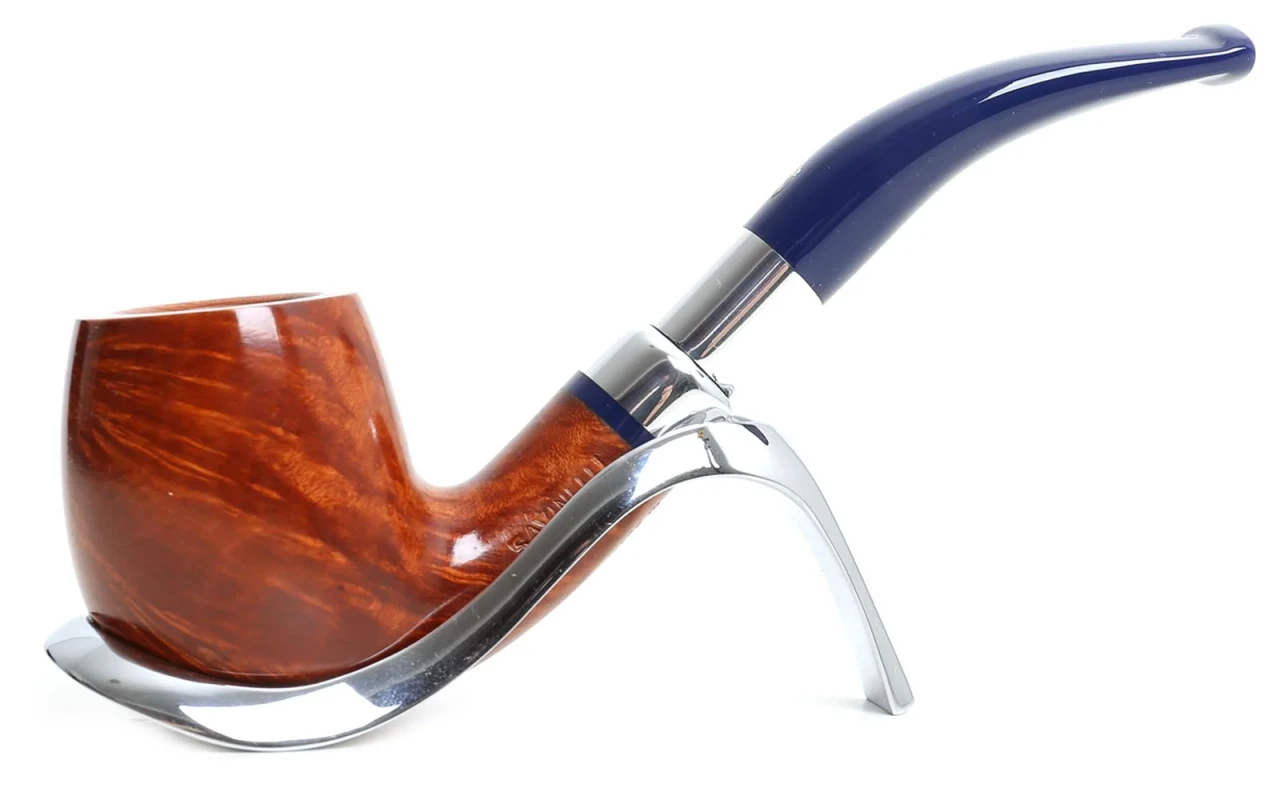
Advantages and disadvantages of different materials
The most common materials used for pipe production are wood, clay, corn cob, and metal. Each material has distinct advantages and disadvantages:Wood:- Advantages: lightweight, slow to heat up, absorbs moisture.- Disadvantages: requires constant care to avoid cracks or burns, can affect the taste of tobacco.Clay:- Advantages: flavor-neutral, maintains a cool temperature.- Disadvantages: fragile, can break easily.Corn Cob:- Advantages: lightweight, economical, absorbs moisture.- Disadvantages: less durable than other materials, can influence the taste.Metal:- Advantages: durable, easy to clean, does not affect the taste.- Disadvantages: prone to overheating, can spoil the tobacco flavor if not properly treated.
Materials for smoking pipes
The materials used for smoking pipes are mainly wood, briar, clay, corn cob, and metal. Each material offers unique characteristics that influence the taste, temperature, and smoke duration. Wooden pipes are traditional and provide a natural flavor to the tobacco. Briar pipes are appreciated for their durability and moisture-absorbing capability. Clay pipes are renowned for preserving the tobacco's flavor unaltered. Corn cob pipes are lightweight and cost-effective, ideal for beginners. Metal pipes are durable and easy to clean, but they can affect the tobacco taste.
Best Pipe Materials
Pipes can be crafted from various materials, each with unique characteristics that influence the smoking experience. The best materials for pipes include:- Briarwood: high-quality wood appreciated for its strength and moisture absorption capacity.- Briar: high-quality wood appreciated for its strength and moisture absorption capacity.- Corn Cob: economical and lightweight, ideal for travel pipes.- Clay: offers a neutral taste and a cool smoke, but requires special care.- Meerschaum: lightweight and porous, absorbs flavors and changes color over time.The choice of material depends on personal preferences regarding taste, weight, and pipe maintenance.
Materials for Handcrafted Pipes
Handcrafted pipes can be made with a variety of high-quality materials, each with unique characteristics. The most common materials include:- Briar wood: lightweight, heat-resistant, and with a natural grain that gives a unique look.- Mediterranean briar: high-quality wood, highly resistant, and with an excellent finish.- Corn cob: lightweight and cost-effective, especially suitable for travel pipes.- Silver: used for fittings and details, adding elegance and a refined finish.- Meerschaum: a porous stone that absorbs smoke, ensuring a cool and dry smoke.The choice of material will influence the weight, strength, and aesthetic characteristics of the handcrafted pipe.
'%3e%3cg id='Final-Copy-2_2_' transform='translate(1275.000000, 200.000000)'%3e%3cpath class='st0' d='M7.4,12.8h6.8l3.1-11.6H7.4C4.2,1.2,1.6,3.8,1.6,7S4.2,12.8,7.4,12.8z'/%3e%3c/g%3e%3c/g%3e%3c/g%3e%3cg id='final---dec.11-2020'%3e%3cg id='_x30_208-our-toggle' transform='translate(-1275.000000, -200.000000)'%3e%3cg id='Final-Copy-2' transform='translate(1275.000000, 200.000000)'%3e%3cpath class='st1' d='M22.6,0H7.4c-3.9,0-7,3.1-7,7s3.1,7,7,7h15.2c3.9,0,7-3.1,7-7S26.4,0,22.6,0z M1.6,7c0-3.2,2.6-5.8,5.8-5.8 h9.9l-3.1,11.6H7.4C4.2,12.8,1.6,10.2,1.6,7z'/%3e%3cpath id='x' class='st2' d='M24.6,4c0.2,0.2,0.2,0.6,0,0.8l0,0L22.5,7l2.2,2.2c0.2,0.2,0.2,0.6,0,0.8c-0.2,0.2-0.6,0.2-0.8,0 l0,0l-2.2-2.2L19.5,10c-0.2,0.2-0.6,0.2-0.8,0c-0.2-0.2-0.2-0.6,0-0.8l0,0L20.8,7l-2.2-2.2c-0.2-0.2-0.2-0.6,0-0.8 c0.2-0.2,0.6-0.2,0.8,0l0,0l2.2,2.2L23.8,4C24,3.8,24.4,3.8,24.6,4z'/%3e%3cpath id='y' class='st3' d='M12.7,4.1c0.2,0.2,0.3,0.6,0.1,0.8l0,0L8.6,9.8C8.5,9.9,8.4,10,8.3,10c-0.2,0.1-0.5,0.1-0.7-0.1l0,0 L5.4,7.7c-0.2-0.2-0.2-0.6,0-0.8c0.2-0.2,0.6-0.2,0.8,0l0,0L8,8.6l3.8-4.5C12,3.9,12.4,3.9,12.7,4.1z'/%3e%3c/g%3e%3c/g%3e%3c/g%3e%3c/g%3e%3c/svg%3e) Your Privacy Choices
Your Privacy Choices 


