 ES
ES FR
FR EN
EN IT
IT DE
DE
Absorption of oils in briar pipe tobacco
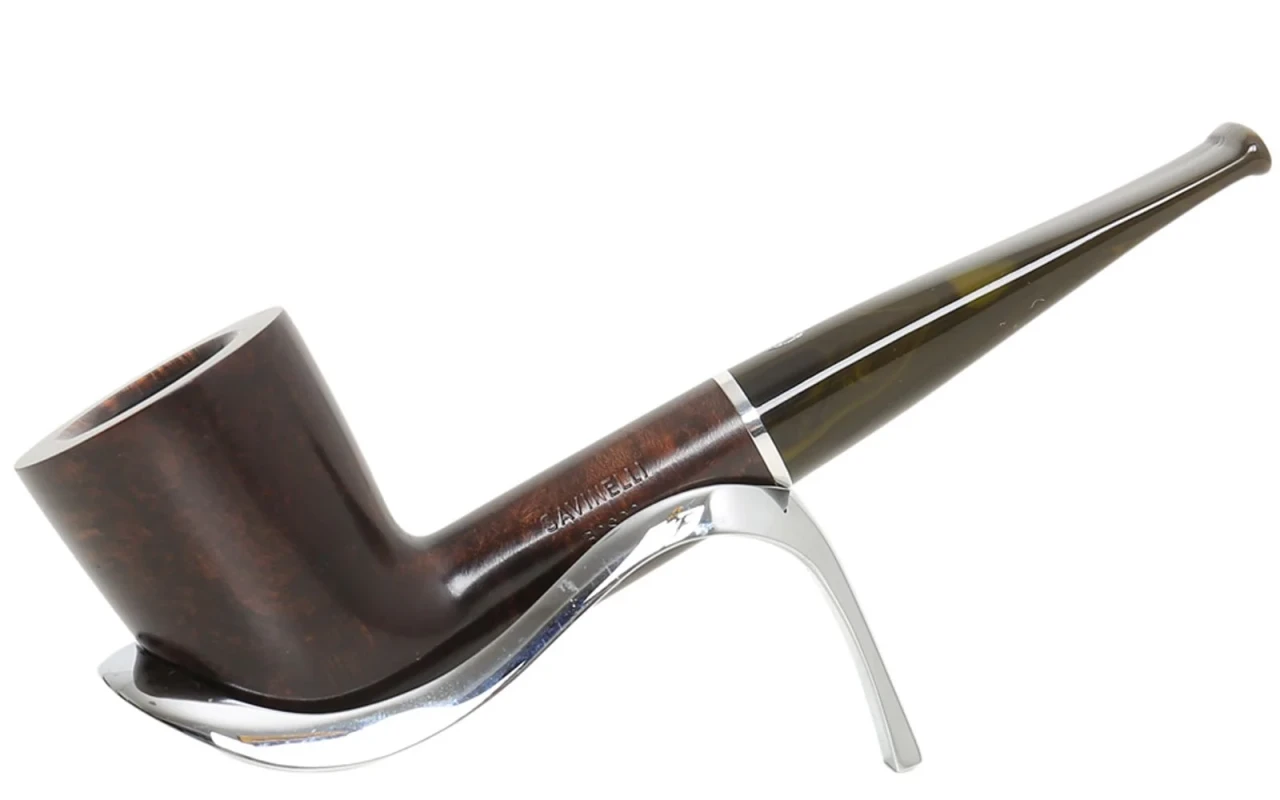
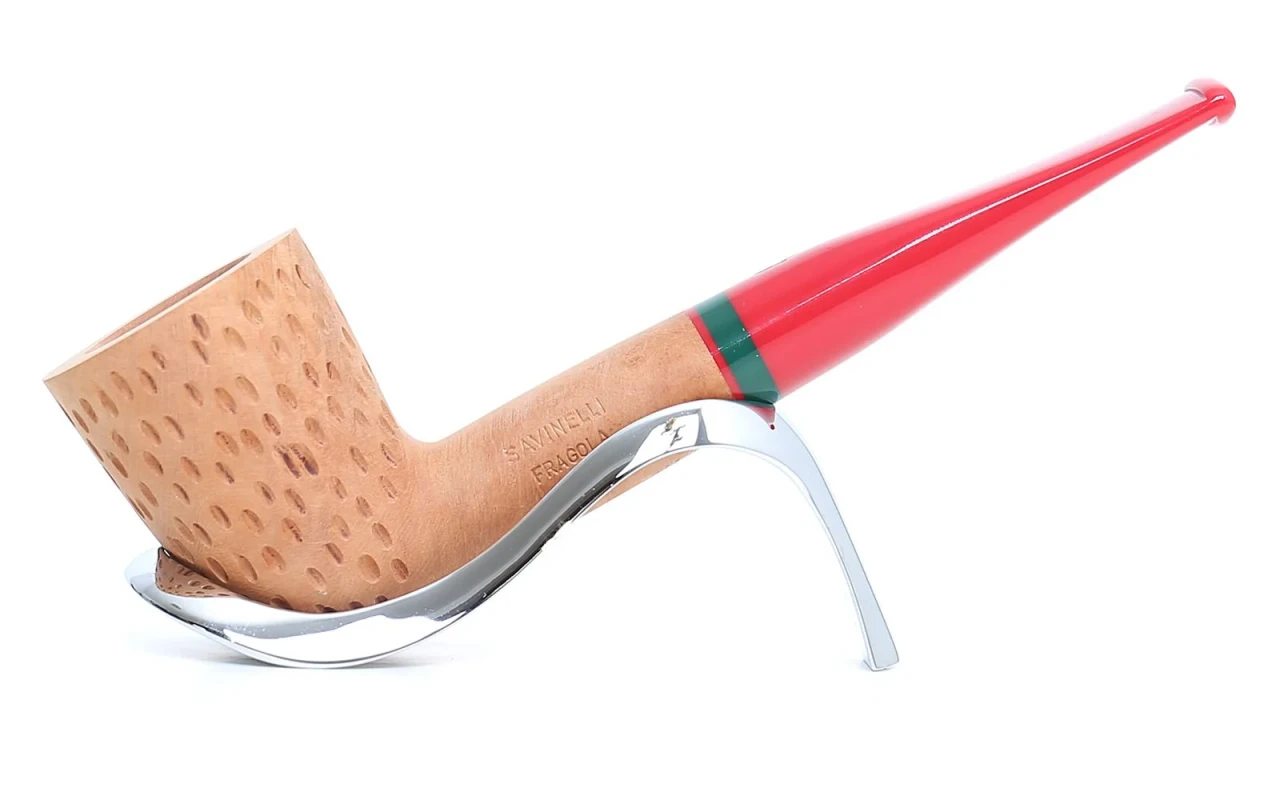
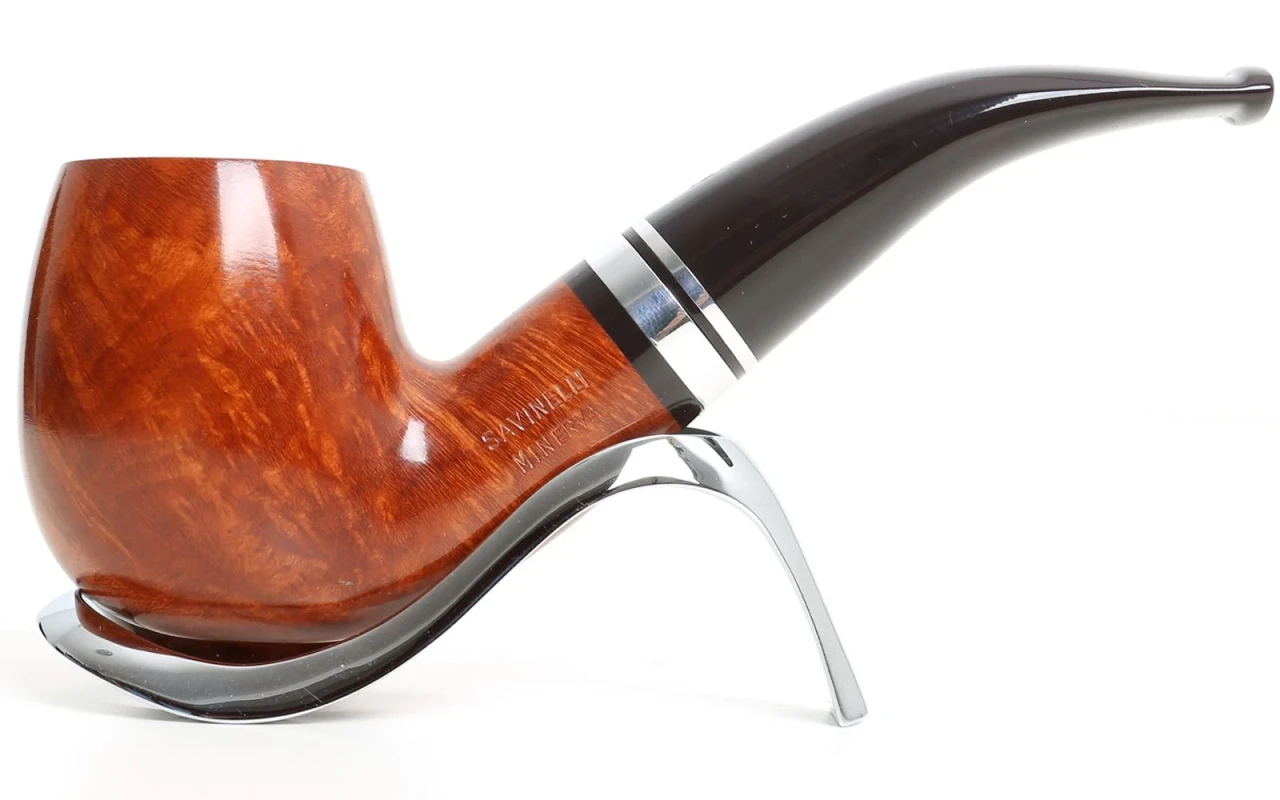
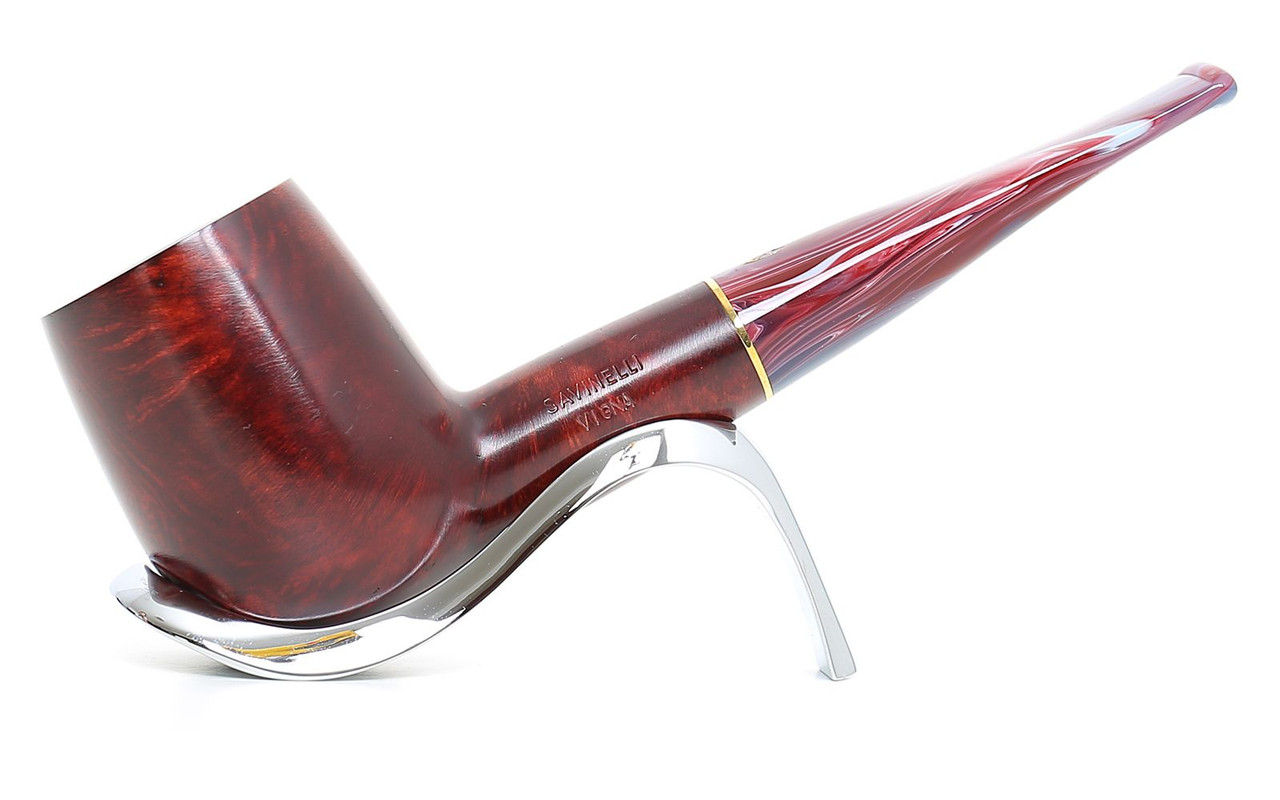
Absorption of oils in briar pipe tobacco
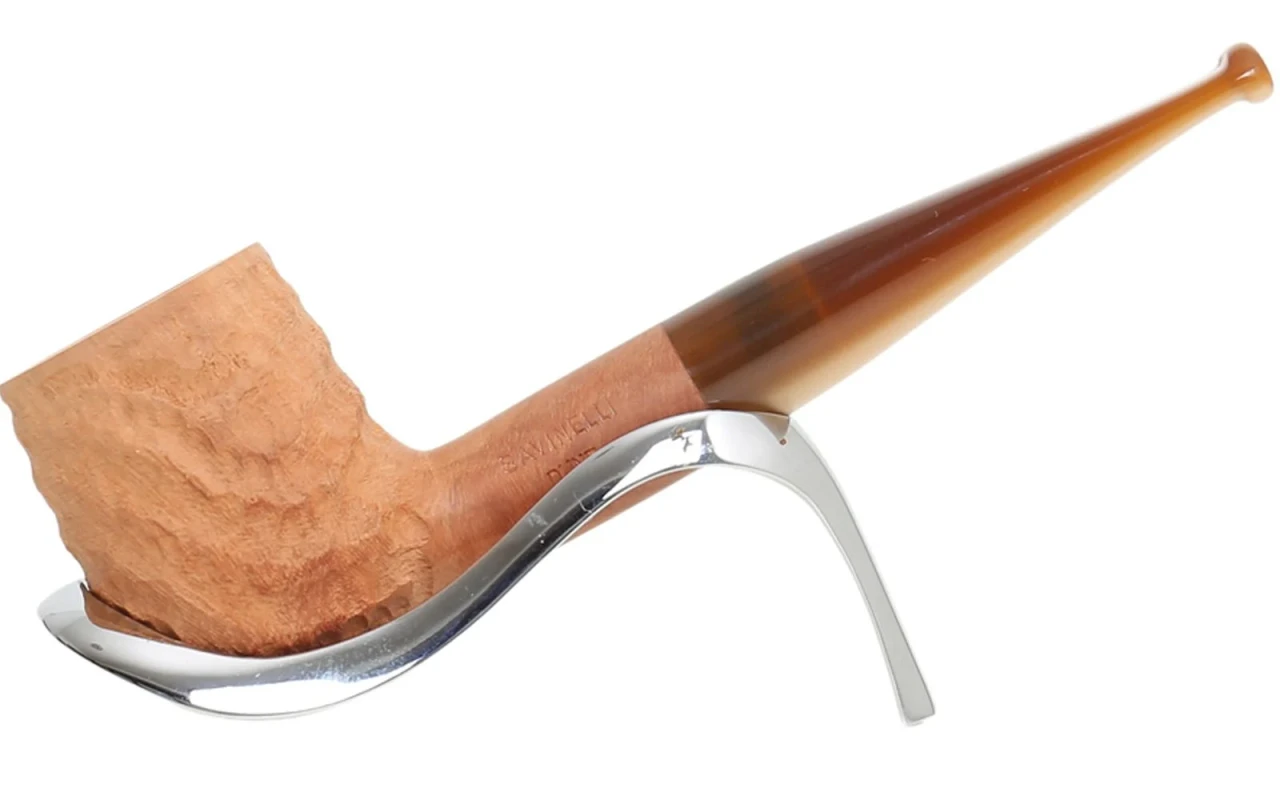
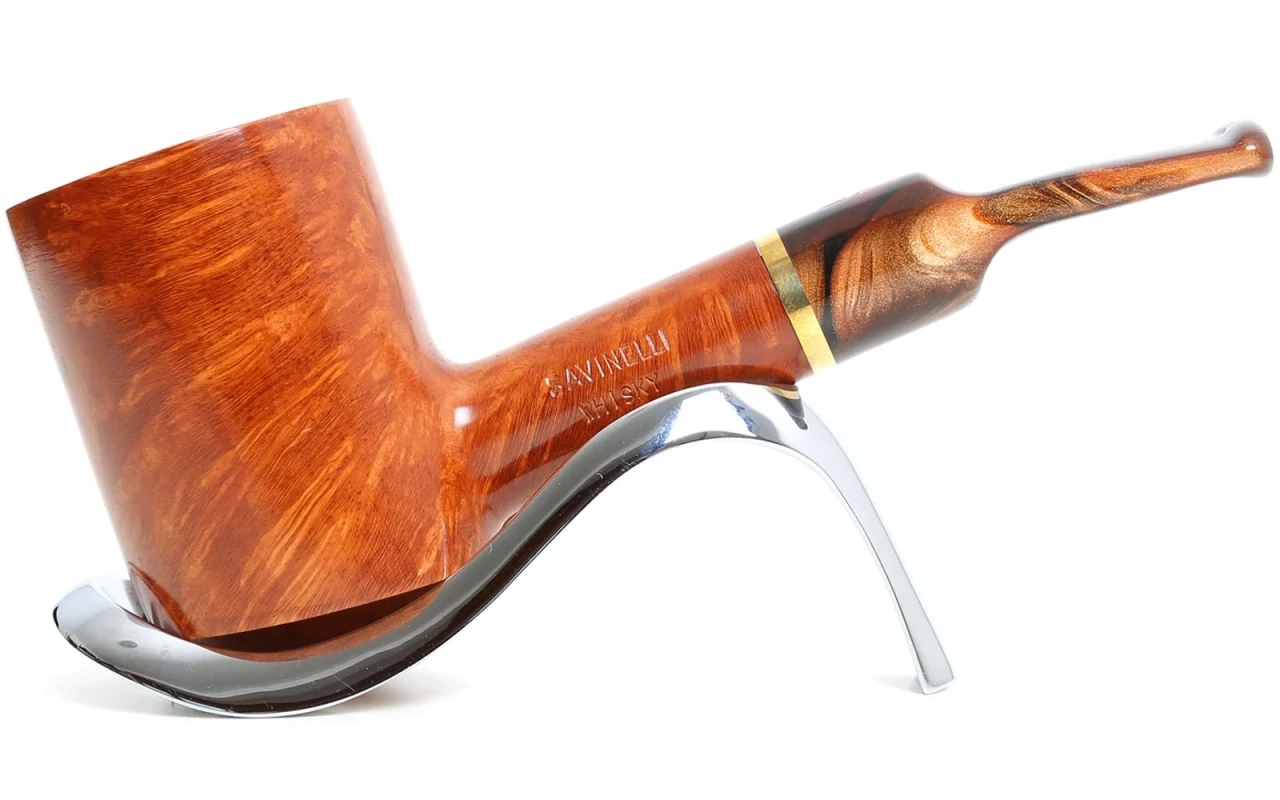
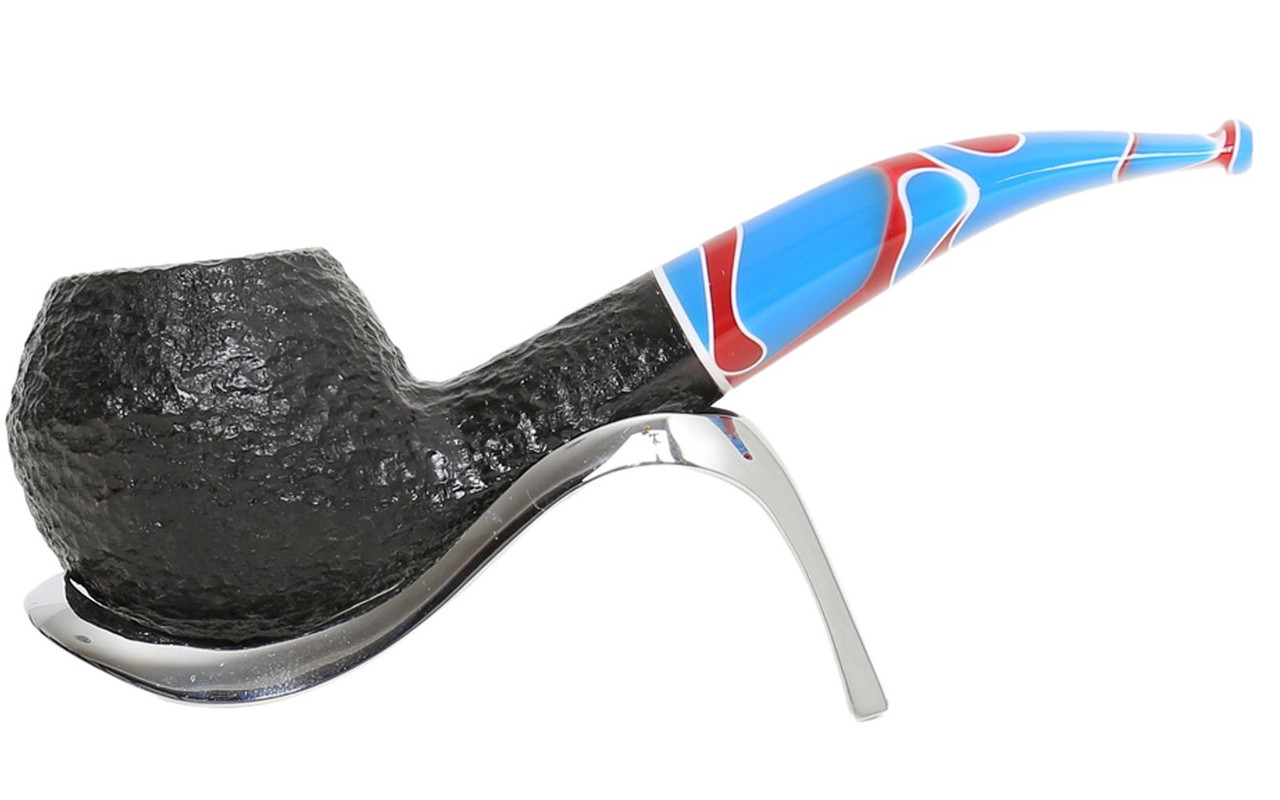
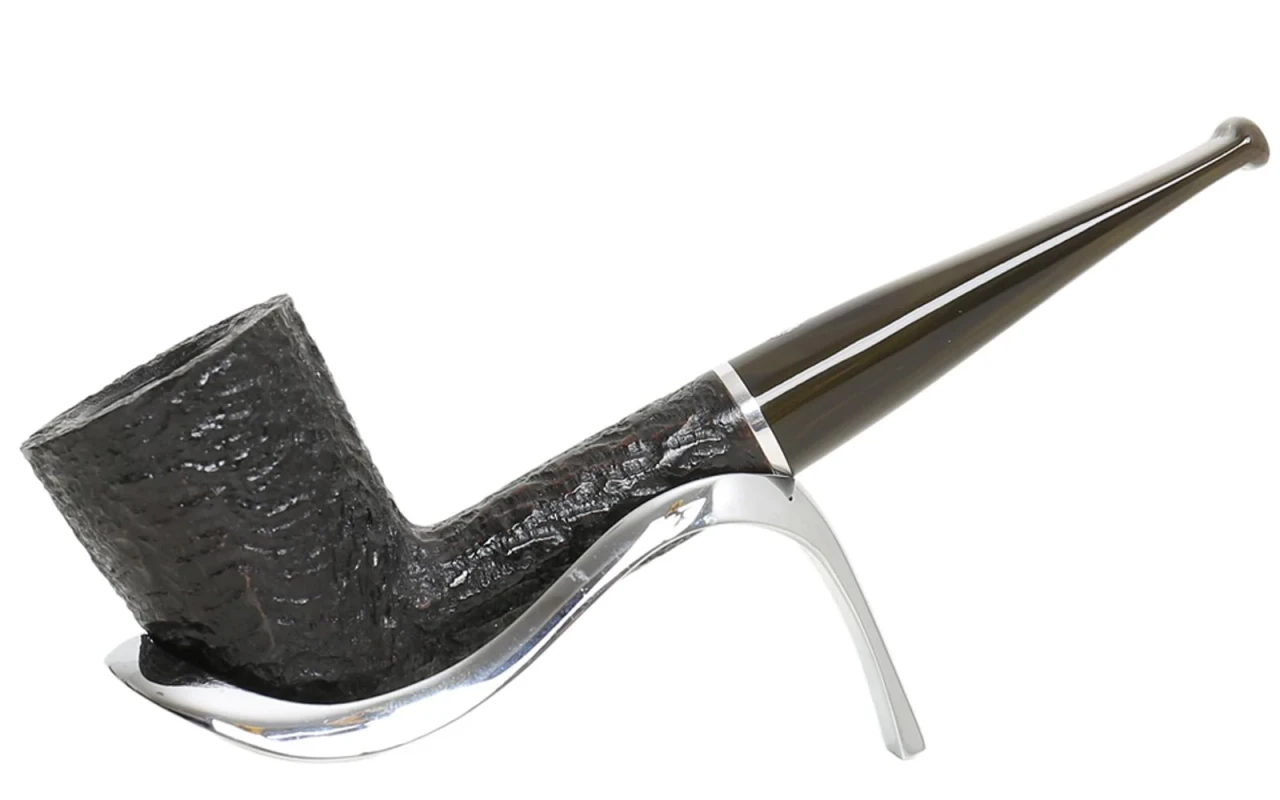
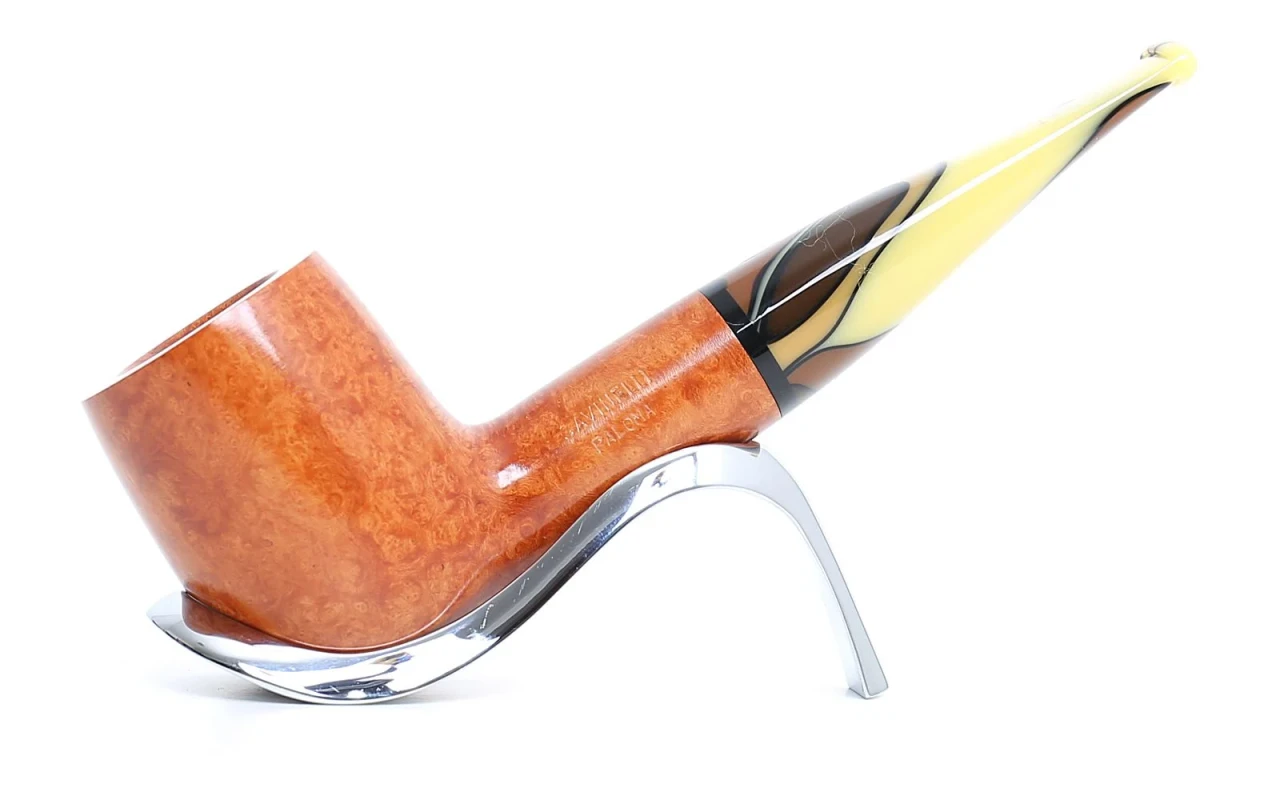
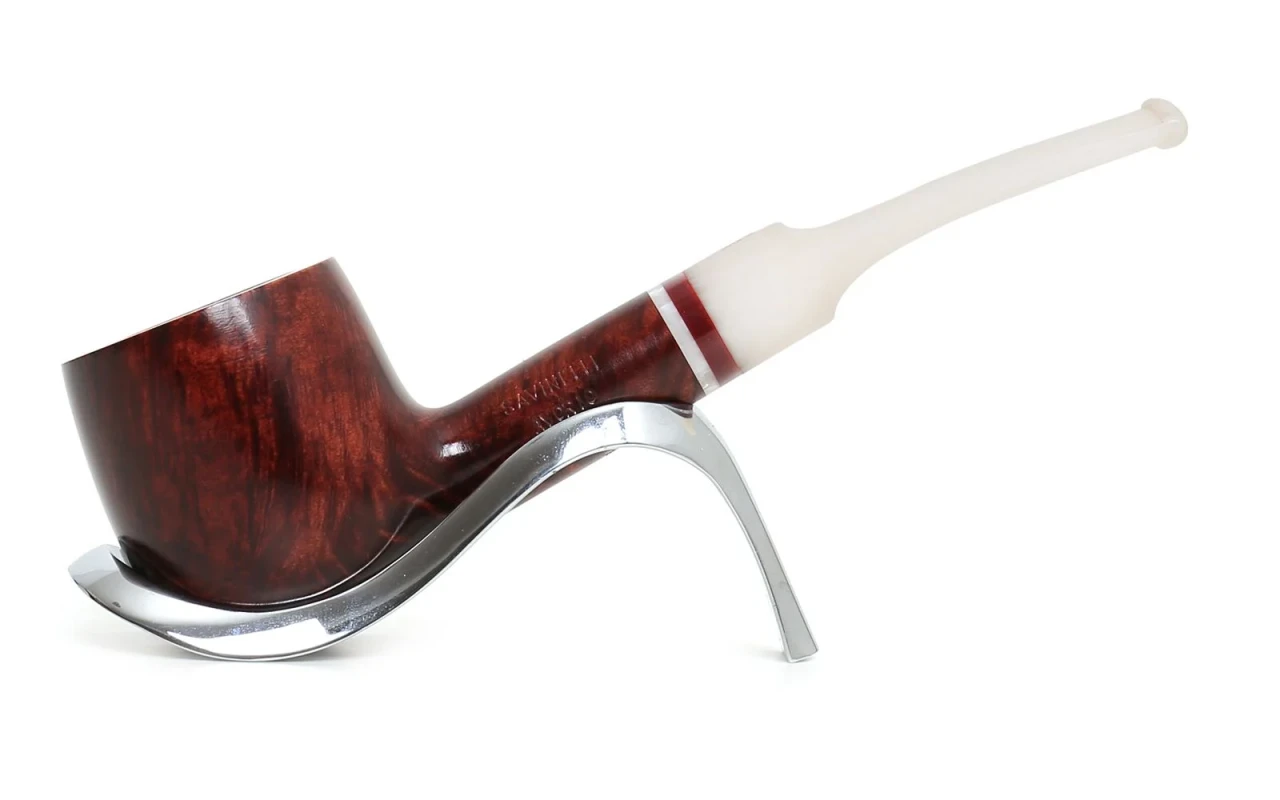
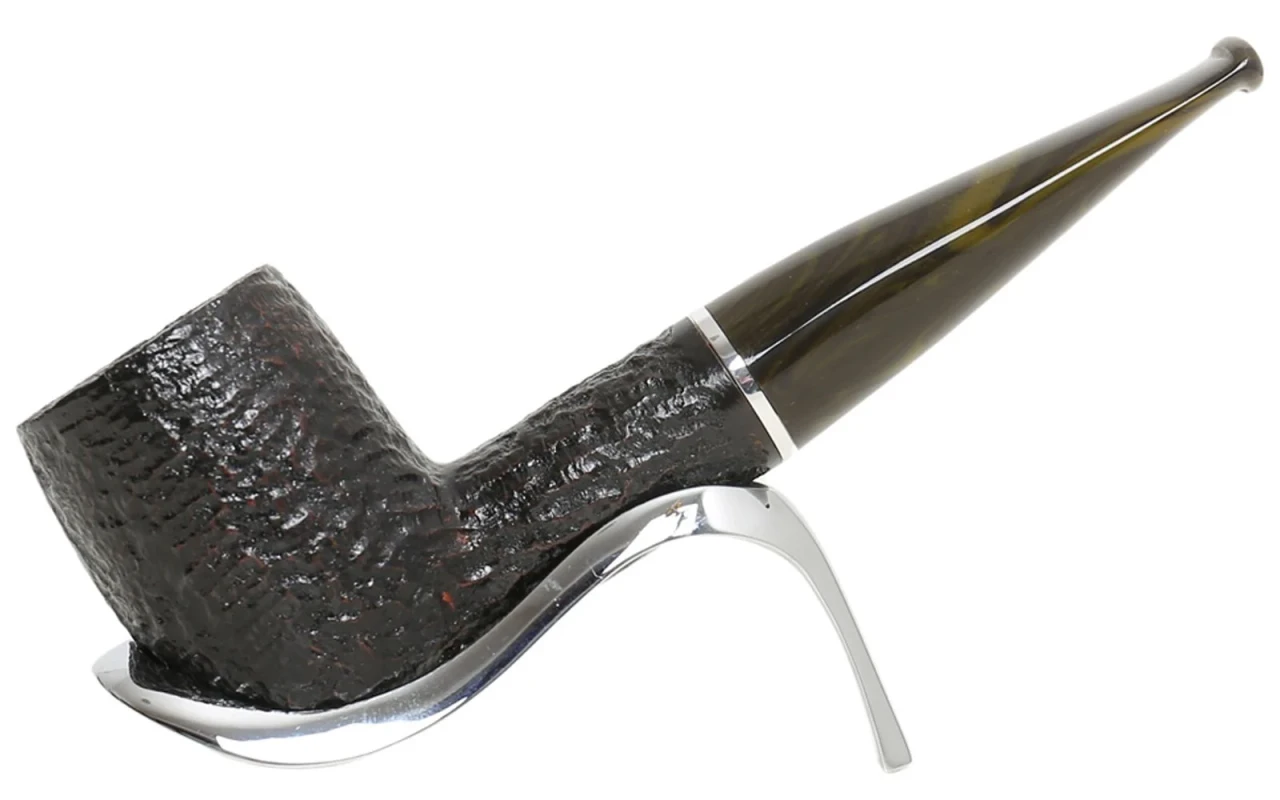
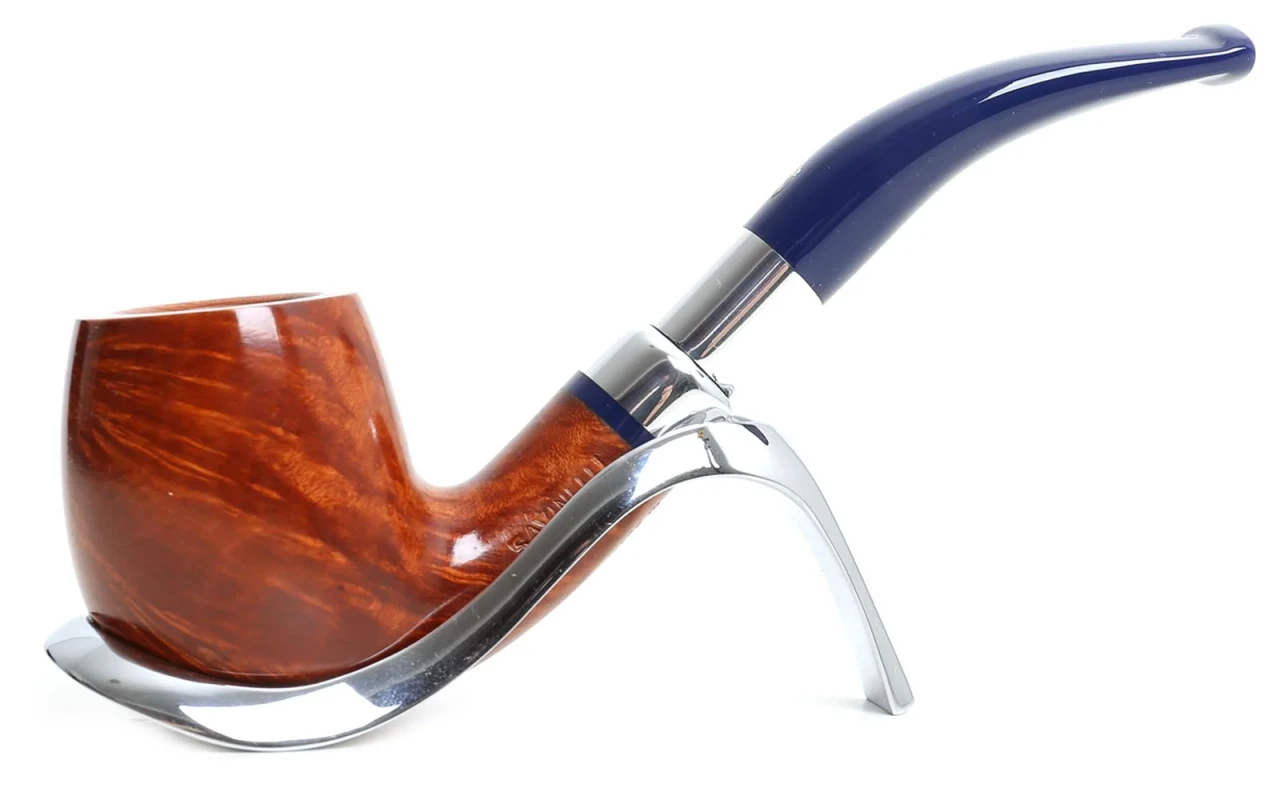
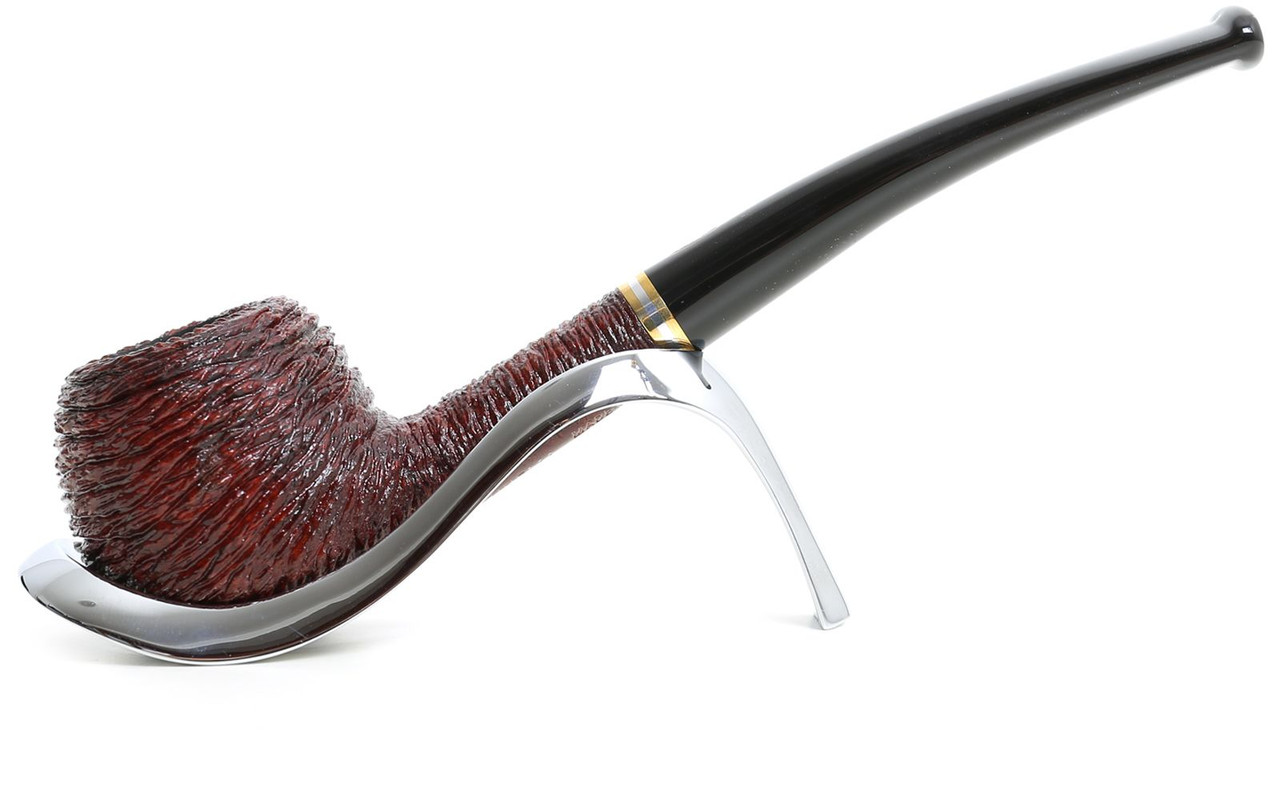
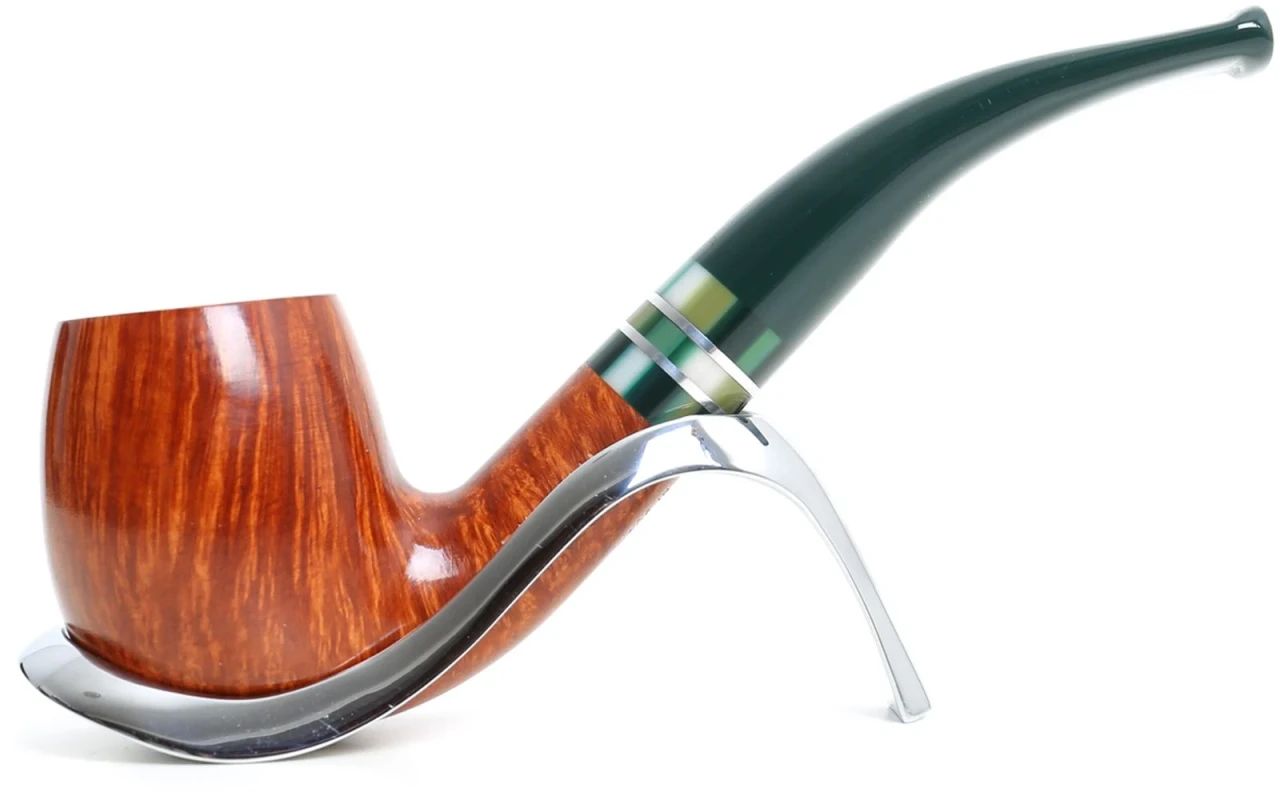
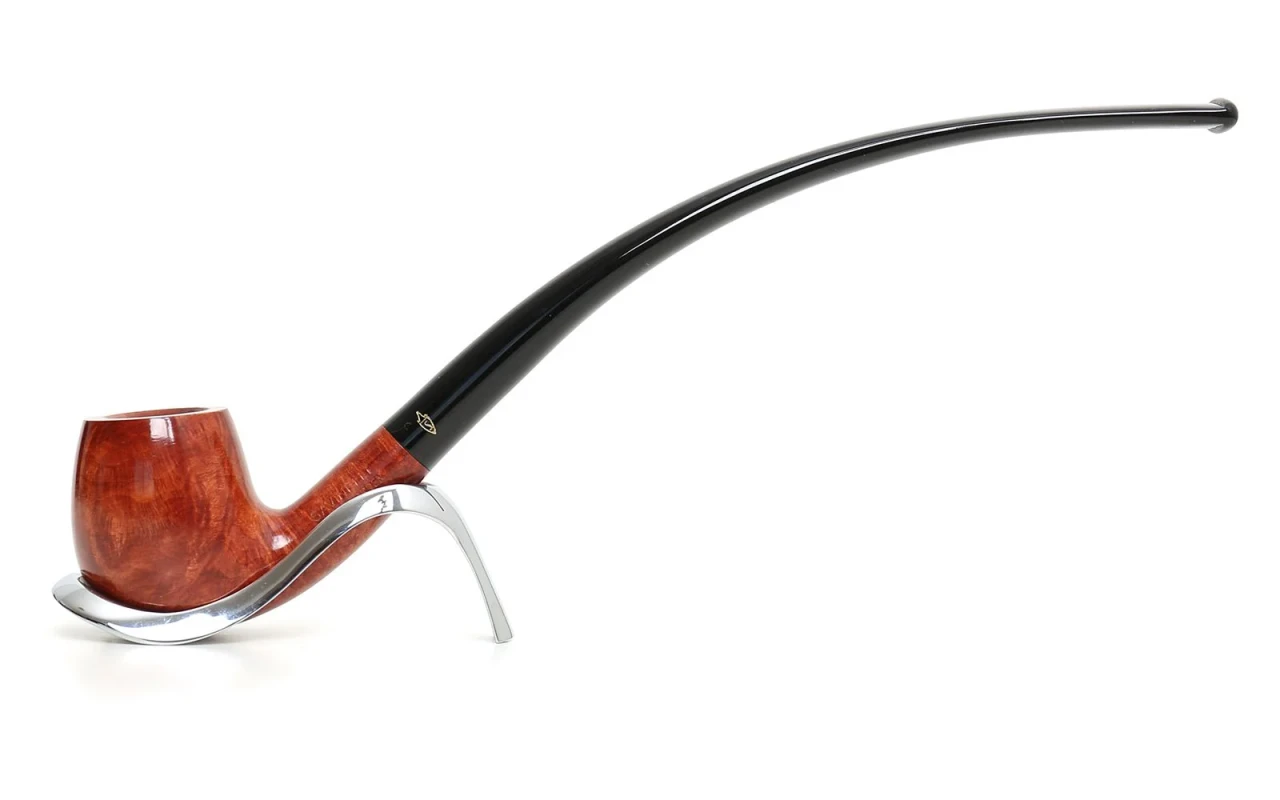
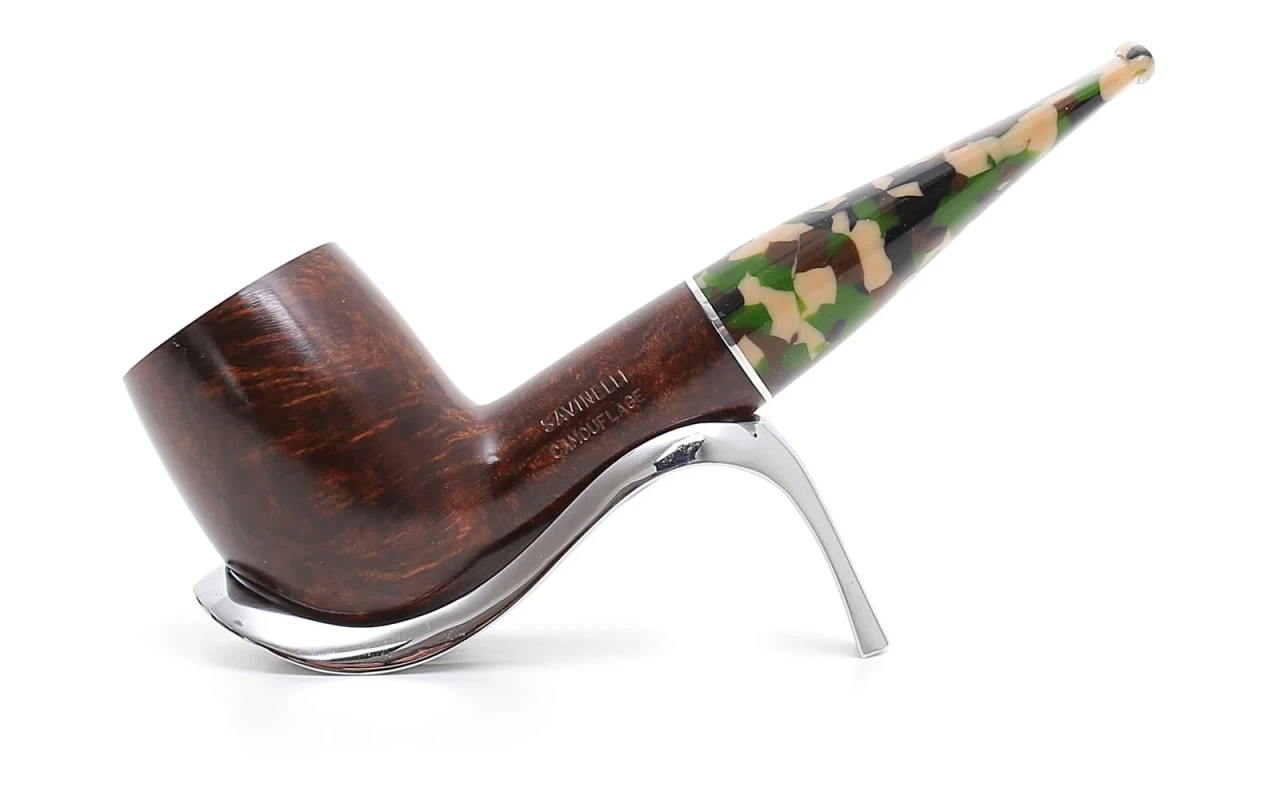
The absorption of oils in briar pipe tobacco is a natural process that occurs during combustion. Briar, being a porous material, absorbs the oils released by the burning tobacco, contributing to enhancing the flavor and aroma of the pipe. This unique characteristic of briar causes the pipe to develop an internal patina over time, which positively influences the smoking experience. It is important to regularly care for and clean the pipe to maintain the oil absorption capacity intact and ensure an optimal smoking session.
Best briar pipe tobacco
The best briar pipe tobacco is the one that perfectly suits each smoker's personal preferences. However, there are some varieties of tobacco that are particularly appreciated by briar pipe enthusiasts. Among the most popular choices are aromatic tobaccos, which offer a wide range of flavors such as vanilla, fruit, or spices. On the other hand, non-aromatic pipe tobaccos are valued for their natural and complex flavors, which can include notes of wood, leather, or dried fruit. Lastly, Latakia pipe tobaccos are known for their distinctive smoky flavor, derived from the tobacco drying process over a wood fire.
How to Clean the Briar of a Pipe
Cleaning the briar of a pipe is an important process to ensure optimal smoking and to keep the pipe in optimal conditions over time. Here's how you can clean the briar of your pipe:- Gently remove the pipe bowl.- Use a pipe reamer or a pipe cleaner to remove any tobacco and tar residues.- Pass a slightly damp cotton swab inside the briar to eliminate any traces of smoke or moisture.- Allow the pipe to dry thoroughly before using it again.- For a more thorough cleaning, you can use a specific liquid to clean the briar of the pipe.By following these simple steps, you can keep your pipe in excellent condition and enjoy pleasant and hassle-free smoking sessions.
Effects of heating pipe tobacco
Heating pipe tobacco can significantly influence its aroma and combustion. When the tobacco is heated too intensely, there is a risk of burning it instead of vaporizing it, compromising the smoke quality and producing a bitter and acrid taste. On the other hand, too light heating may not activate all the aromatic compounds present in the tobacco, reducing the intensity of taste and aroma. It is essential to find the right balance in the heating phase to achieve even combustion and a satisfying smoking experience. Paying attention to the temperature and heating technique is crucial to fully enjoy the organoleptic properties of pipe tobacco.
'%3e%3cg id='Final-Copy-2_2_' transform='translate(1275.000000, 200.000000)'%3e%3cpath class='st0' d='M7.4,12.8h6.8l3.1-11.6H7.4C4.2,1.2,1.6,3.8,1.6,7S4.2,12.8,7.4,12.8z'/%3e%3c/g%3e%3c/g%3e%3c/g%3e%3cg id='final---dec.11-2020'%3e%3cg id='_x30_208-our-toggle' transform='translate(-1275.000000, -200.000000)'%3e%3cg id='Final-Copy-2' transform='translate(1275.000000, 200.000000)'%3e%3cpath class='st1' d='M22.6,0H7.4c-3.9,0-7,3.1-7,7s3.1,7,7,7h15.2c3.9,0,7-3.1,7-7S26.4,0,22.6,0z M1.6,7c0-3.2,2.6-5.8,5.8-5.8 h9.9l-3.1,11.6H7.4C4.2,12.8,1.6,10.2,1.6,7z'/%3e%3cpath id='x' class='st2' d='M24.6,4c0.2,0.2,0.2,0.6,0,0.8l0,0L22.5,7l2.2,2.2c0.2,0.2,0.2,0.6,0,0.8c-0.2,0.2-0.6,0.2-0.8,0 l0,0l-2.2-2.2L19.5,10c-0.2,0.2-0.6,0.2-0.8,0c-0.2-0.2-0.2-0.6,0-0.8l0,0L20.8,7l-2.2-2.2c-0.2-0.2-0.2-0.6,0-0.8 c0.2-0.2,0.6-0.2,0.8,0l0,0l2.2,2.2L23.8,4C24,3.8,24.4,3.8,24.6,4z'/%3e%3cpath id='y' class='st3' d='M12.7,4.1c0.2,0.2,0.3,0.6,0.1,0.8l0,0L8.6,9.8C8.5,9.9,8.4,10,8.3,10c-0.2,0.1-0.5,0.1-0.7-0.1l0,0 L5.4,7.7c-0.2-0.2-0.2-0.6,0-0.8c0.2-0.2,0.6-0.2,0.8,0l0,0L8,8.6l3.8-4.5C12,3.9,12.4,3.9,12.7,4.1z'/%3e%3c/g%3e%3c/g%3e%3c/g%3e%3c/g%3e%3c/svg%3e) Your Privacy Choices
Your Privacy Choices 


