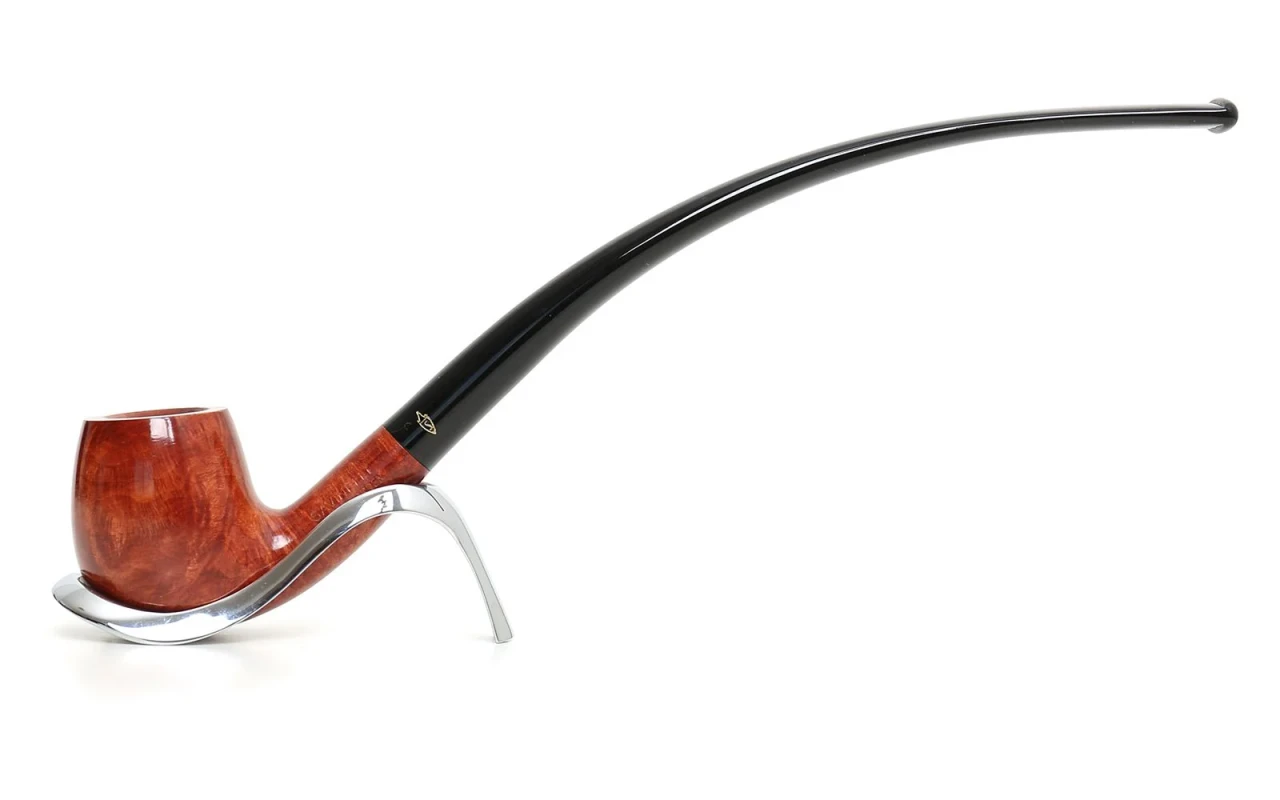
In the 17th century, the most widespread pipes were made of clay, a common and easily moldable material. These pipes had simple and functional shapes, often featuring a long stem to cool the smoke. The spread of these pipes was linked to the expansion of tobacco in Europe and the emerging culture of slow smoking.
Which pipes were widespread in the 17th century? Deep dive
During the 17th century, the most common pipes were clay pipes, chosen for their accessibility and ease of crafting. These pipes typically featured simple designs, often with a long and slender stem designed to cool the smoke before it reached the smoker’s mouth. The expansion of tobacco across Europe, driven by trade and colonization, led to the increasing popularity of slow smoking, with clay pipes becoming the primary instrument for this practice. Pipes from this period were mainly functional, lacking elaborate decorations or finishes, reflecting a smoking culture still in the process of formation and dissemination. Today, these objects hold significant historical value as testimony to the birth and evolution of the slow smoking tradition in Europe.