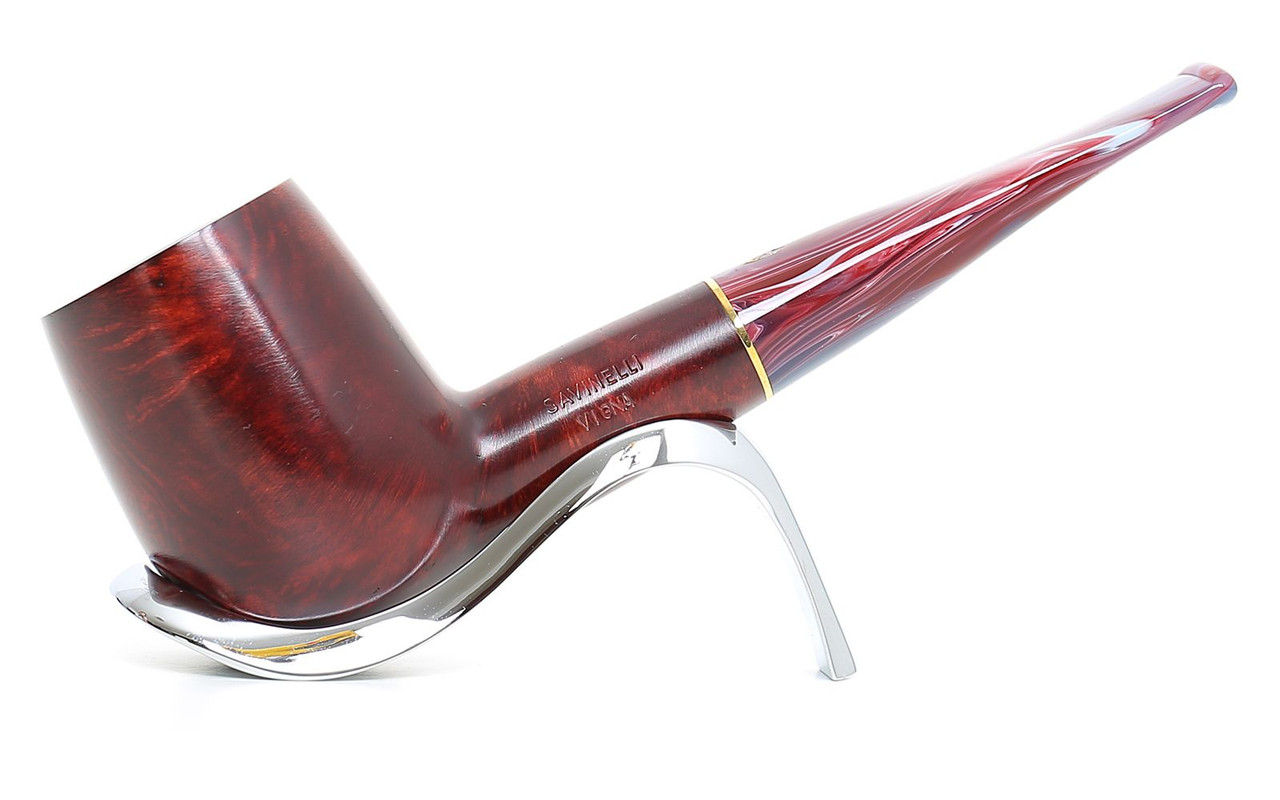
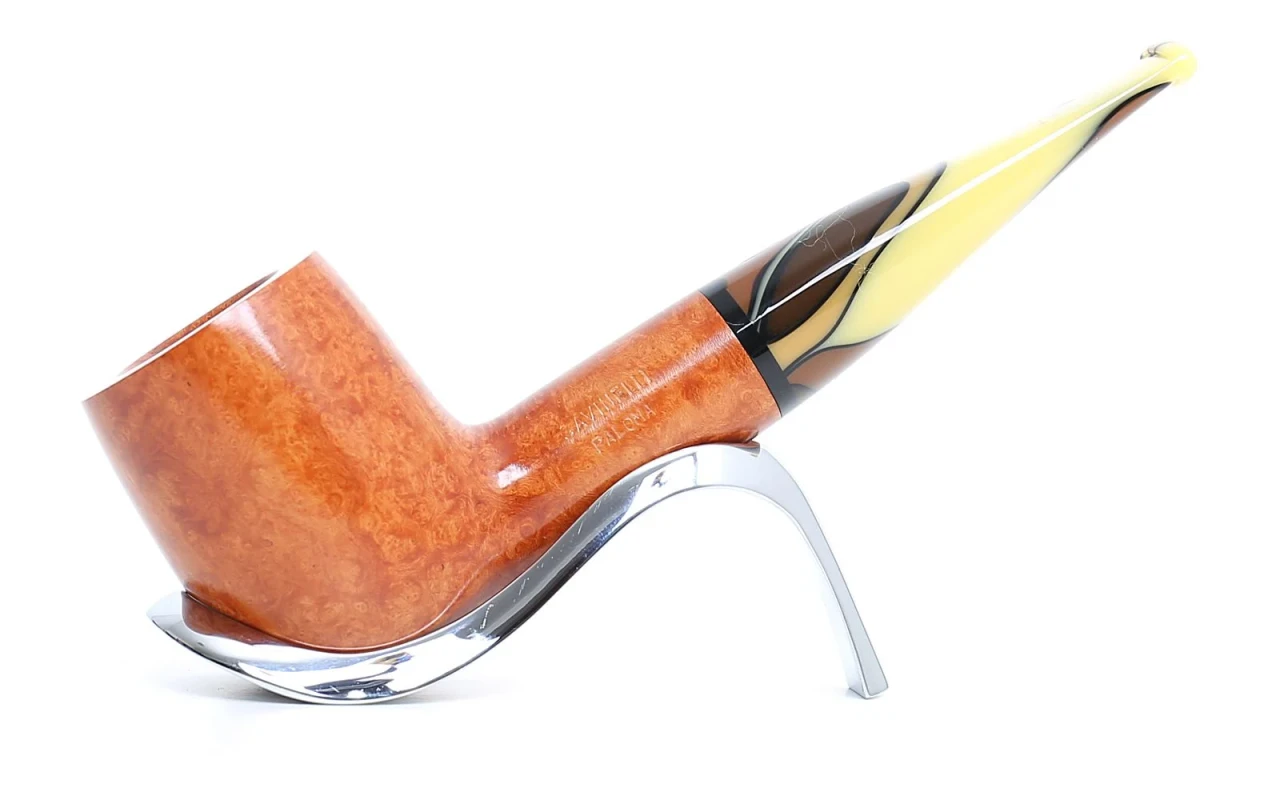
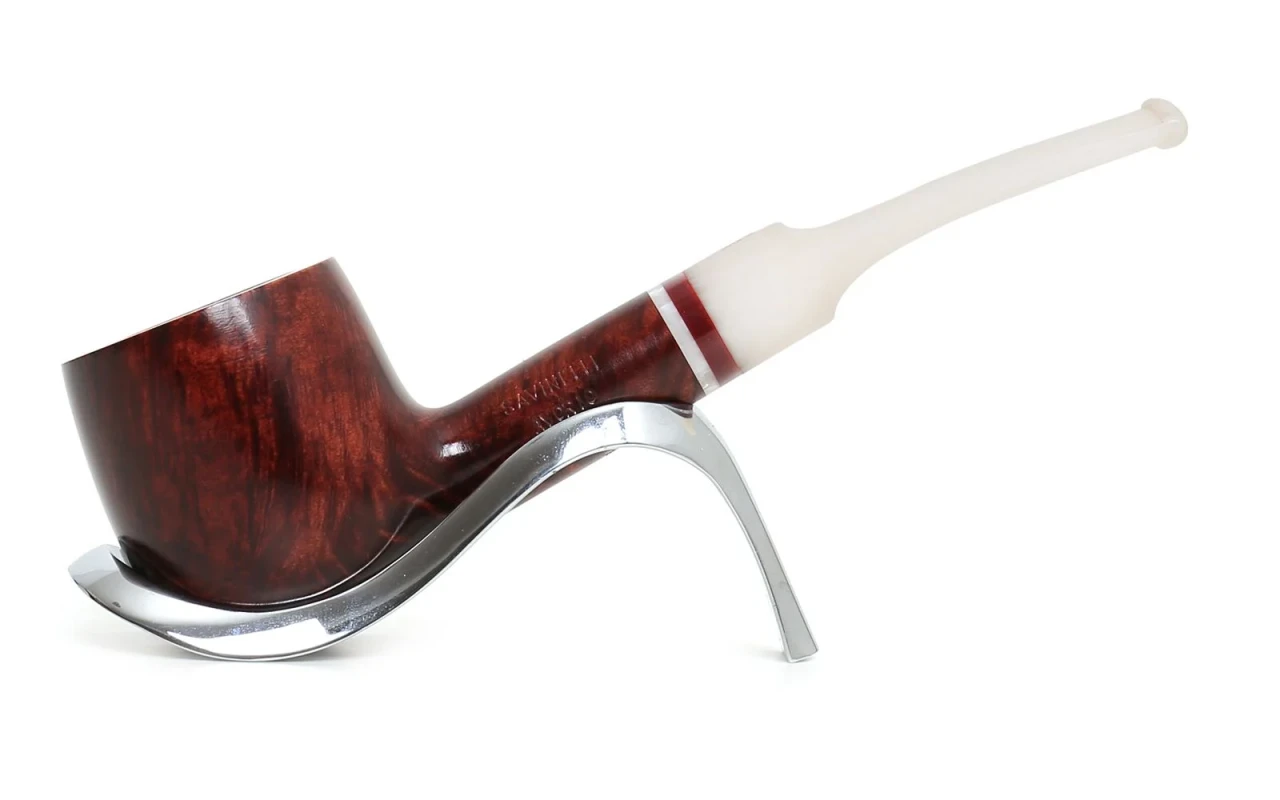
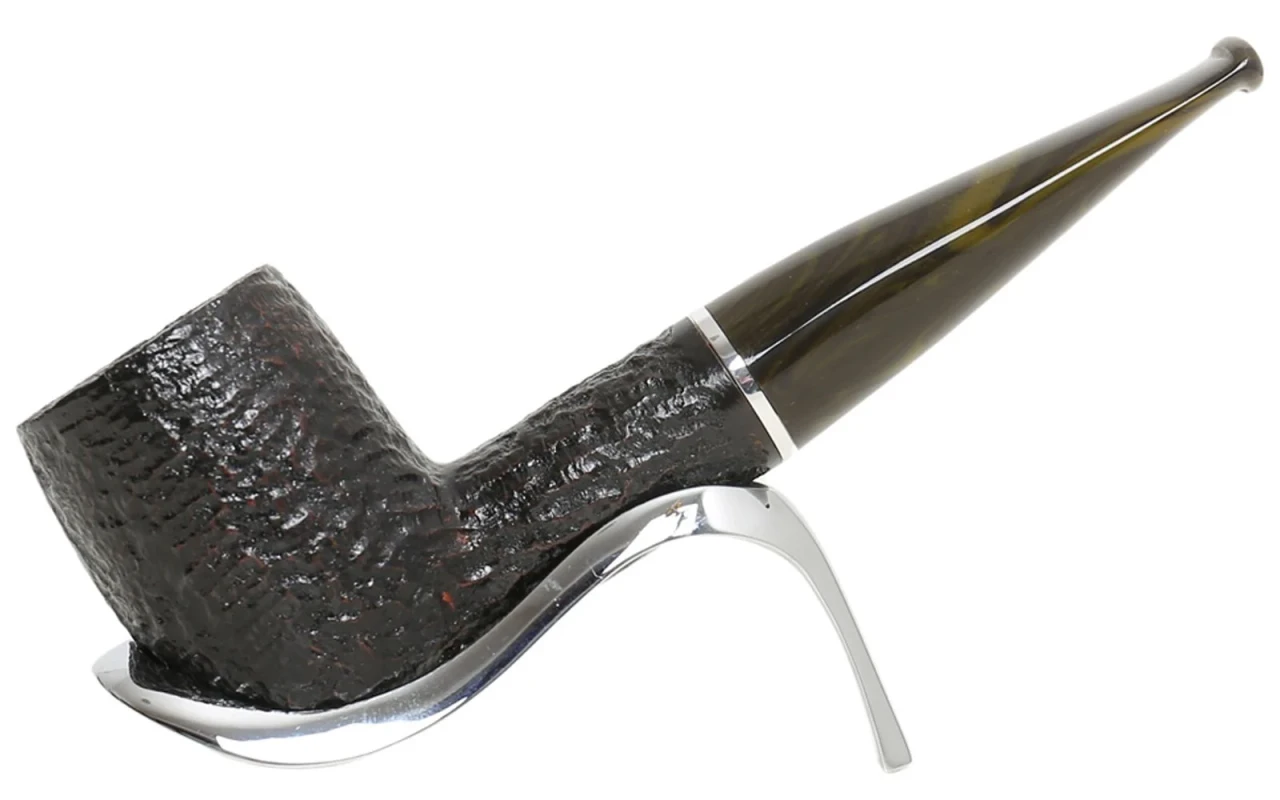
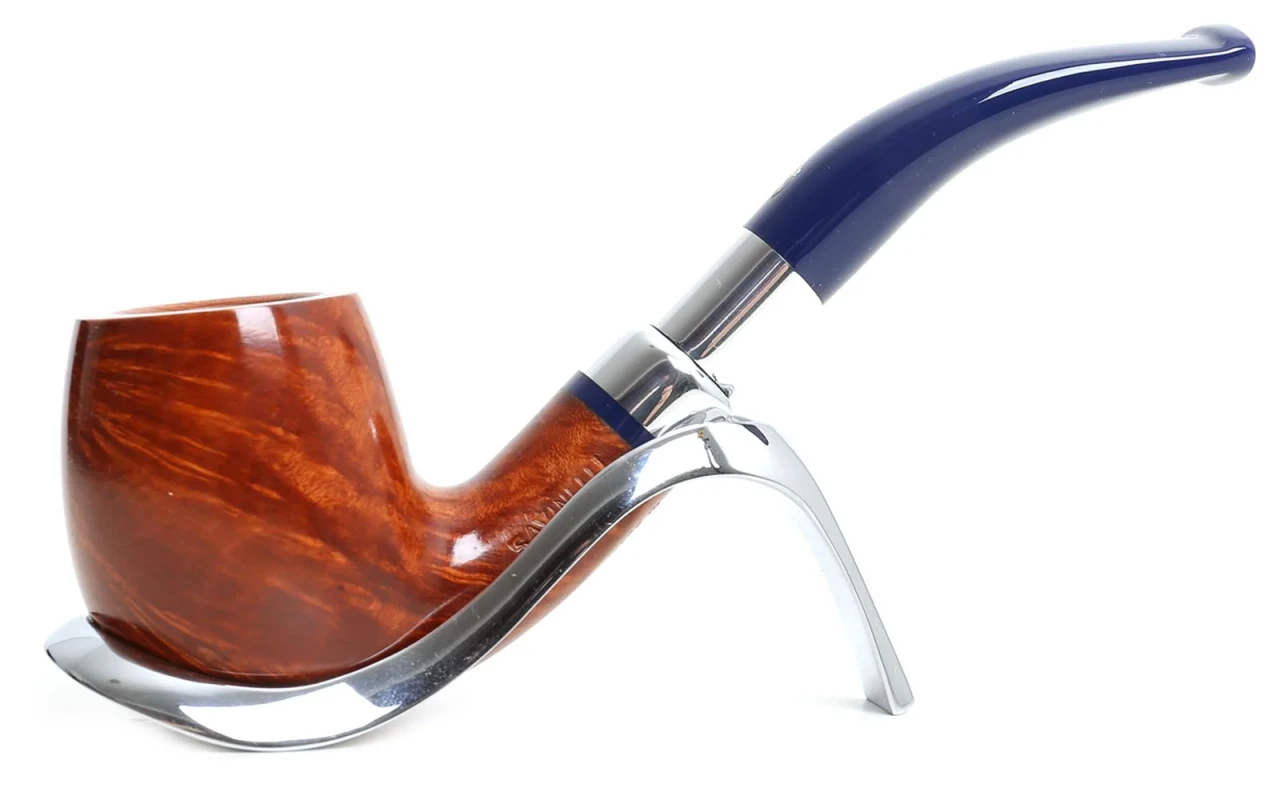
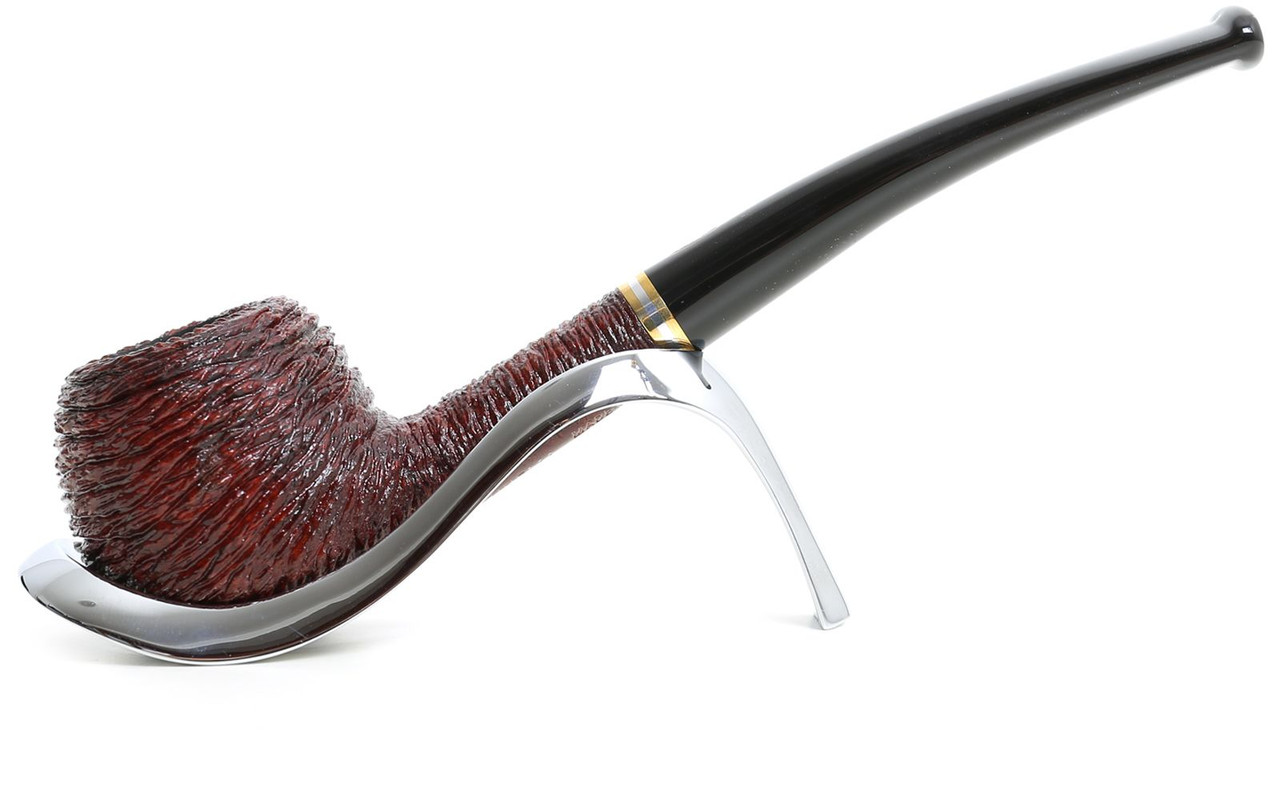
Tobacco arrived in Europe in the 16th century thanks to Spanish and Portuguese explorers. Its introduction revolutionized smoking culture, leading to the widespread use of the pipe as the primary tool for tobacco consumption, influencing pipe styles, forms, and materials in the centuries that followed.
When did tobacco arrive in Europe and change the history of the pipe? Deep dive
Tobacco was introduced to Europe in the 16th century, mainly through the voyages of explorers like Christopher Columbus and other Spanish and Portuguese navigators who brought this plant from the Americas. Its spread radically changed smoking habits, giving rise to a new culture of slow and ritualized smoking. The pipe quickly became the preferred vessel for smoking tobacco, impacting pipe production in terms of materials, shapes, and finishes. Over time, the pipe evolved from a simple tool to a craft and collectible item, reflecting the diverse cultural traditions of Europe. This transition marked a historic turning point, as tobacco and the pipe became central elements of social life and lifestyle in many European societies, securing their presence up to the present day.