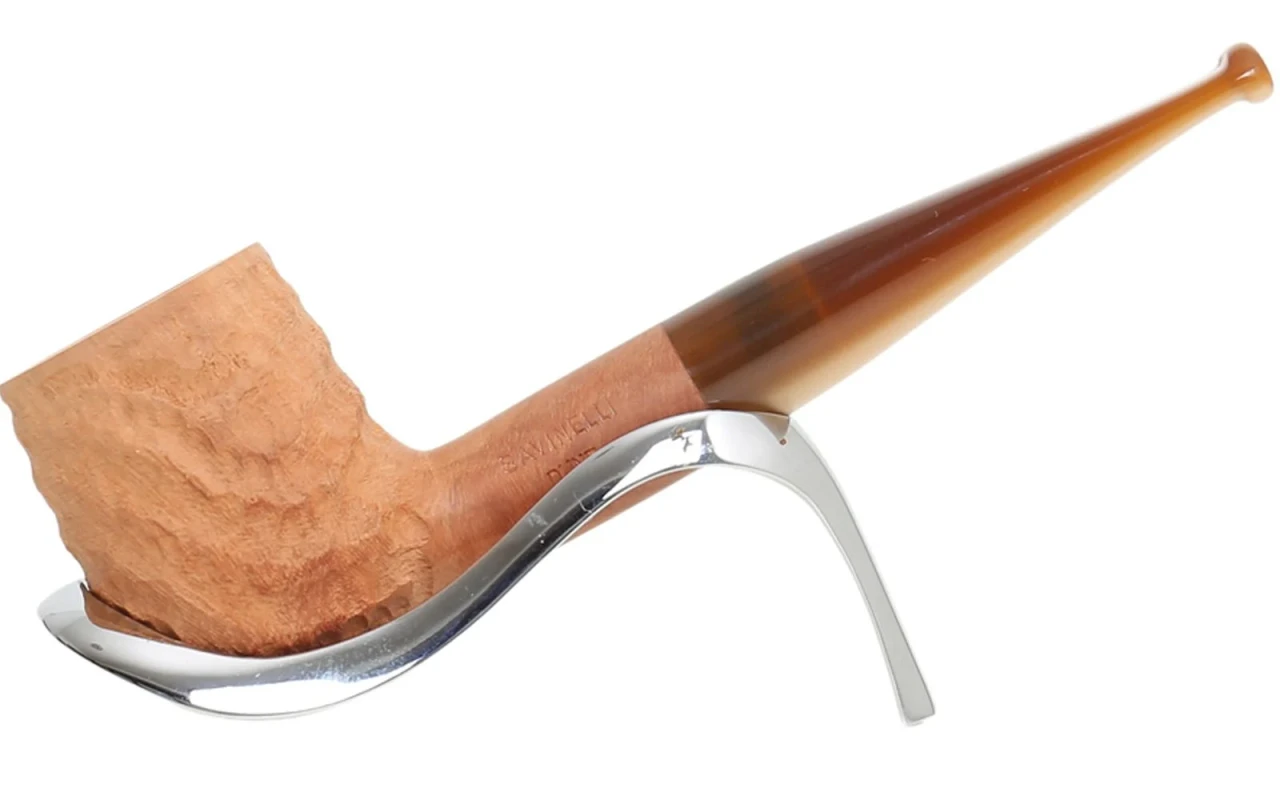
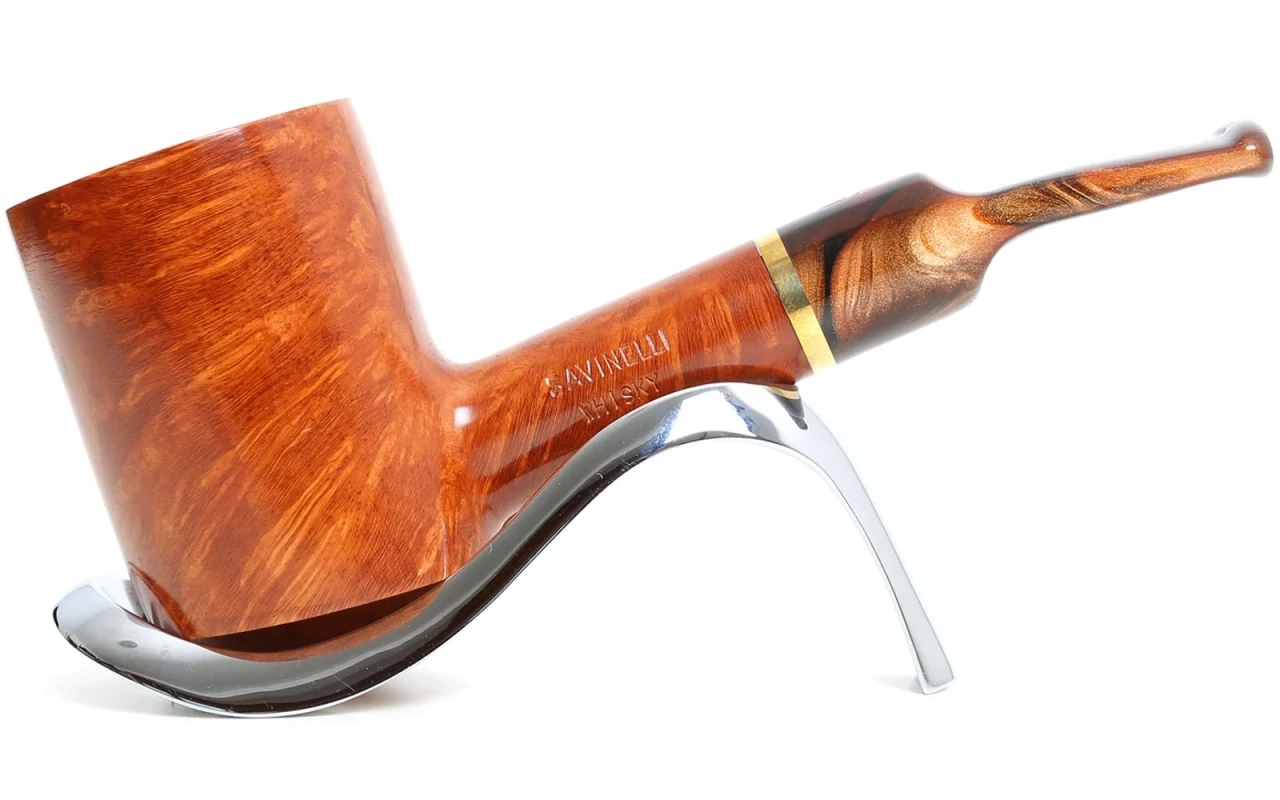
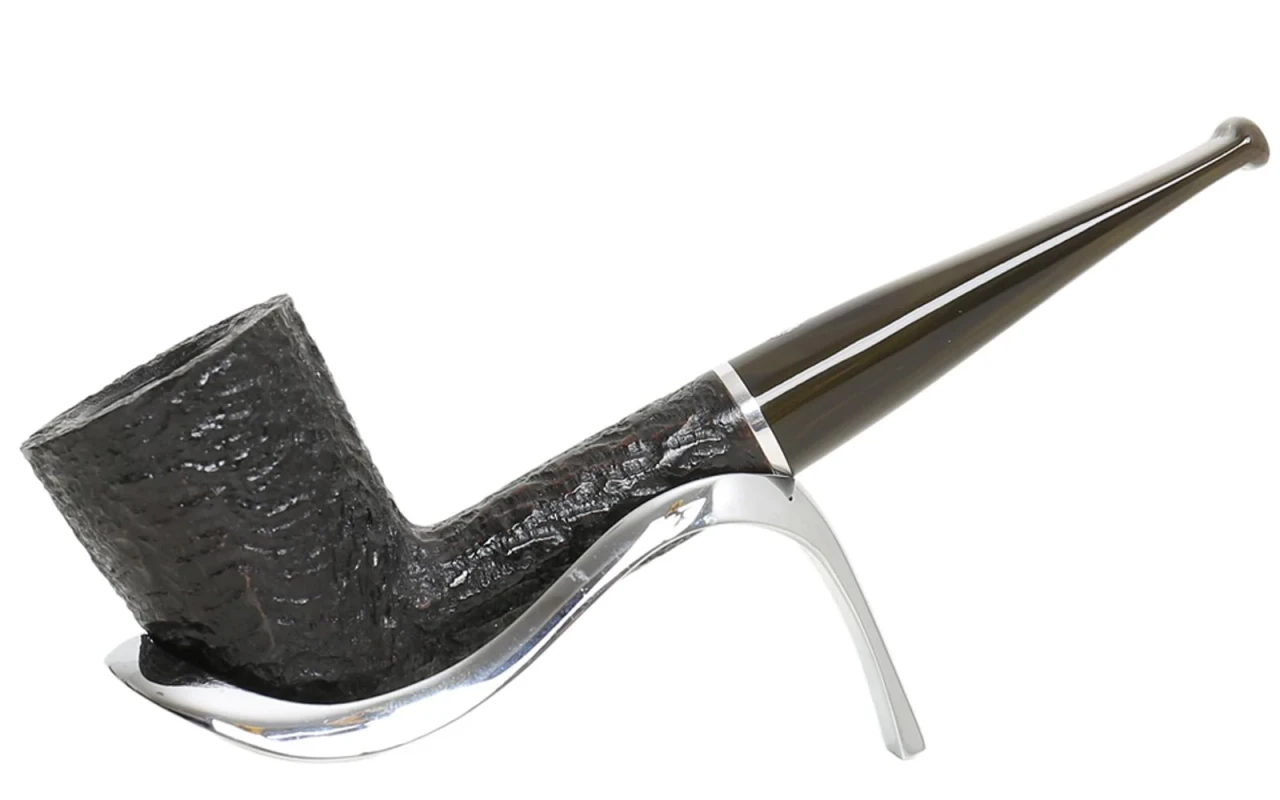
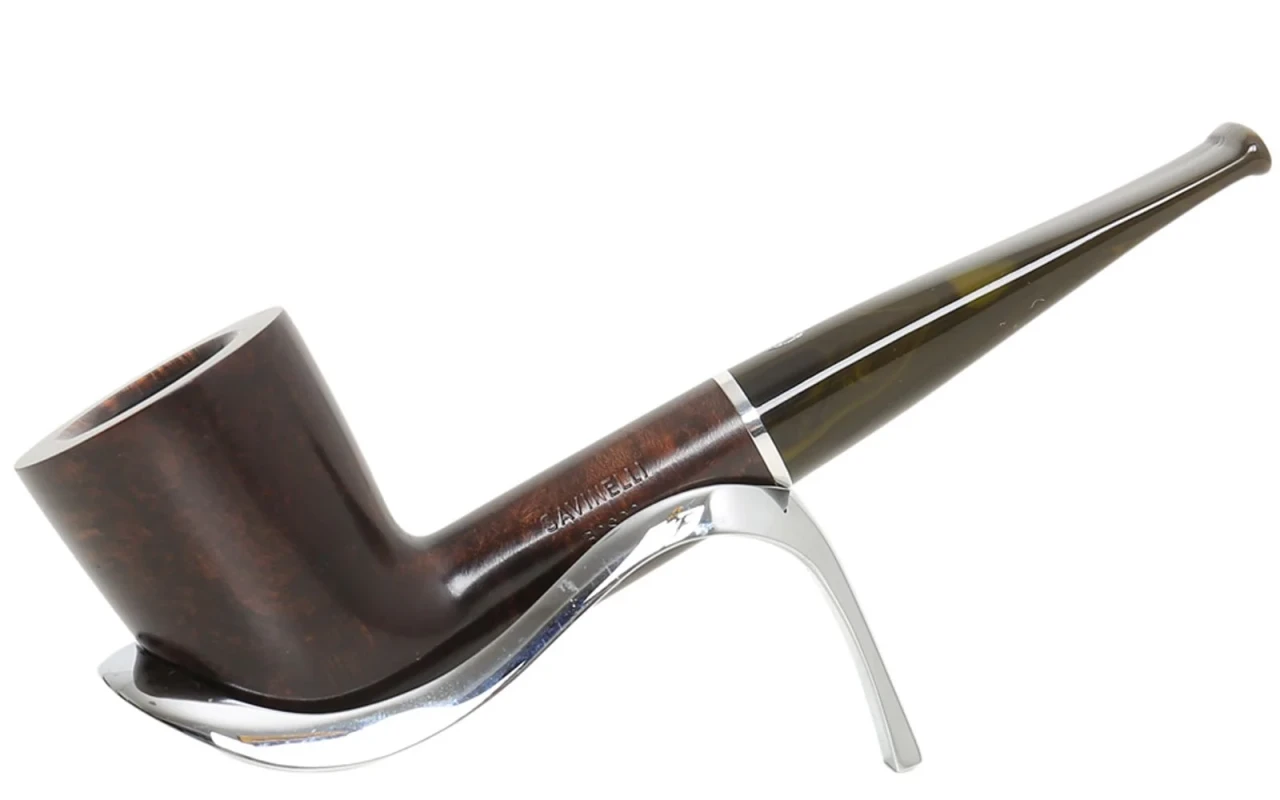
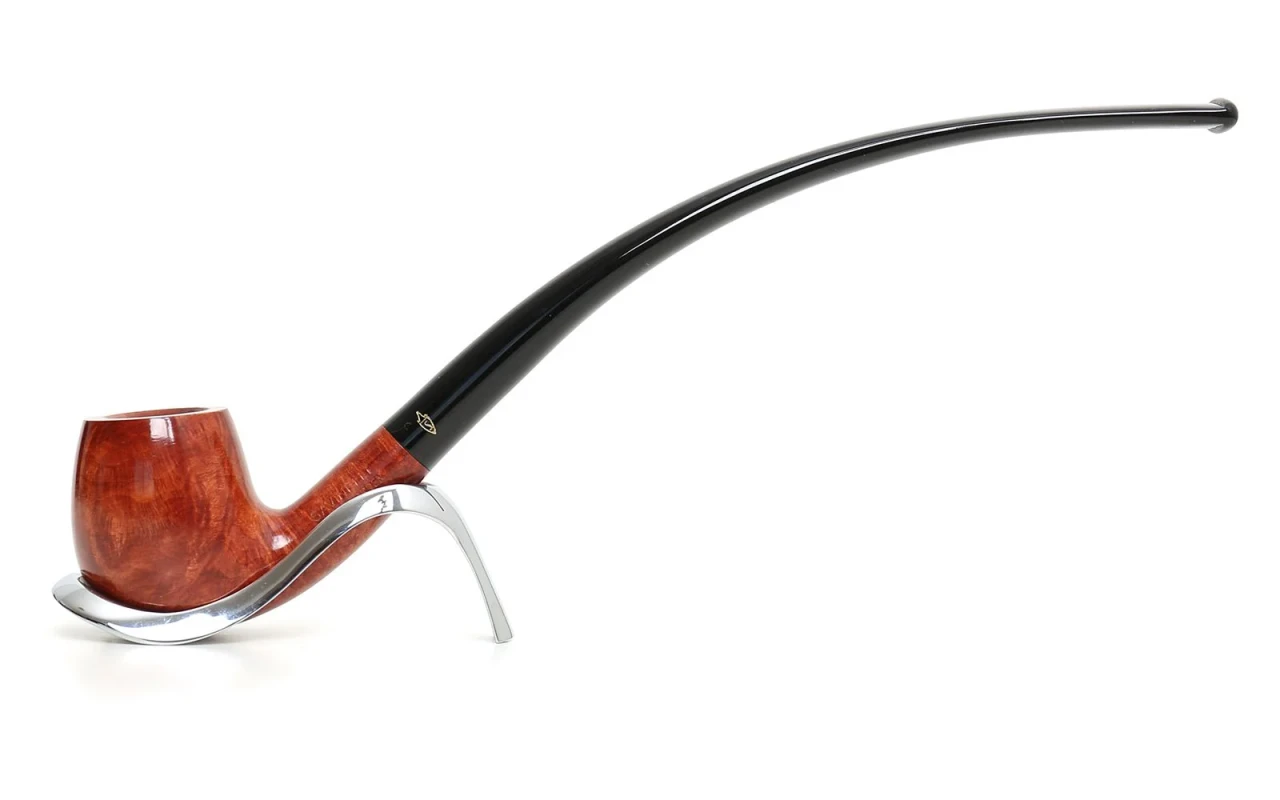
The smoking pipe has very ancient origins, dating back to various cultures around the world, including Native American, ancient Egyptian, and Asian peoples. It was used not only for smoking tobacco or other herbs but also as a ritual and symbolic object, often representing a means of spiritual and social communication.
What is the origin of the smoking pipe in ancient cultures? Deep dive
The origin of the smoking pipe in ancient cultures is deeply rooted in many civilizations, where the pipe was not only an instrument for smoking but also an object of great symbolic and ritual value. Among Native Americans, for example, the pipe was used in sacred ceremonies and represented a connection to the spiritual world, often called the “peace pipe” for its role in sealing agreements and alliances. In other cultures, such as the Egyptian, archaeological findings have revealed the use of similar tubes for smoking aromatic herbs. Also in Asia, particularly in China and India, the pipe has a long history linked to social and cultural practices. These objects were often crafted from local materials like wood, clay, stone, or precious metals, and decorated with artistic motifs reflecting the cultural identity of the people. Therefore, the pipe originated as a multifunctional element: a tool for consuming tobacco or other substances, but also a symbol of status, spirituality, and social communication. Its evolution over time has resulted in the variety of shapes, materials, and finishes we know today, yet its ancient cultural value remains a fundamental aspect to understand the history of slow smoking and its spread worldwide.