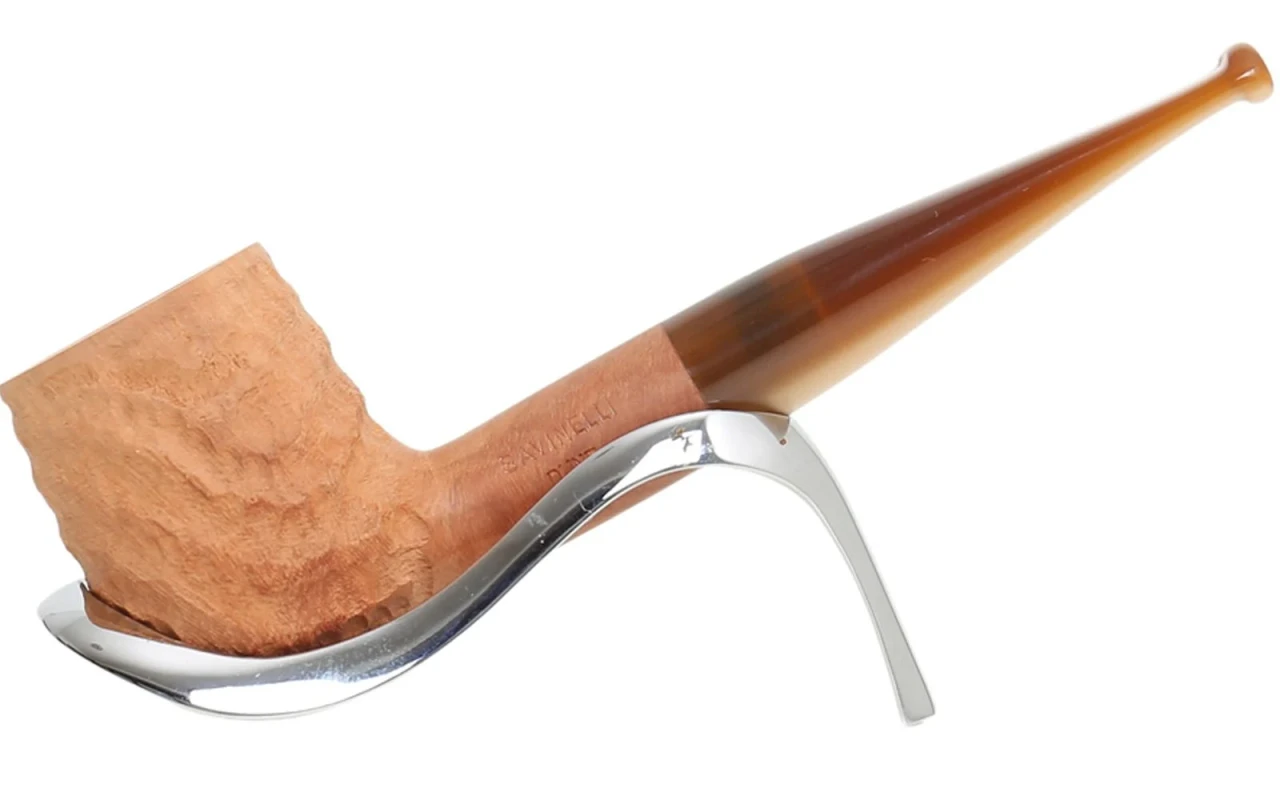
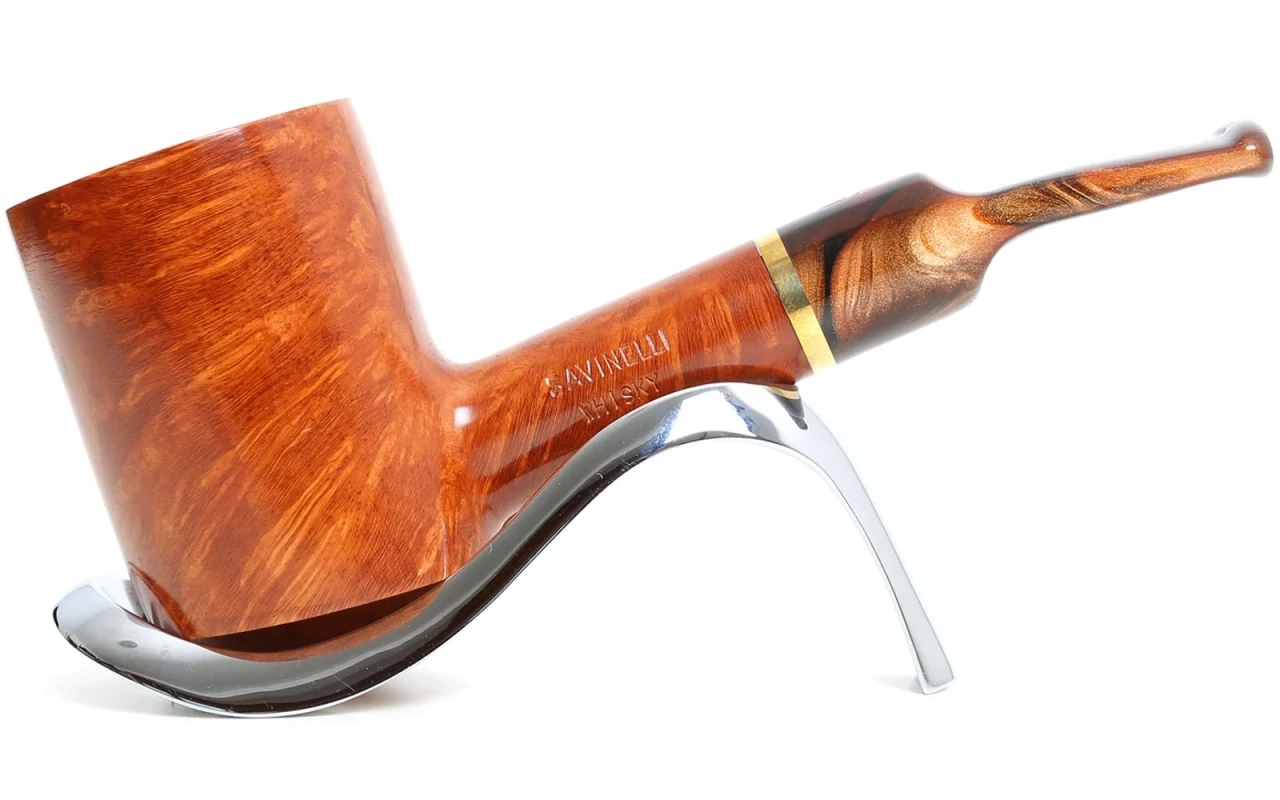
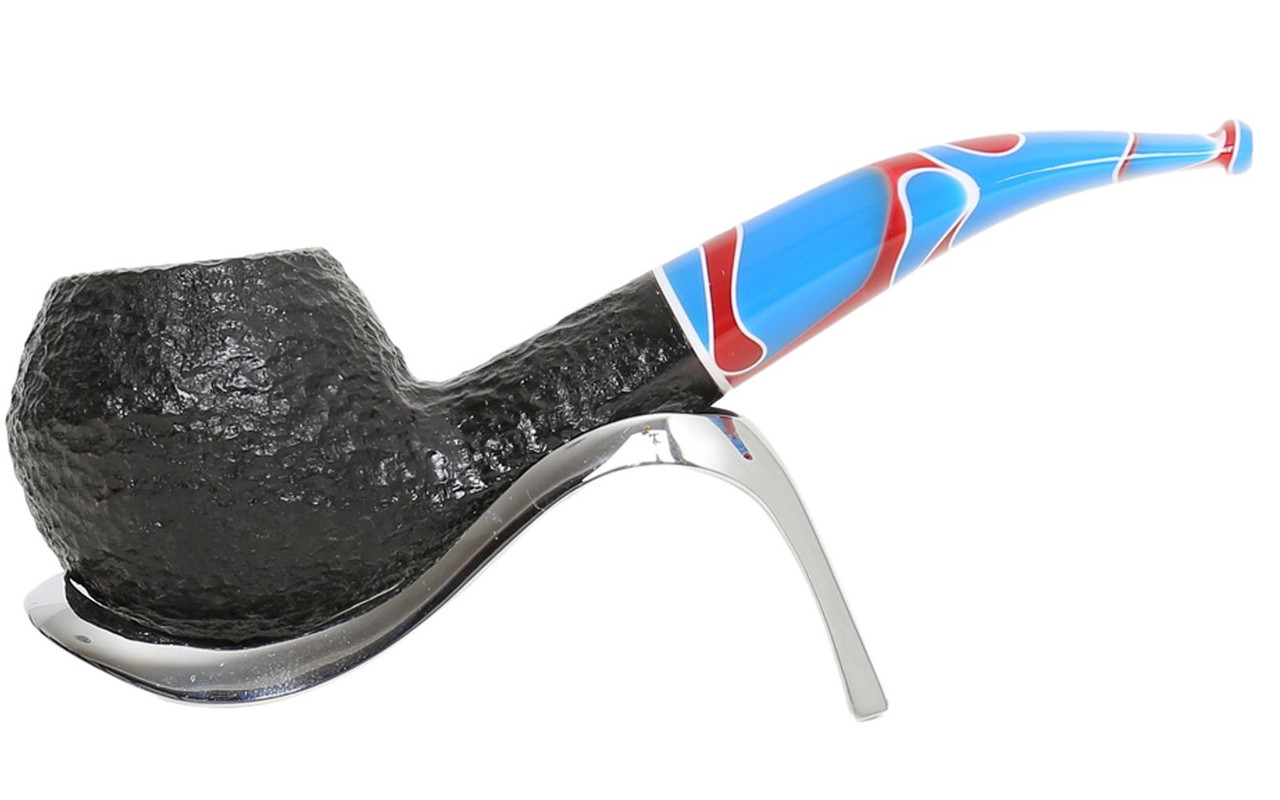
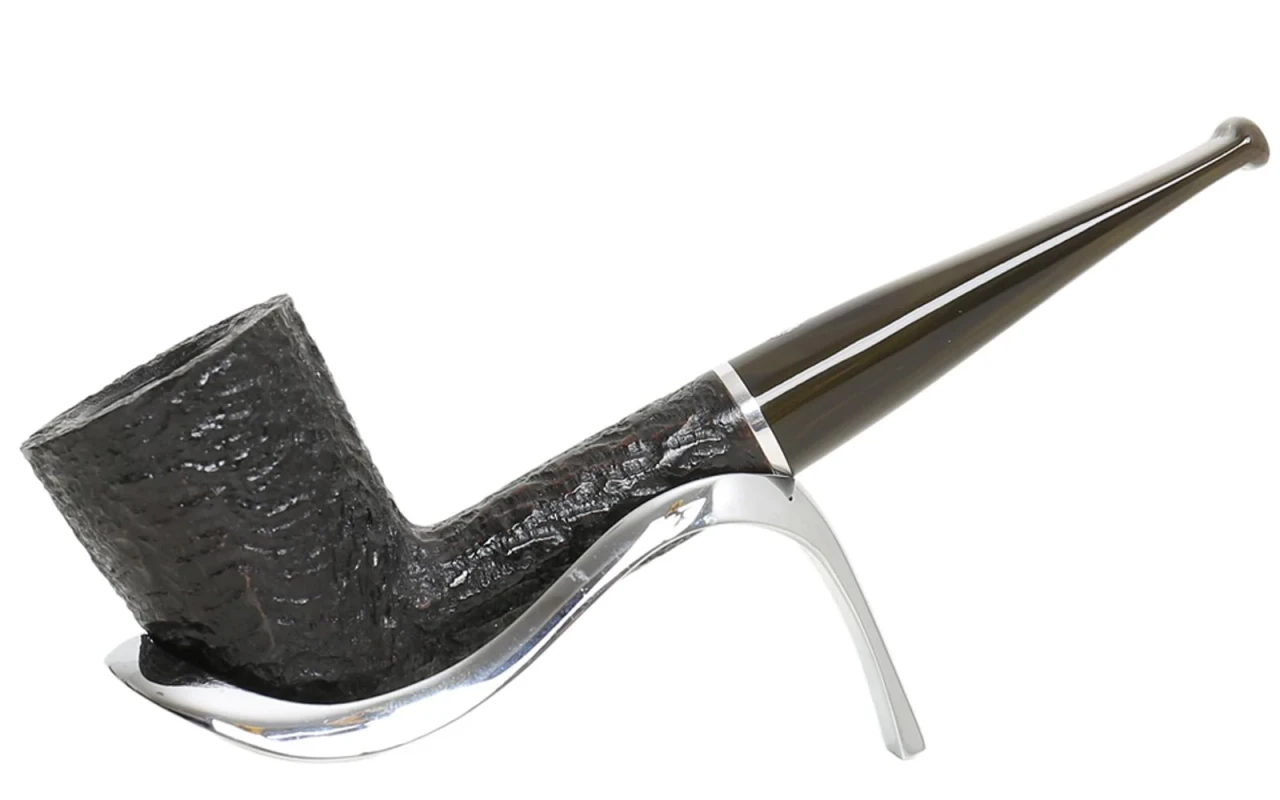
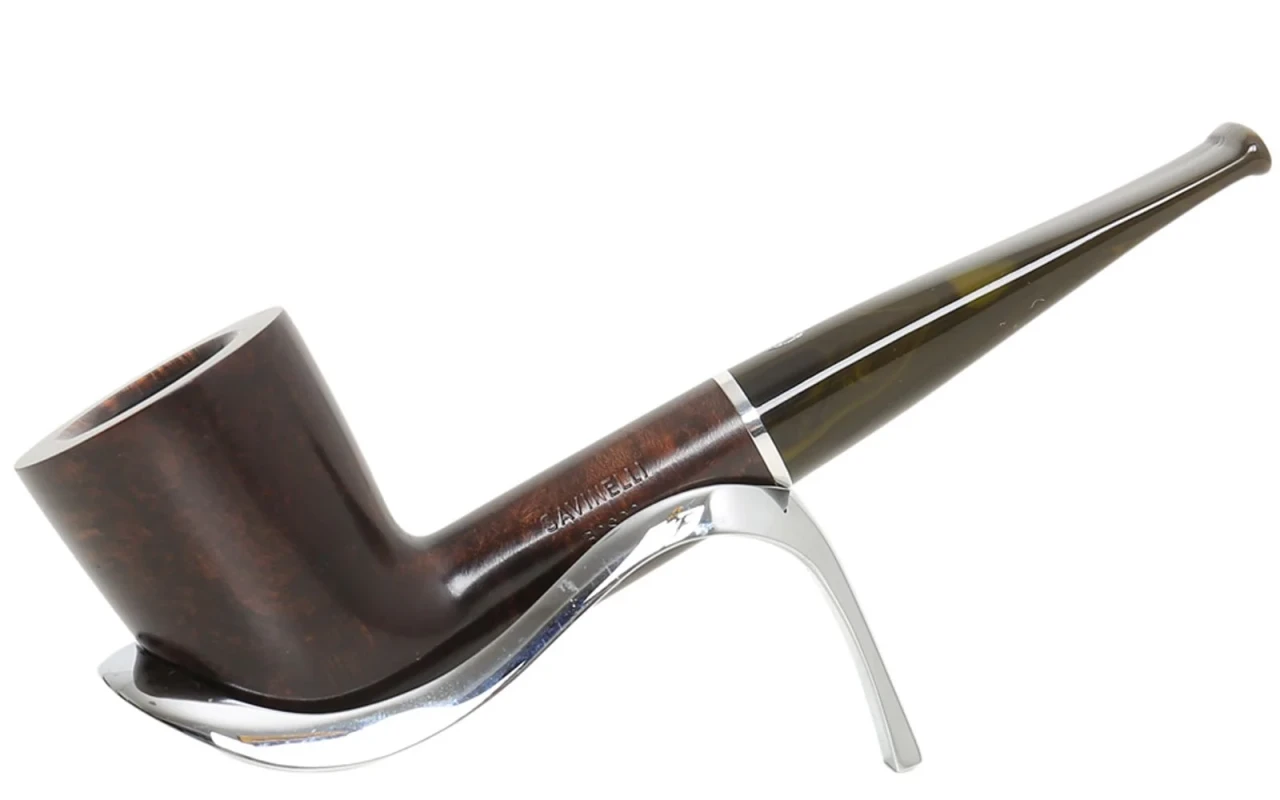
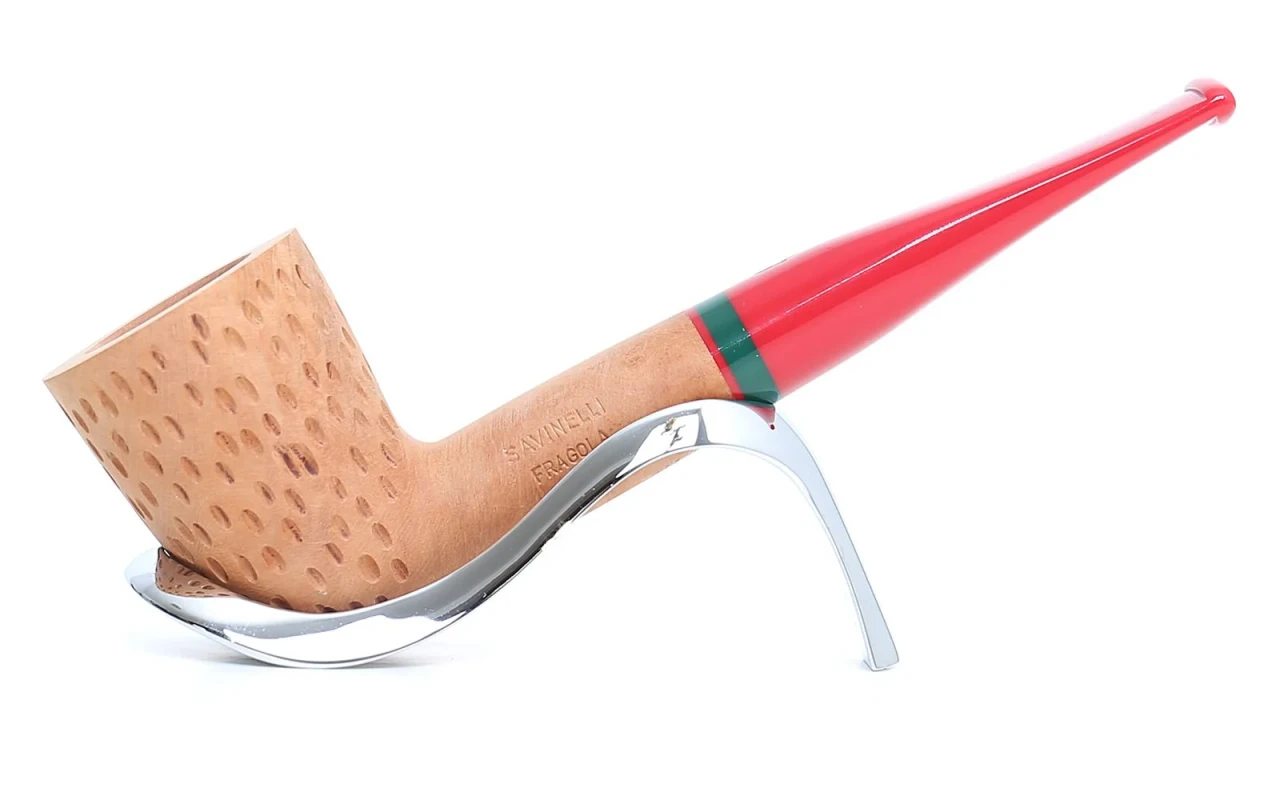
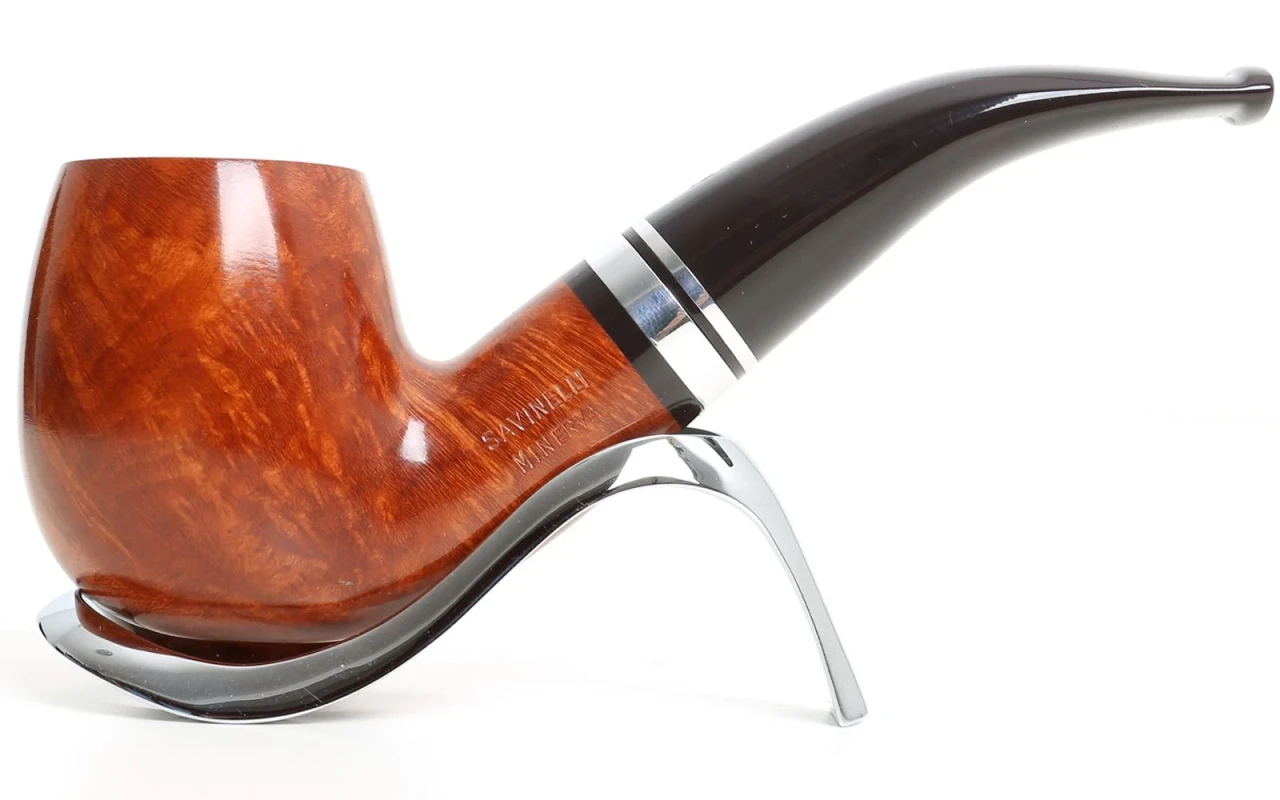
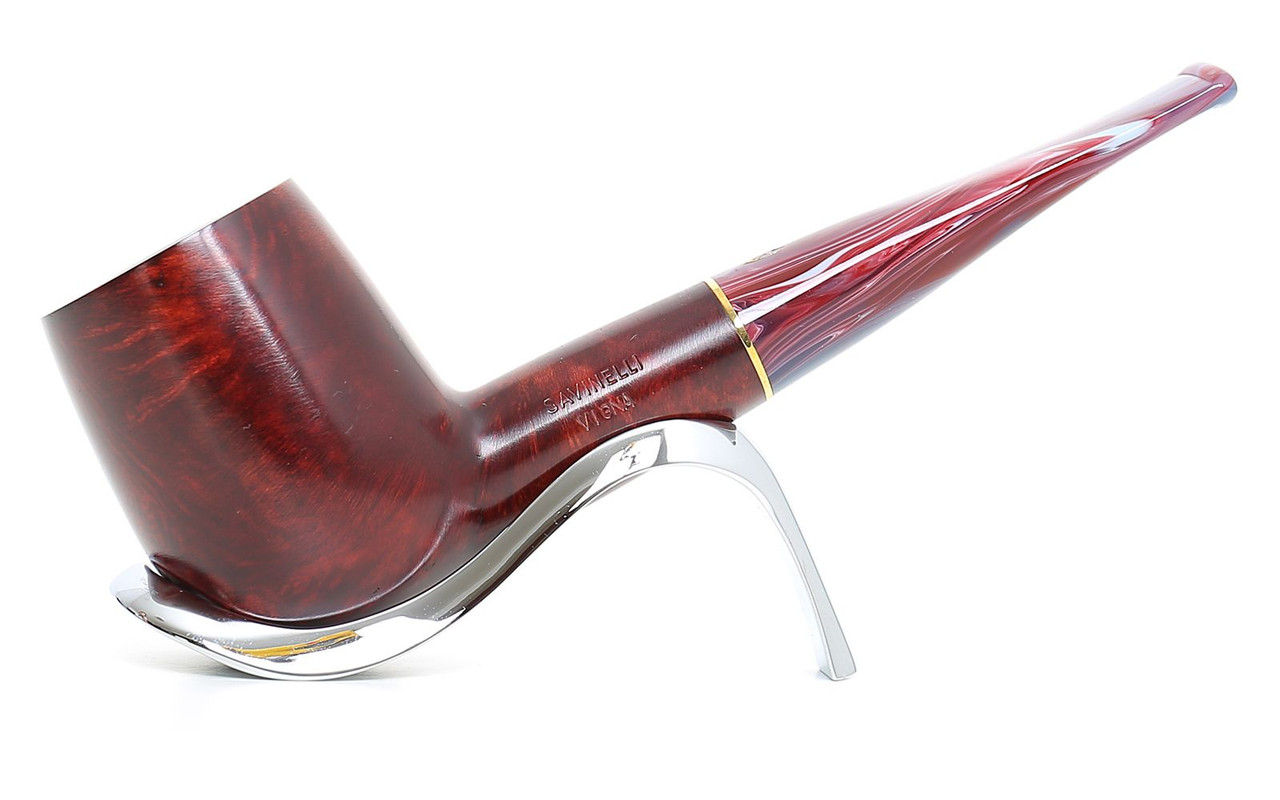
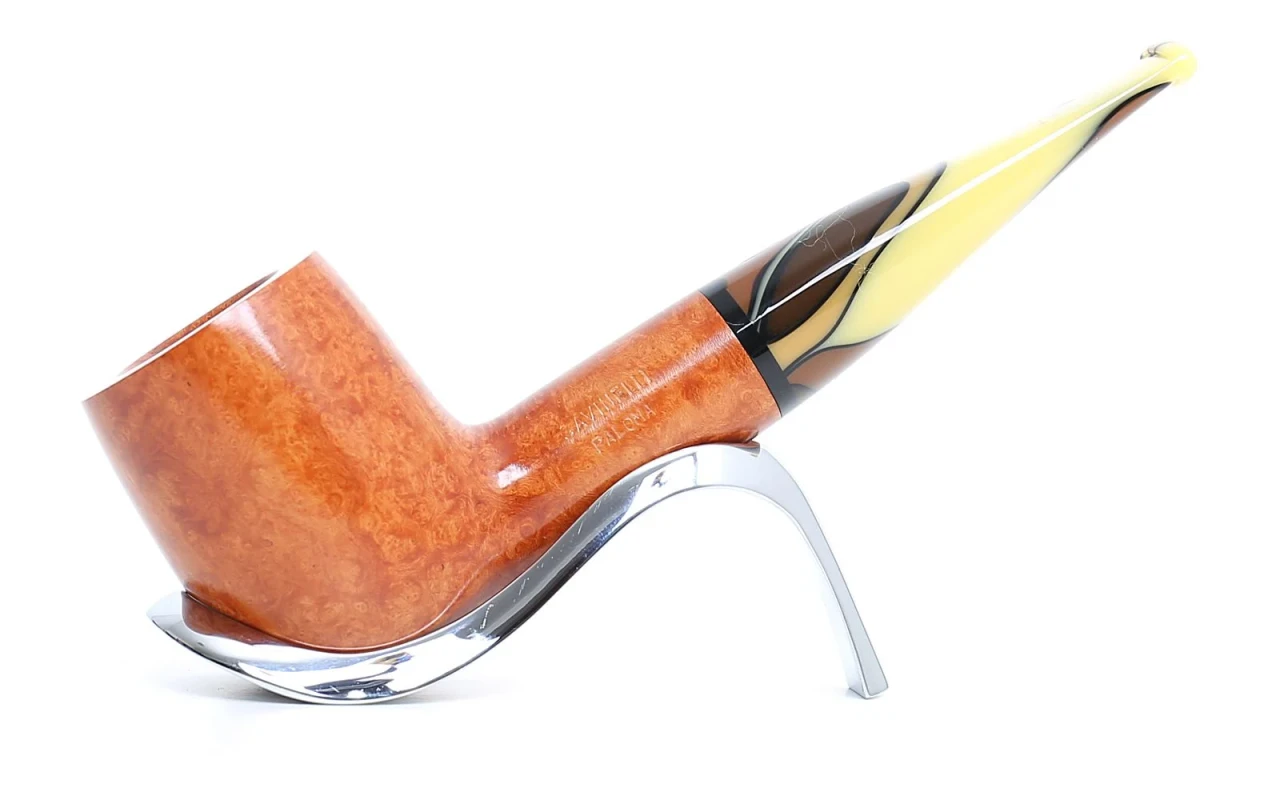
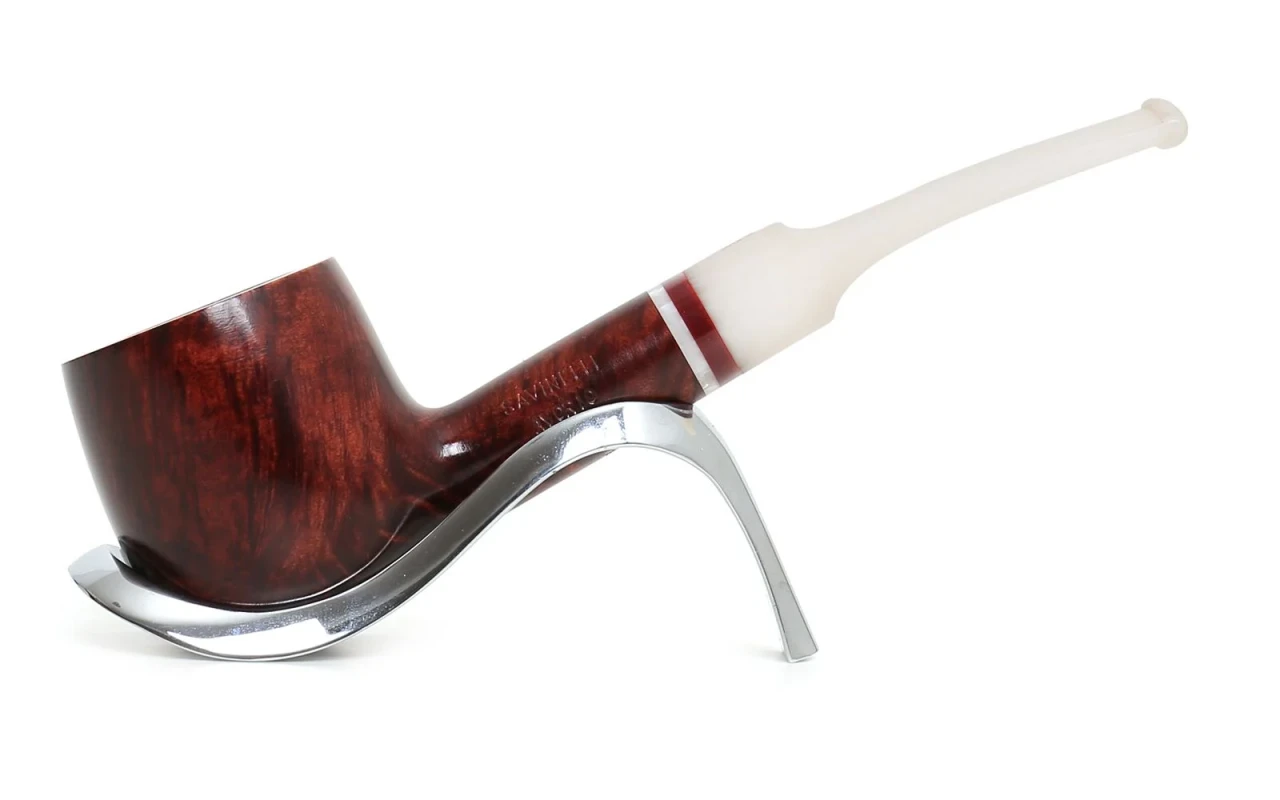
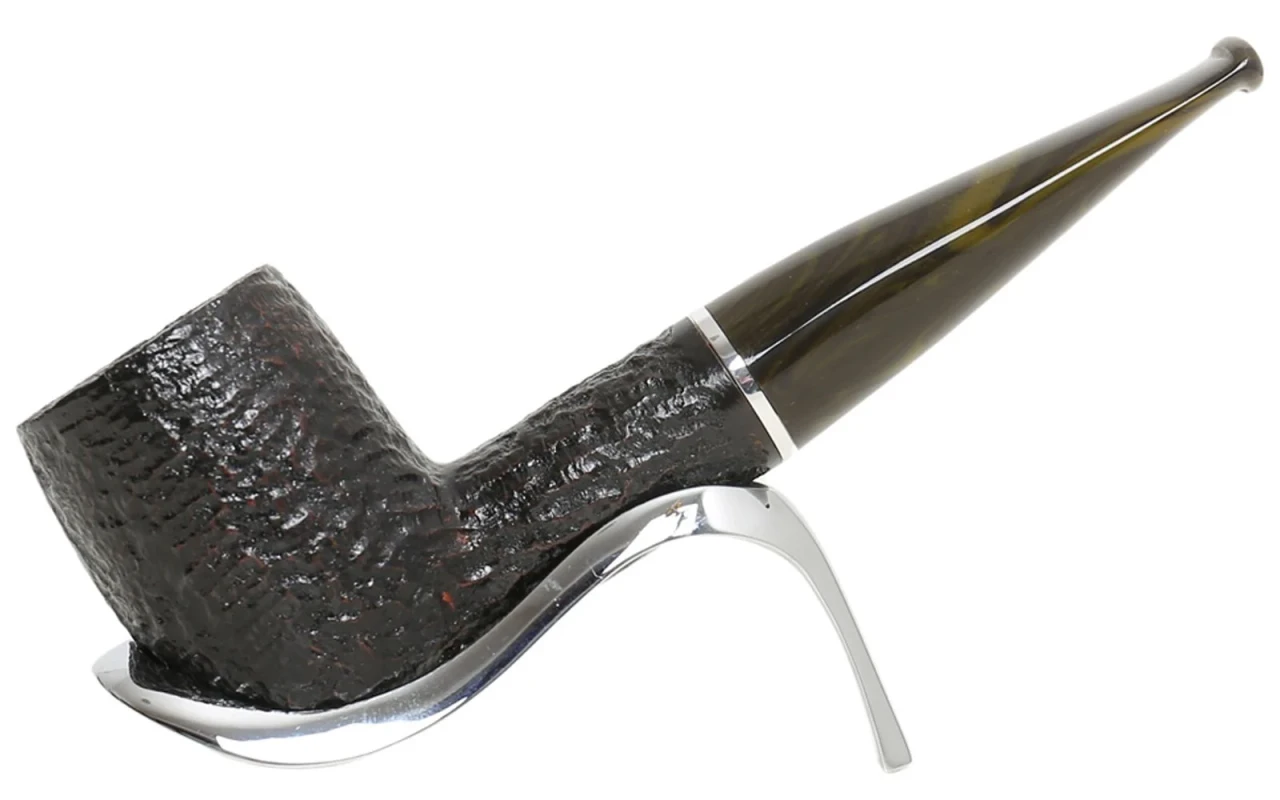
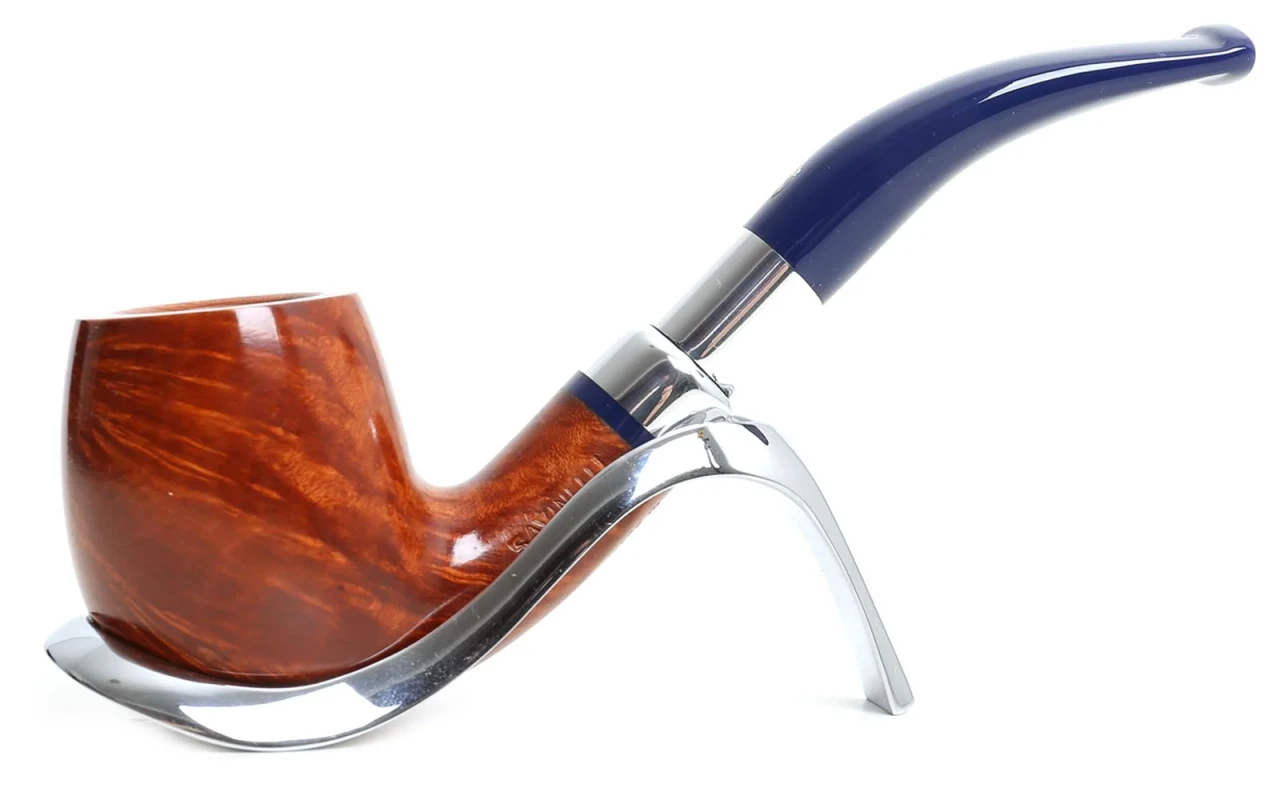
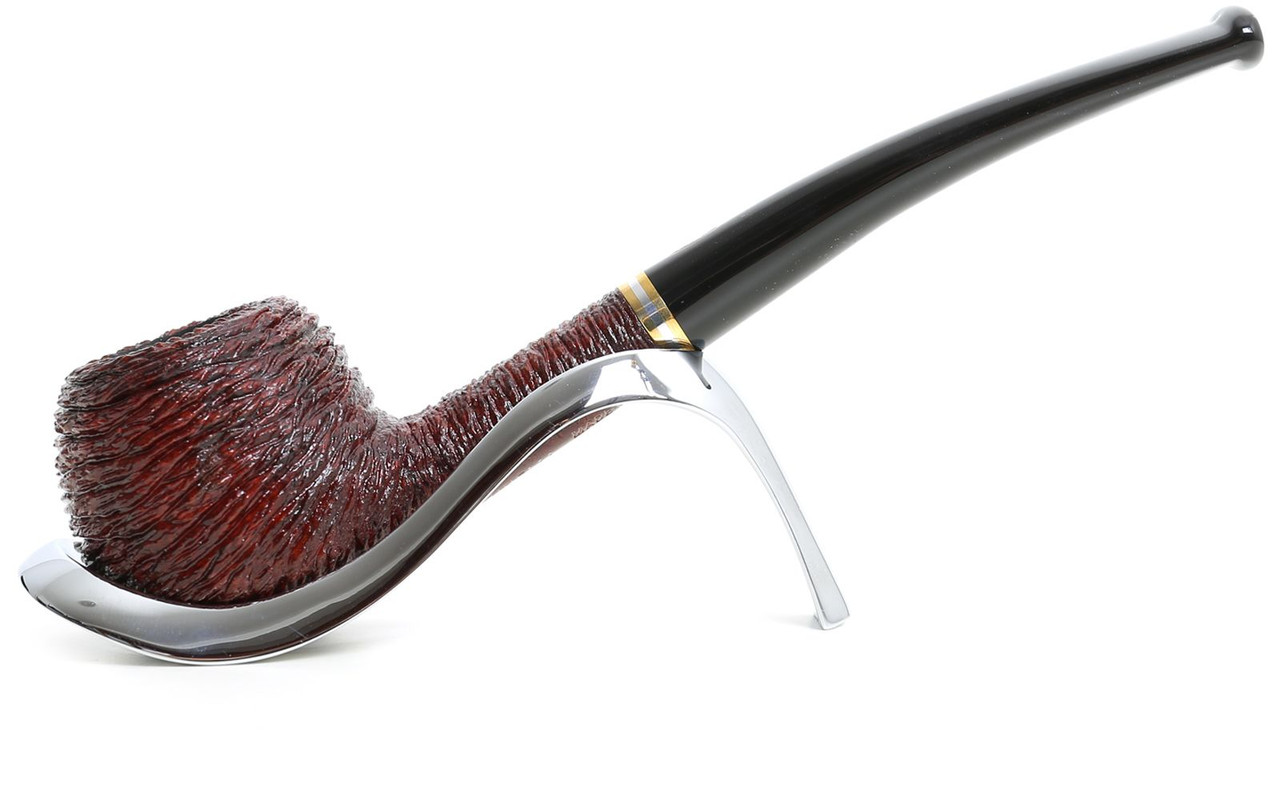
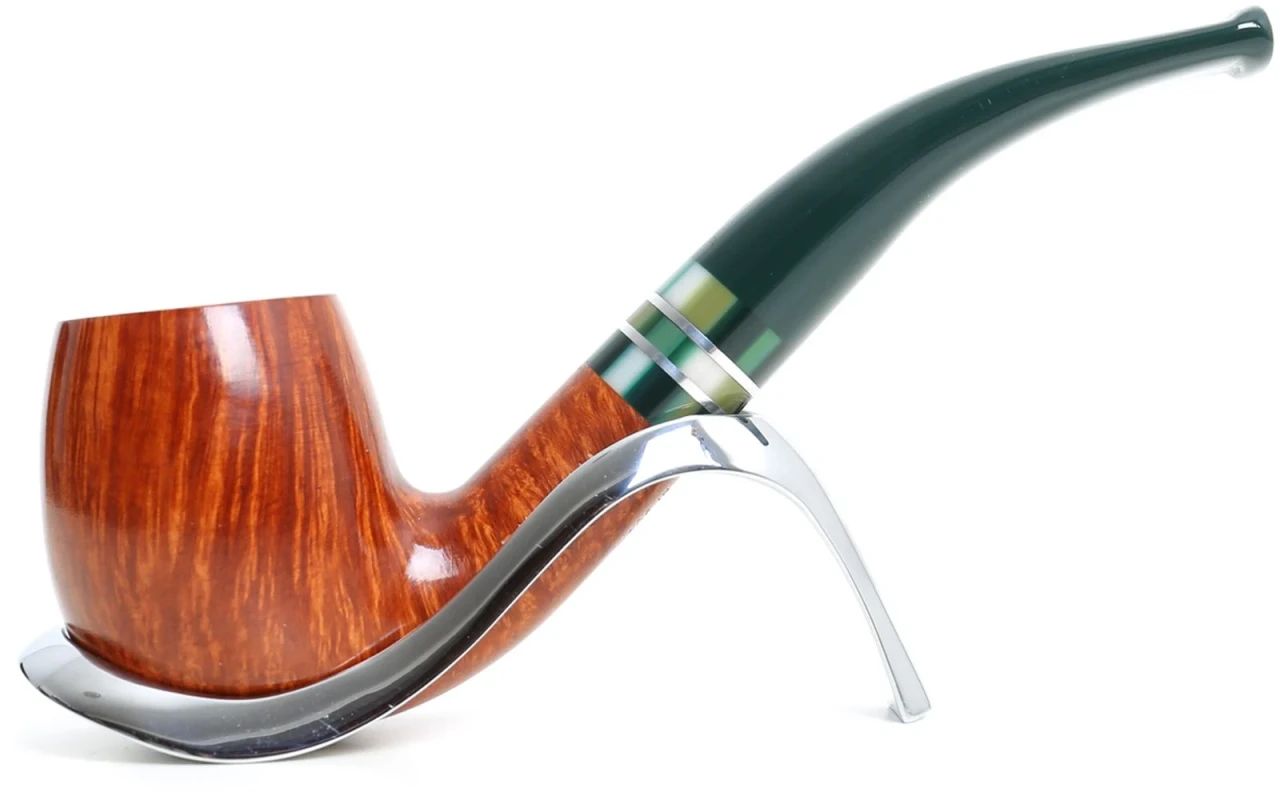
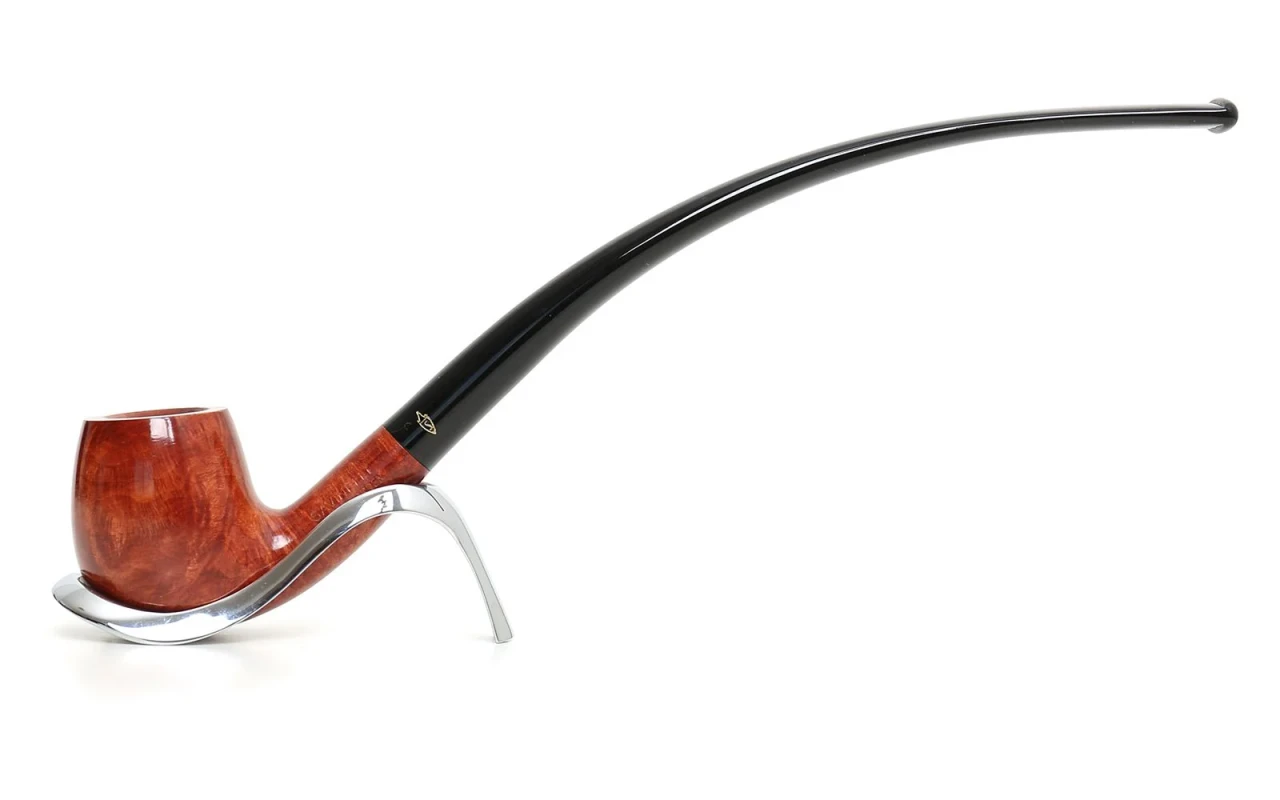
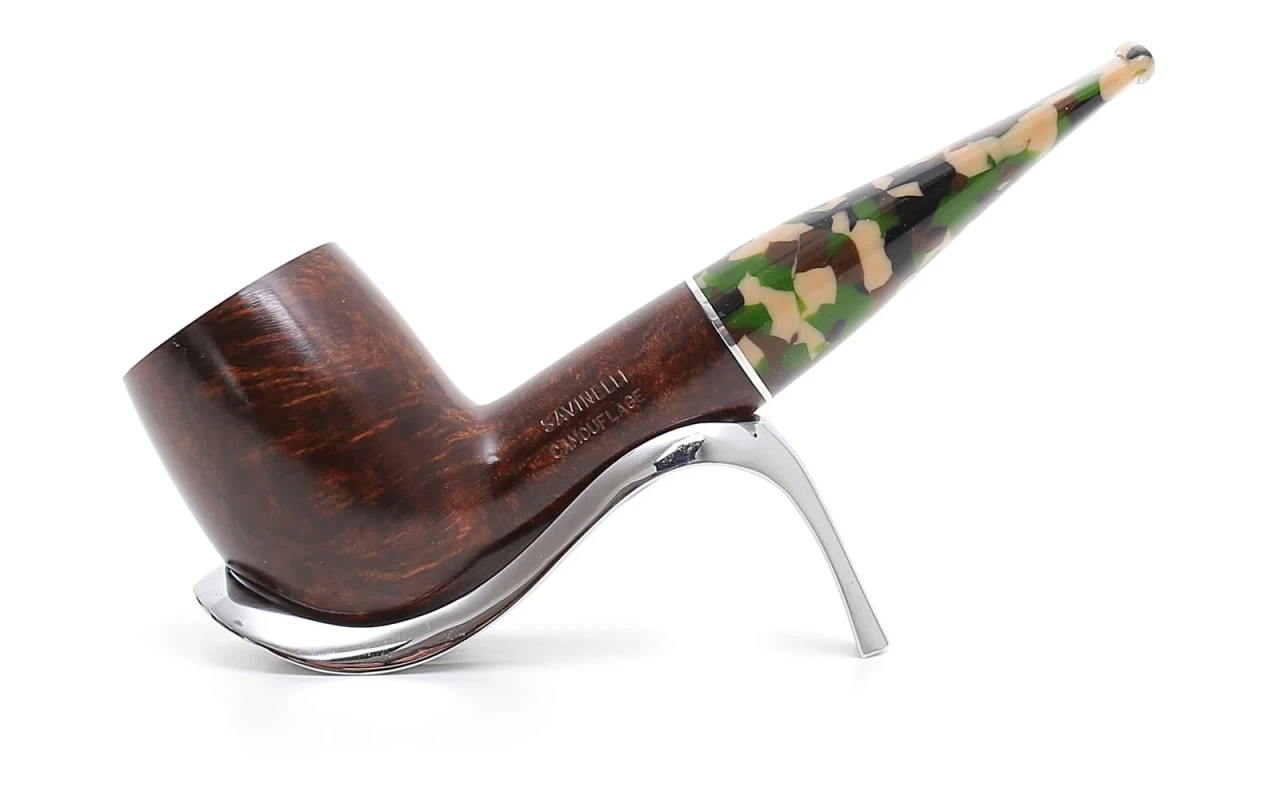
The shape of the pipe has evolved significantly over time, transitioning from simple rudimentary structures to more refined and functional designs. The variations reflect cultural changes, available materials, and aesthetic preferences, with classic shapes becoming established and new interpretations arising to enhance the slow smoking experience.
How has the shape of the pipe evolved over the centuries? Deep dive
The evolution of the pipe’s shape over the centuries is a fascinating journey that reflects the interplay between culture, technology, and aesthetic taste. Early pipes were often crafted from natural materials such as wood, clay, or stone, featuring simple and functional forms. Over time, the introduction of new materials like bruyère enabled the creation of more durable pipes with more elaborate finishes. Shapes diversified to meet practical needs, such as improving tobacco combustion or facilitating grip, but also to express personal style. Some classic shapes, such as the Billiard, Bulldog, or Calabash, have become iconic and remain appreciated today for their elegance and functionality. Across the centuries, the pipe has transformed from a simple tool into a true design object, with craftsmen experimenting with new curves, sizes, and finishes to offer a more enjoyable and personalized smoking experience. This evolution continues today, with innovations that honor tradition while introducing modern elements, keeping the culture of slow smoking and the art of the pipe alive.