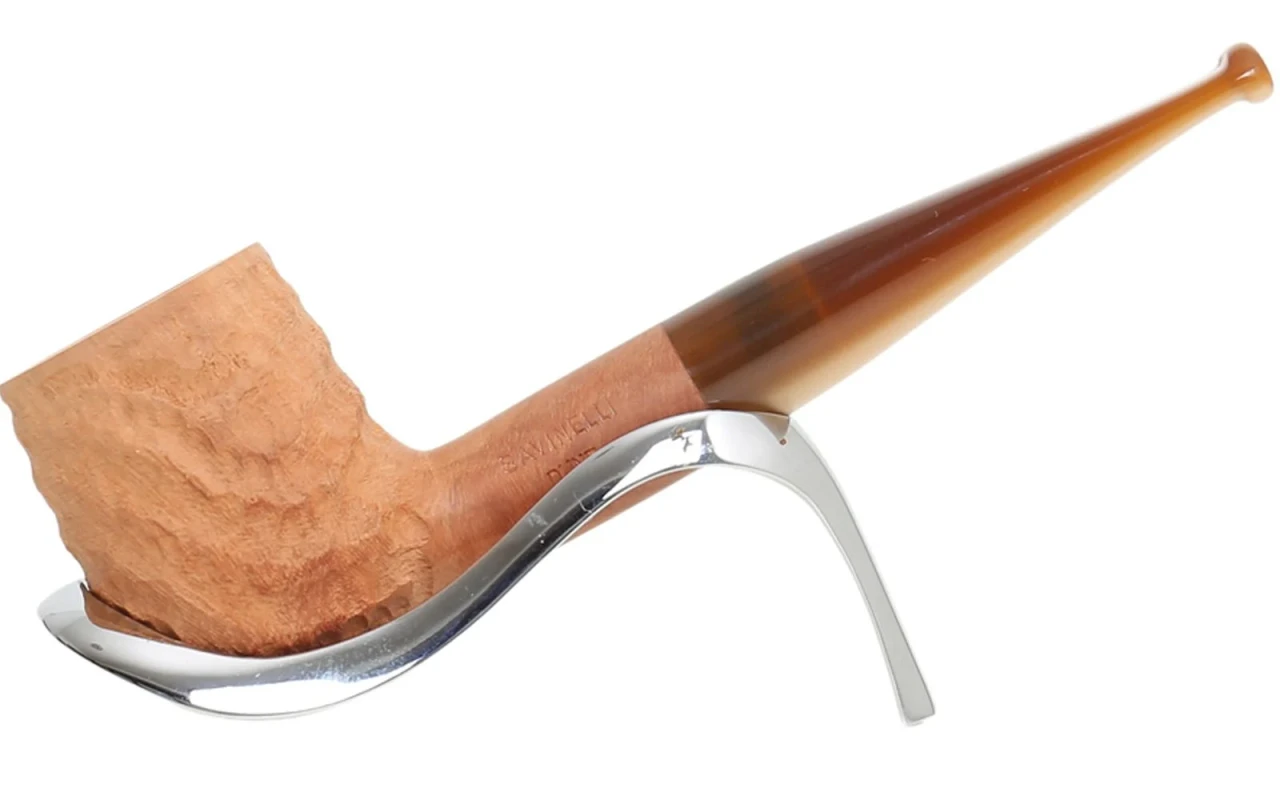
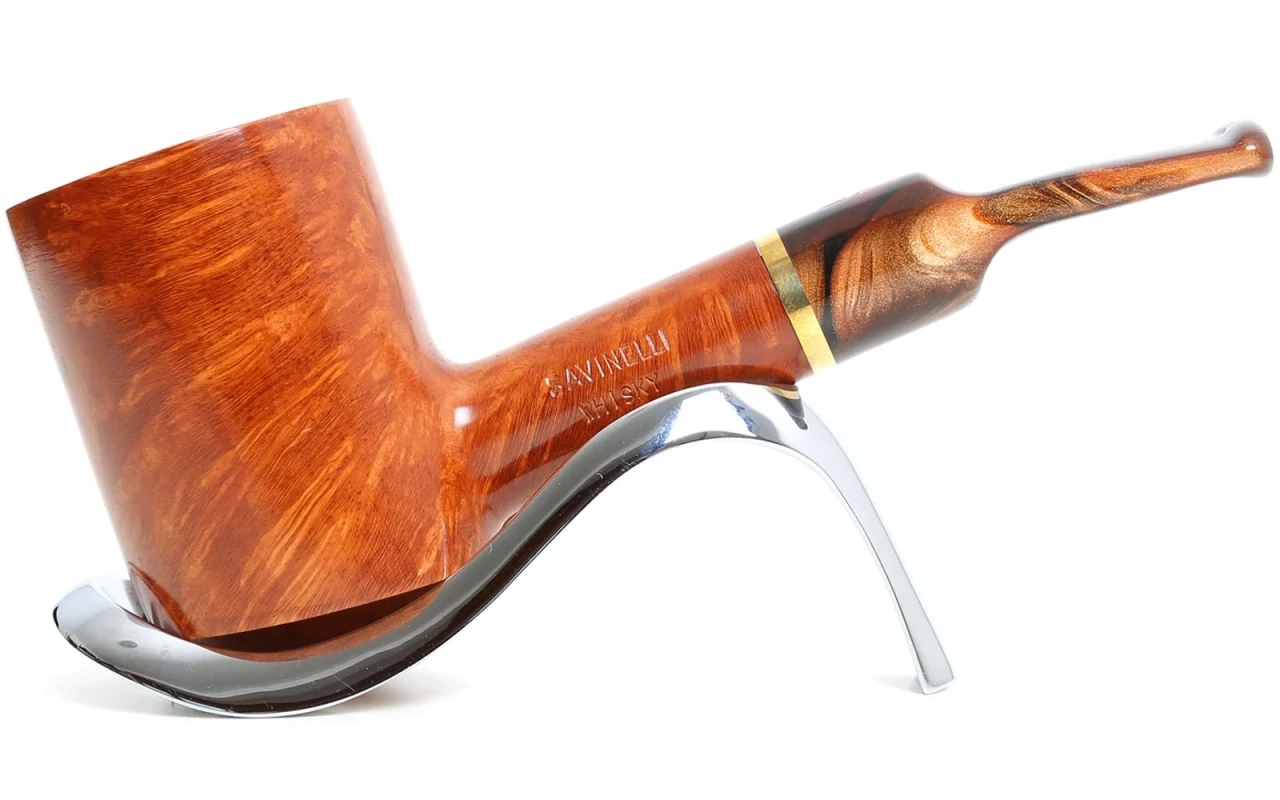
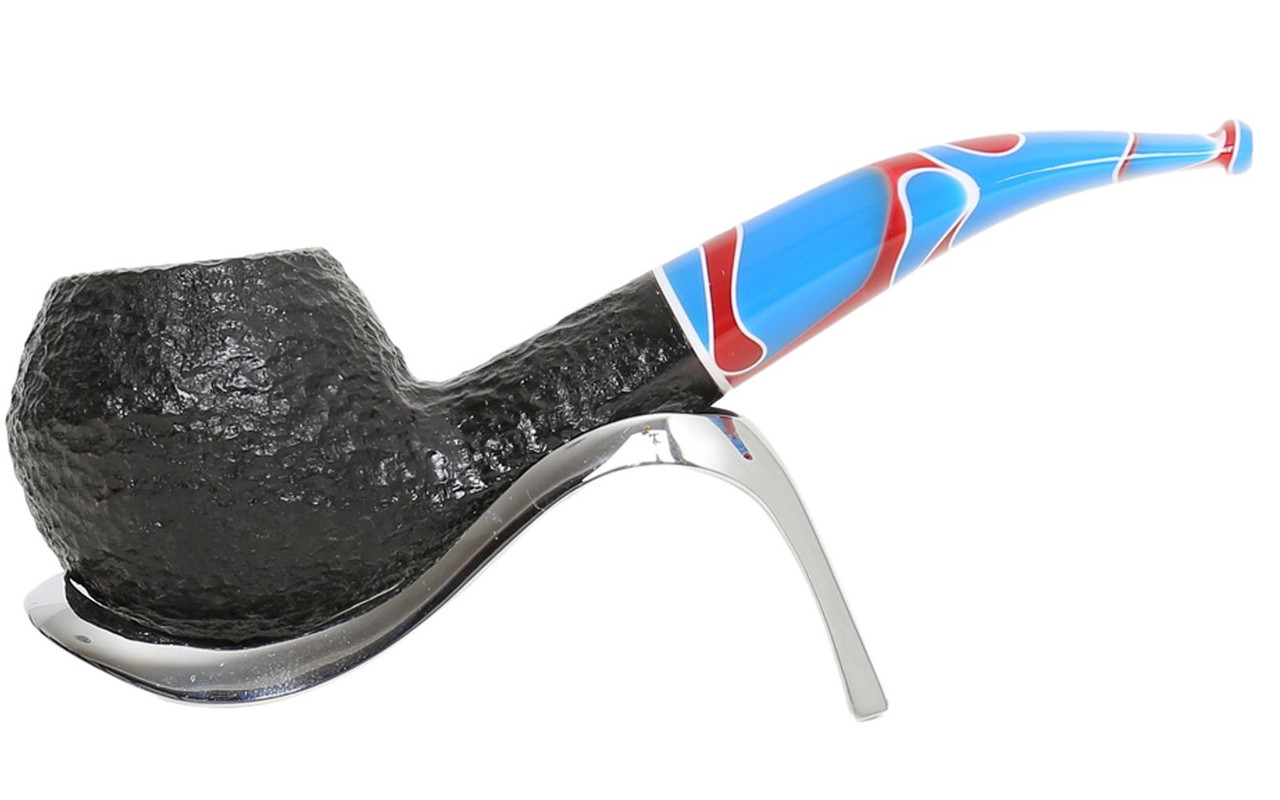
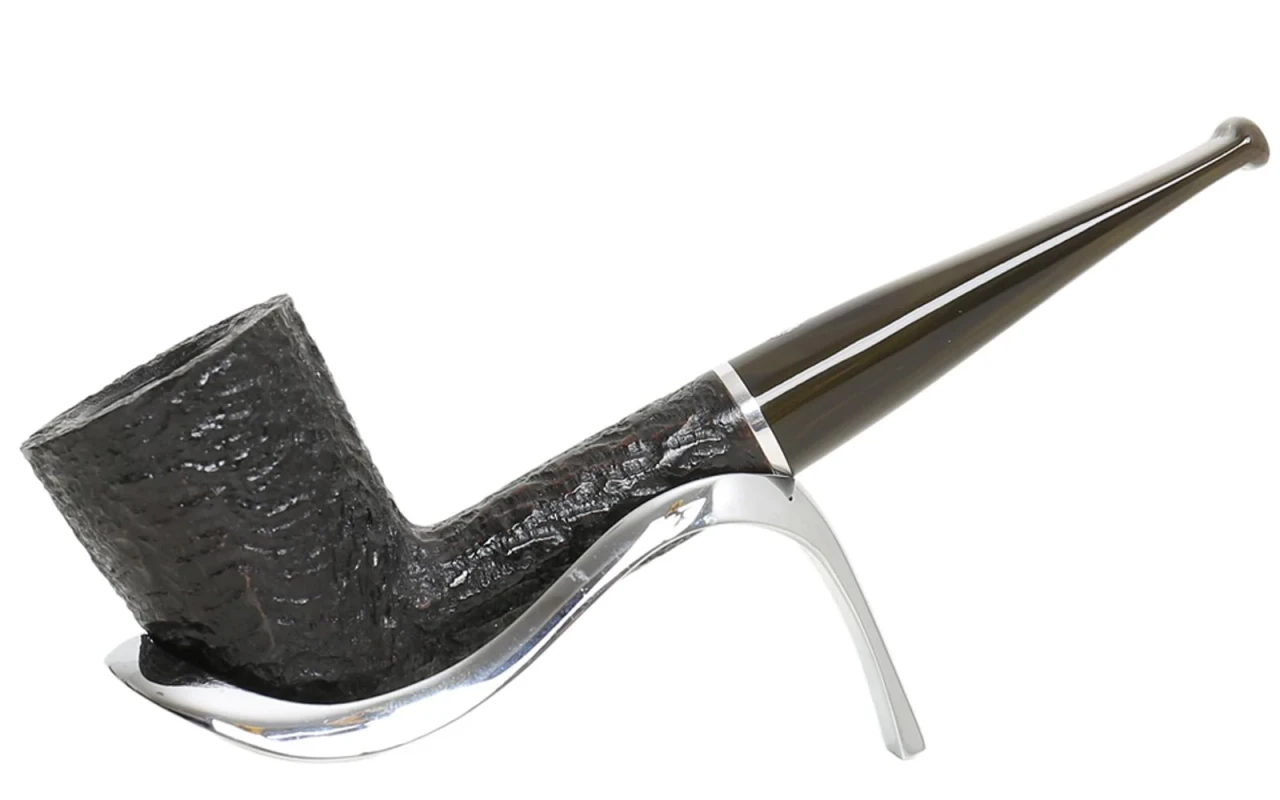
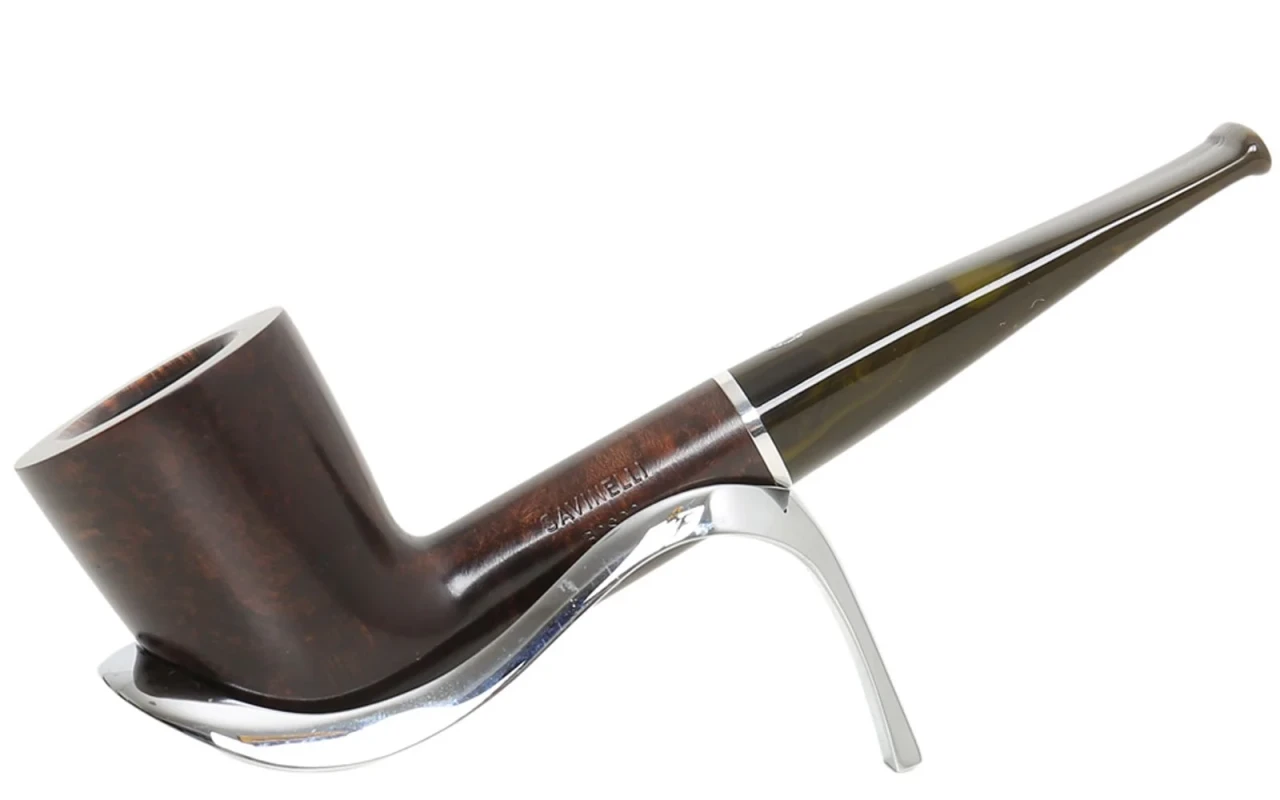
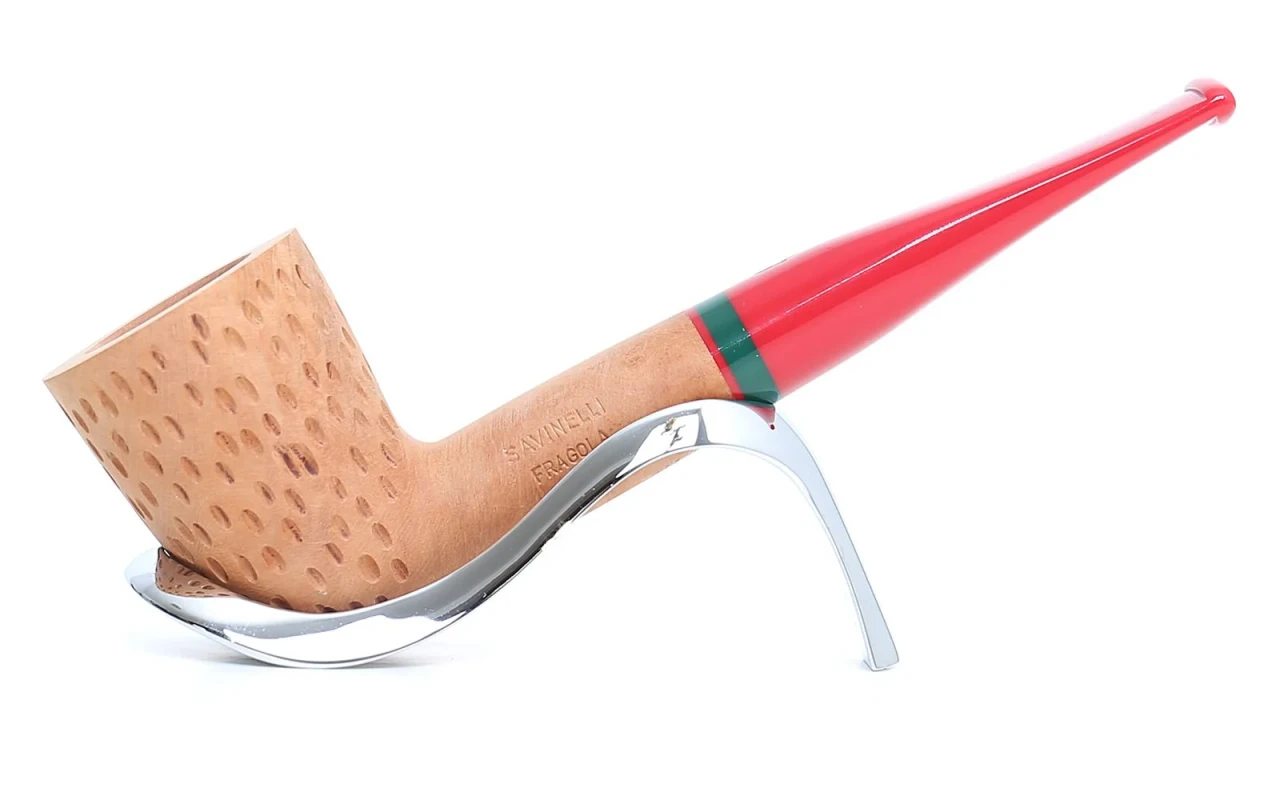
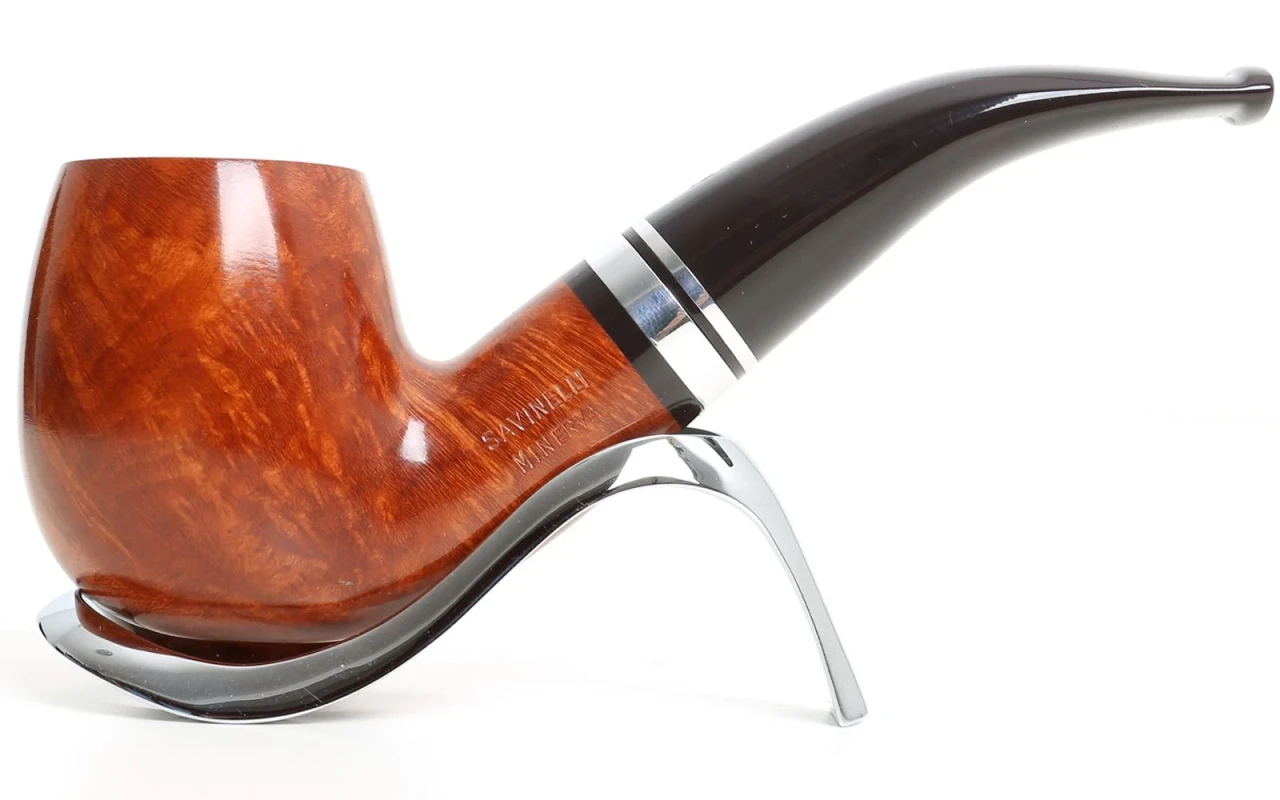
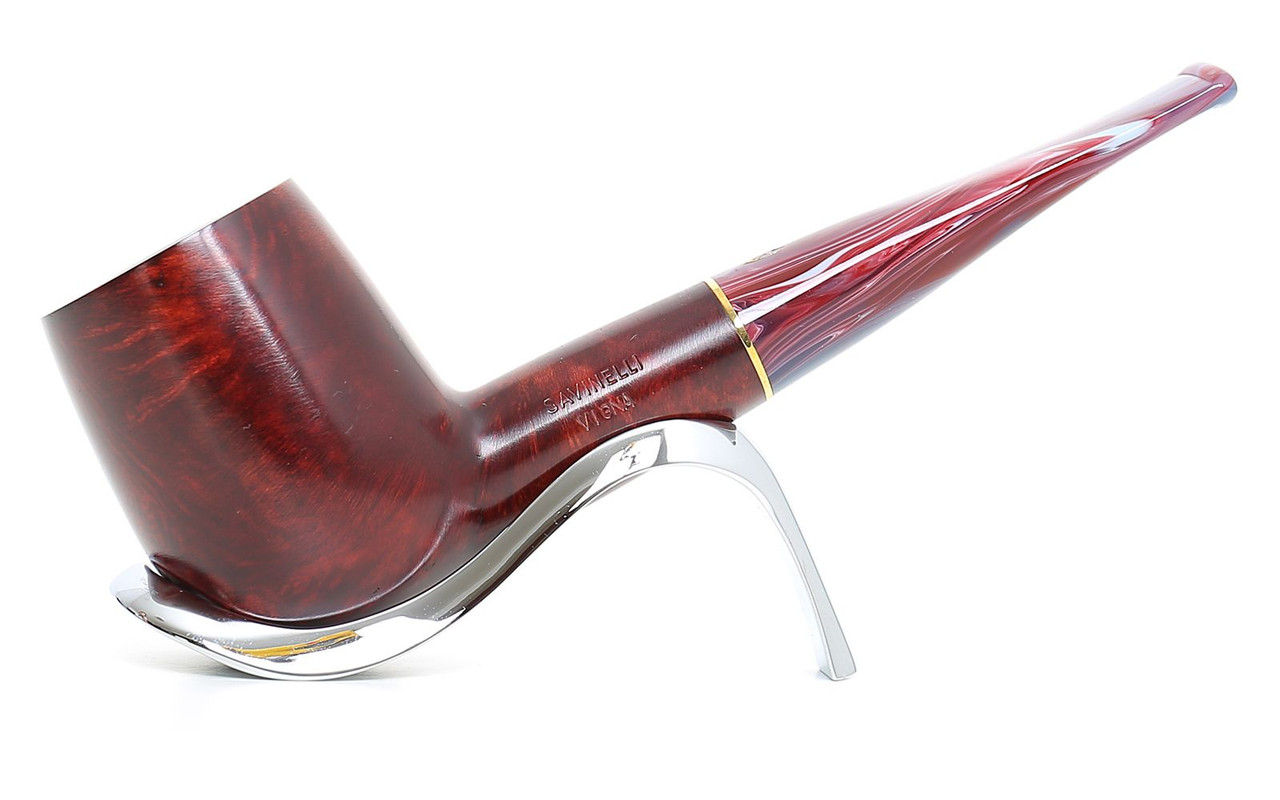
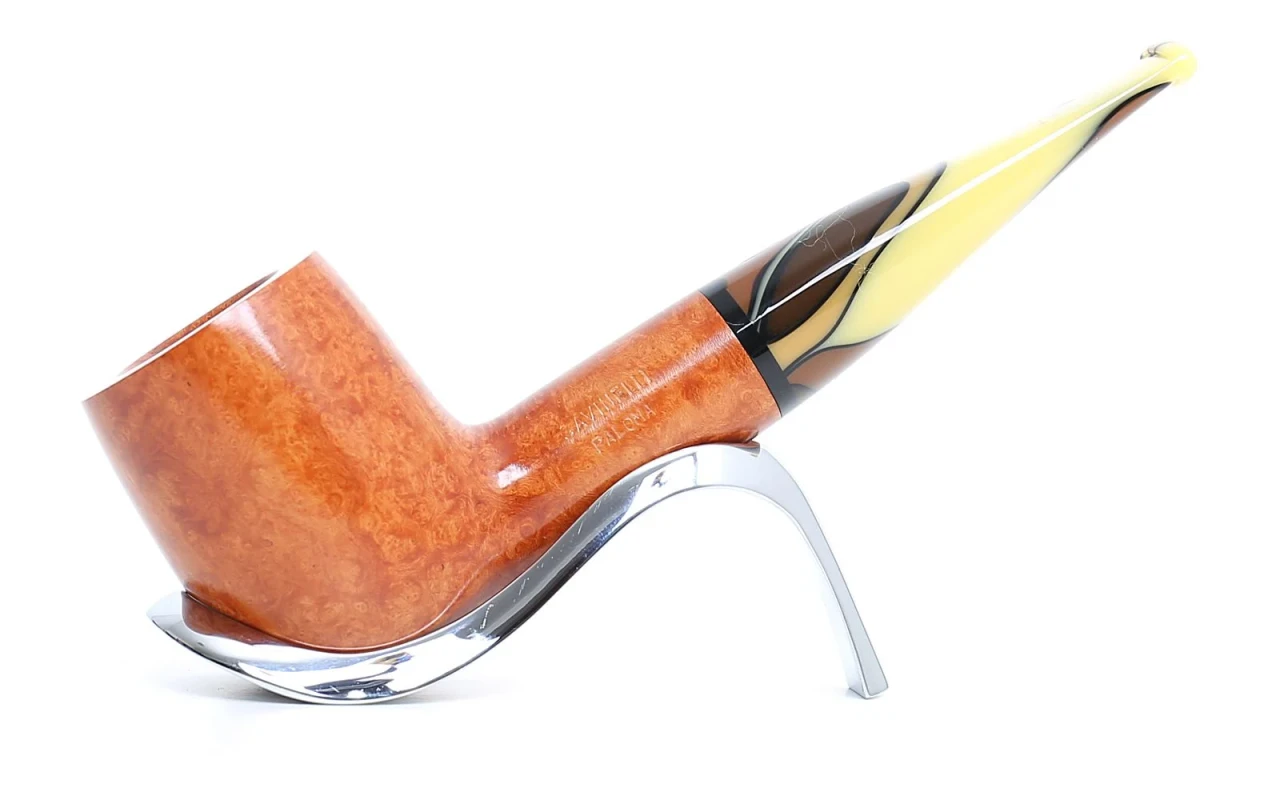
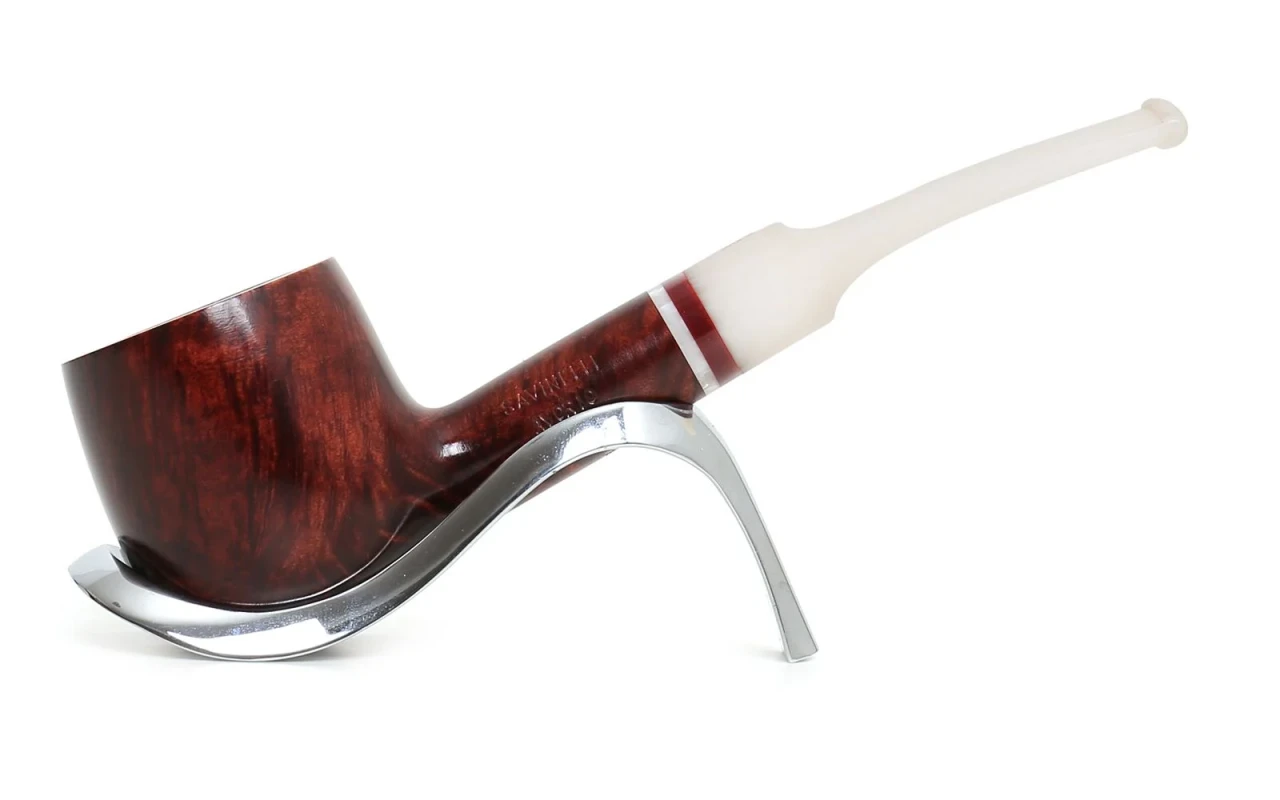
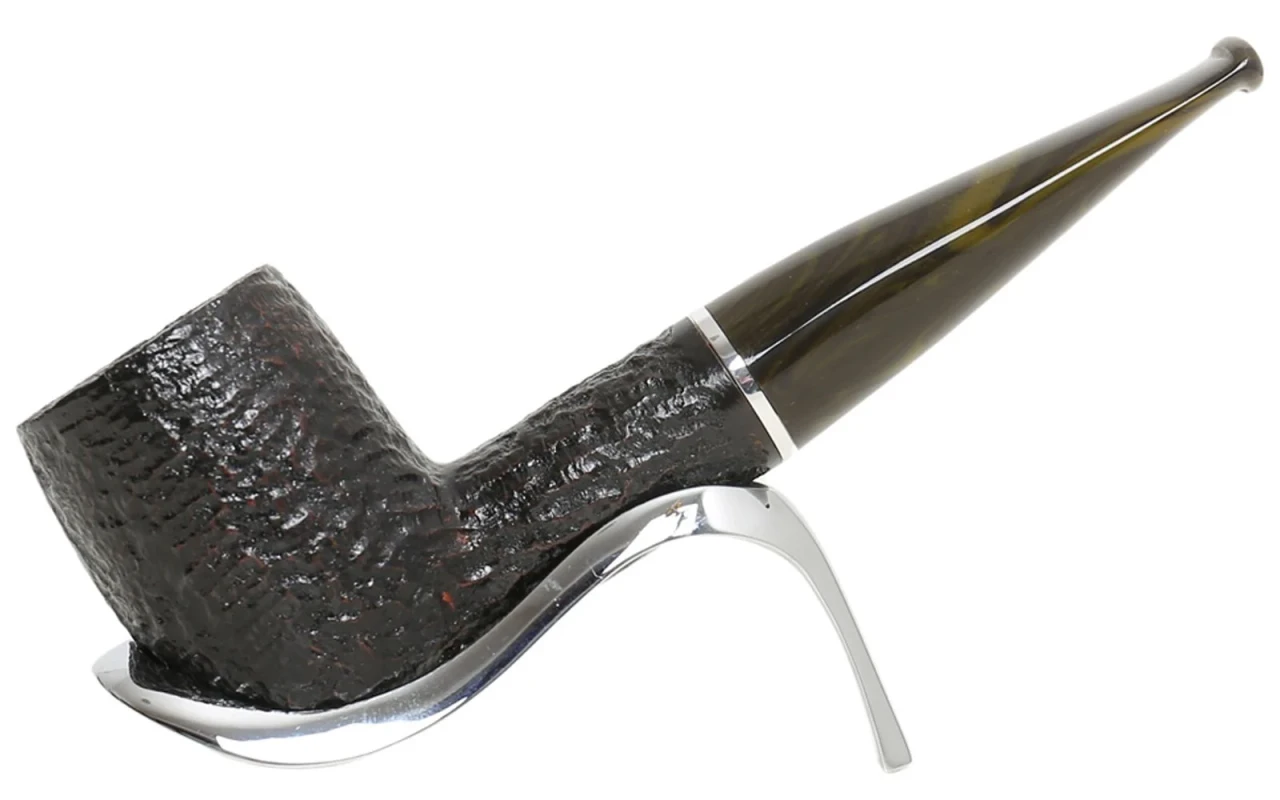
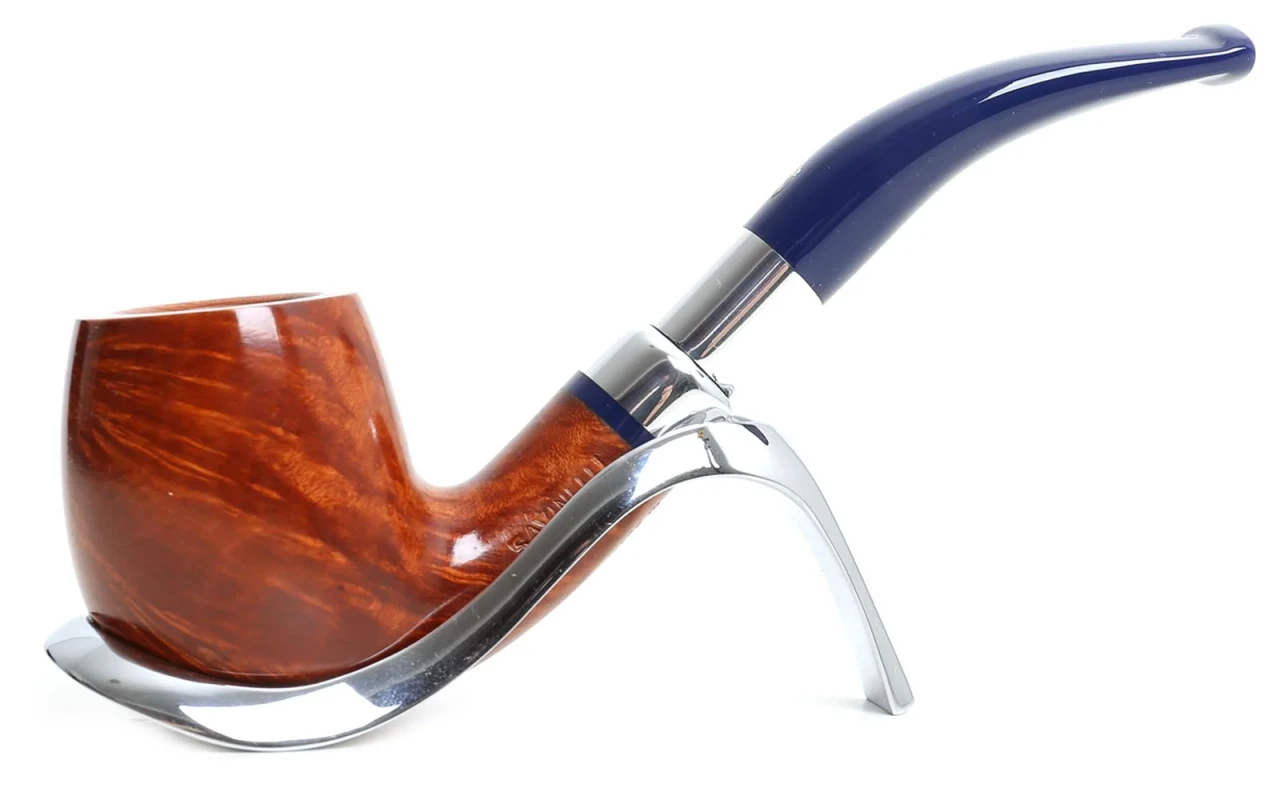
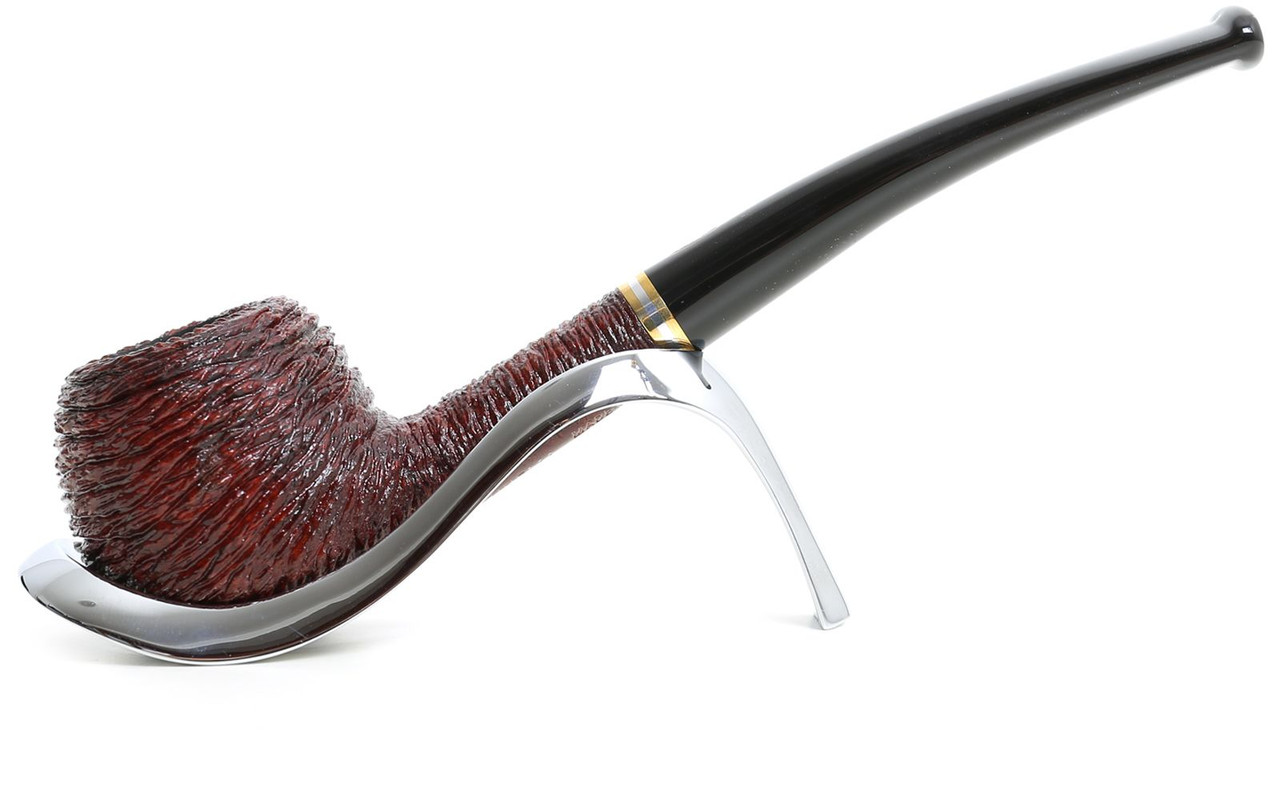
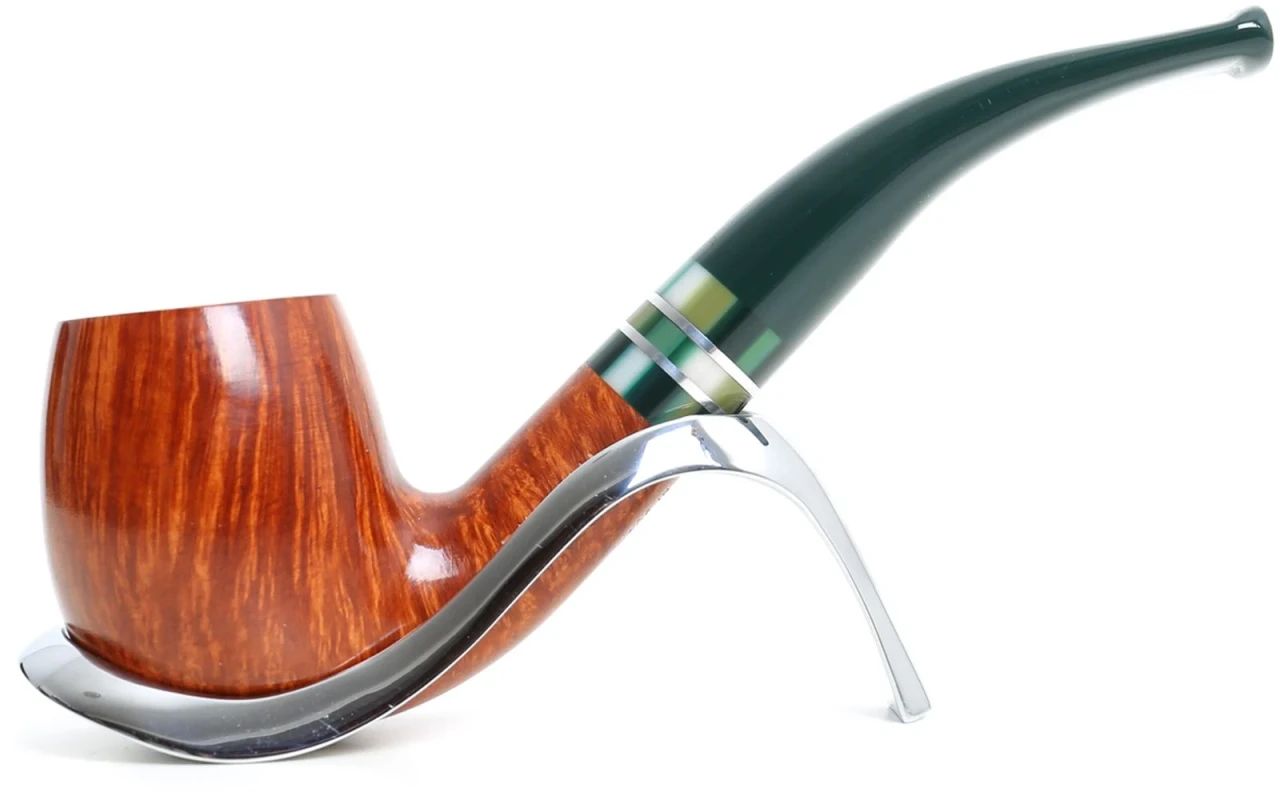
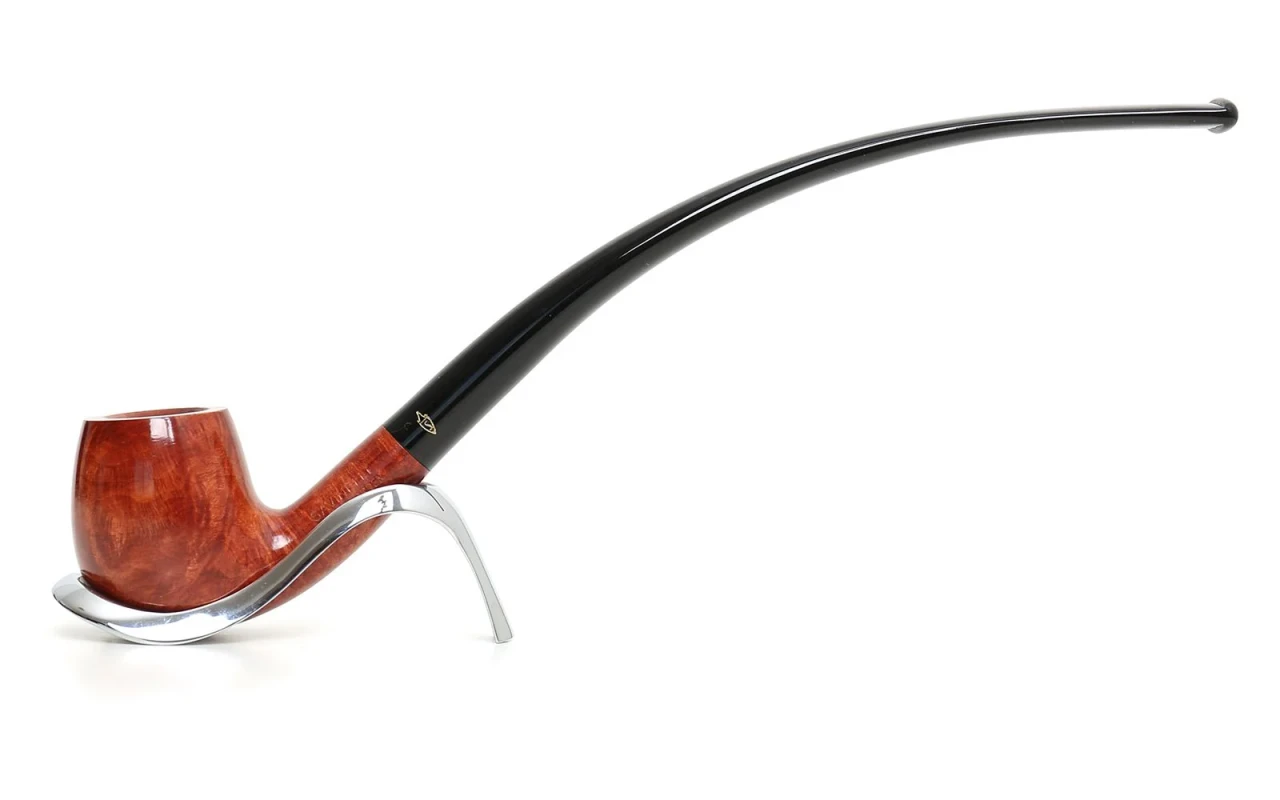
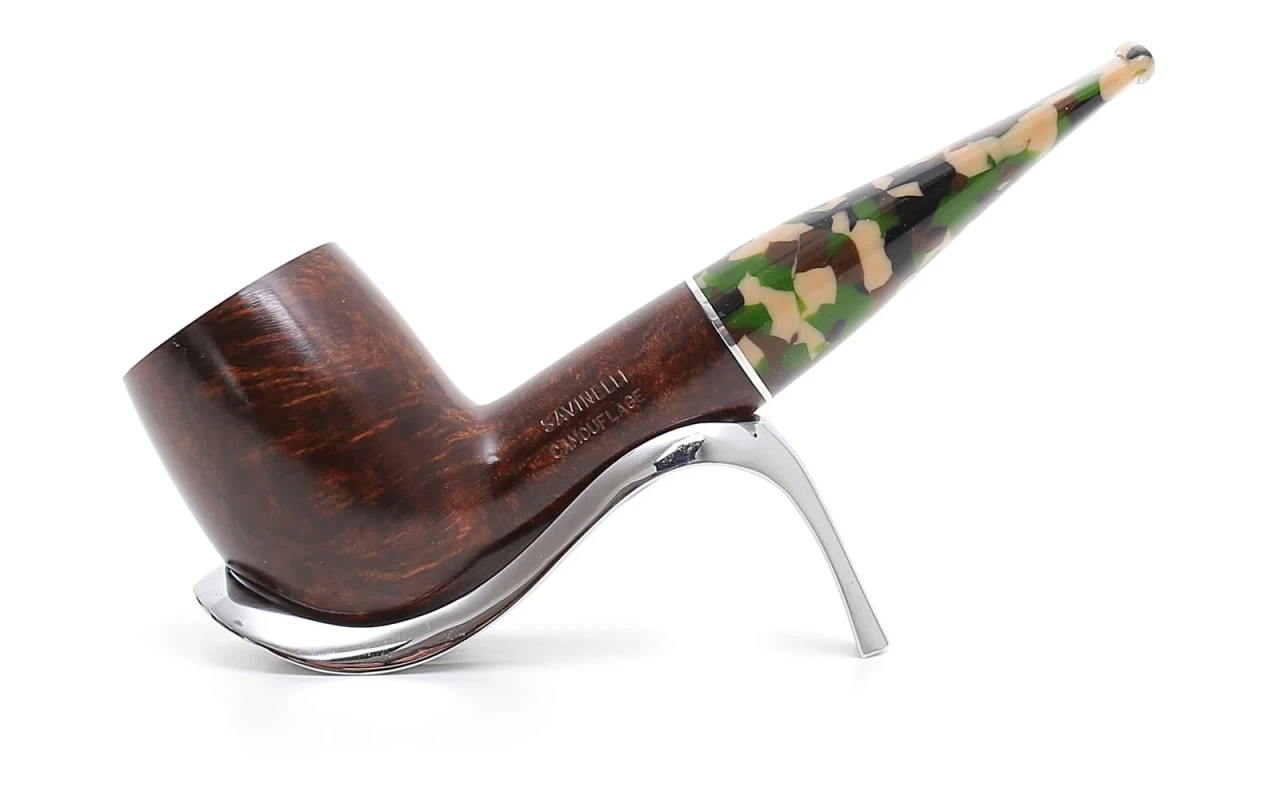
The pipe has very ancient origins, evolving from simple rudimentary tools to refined objects. Early pipes were often made of clay or stone, whereas today prized materials like bruyère are used. Shapes and finishes have diversified, reflecting both functional and aesthetic needs, accompanying the culture of slow smoking over time.
How has the pipe evolved from primitive times to modern days? Deep dive
The evolution of the pipe begins with primitive instruments made from natural materials such as clay, stone, or rough wood, used across various ancient cultures for smoking tobacco or other herbs. Over the centuries, the pipe transformed into a more sophisticated object thanks to the introduction of more durable and precious materials like bruyère, a hard wood resistant to heat that became the standard for quality pipes. The shapes multiplied, evolving from simple tubes to more ergonomic and artistic designs, with attention to both functionality and aesthetics. Finishes became more elaborate, including smoothing, inlays, and surface treatments to enhance appearance and durability. This evolution reflects not only technical progress but also a growing culture of slow smoking, where the pipe is not just a tool but a symbol of style and tradition, appreciated by connoisseurs and collectors worldwide.