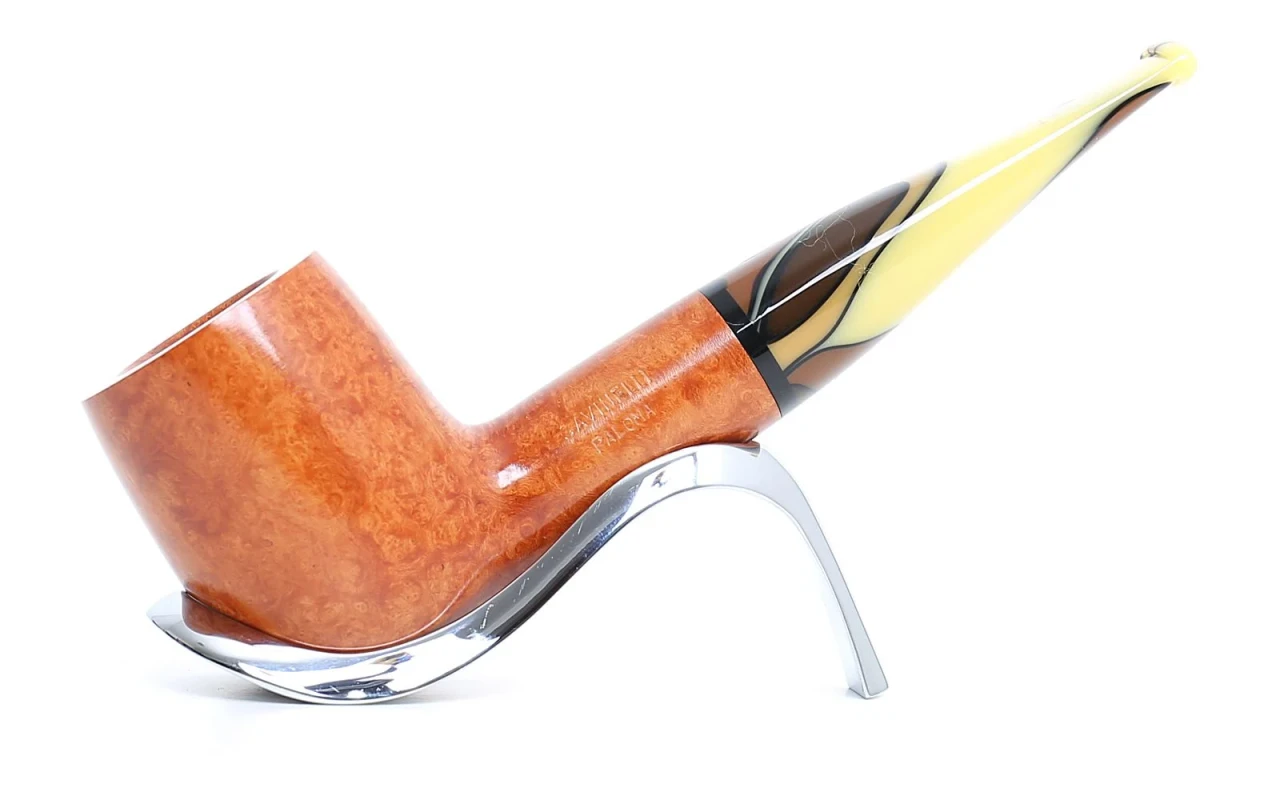
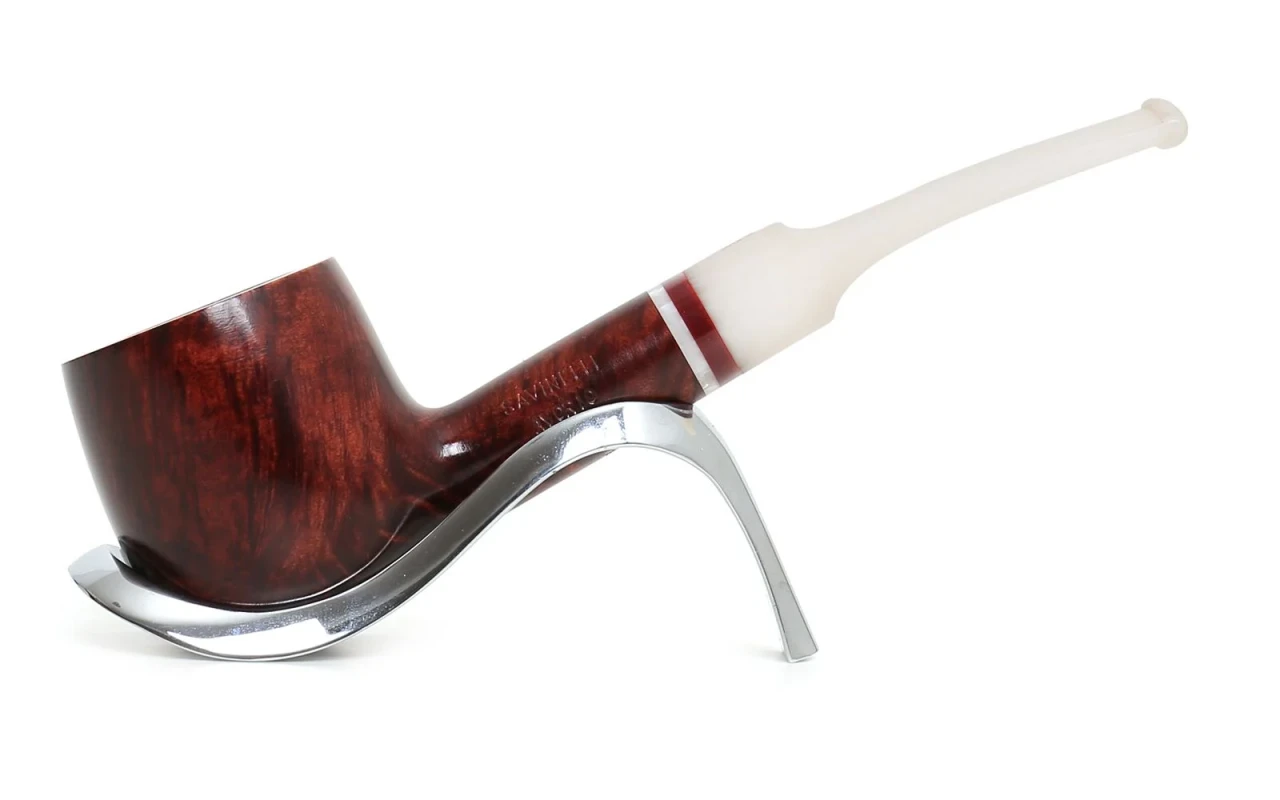
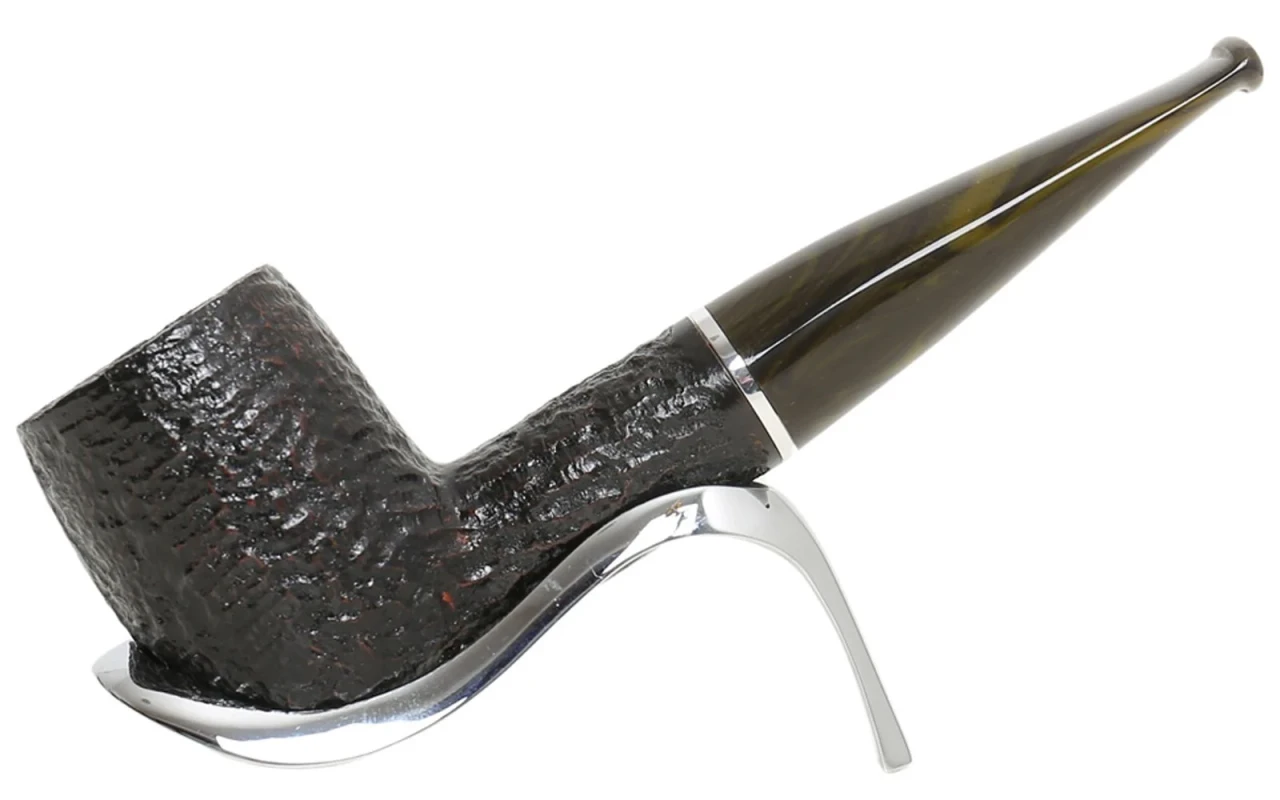
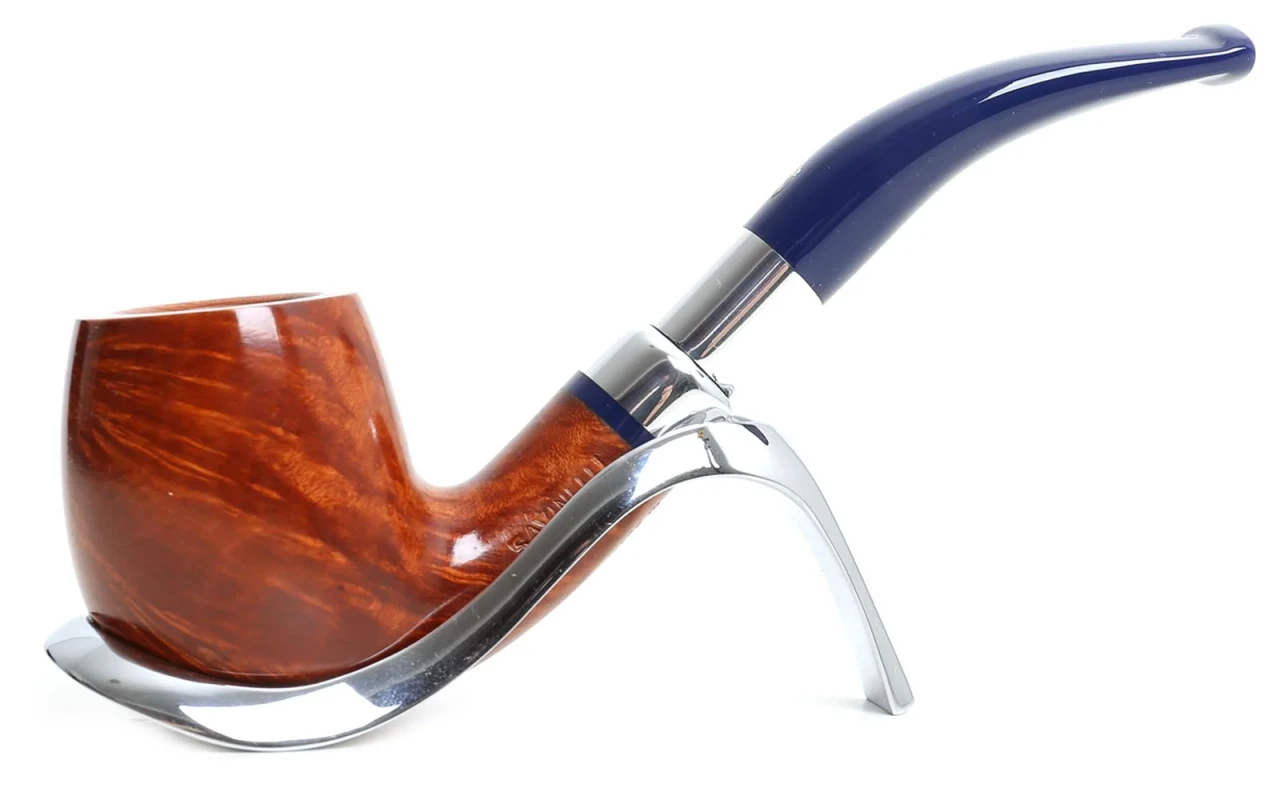
Pipe production has transitioned from simple artisanal models made of clay and wood in the 17th century to more sophisticated creations crafted in briar and other fine materials. The evolution involves working techniques, design, and finishes, reflecting cultural and technological changes in the slow smoking world.
How has pipe production evolved from the 17th century to today? Deep dive
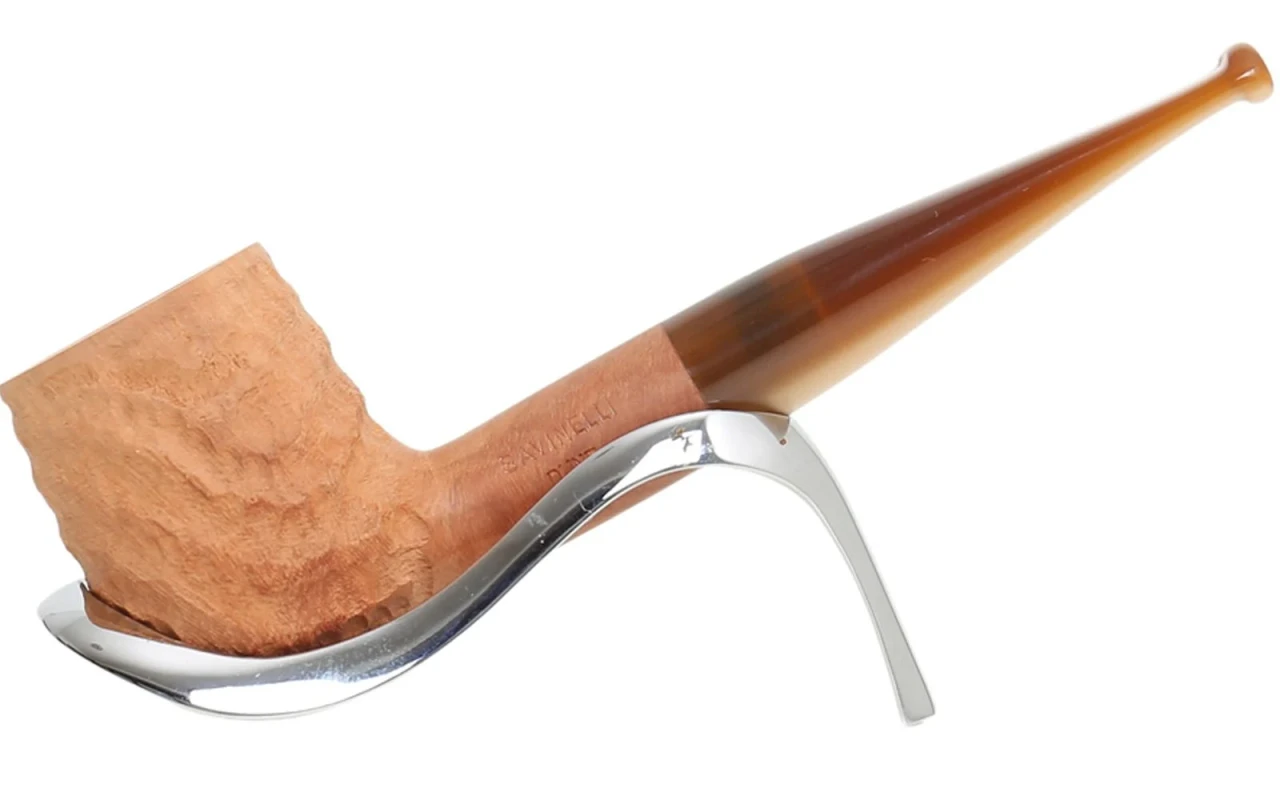
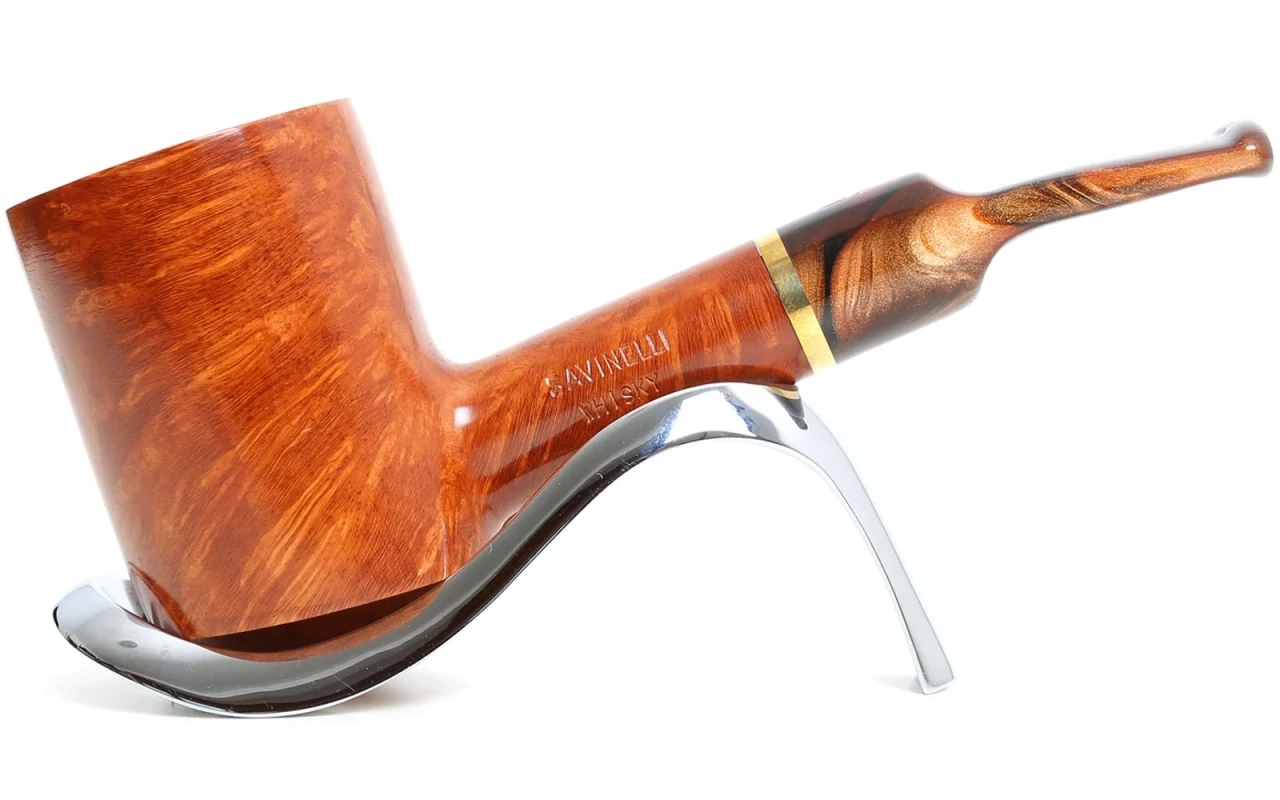
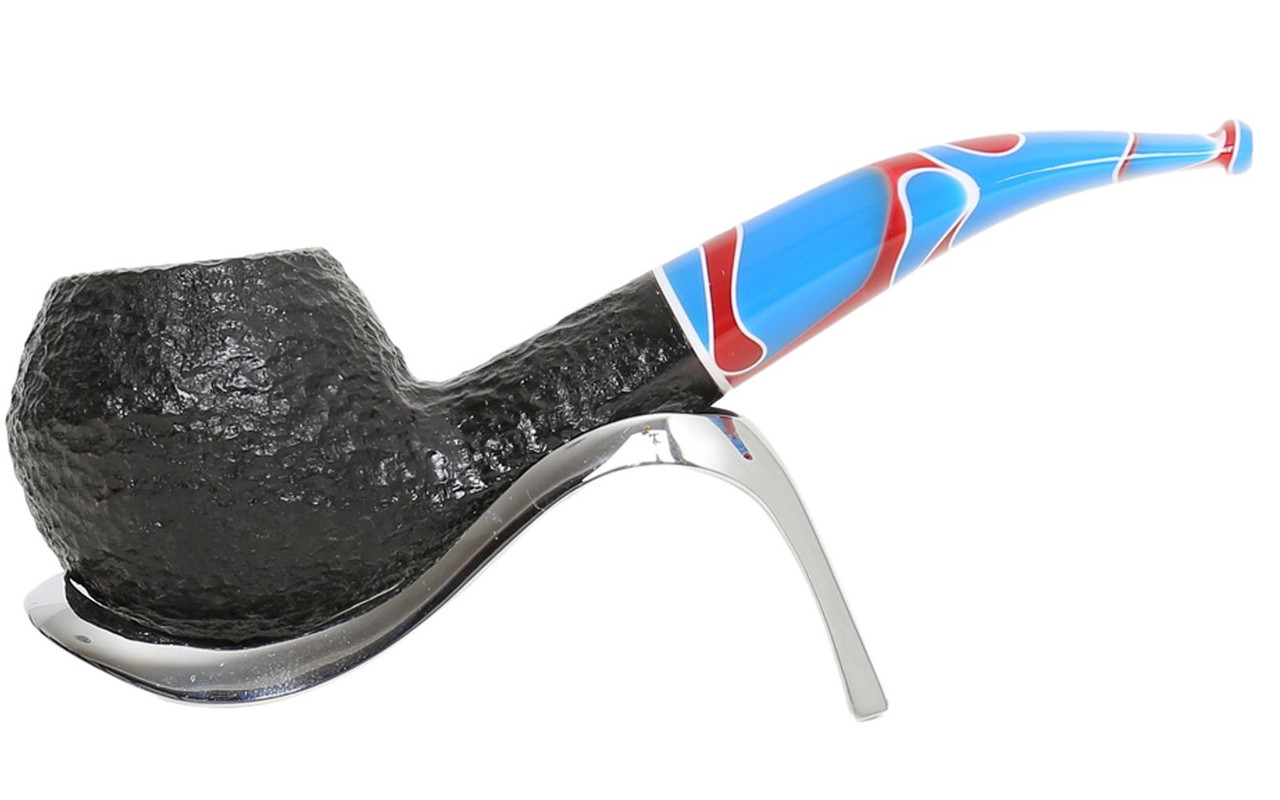
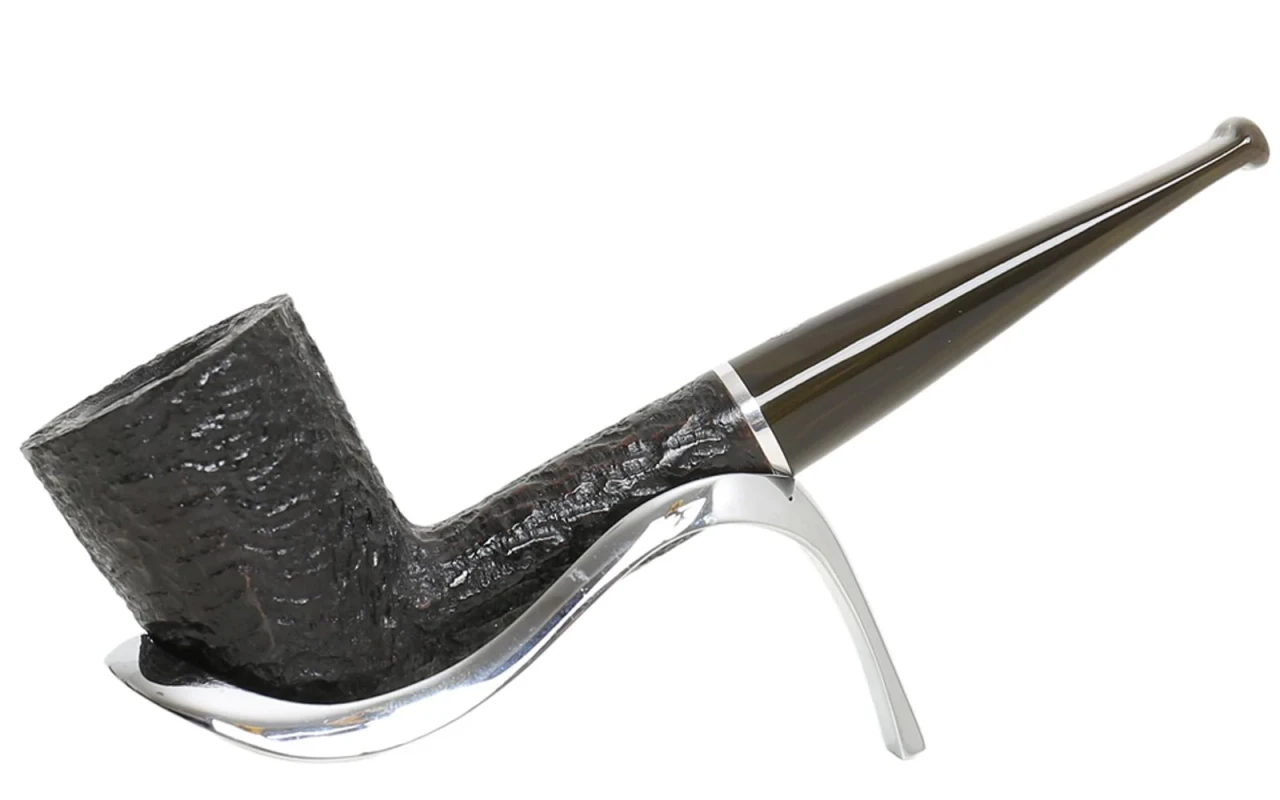
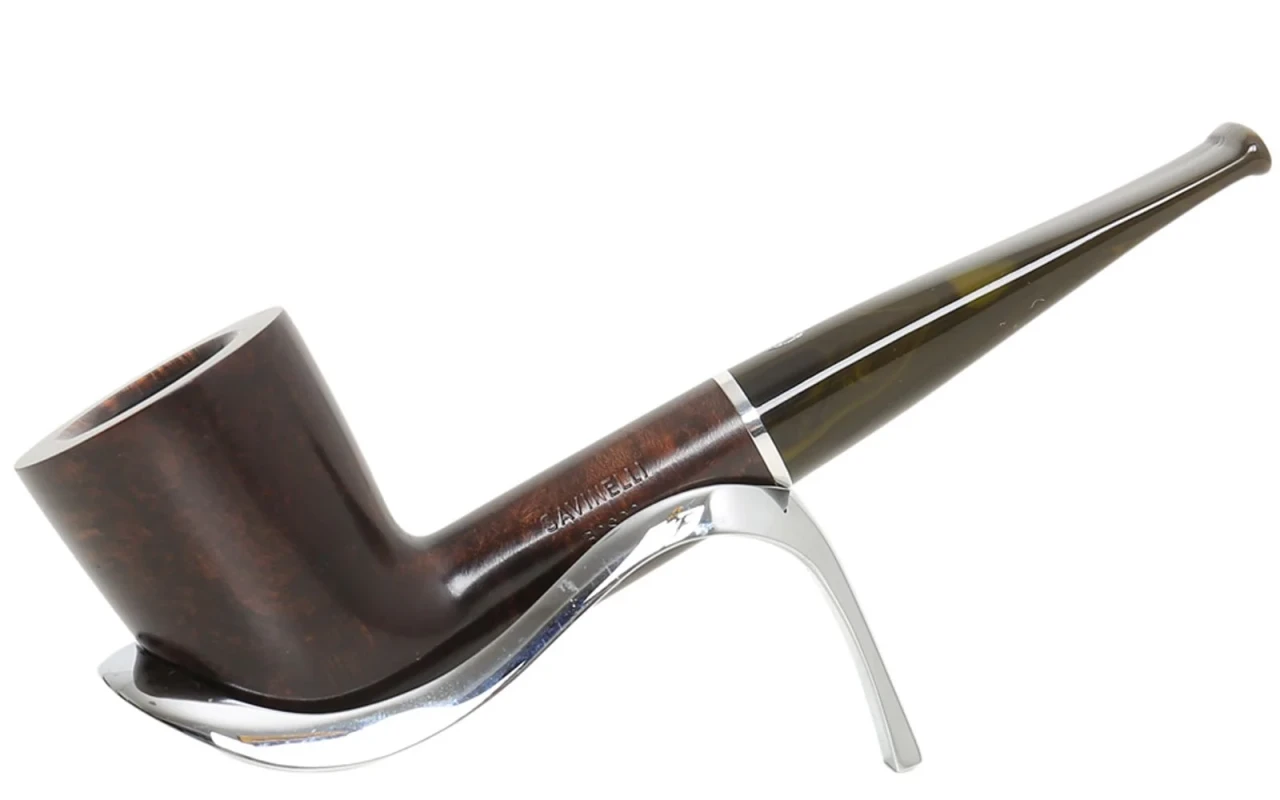
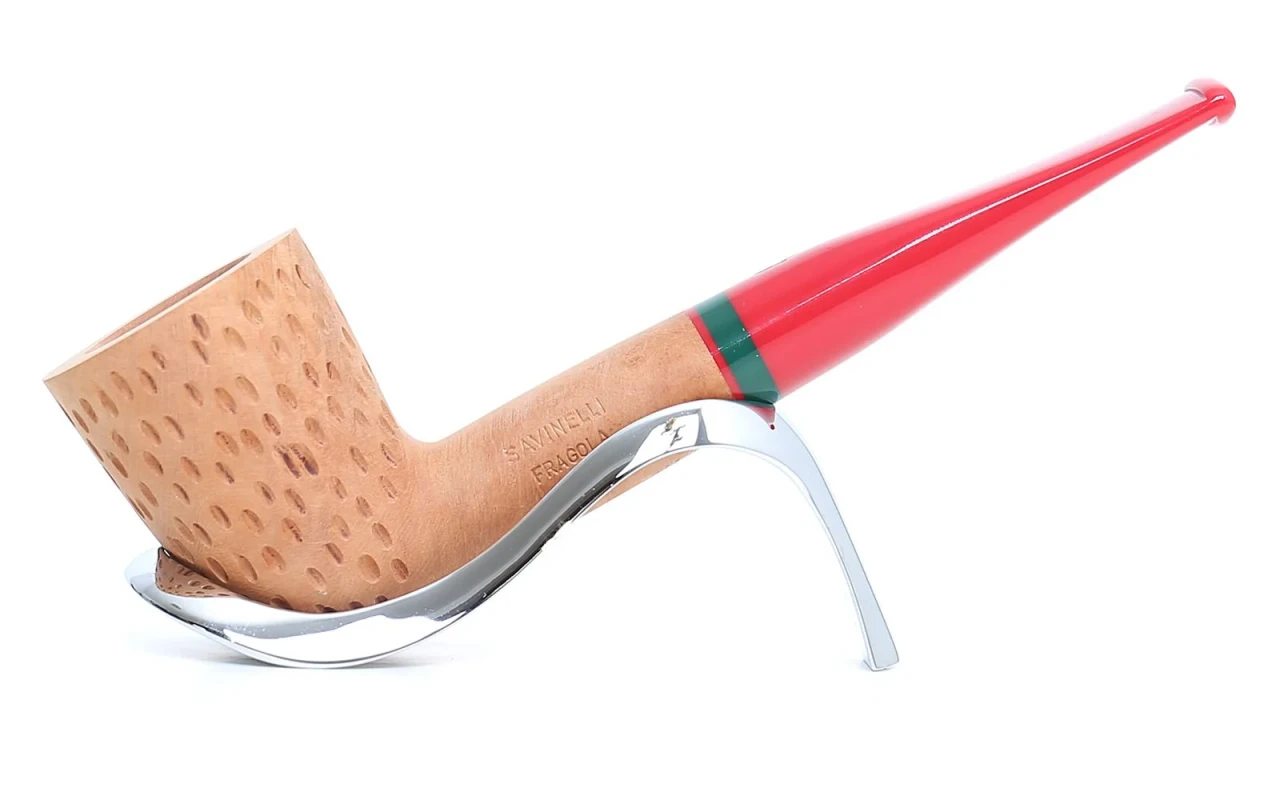
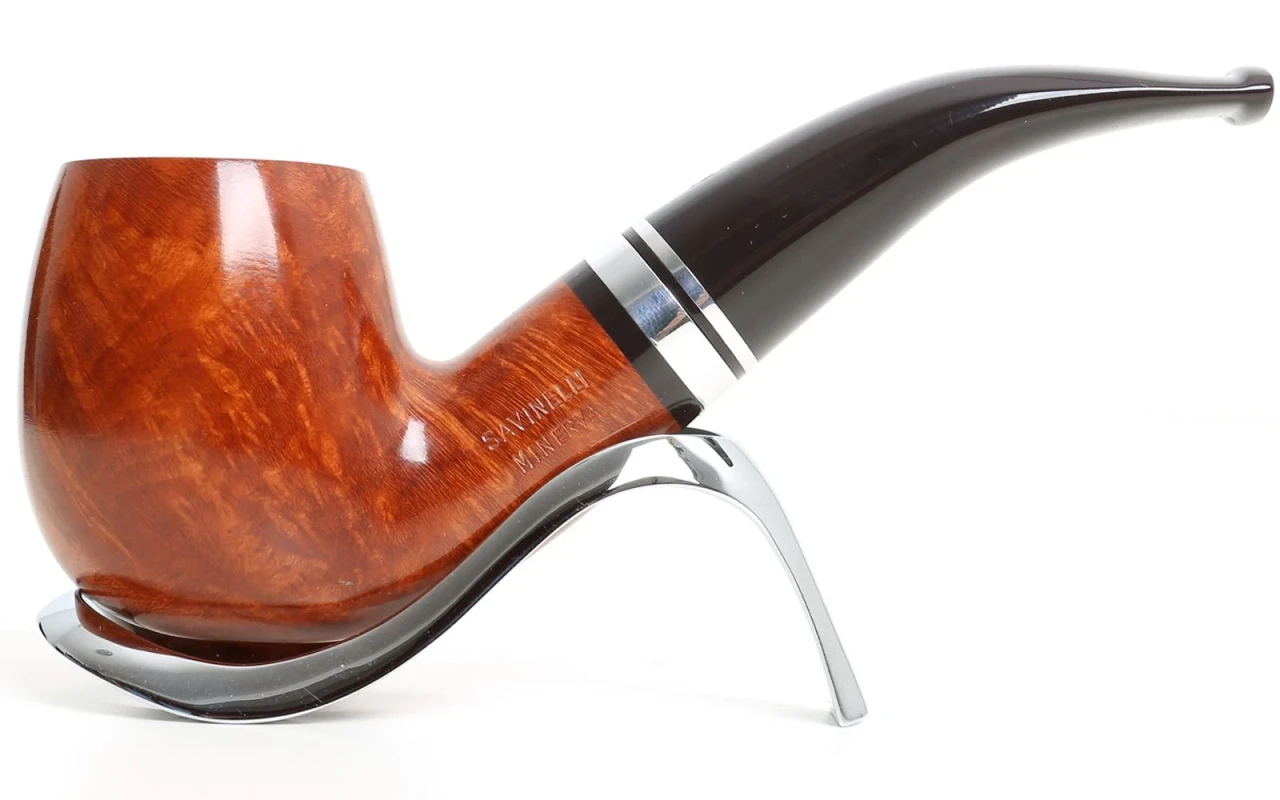
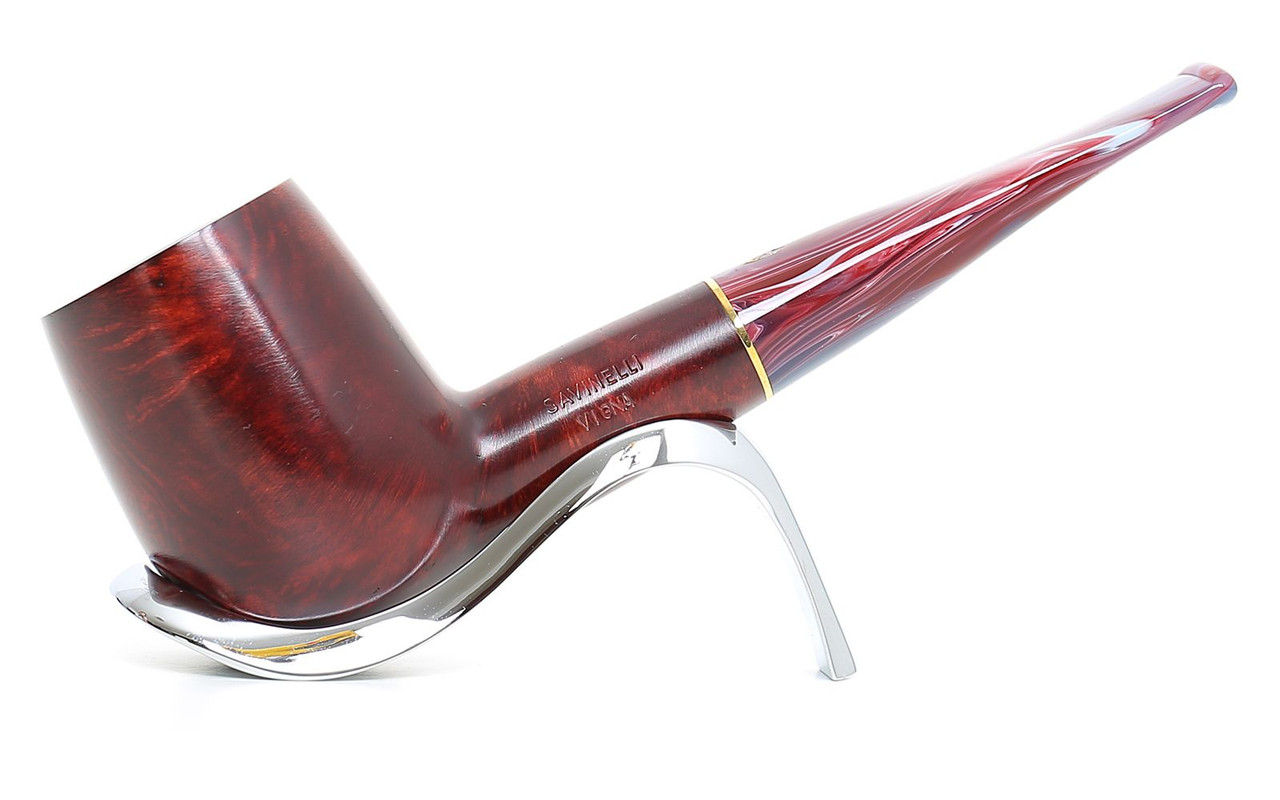
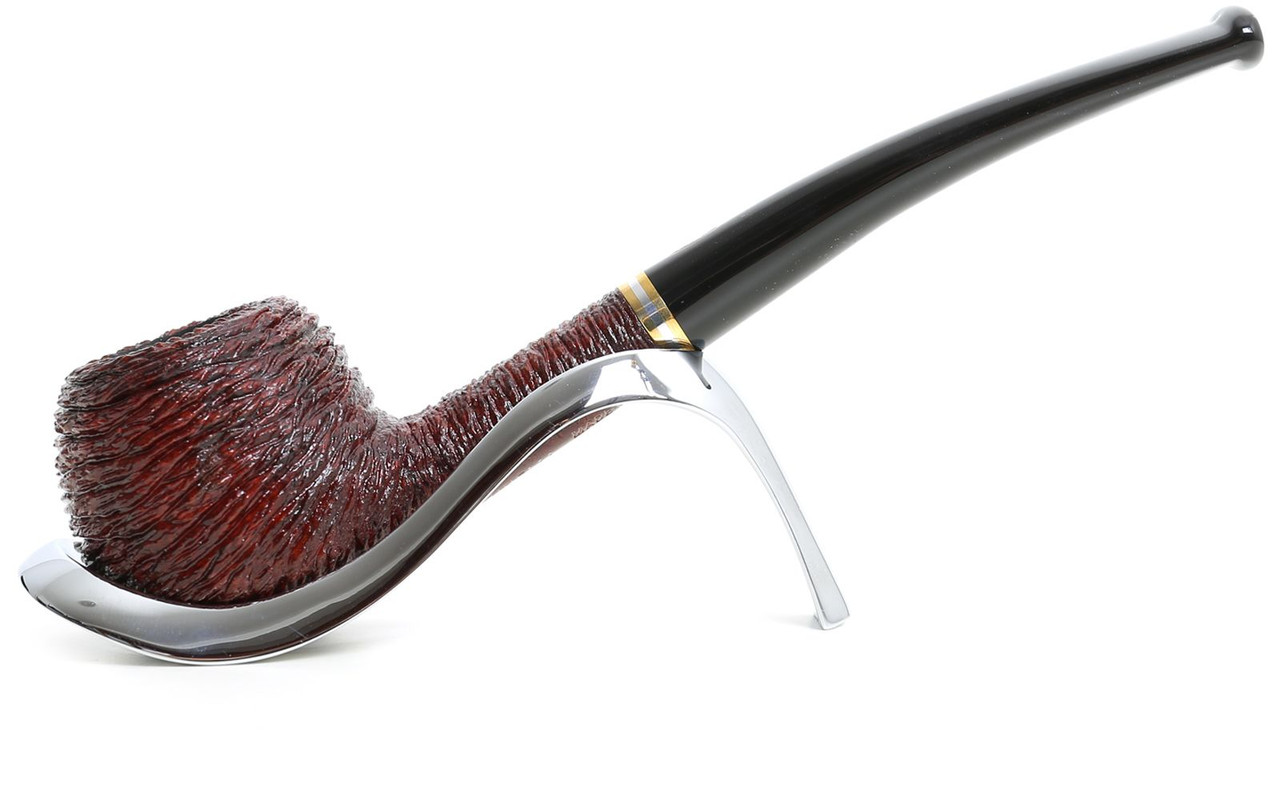
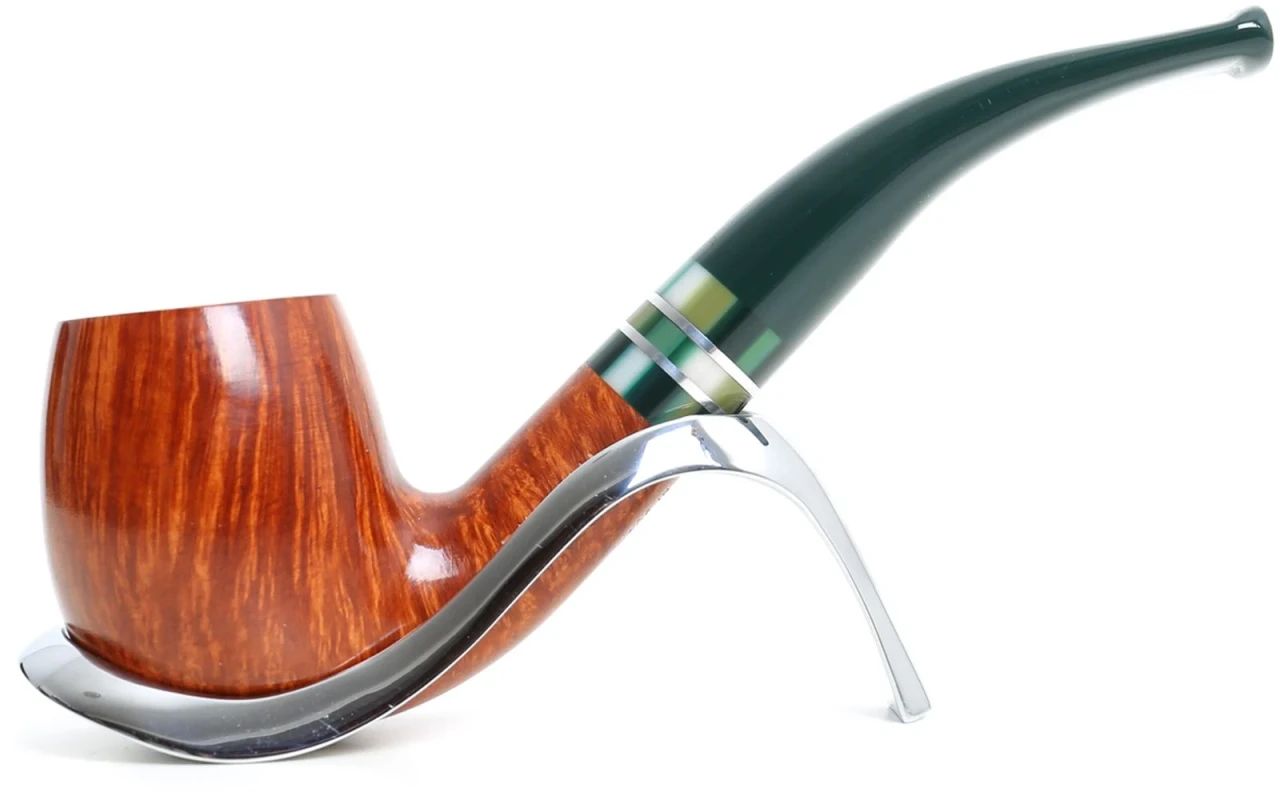
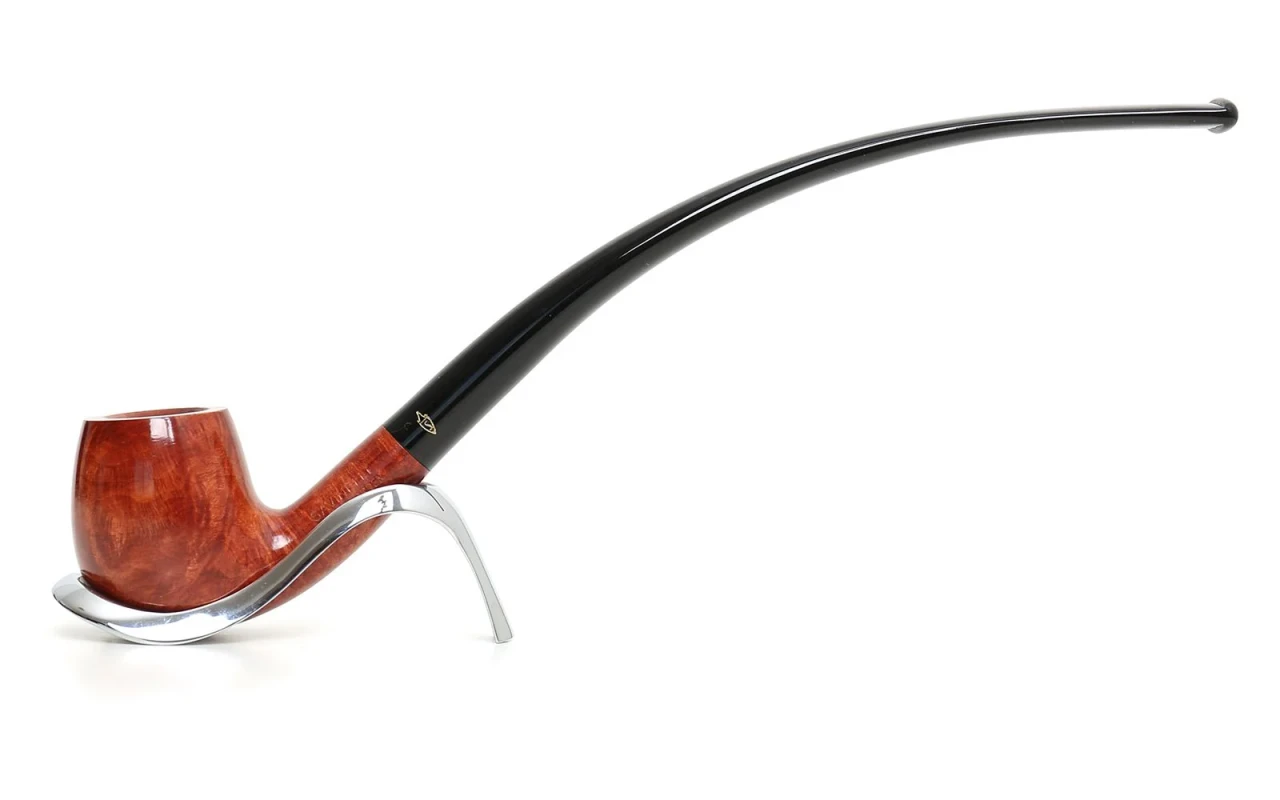
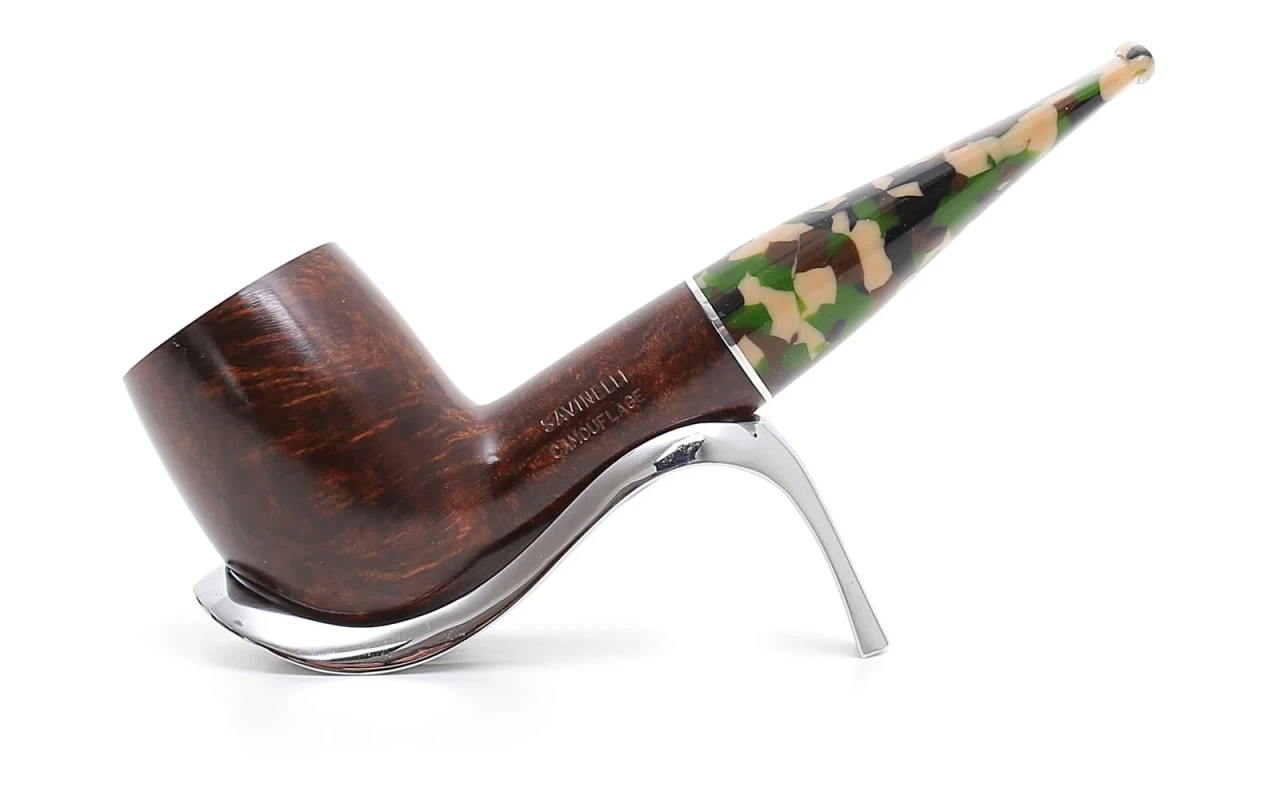
From the 17th century to today, pipe production has undergone significant evolution in both materials and craftsmanship techniques. Originally, pipes were commonly made from clay or plain wood, featuring basic and functional shapes. Over time, Erica arborea briar became the preferred material for its durability and ability to enhance the smoking experience. Craftsmanship refined with more meticulous finishes and elaborate shapes reflecting diverse aesthetic and functional tastes. Industrialization enabled wider and standardized production, yet attention to artisanal quality has remained central for many manufacturers. Today, production blends tradition and innovation, offering pipes that range from classic models to modern designs, employing alternative materials and advanced techniques to ensure quality and longevity. This evolution testifies to the rich culture of slow smoking and the continuous pursuit of perfection in the pipe world.