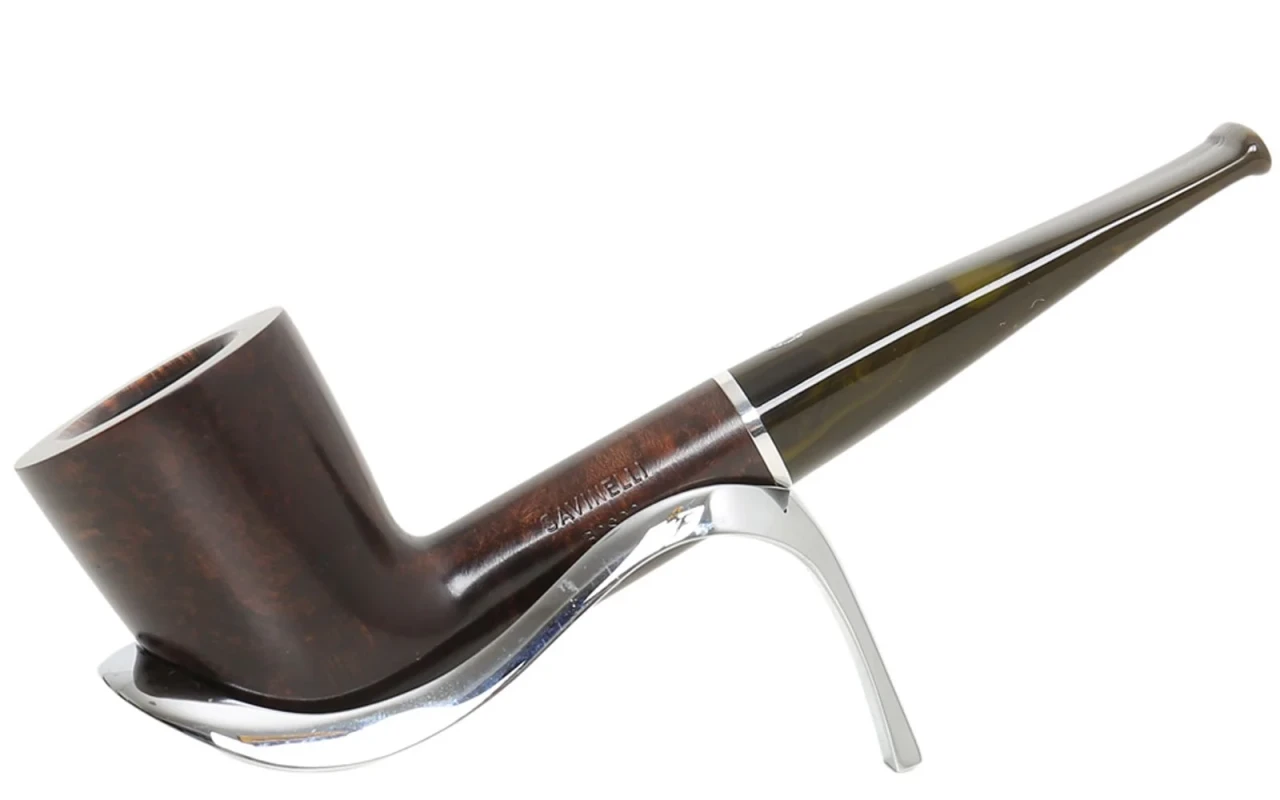
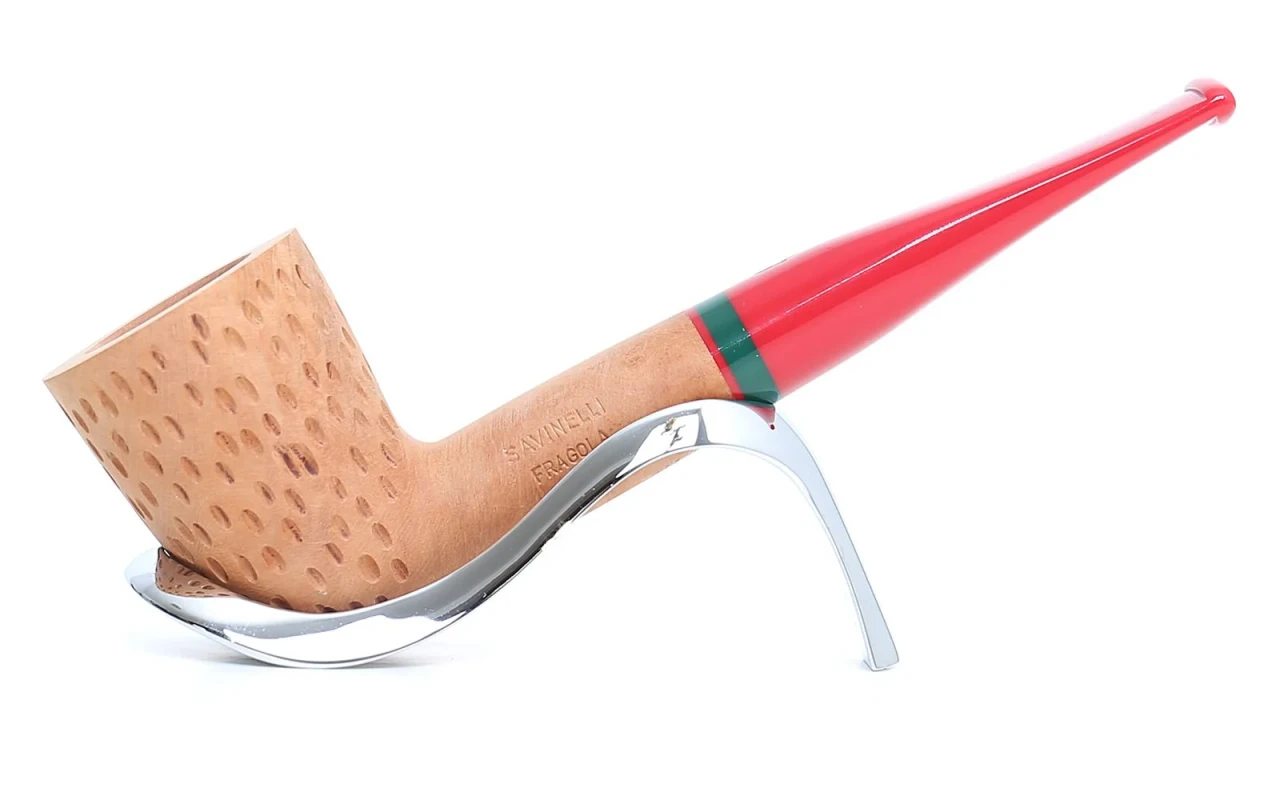
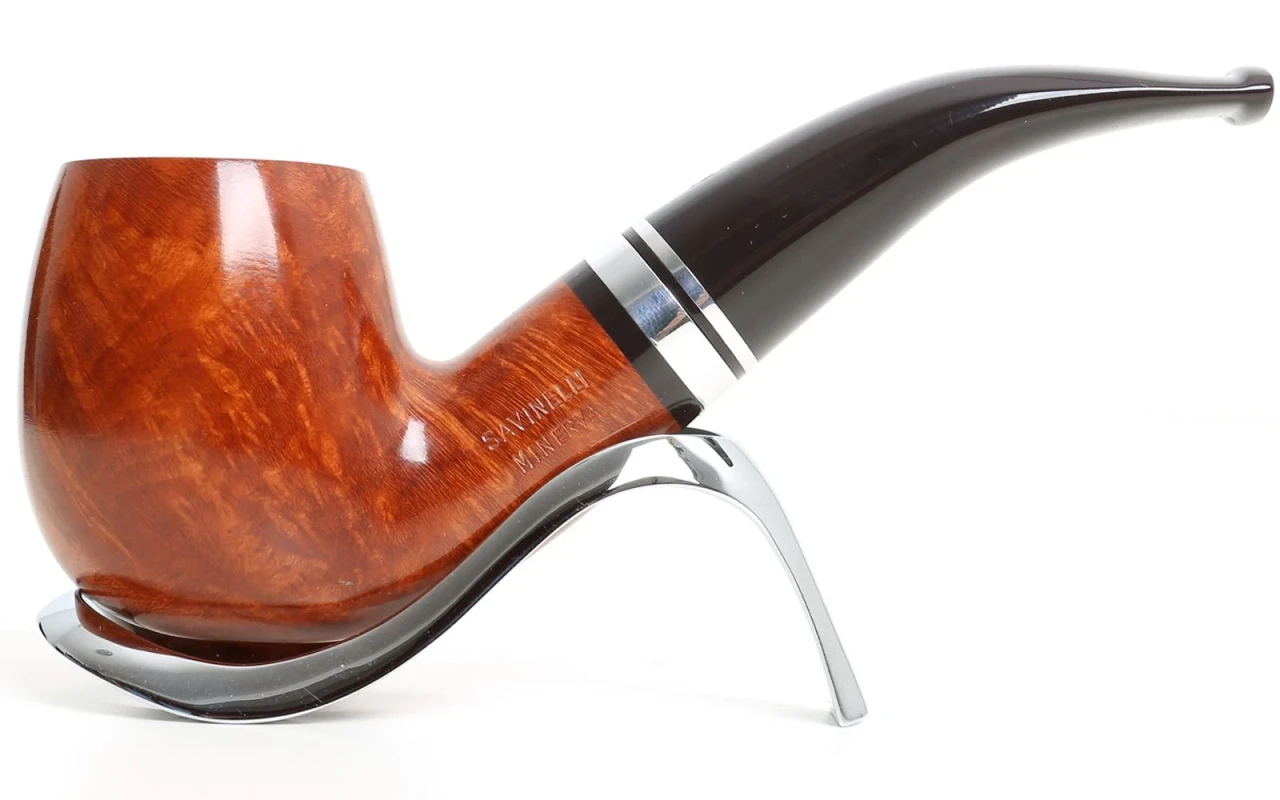
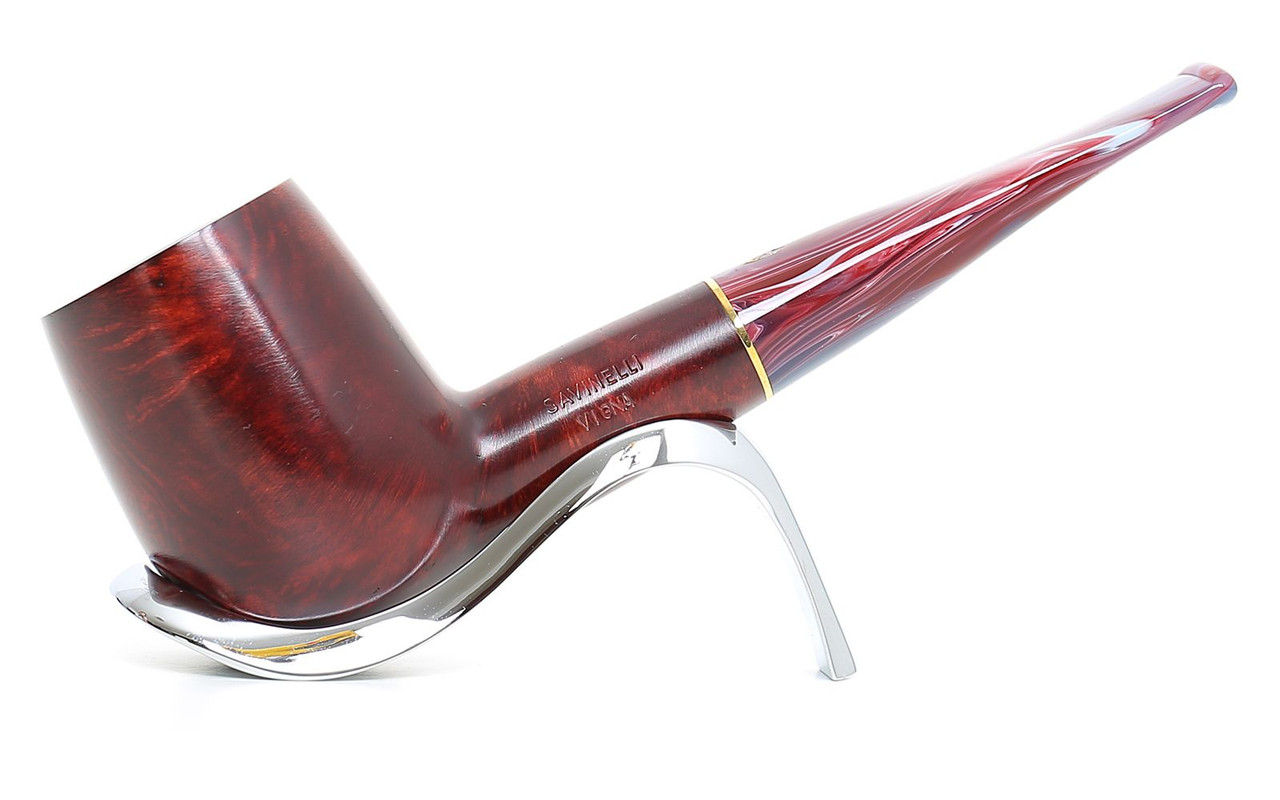
The industrial production of pipes developed in the 19th century with the introduction of machinery that enabled faster and standardized manufacturing. This process made pipes more accessible while still maintaining artisanal production for high-quality models and special shapes.
How did the industrial production of pipes develop? Deep dive
The industrial production of pipes began to take shape in the 19th century, alongside advances in woodworking and other material-processing technologies. Prior to this, pipes were mainly handcrafted by artisans, involving long production times and high costs. The introduction of specialized machinery allowed for the standardization of certain manufacturing stages, such as shaping and boring, thereby increasing the speed and volume of pipes produced. This industrial development made pipes more accessible to a broader audience, while still preserving artisanal production for high-quality pipes and those with unique shapes. The spread of materials like briar, which is durable and easy to work with, also contributed to the growth of industrial production. Over time, the combination of artisanal and industrial techniques enabled meeting diverse market demands by offering both economical and premium pipes.