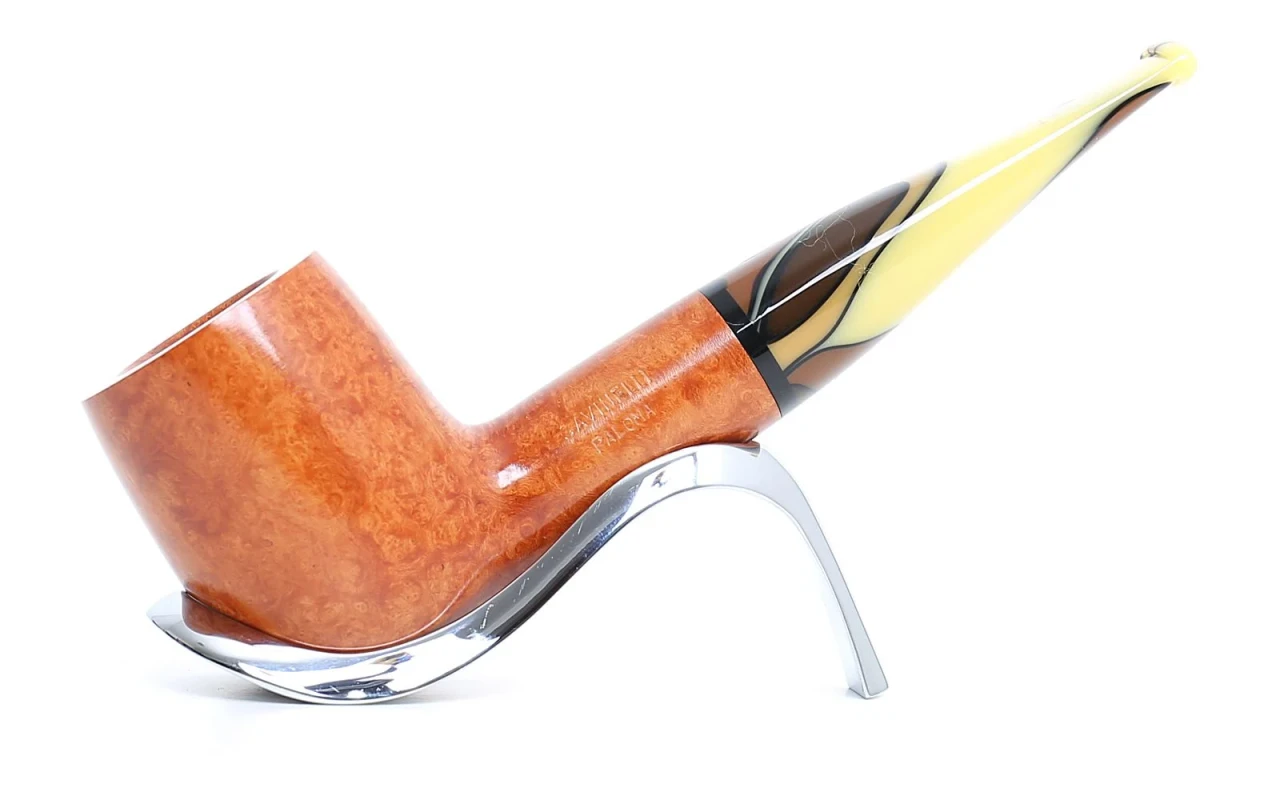
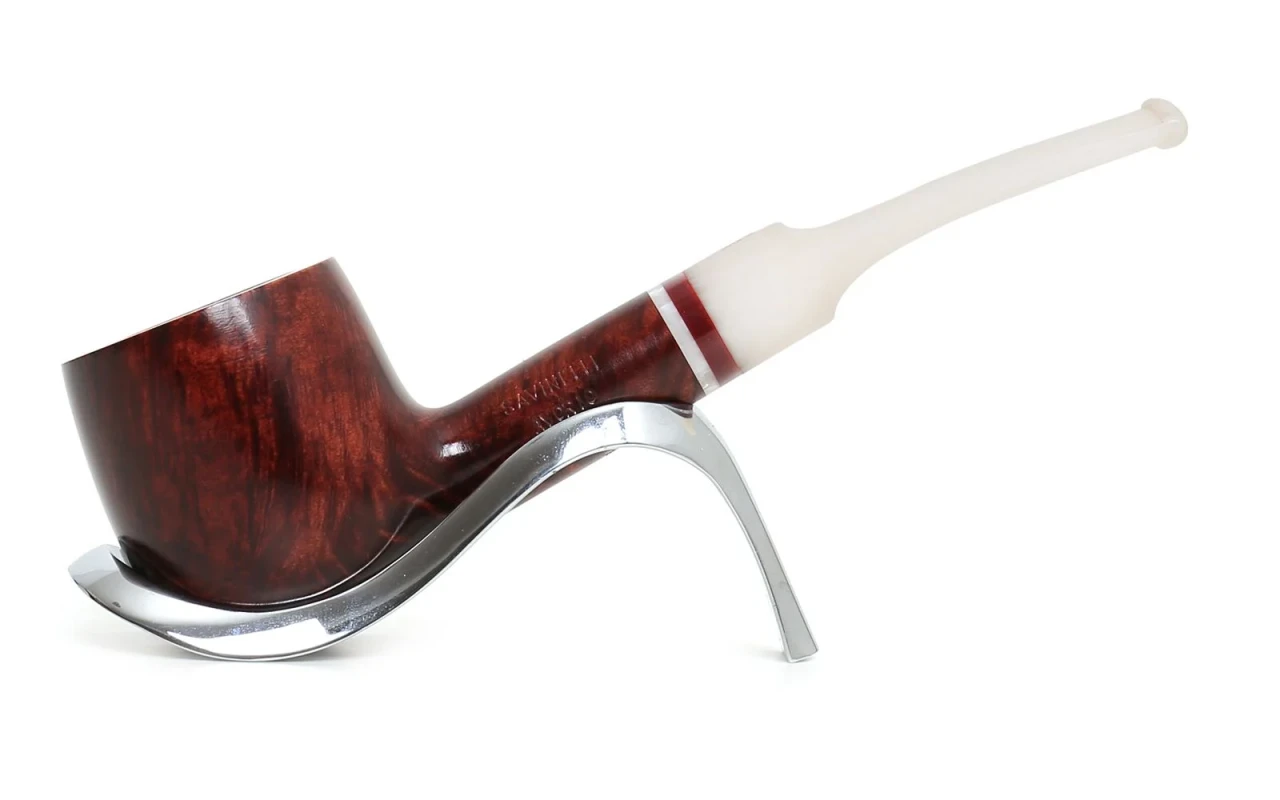
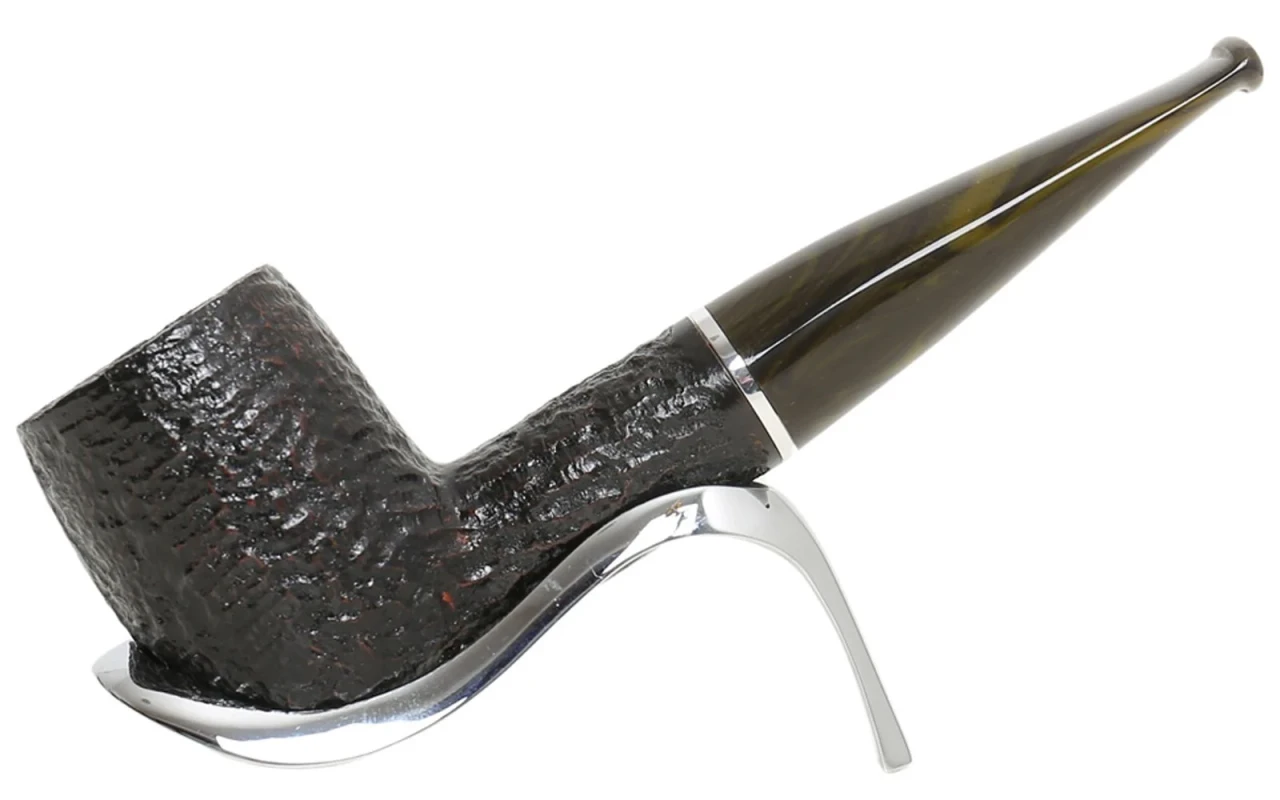
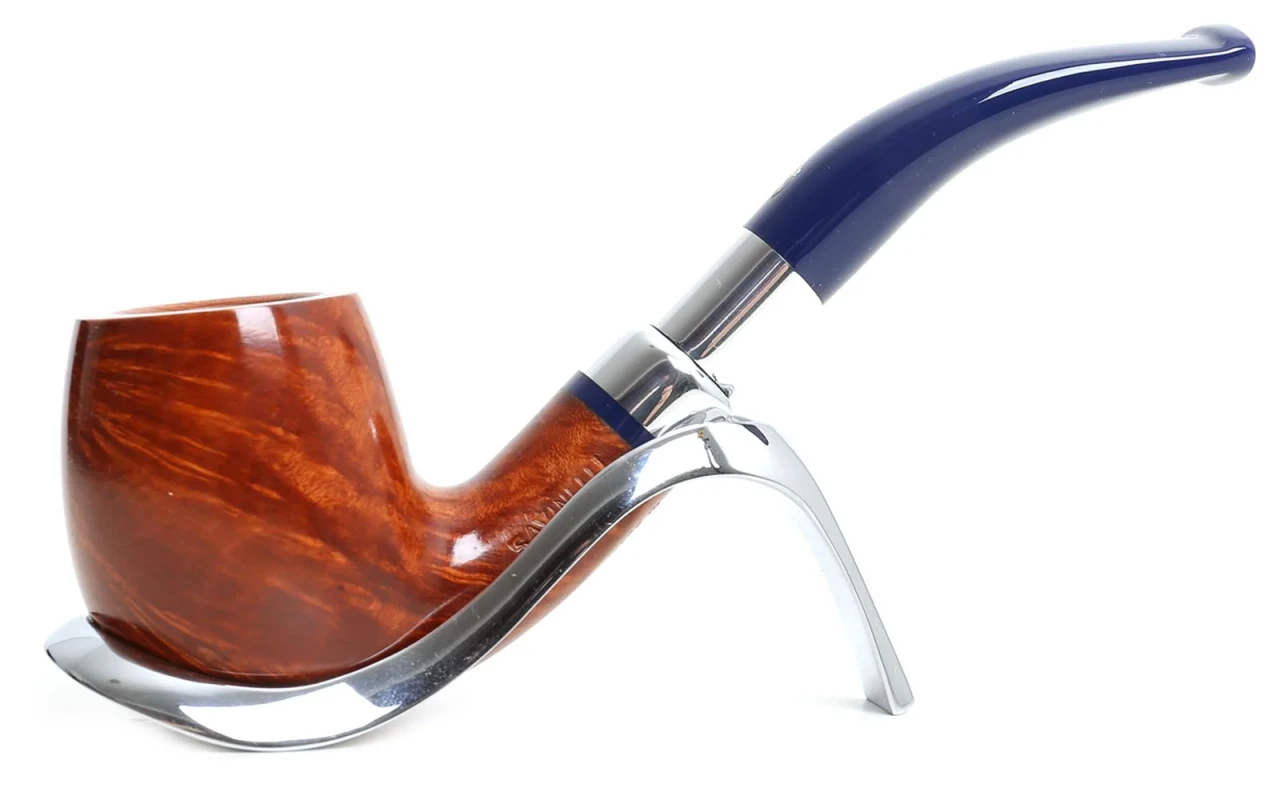
Pipe design has evolved over time from simple, functional shapes to more elaborate and artistic models. Innovations have involved materials, ergonomics, and finishes, reflecting both practical needs and aesthetic tastes, with cultural and technological influences enriching the variety available.
How did pipe design evolve? Deep dive
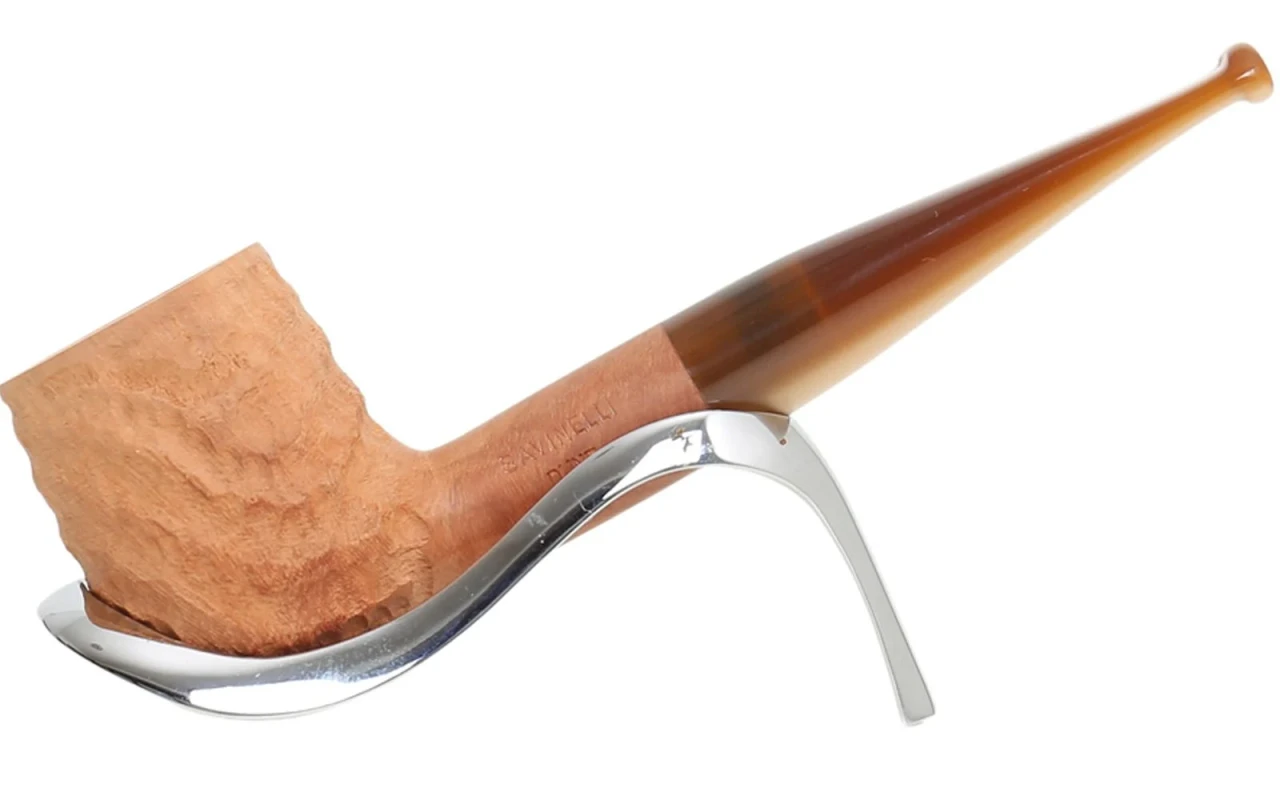
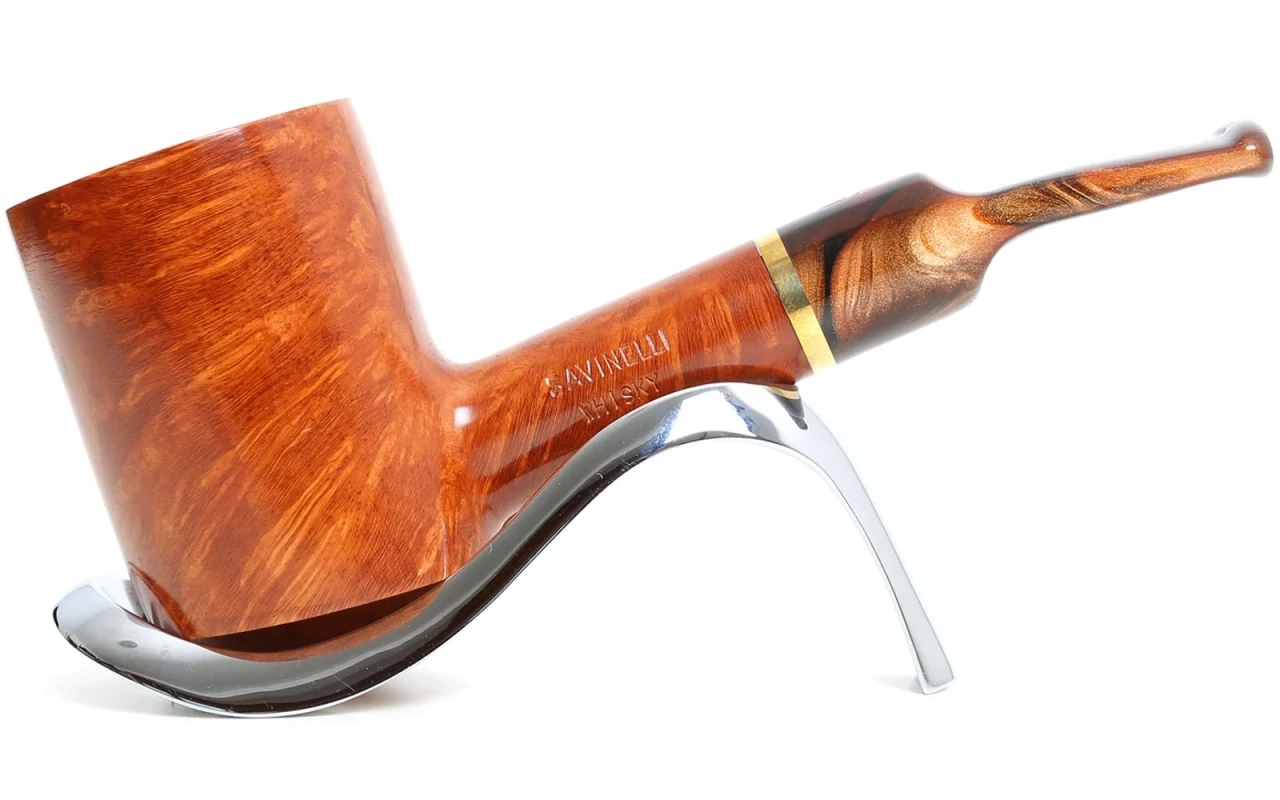
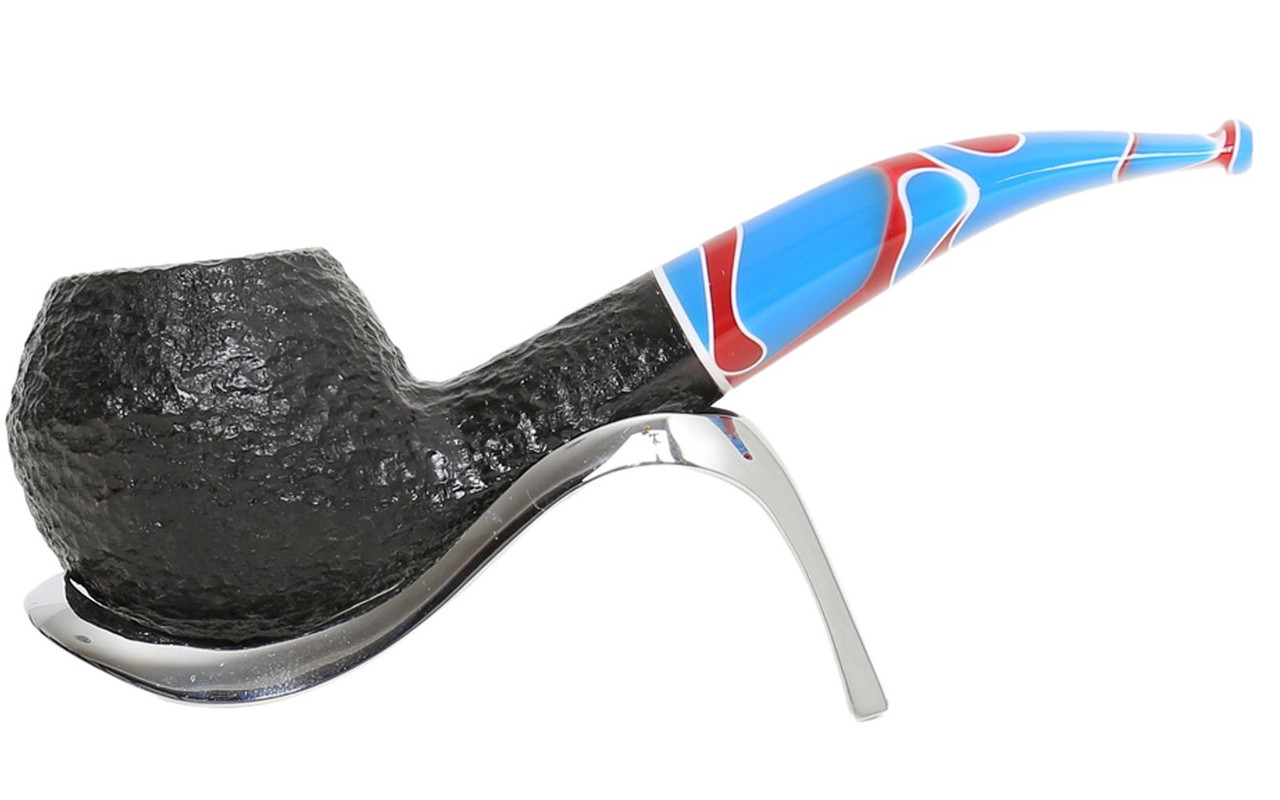
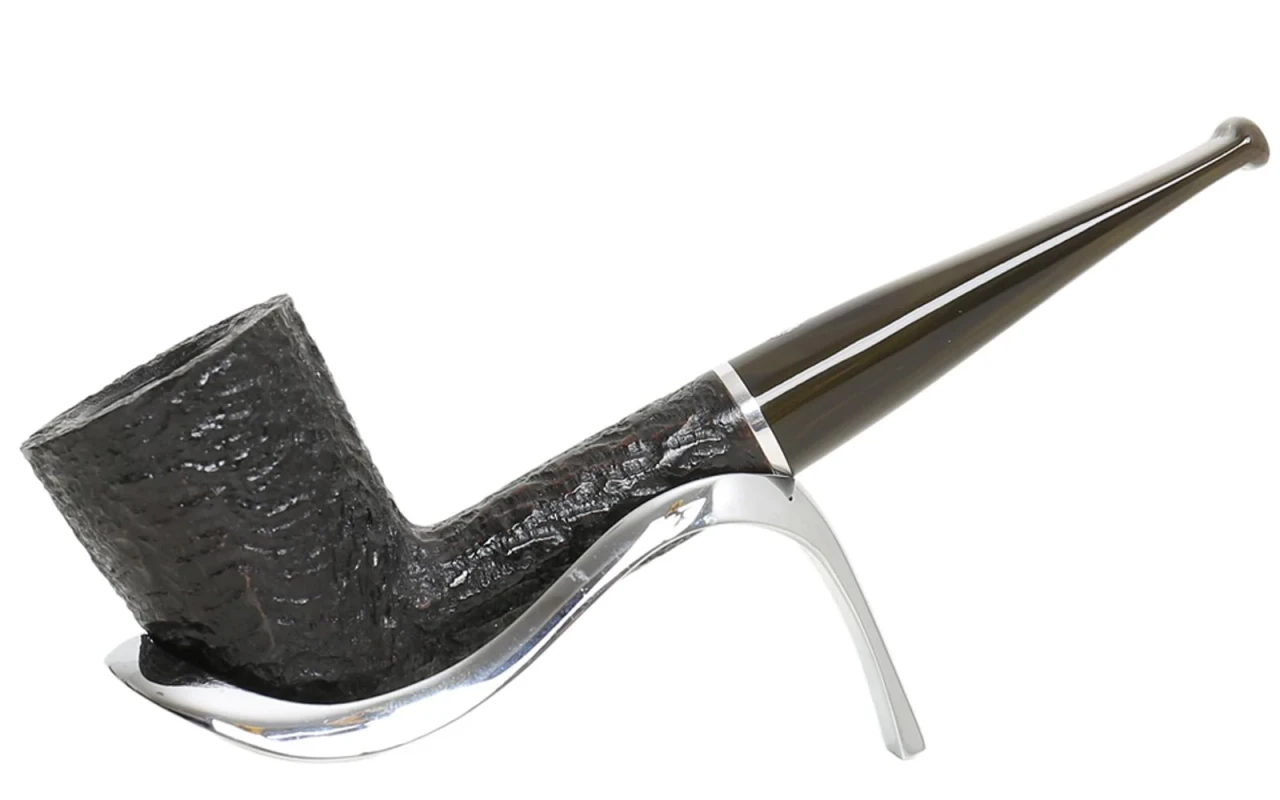
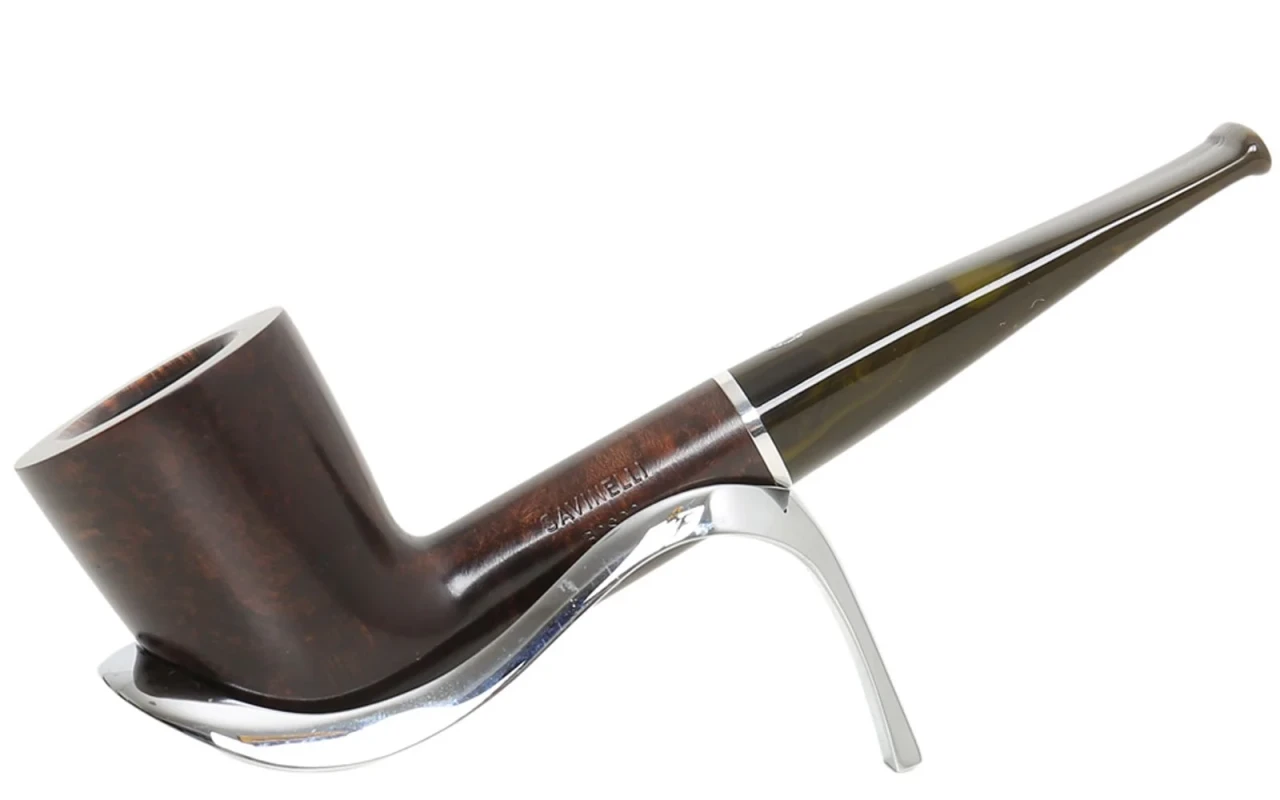
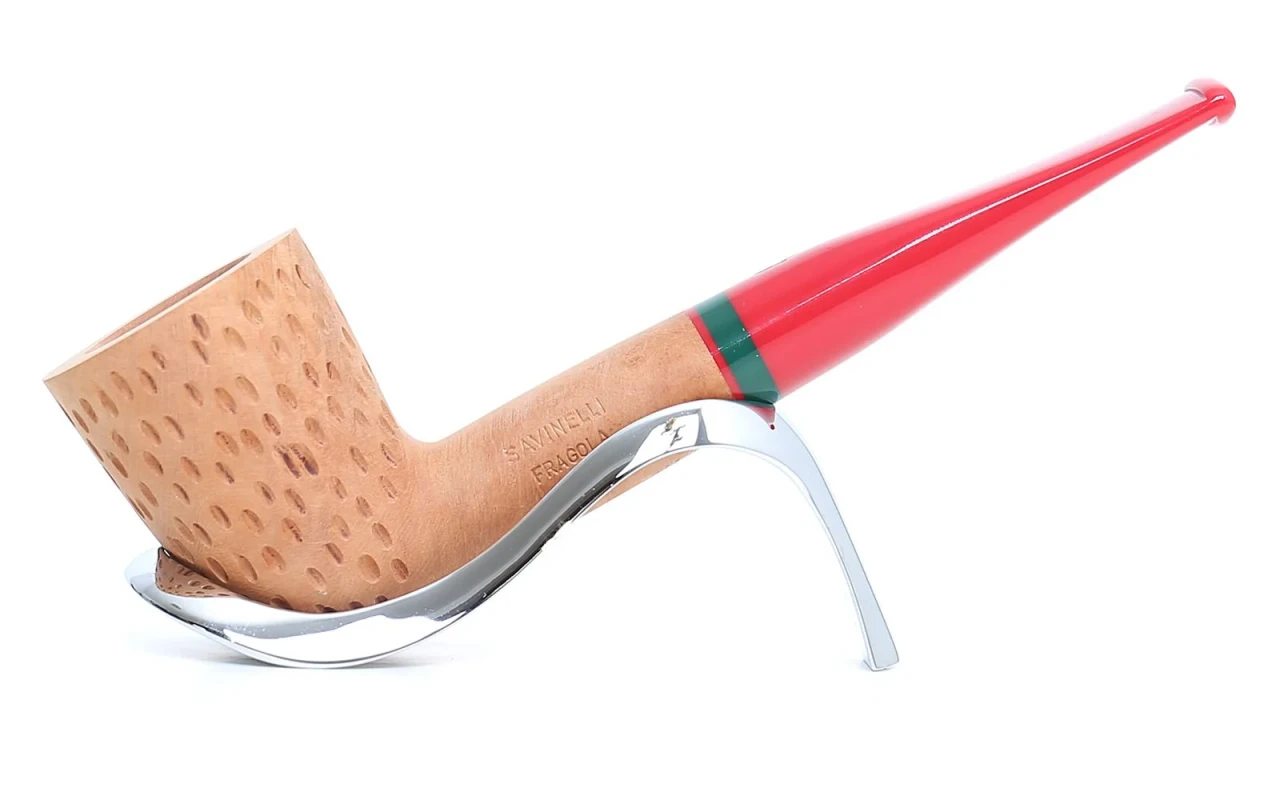
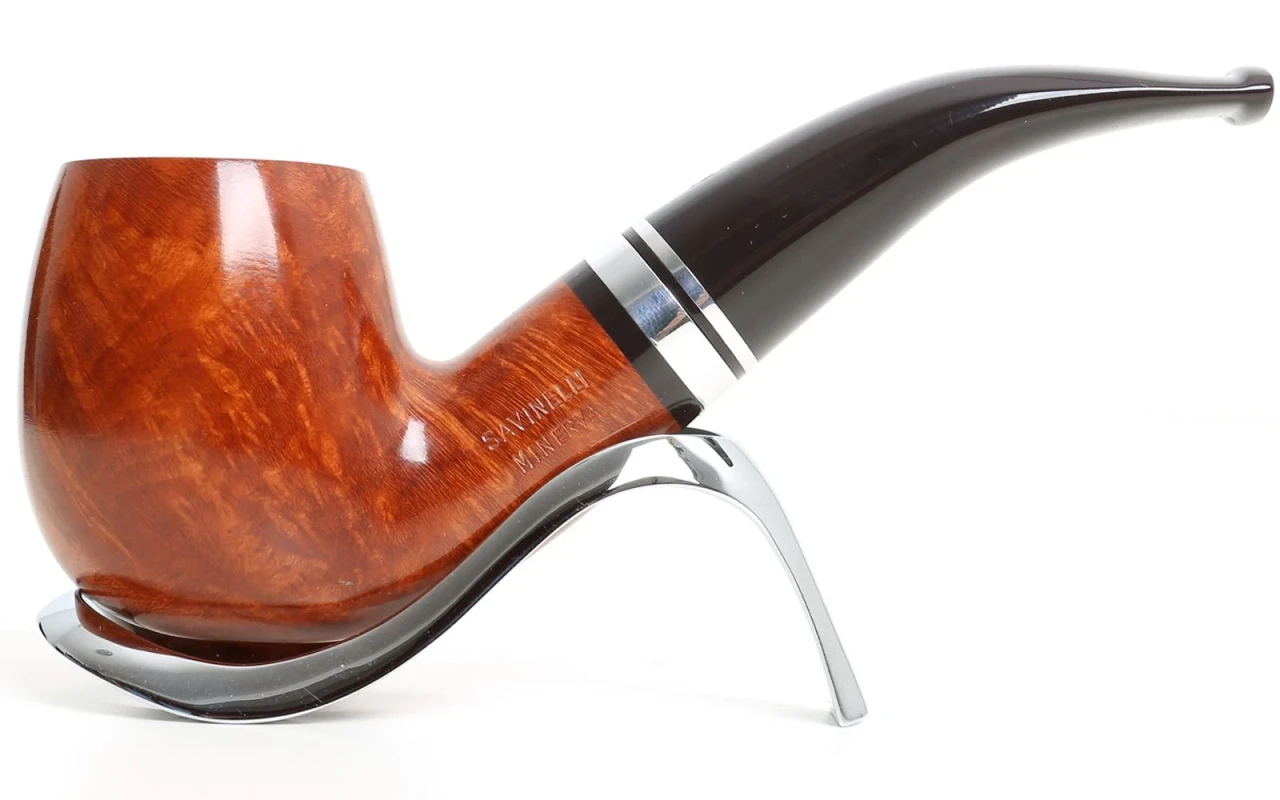
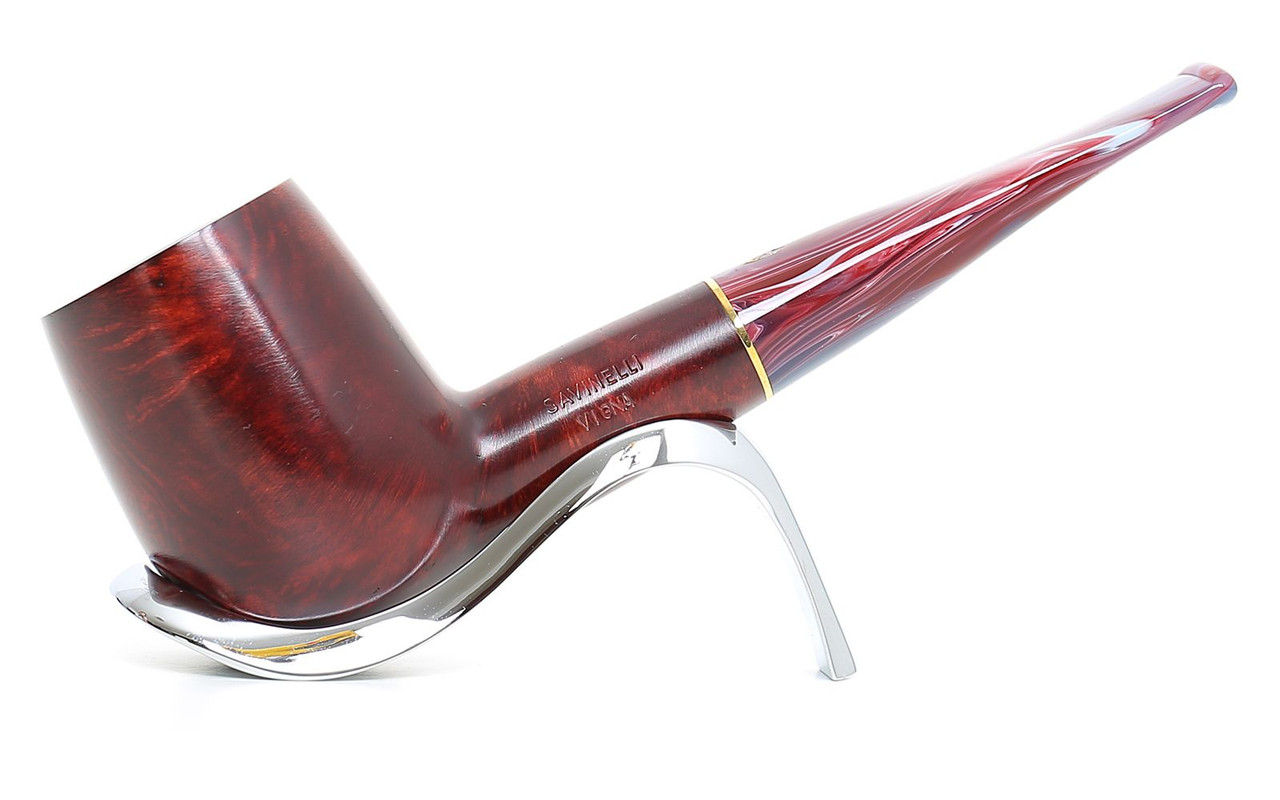
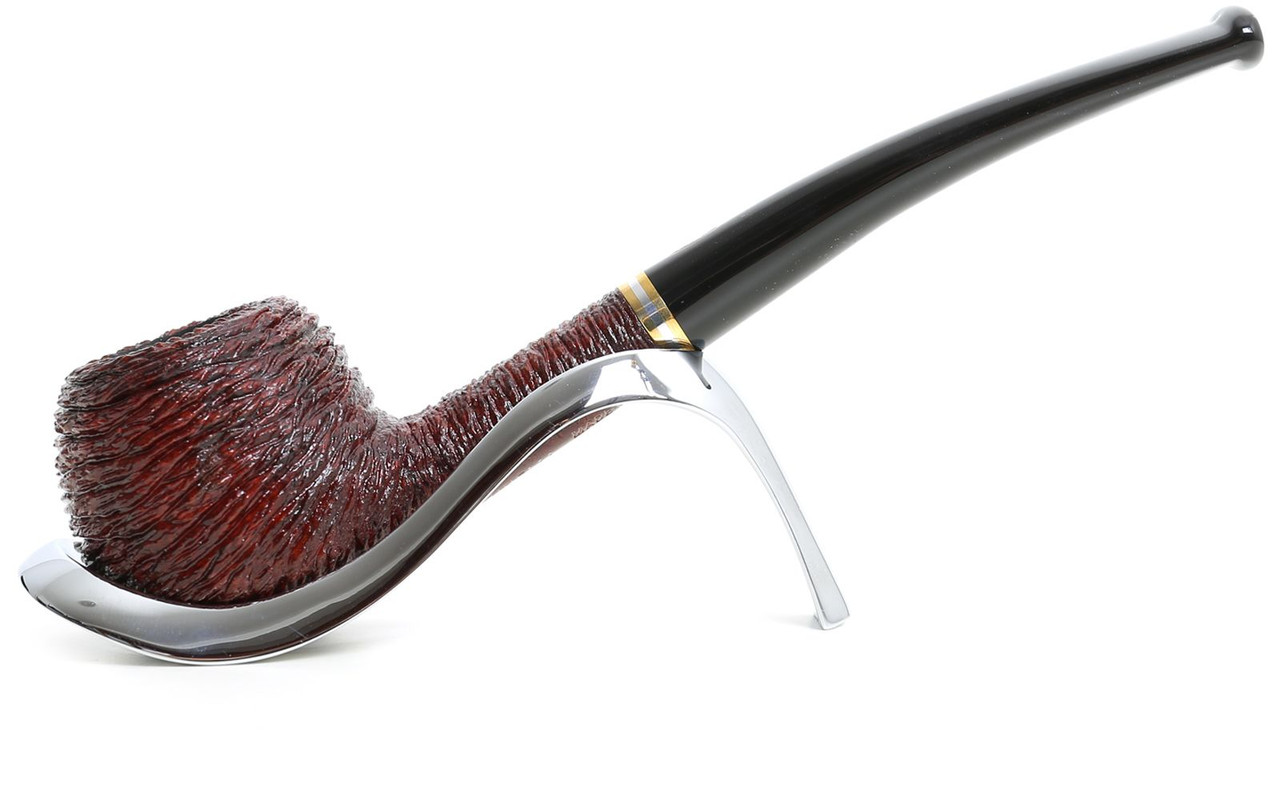
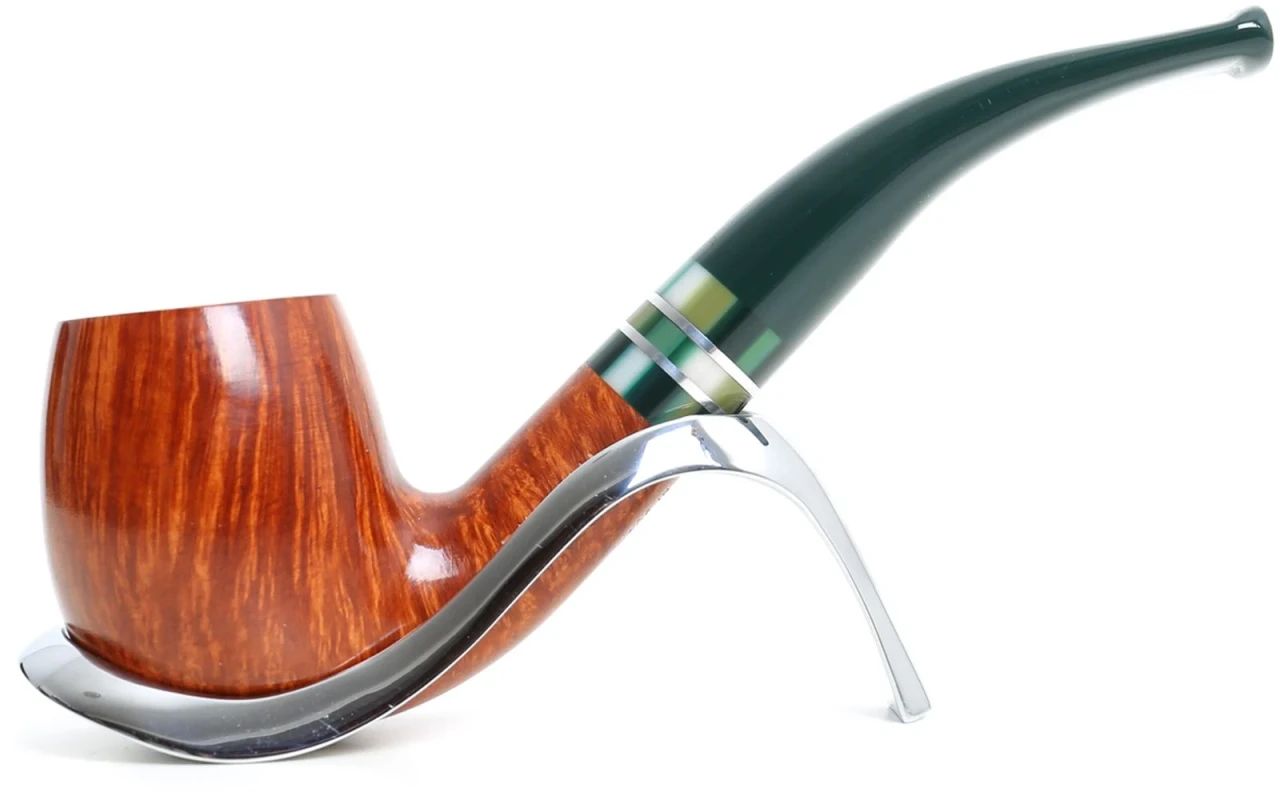
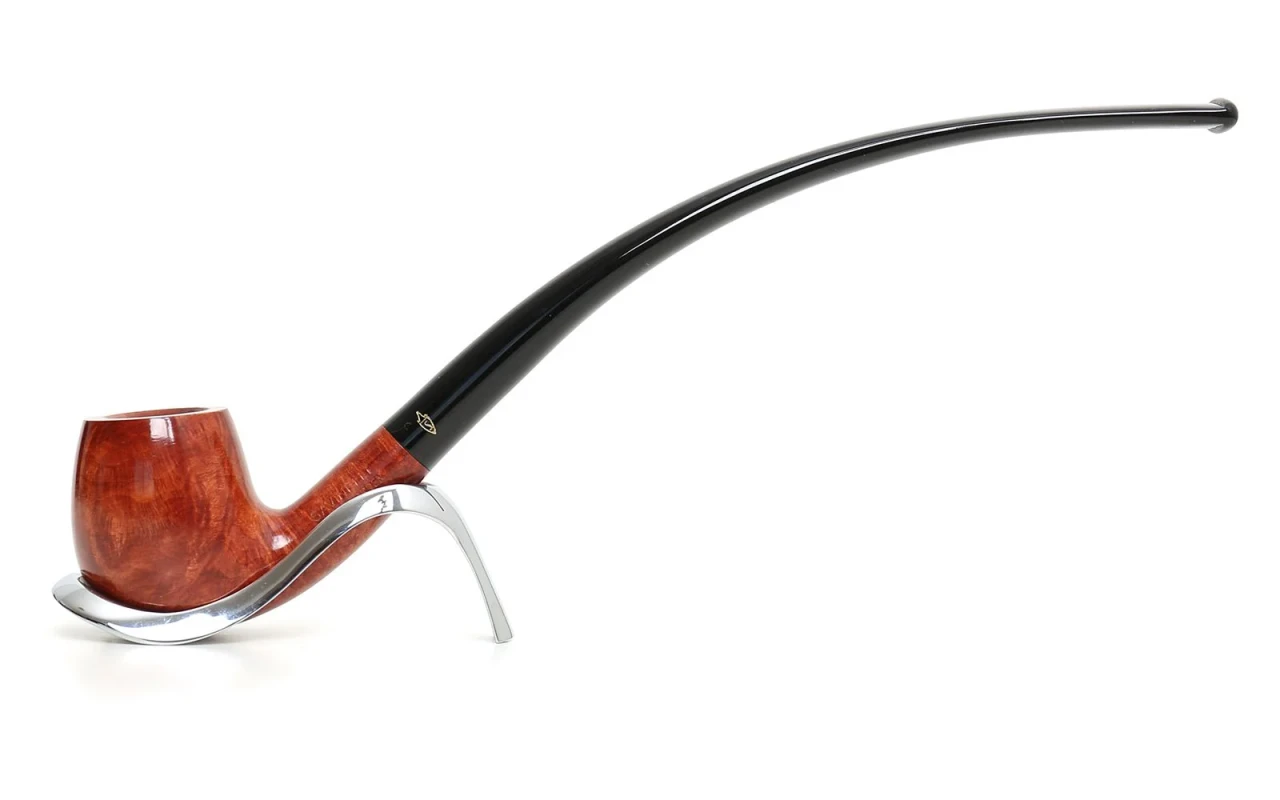
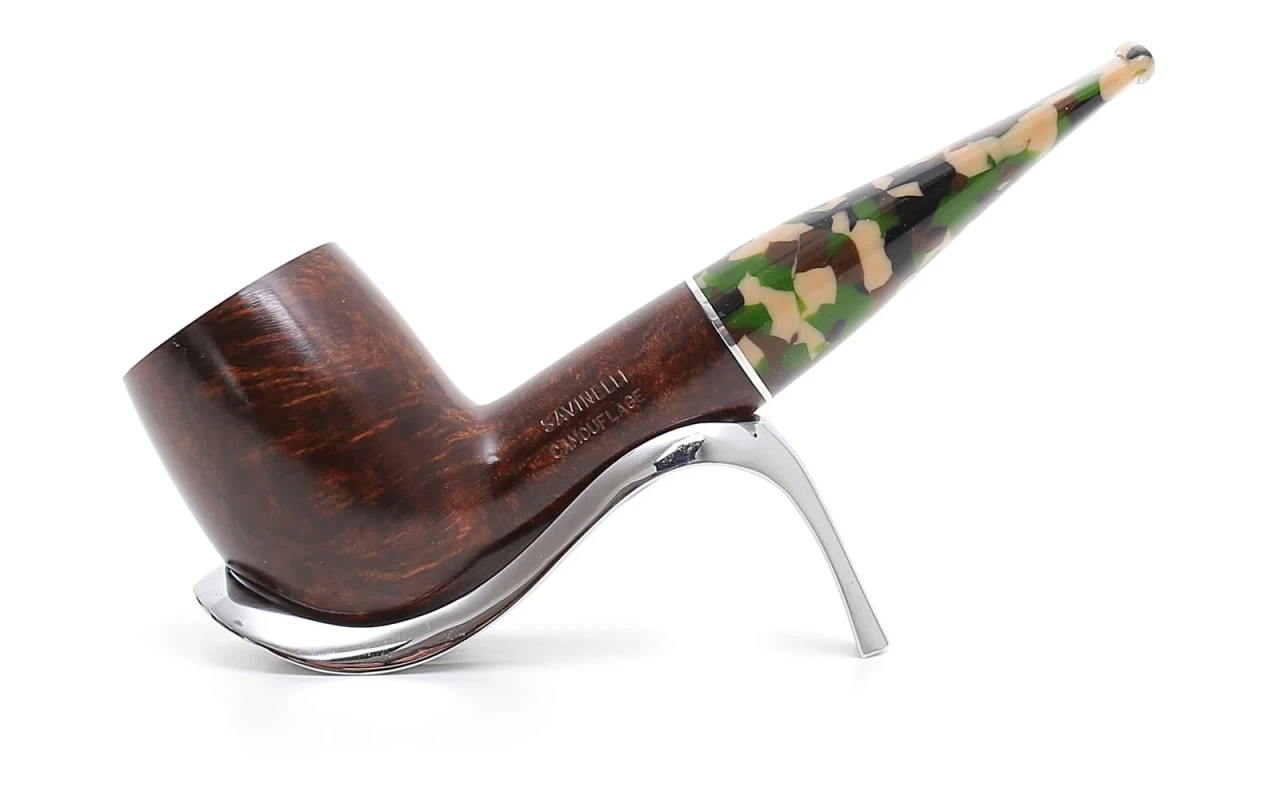
The evolution of pipe design is a journey that reflects both technical innovation and artistic expression in the world of slow smoking. Initially, pipes were made from natural materials such as wood, clay, or stone, featuring simple and functional shapes crafted to facilitate everyday use. Over time, the work with briar wood became predominant due to its heat resistance and moisture absorption capabilities, allowing the creation of more durable pipes that are pleasant to use. Concurrently, various shapes developed, each with specific characteristics designed to enhance ergonomics and smoking performance, including the calabash, billiard, and bulldog. Finishes evolved from simple smoothings to more sophisticated treatments like wax polishing or varnishing, which enhance the grain of the wood and confer an elegant appearance. Furthermore, the introduction of alternative materials such as metal, glass, or resins expanded design possibilities, offering innovative and customized solutions. This evolution was also influenced by cultural and artistic trends, with craftsmen and designers experimenting with shapes and decorations, transforming the pipe into a collectible object as well as a functional product. In summary, pipe design has followed a path of technical and creative refinement, responding to functional needs and aesthetic tastes of enthusiasts throughout the centuries.