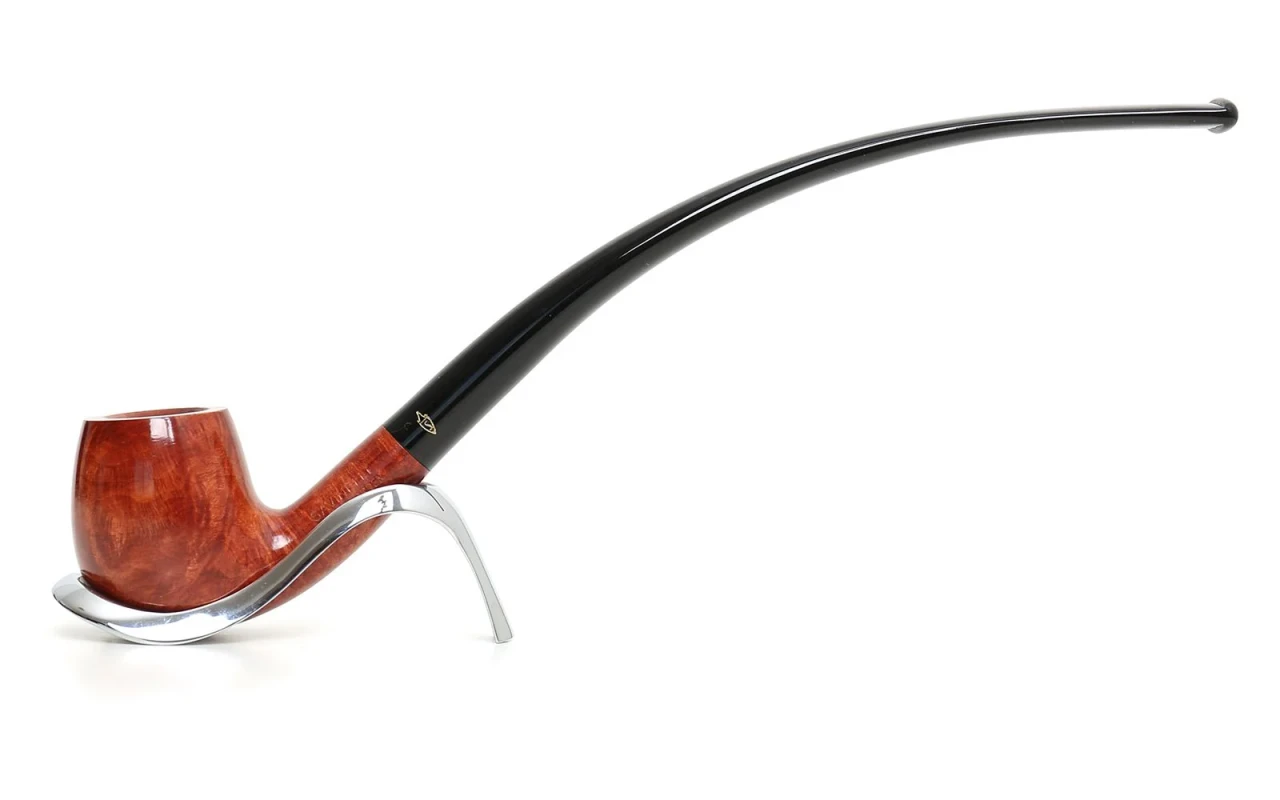
Several renowned philosophers appreciated pipe smoking as a moment of reflection and relaxation. Among them stand figures like Søren Kierkegaard and Jean-Paul Sartre, who saw the pipe as an accessory linked to contemplation and deep thought, thus integrating smoking into their intellectual routine.
Which famous philosophers smoked a pipe? Deep dive
Throughout history, many philosophers have chosen the pipe as a companion during their moments of reflection and study. The pipe, with its slow and meditative smoke, has often been associated with a ritual that fosters concentration and inner calm. Søren Kierkegaard, the 19th-century Danish philosopher, is known for having smoked the pipe, using it as a tool to accompany his profound existential meditations. Similarly, Jean-Paul Sartre, a central figure of French existentialism, was an avid pipe smoker who regarded it as an integral part of his intellectual lifestyle. These philosophers, among others, helped consolidate the image of the pipe as a symbol of deep thought and slow reflection, enhancing the act of smoking as a moment of pause and introspection. Choosing the pipe, as opposed to other smoking instruments, often reflected a more meditative and less frantic approach, in keeping with the contemplative nature of philosophy itself.