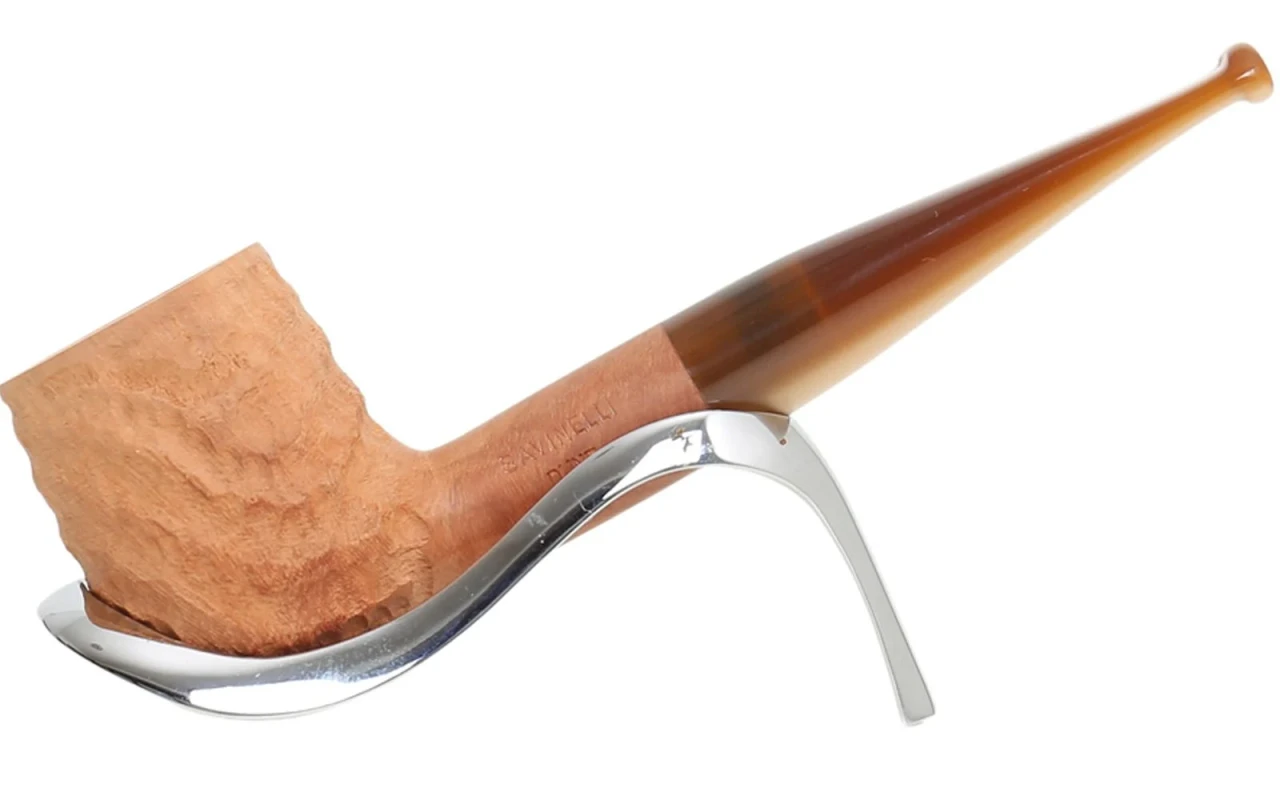
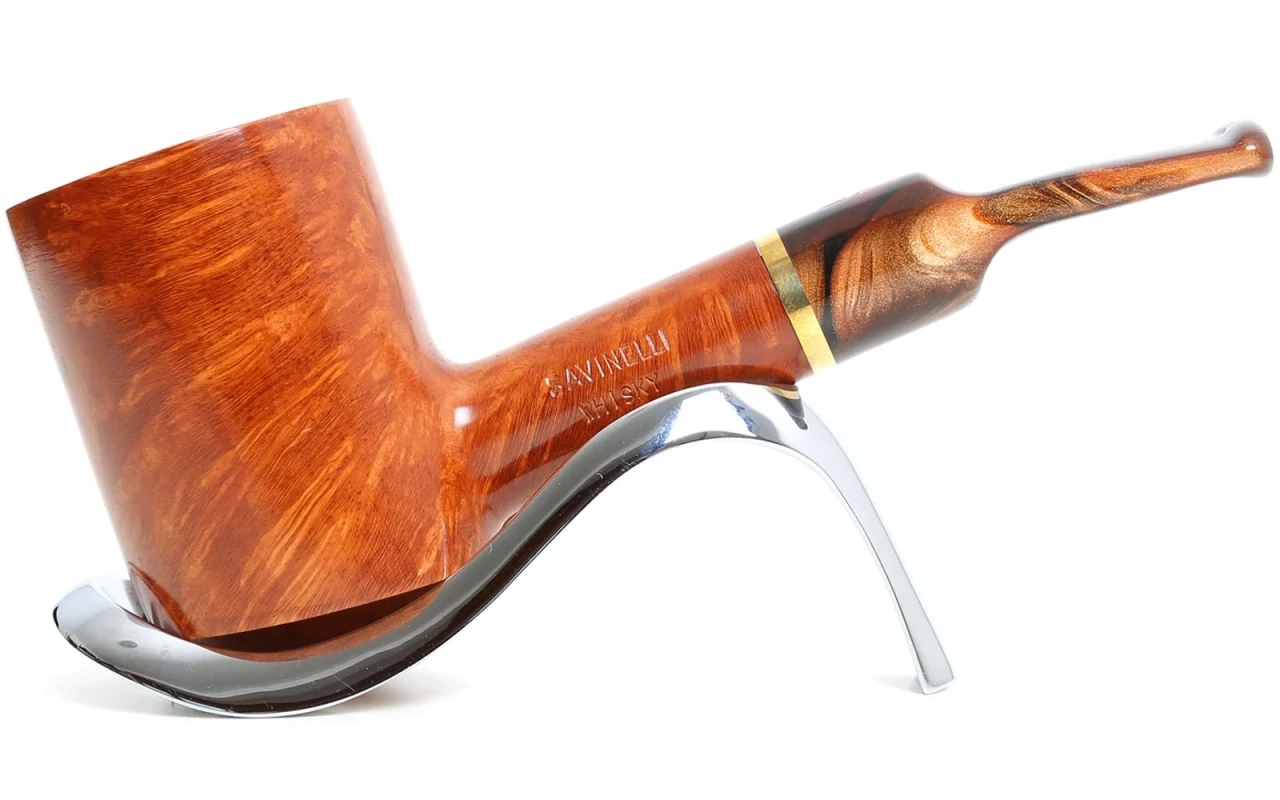
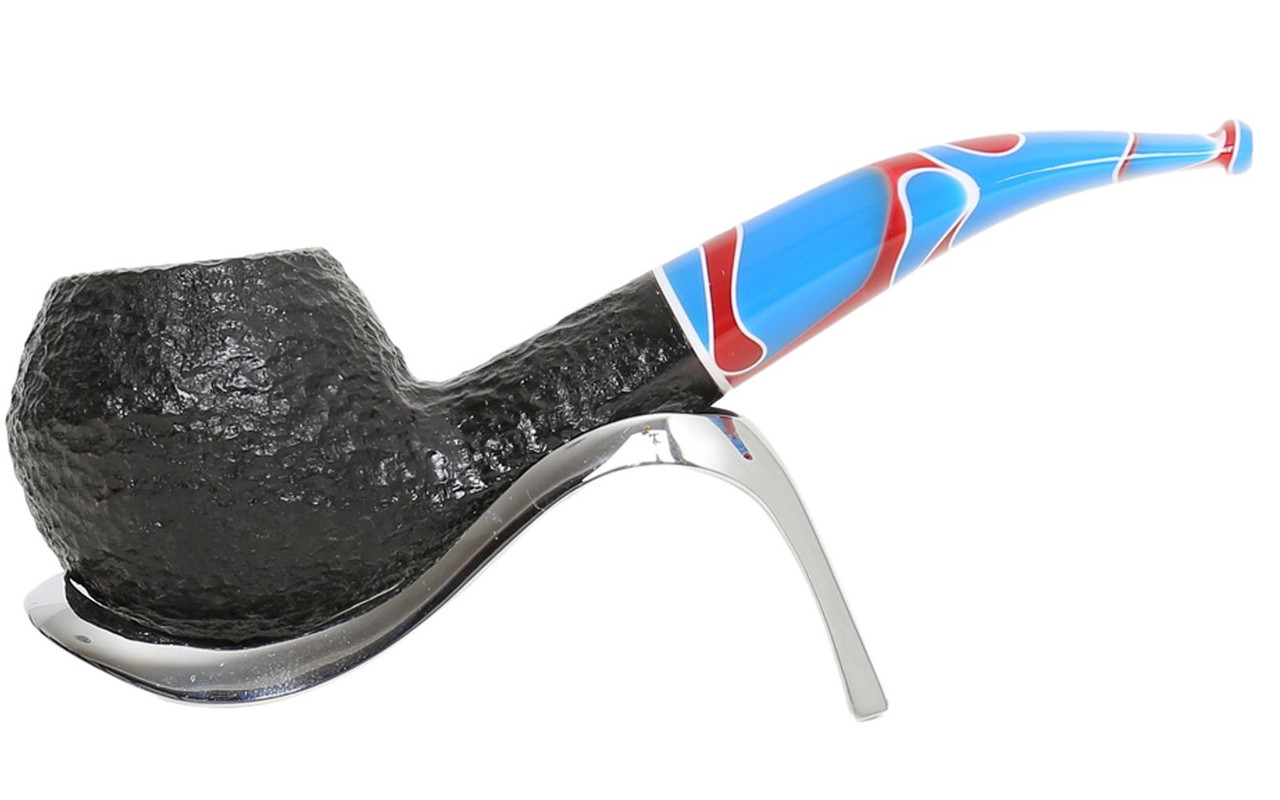
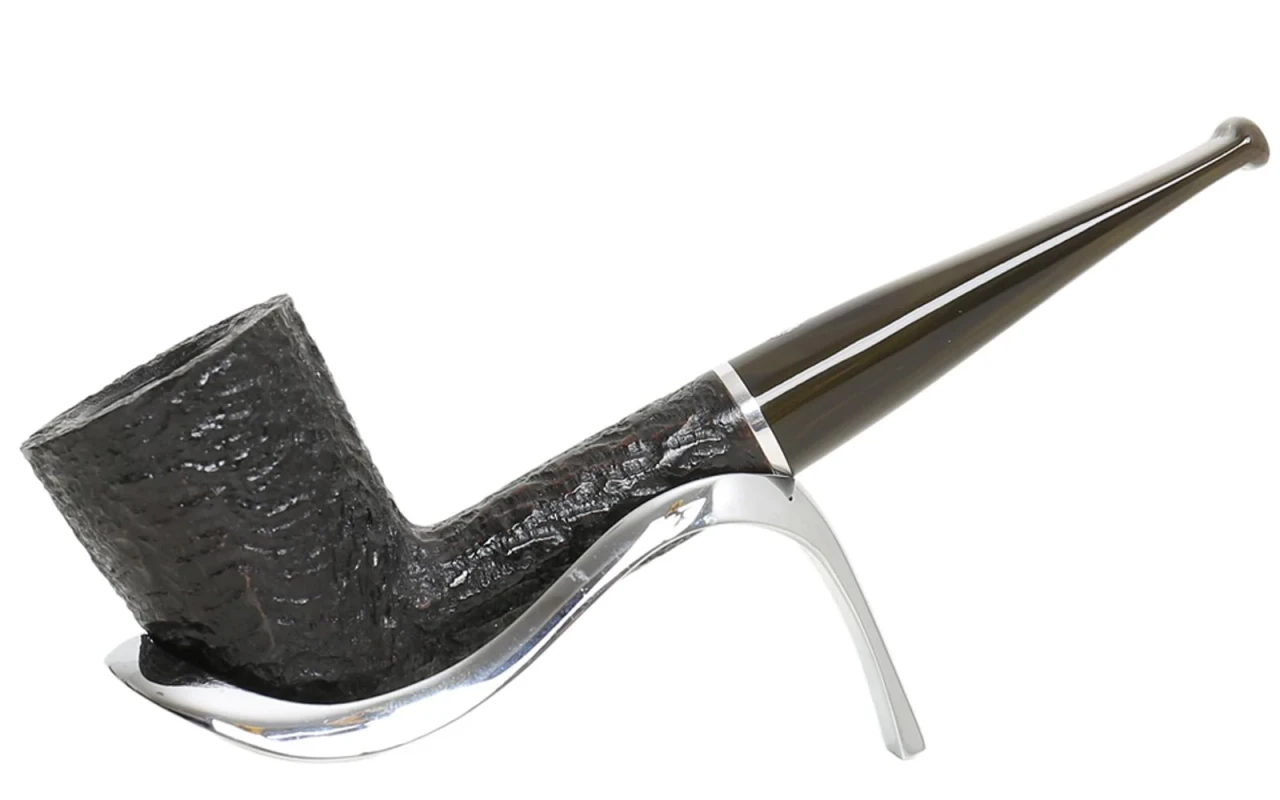
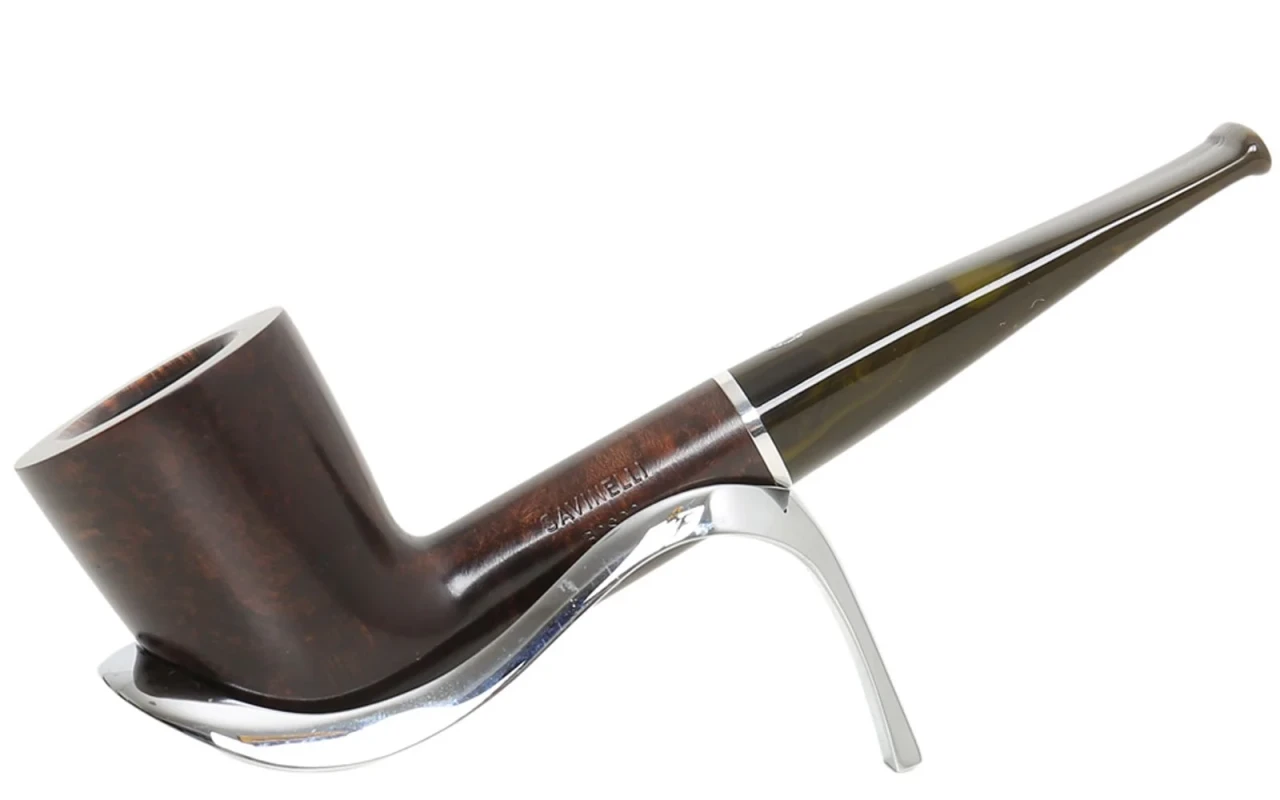
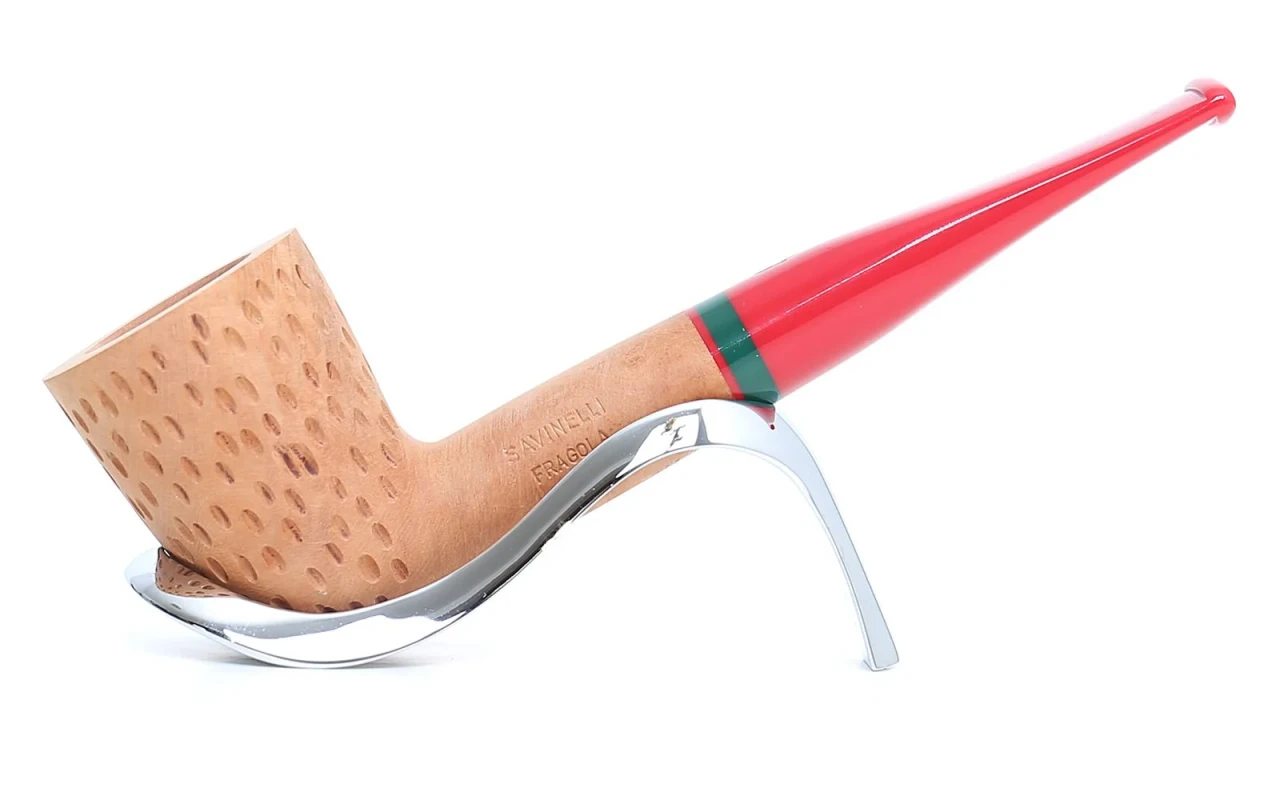
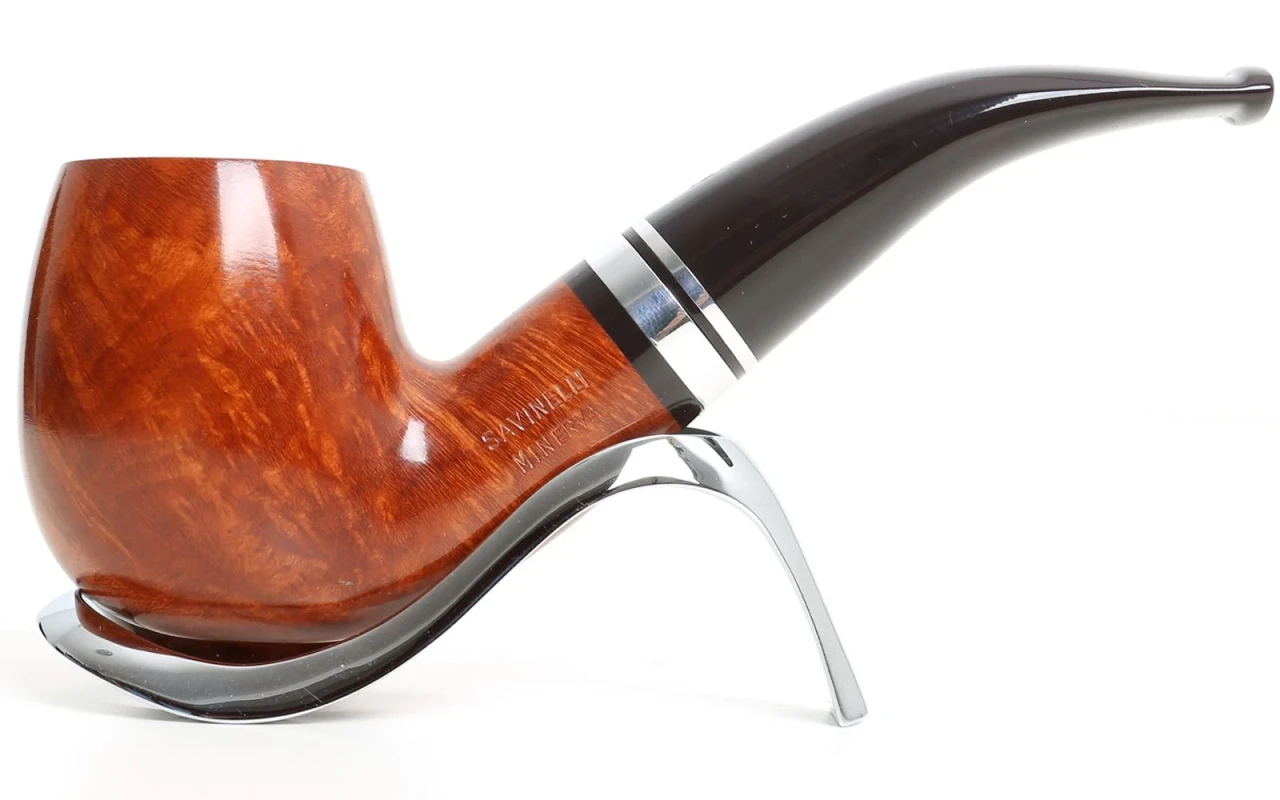
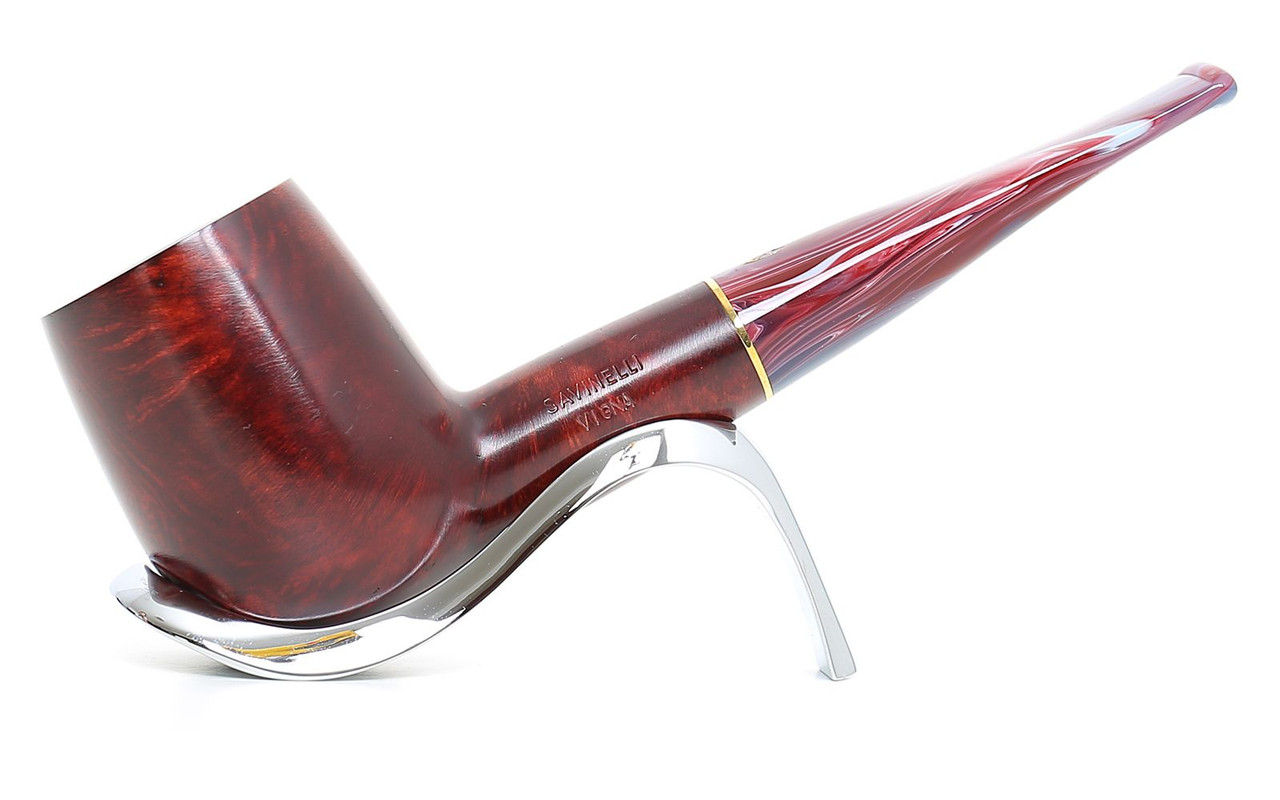
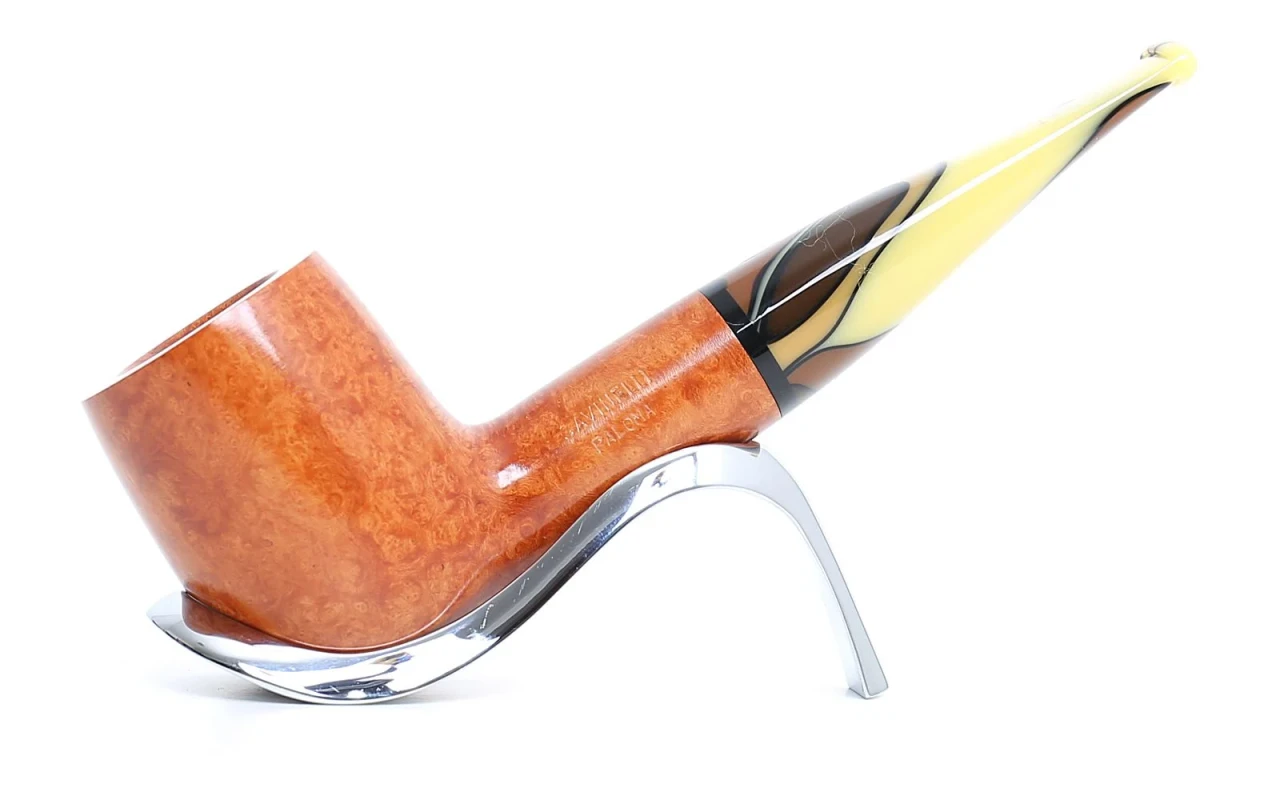
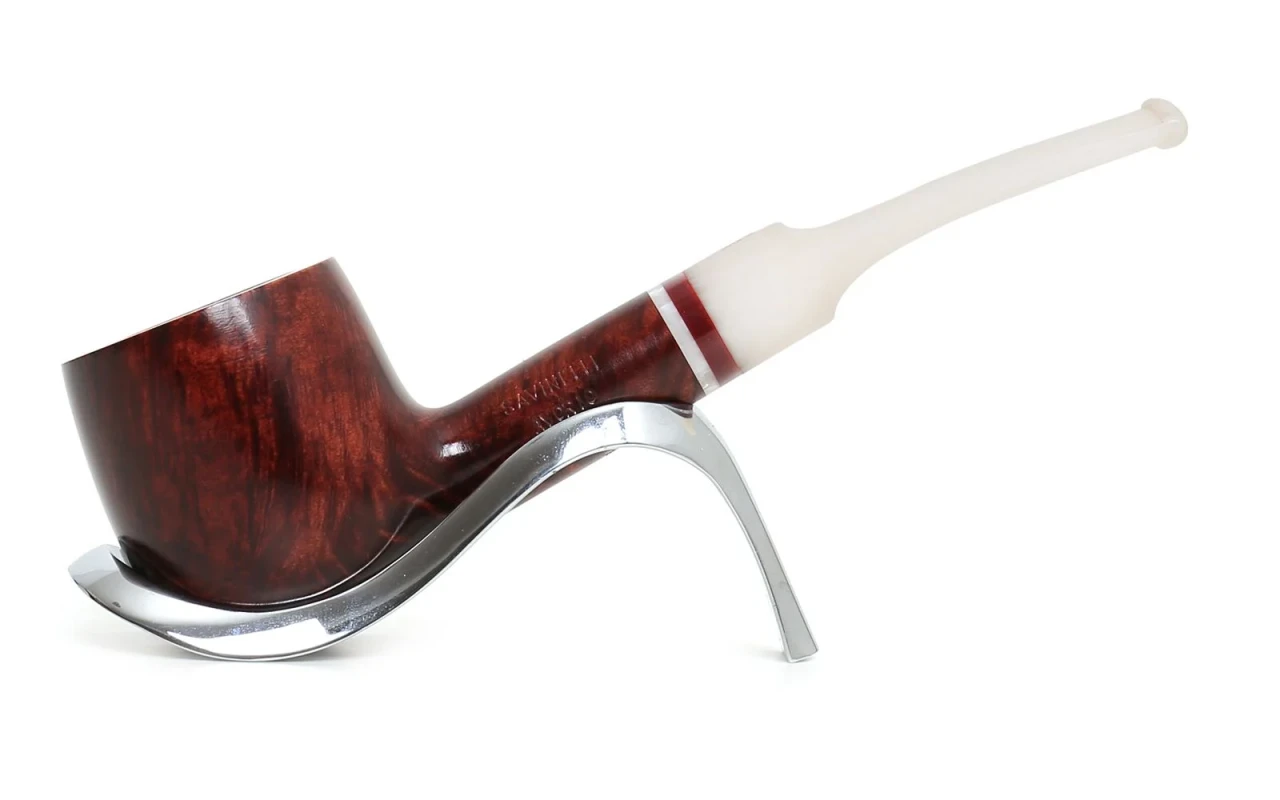
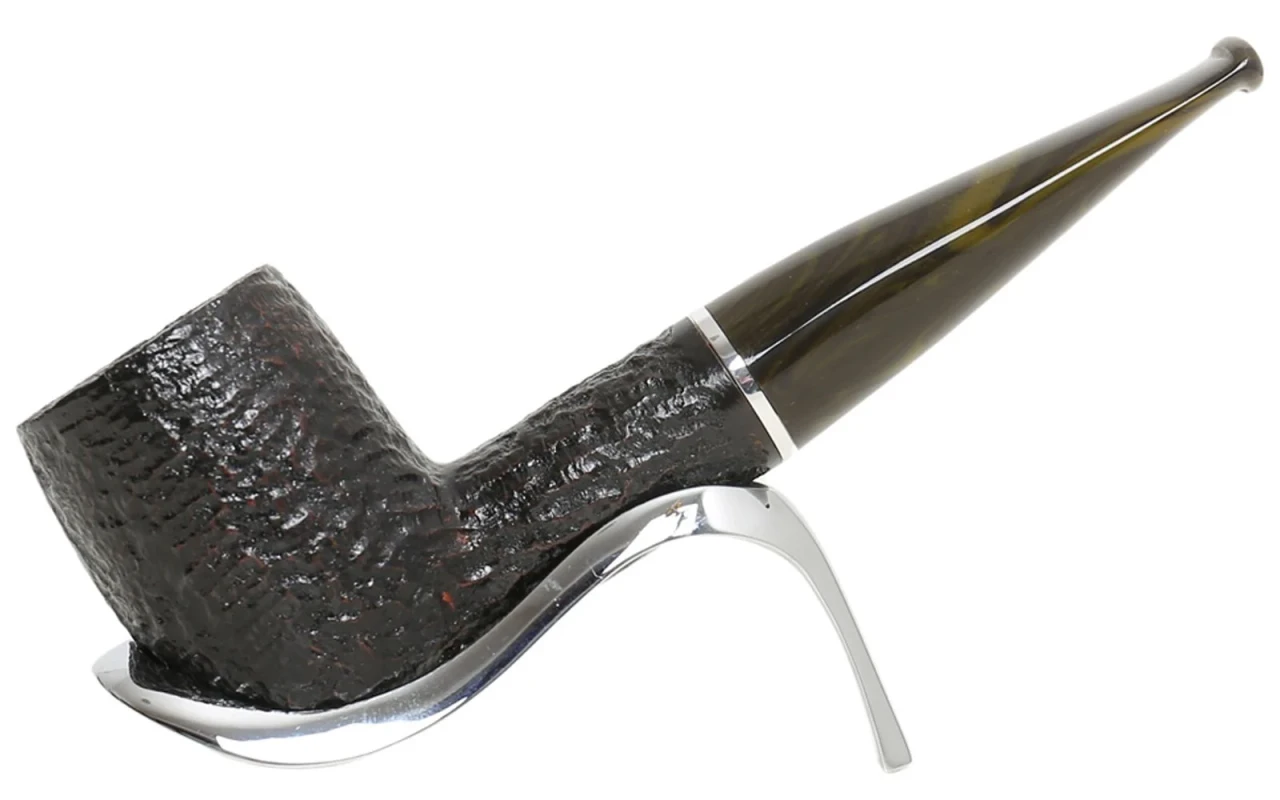
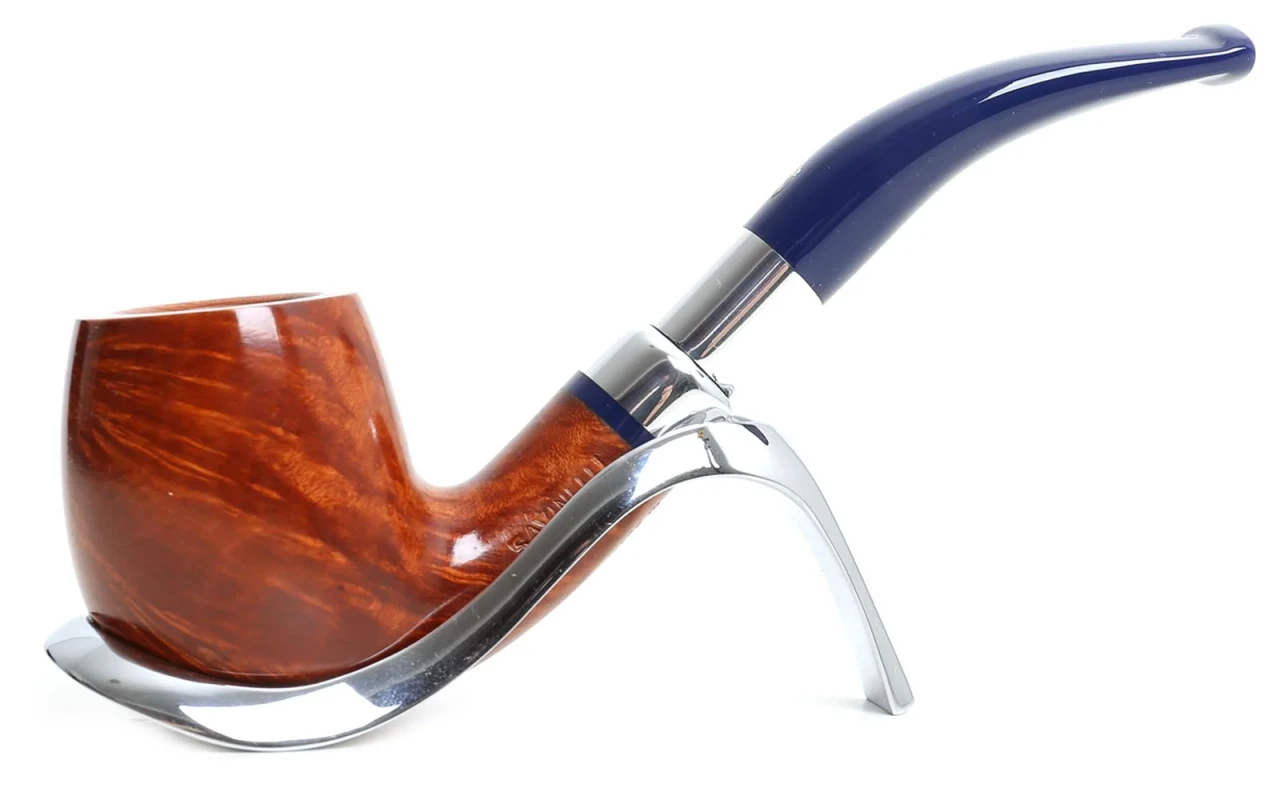
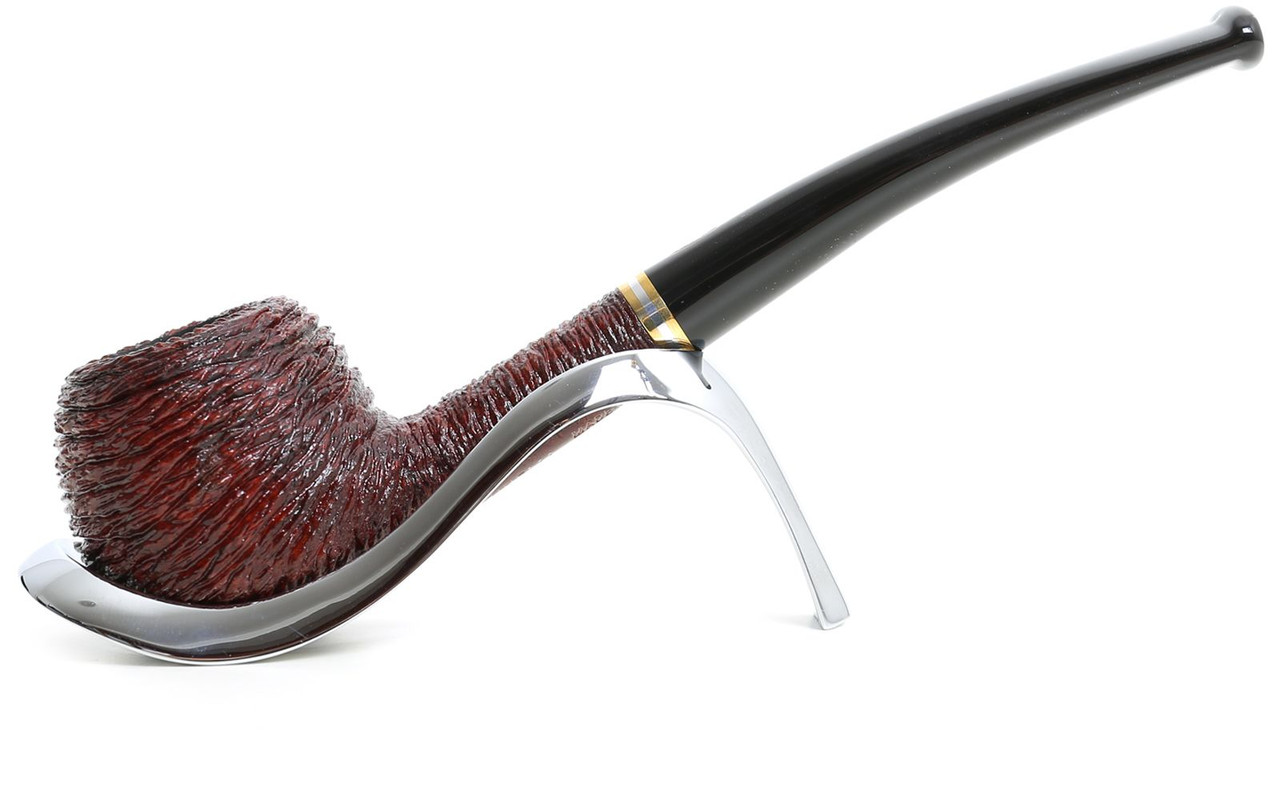
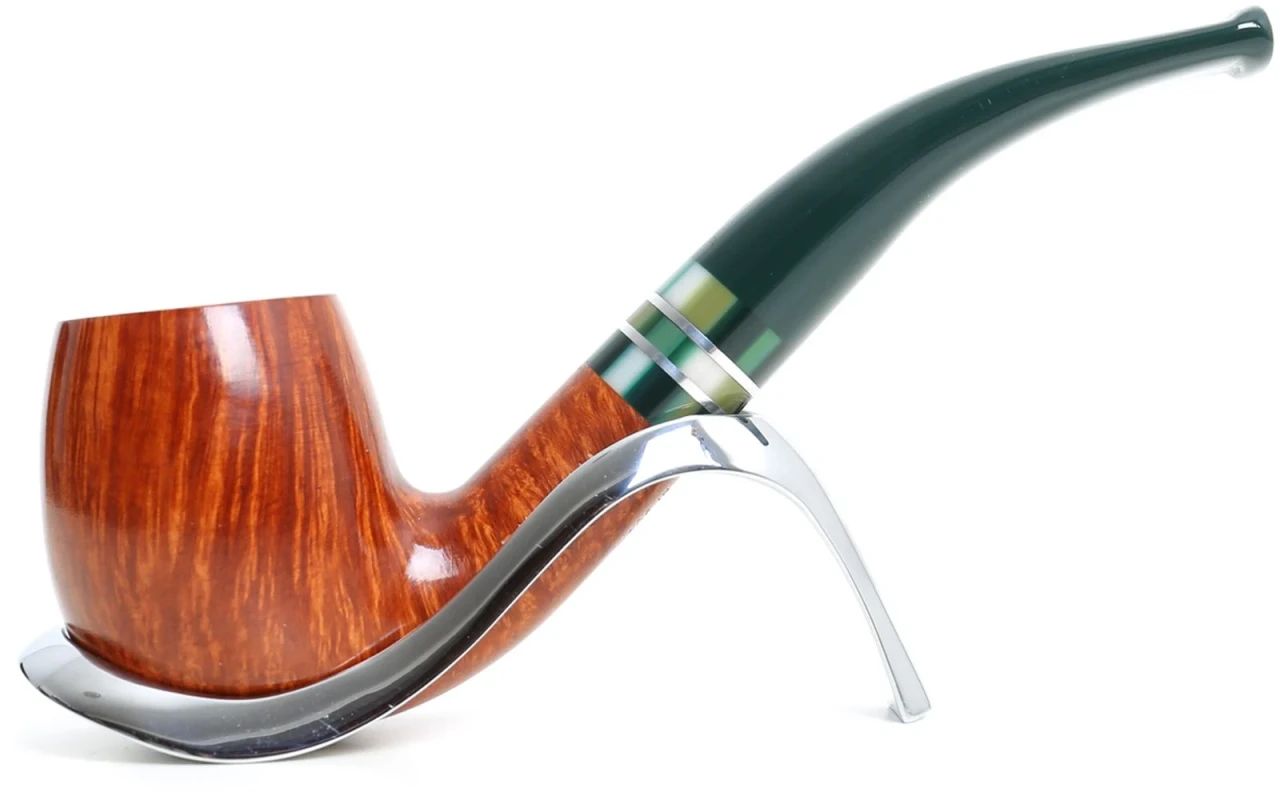
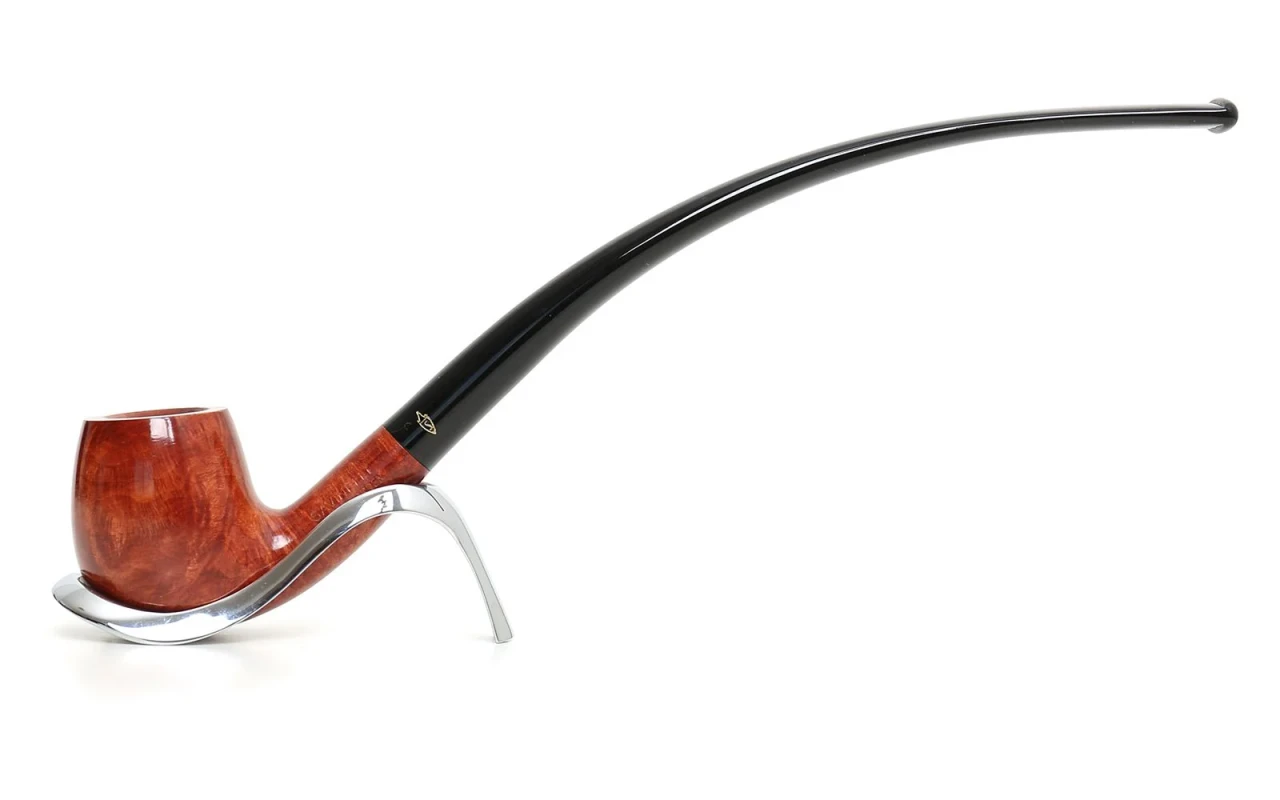
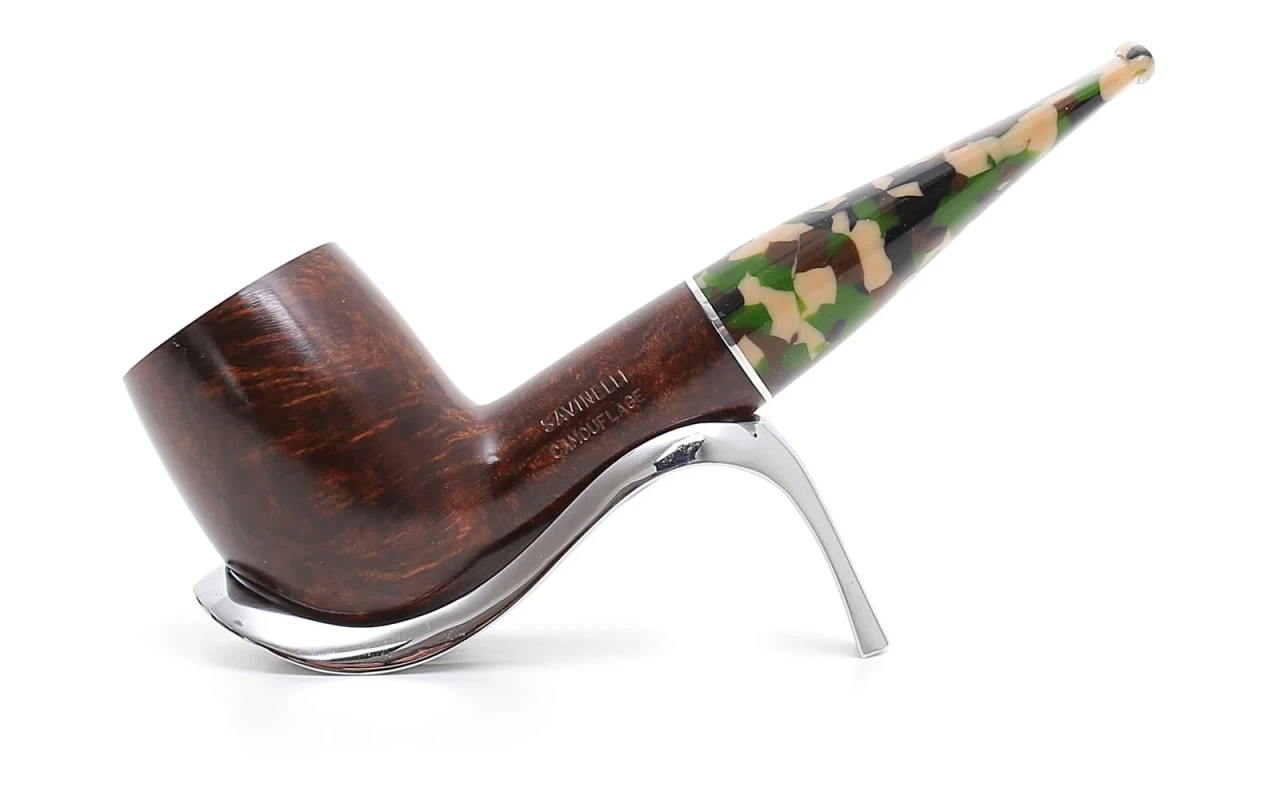
The smoking experience of a pipe is mainly influenced by the shape and size of the calabash, the type of stem, and the material it is made of. The draft hole and the quality of the internal finish also play important roles in controlling airflow and the tobacco's aromatic performance.
Which parts of the pipe influence the smoking experience? Deep dive
The smoking experience of a pipe depends on several fundamental components. The calabash, or bowl, is the part where tobacco is placed, and its shape and size affect combustion and smoke temperature. A wider bowl allows for slower, cooler combustion, while a narrower one concentrates heat. The stem, often made from ebonite or acrylic, impacts comfort and smoke perception; its length and curvature can alter the smoke’s path and thus its temperature upon inhalation. The draft hole, which connects the bowl to the stem, must be calibrated to ensure optimal airflow, avoiding stagnation or excessive smoke speed. Finally, the pipe’s material, such as briar, influences moisture absorption capacity and flavor perception. The internal finish of the bowl, whether smooth or slightly roughened, can also modify combustion and aromatic yield. All these combined elements determine the quality and enjoyment of the smoke, making each pipe unique in its behavior.