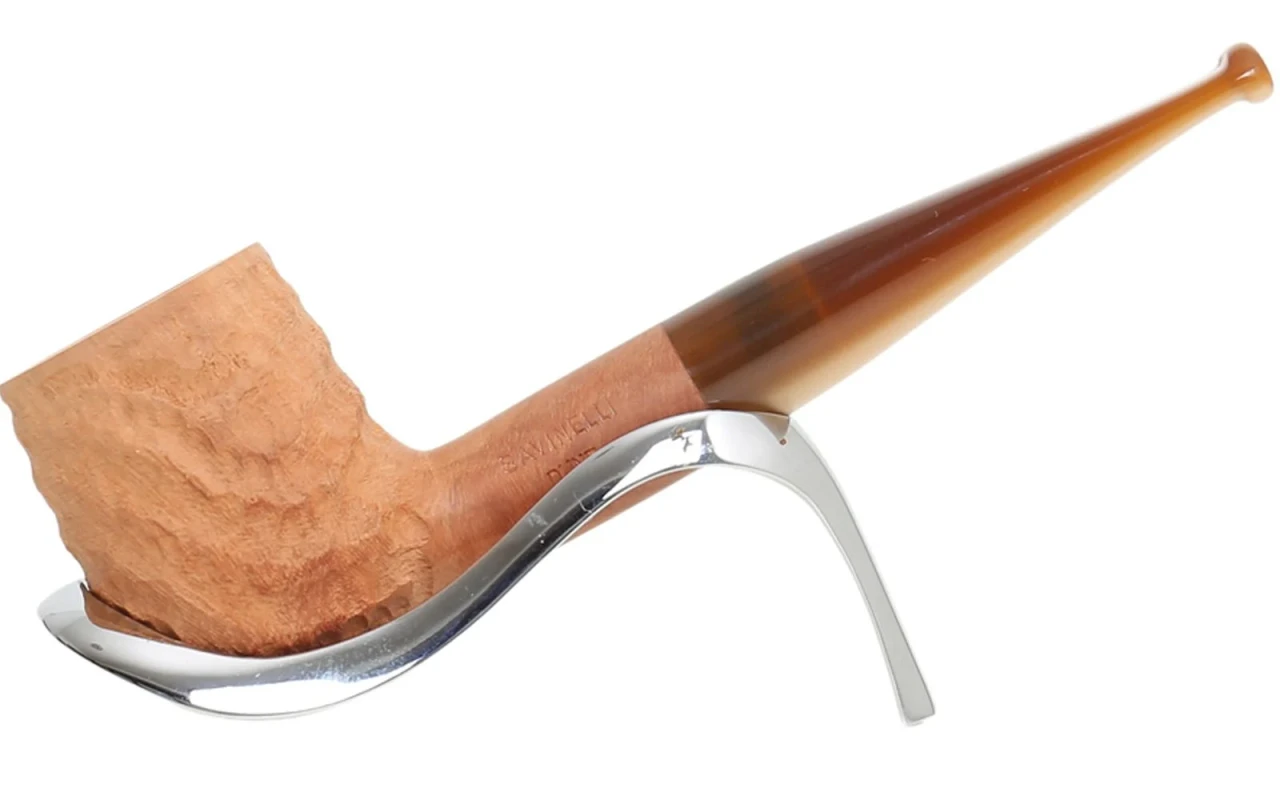
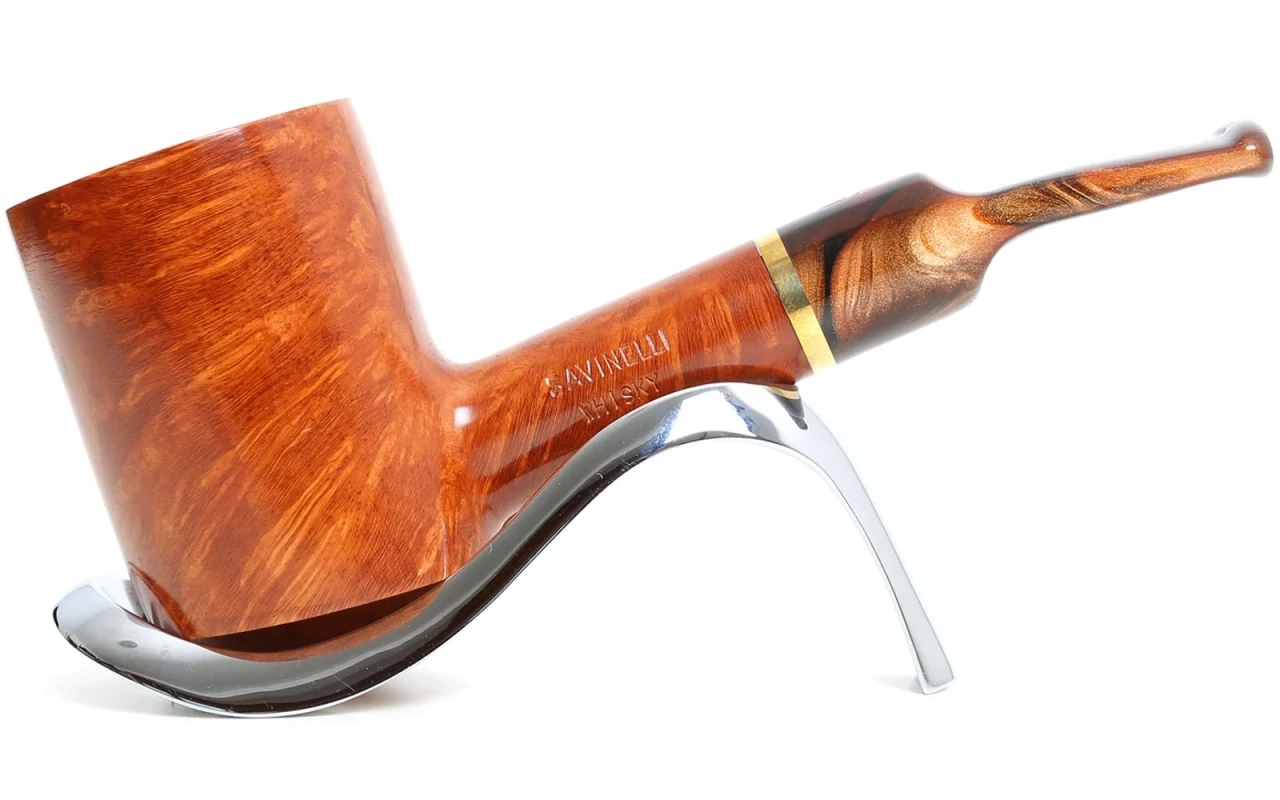
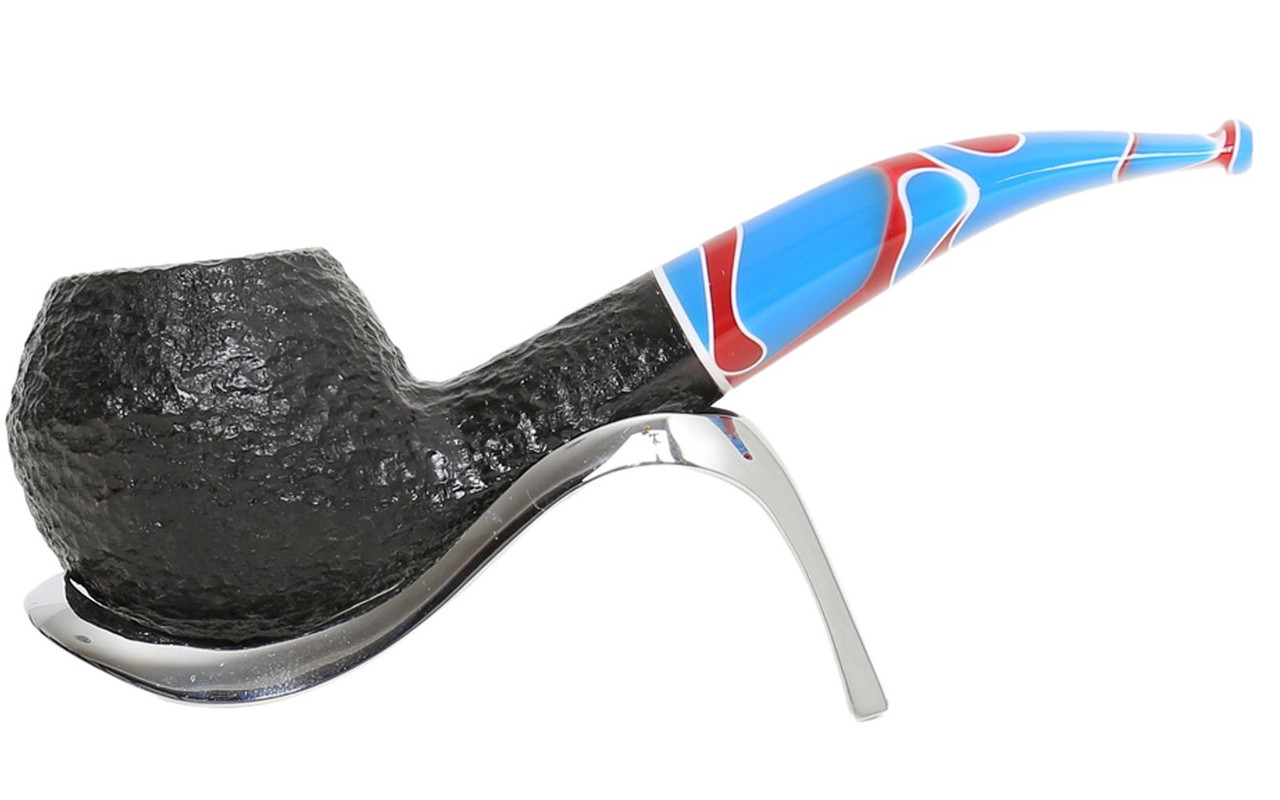
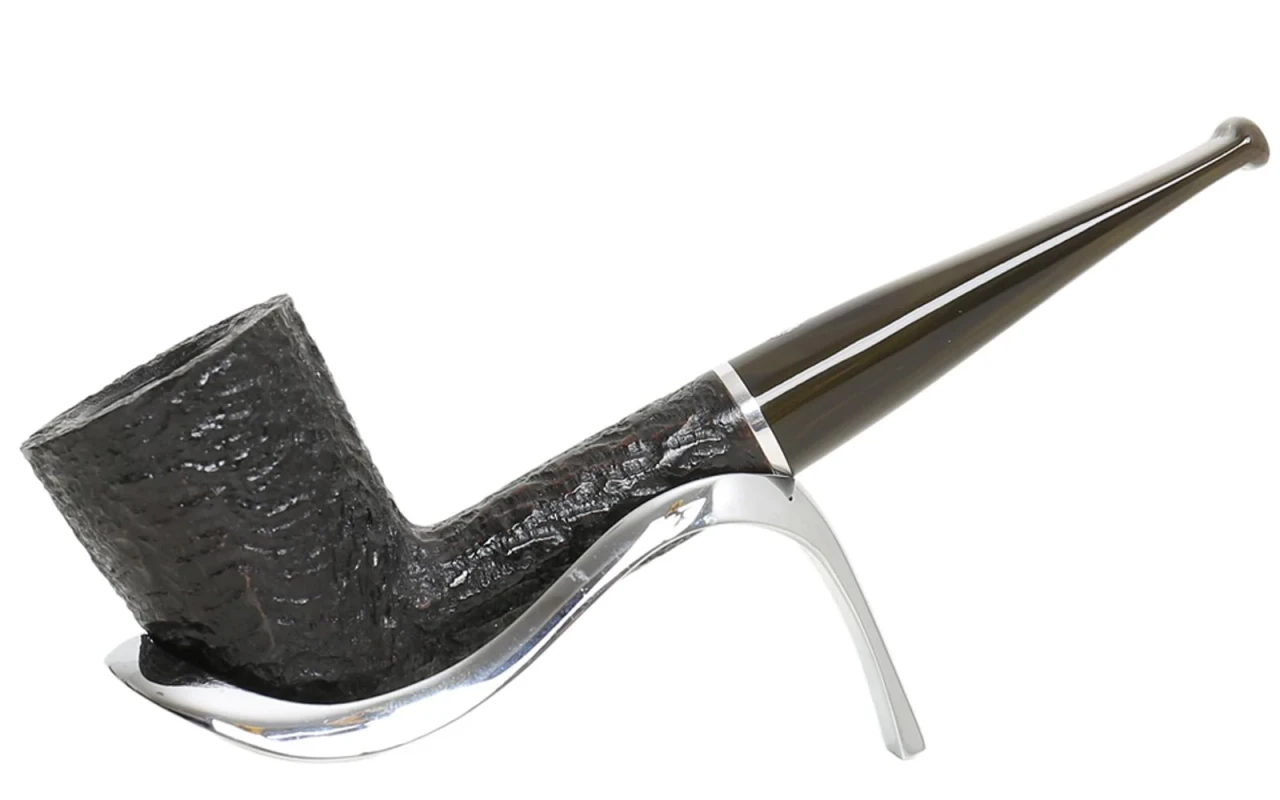
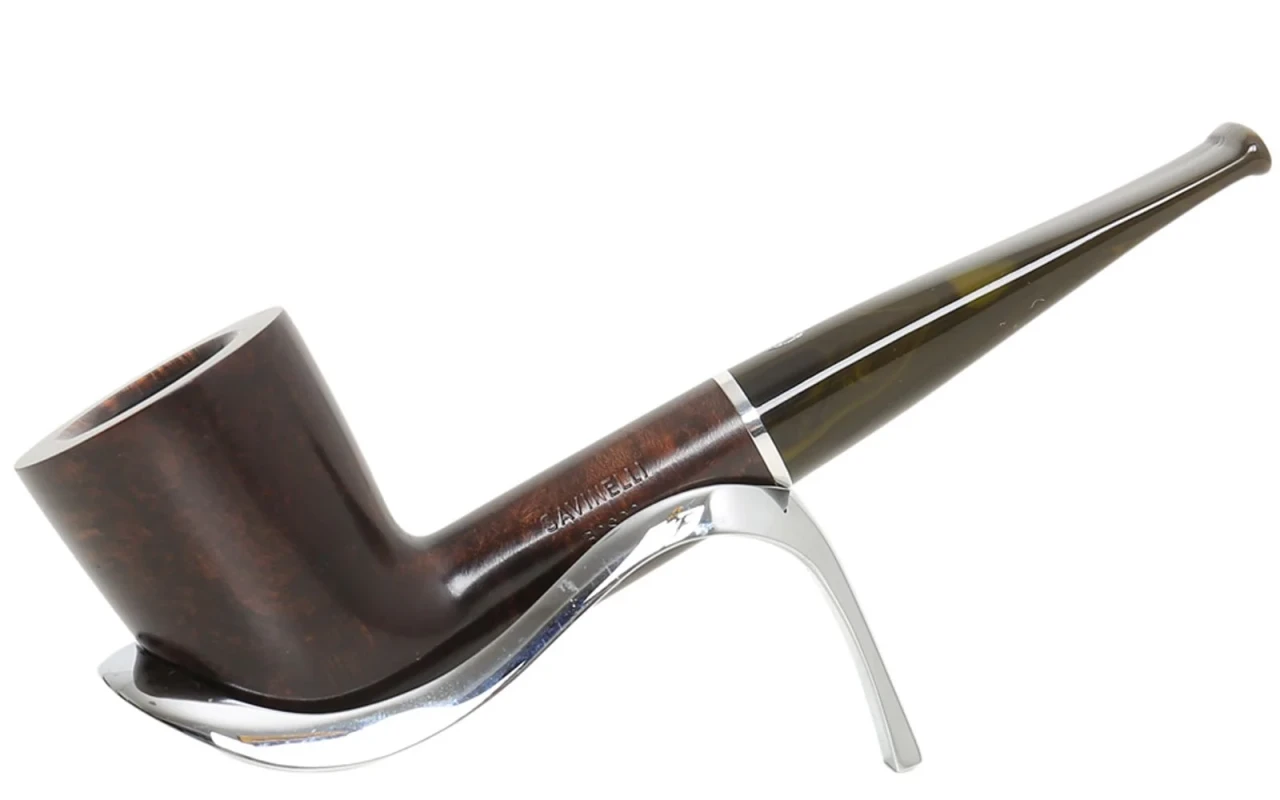
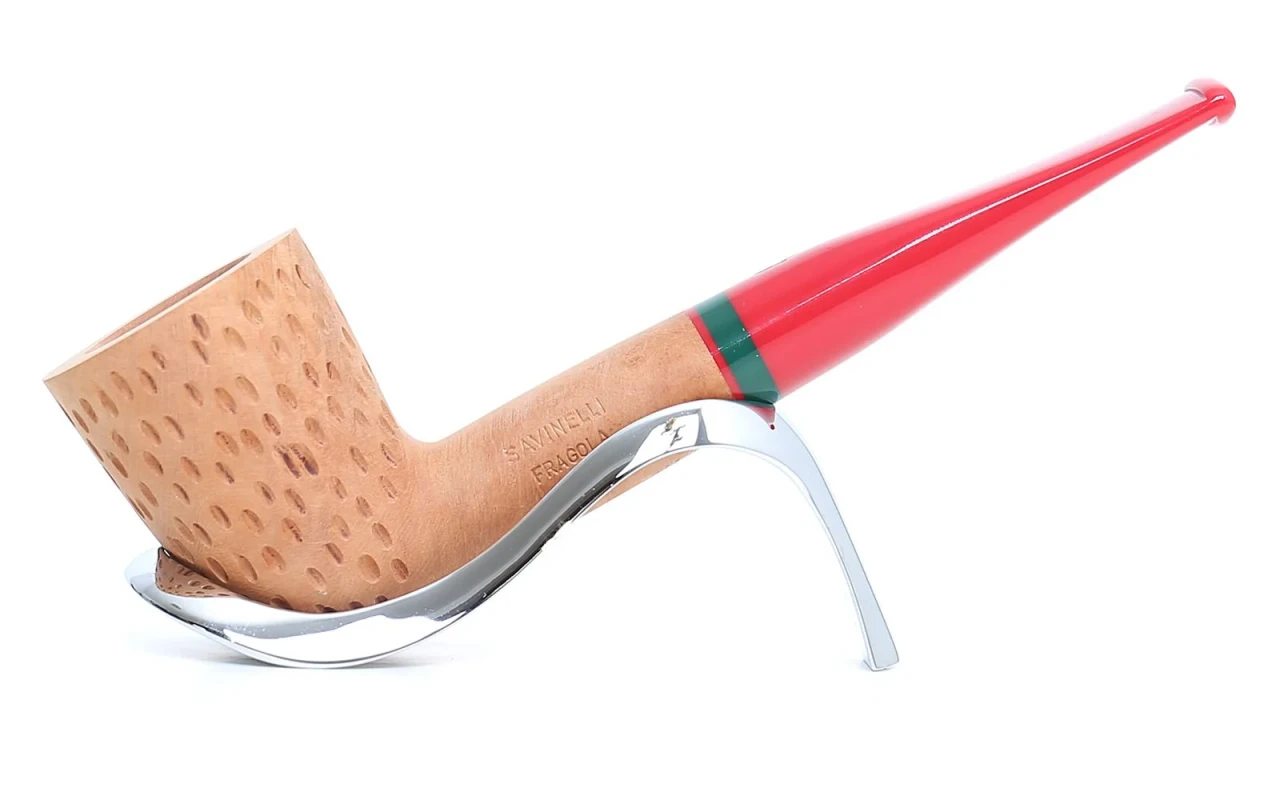
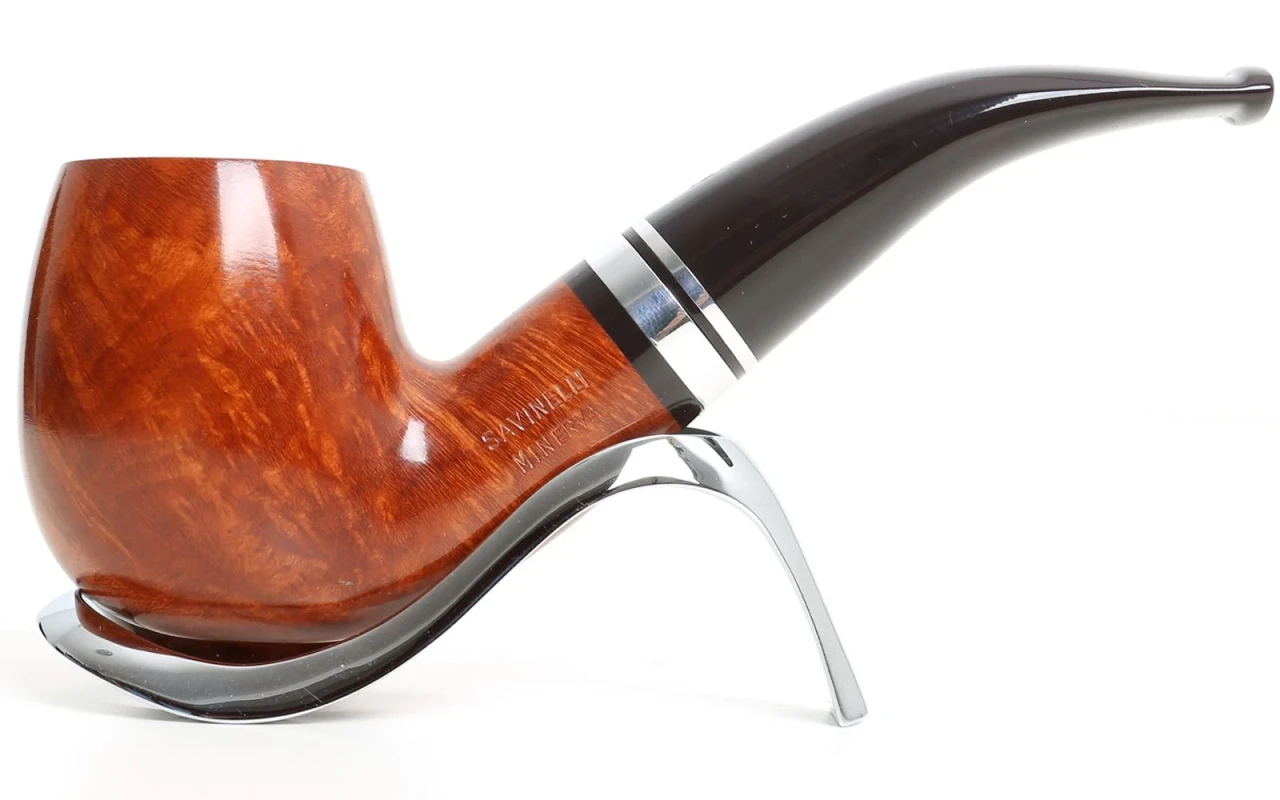
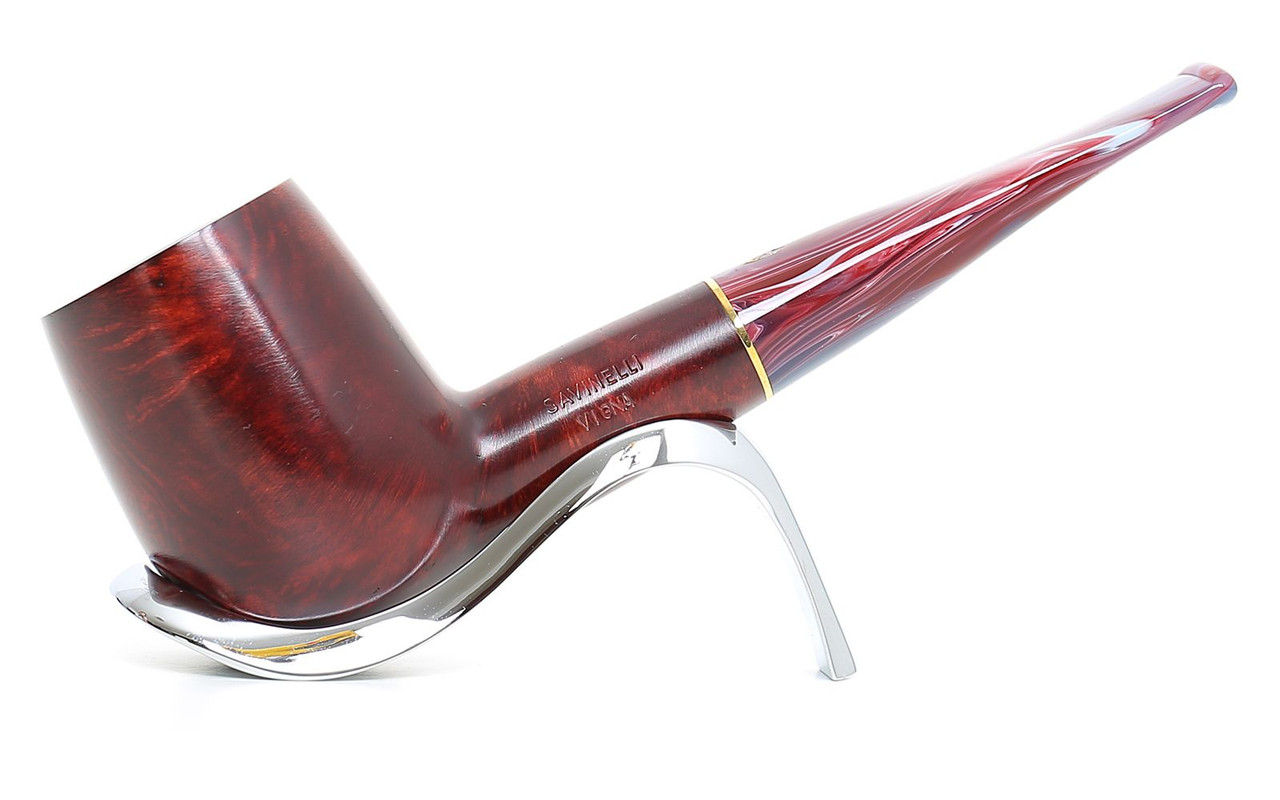
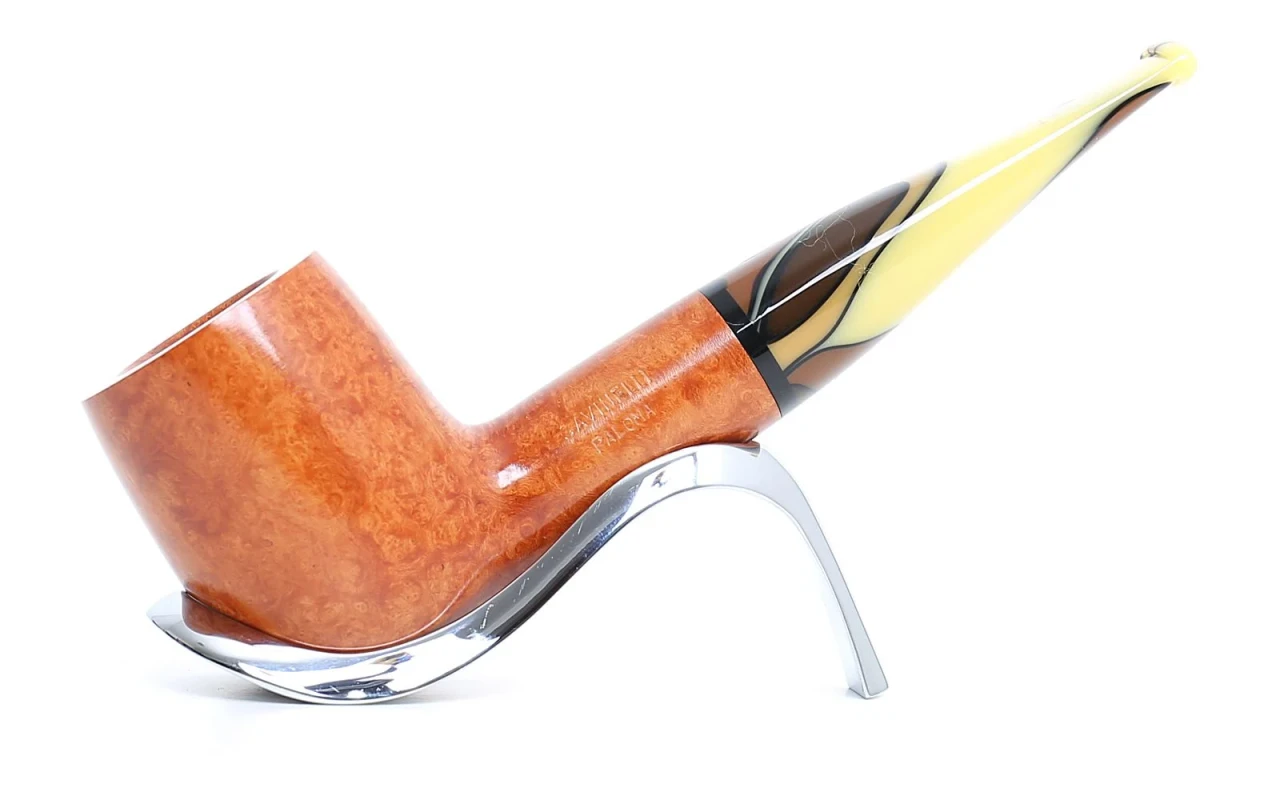
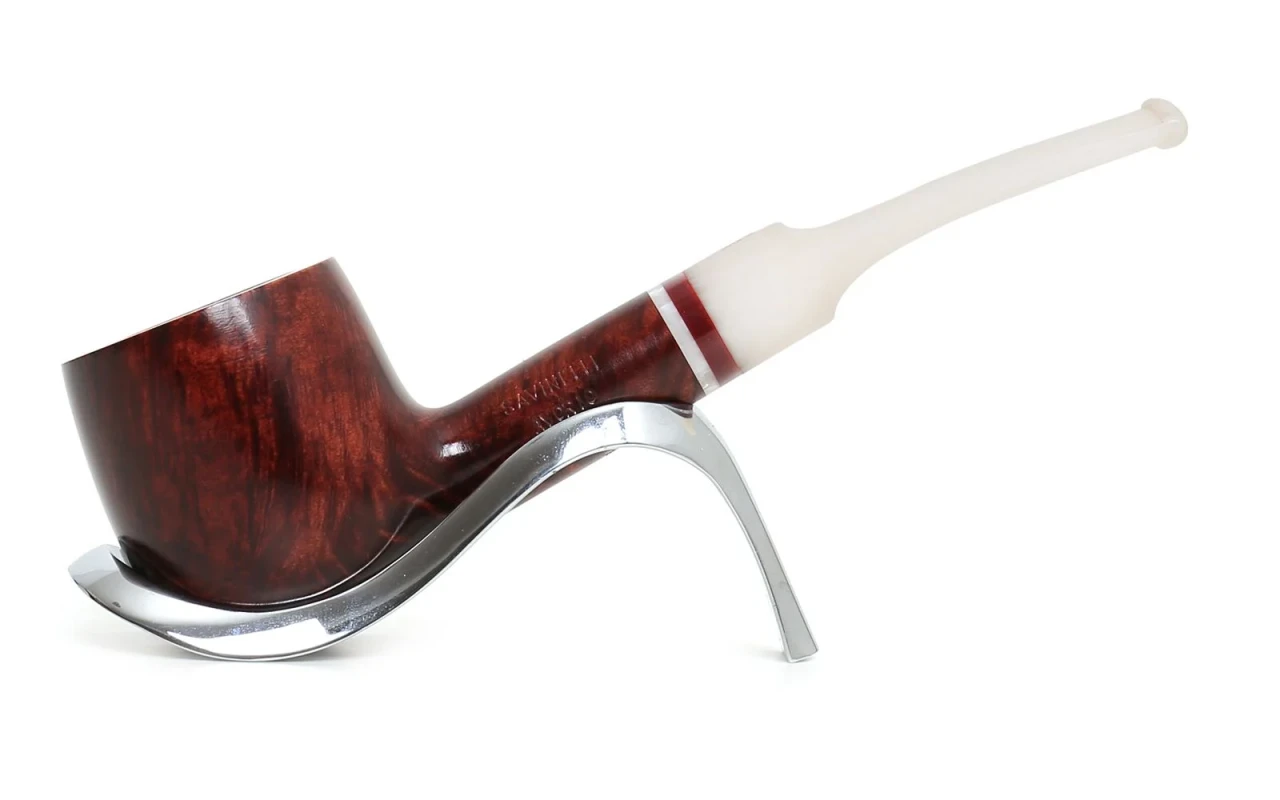
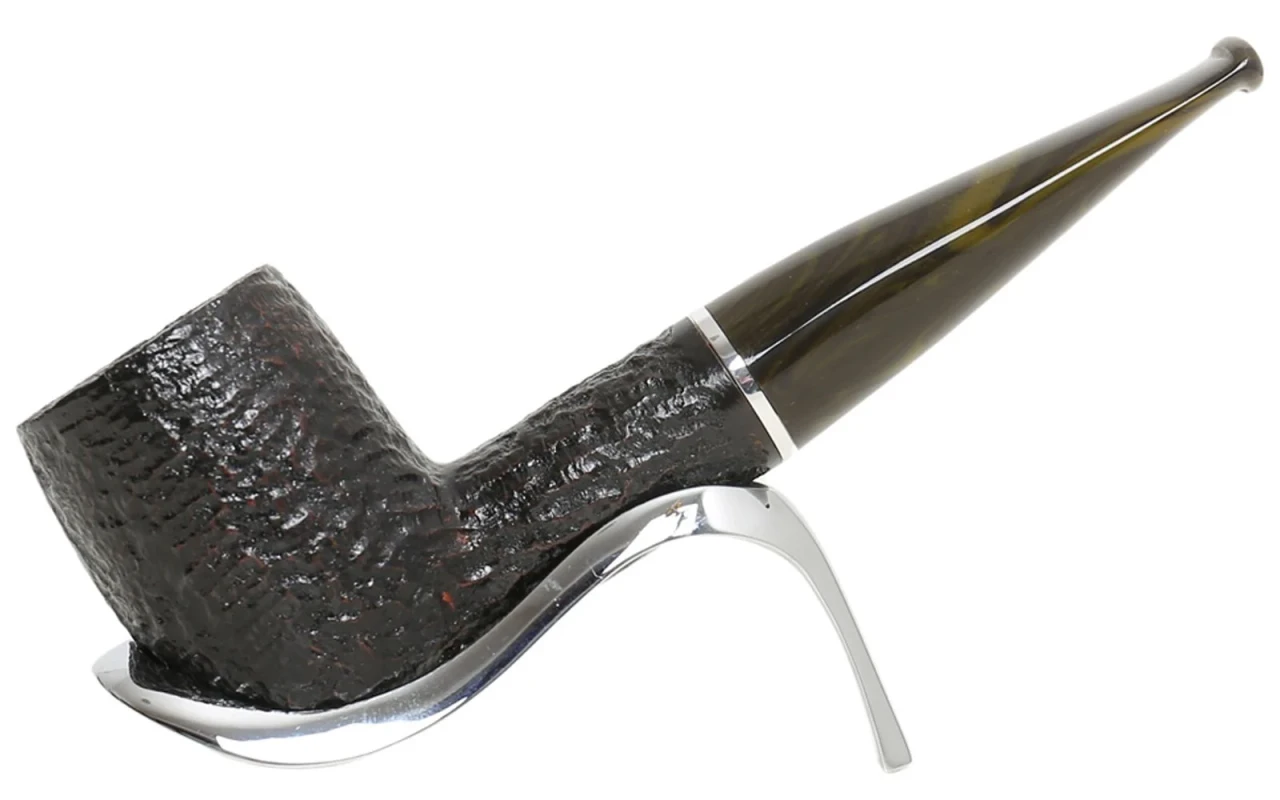
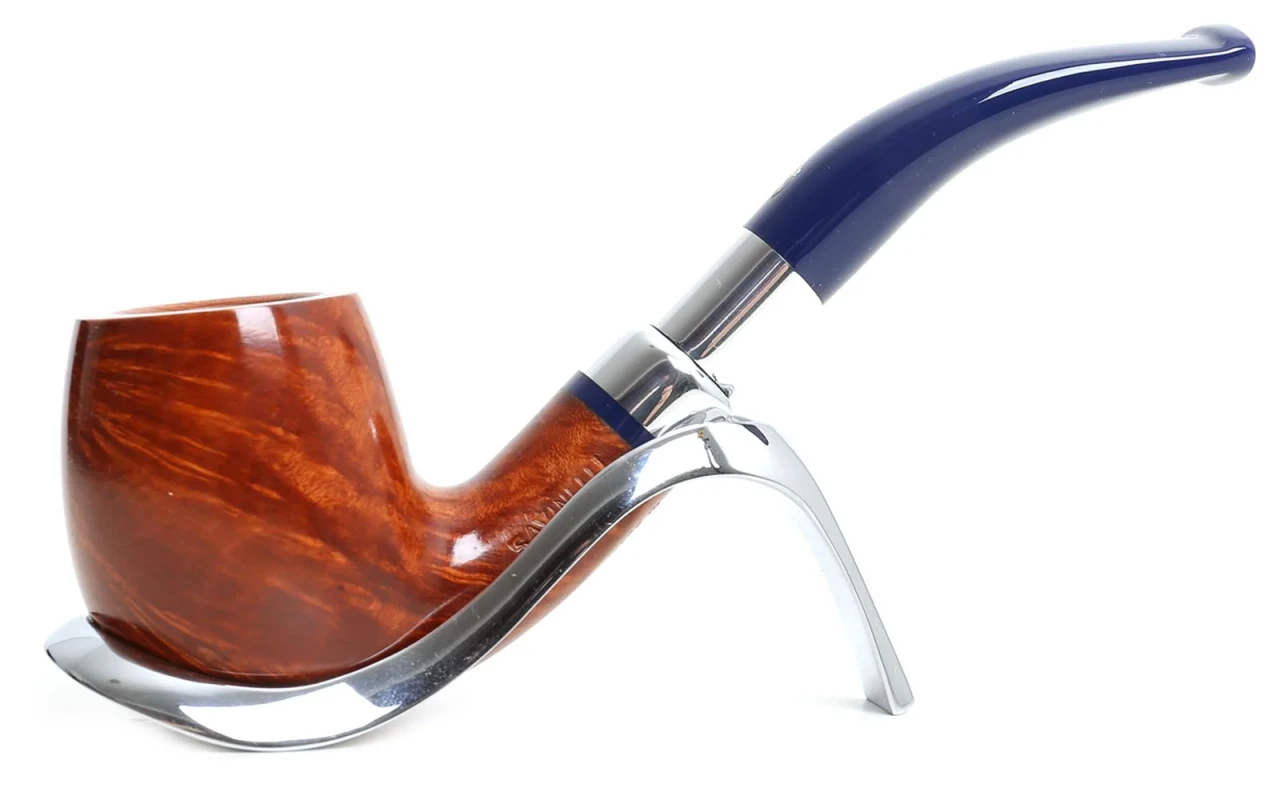
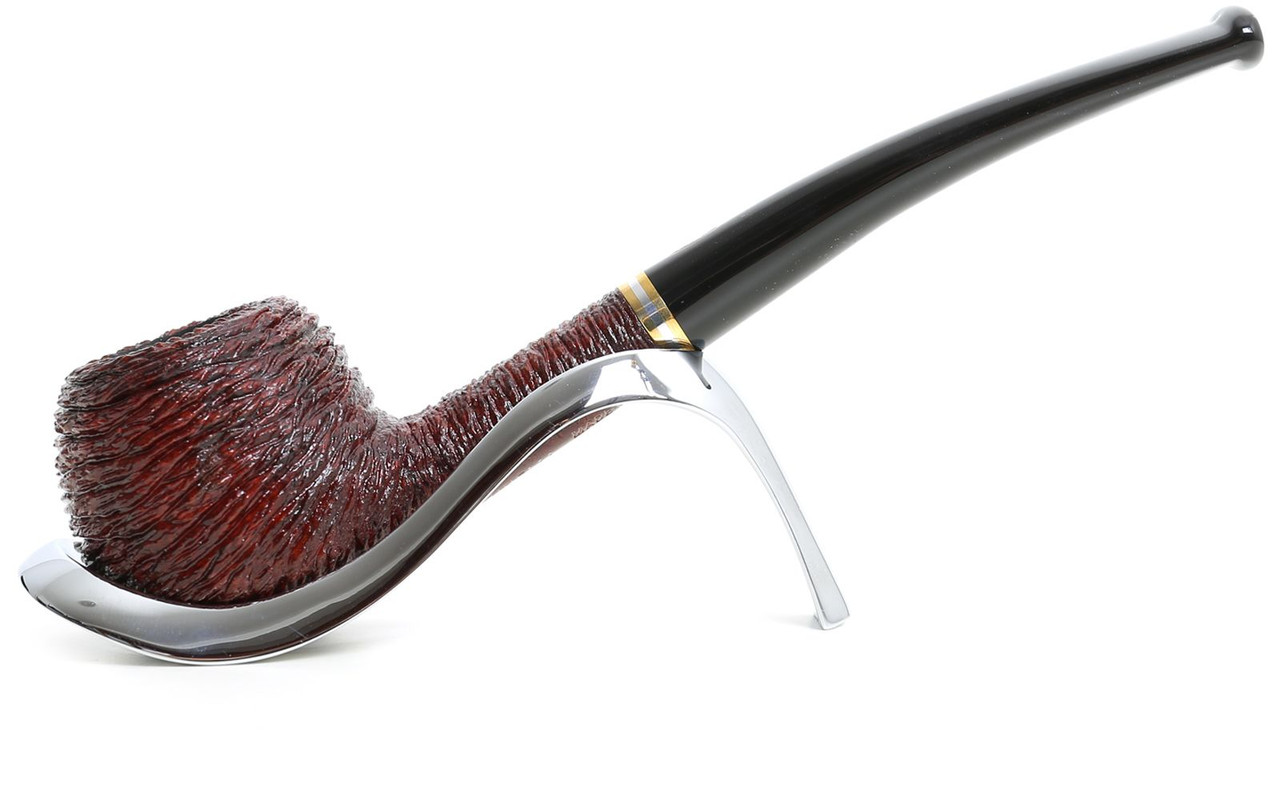
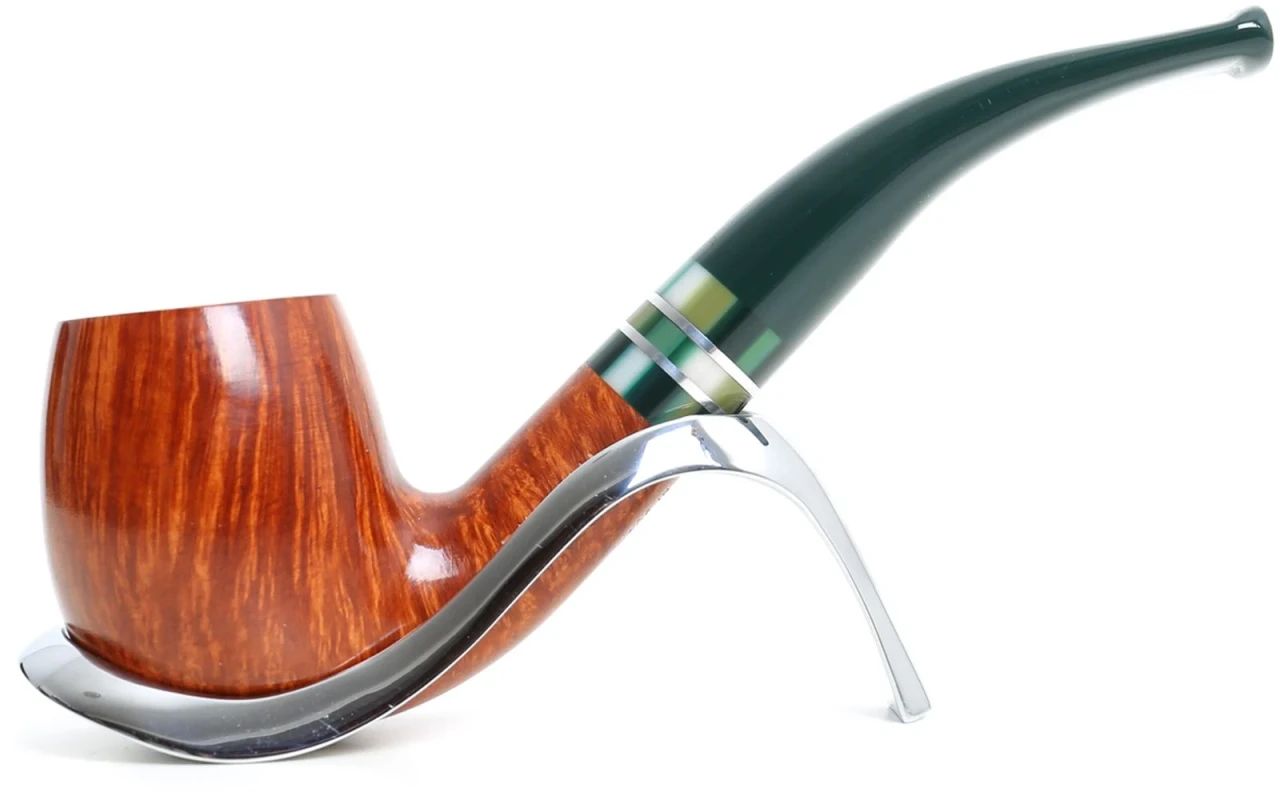
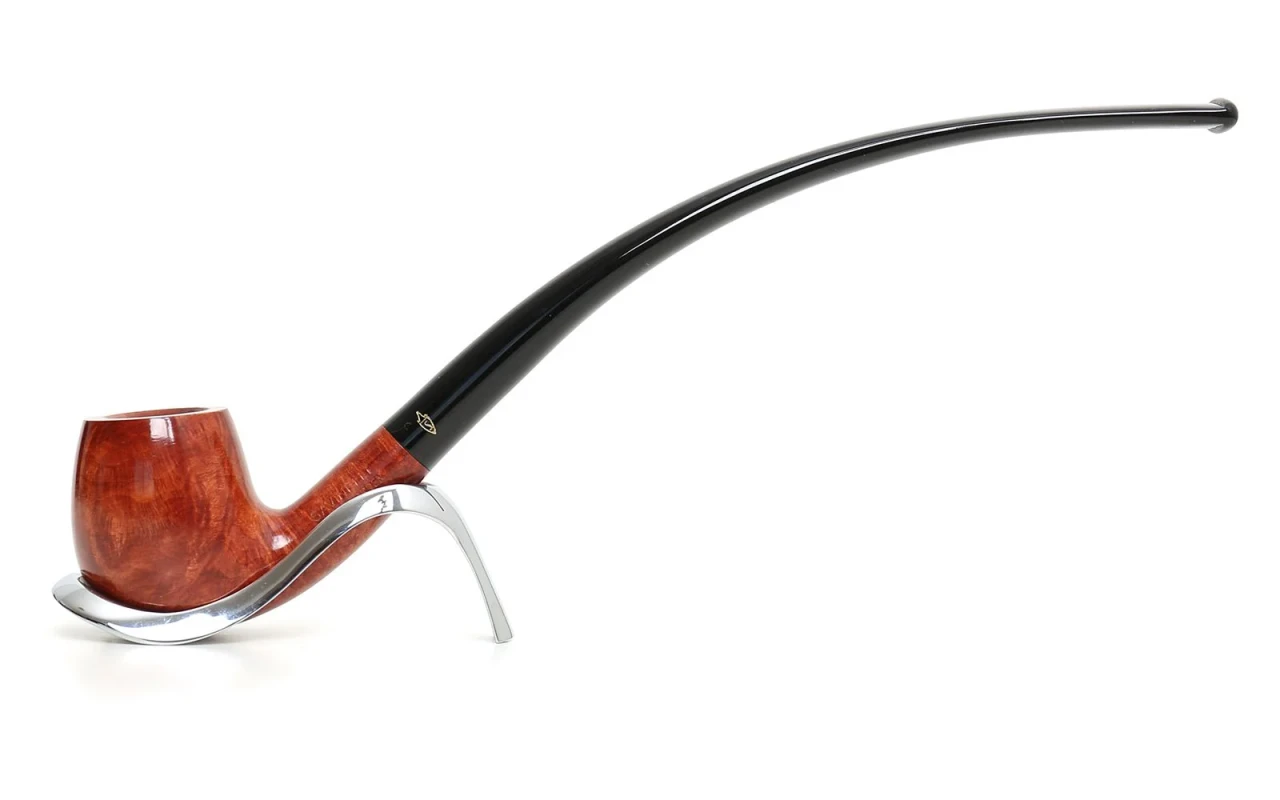
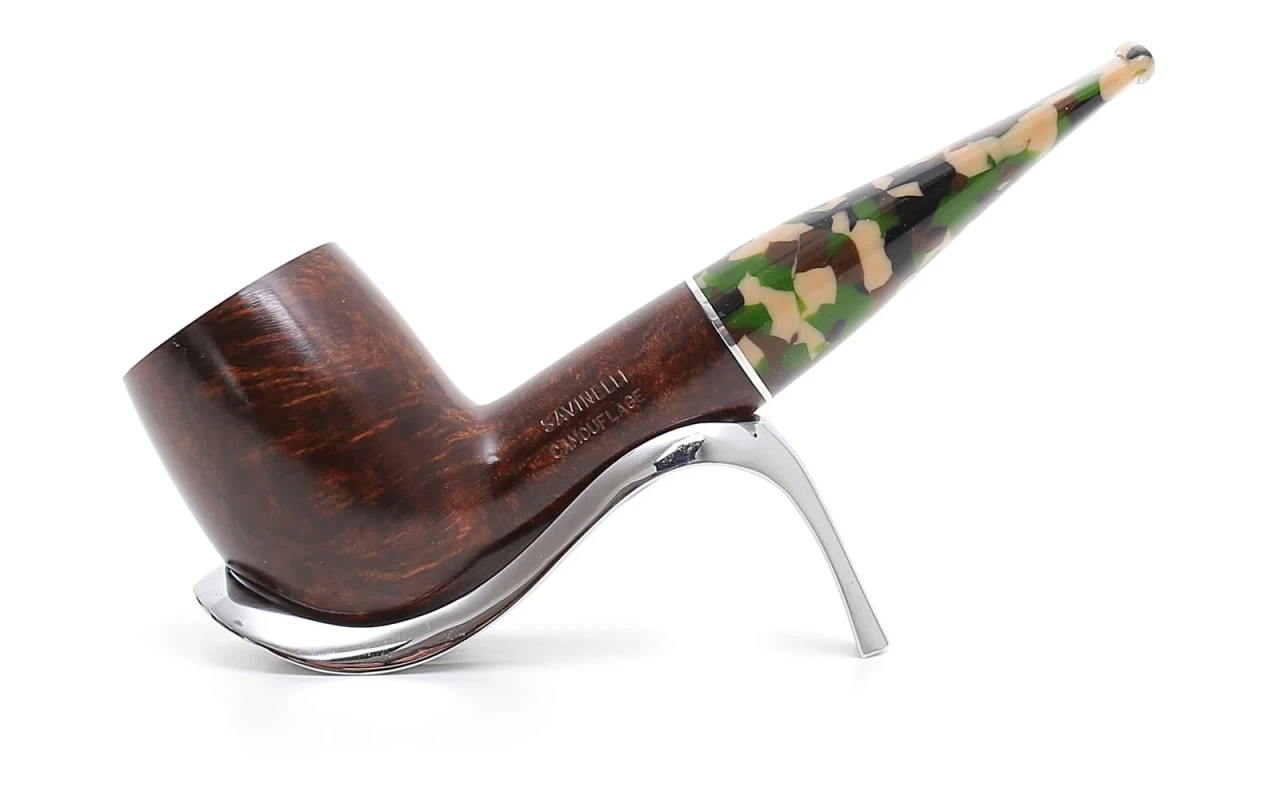
The value of a handmade pipe increases thanks to precious materials such as high-quality briar, meticulous finishes, and unique details. Additionally, the shape, handcraftsmanship, and the artisan's signature contribute to enhancing its prestige and appeal among collectors and enthusiasts.
Which components increase the value of a handmade pipe? Deep dive
The value of a handmade pipe is influenced by several factors related to its components and craftsmanship. Firstly, the type of material used for the calabash or briar is fundamental: premium woods like high-quality briar are highly appreciated for their durability and ability to enhance the tobacco’s flavor. The pipe’s finish—whether glossy, satin, or natural—must be executed with care and precision, highlighting the wood’s beauty and the artisan’s mastery. Well-proportioned and thoughtfully designed classical or distinctive shapes increase the value, as do unique details such as engravings, inlays, or decorative elements. Fully handcrafted production, which requires time and skill, is another factor that makes a pipe more valuable compared to industrially produced ones. Finally, the artisan’s signature or mark, especially when internationally recognized, can significantly raise the pipe’s value, making it a sought-after collectible piece. All these aspects contribute to determining the overall value of a handmade pipe, making it not only a tool for slow smoking but also an object of great aesthetic and cultural significance.