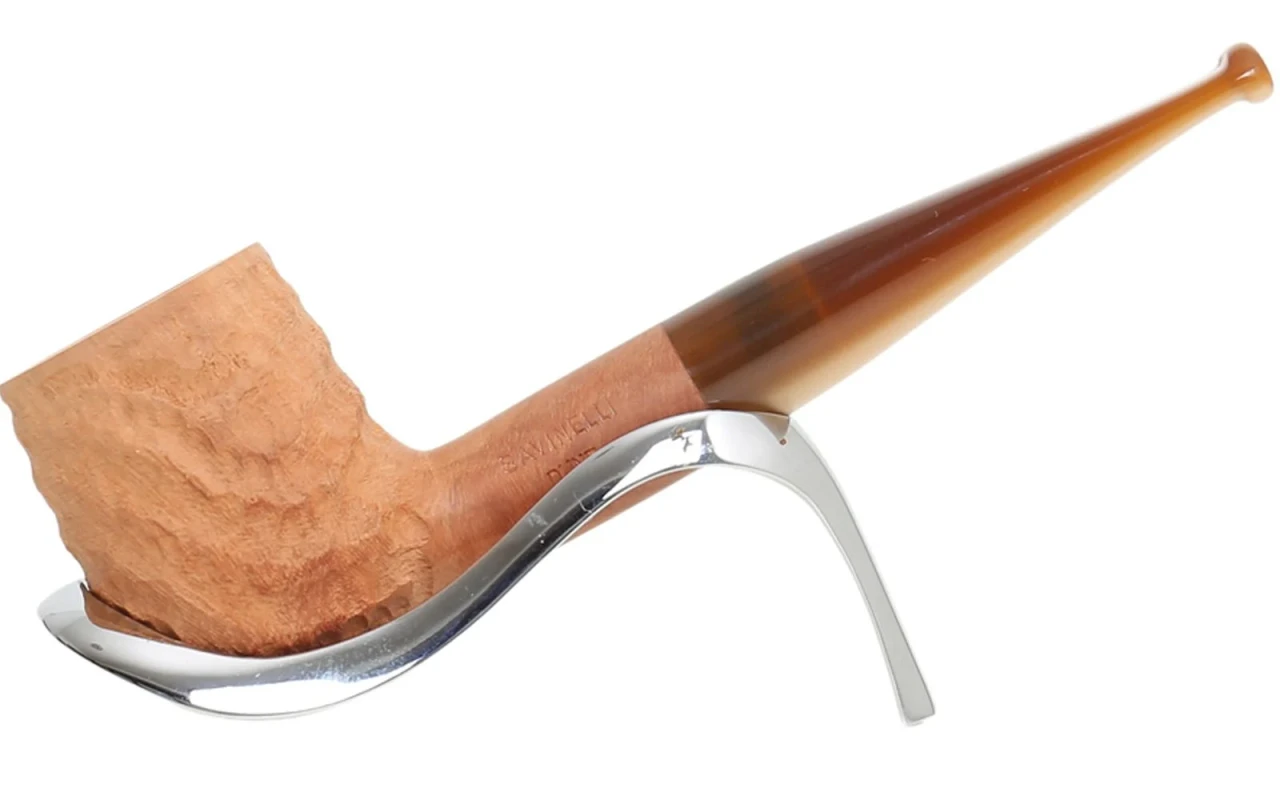
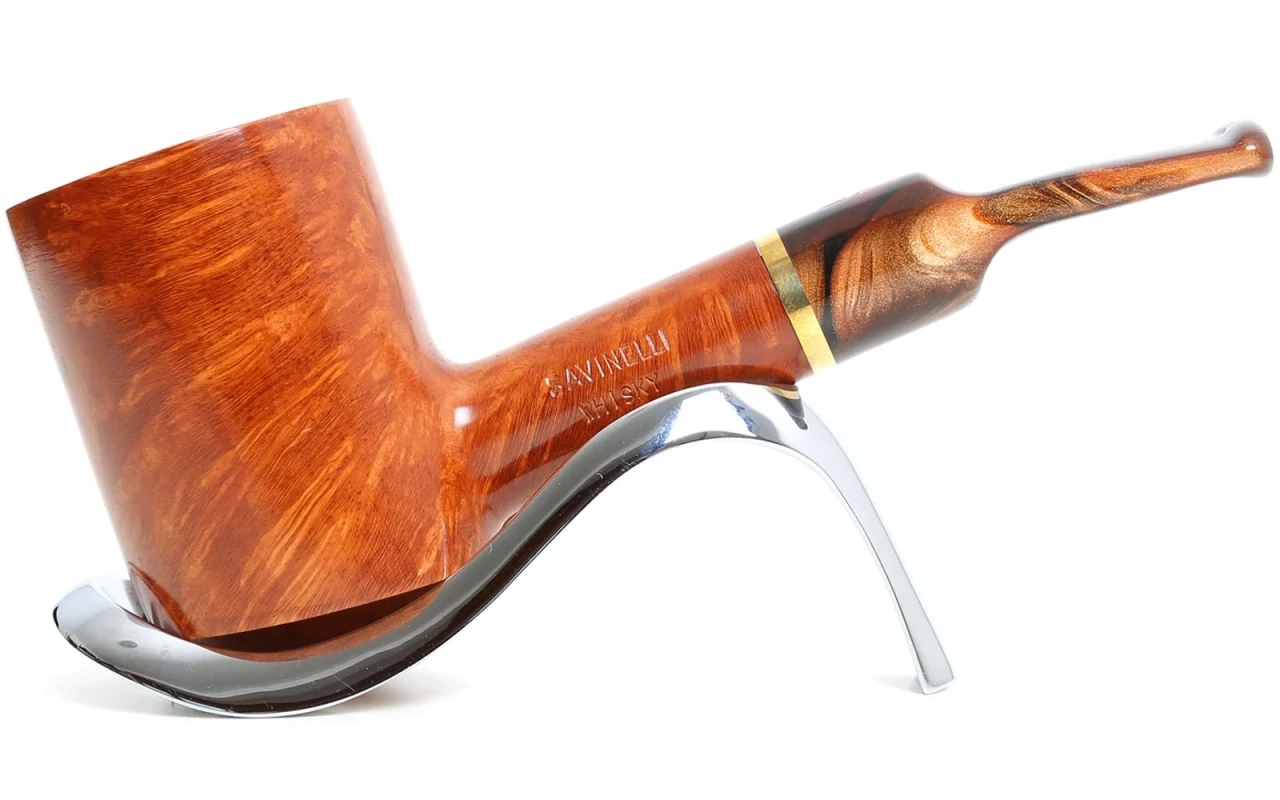
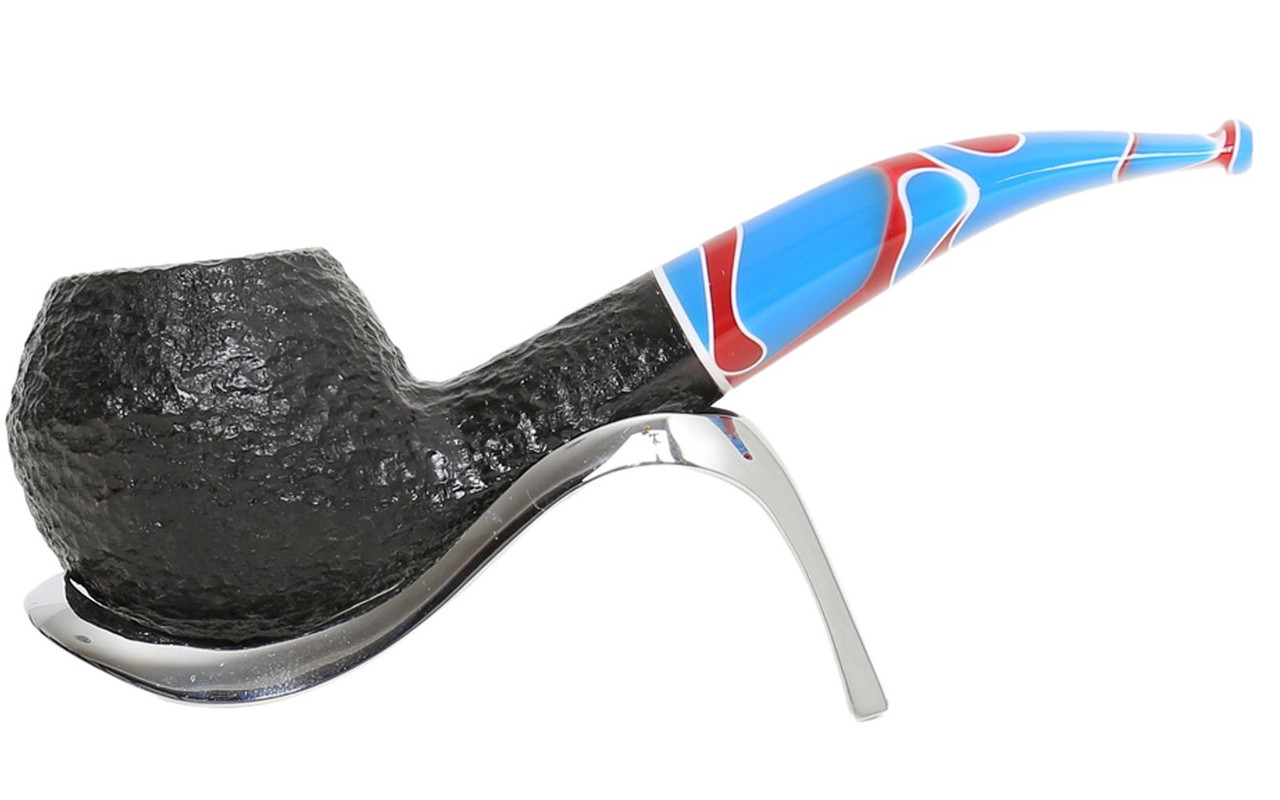
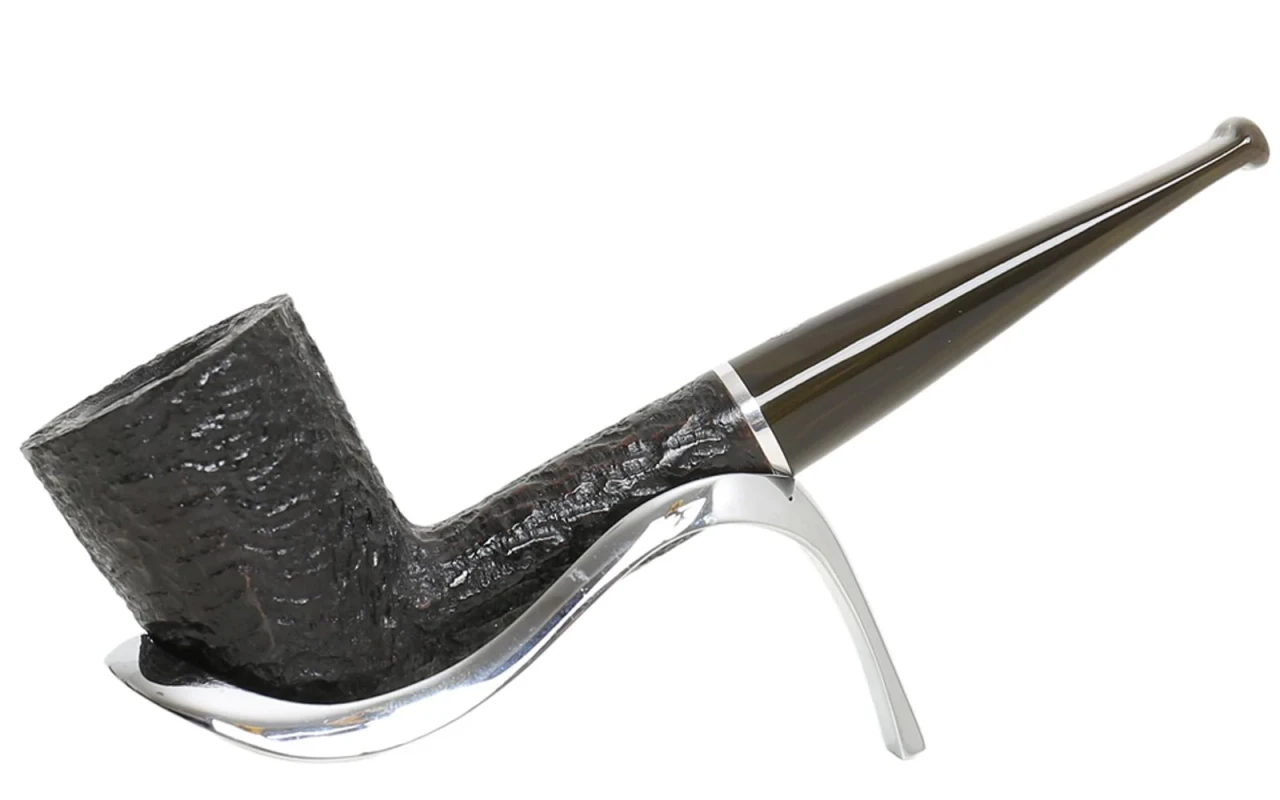
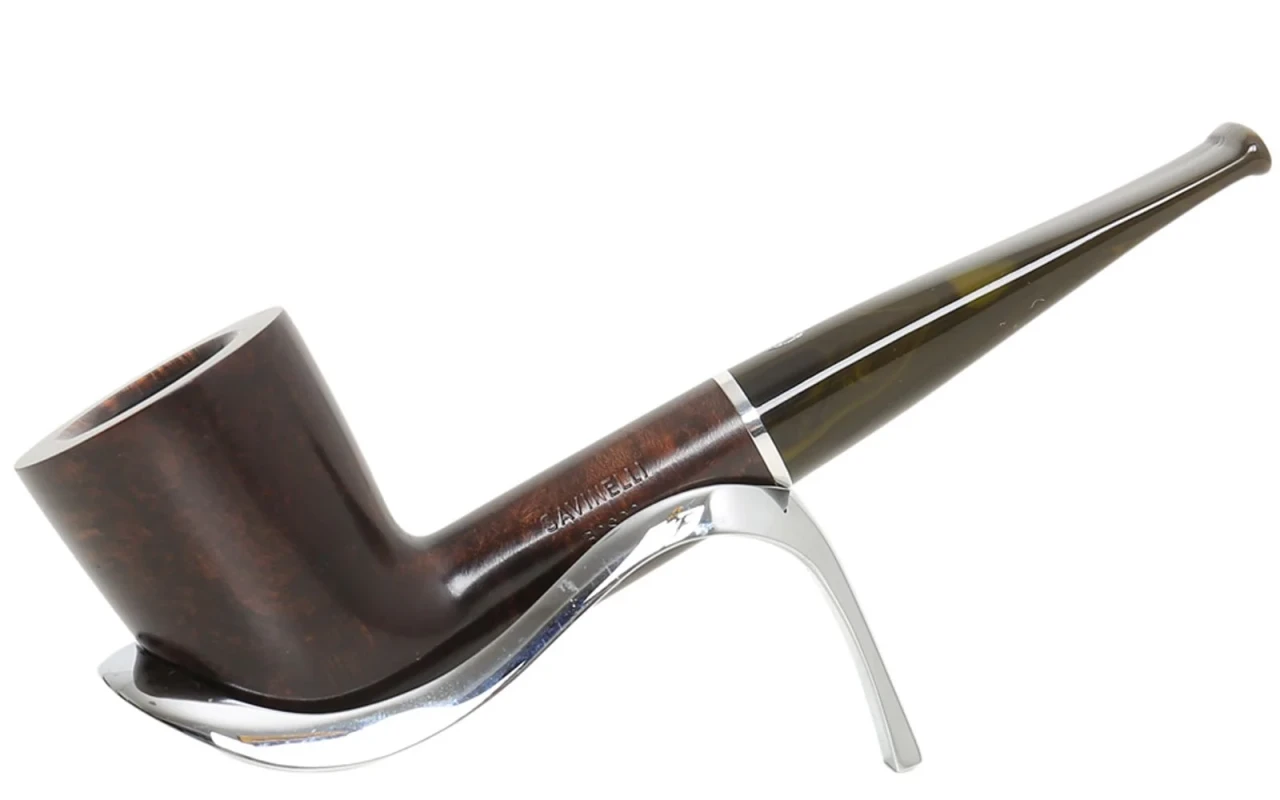
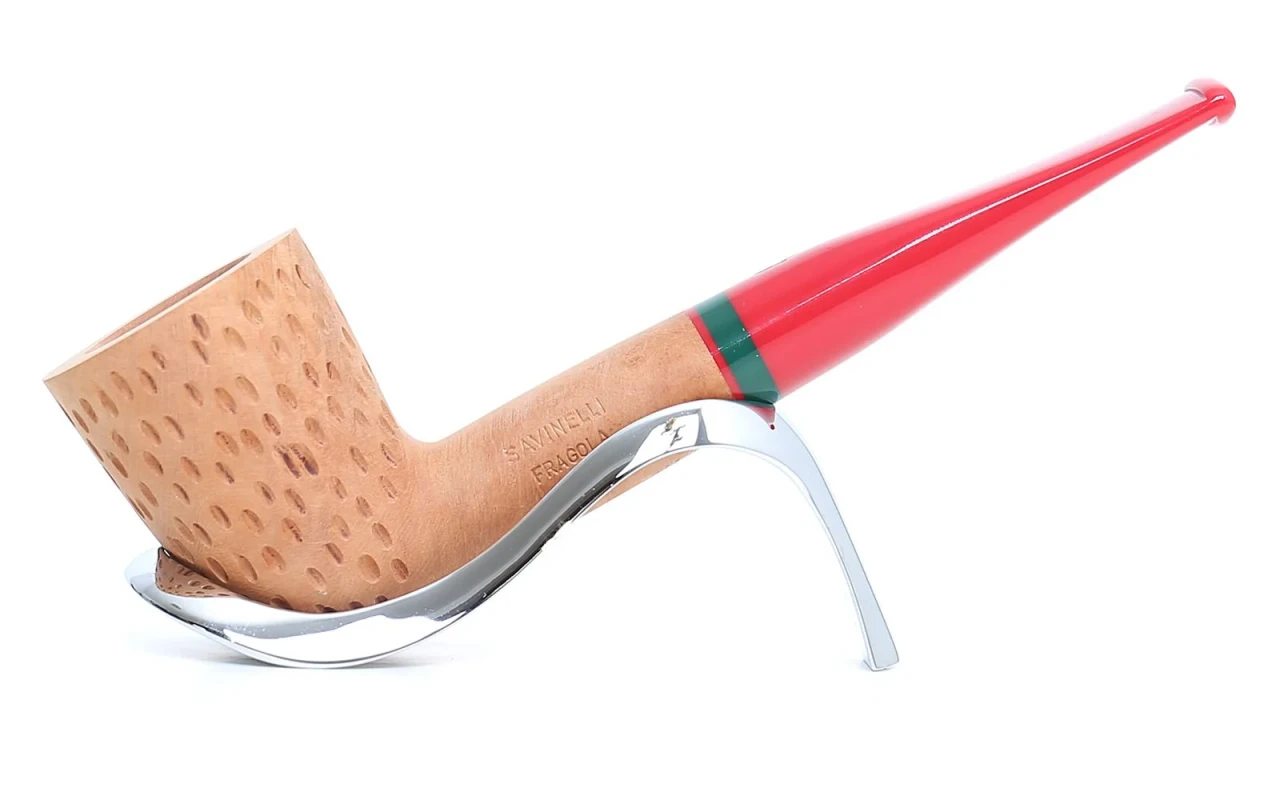
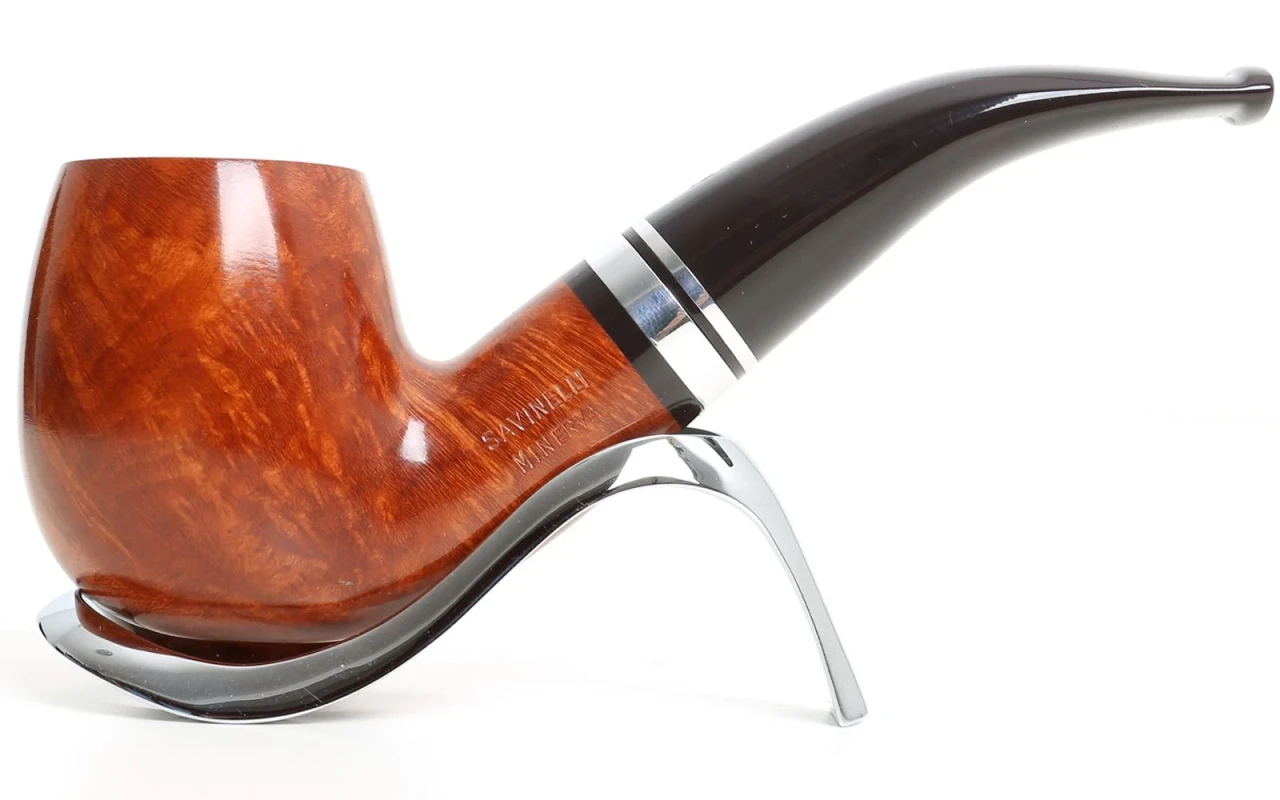
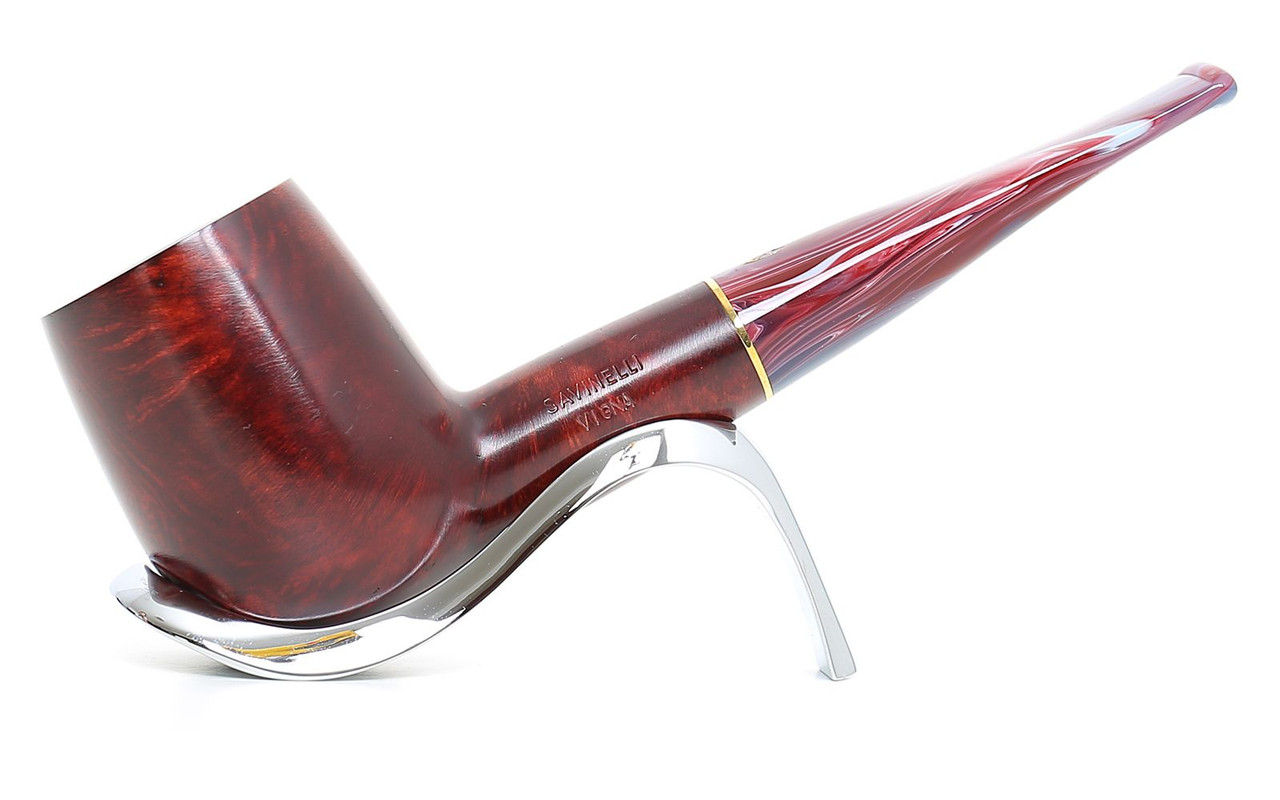
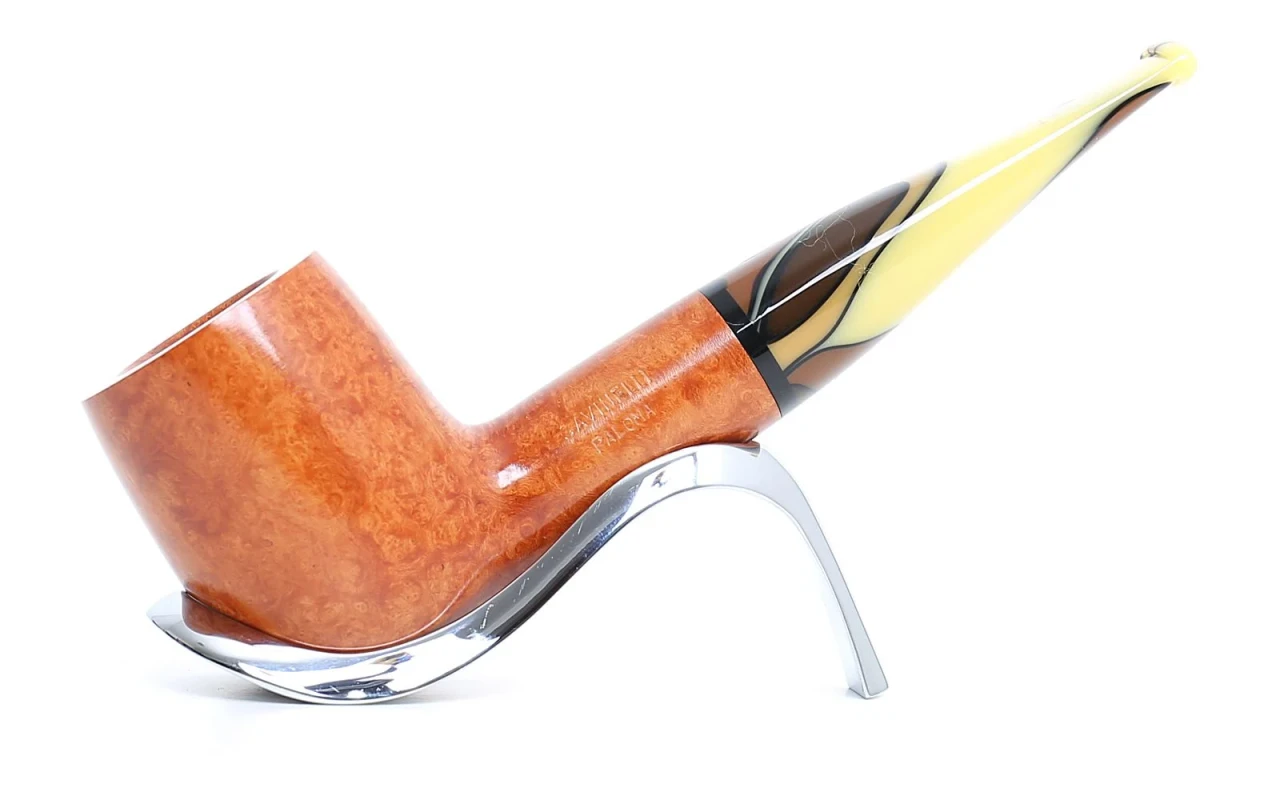
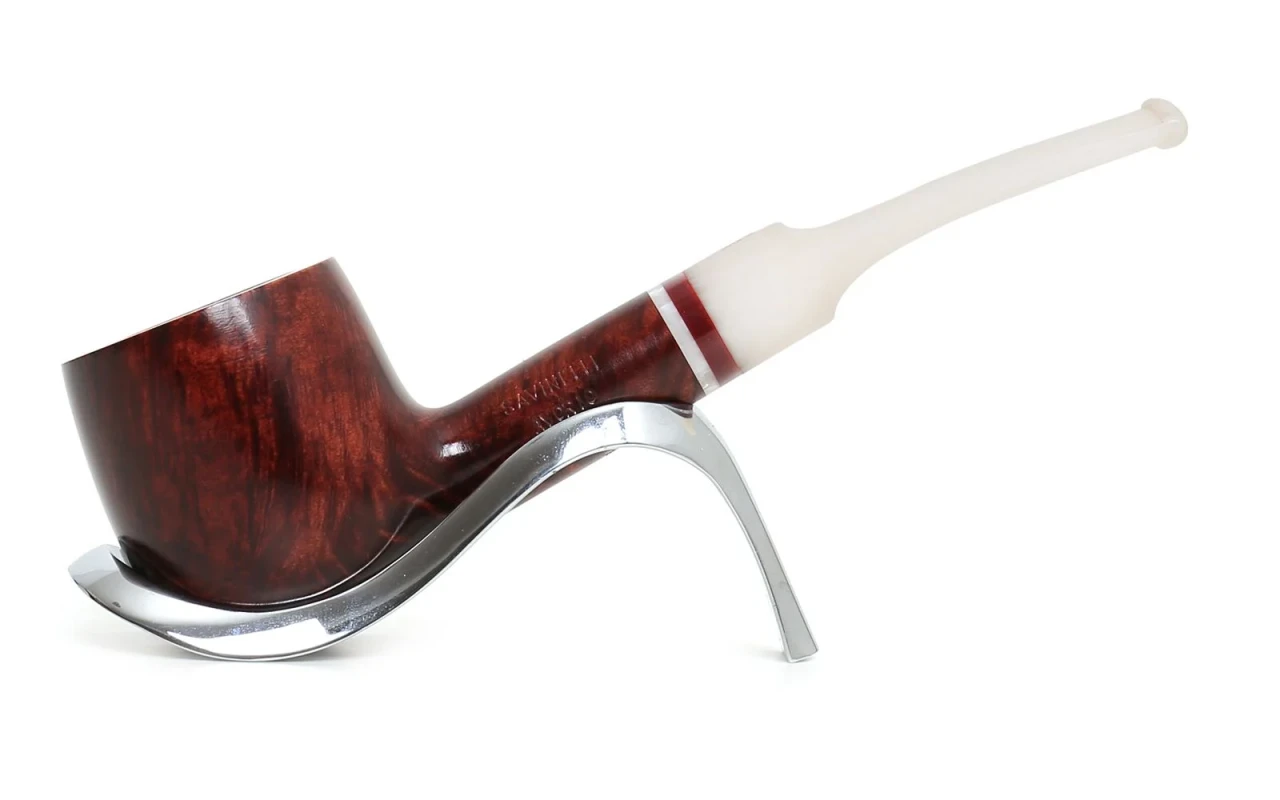
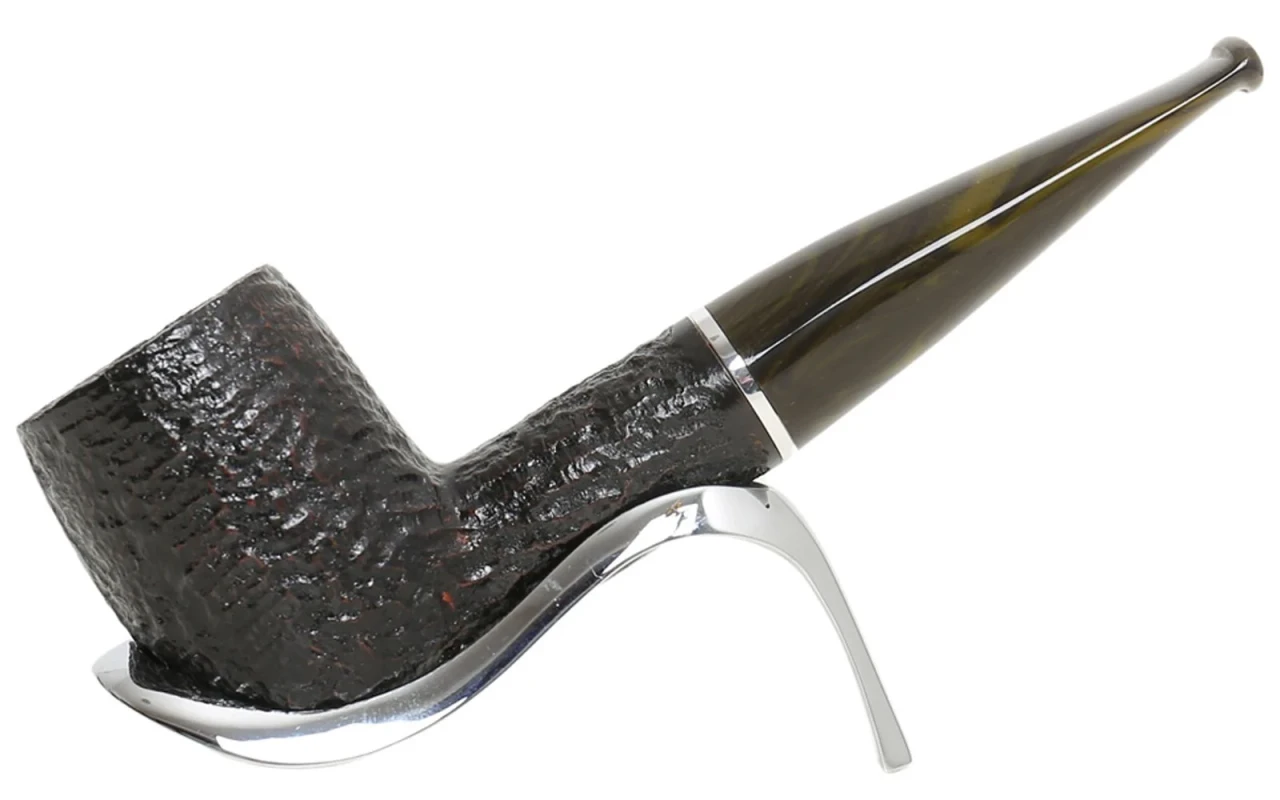
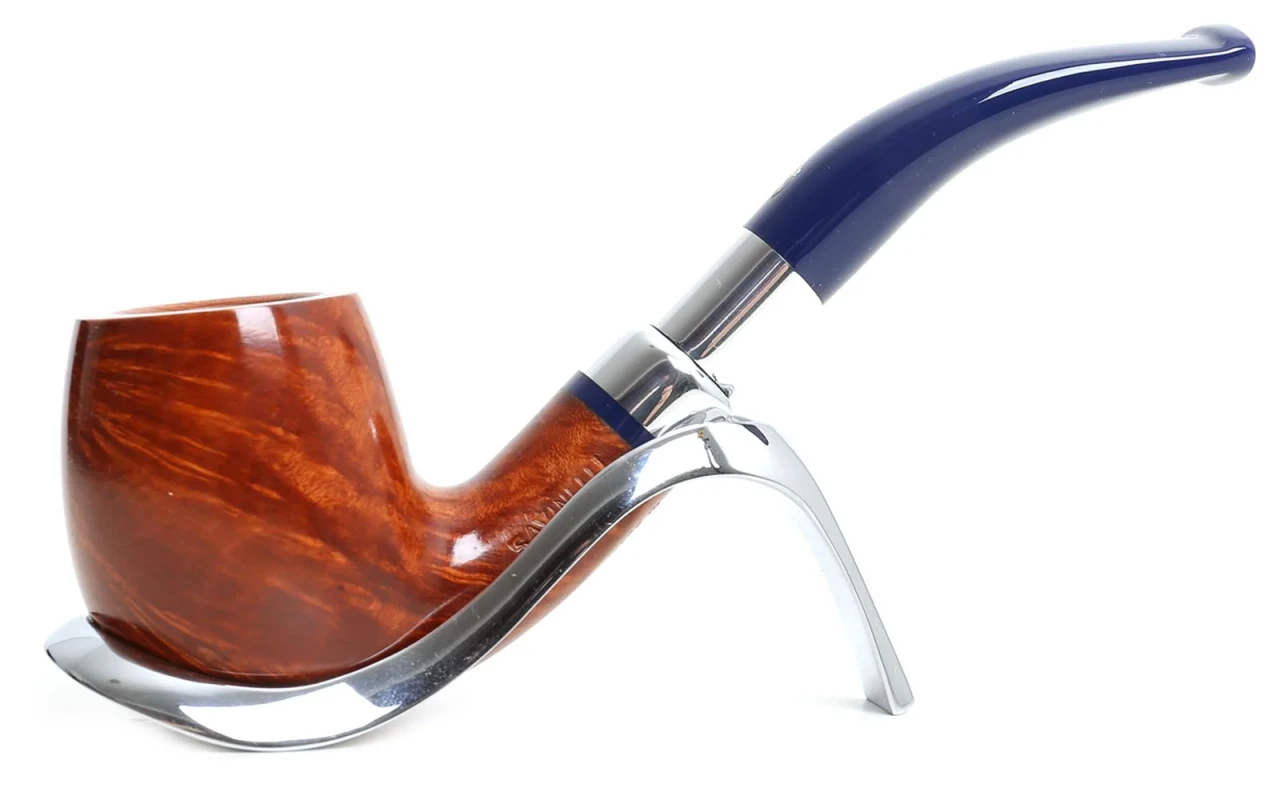
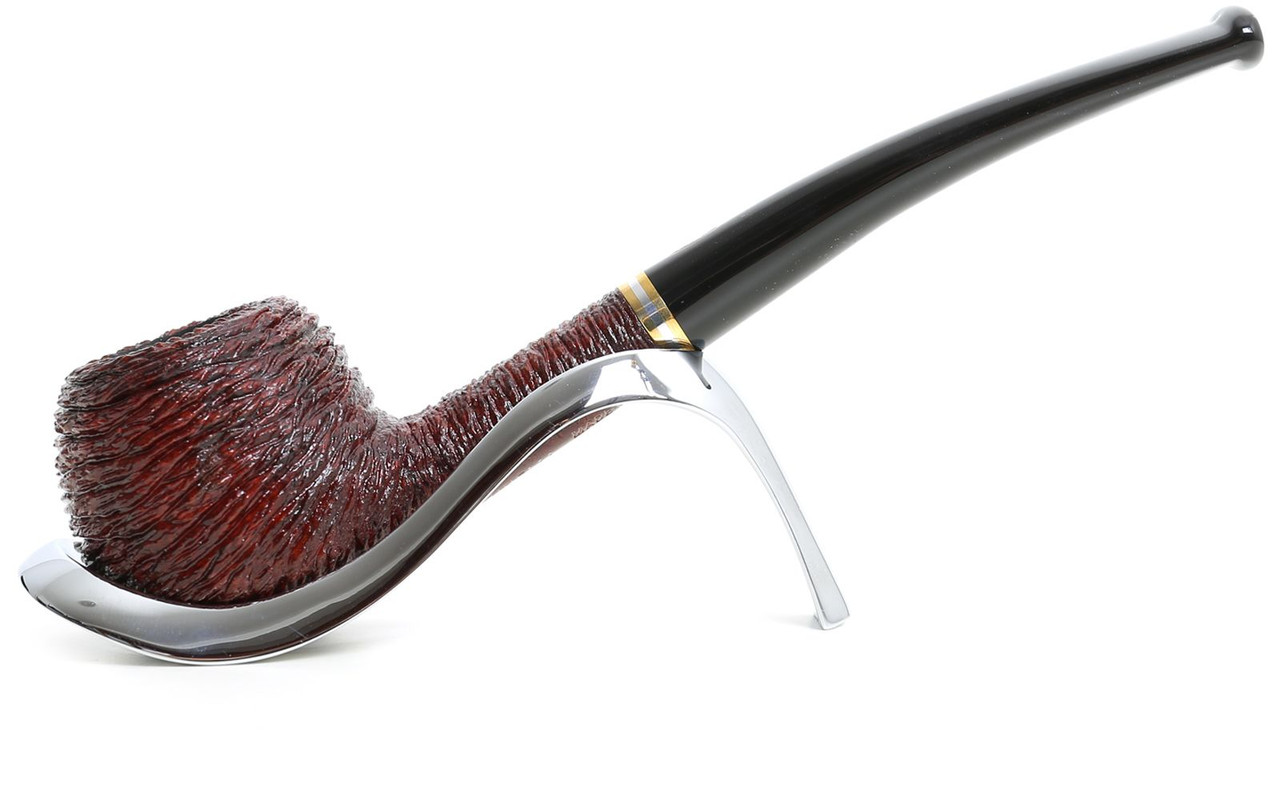
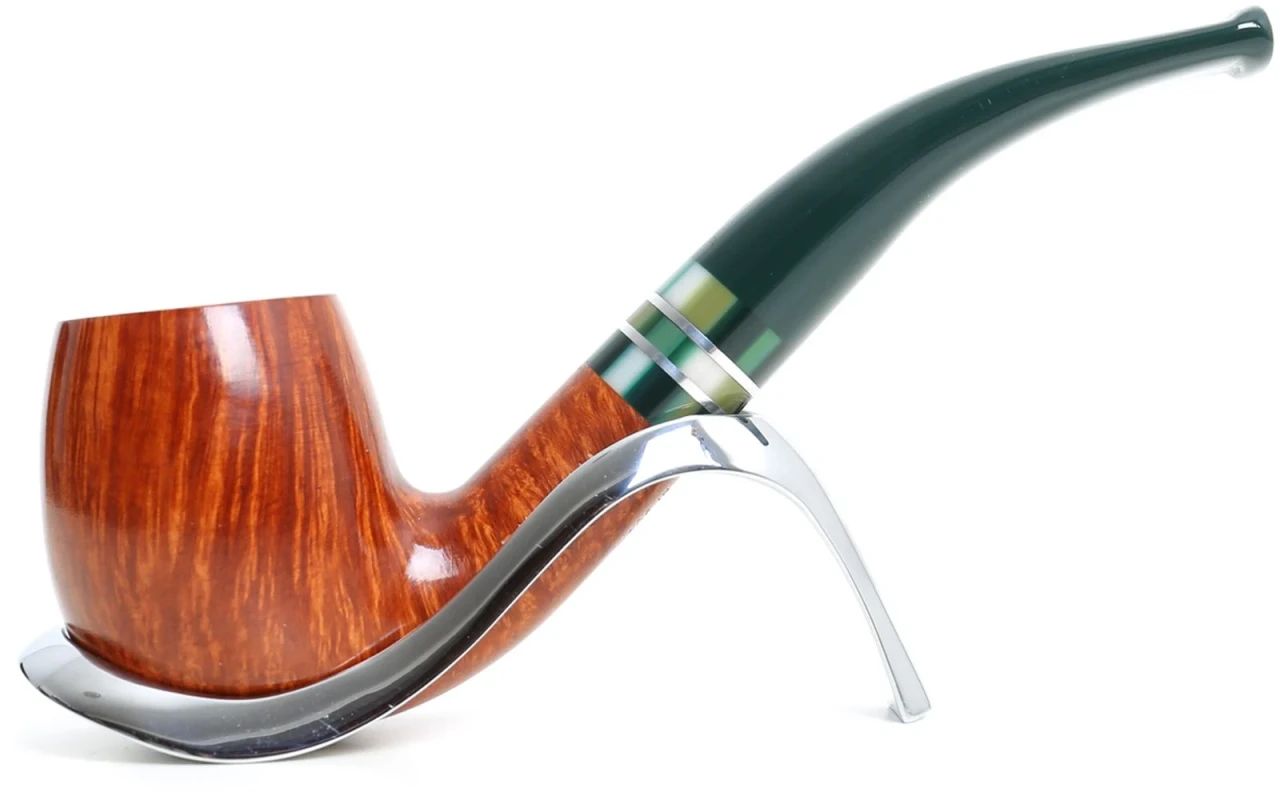
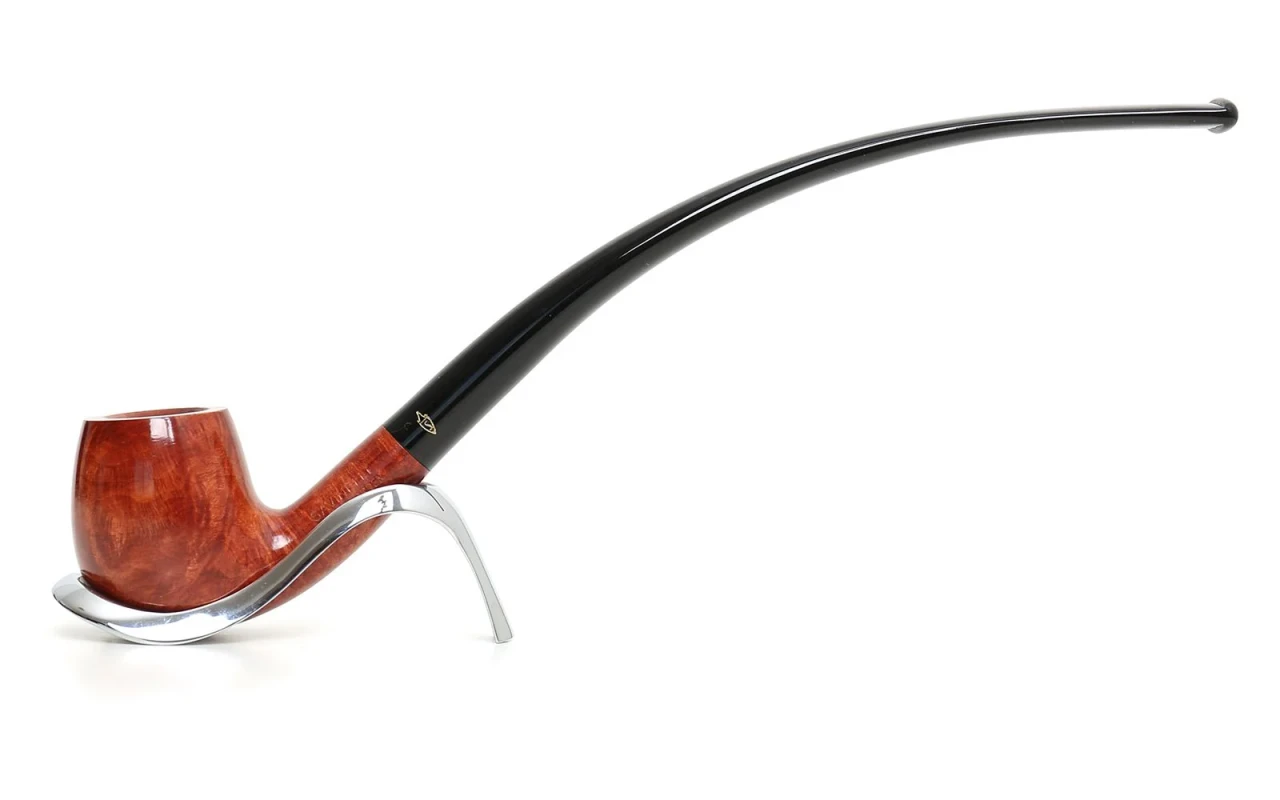
A pipe mainly consists of three parts: the bowl, where tobacco is packed; the shank, which connects the bowl to the stem; and the stem, the part from which smoke is drawn. Each component can vary in material, shape, and finish, affecting both the aesthetics and smoking experience.
What are the parts of a pipe? Deep dive
The fundamental parts of a pipe are three: the bowl, the shank, and the stem. The bowl is the most important part, where pipe tobacco is placed; it is typically made of briar wood but can also be crafted from other materials such as ceramic or metal. The shank is the segment that connects the bowl to the stem, often made from the same material as the bowl or from different materials for aesthetic or functional reasons. The stem is the terminal part of the pipe, the one brought to the lips to draw smoke; it is generally made of ebonite, acrylic, or other heat-resistant materials. The shape and length of these parts influence not only the pipe’s appearance but also the quality and temperature of the smoke. Some pipes may include additional components like filters or decorative rings, but the basic structure remains as described. Proper maintenance and choice of materials are essential to ensure a good smoking experience and the pipe’s longevity.