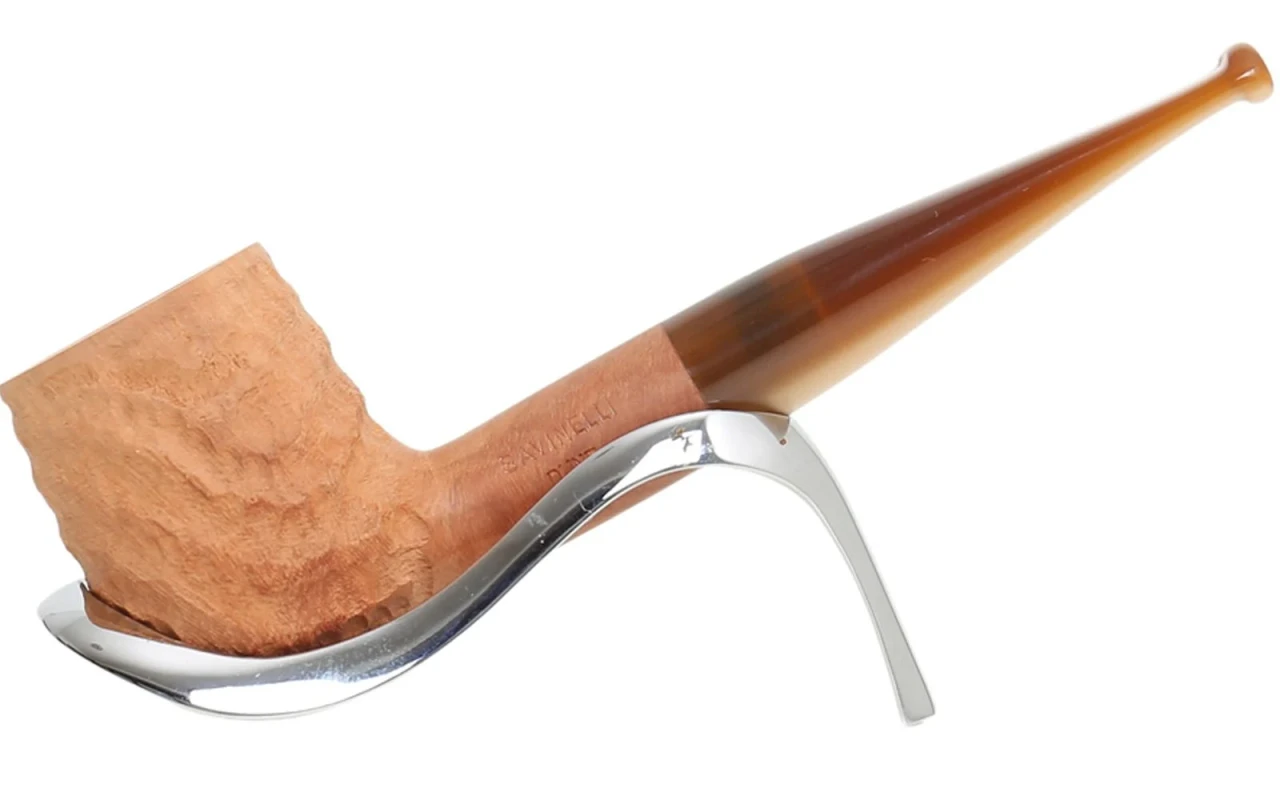
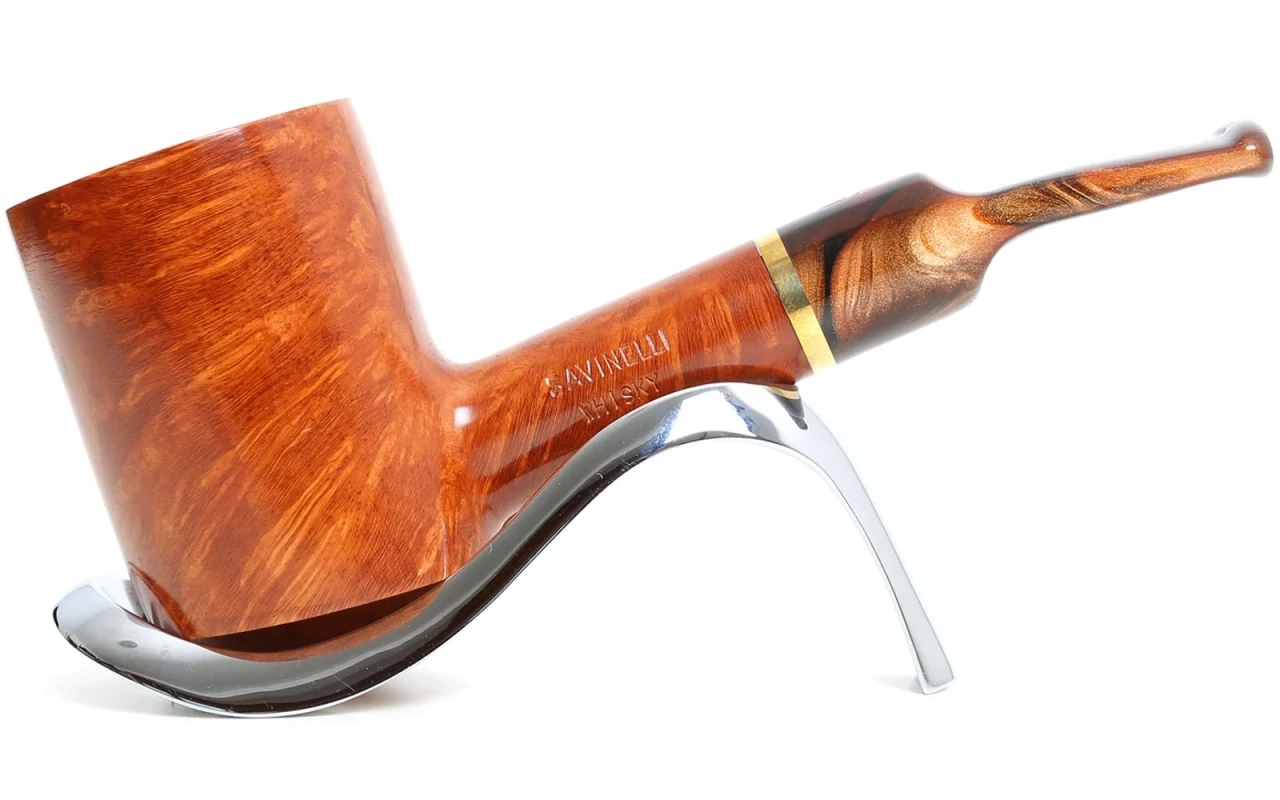
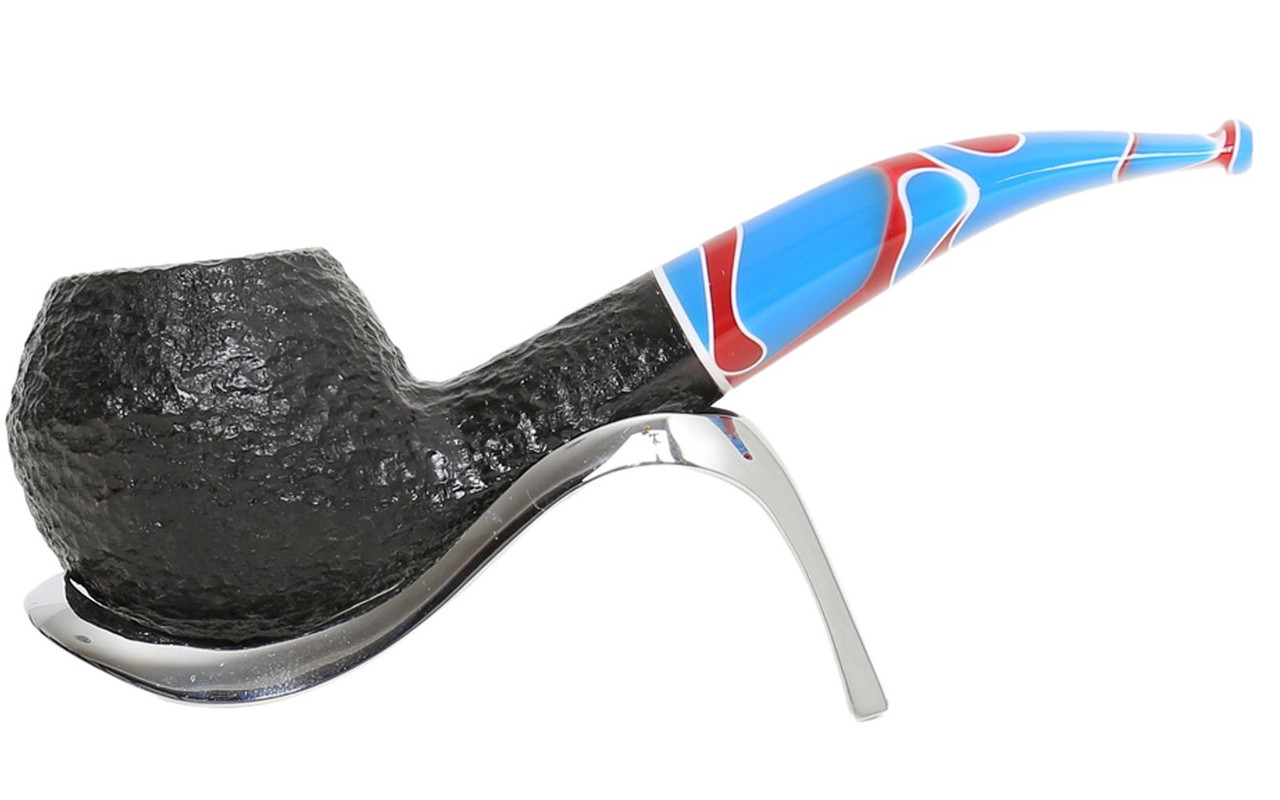
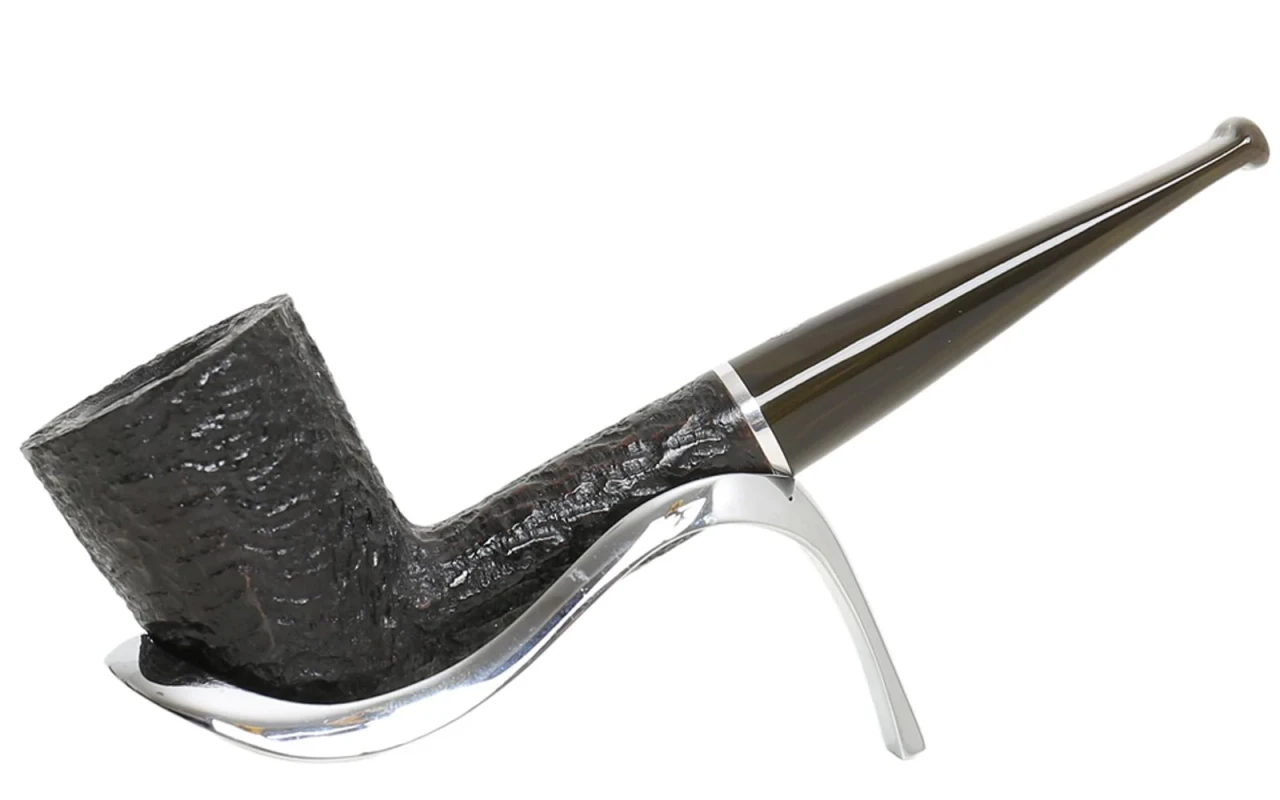
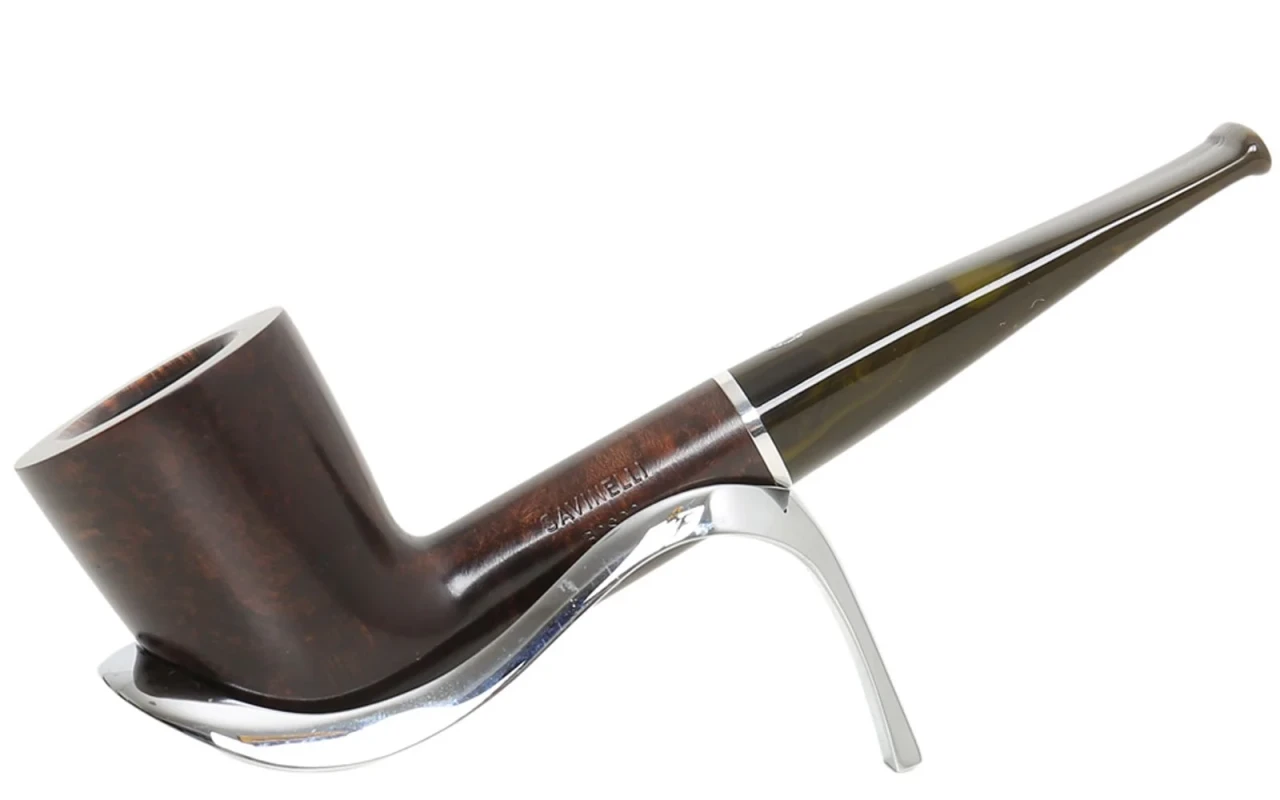
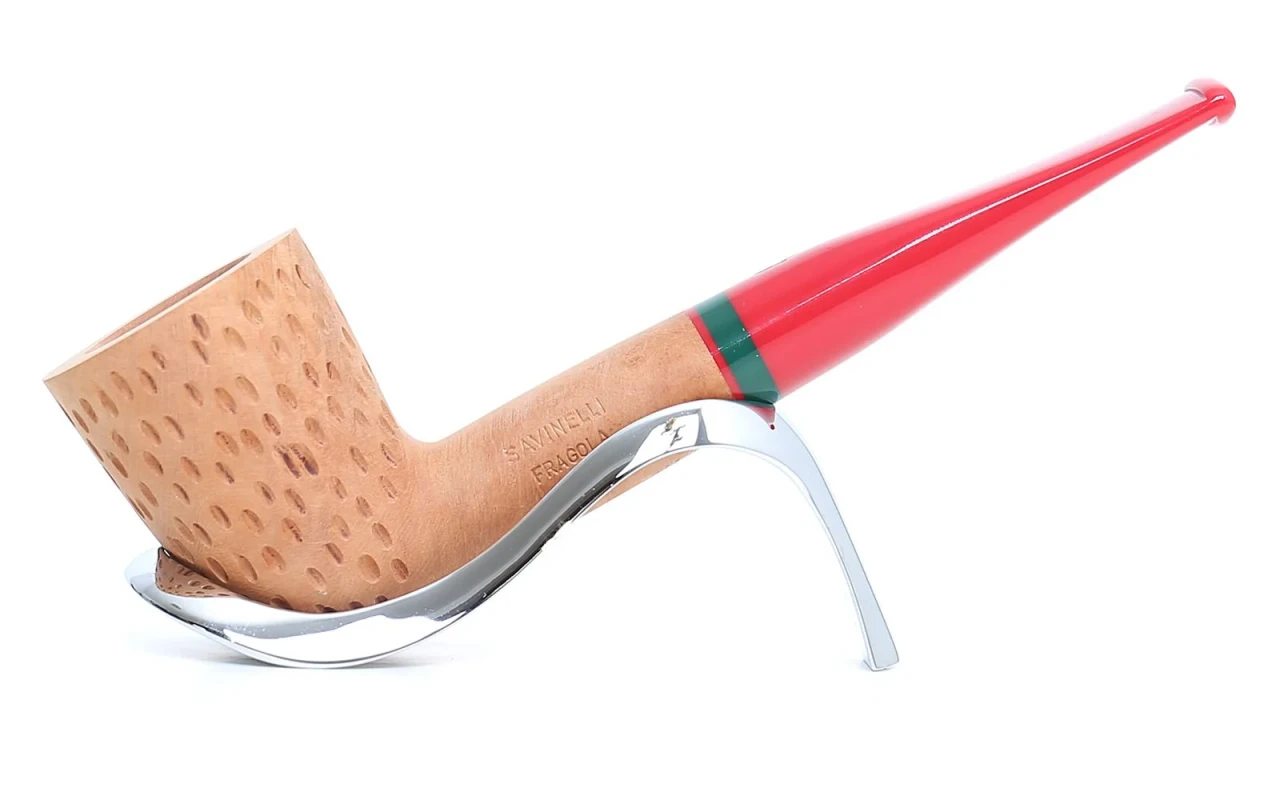
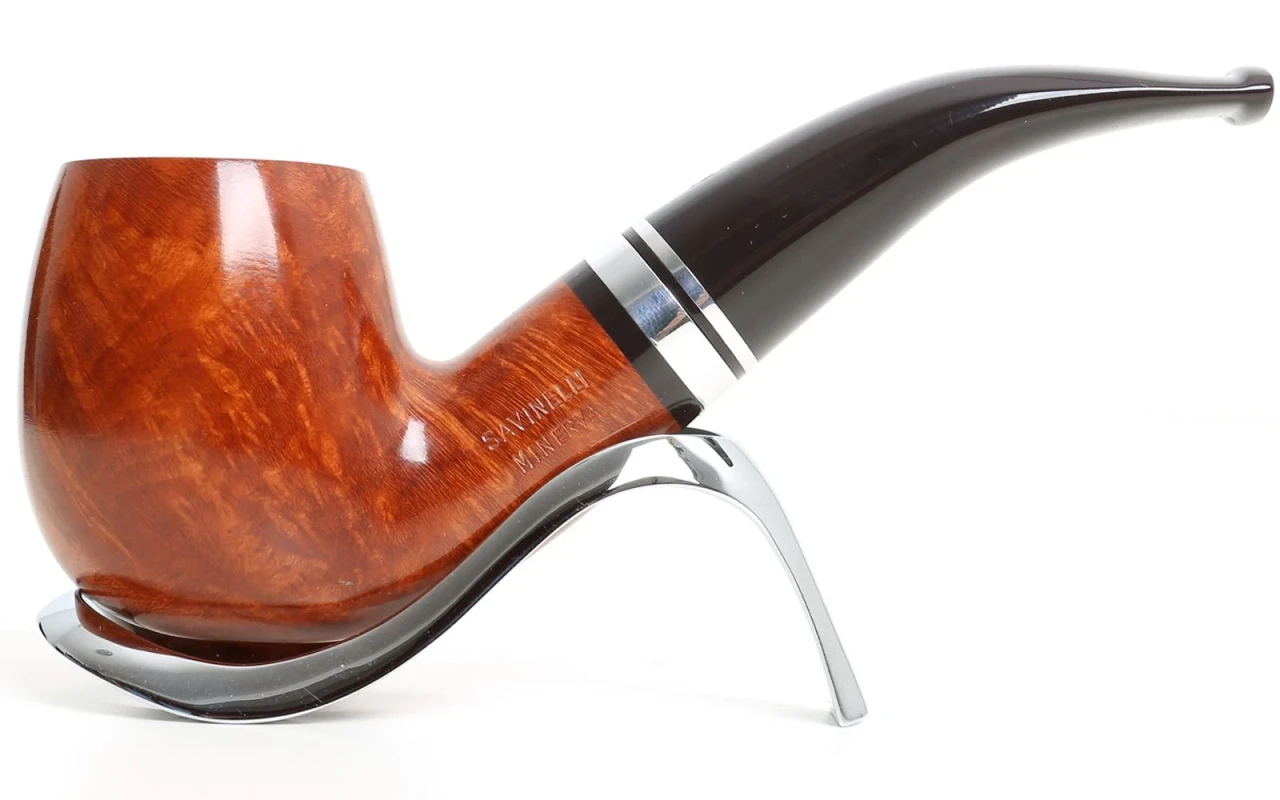
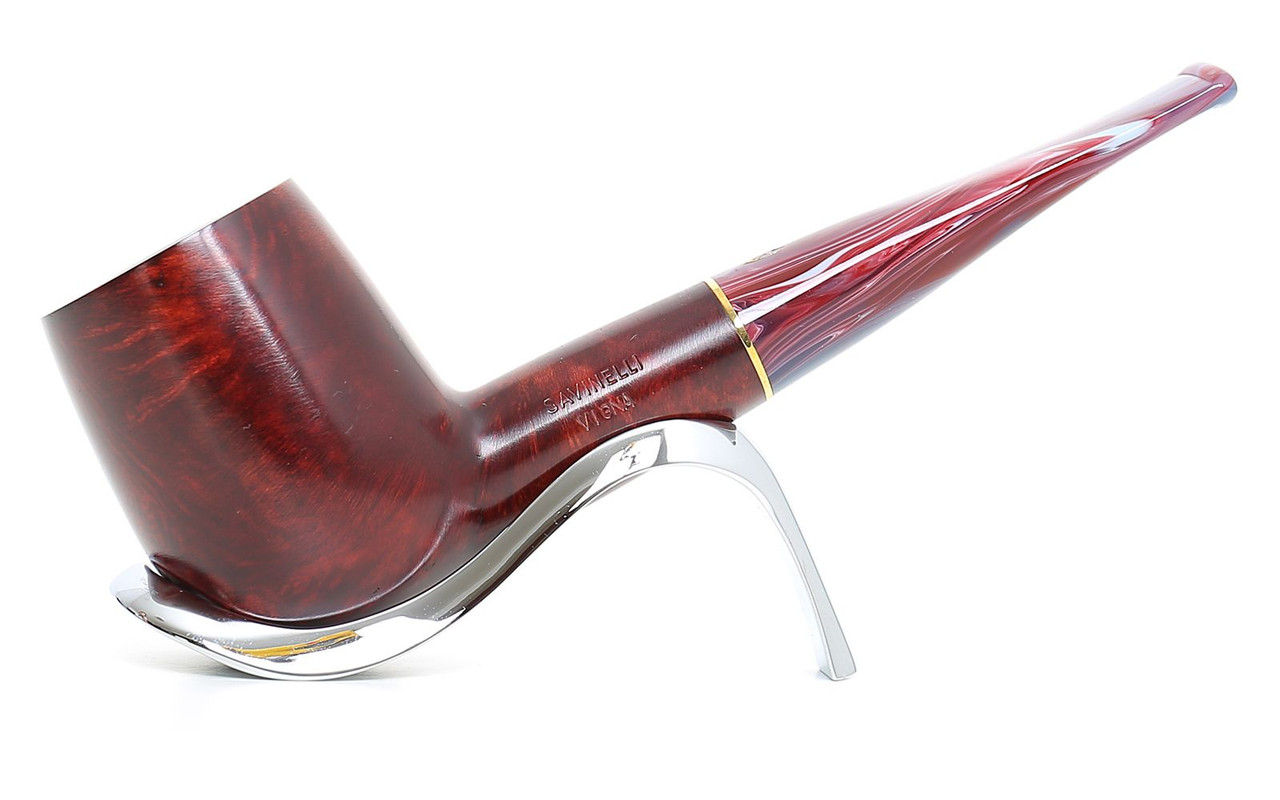
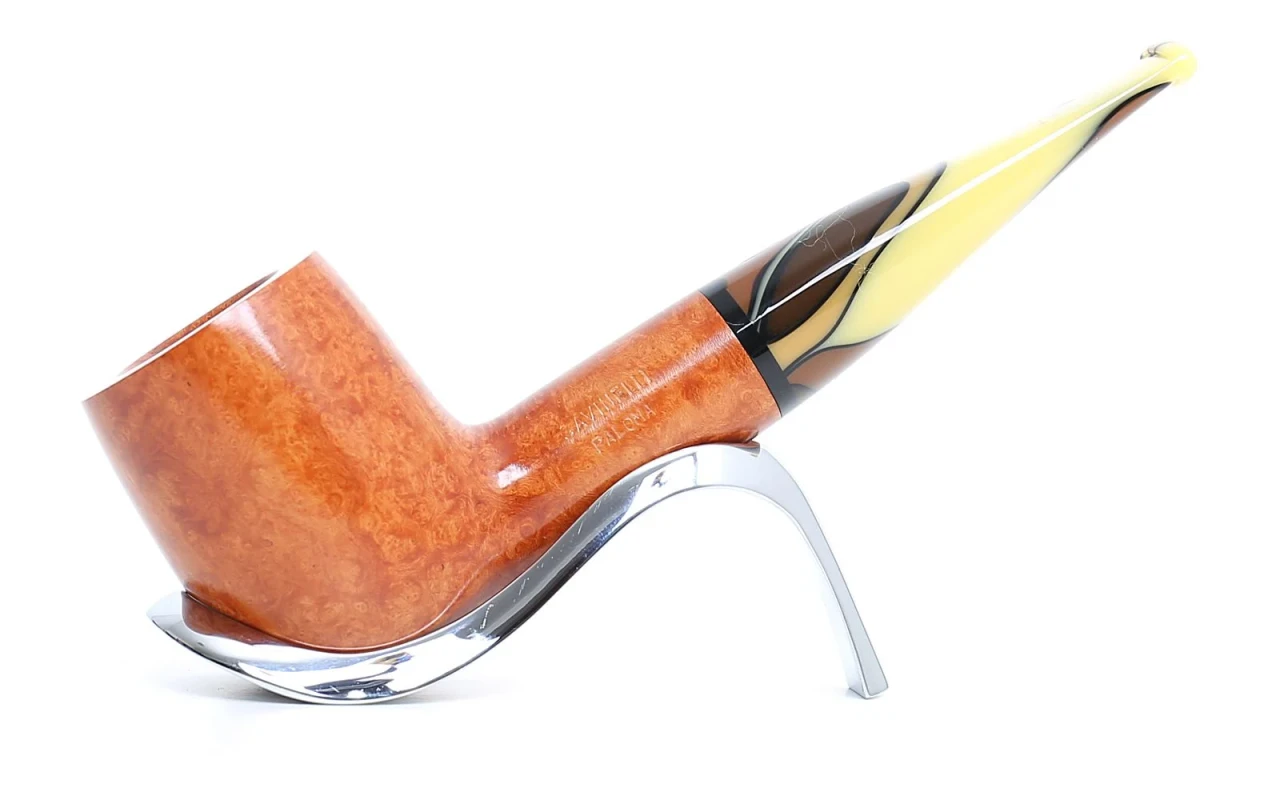
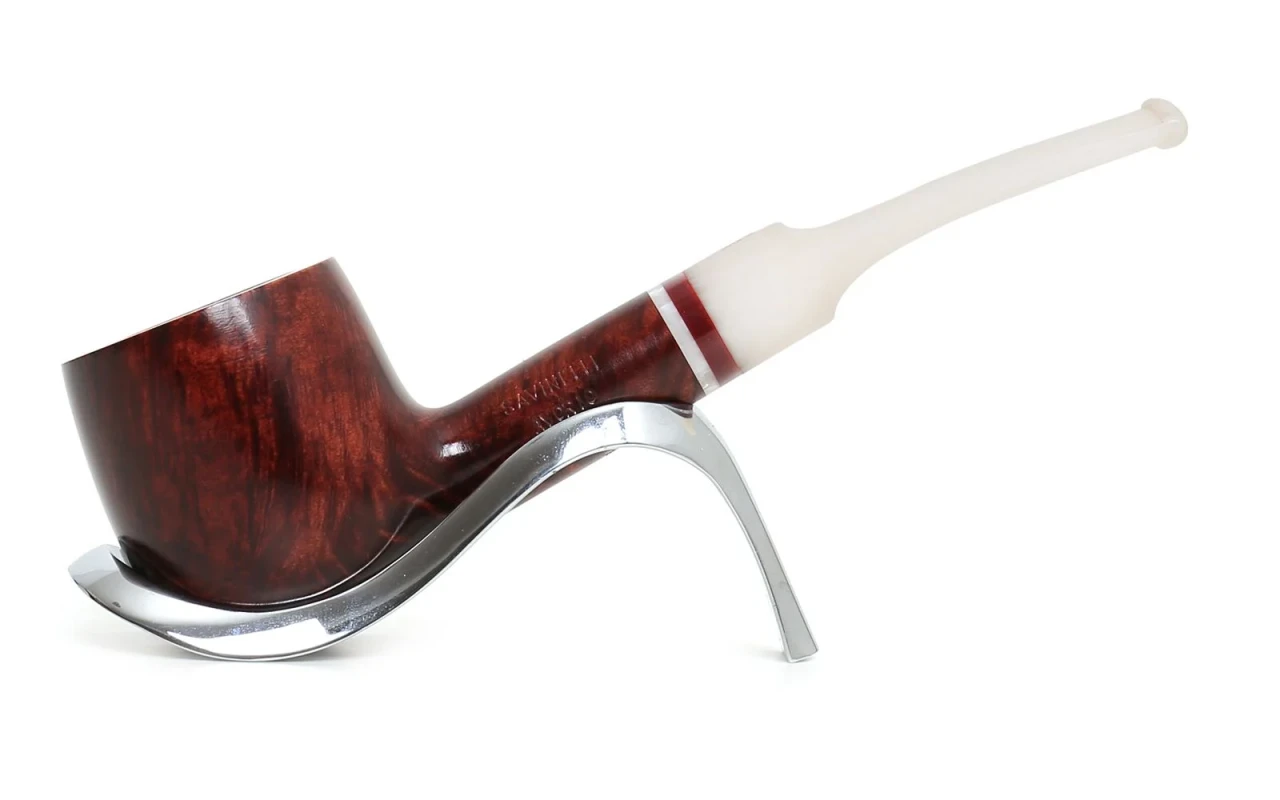
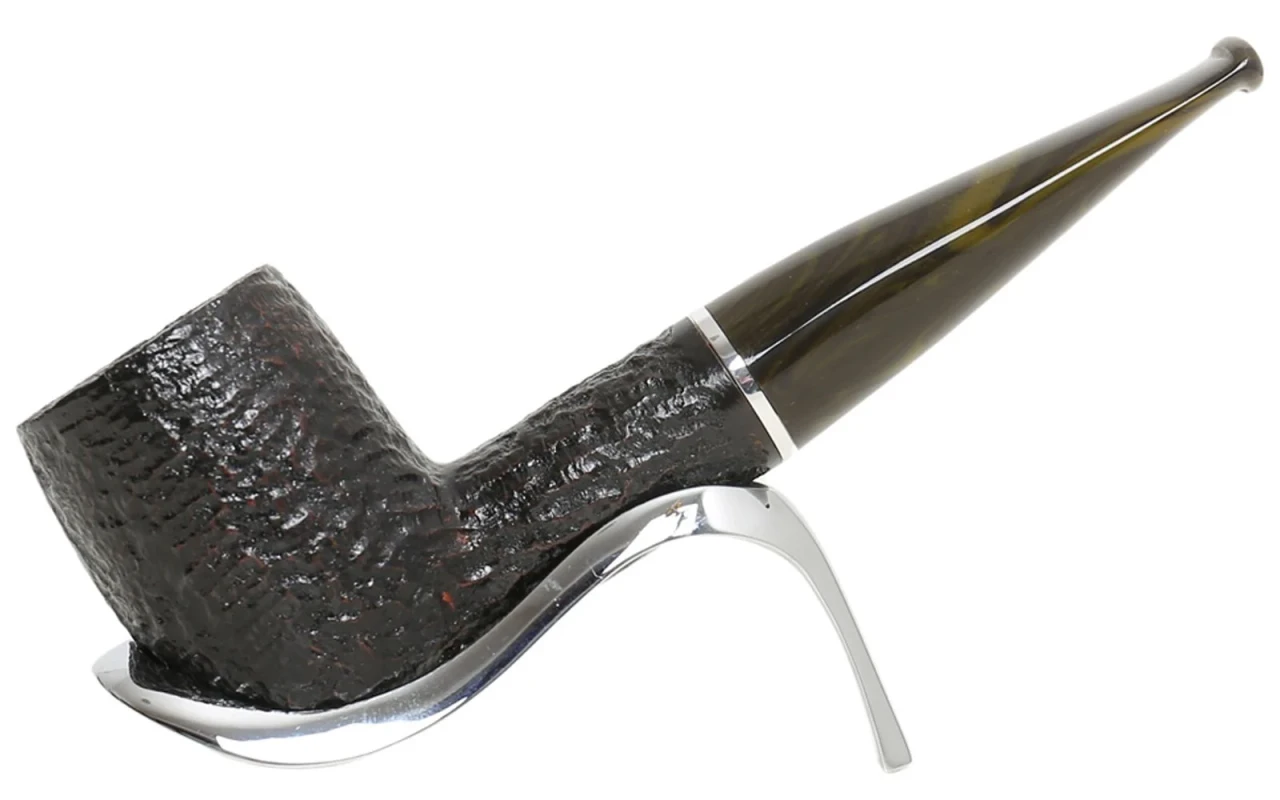
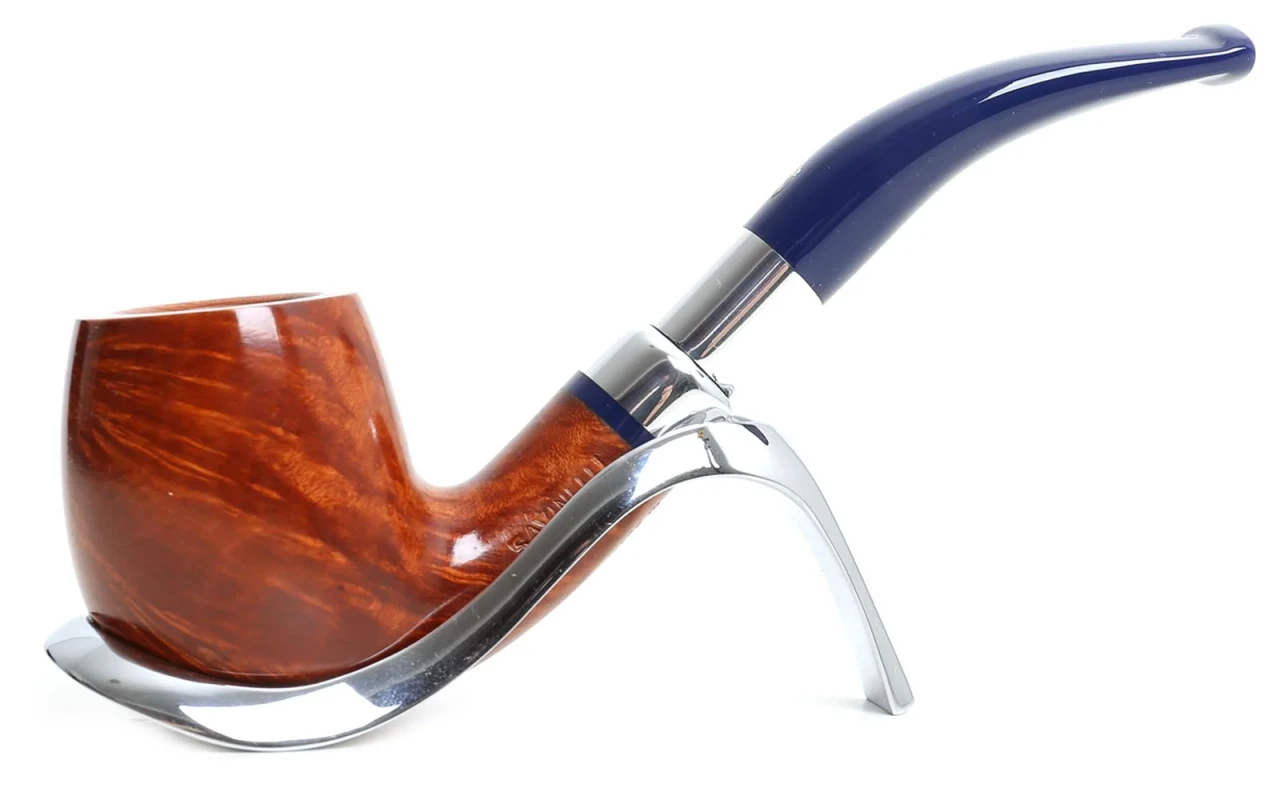
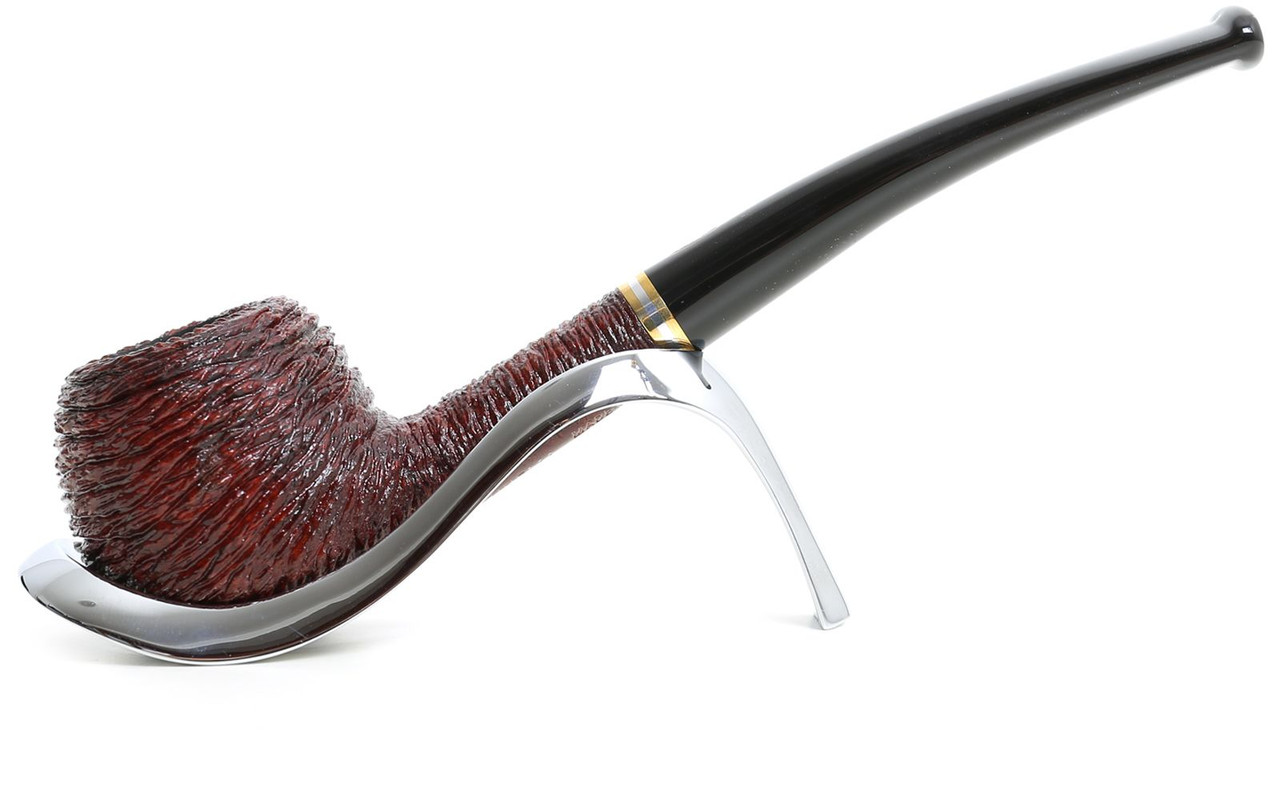
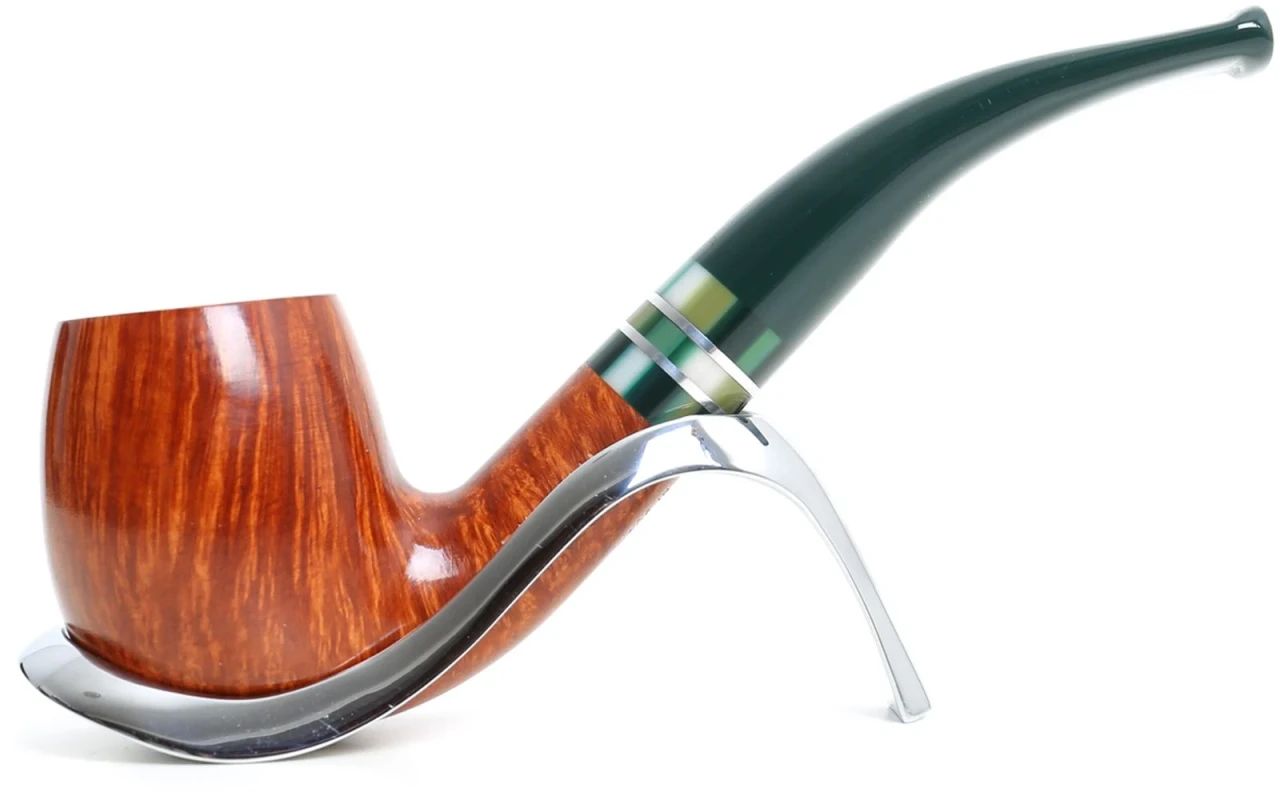
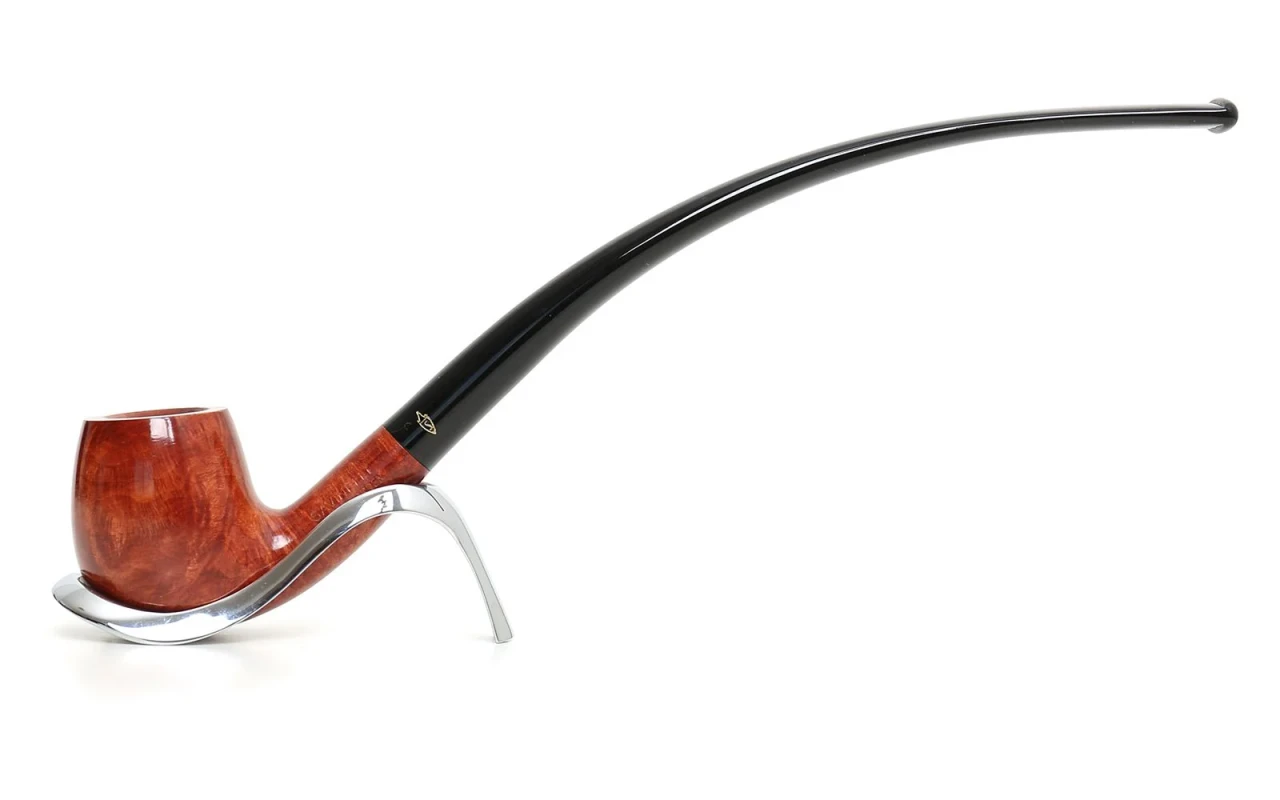
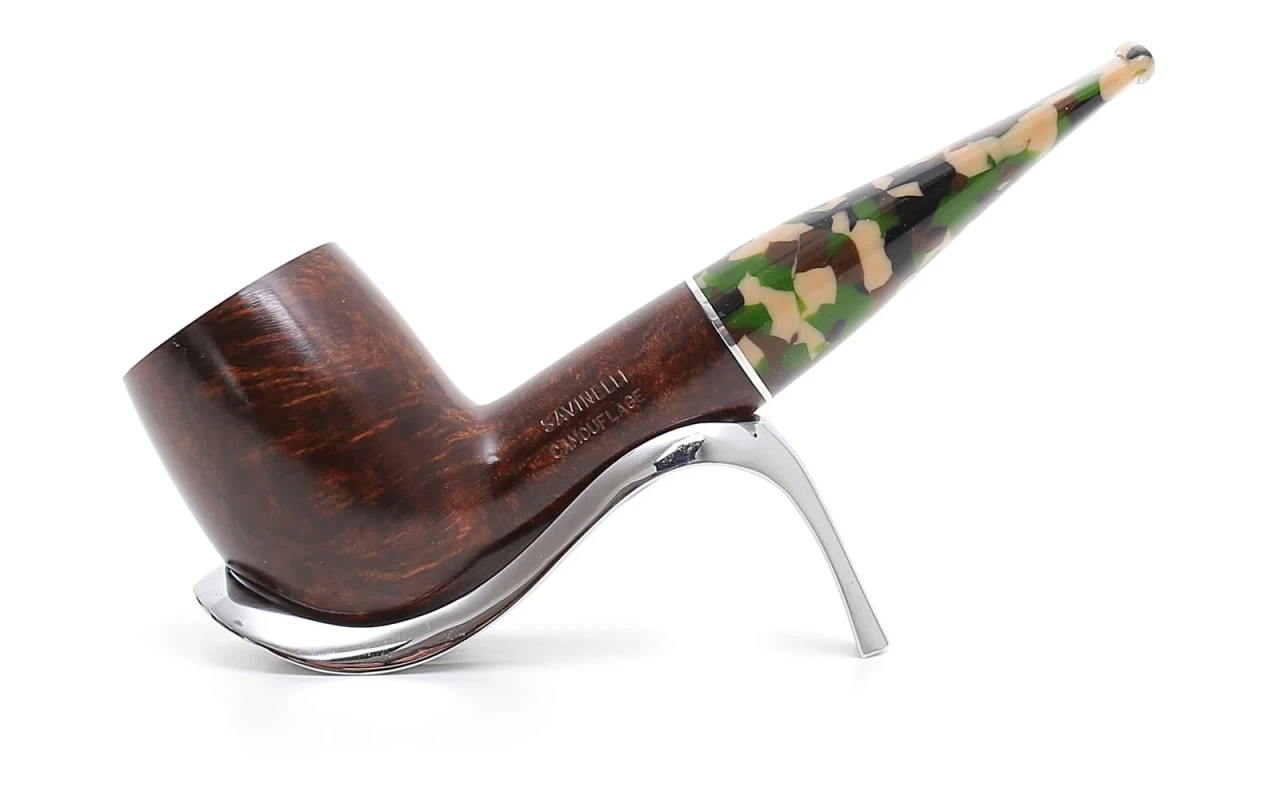
The most heat-resistant pipes are made from materials such as bruyère, known for its hardness and heat-dissipating ability, and metal, used in some parts to enhance durability. Materials like corn cob or ceramic also offer good heat tolerance, ensuring a longer and more stable smoke.
Which materials make a pipe more heat-resistant? Deep dive
The heat resistance of a pipe primarily depends on the material from which it is constructed. Bruyère, a hard wood derived from the root burl of Erica arborea, is the most valued material for its ability to withstand high temperatures without deforming or burning. This wood features a dense structure that allows effective heat dissipation, resulting in a more pleasant and prolonged smoking experience. Beyond bruyère, some pipes utilize materials such as ceramic or metal to improve thermal resistance. Ceramic, although fragile, tolerates heat well and does not alter the flavor of the tobacco. Metal, often employed in the mouthpiece or to reinforce parts of the pipe, contributes to greater durability and strength. Corn cob, used in traditional pipes, also offers decent heat tolerance, though it is less resistant compared to bruyère. The choice of material affects not only heat resistance but also weight, aesthetics, and smoking quality. Proper maintenance, including regular cleaning and drying, helps preserve the material’s characteristics and prolong the pipe’s lifespan. In summary, for a heat-resistant pipe, it is preferable to choose bruyère or ceramic materials, while metal can serve as valuable reinforcement to increase the overall robustness of the accessory.