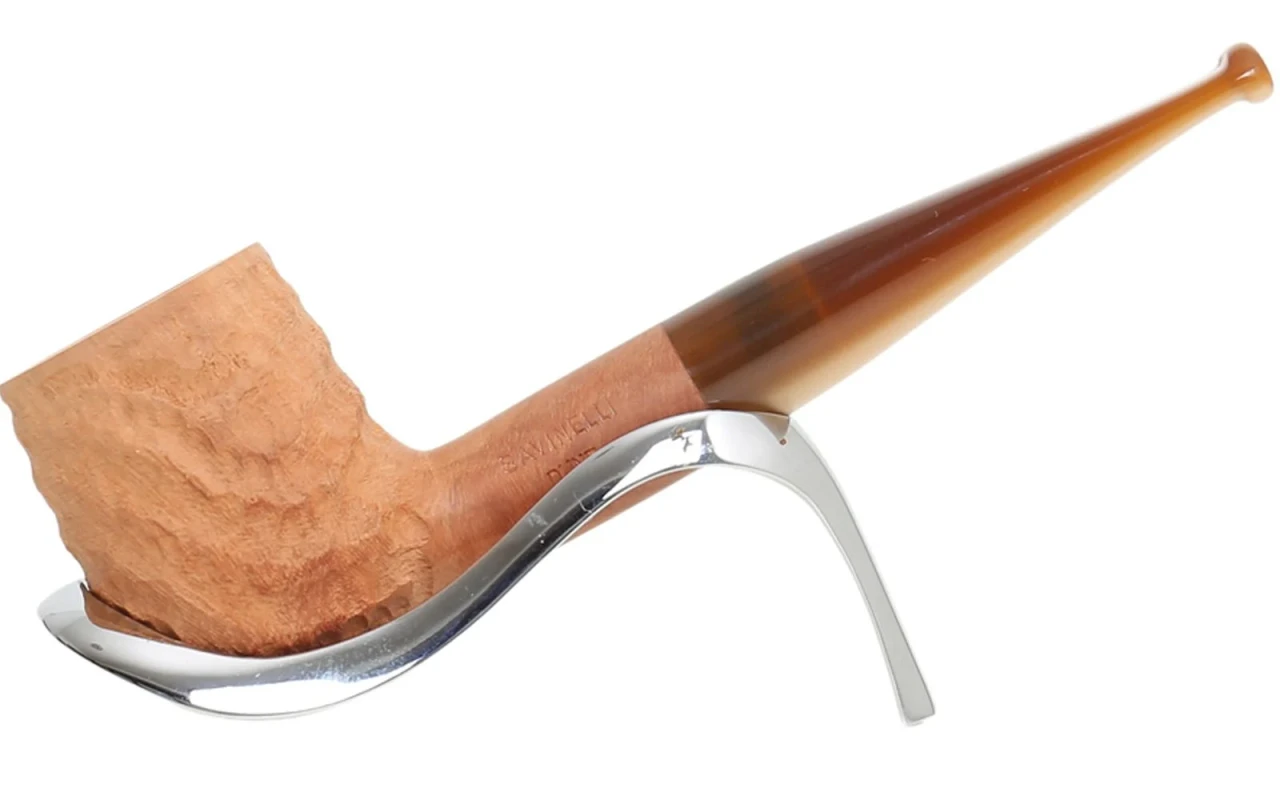
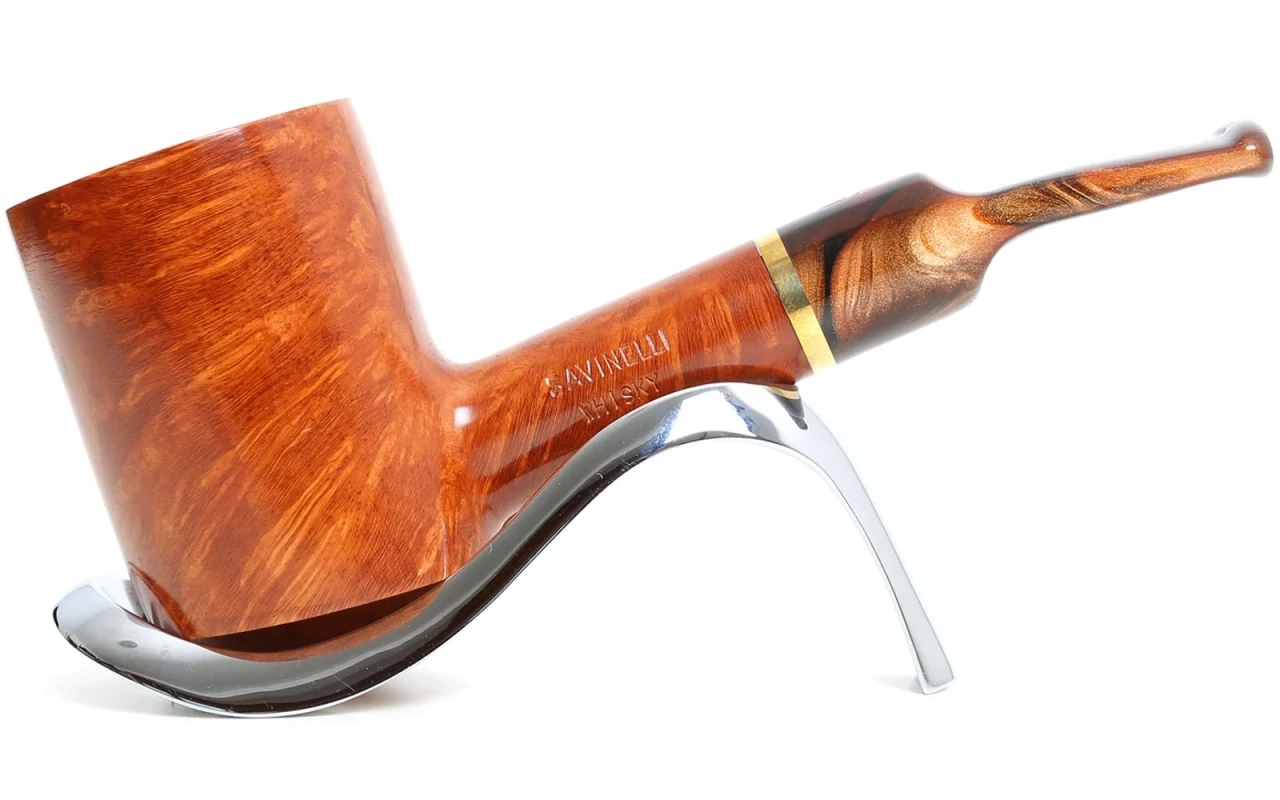
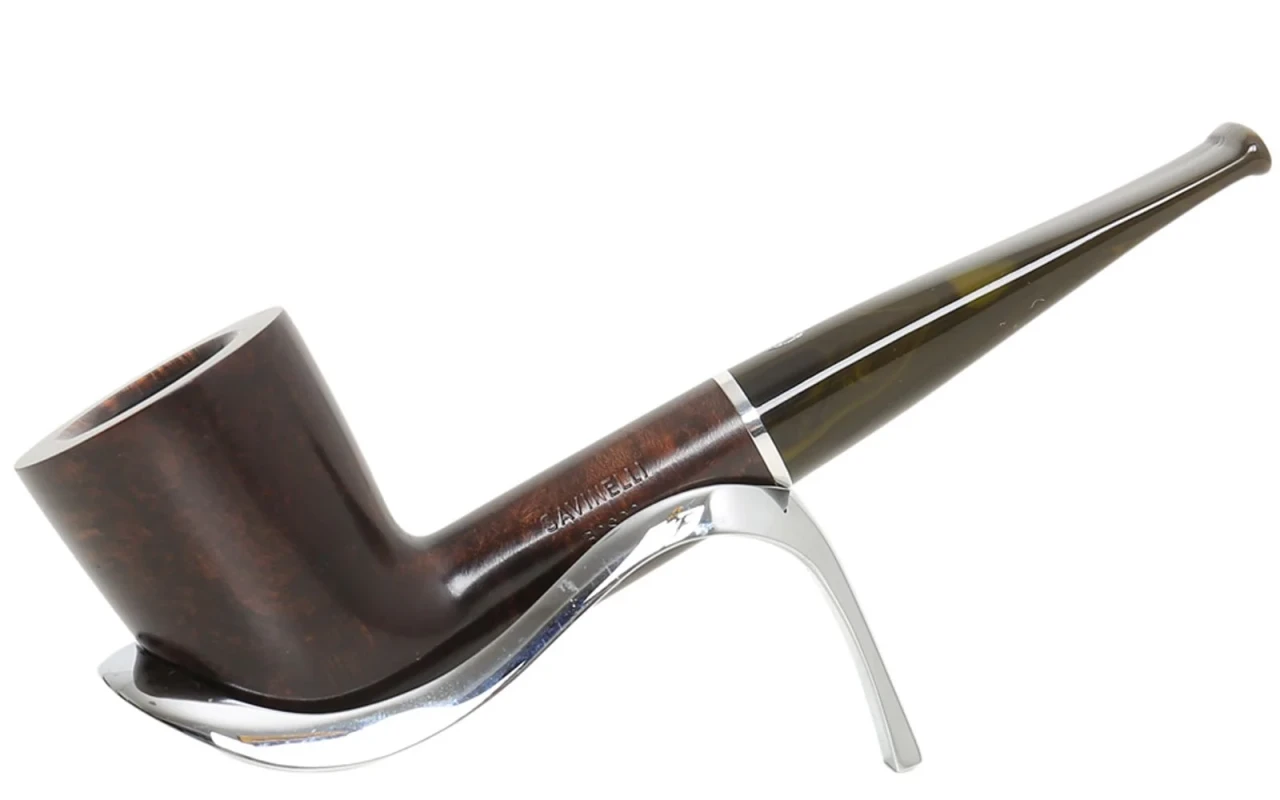
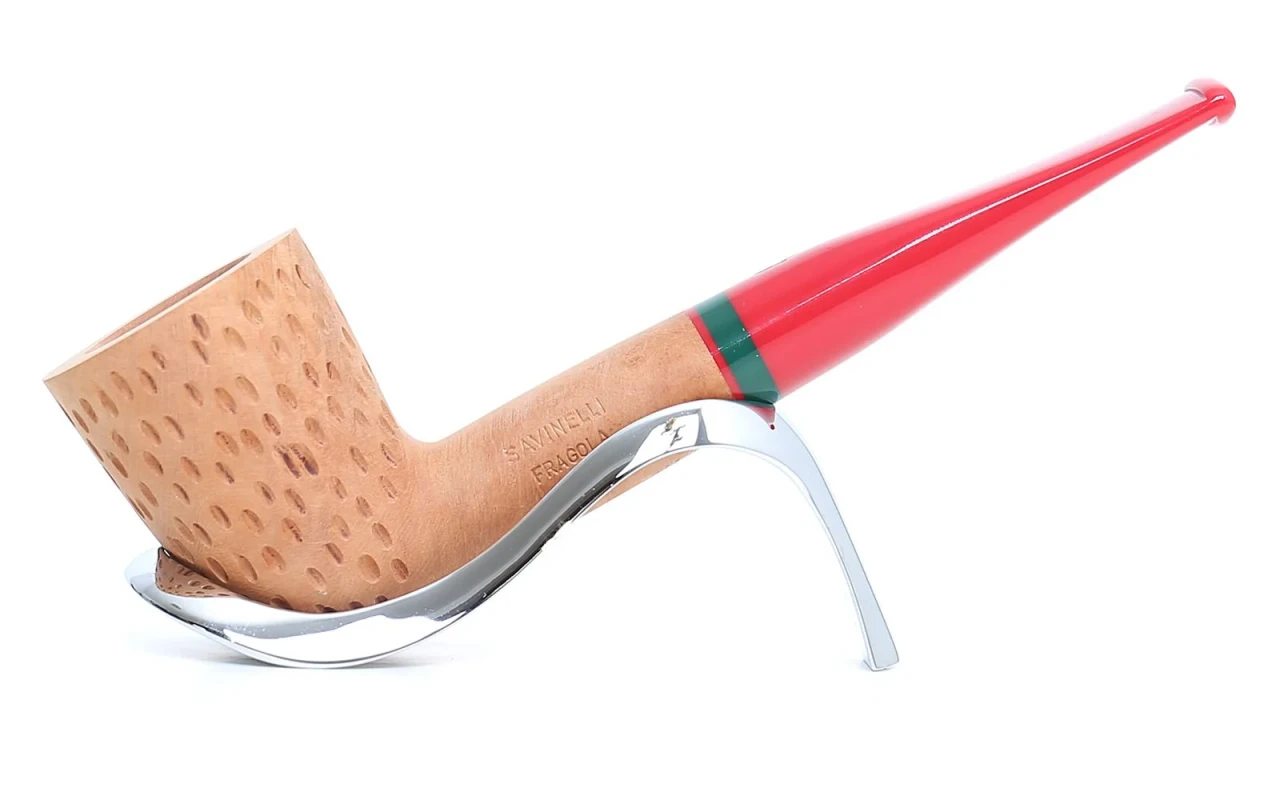
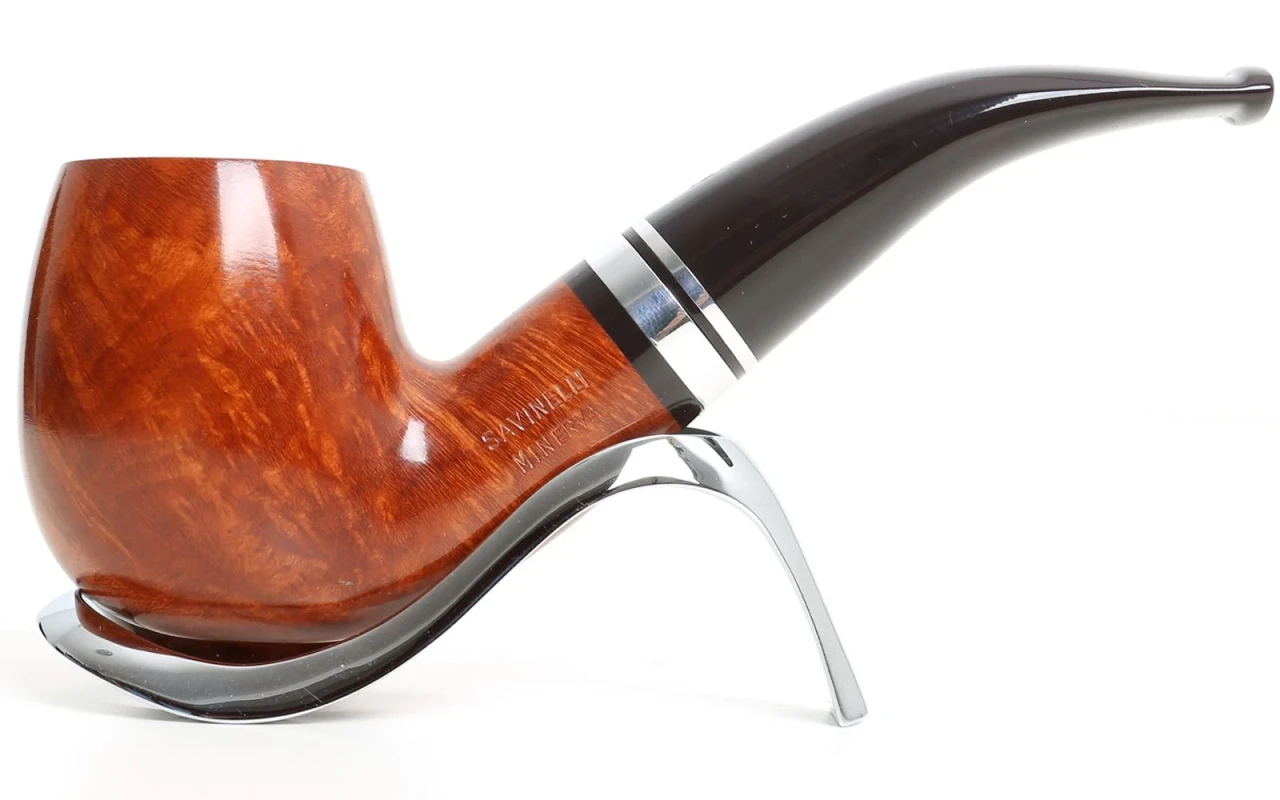
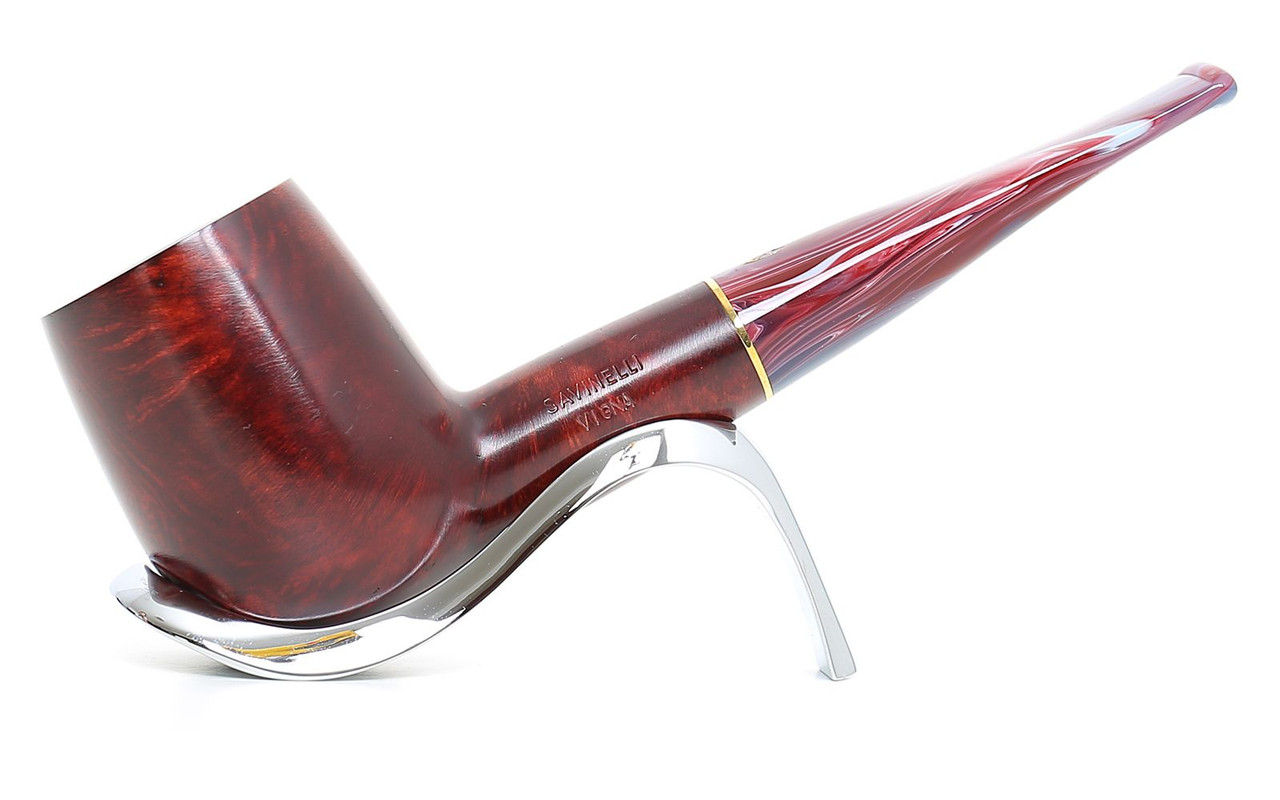
To clean the pipe's surface before finishing, gently remove dust and sawdust residues using fine abrasive paper or very fine steel wool. It is important to work carefully to avoid damaging the wood, thus preparing a smooth and even base for the application of the finish.
How is the pipe’s surface cleaned before finishing? Deep dive
Cleaning the pipe’s surface before finishing is a fundamental step to ensure an optimal aesthetic and functional result. After the shaping and rough sanding phase, the surface may have dust, sawdust residues, and imperfections. To eliminate these, very fine abrasive paper—generally with a grit over 400—or very fine steel wool is used, allowing gentle smoothing without harming the wood. It is essential to proceed with uniform, light movements following the wood grain to avoid scratches or unwanted marks. This operation prepares the surface to be smooth and ready to uniformly absorb the finish, which can be a varnish, oil, or wax. A well-cleaned and sanded surface improves the adhesion of the final product, enhancing the natural characteristics of the briar and ensuring greater durability of the pipe. Moreover, proper cleaning prevents impurities or dust from being trapped under the finish, thus avoiding aesthetic defects and possible wear issues over time.