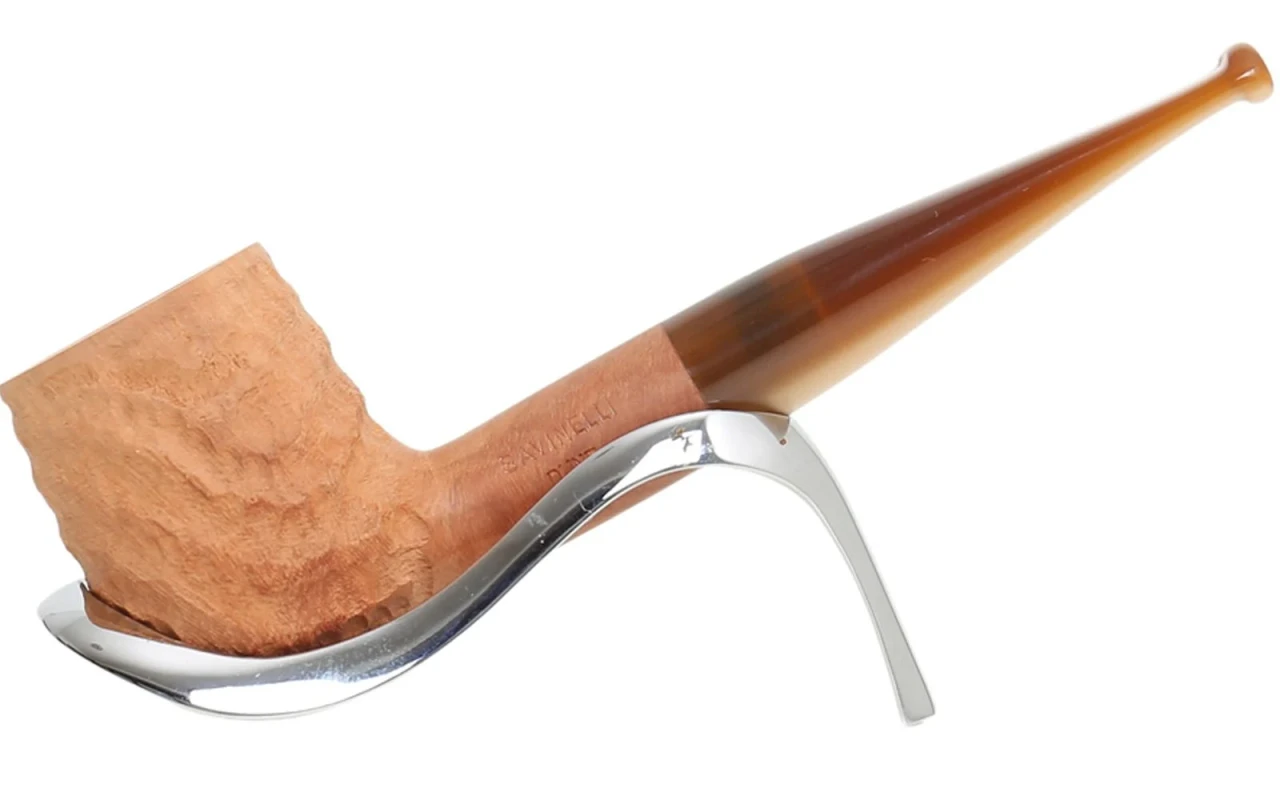
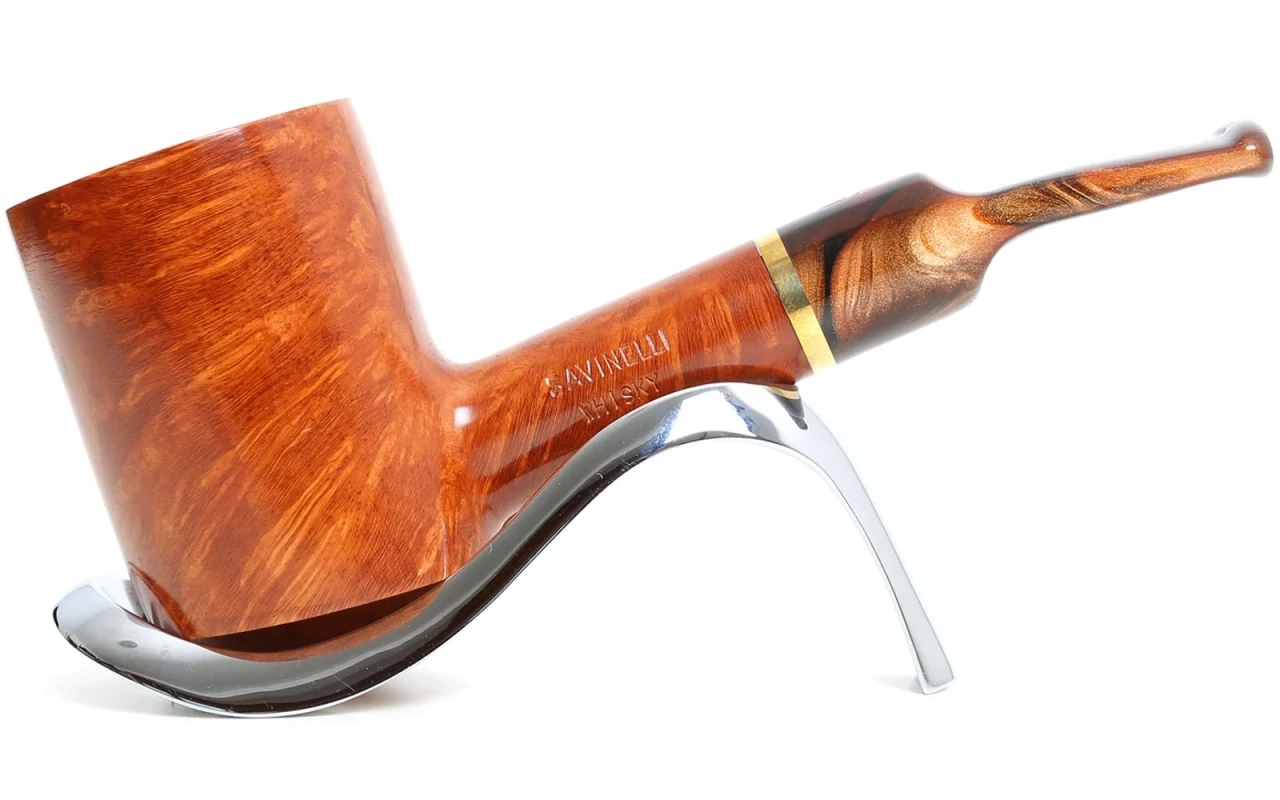
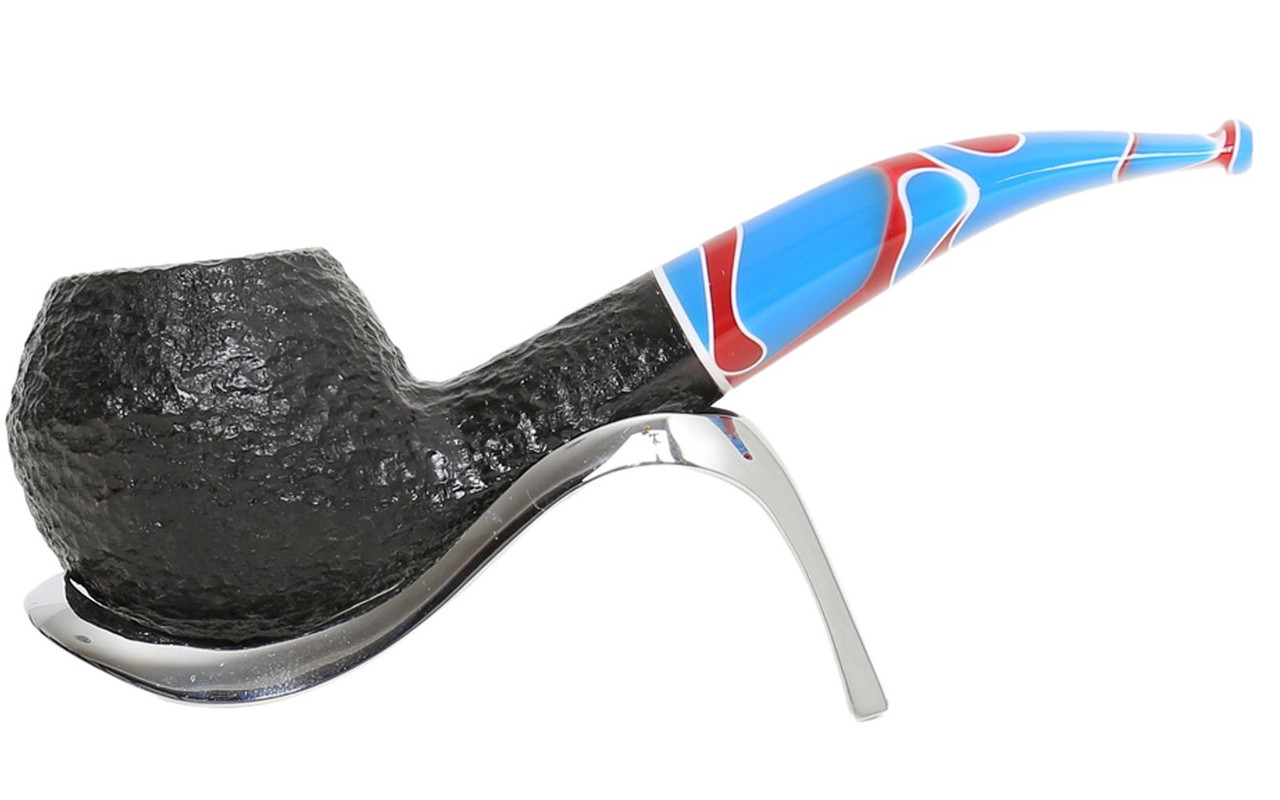
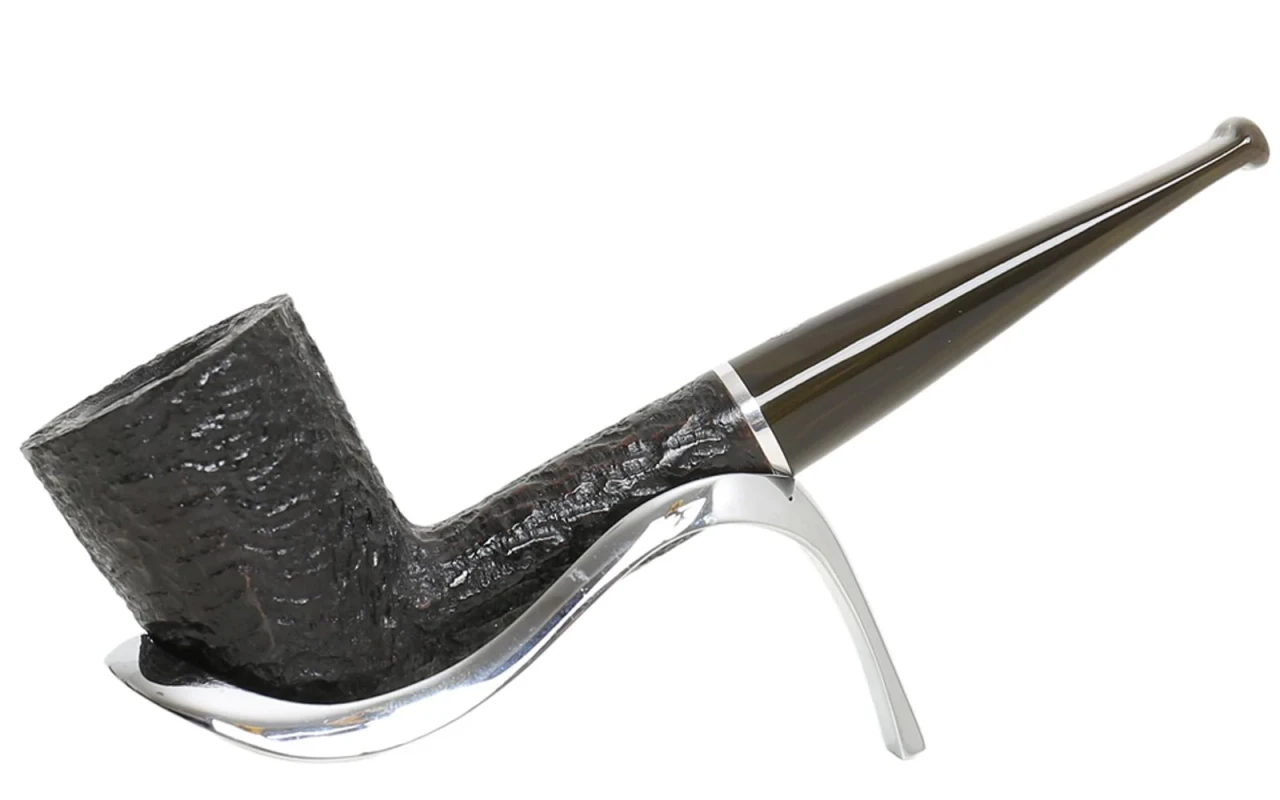
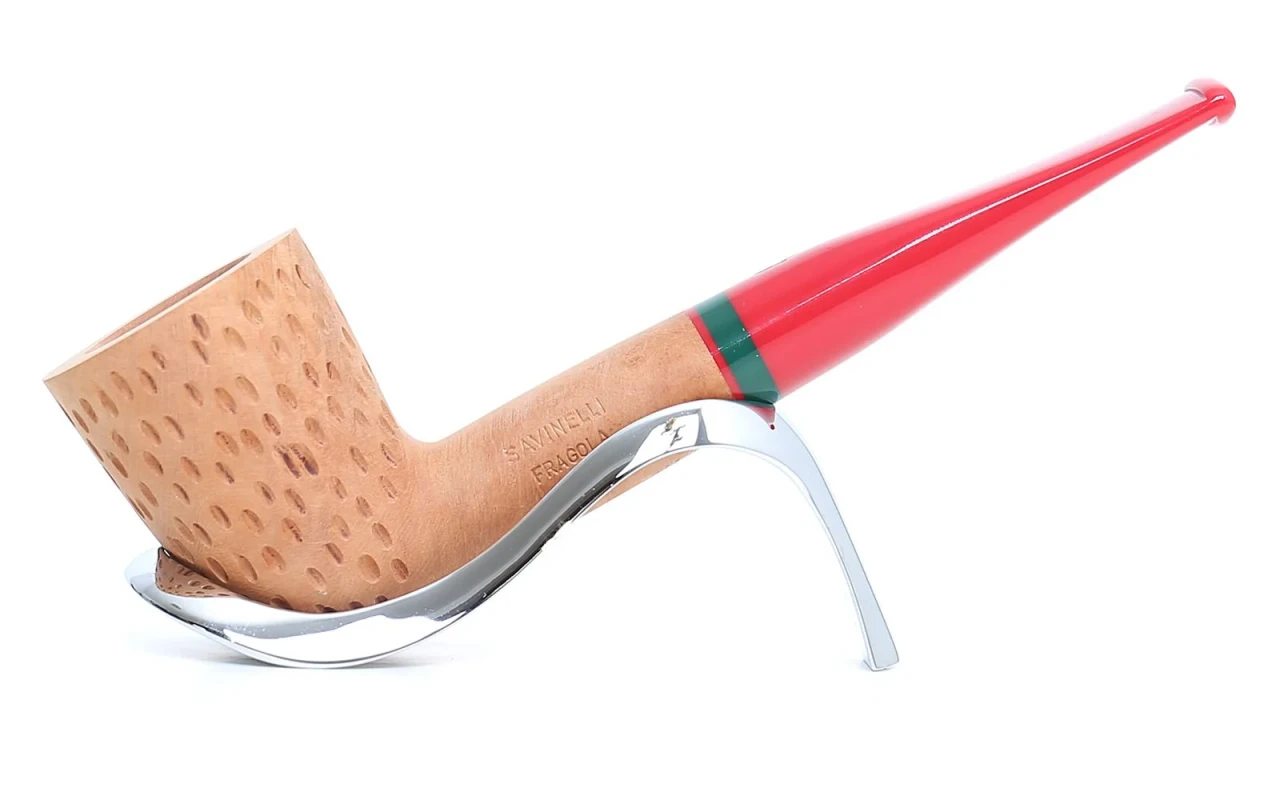
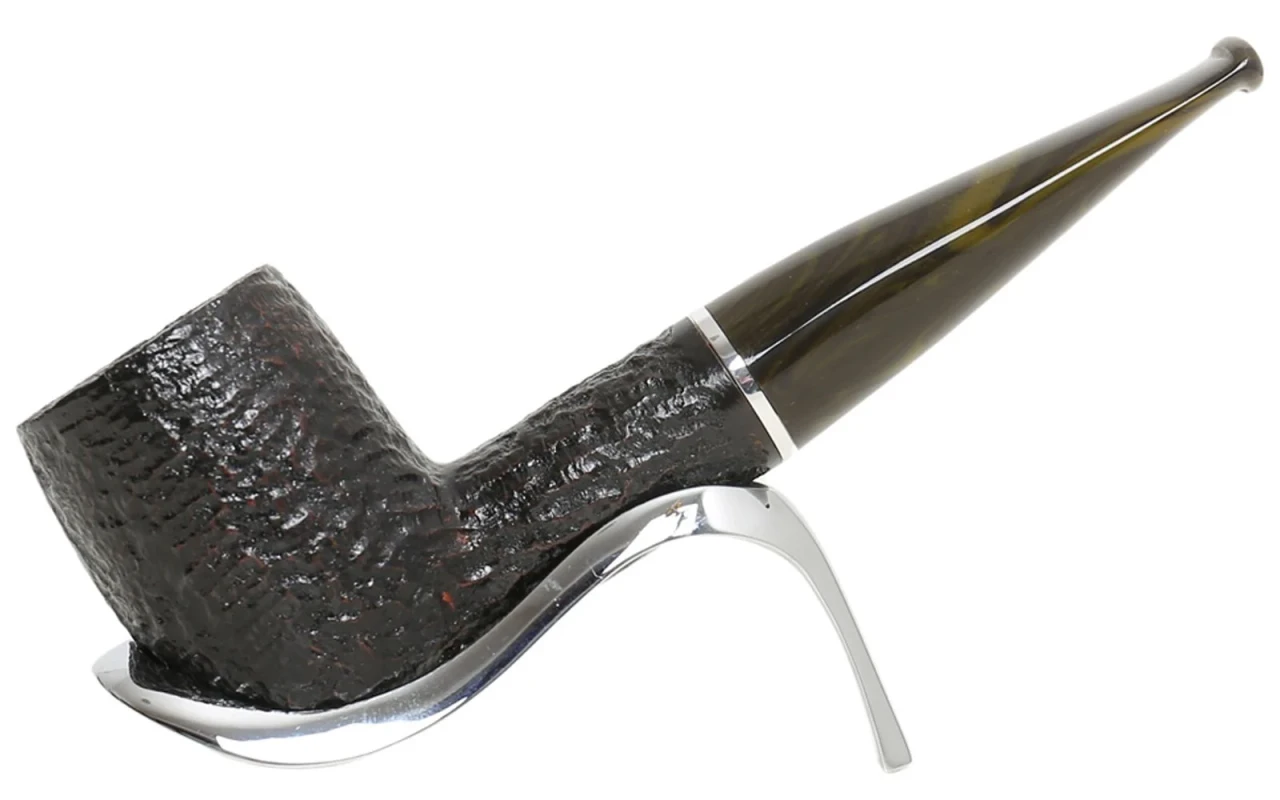
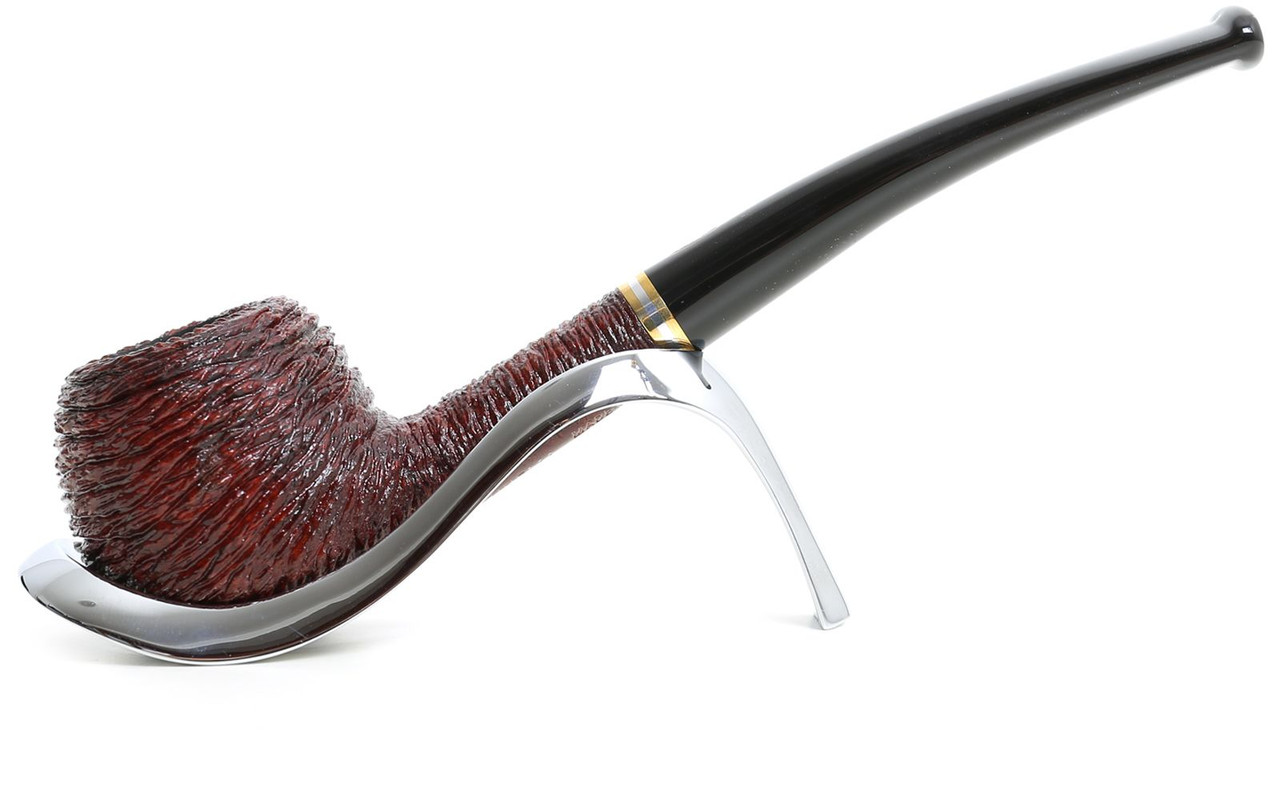
Rusticating a pipe involves working the wood surface using specific tools like files, rasps, or wire brushes to create a rough and irregular texture. This process enhances the pipe's aesthetic, giving it a handcrafted and unique appearance while also improving grip during use.
How is rusticating performed on a pipe? Deep dive
Rusticating a pipe consists of treating the external wood surface to achieve a rough and irregular texture that highlights its artisanal character. This process is carried out using tools such as files, rasps, or wire brushes that remove part of the wood’s surface layer, creating small grooves and roughness. Rustication not only imparts a distinctive aesthetic appeal, often appreciated by connoisseurs, but also improves the pipe’s grip during smoking, making it more comfortable to handle. It is important to perform this work carefully to avoid damaging the wood’s structure and to maintain the pipe’s integrity. After rustication, the pipe can be treated with specific oils or waxes to protect the wood and further enhance the rustic finish. This type of finish is particularly common in artisanal pipes and represents an aesthetic choice that stands out from smooth and glossy surfaces, offering a unique tactile and visual experience.