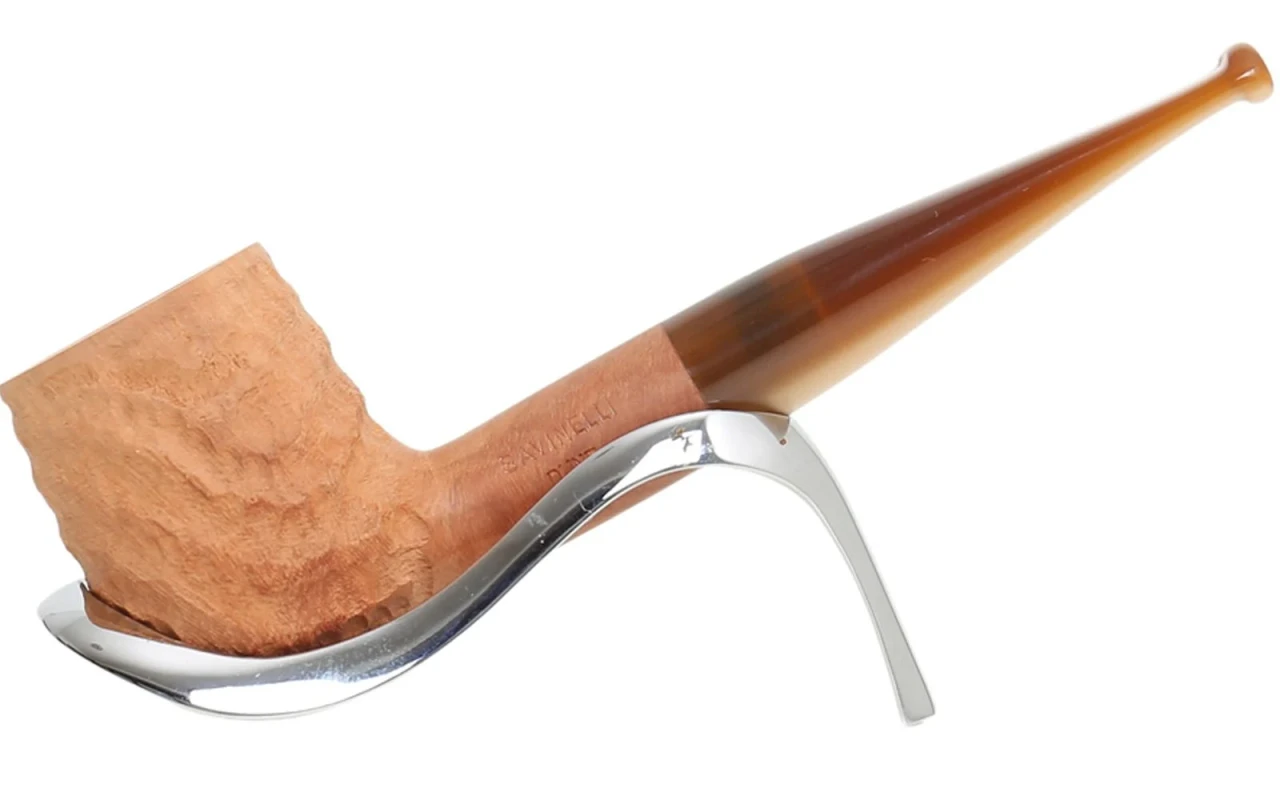
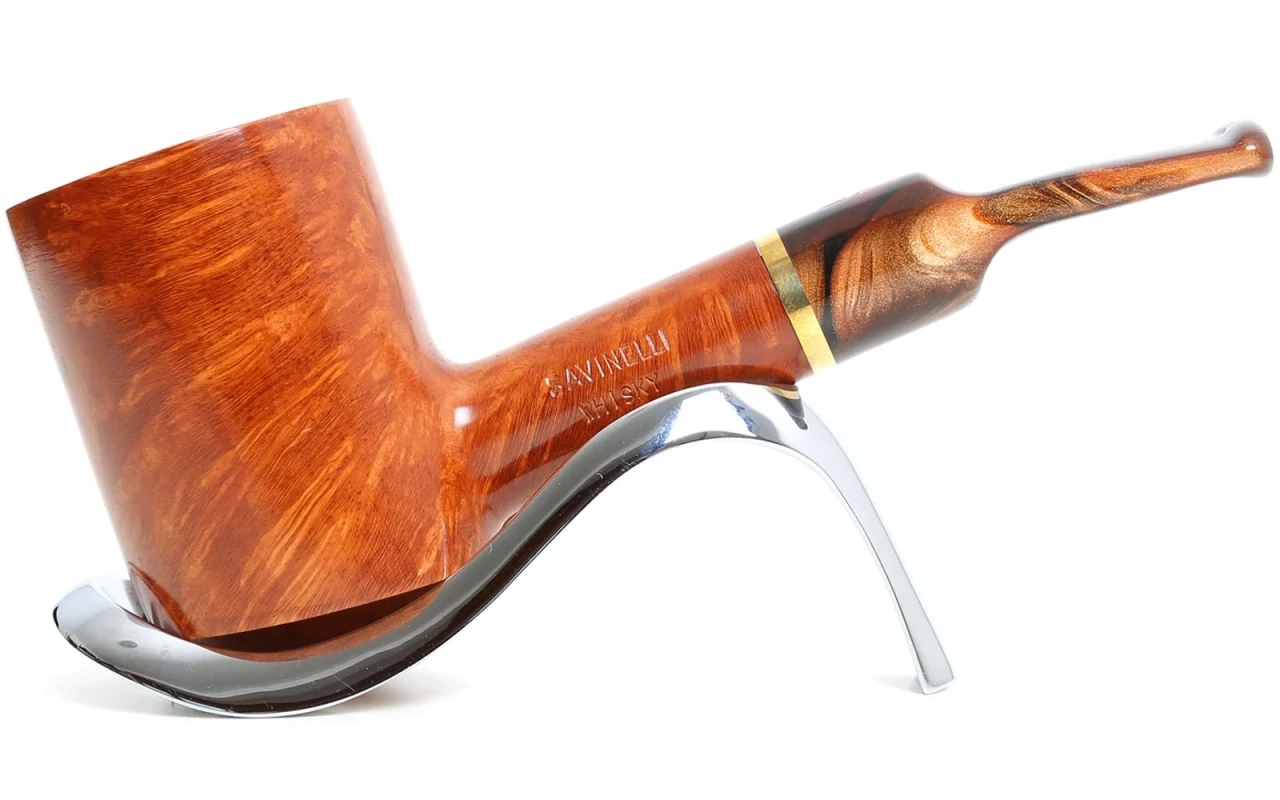
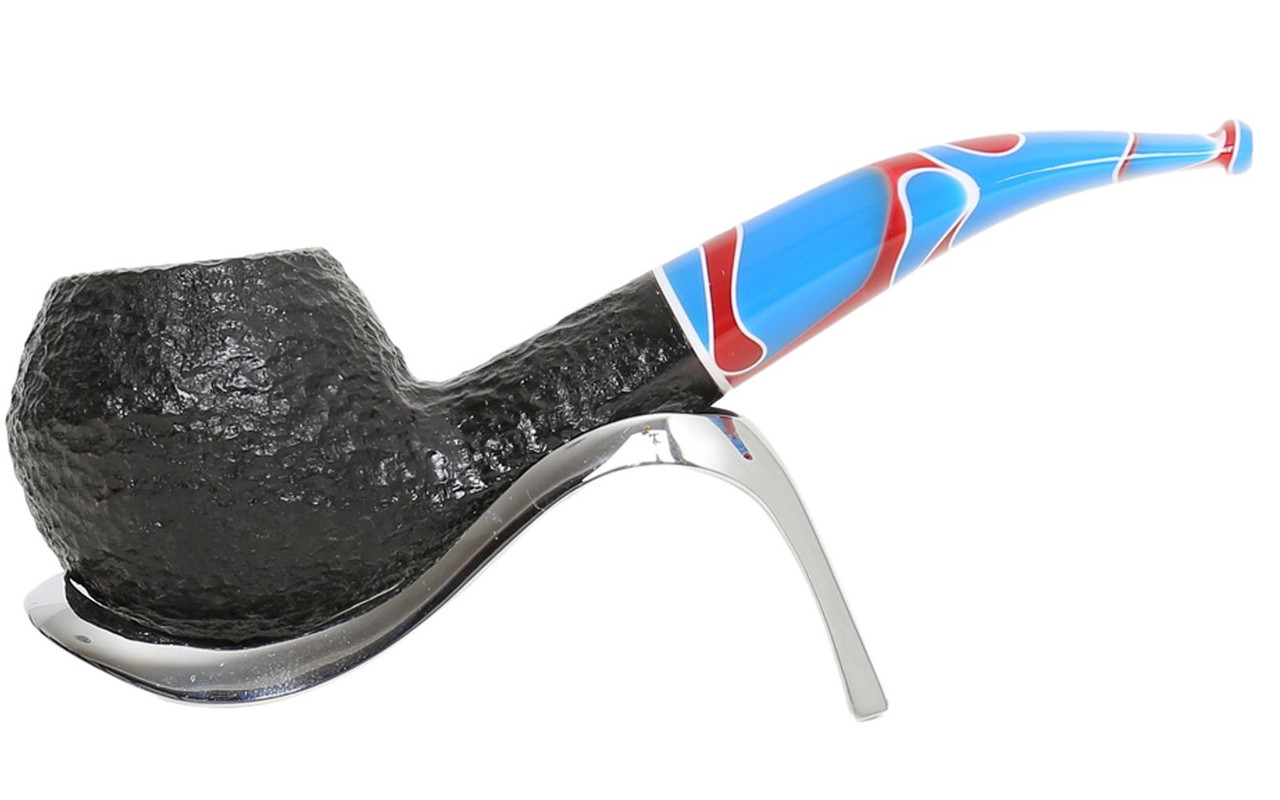
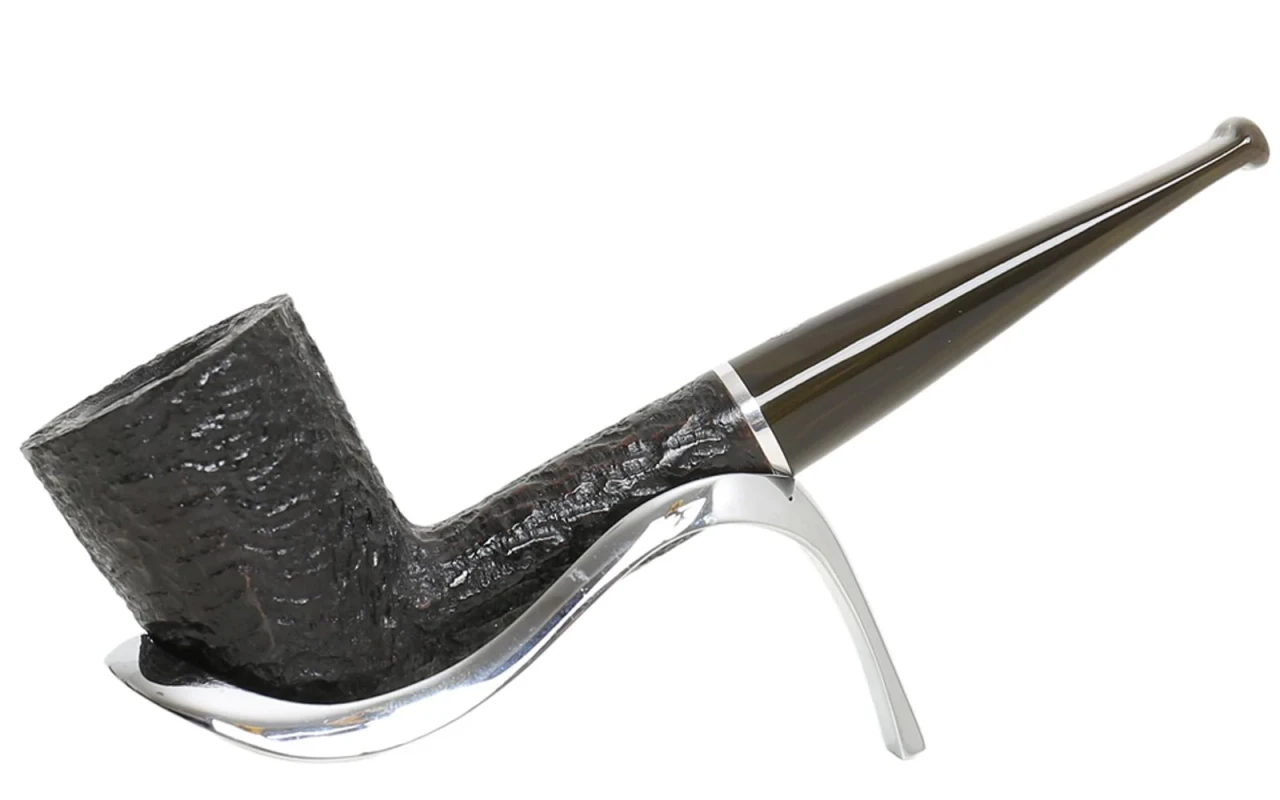
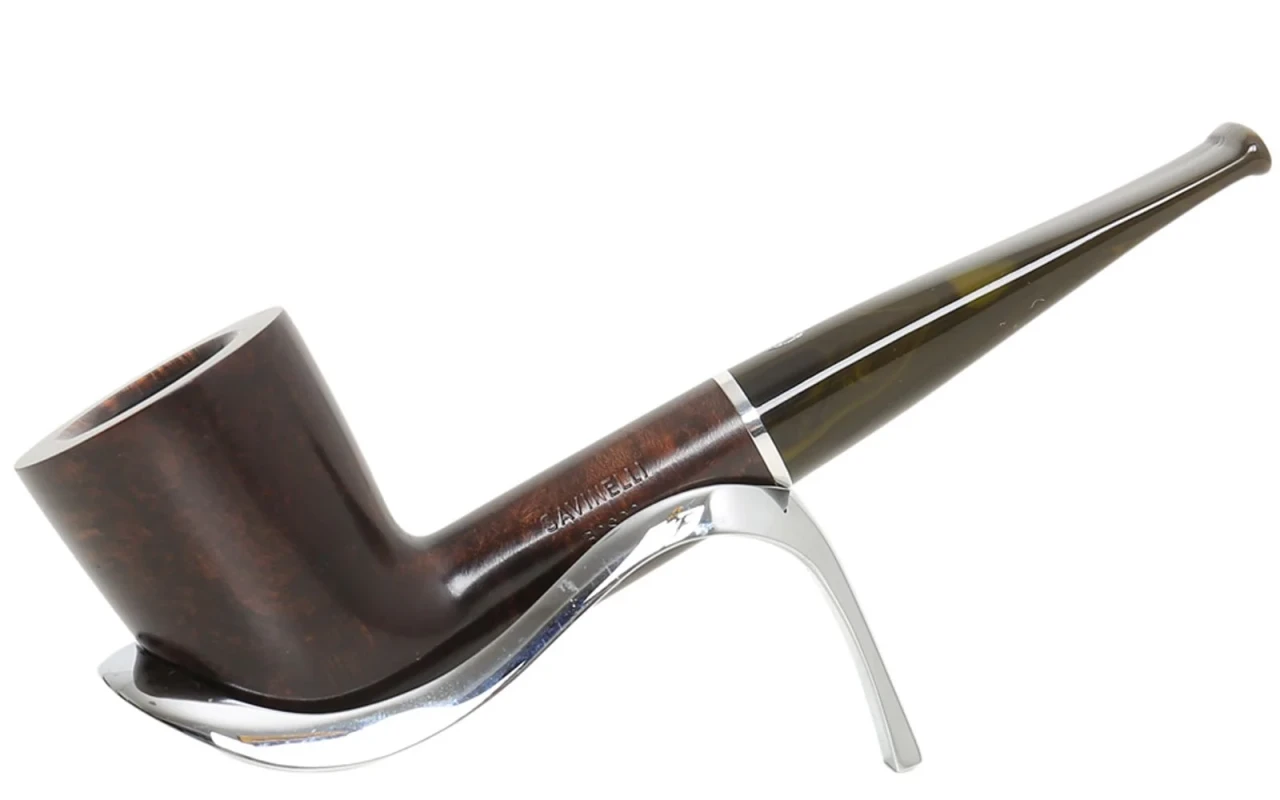
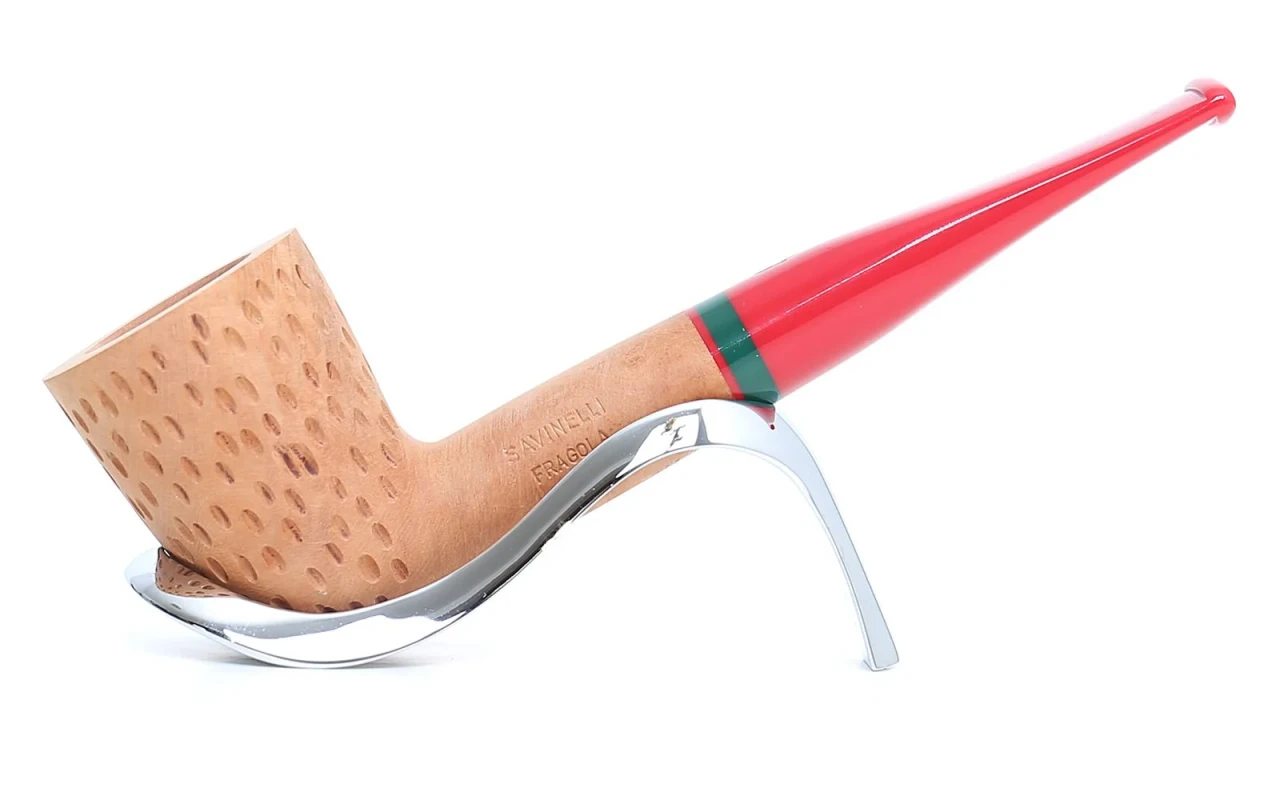
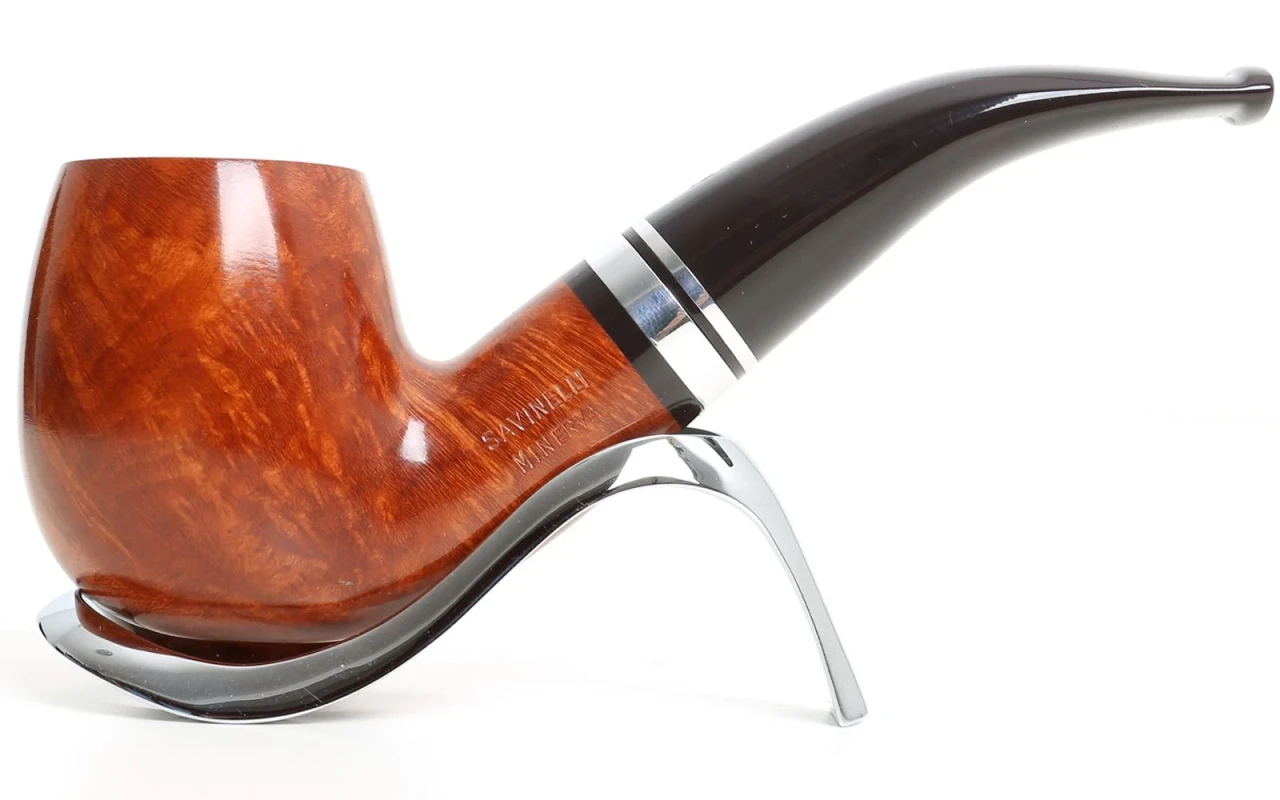
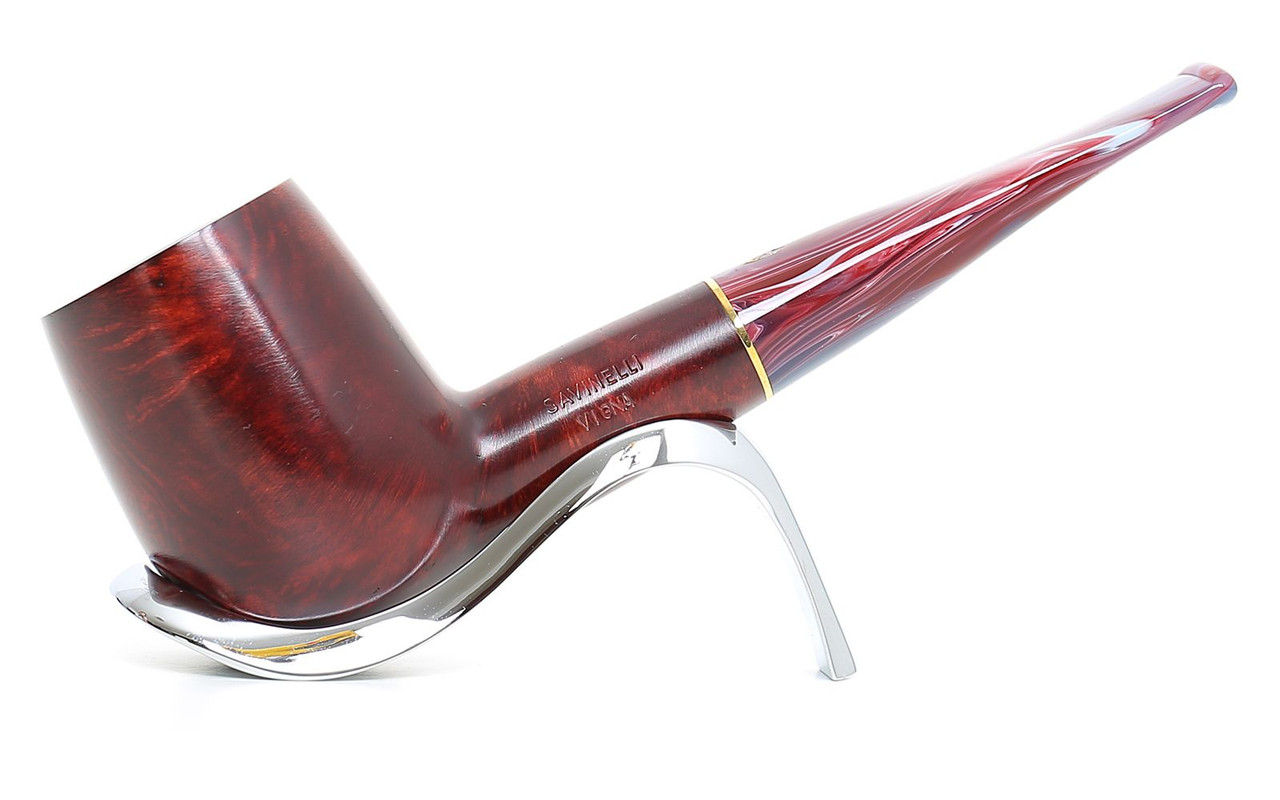
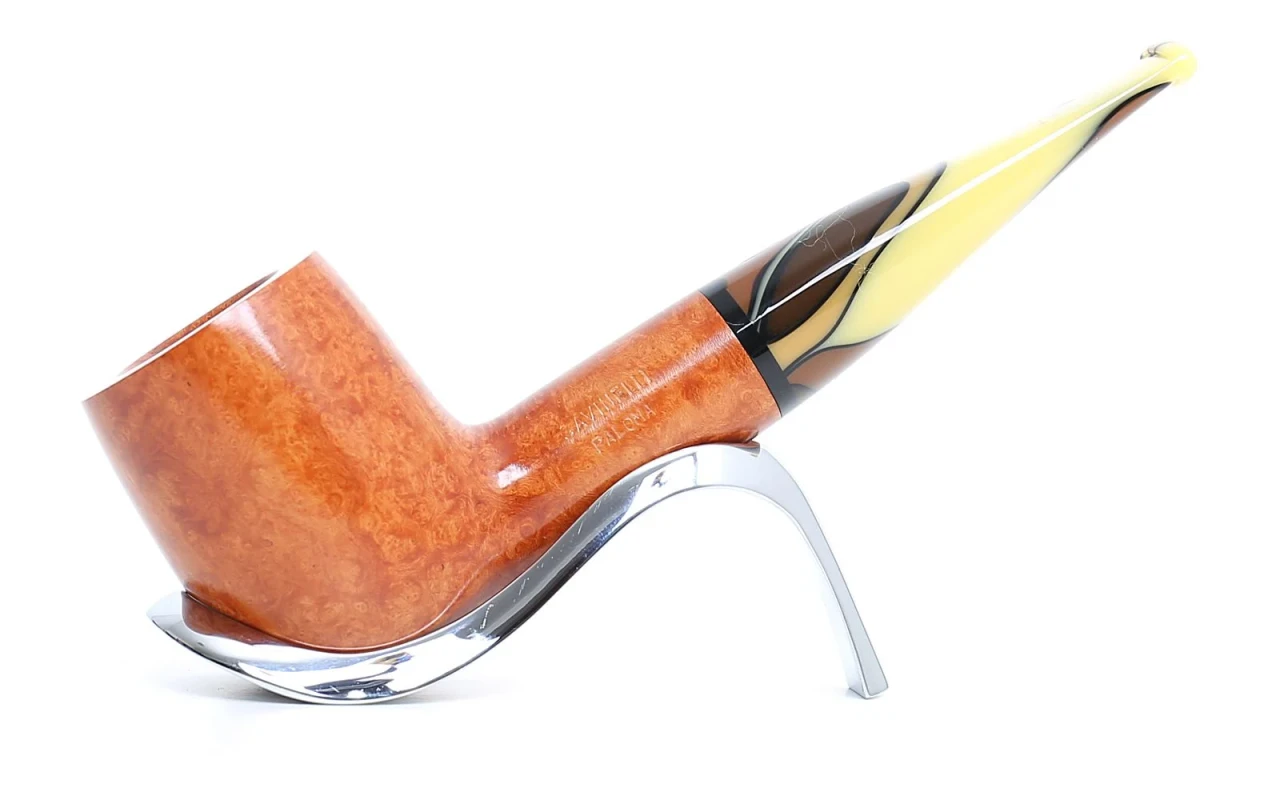
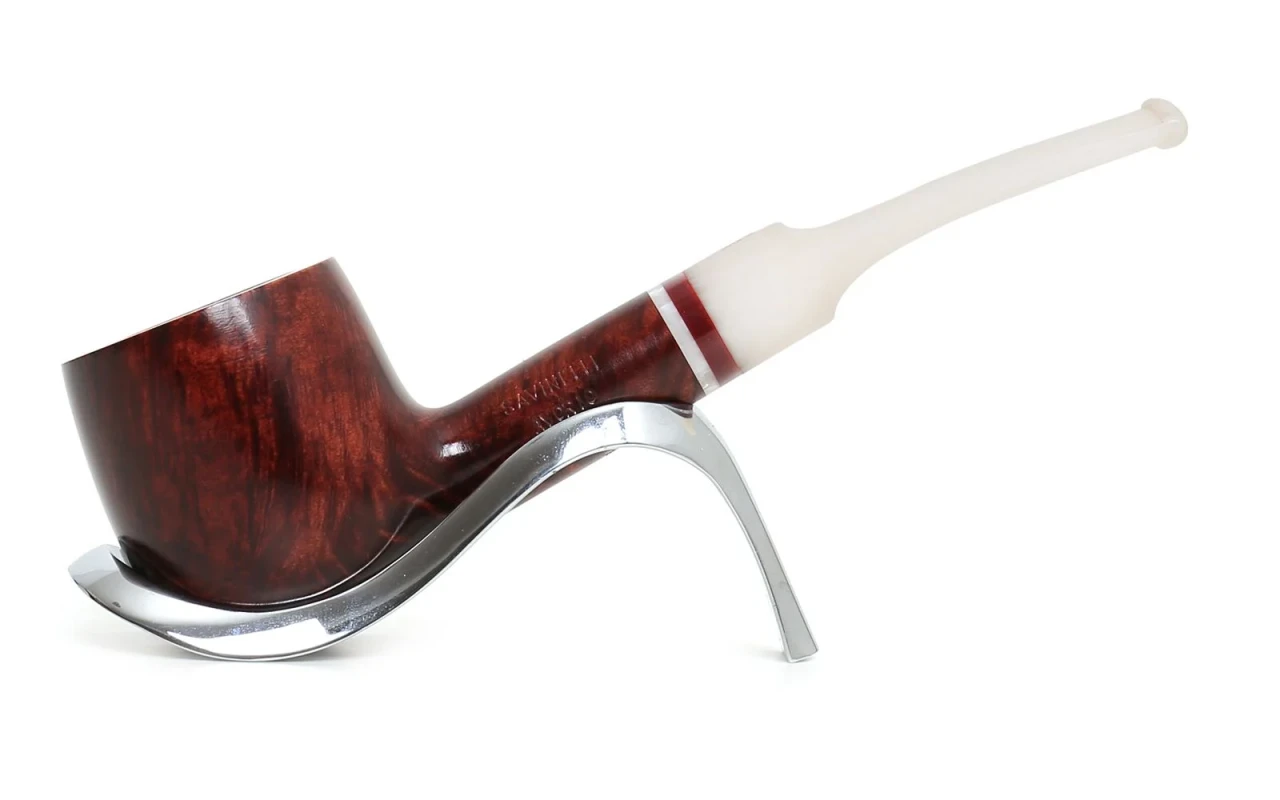
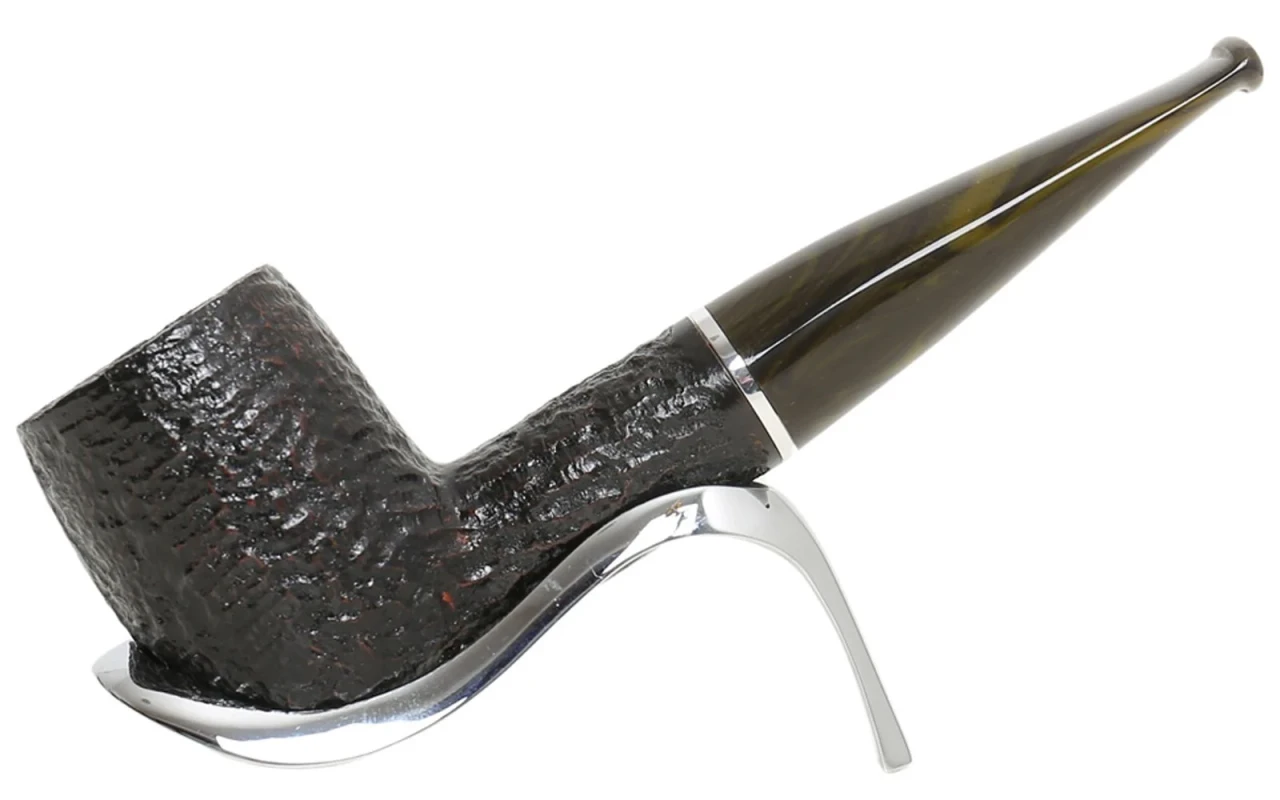
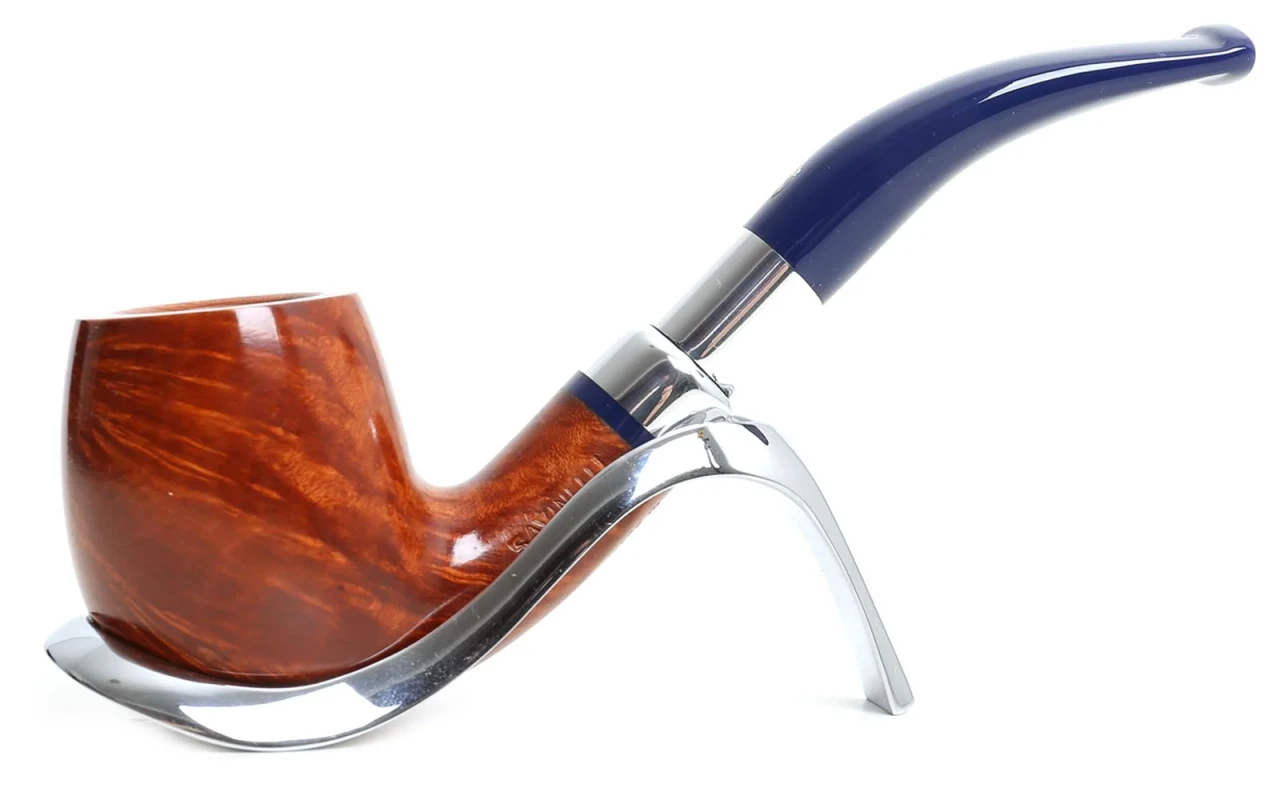
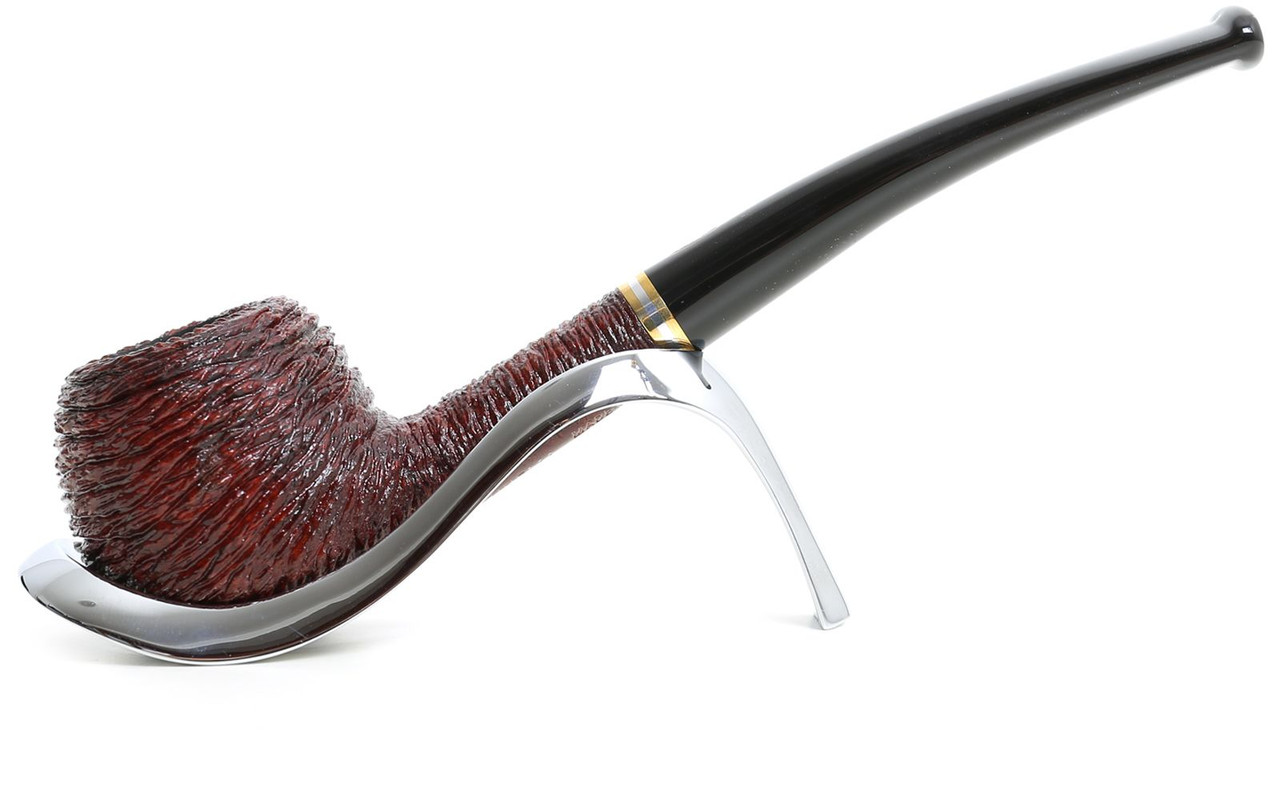
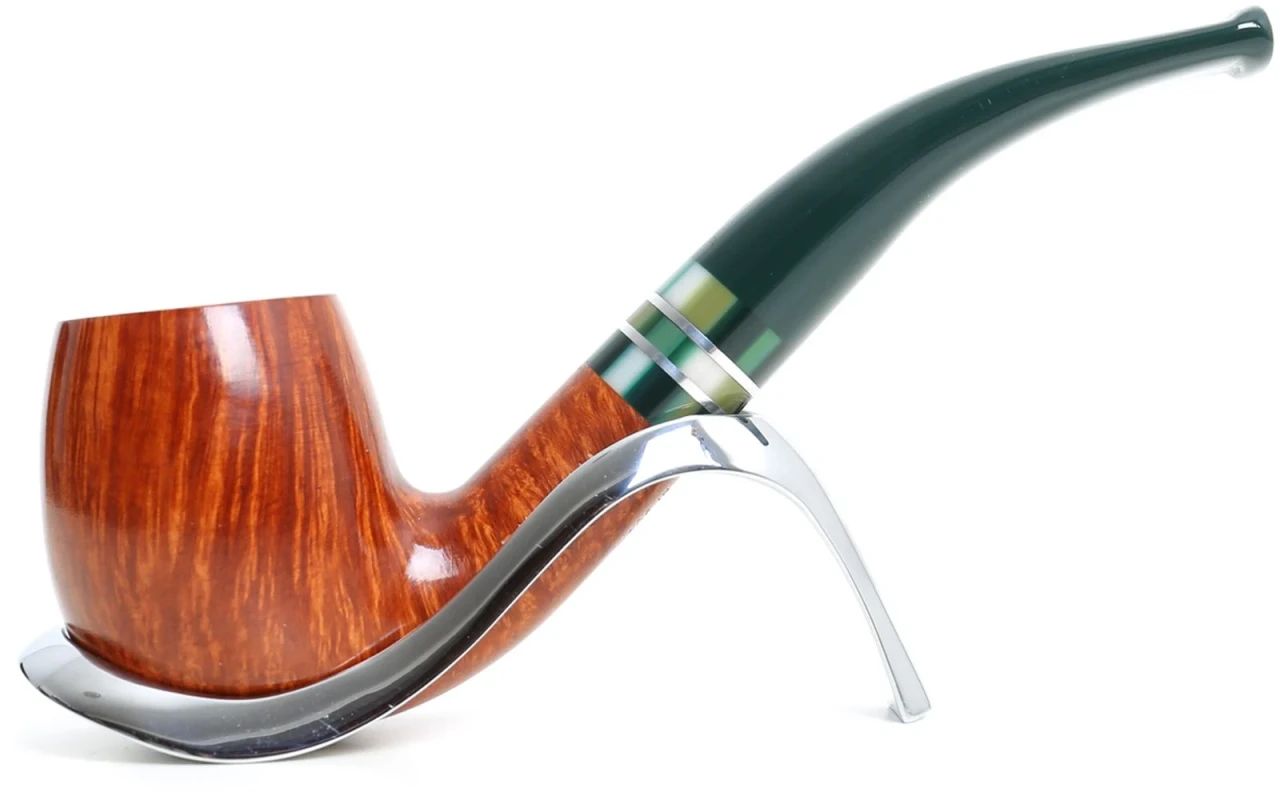
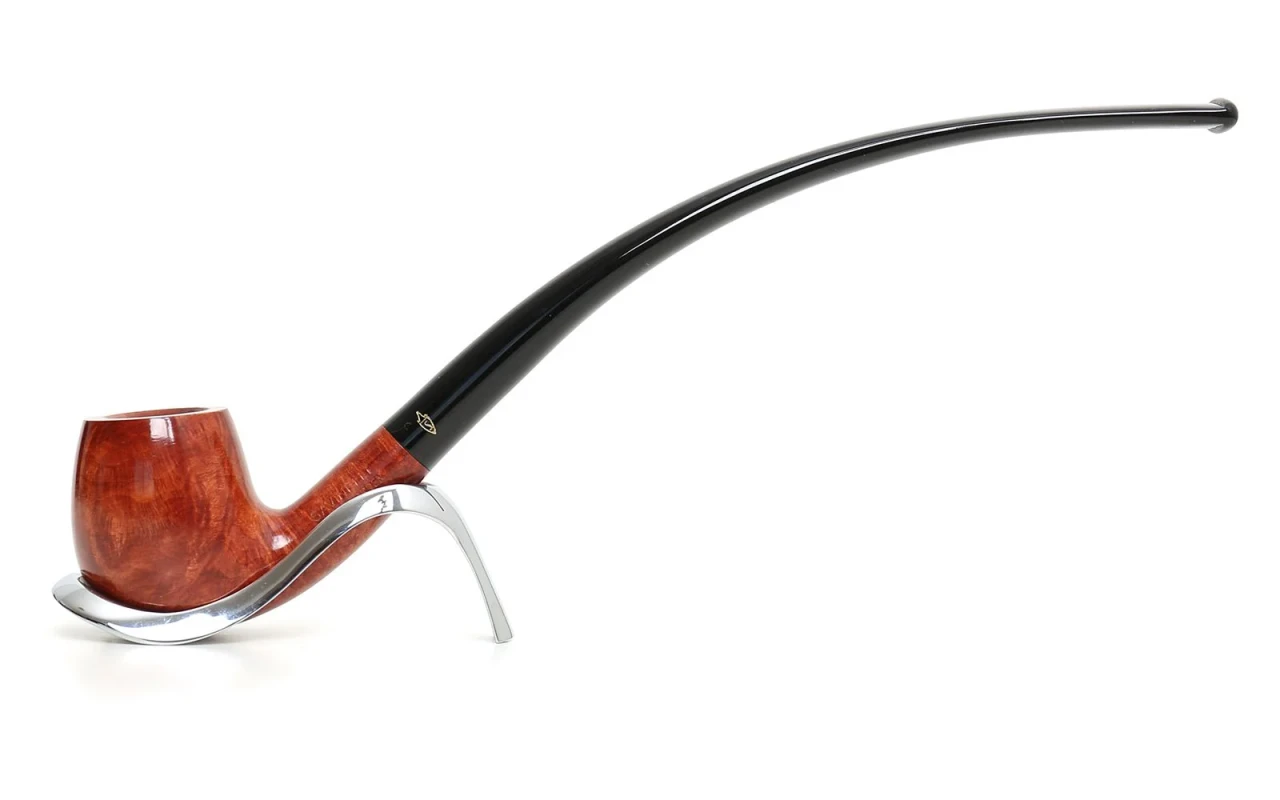
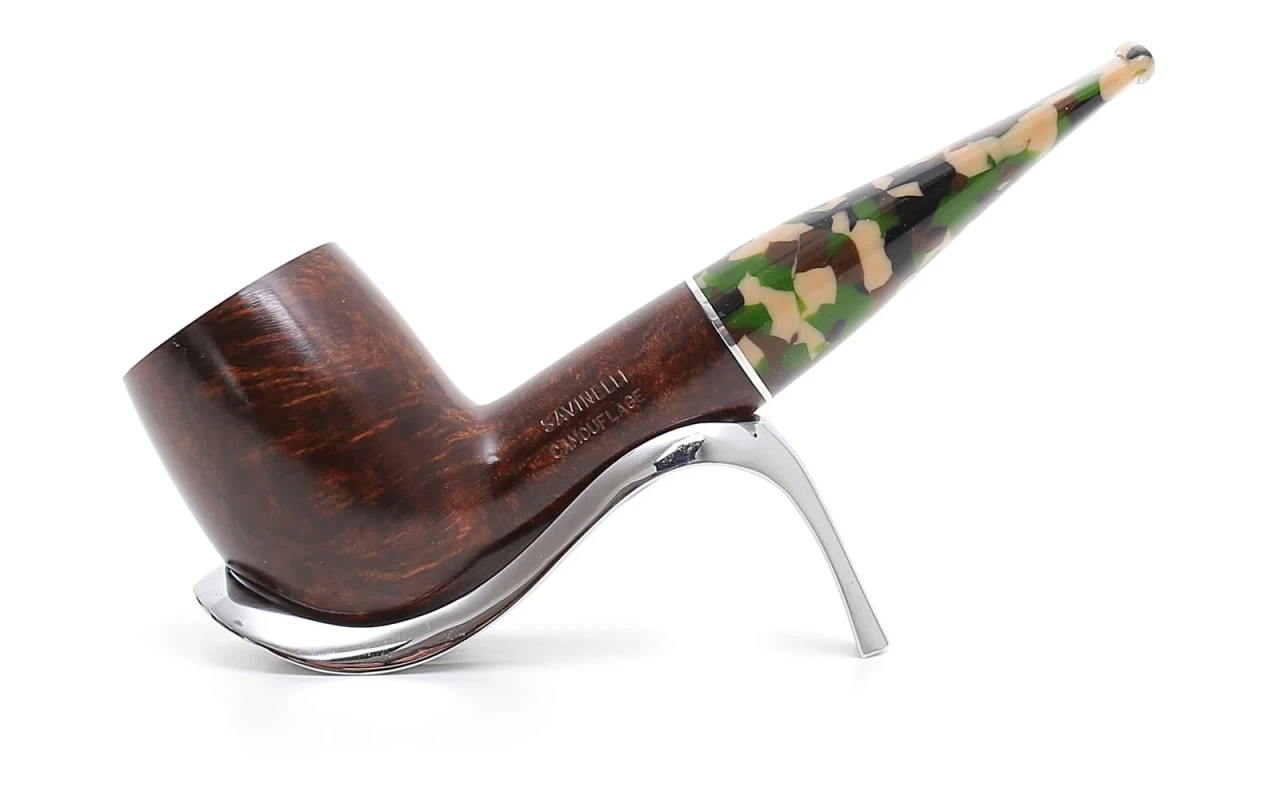
Manual skill in pipe making is developed through consistent practice, studying woodcraft techniques, and familiarity with specialized tools. It is essential to gain precision in shaping, sanding, and finishing the pipe, learning to recognize the material's characteristics while respecting traditional and innovative forms.
How is manual skill developed in pipe making? Deep dive
Manual skill in pipe making primarily develops through direct experience and continuous practice. One approaching this craft must learn to understand briar wood, the most commonly used material, grasping its properties and how it reacts during processing. Skill sharpens as proficiency with specific tools—such as chisels, files, and sanders—is acquired, and as the pipe is shaped respecting the proportions and desired forms. Additionally, cultivating a keen eye for details like finishing and polishing is crucial, as these confer the pipe its unique appearance and optimal functionality. Manual skill is also consolidated by studying the various shapes and styles of pipes, understanding the aesthetic and functional needs of each model. In summary, the combination of technical knowledge, consistent practice, and artistic sensitivity allows for the development of refined manual skill in crafting quality pipes.