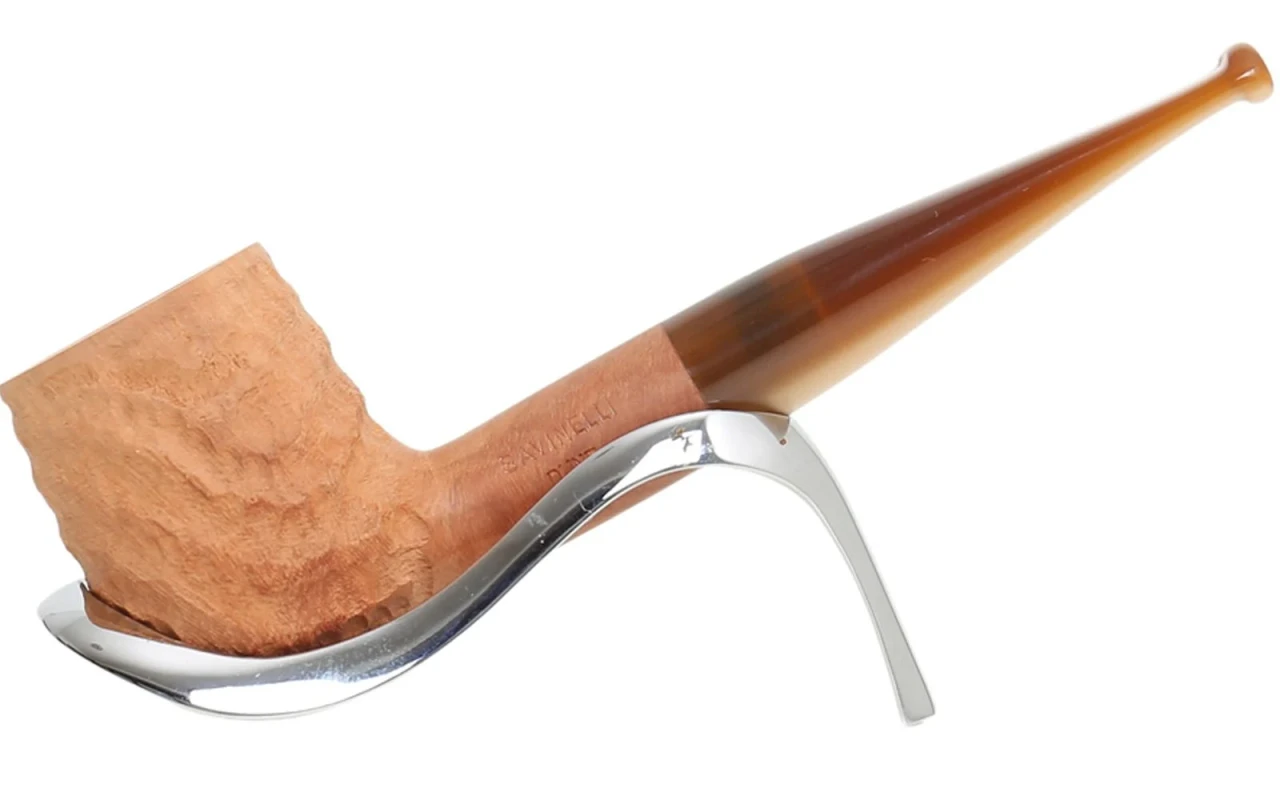
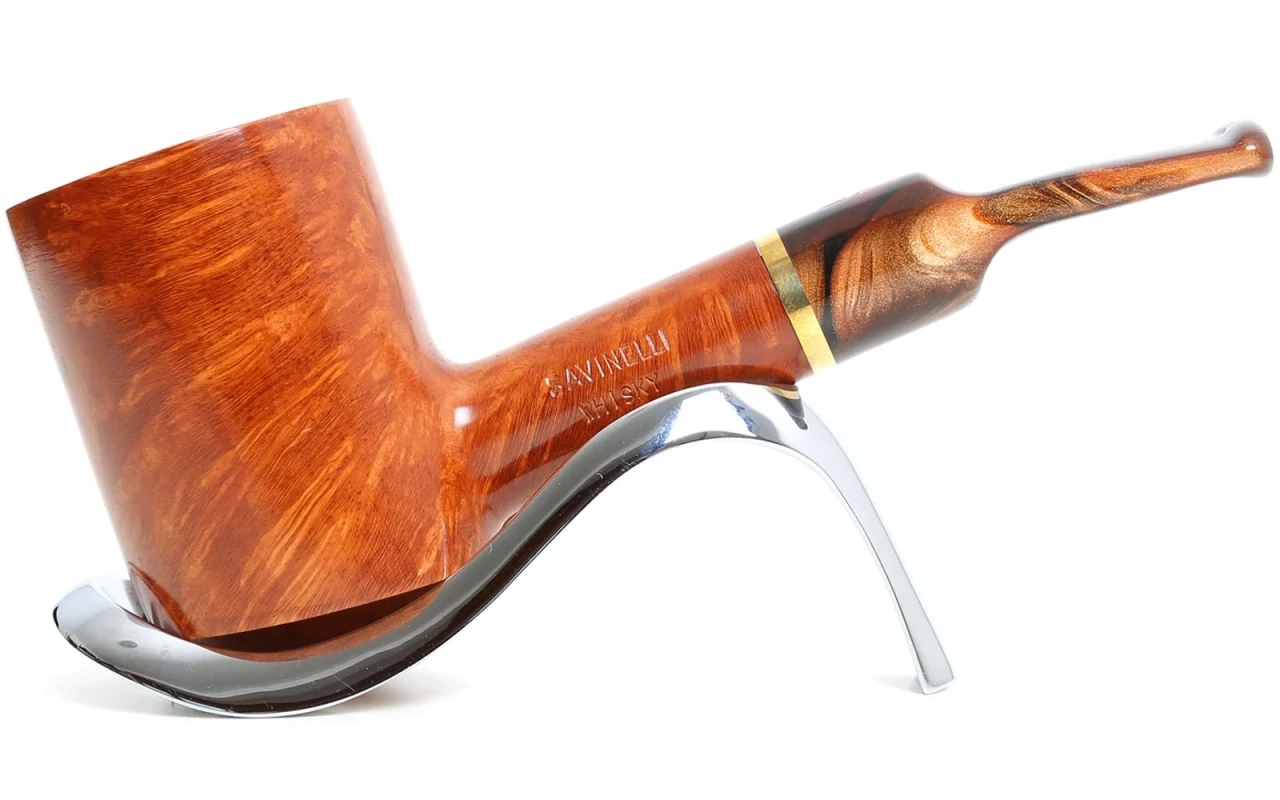
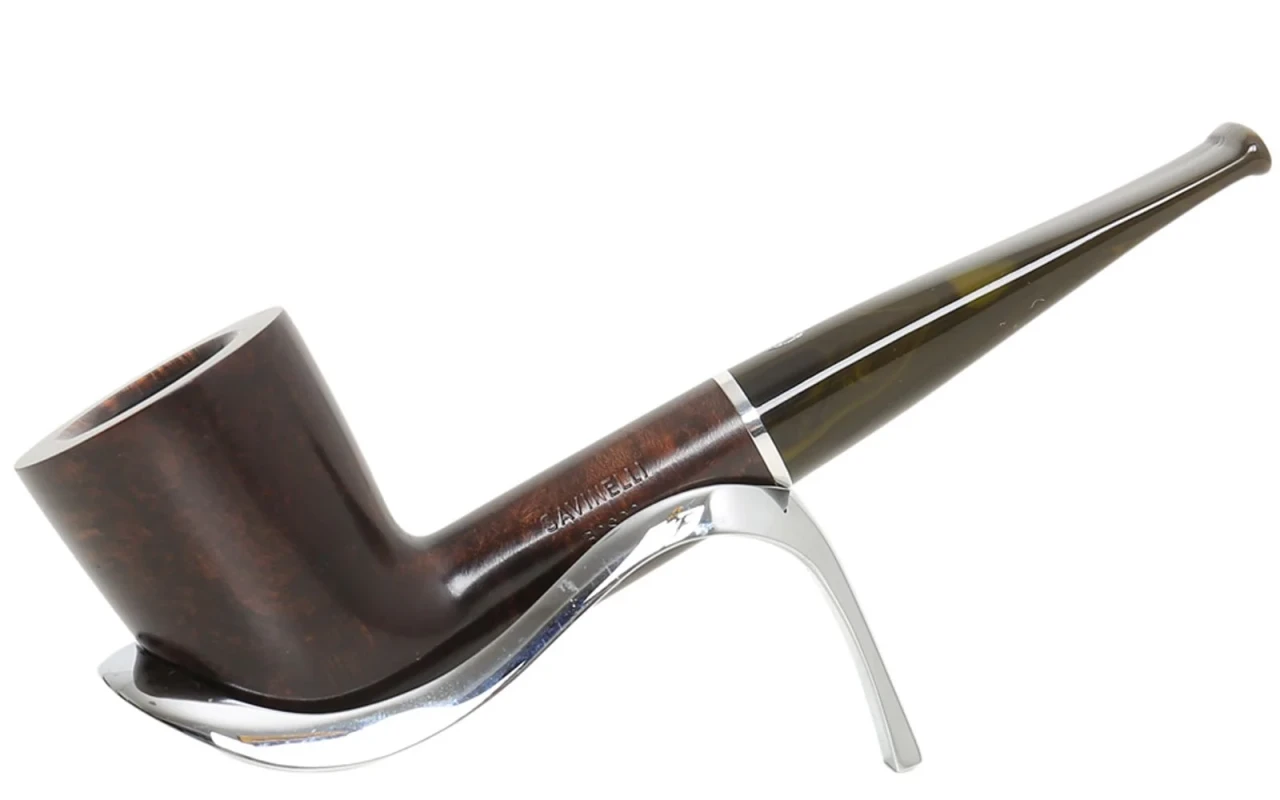
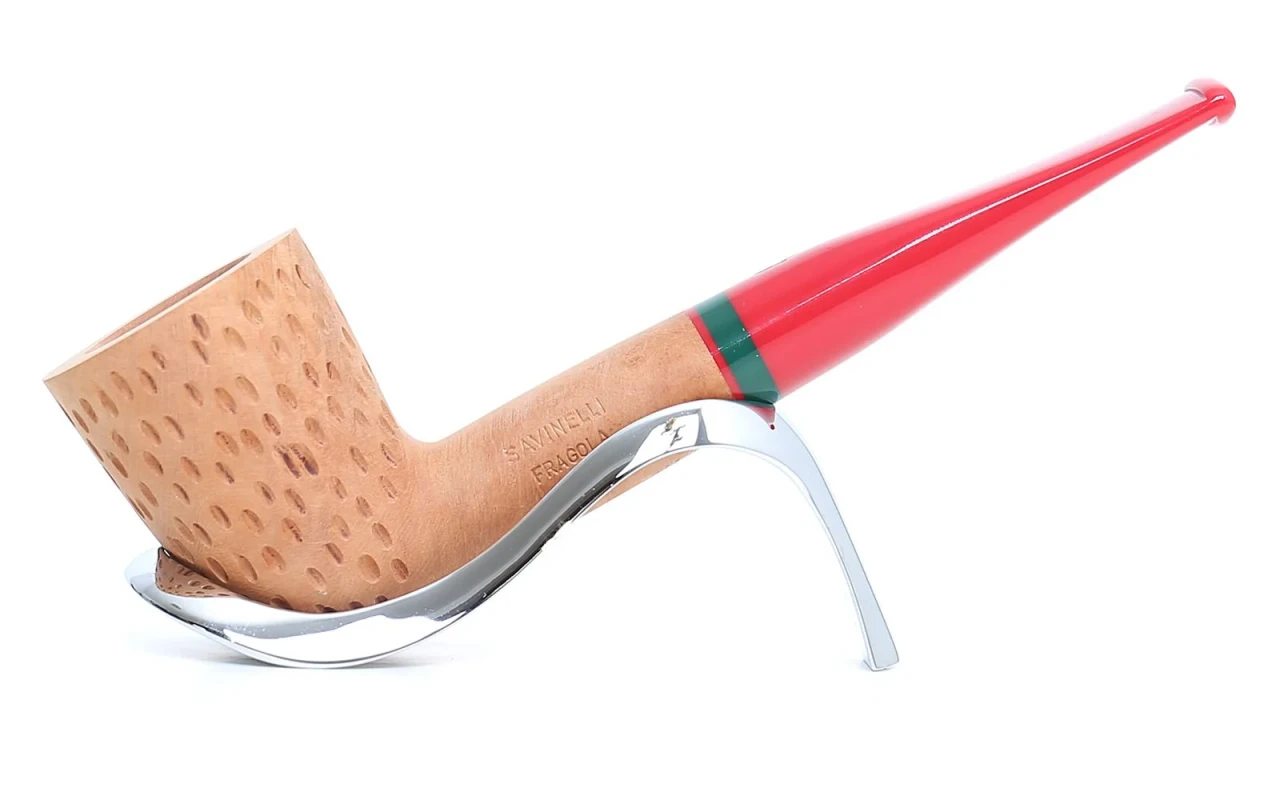
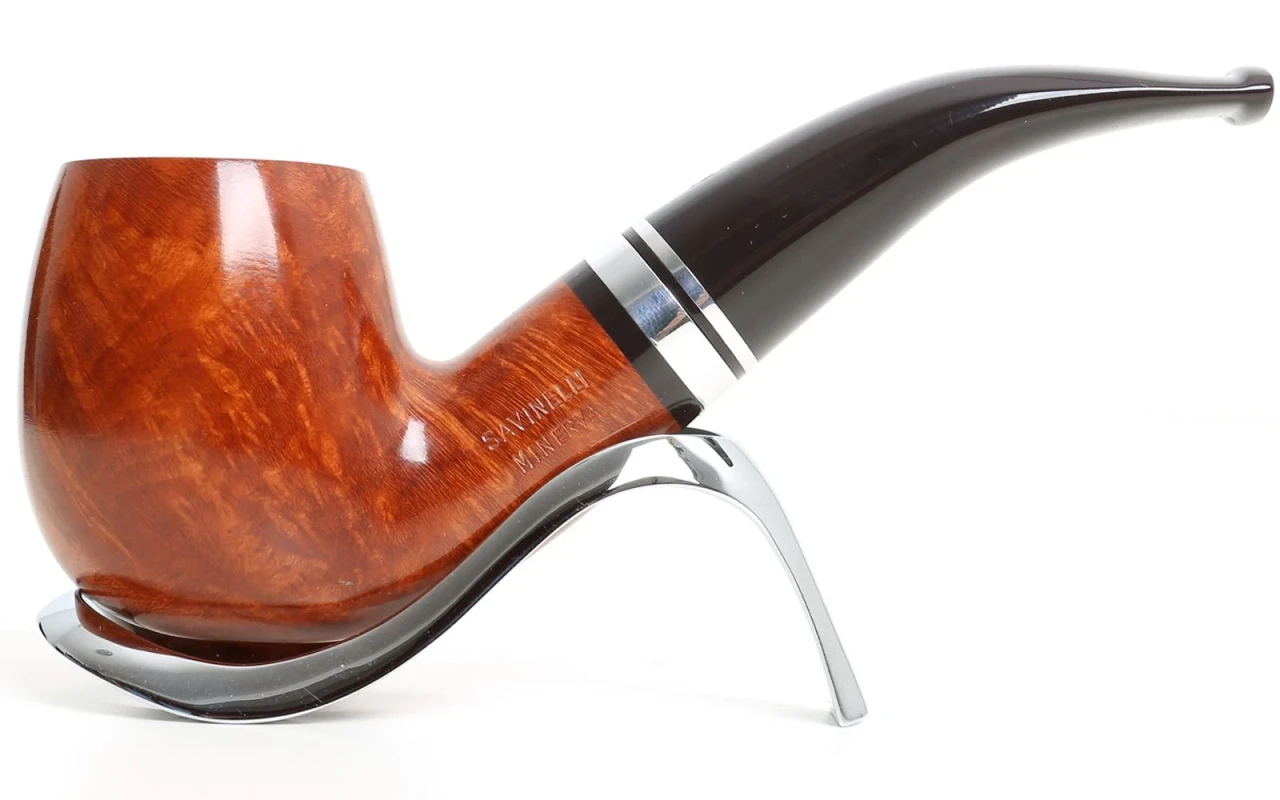
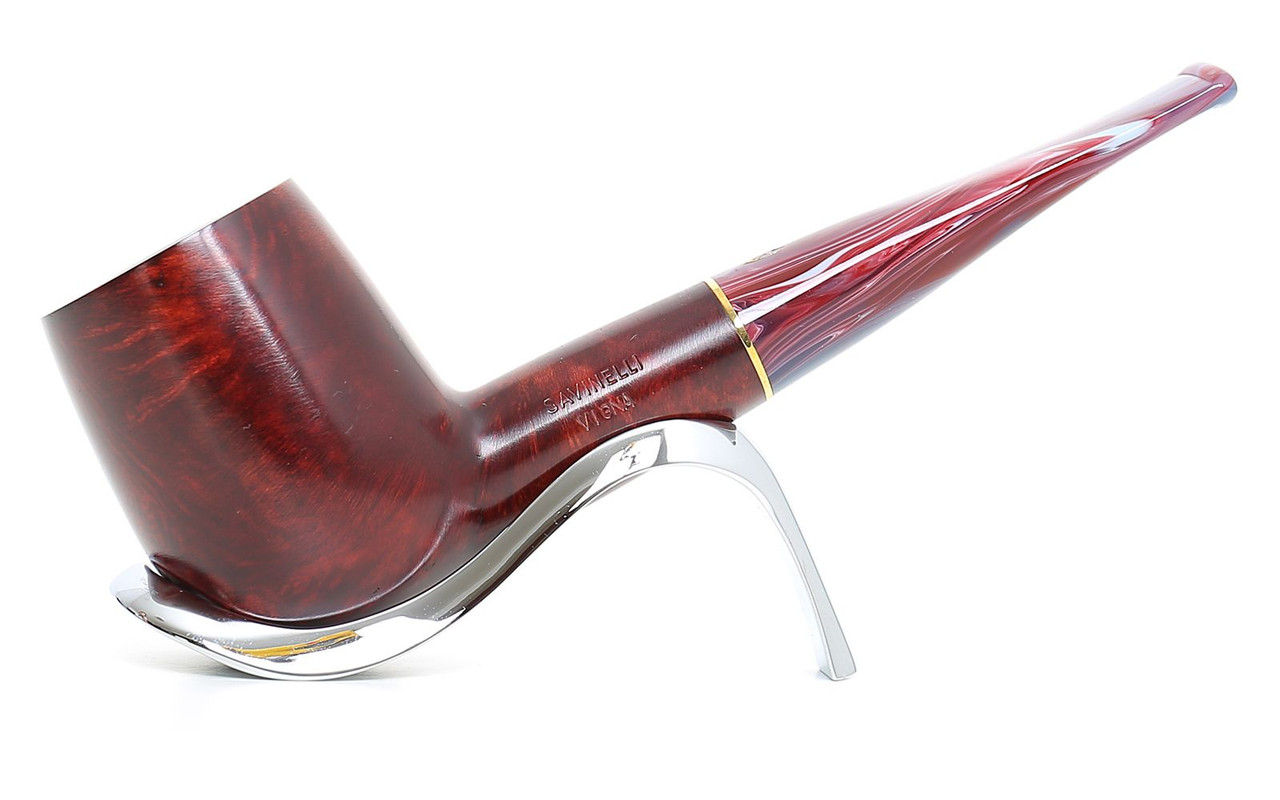
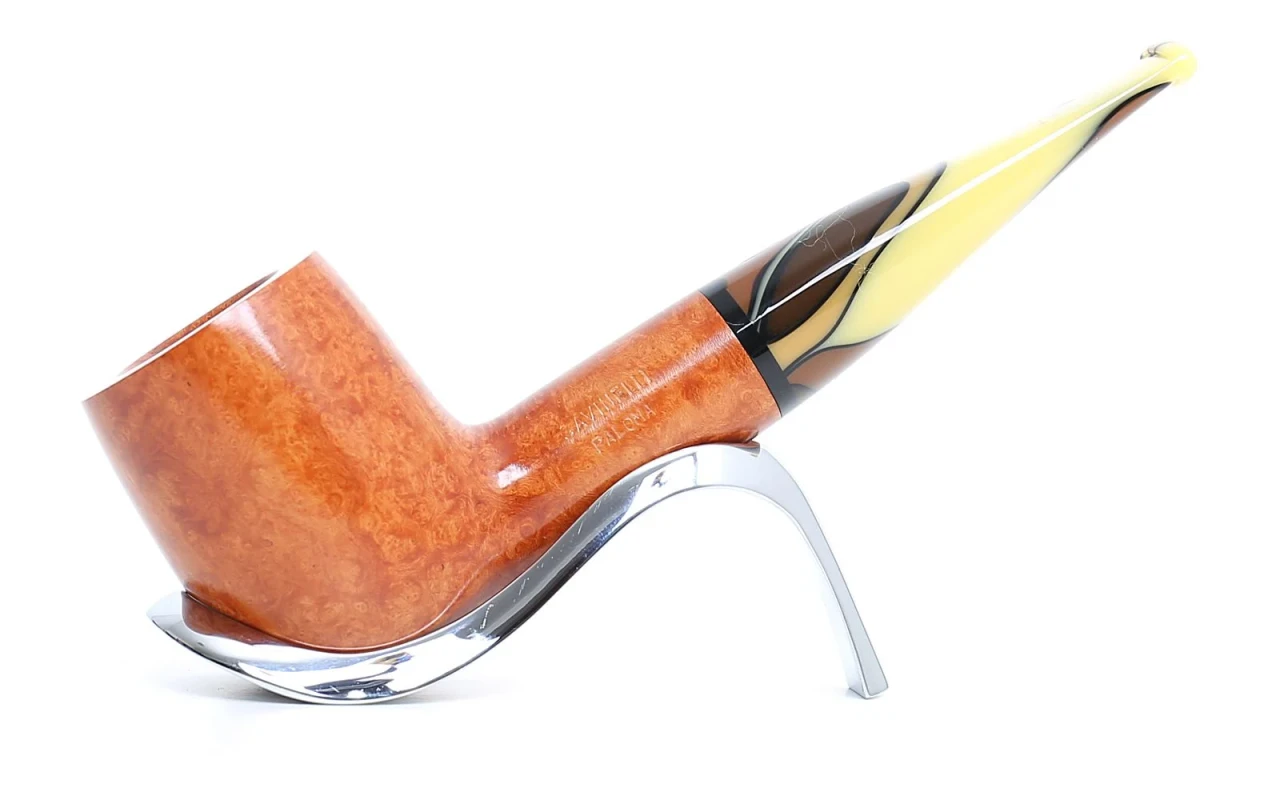
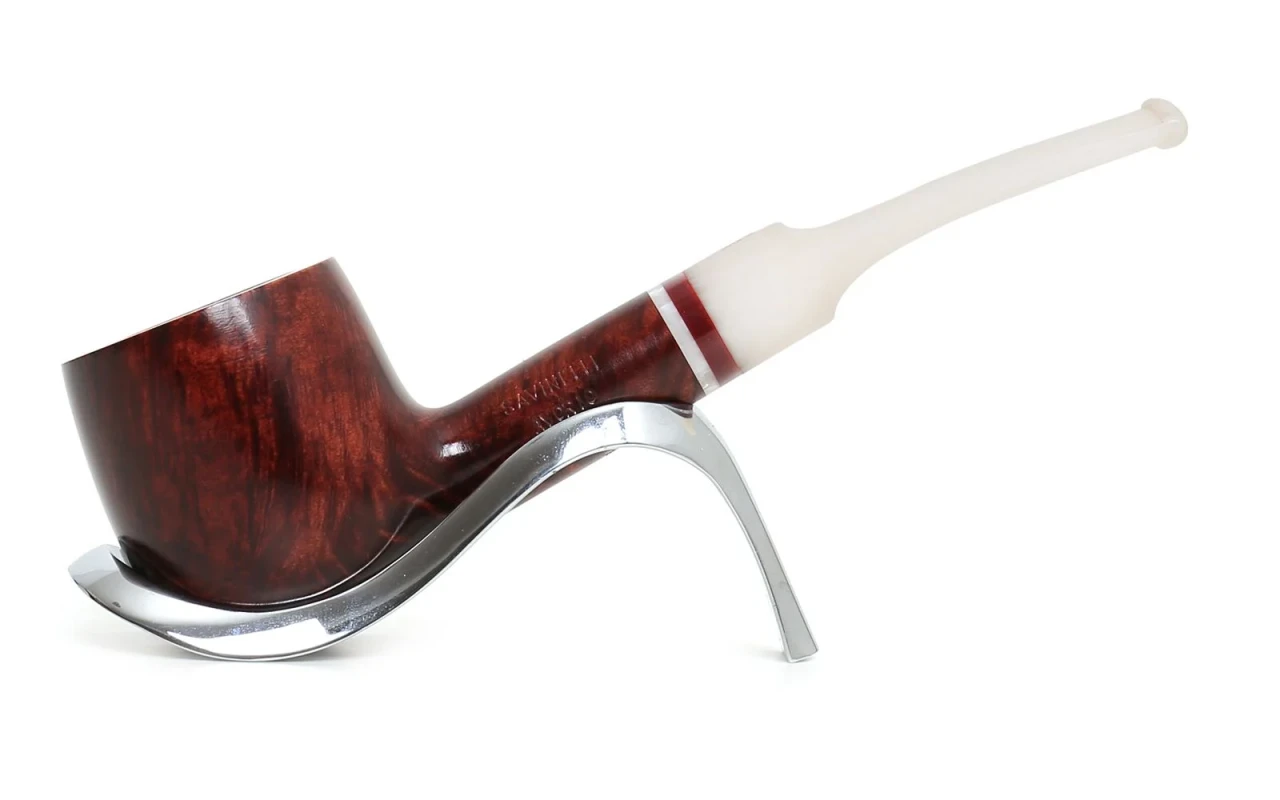
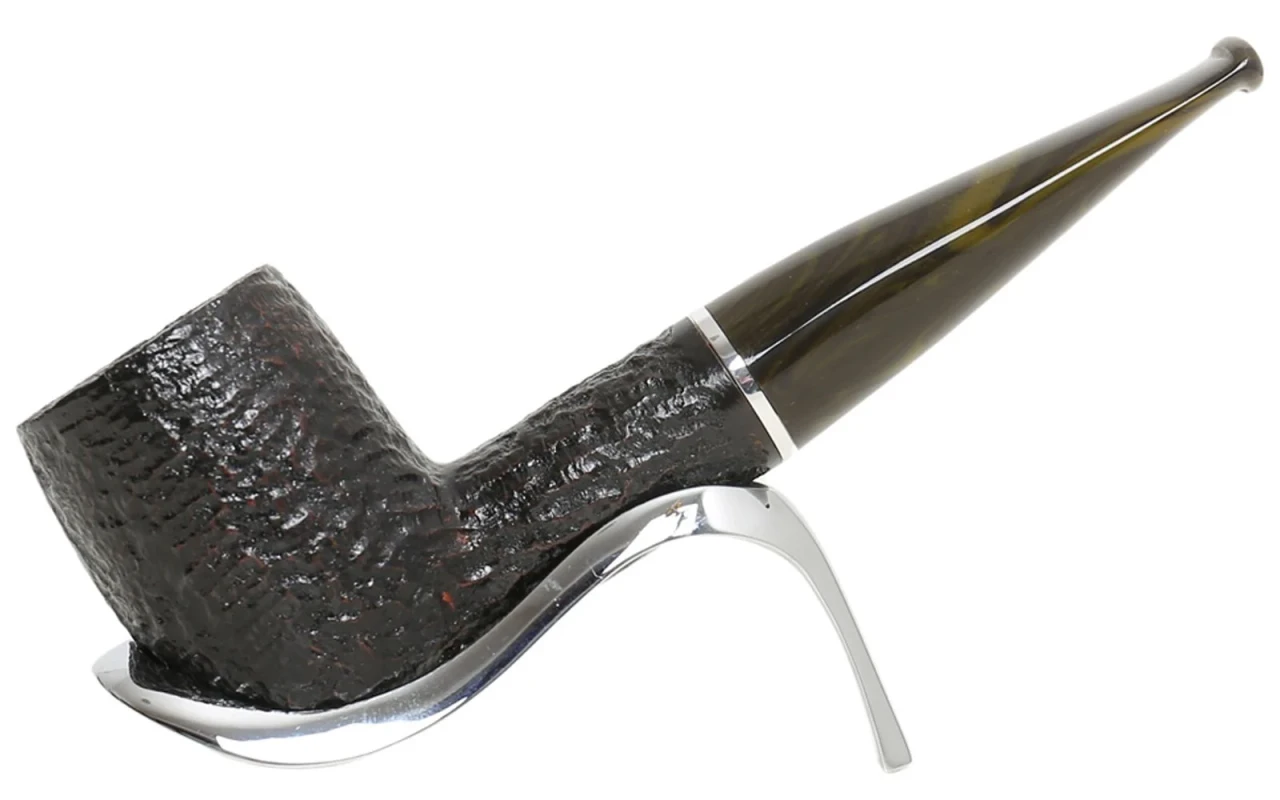
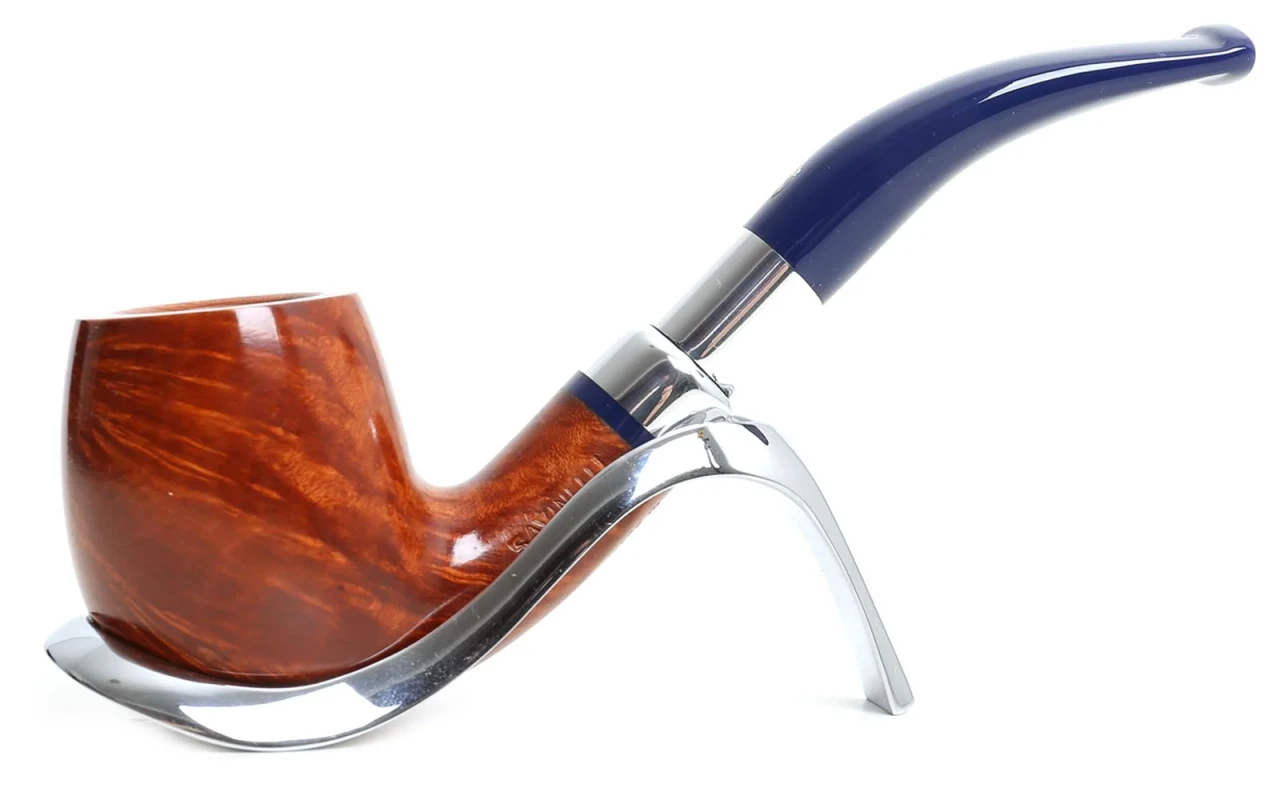
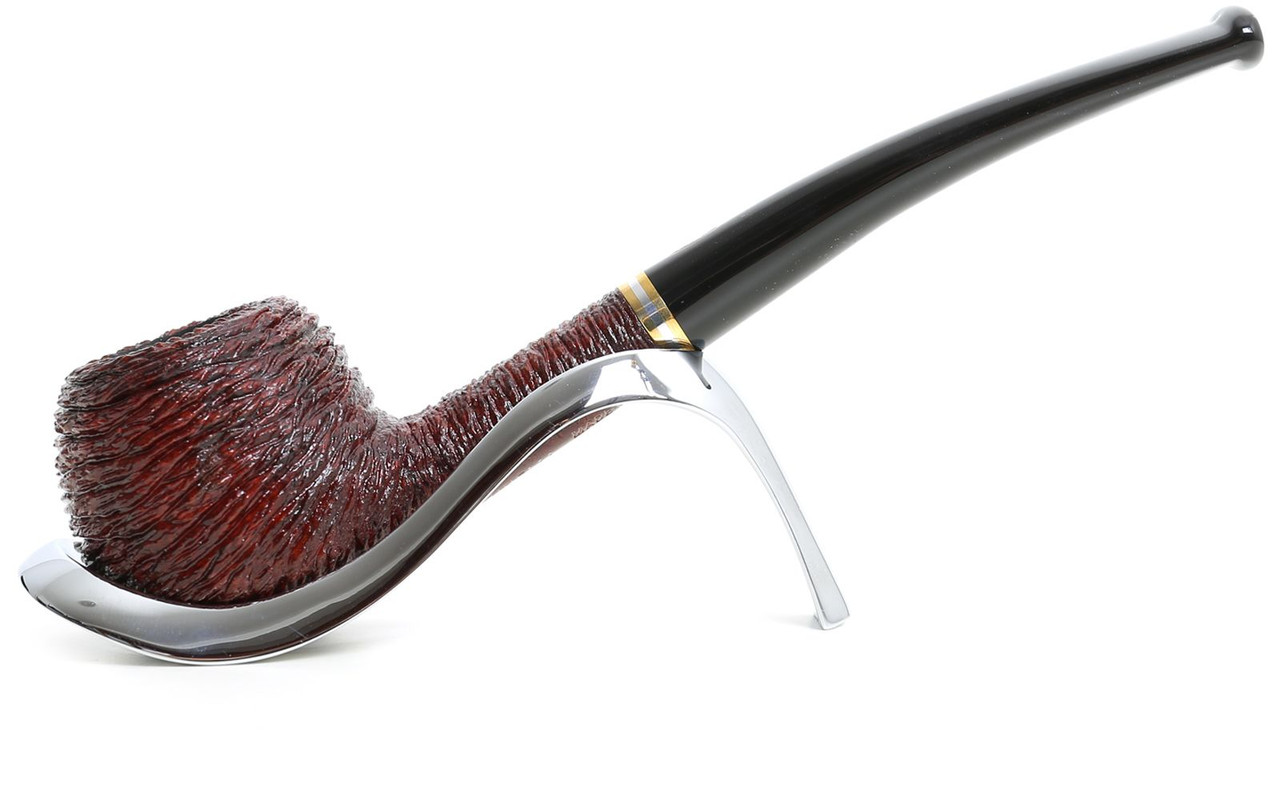
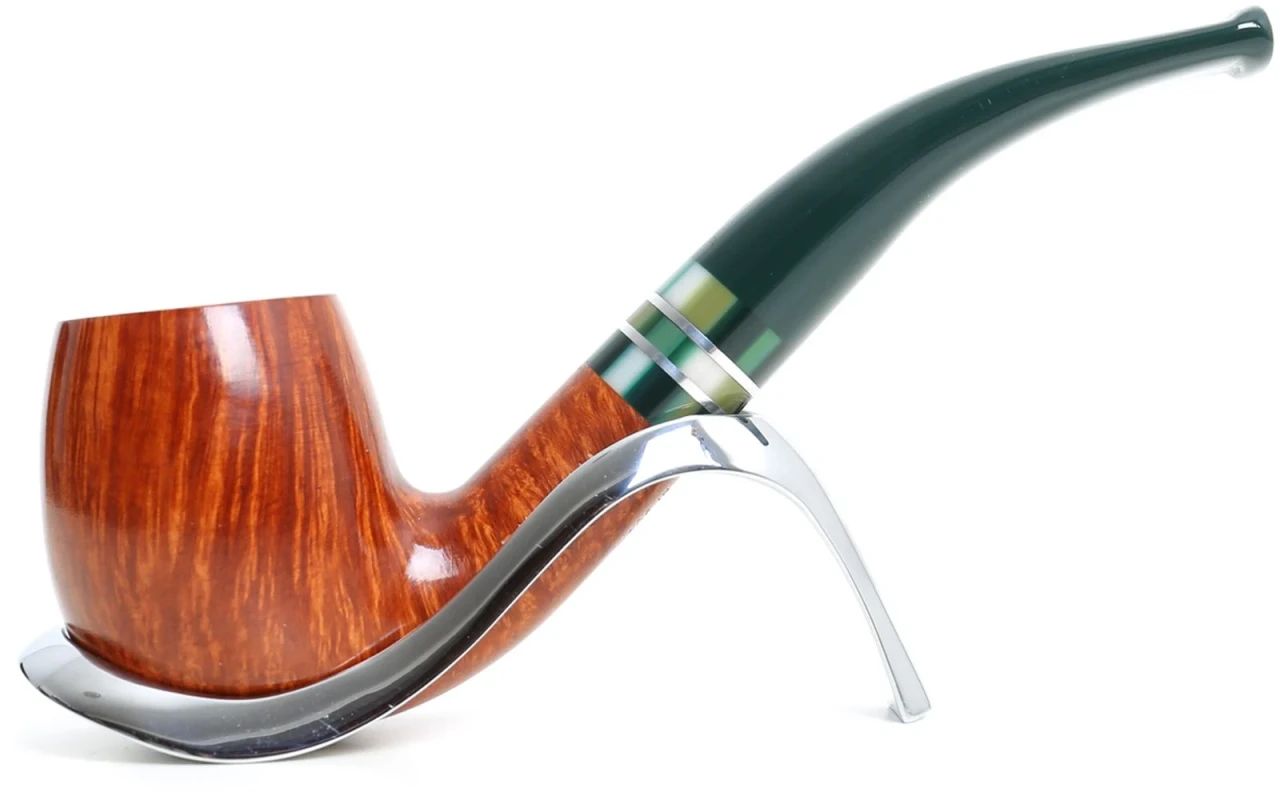
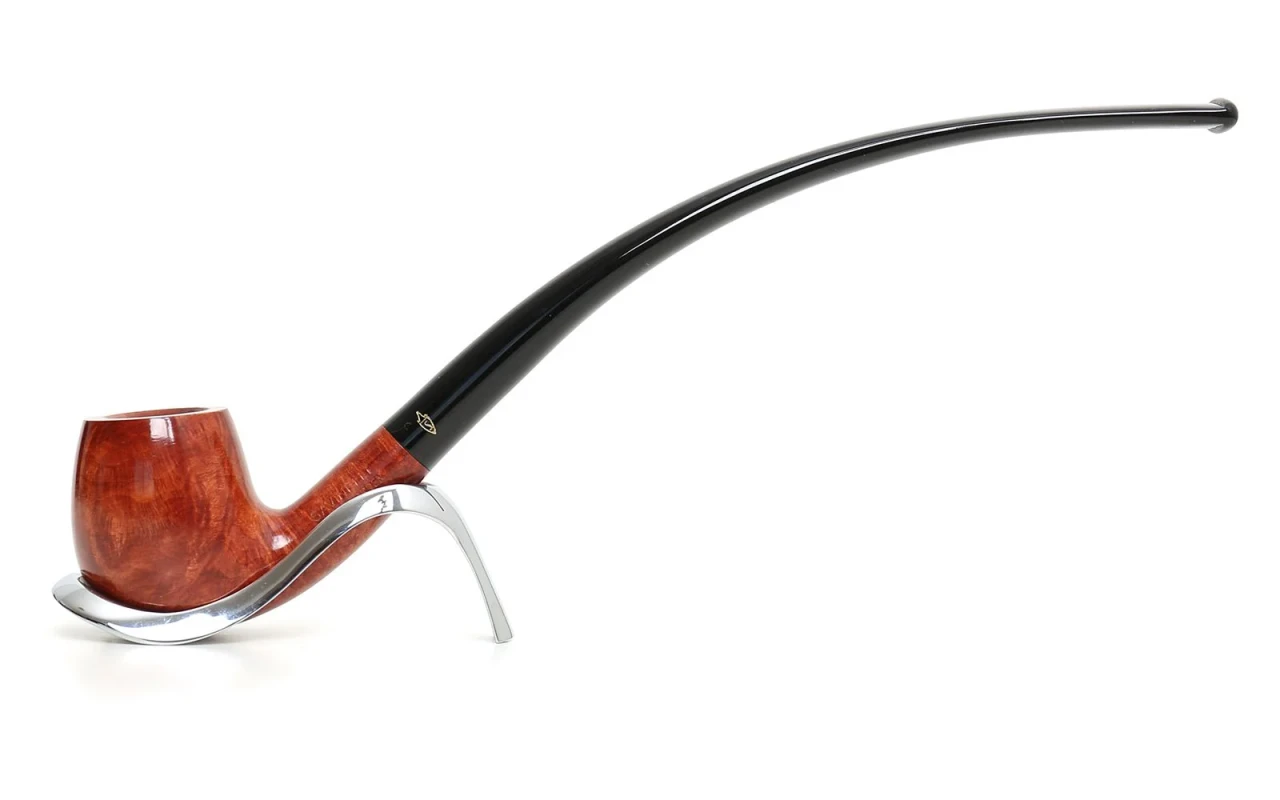
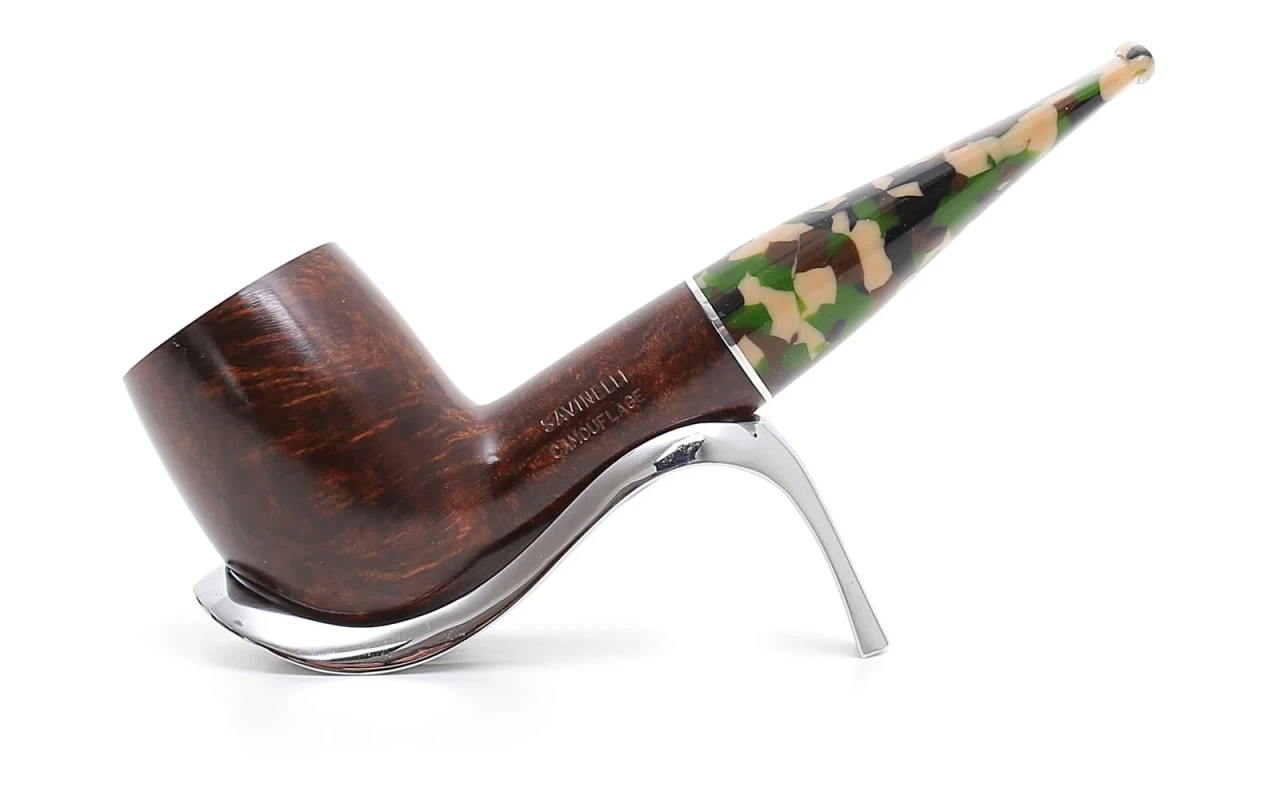
The crafting of an olive wood pipe begins with selecting a high-quality block of olive wood. Then, the pipe is shaped by hand or machine, carving the tobacco chamber and forming the bowl and shank. Finally, the pipe is sanded, finished, and treated to enhance the natural beauty of the wood.
How is an olive wood pipe made? Deep dive
The making of an olive wood pipe starts with choosing a block of olive wood, prized for its hardness and decorative grain patterns. The process initiates with cutting and shaping the wood, either manually or with mechanical tools, to define the bowl and shank’s form. Subsequently, the internal tobacco chamber is carefully drilled, ensuring an adequate thickness to guarantee durability and an optimal smoking experience. After the rough work, the pipe is meticulously sanded to remove imperfections and create a smooth surface. The olive wood is then treated with natural oils or waxes to protect it and highlight its distinctive grain and color. This finishing also helps preserve the pipe over time, making it resistant to moisture and wear. Crafting an olive wood pipe demands artisanal skill and attention to detail to produce a functional and enjoyable pipe that combines aesthetics and practicality in the realm of slow smoking.