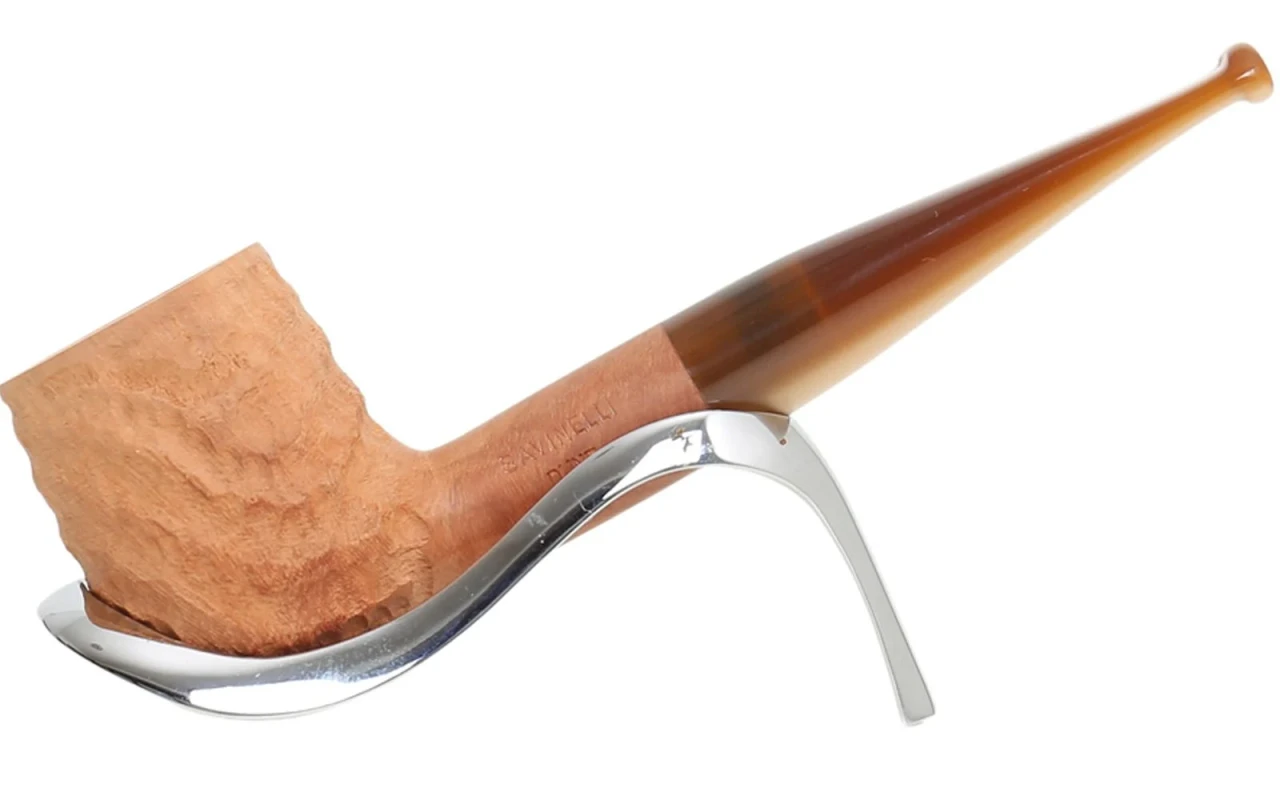
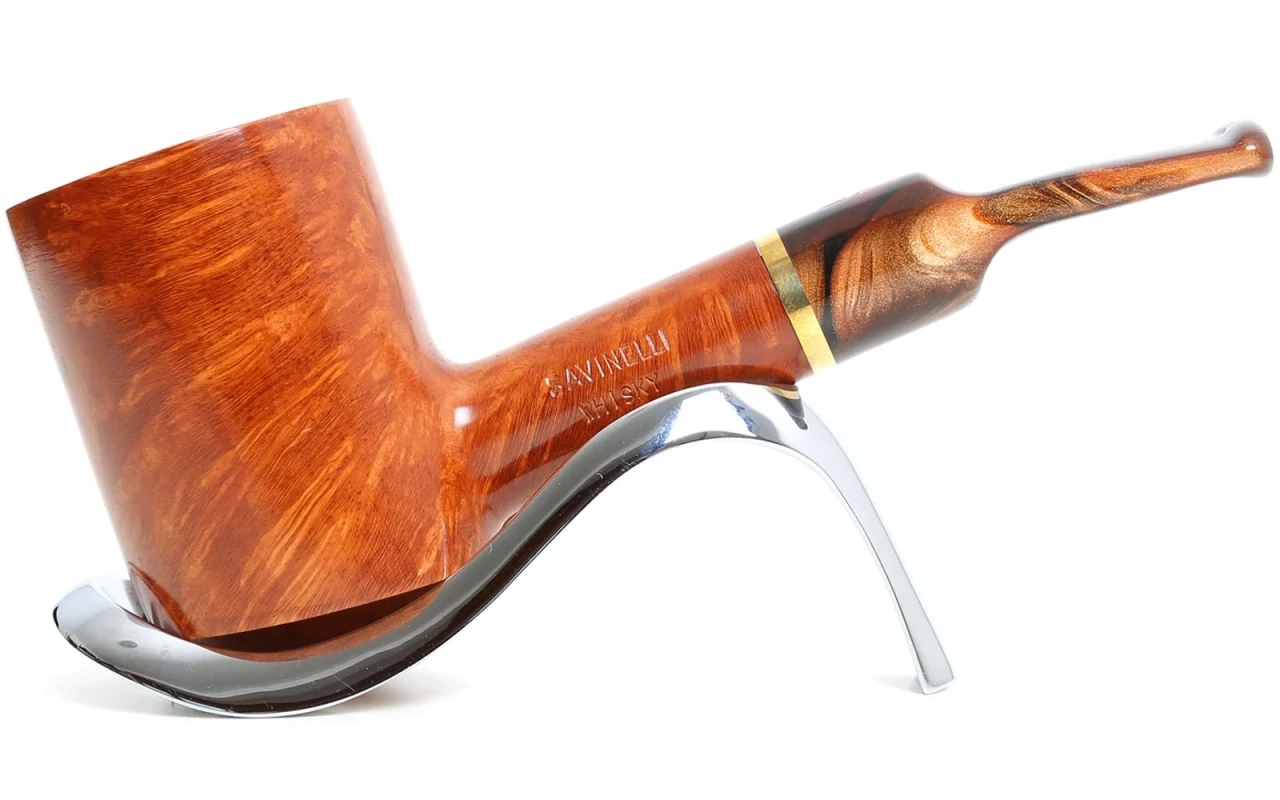
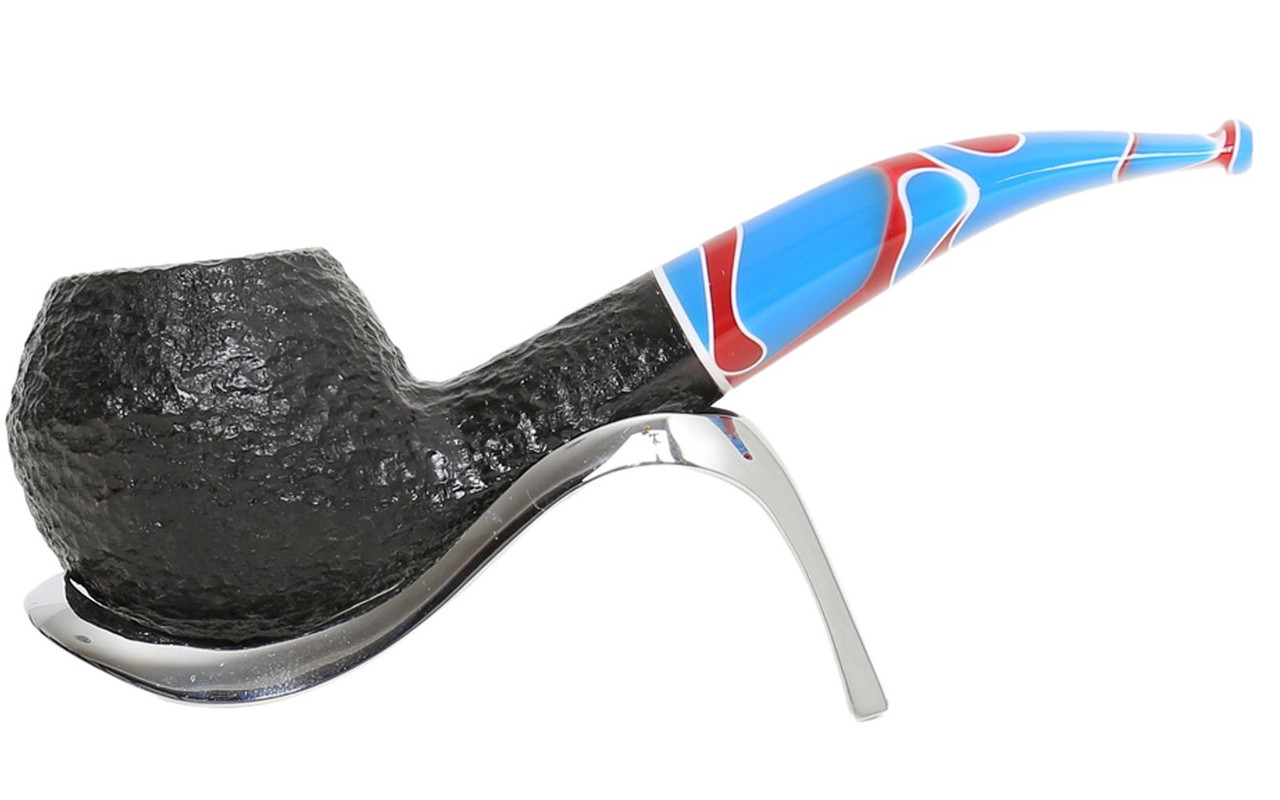
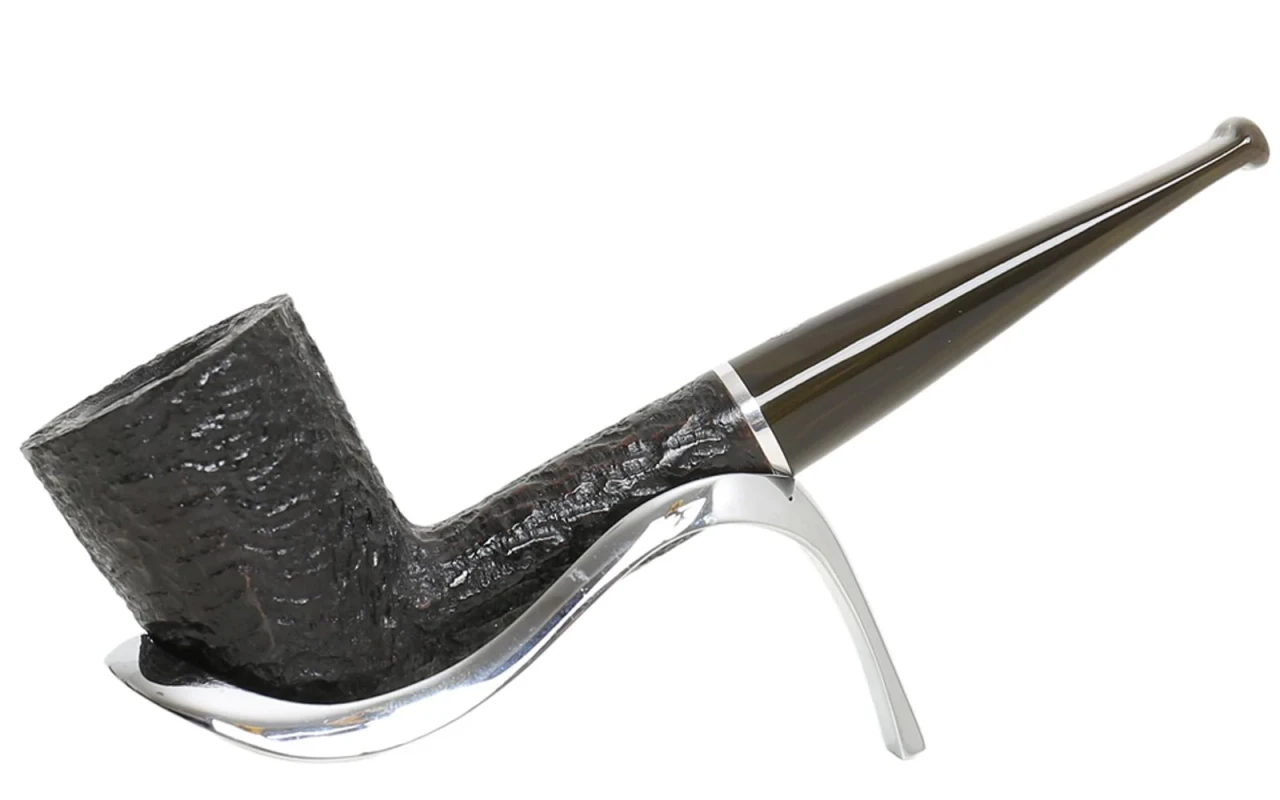
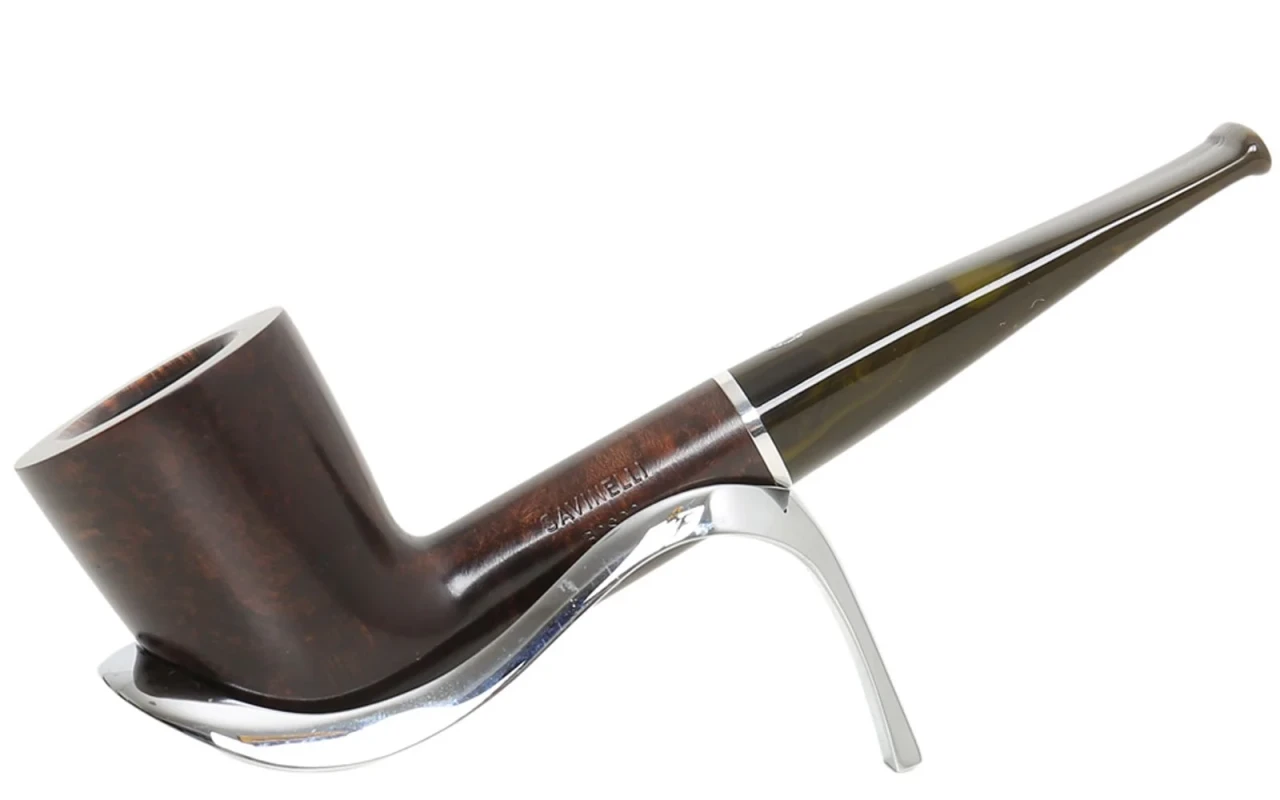
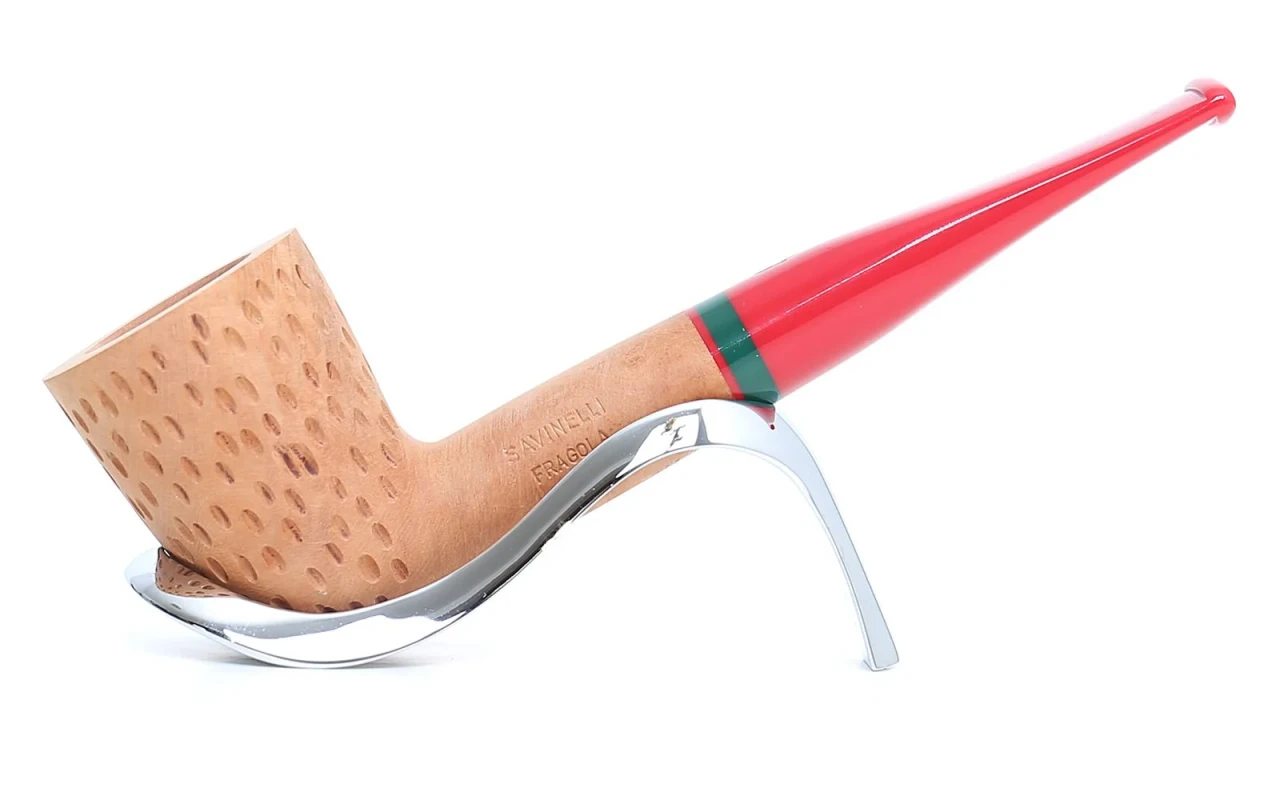
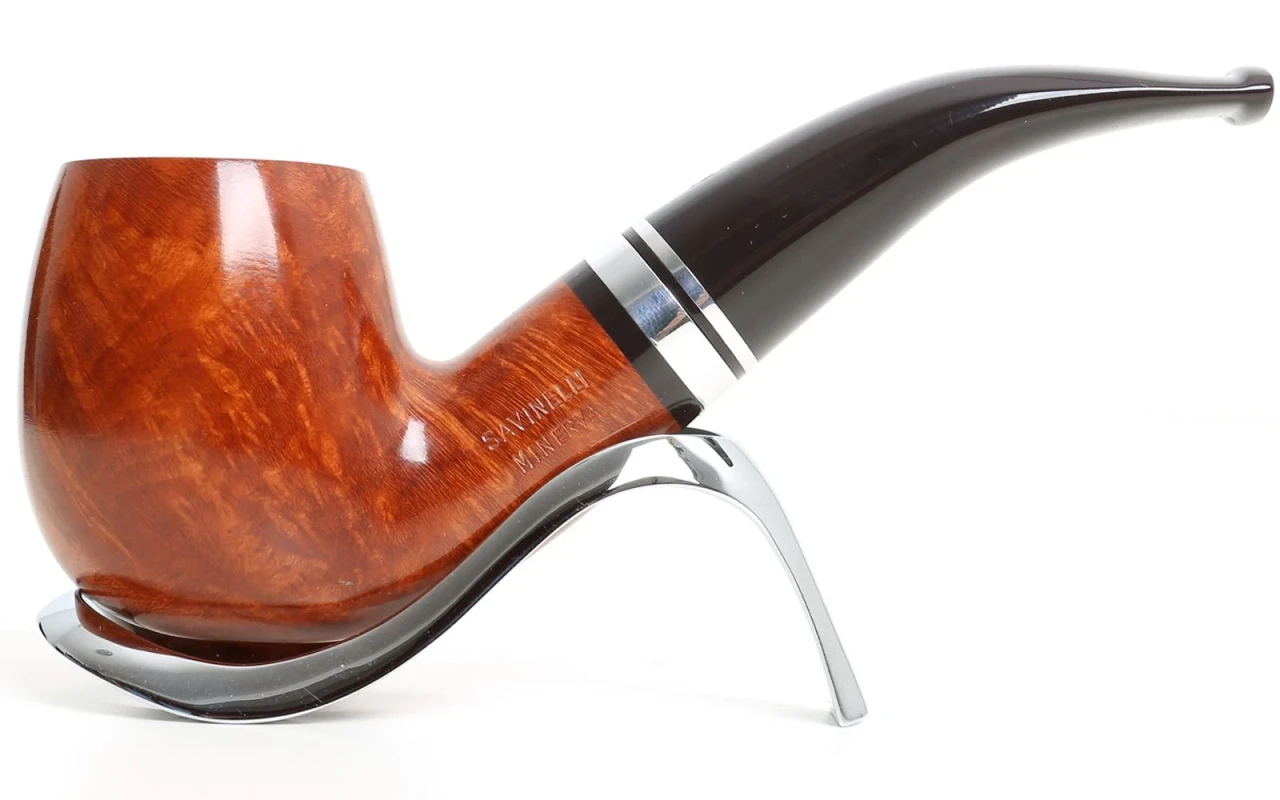
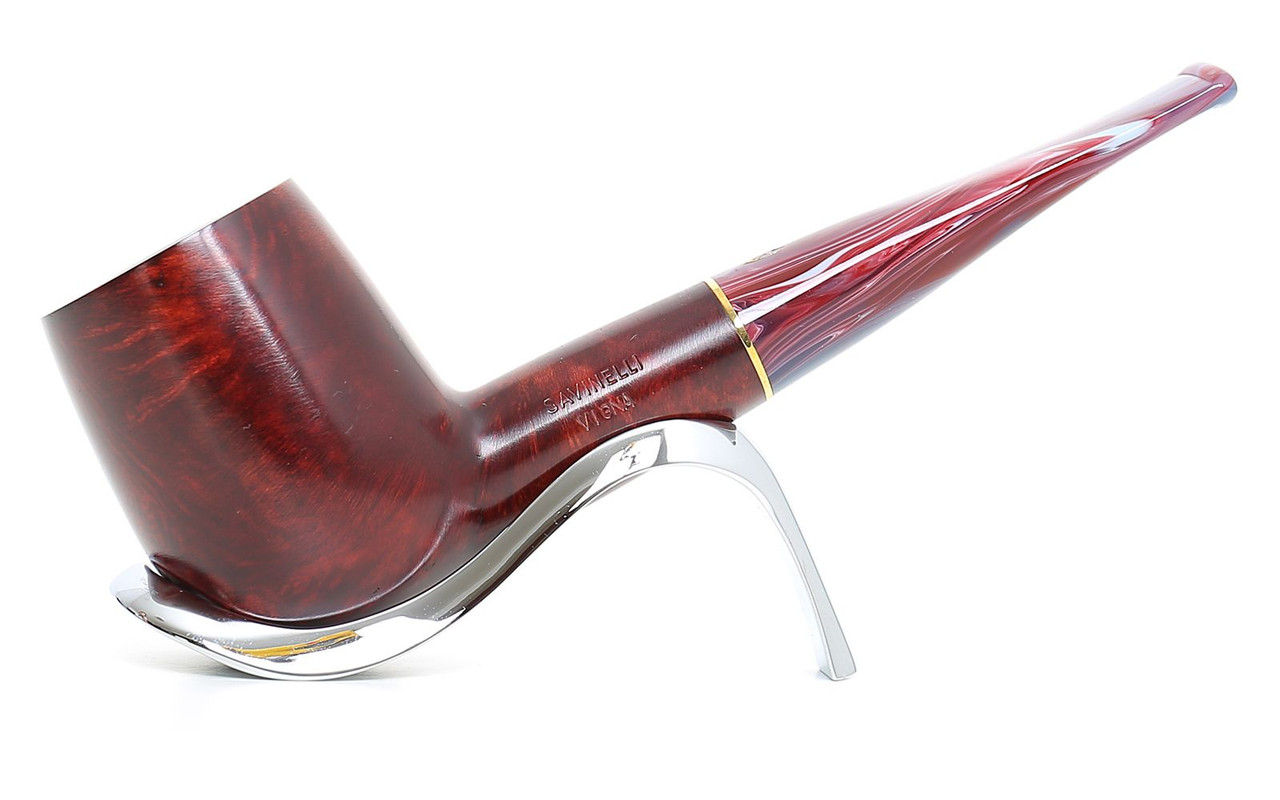
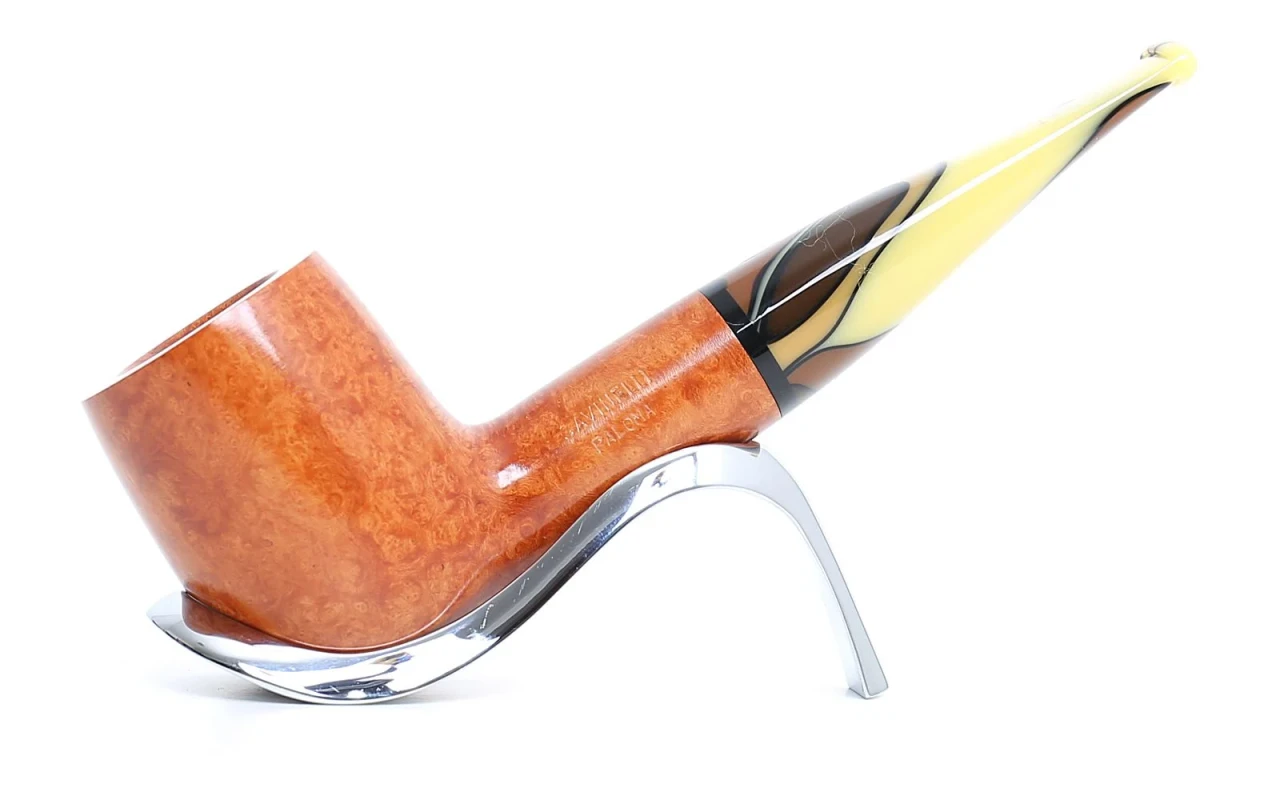
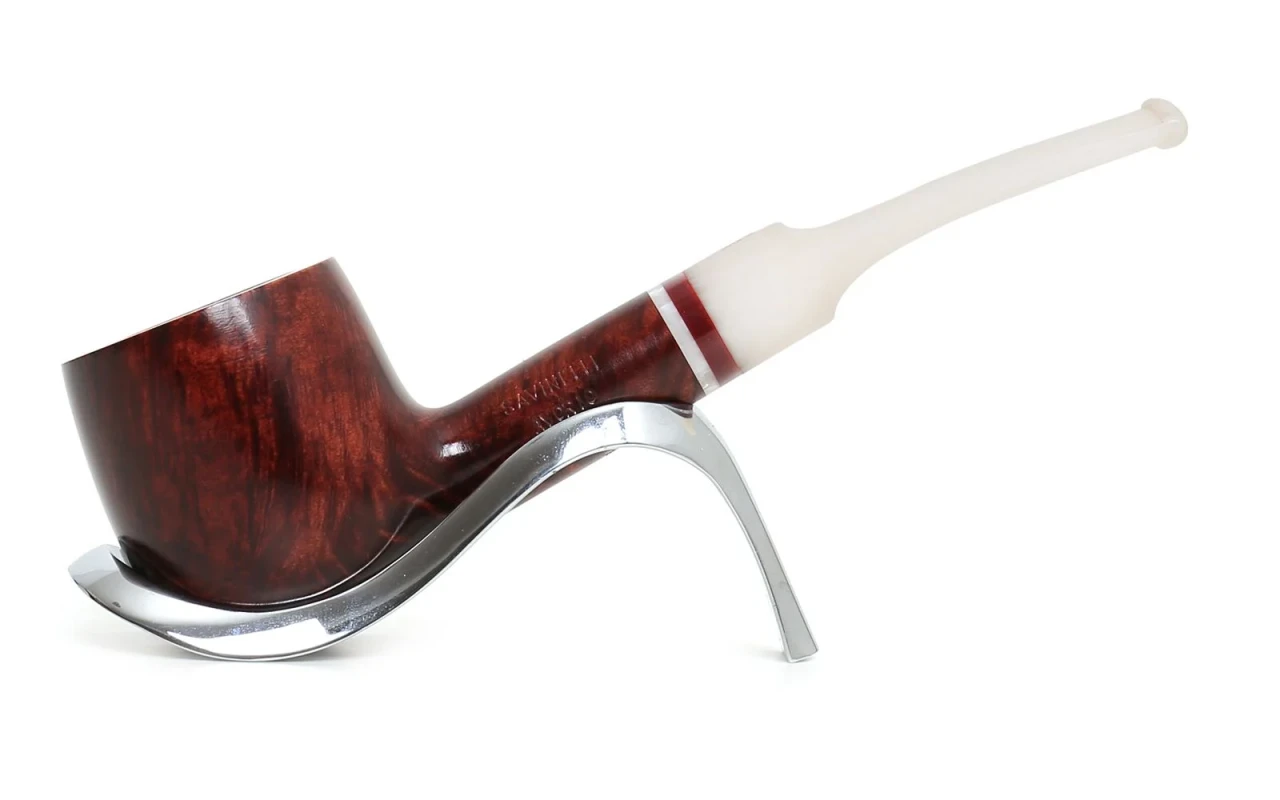
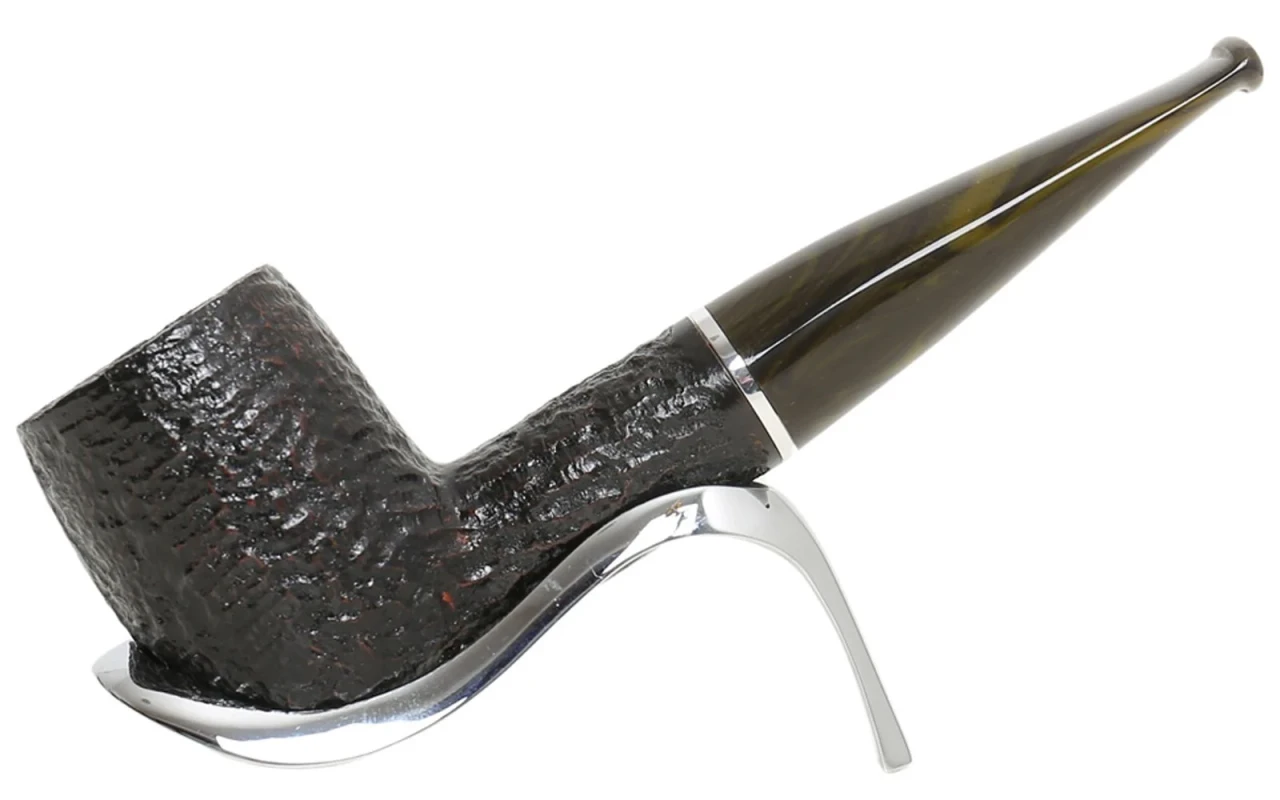
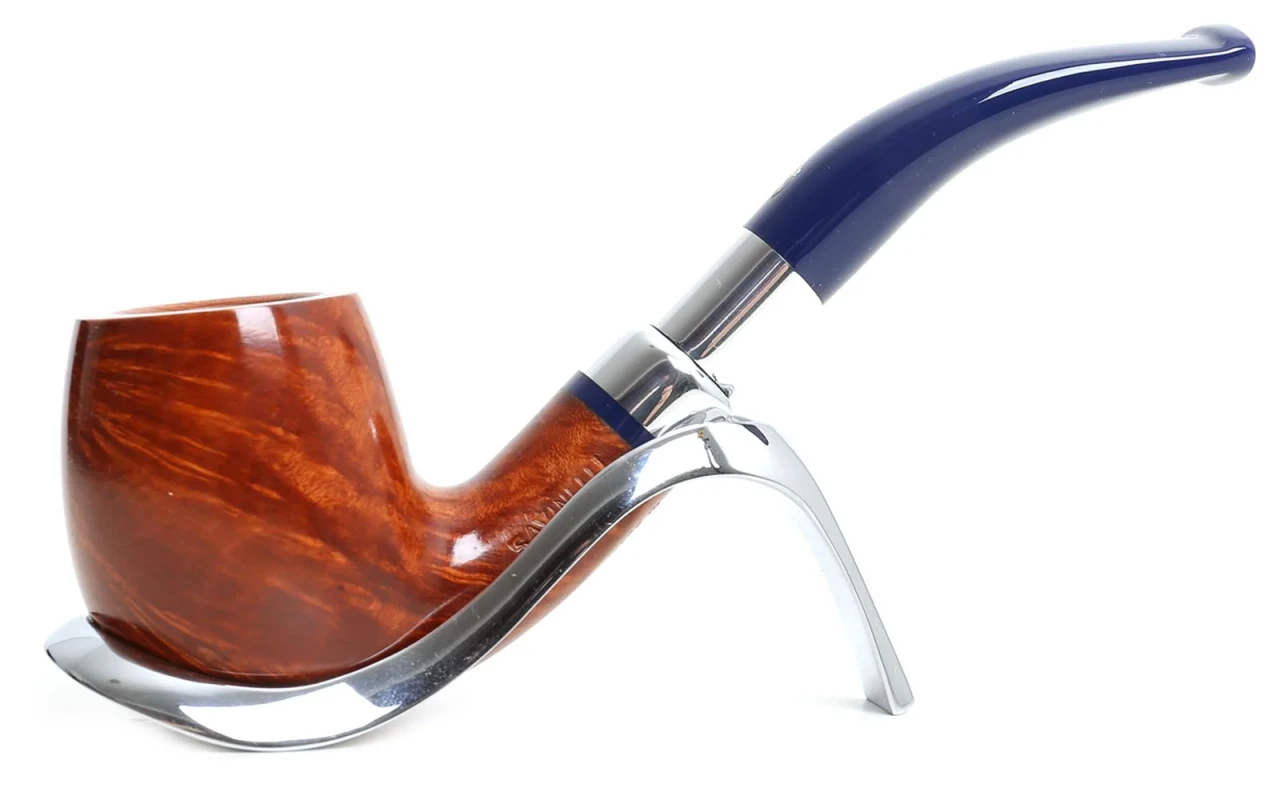
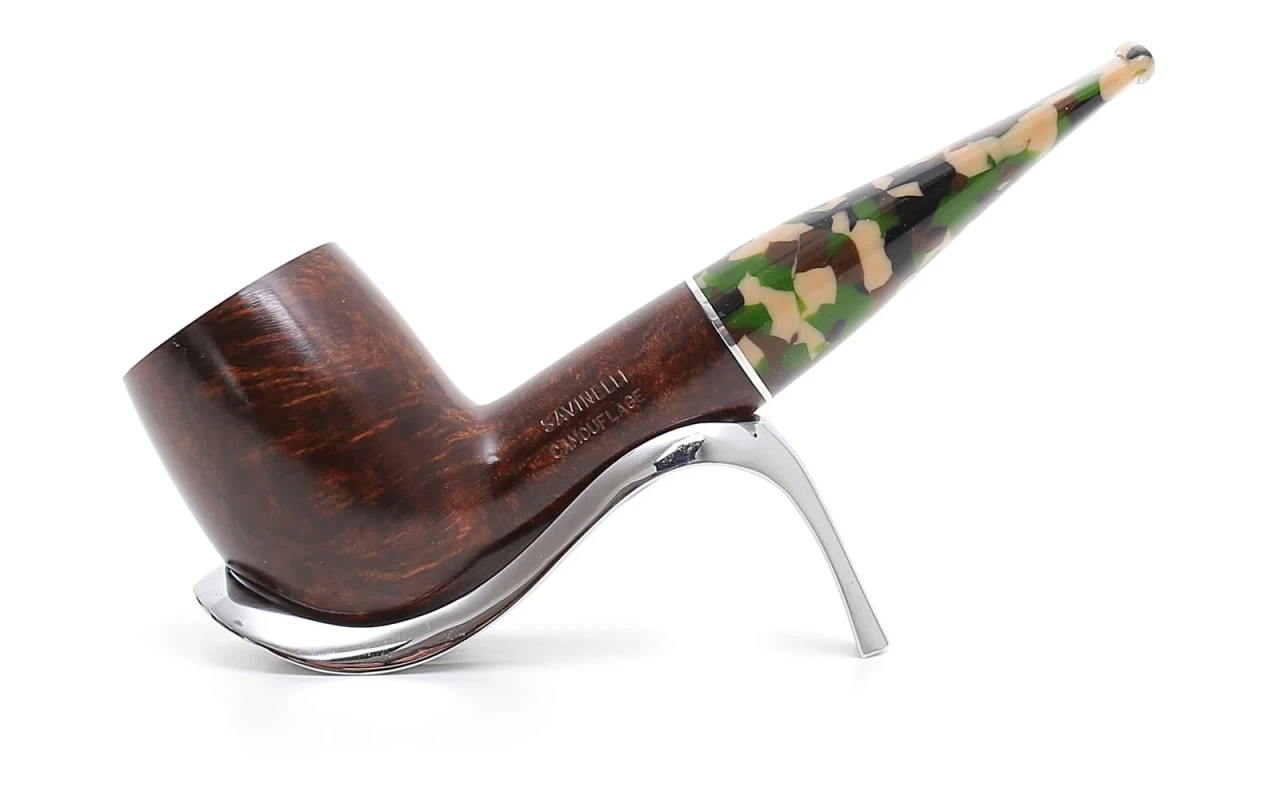
The creation of a straight pipe begins with selecting the wood, usually briar, which is shaped and drilled to form the tobacco chamber and airway. Then it is sanded and finished to achieve the clean, linear shape typical of straight pipes, before applying any protective finishes.
How is a straight pipe created? Deep dive
The making of a straight pipe starts with choosing a block of briar wood, prized for its heat resistance and aesthetic qualities. The block is roughly cut and shaped according to the desired design. A vertical drill creates the tobacco chamber and a horizontal drill forms the airway; these must be perfectly aligned to ensure good combustion and a smooth draw. After this, the pipe is carefully sanded with abrasive paper of various grits to obtain a smooth and even surface. The hallmark of a straight pipe is the straight line connecting the bowl and the stem, requiring precision craftsmanship to maintain this geometry. Finally, finishes such as natural oils or waxes are applied to protect the wood and enhance its grain, giving the pipe an elegant and lasting appearance. This artisanal process demands attention and care to produce a quality pipe capable of delivering a slow and pleasurable smoking experience.