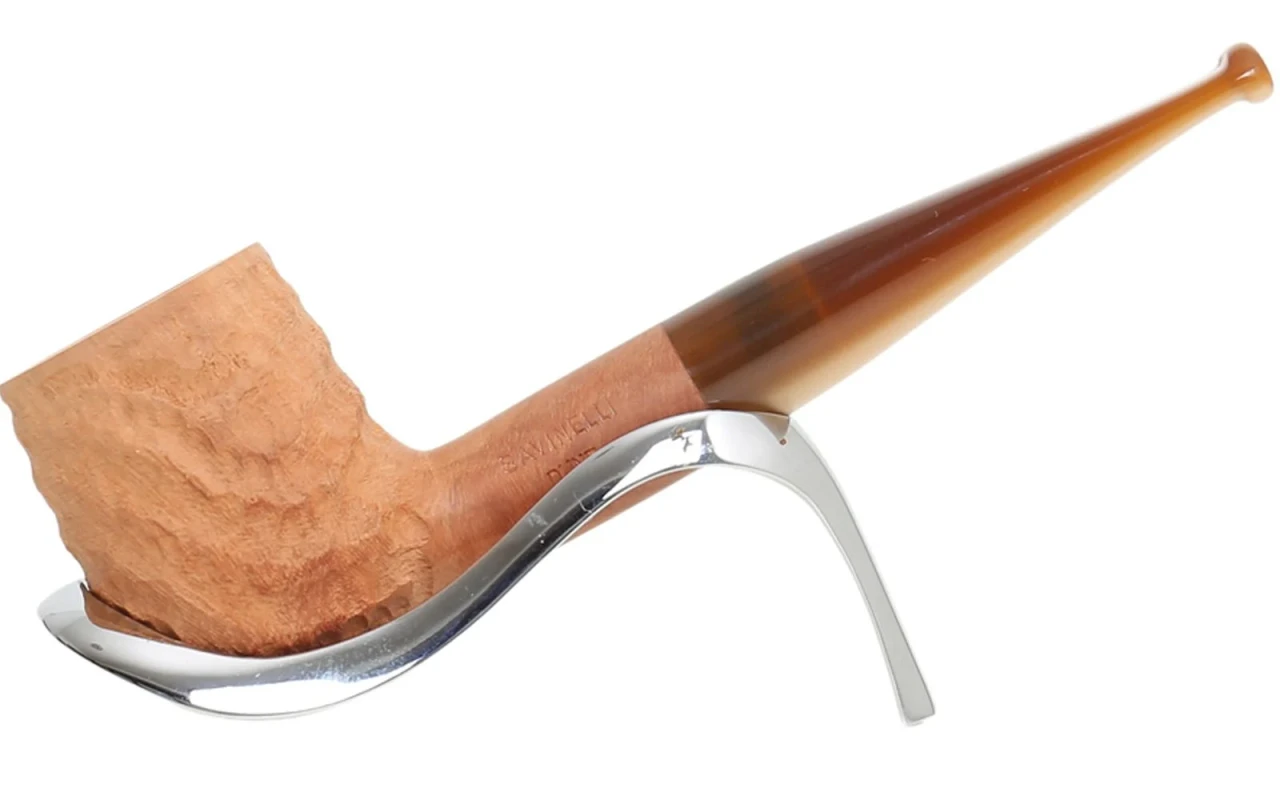
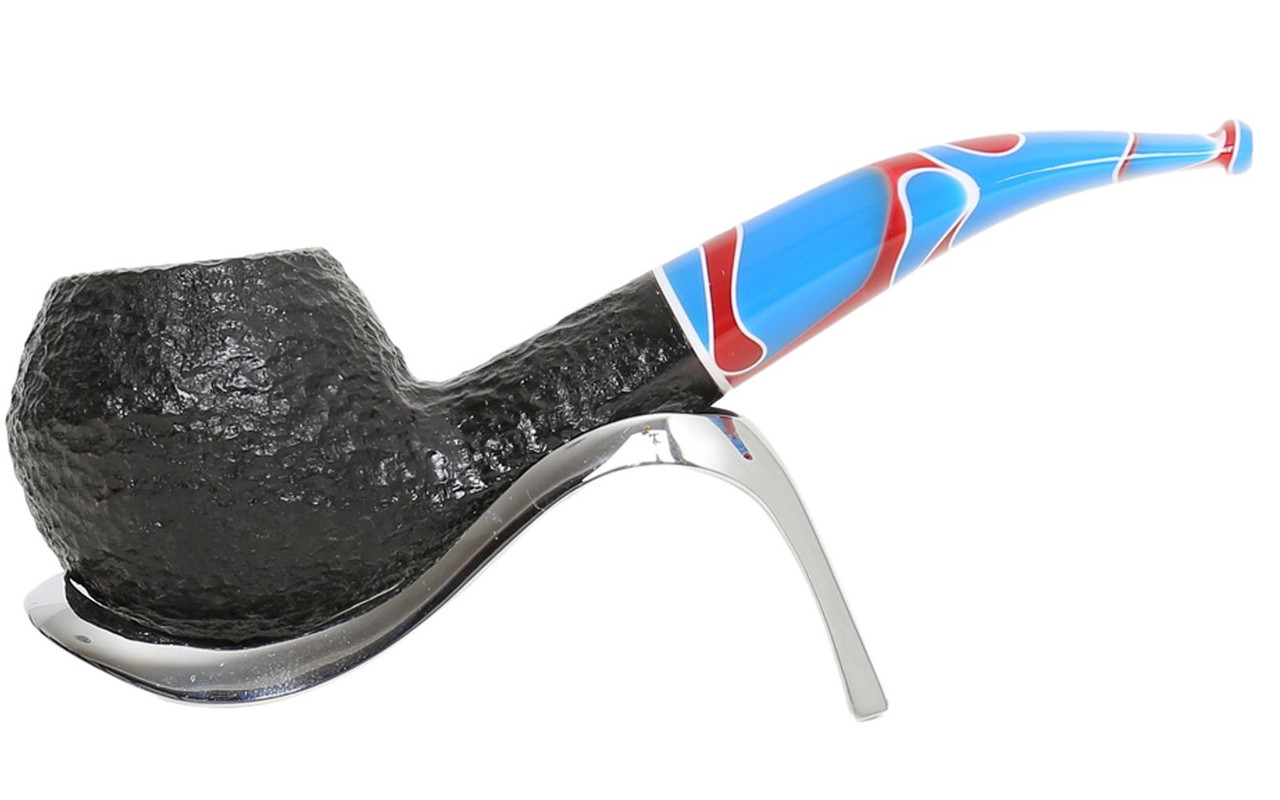
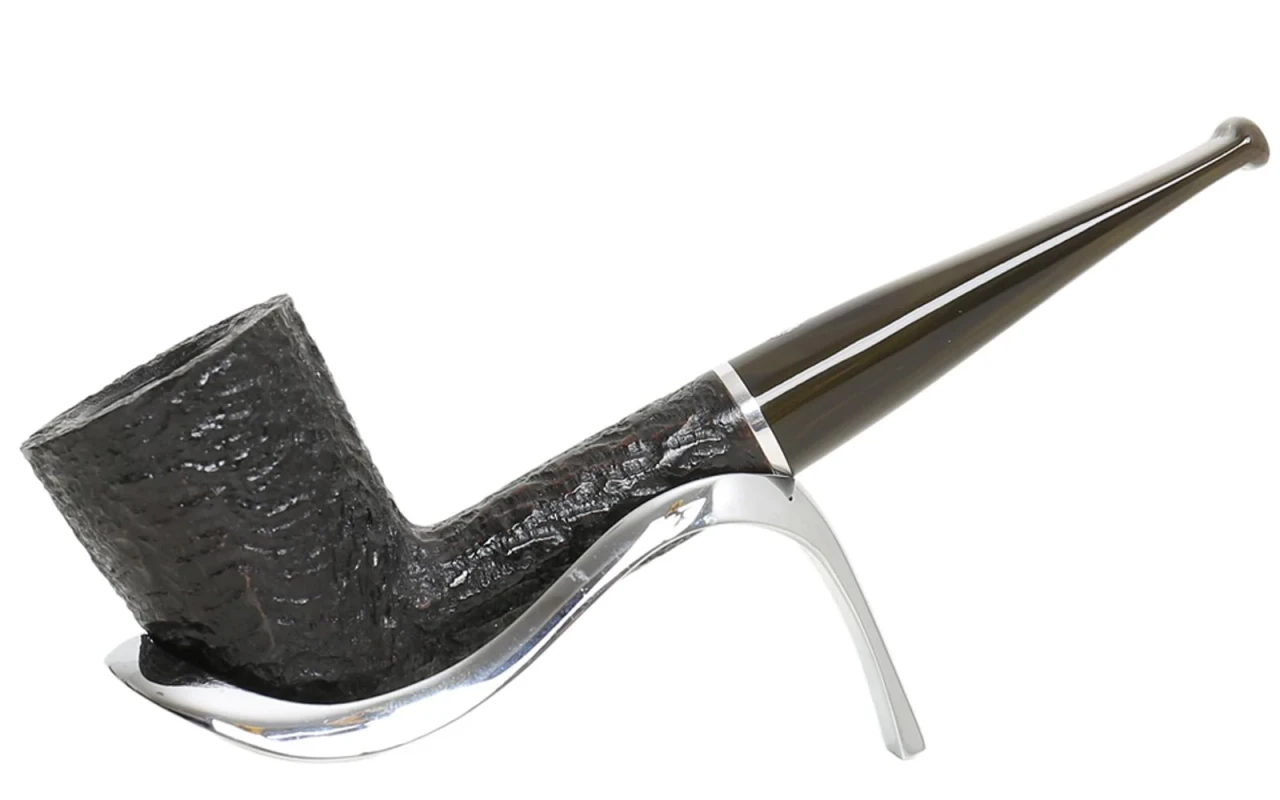
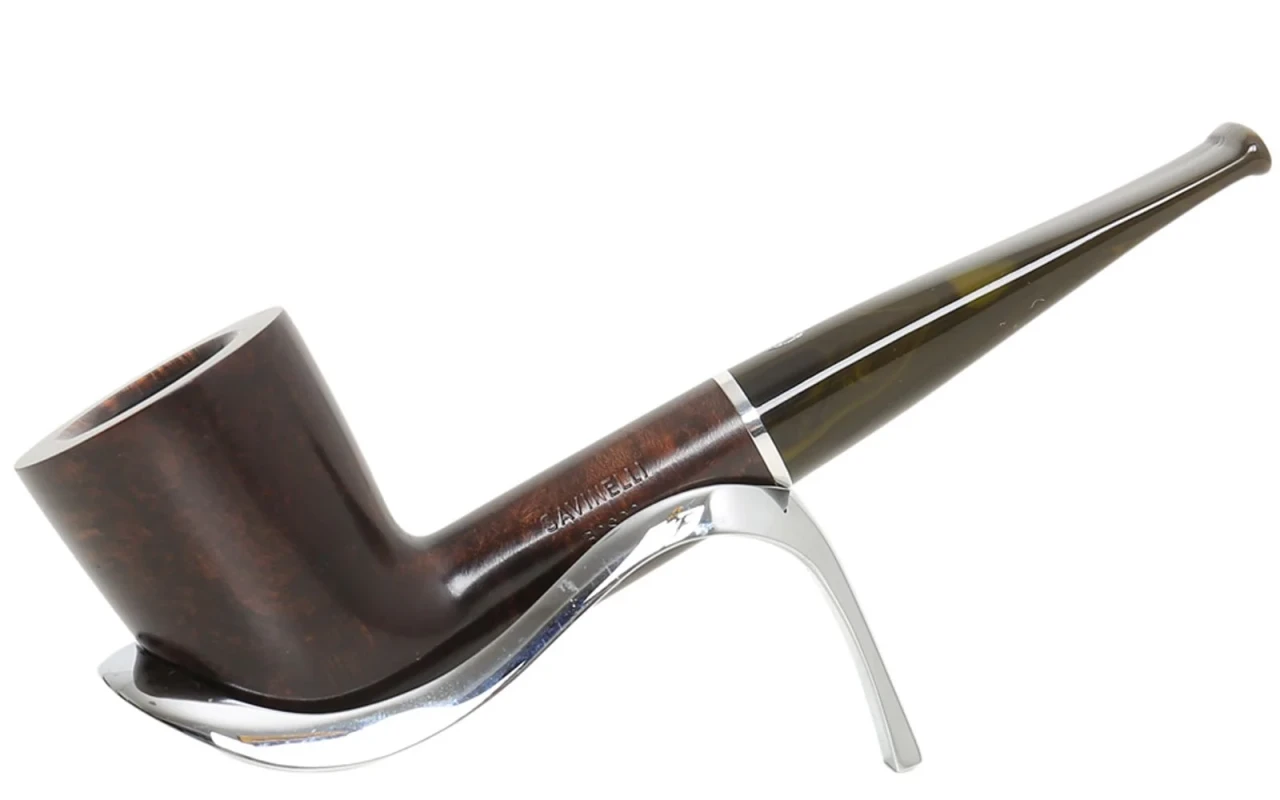
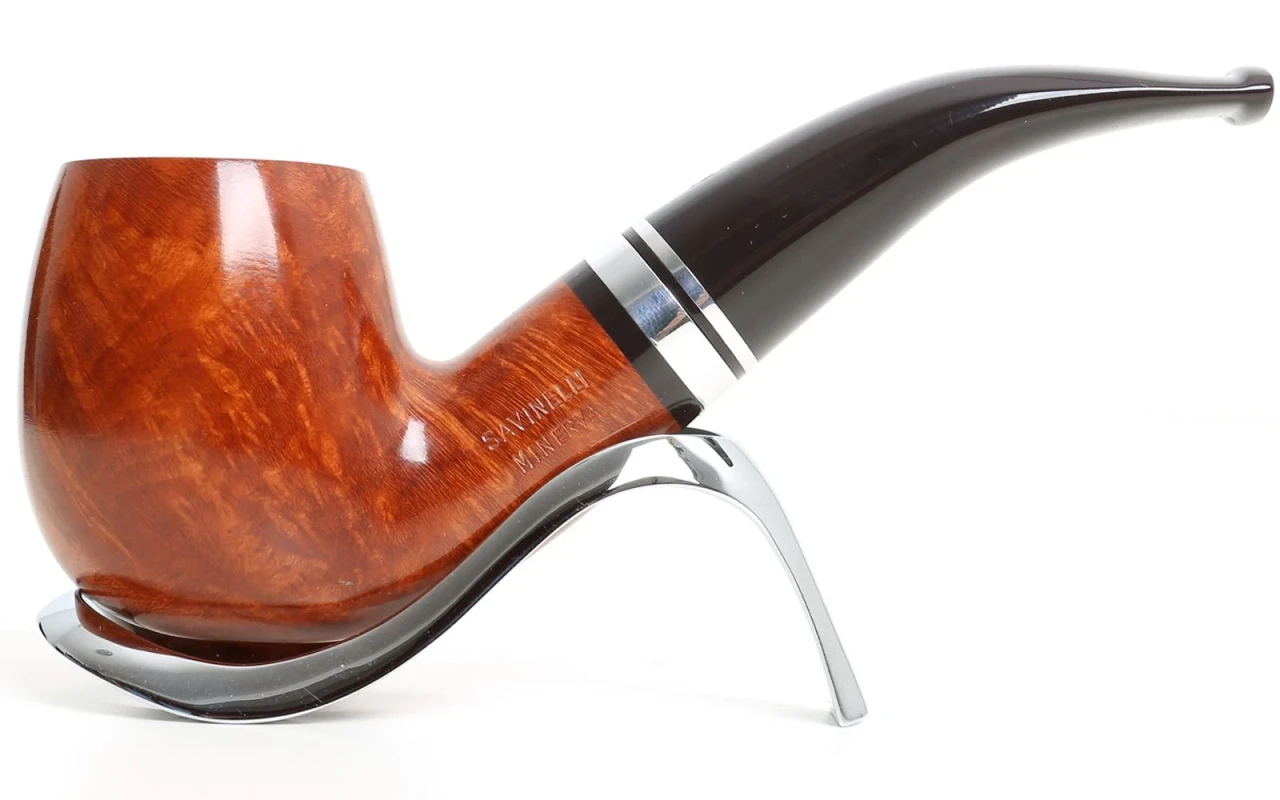
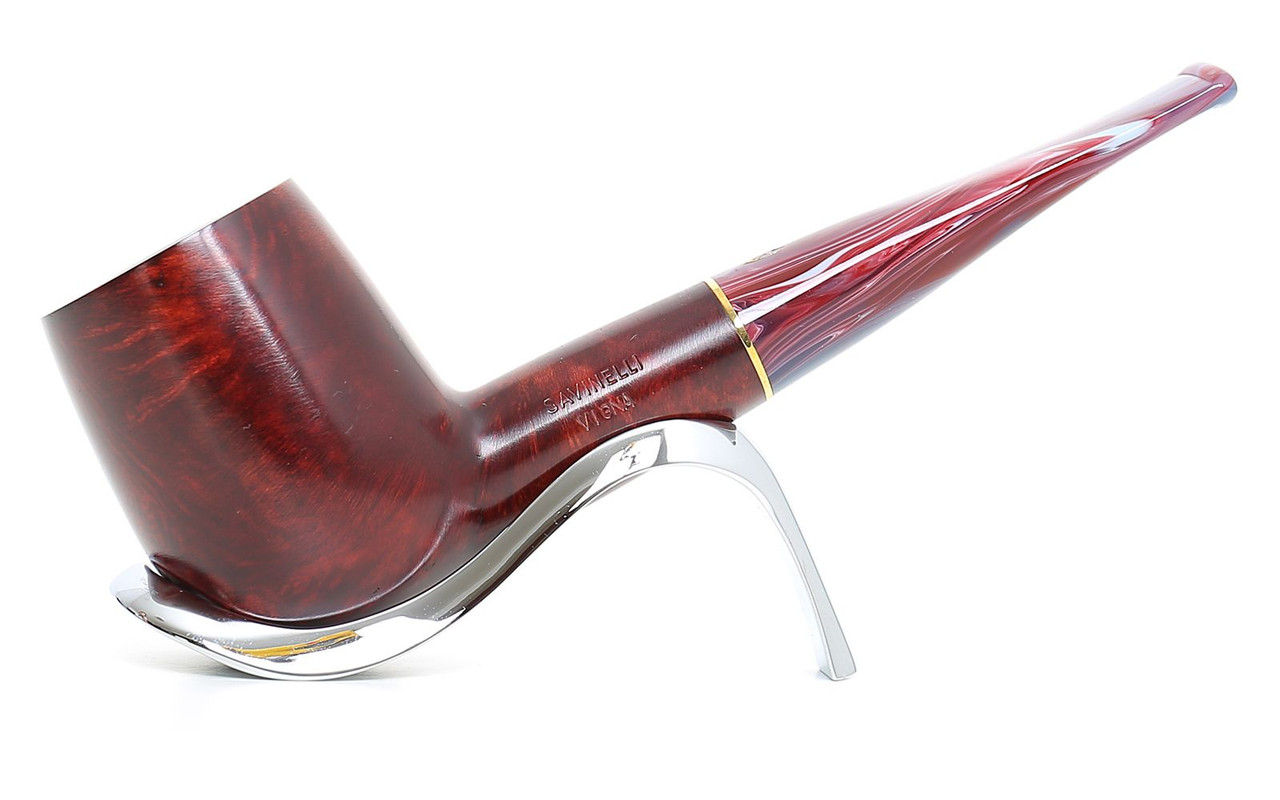
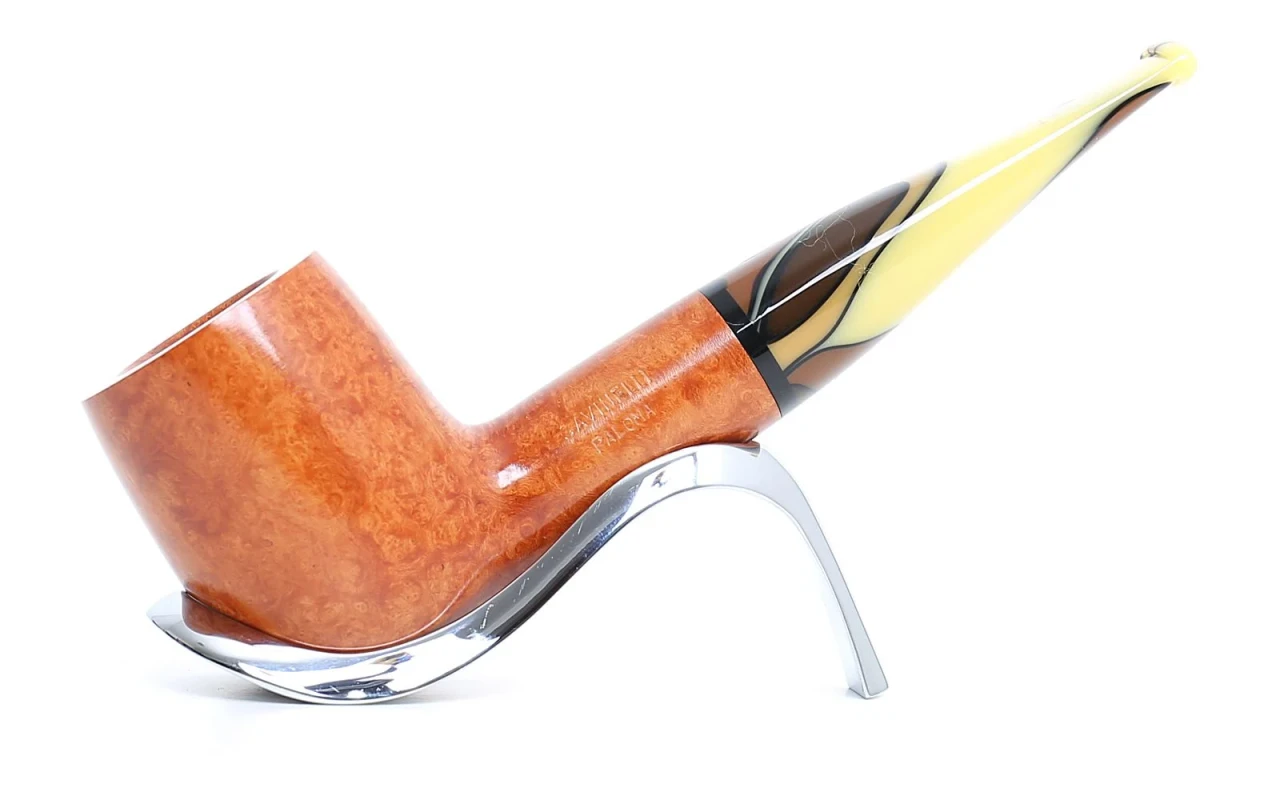
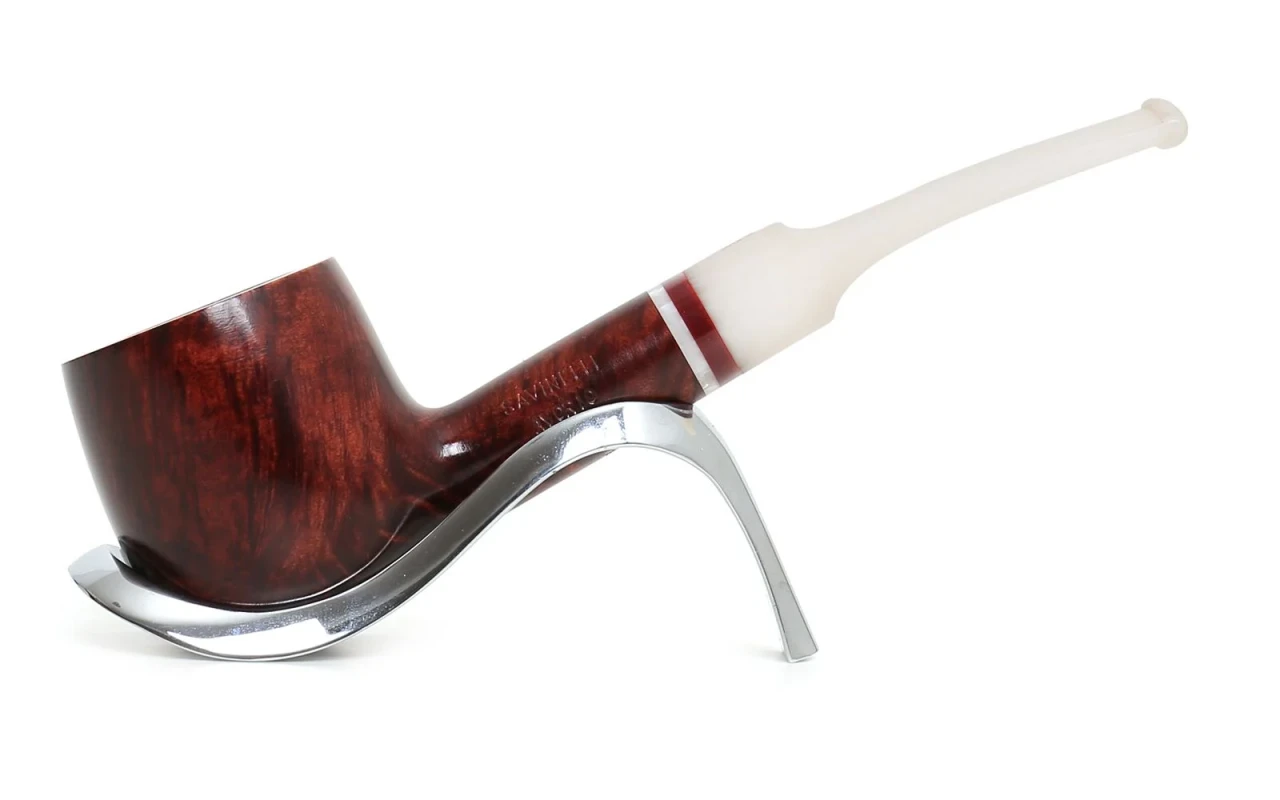
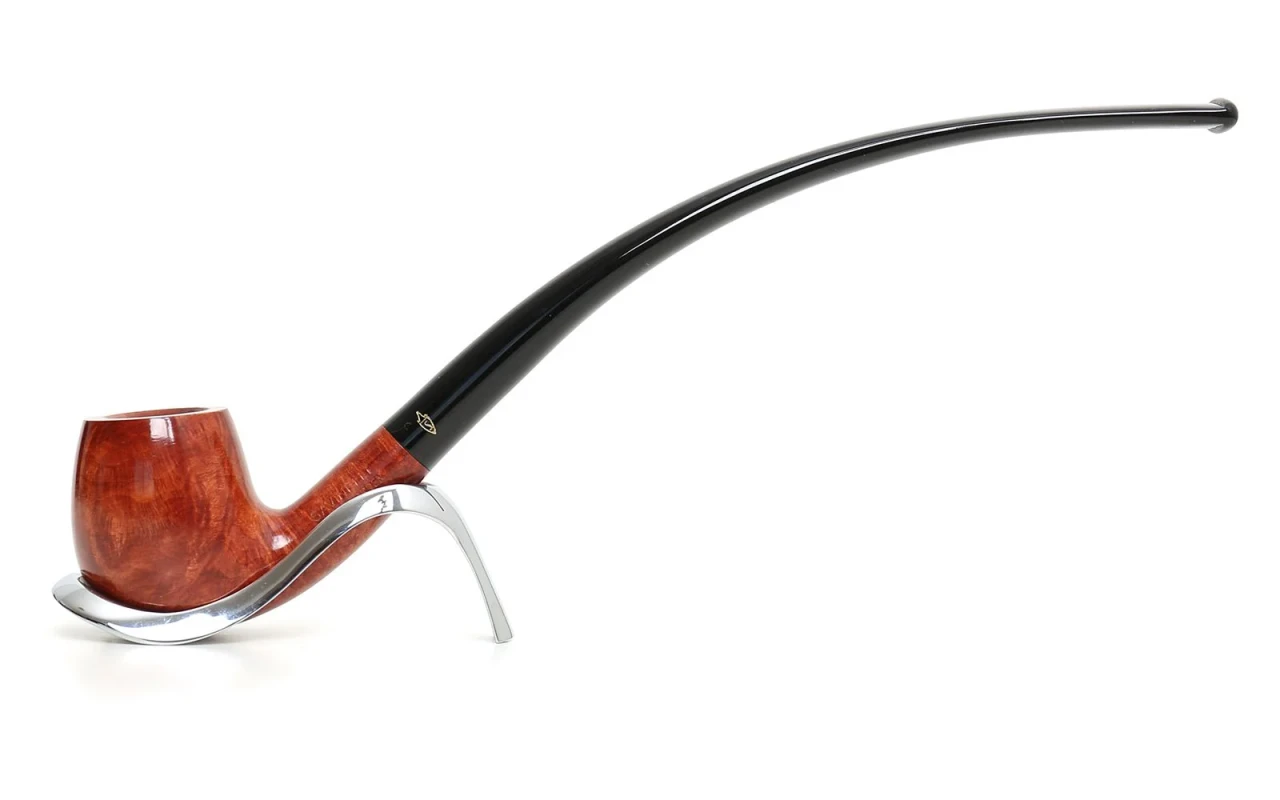
A satin finish on a pipe is achieved through fine sanding of the surface, followed by treatment with gentle abrasives that remove shine and create a matte, velvety effect. This process enhances the wood, keeping the grain visible without excessive reflections.
How is a satin finish achieved on a pipe? Deep dive
To obtain a satin finish on a pipe, the process begins with careful sanding of the surface using progressively finer grit sandpaper until a smooth but non-glossy surface is achieved. Subsequently, very delicate abrasives or specific abrasive cloths are used to eliminate any traces of gloss, creating a matte and velvety effect. This type of finish highlights the natural beauty of the wood by emphasizing the grain without strong reflections, giving the pipe an elegant and understated appearance. Achieving the satin finish requires attention and patience to avoid damaging the surface and to maintain a balance between tactile softness and visibility of the wood’s natural characteristics. It is important to avoid the use of waxes or glossy varnishes that would negate the satin effect, instead preferring oils or specific treatments that protect the wood without altering its matte texture.