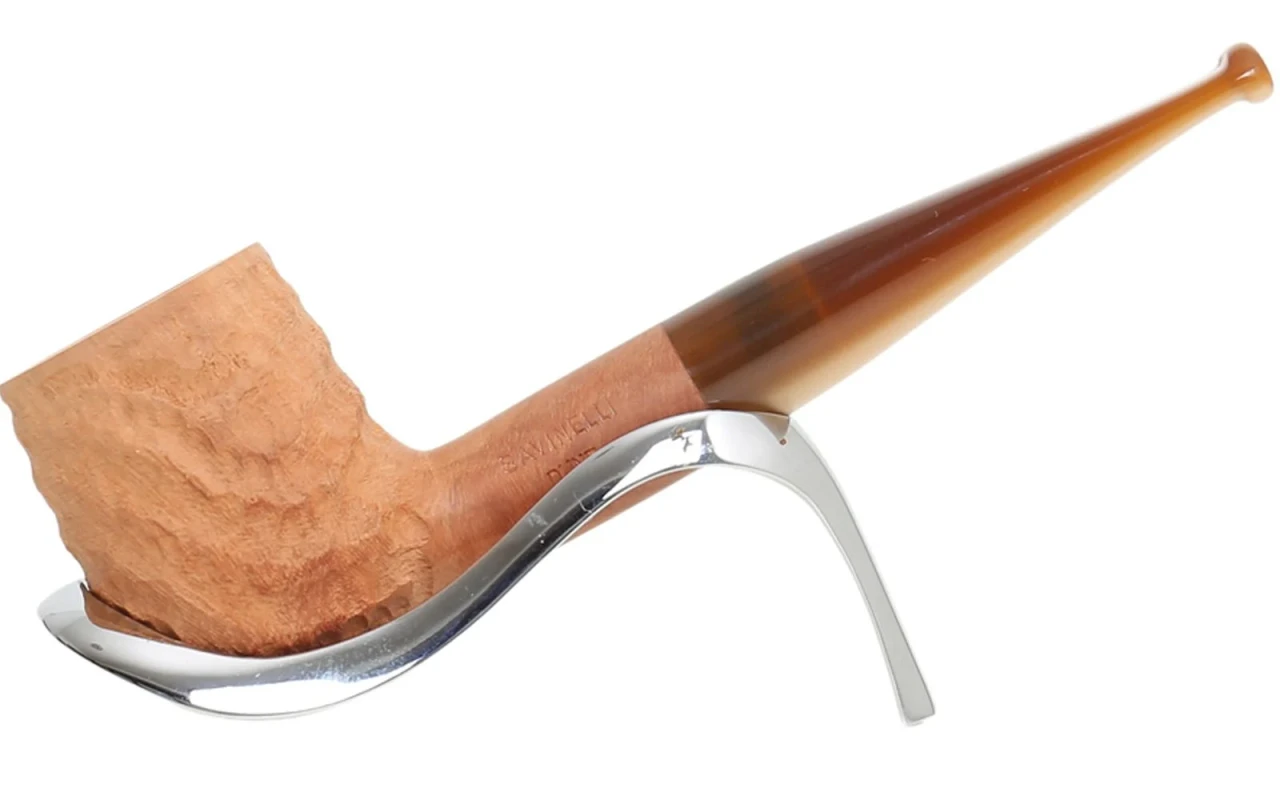
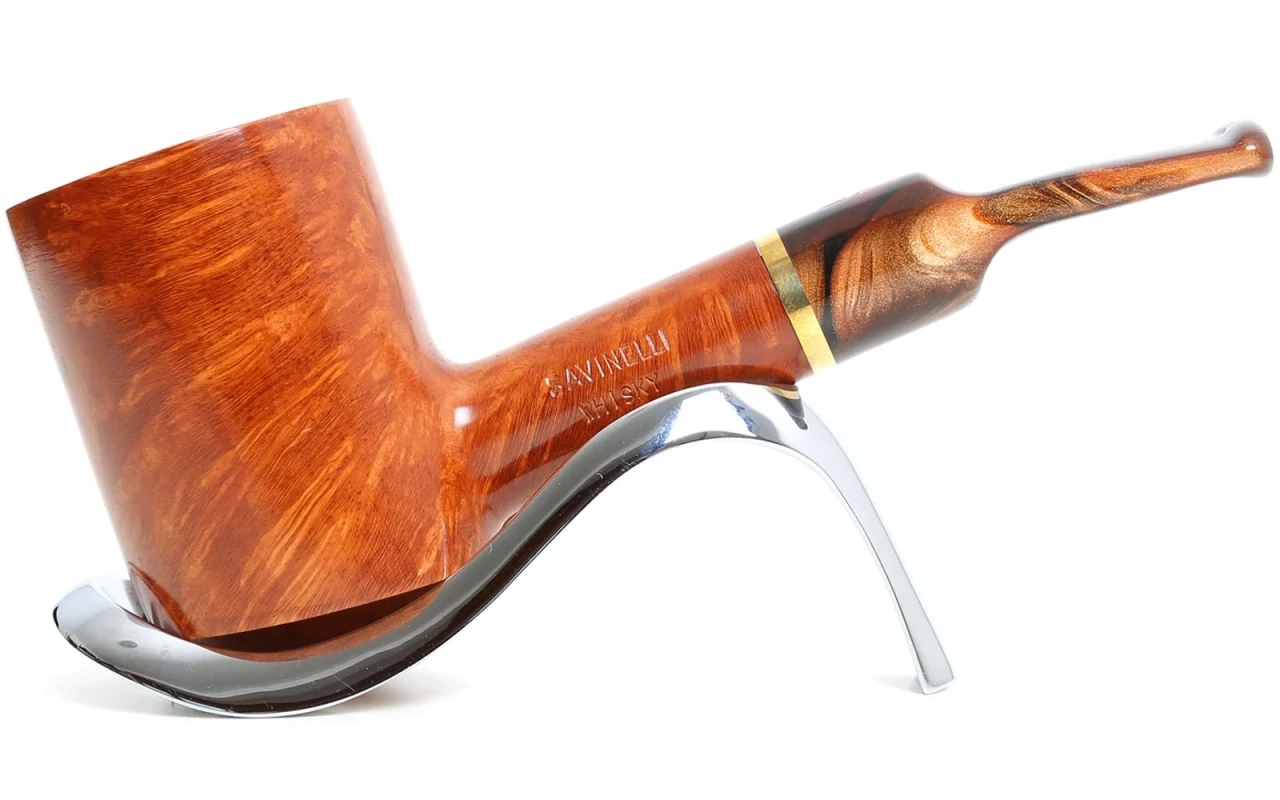
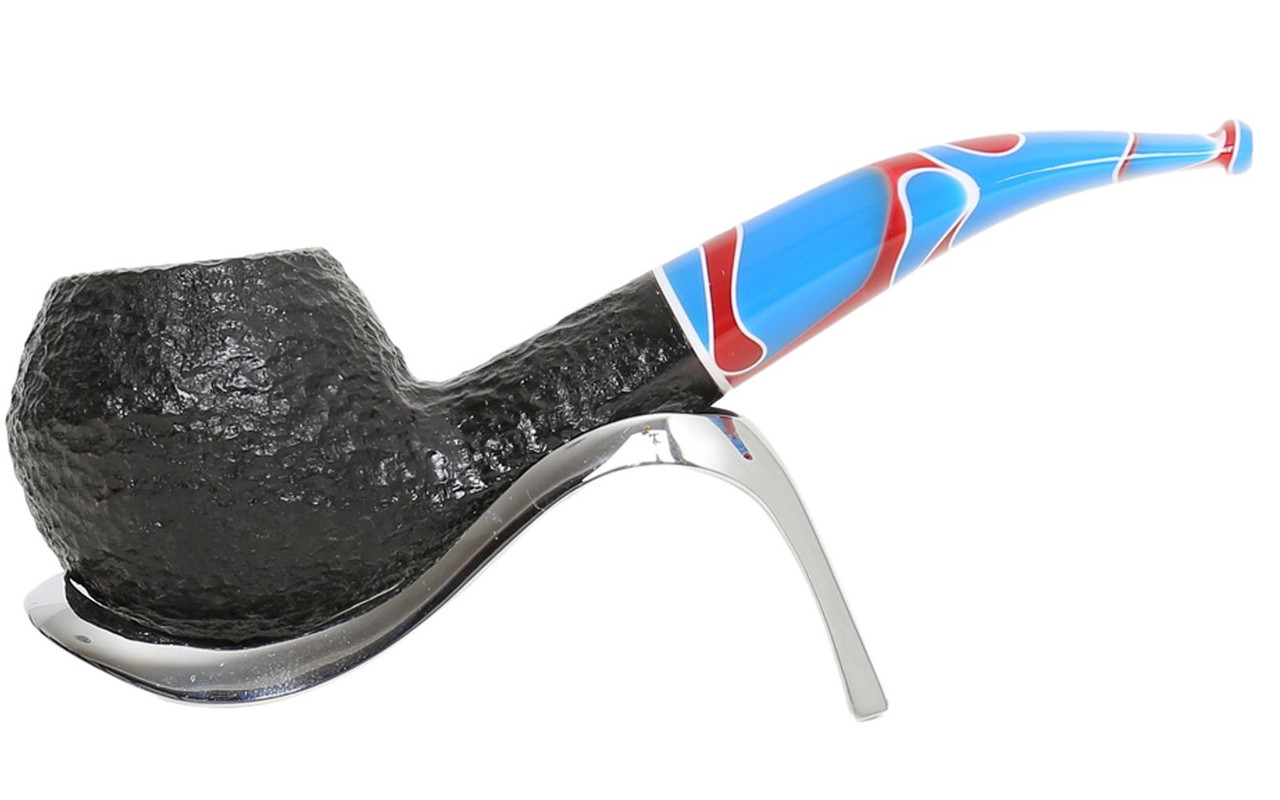
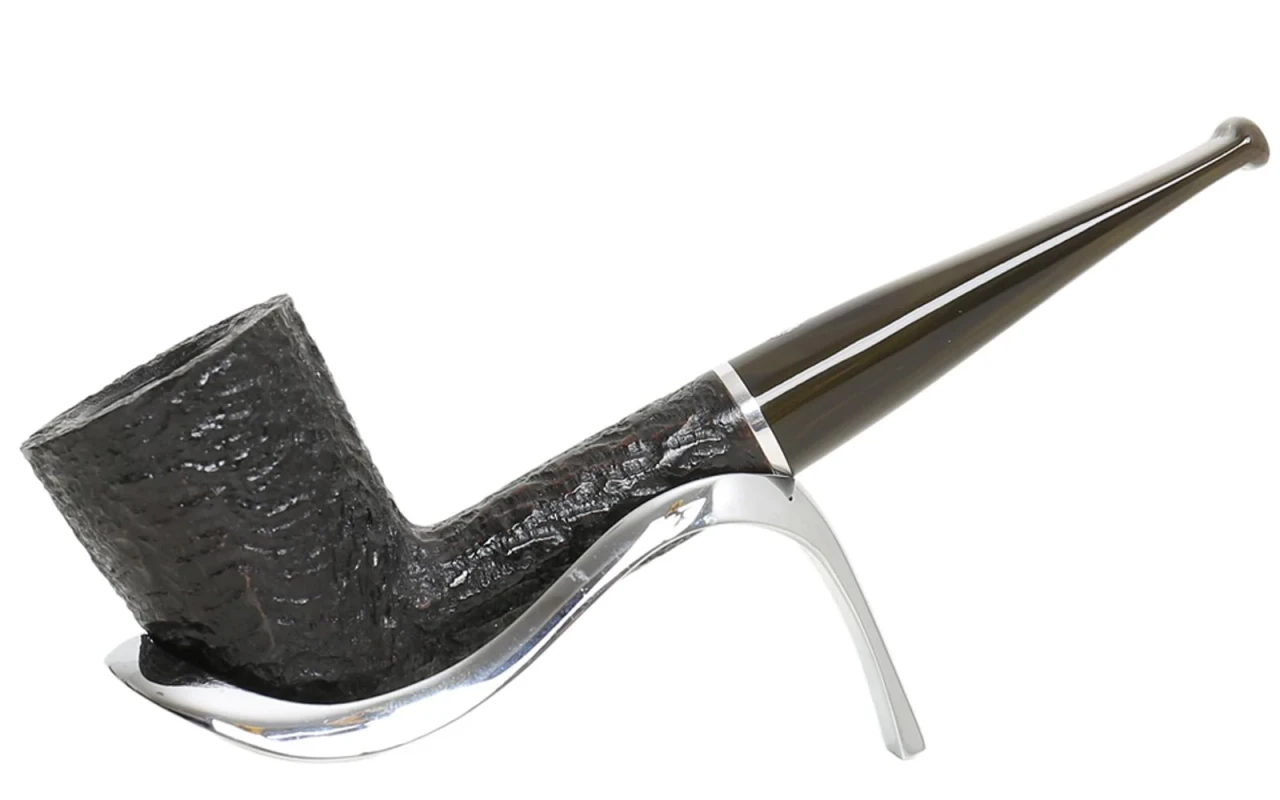
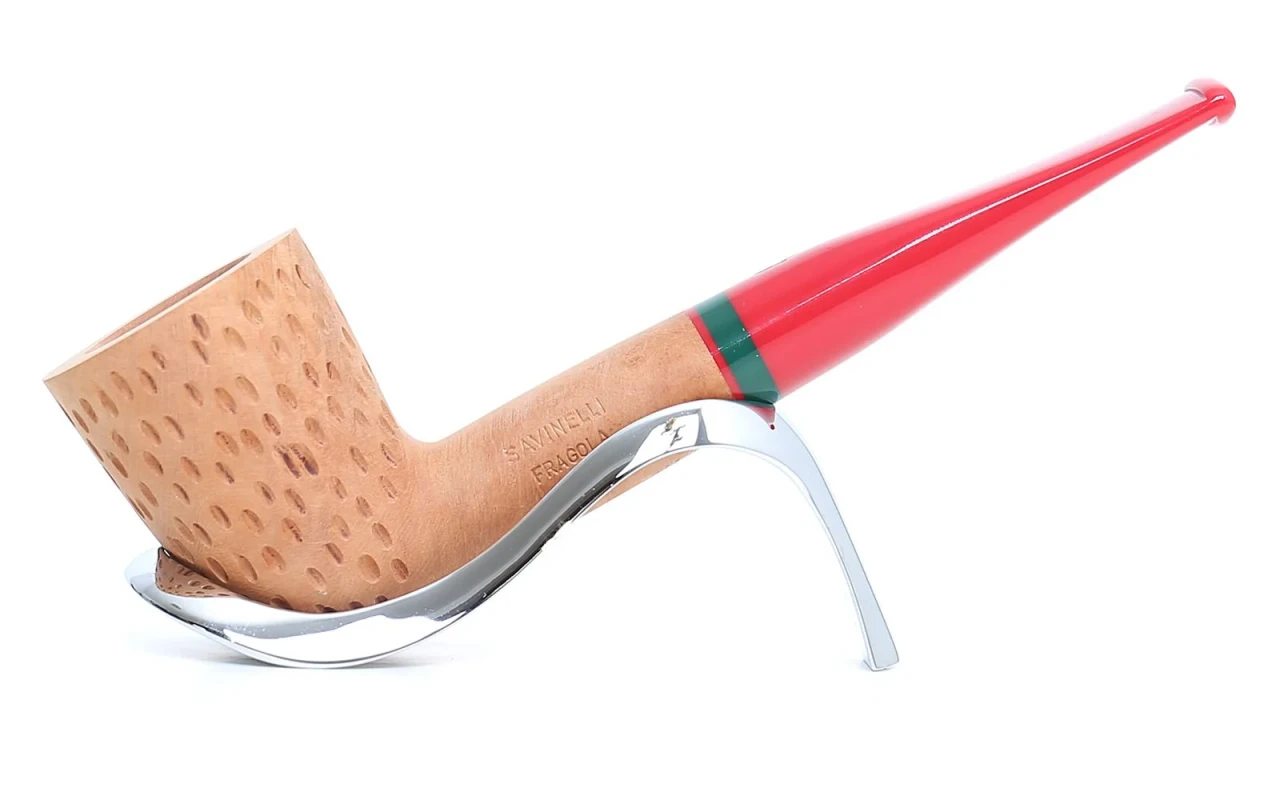
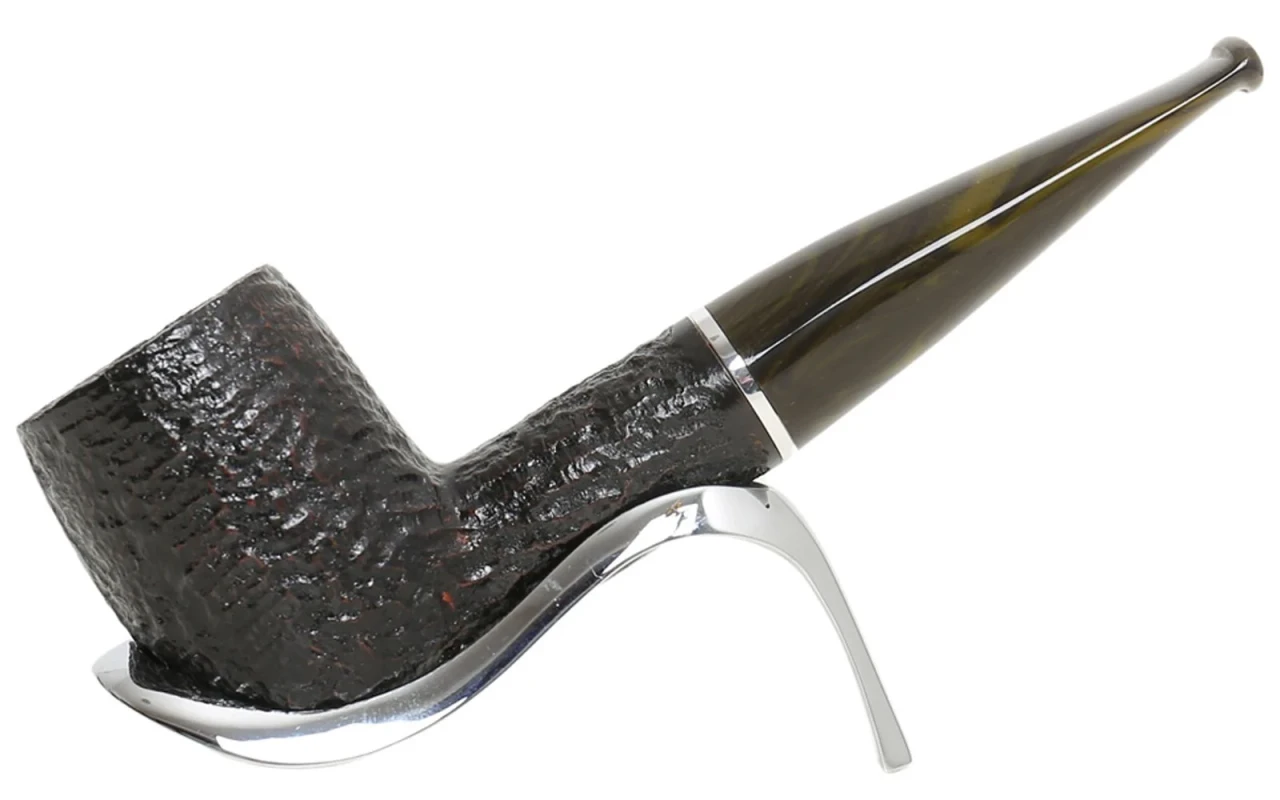
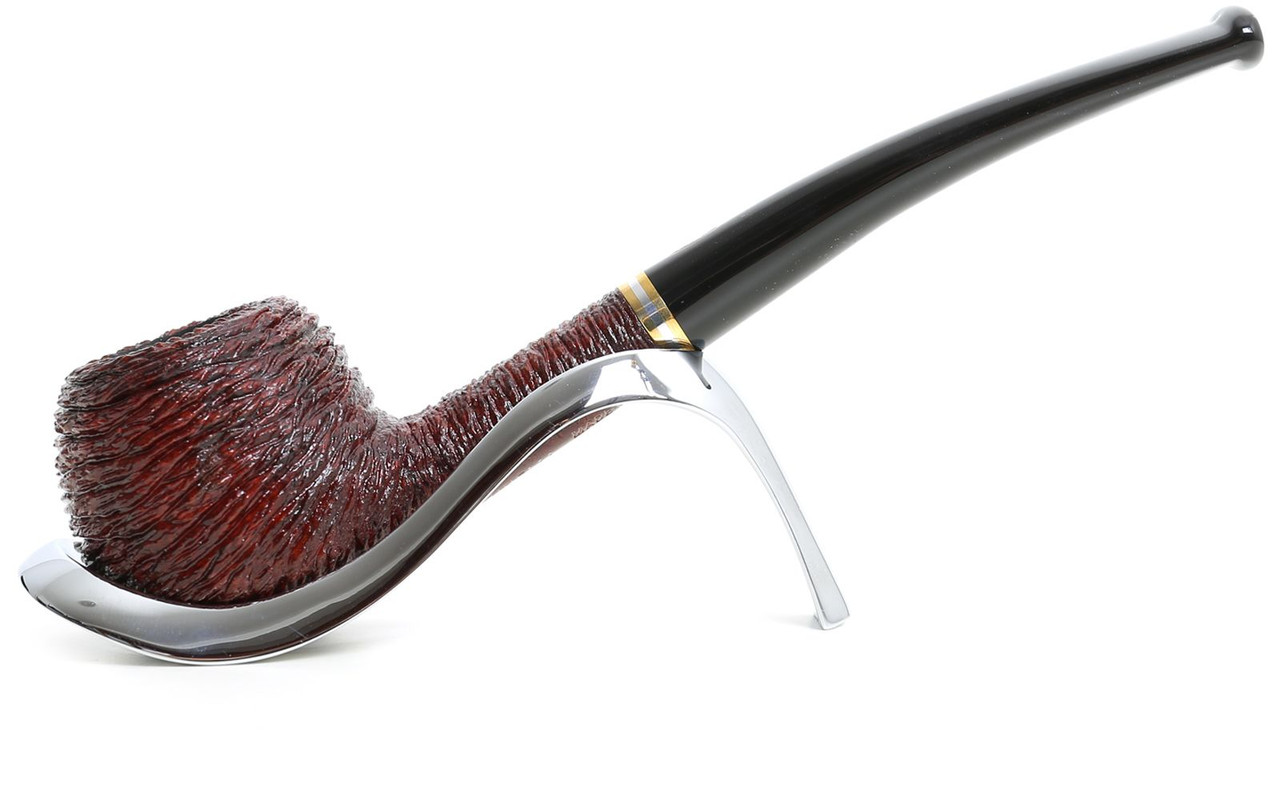
Carving a rusticated pipe involves using quality wood such as briar and specialized tools to shape the desired form. Starting from a raw block, main lines are defined, followed by manual work to achieve the rusticated texture, and finally sanding and finishing to enhance the natural beauty of the wood.
How is a rusticated pipe carved? Deep dive
The carving of a rusticated pipe begins with selecting a premium wood block, typically briar, known for its heat resistance and aesthetic appeal. The process starts by defining the overall shape, which can be traditional or custom, using tools such as saws, files, and chisels. The hallmark of a rusticated pipe is its irregular, natural surface, achieved by leaving parts of the wood raw or working it with techniques that emphasize its grain. After shaping, meticulous sanding is performed—careful not to over-smooth—to preserve the rustic appearance. Finally, protective finishes such as natural oils or waxes are applied to enhance the wood’s color and grain while preserving it over time. This process demands patience, precision, and thorough knowledge of the material’s characteristics to create a functional pipe with authentic charm.