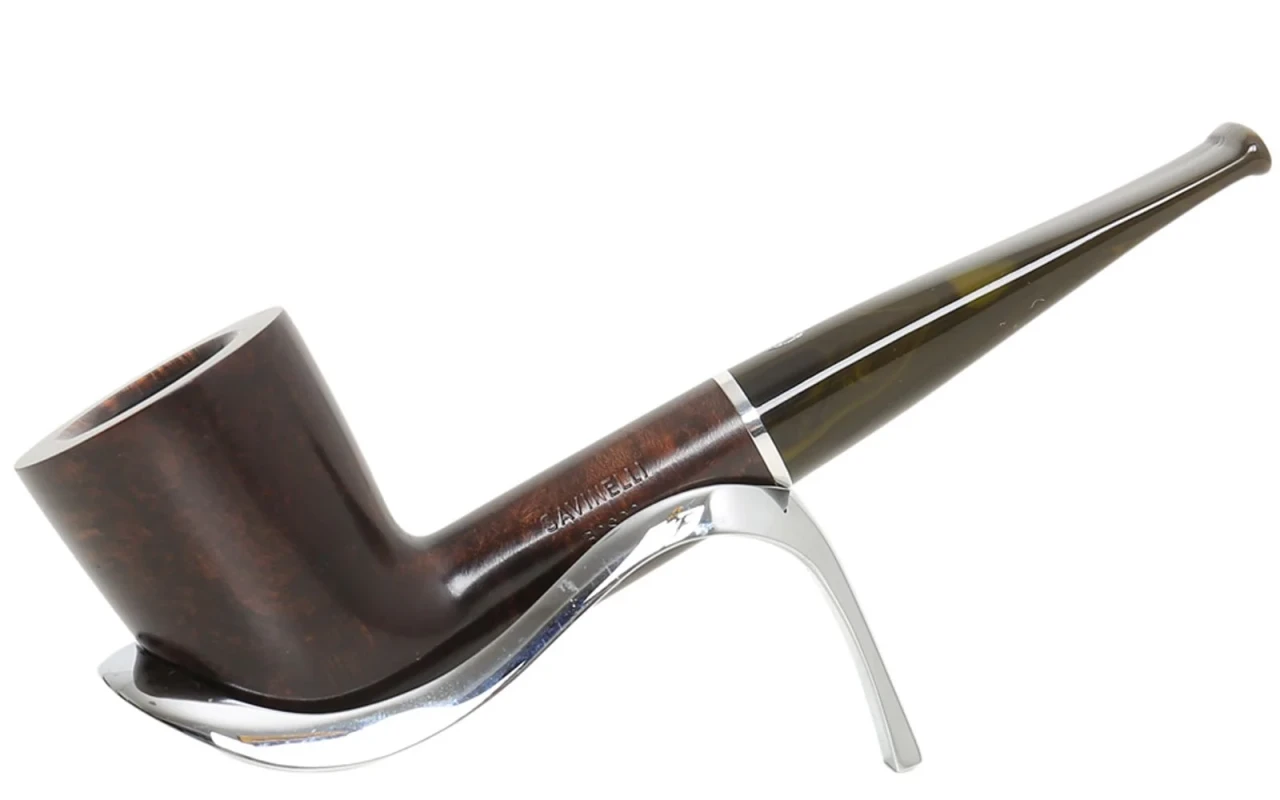
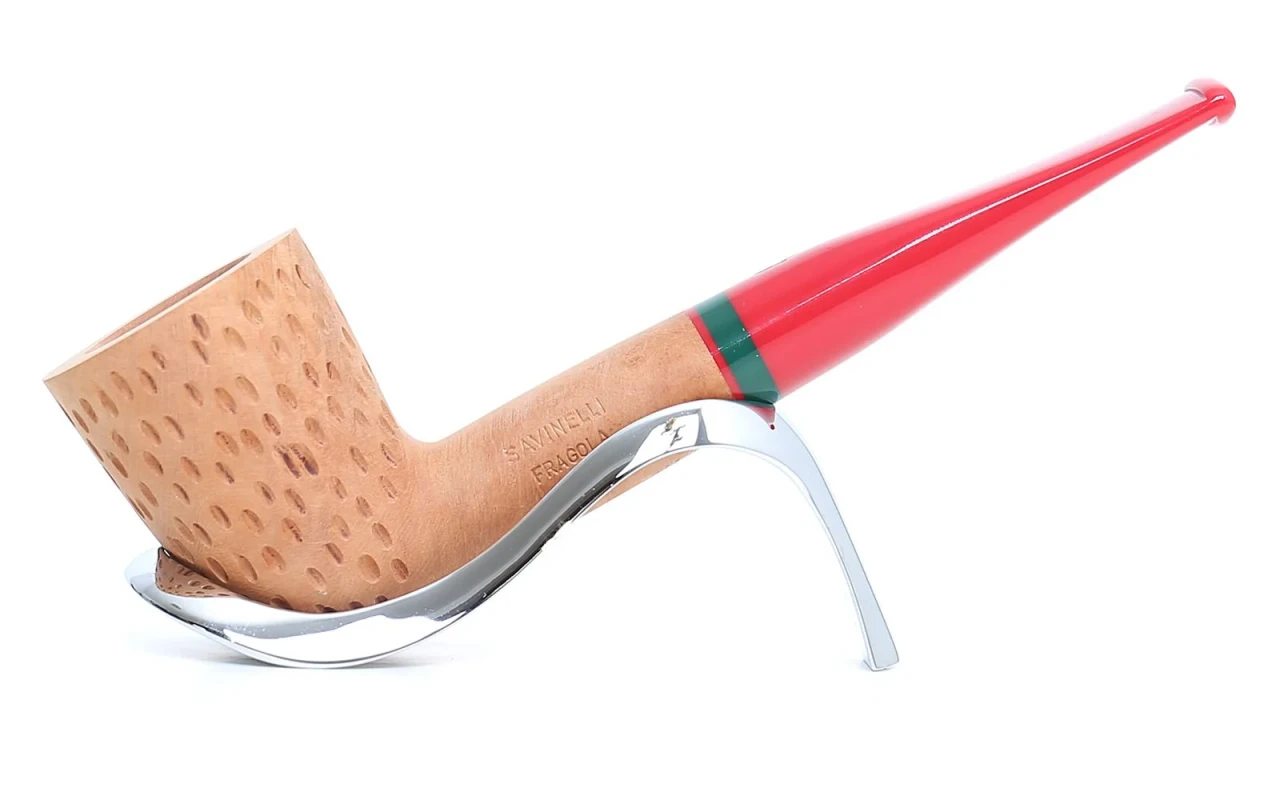
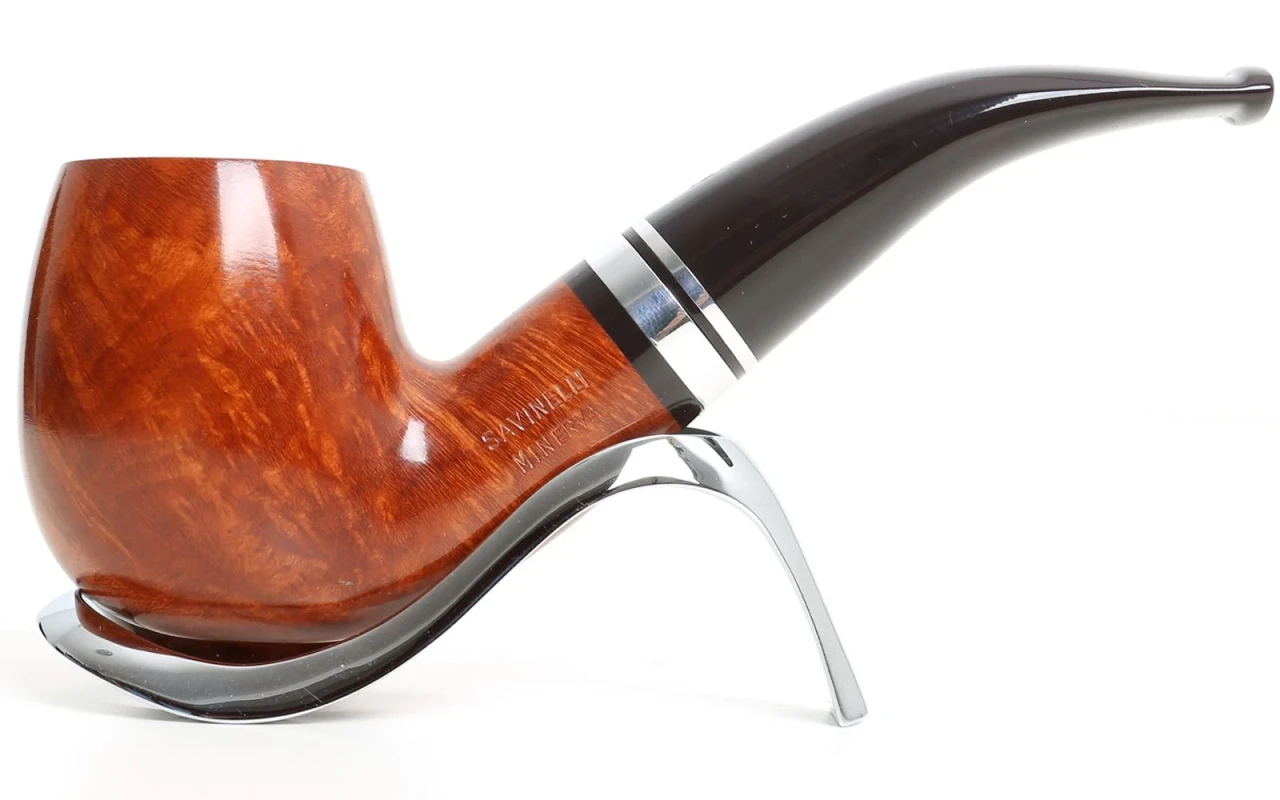
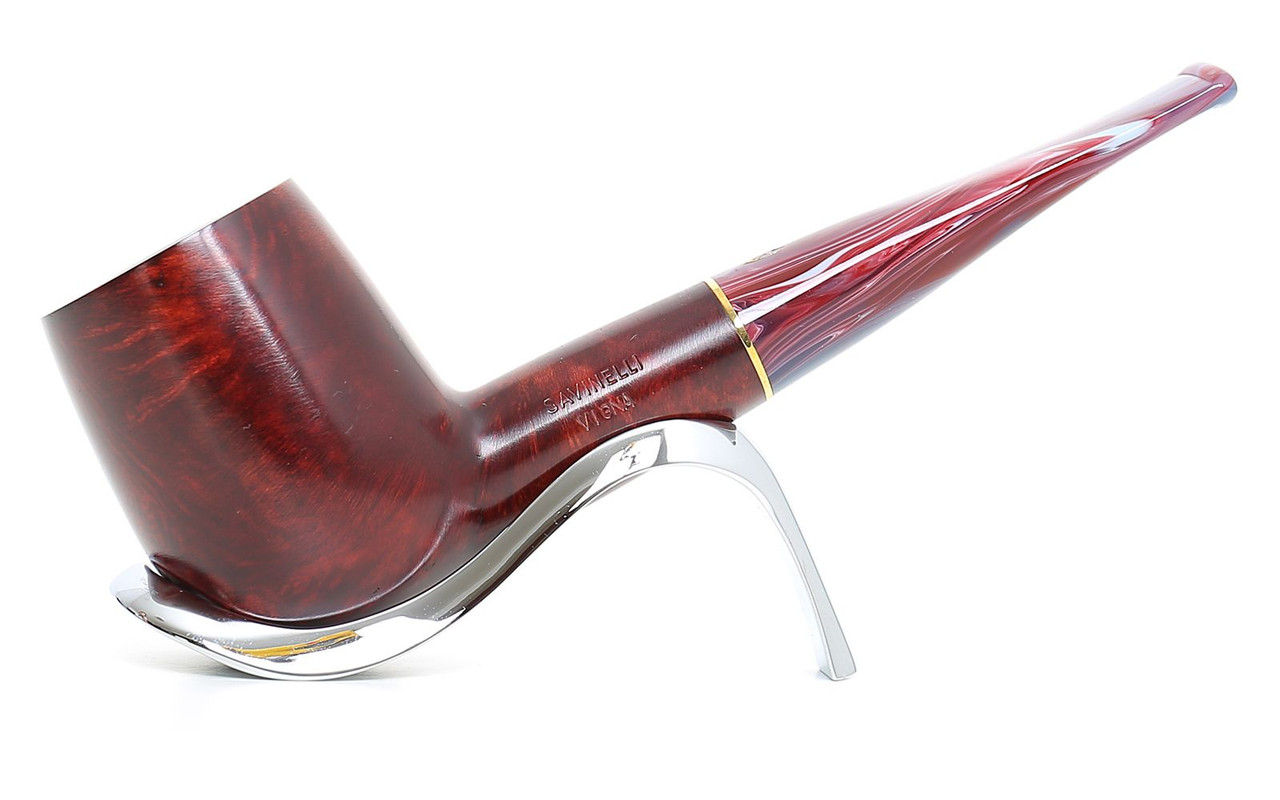
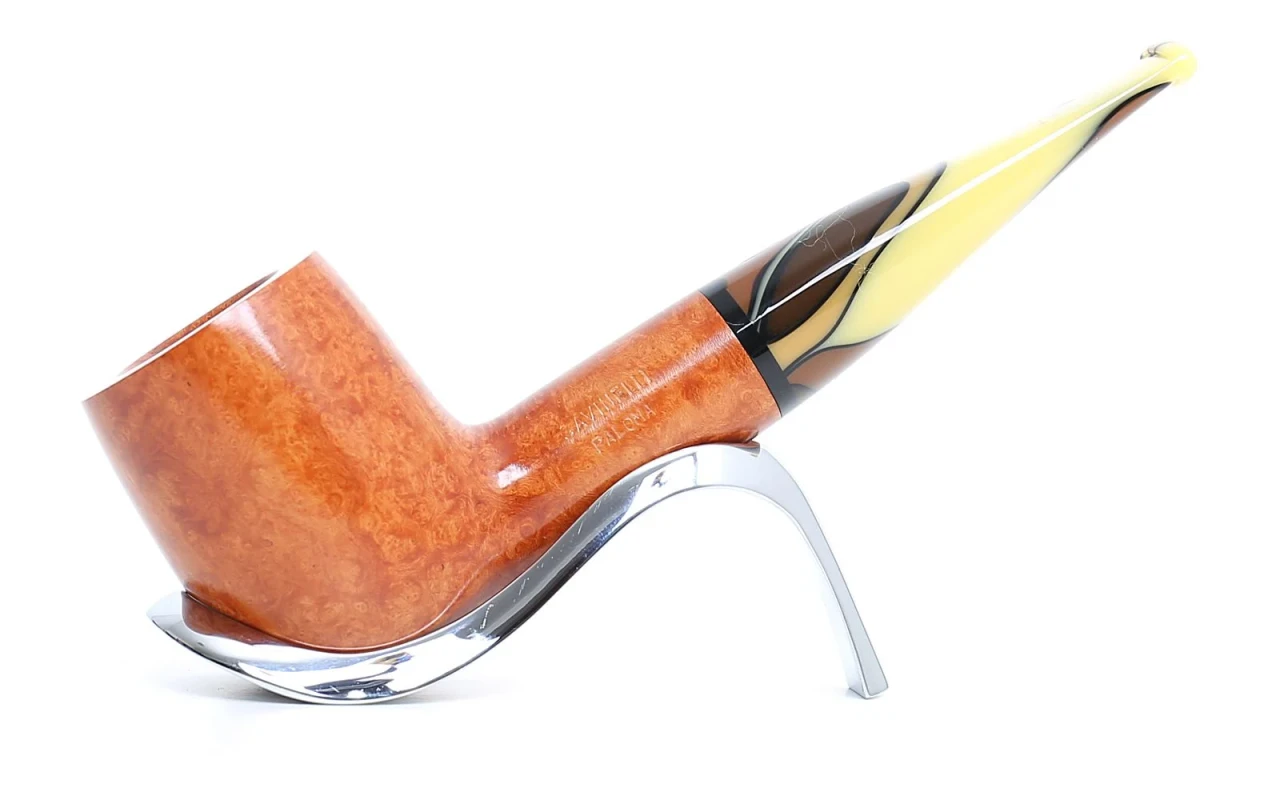
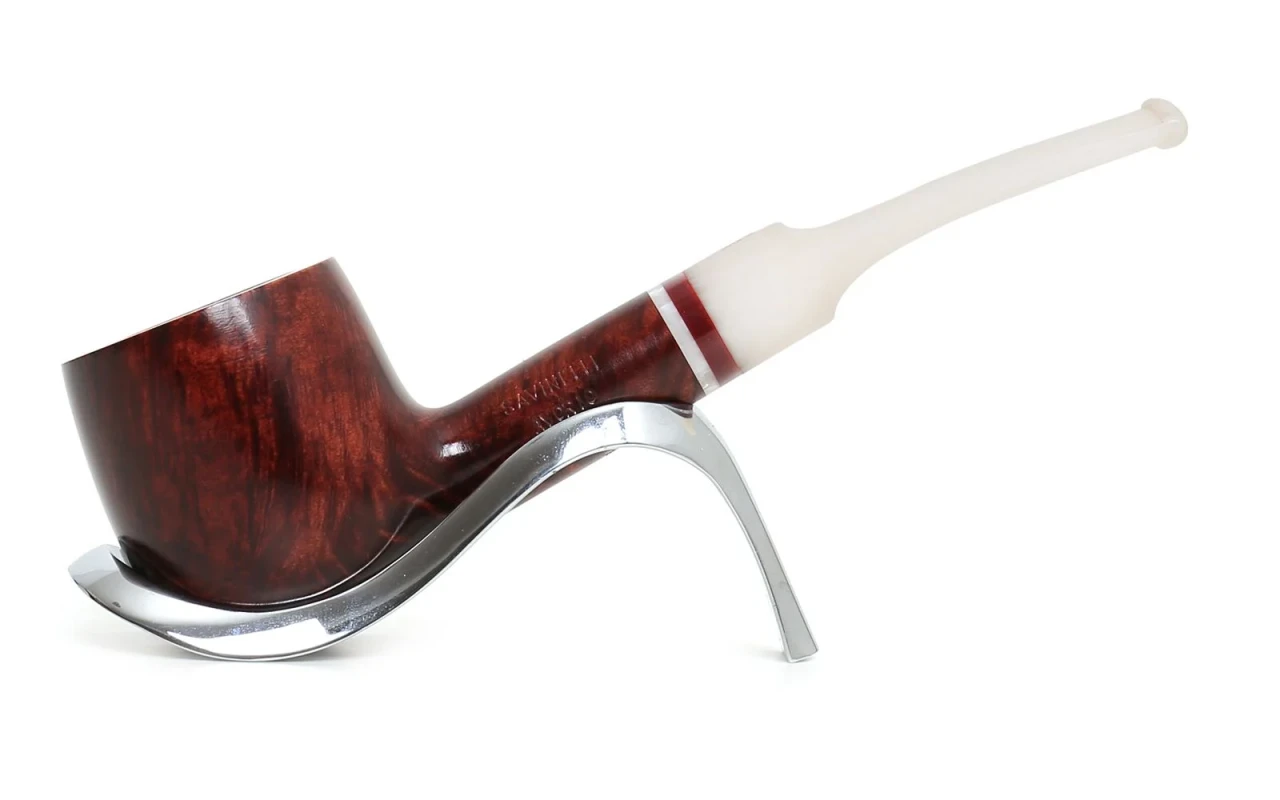
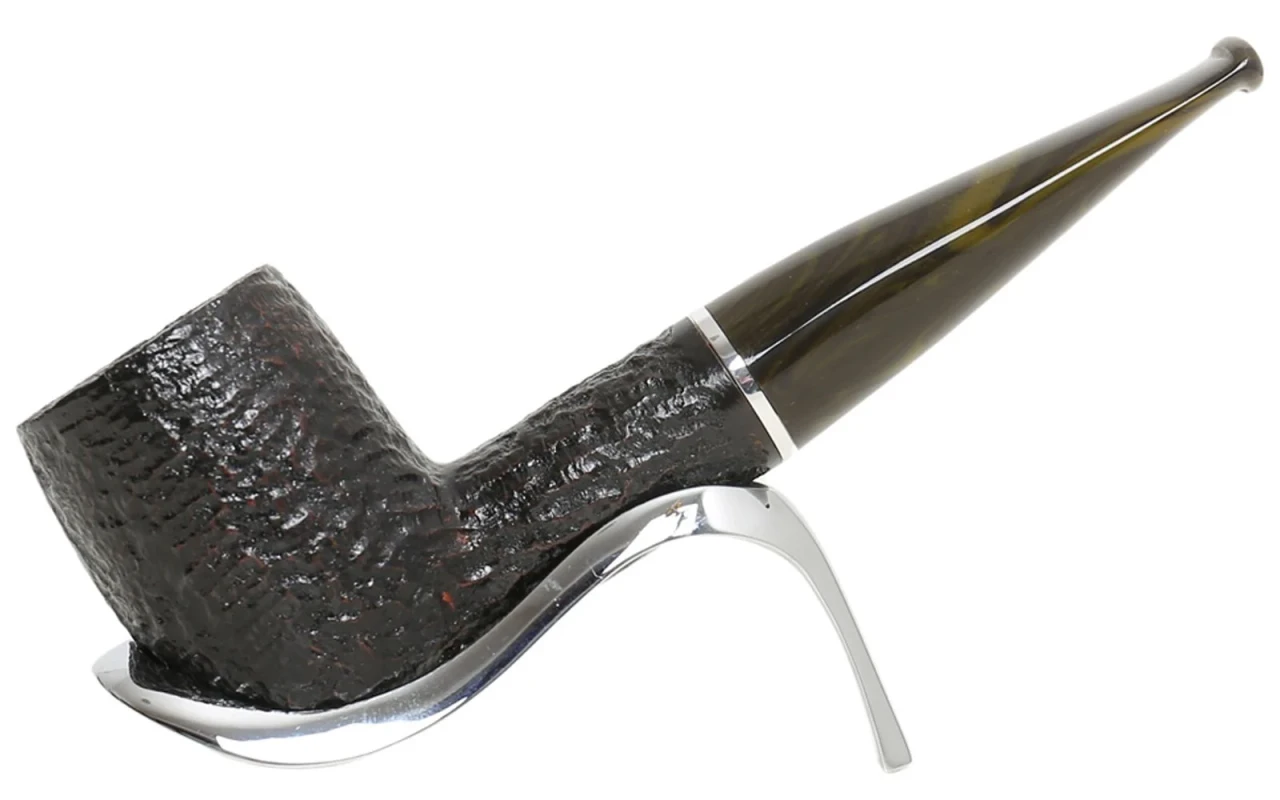
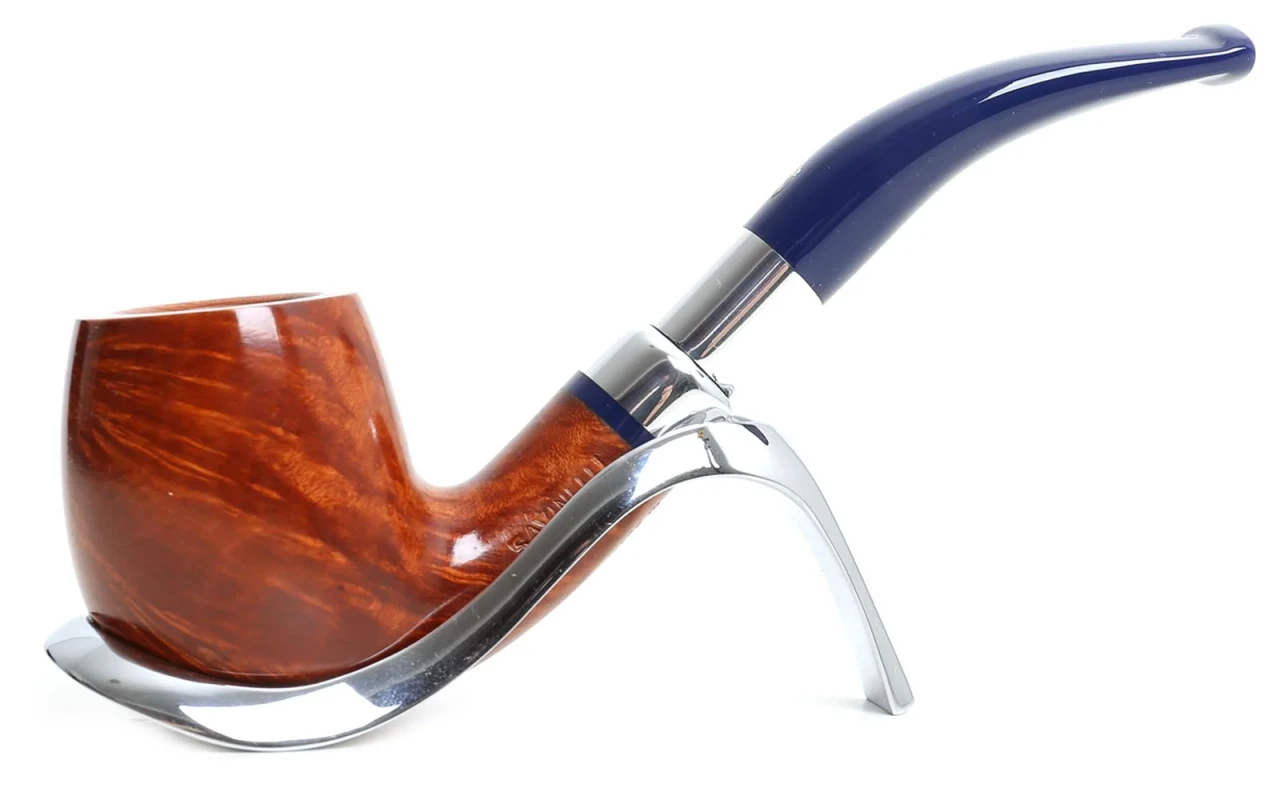
A pipe without a filter is made by selecting a mouthpiece and combustion chamber without any filtering inserts. The process involves drilling directly through the bowl and mouthpiece, keeping an unobstructed airflow to ensure smooth smoke draw. Material choice and careful finishing are essential for a quality result.
How is a pipe without a filter made? Deep dive
Making a pipe without a filter involves constructing a device where the smoke passes directly from the combustion chamber to the mouthpiece without any filtering elements in between. The process begins by selecting a high-quality block of briar, which is shaped to form the bowl and shank. A central hole is then drilled into the bowl to create the combustion chamber, along with a continuous bore through the shank and mouthpiece, aligned to allow unobstructed smoke flow. In a pipe without a filter, these holes are drilled without inserting tubes or porous or metallic filter materials. Precision in drilling and craftsmanship is crucial to ensure optimal airflow and a satisfying smoking experience. The external finish can vary, but it is important that the briar is treated to withstand heat and moisture. Filterless pipes are favored by those who prefer a more direct contact with the tobacco and simpler maintenance, as they do not require filter replacements. However, choosing a pipe without a filter also depends on tobacco quality and smoking habits, since the absence of a filter can affect flavor perception and the pipe’s cleanliness.