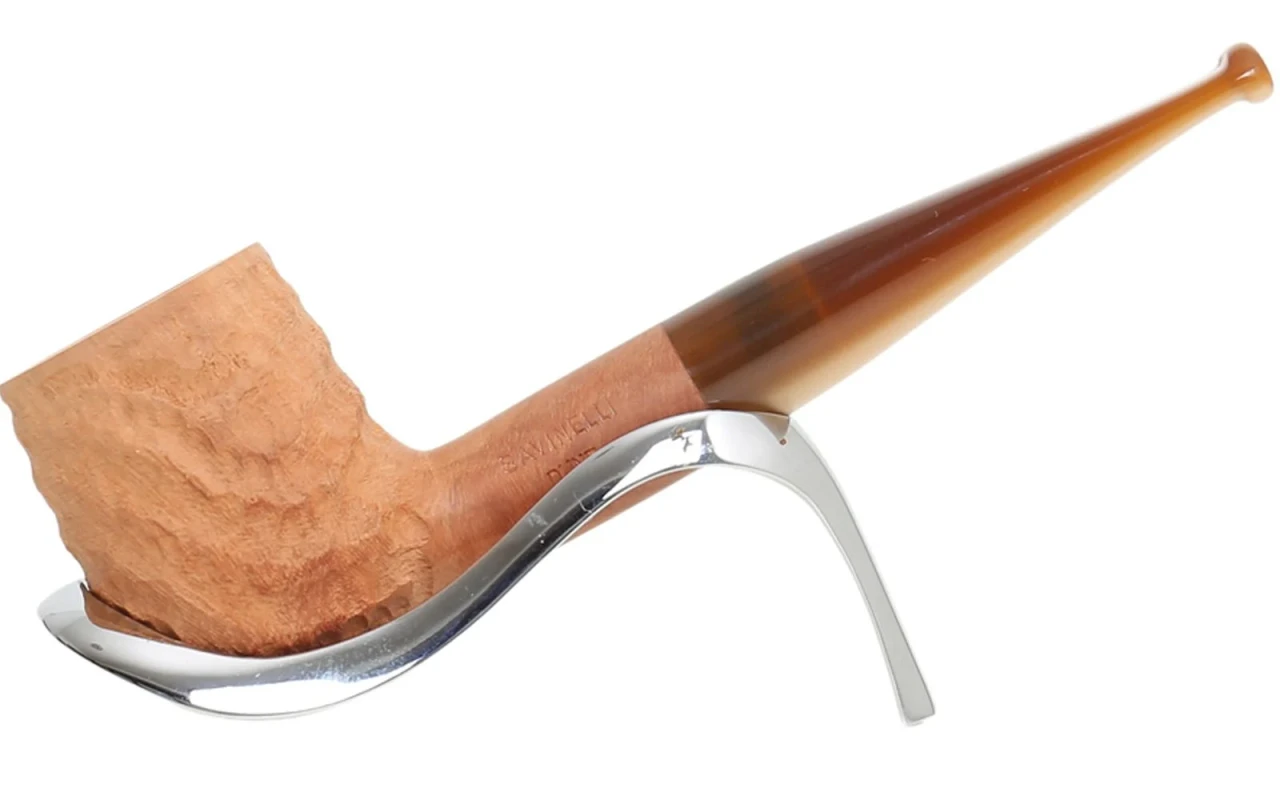
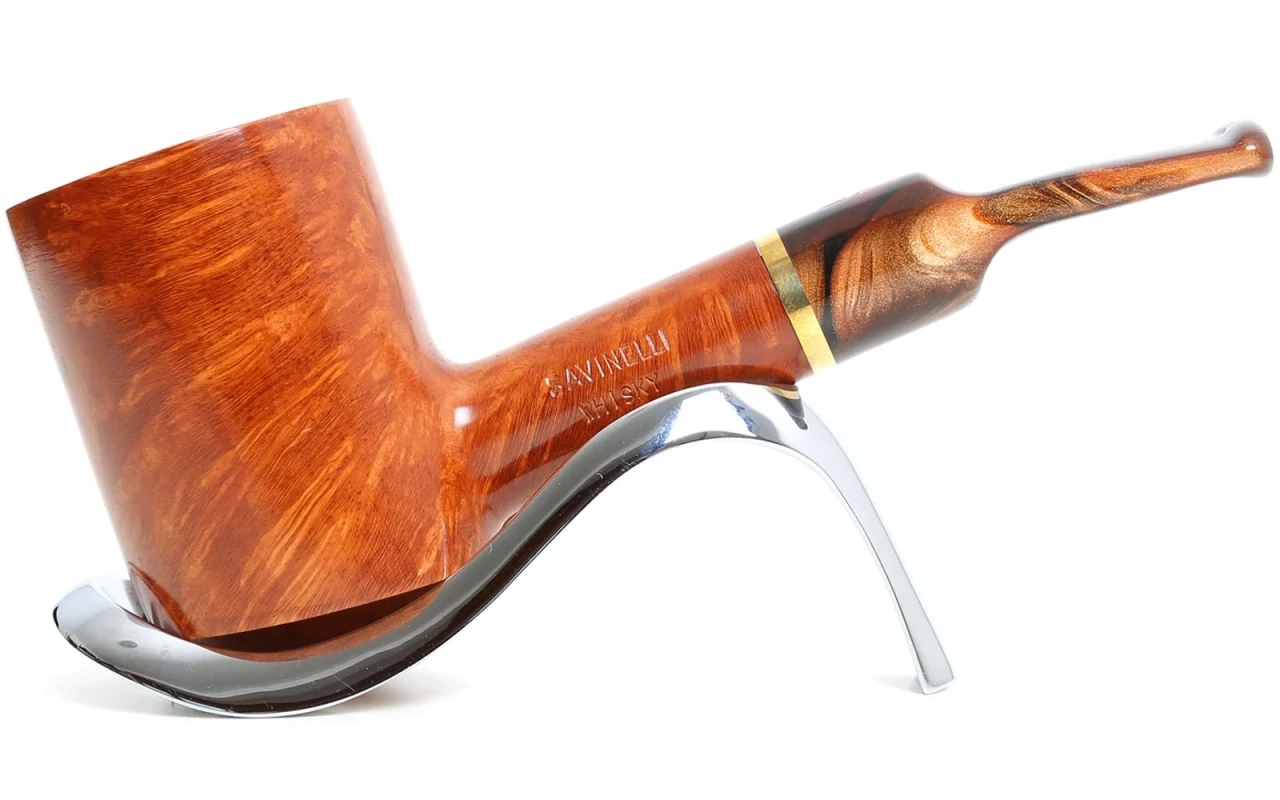
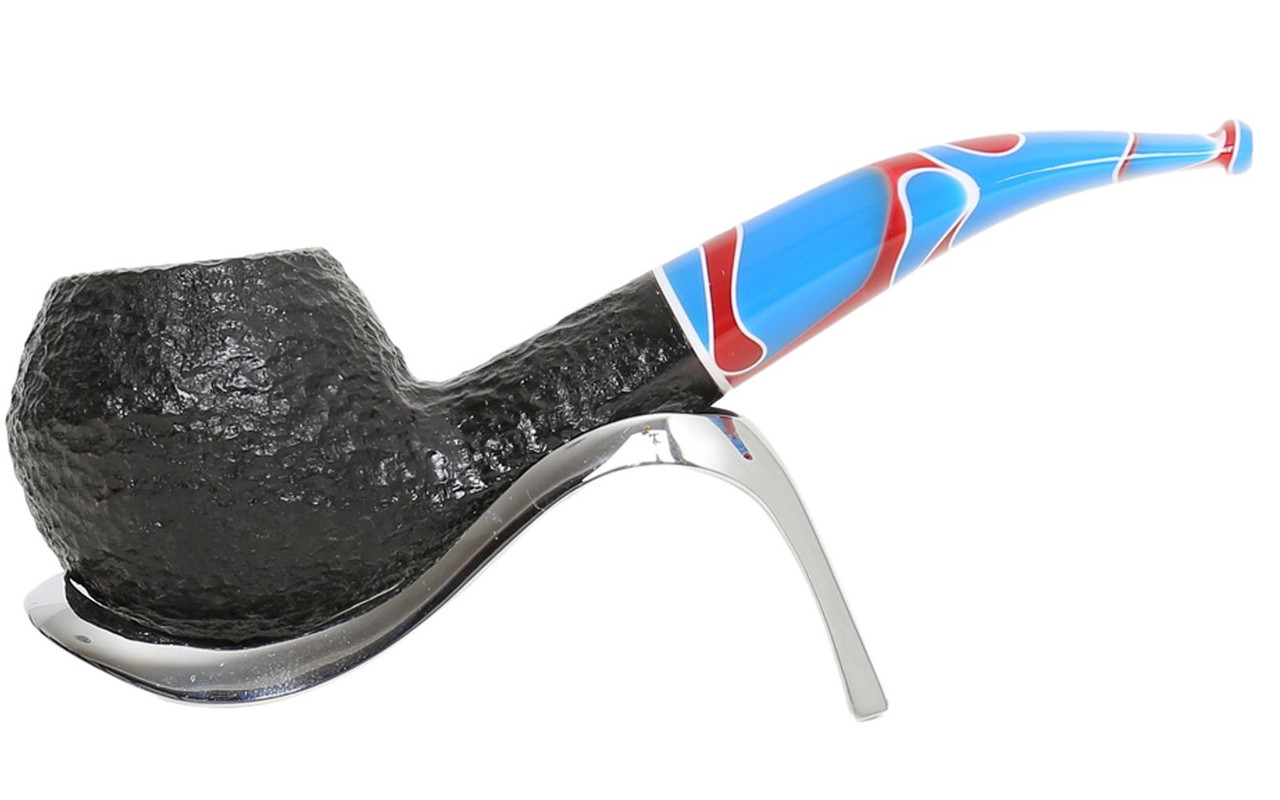
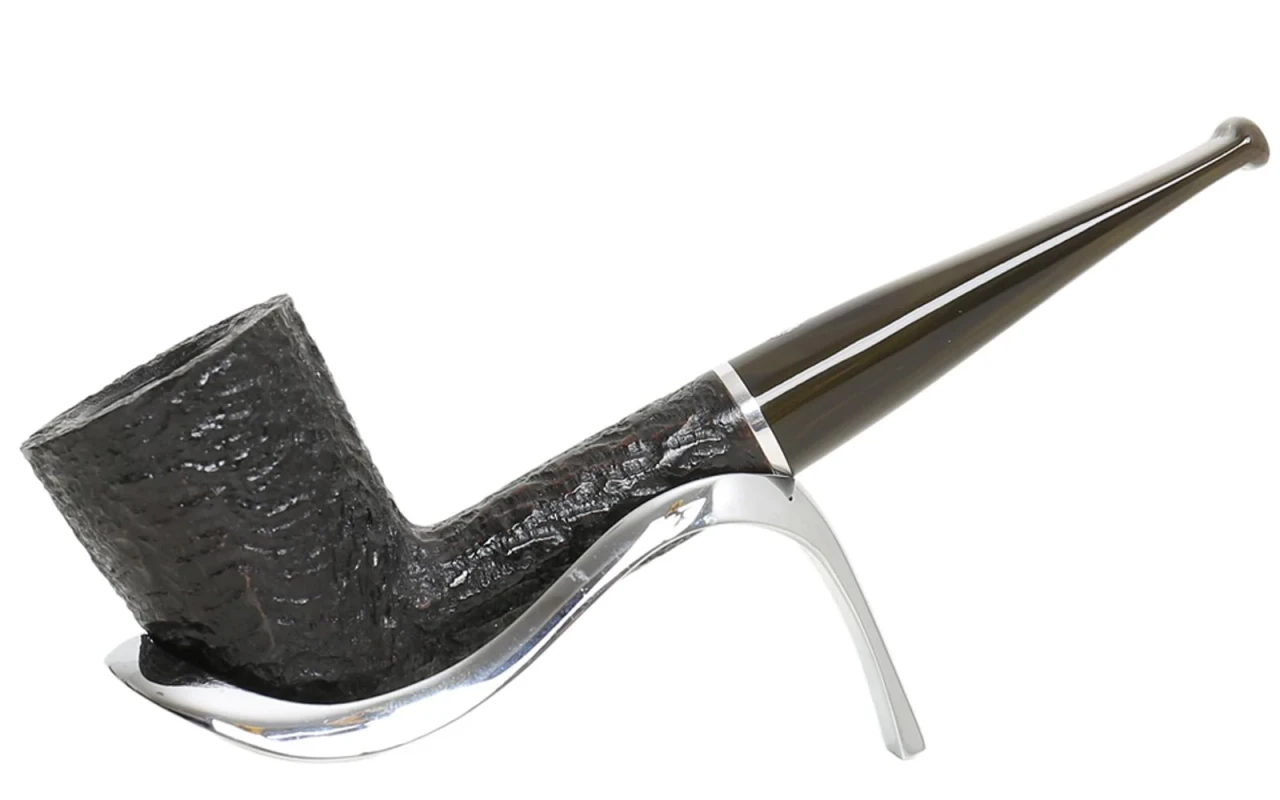
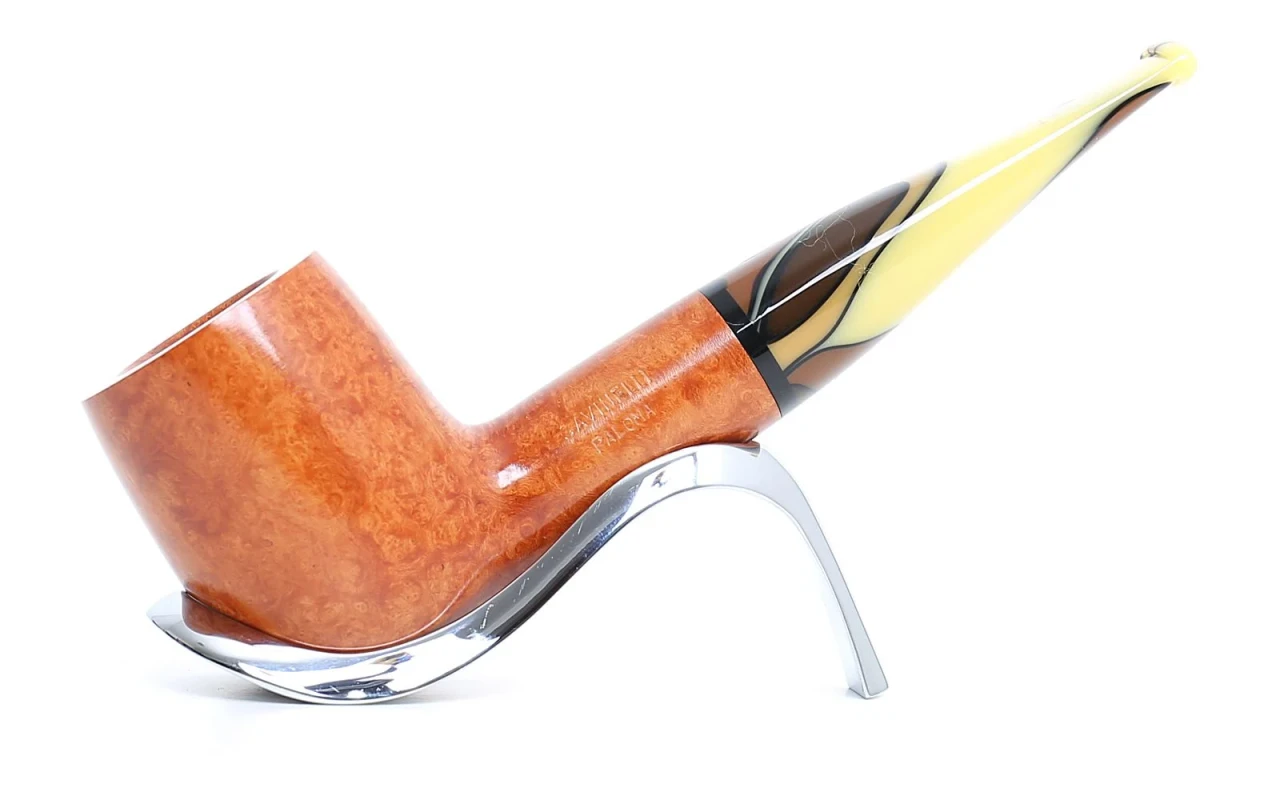
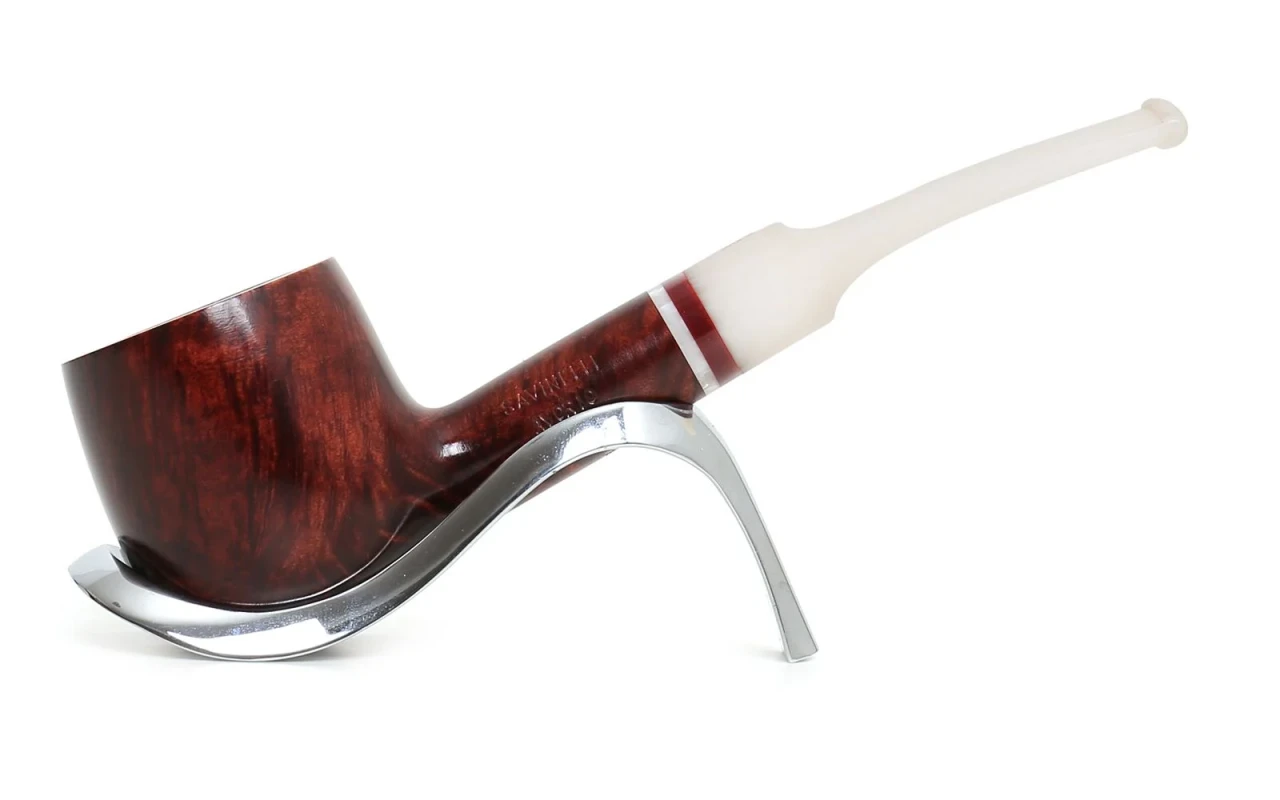
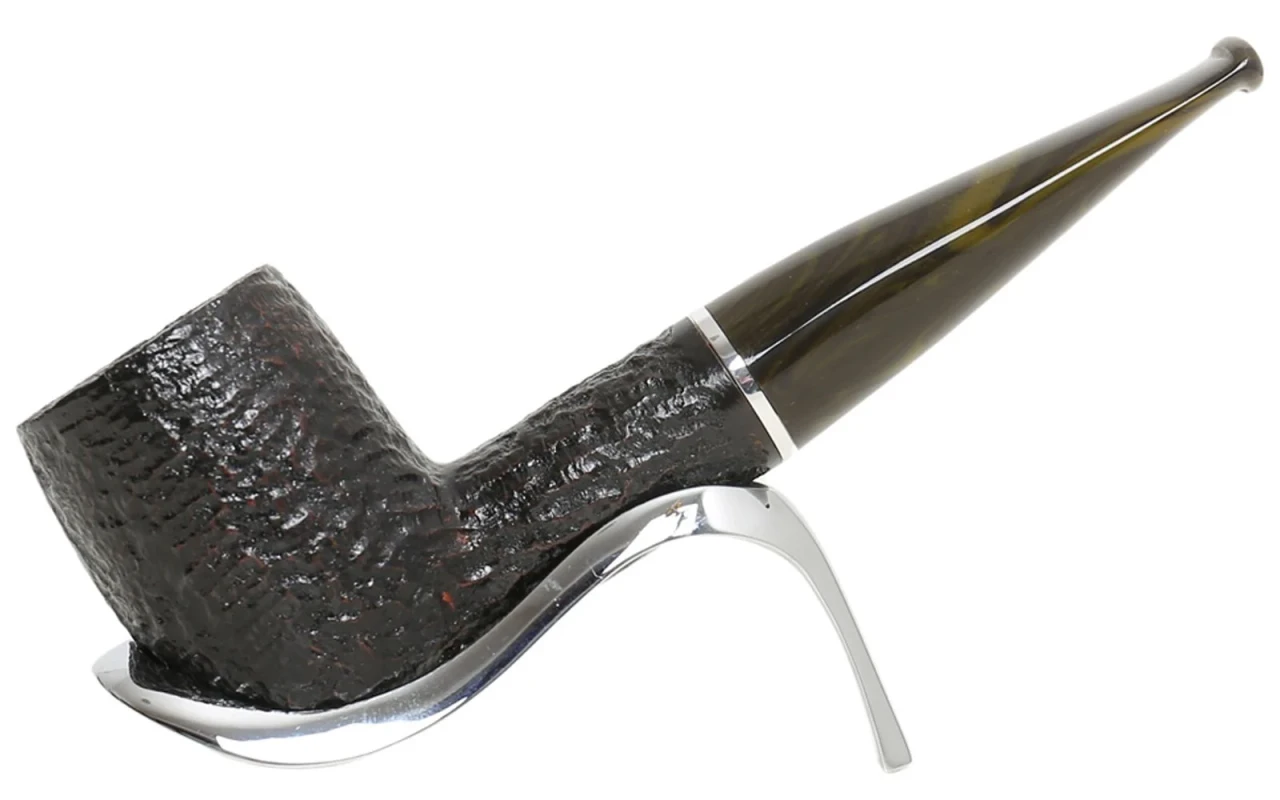
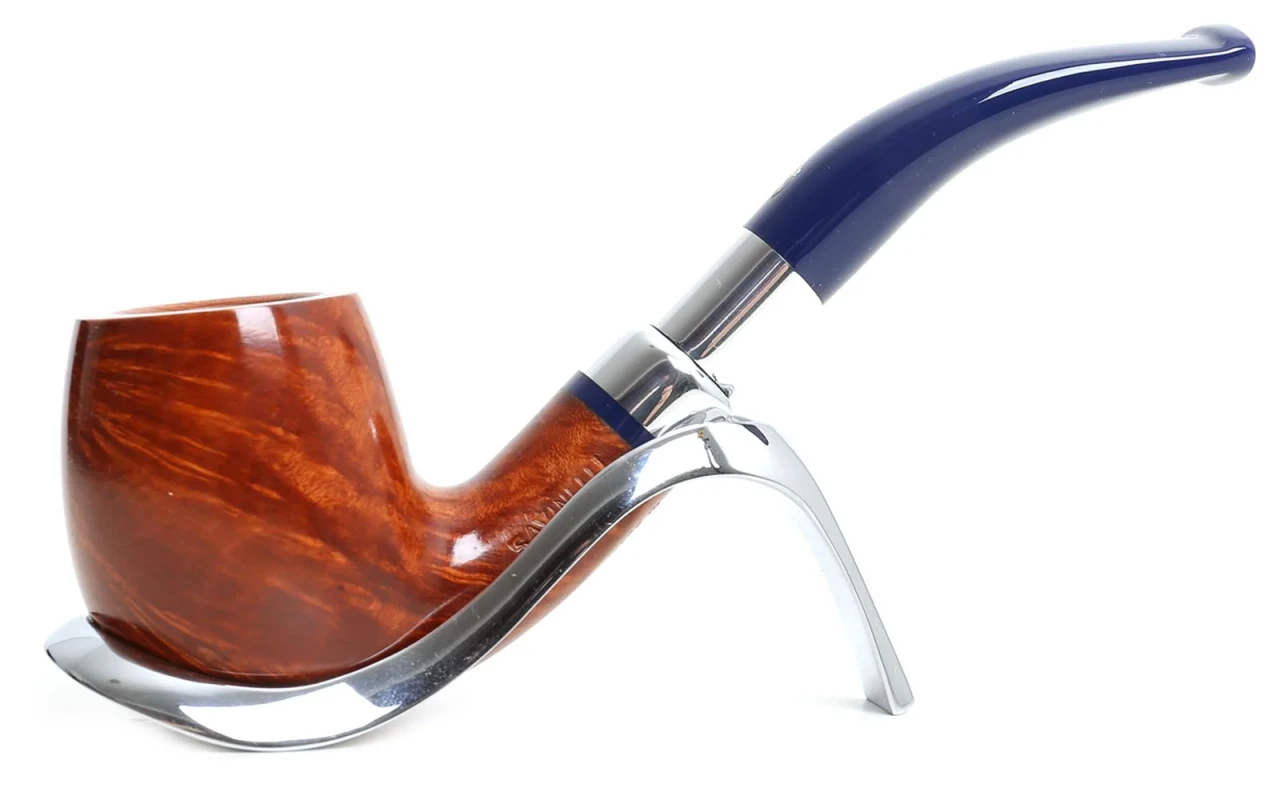
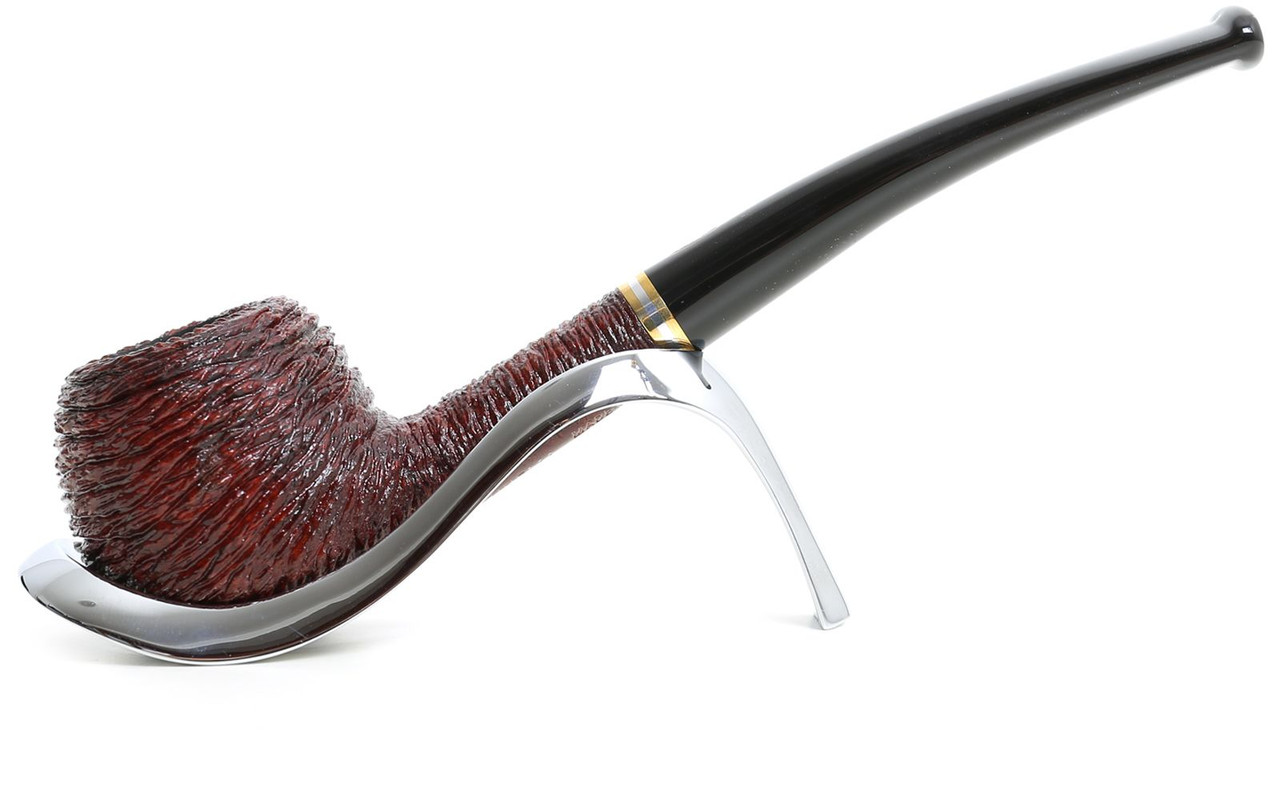
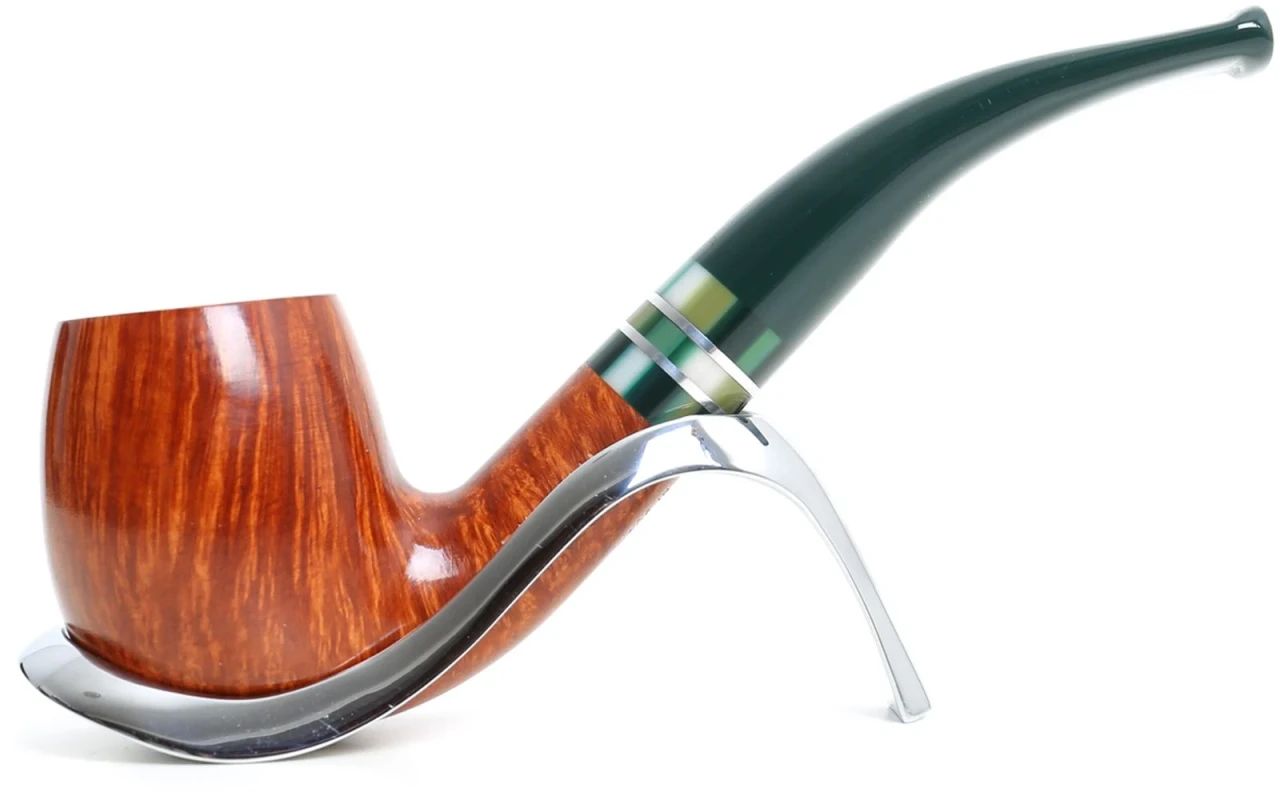
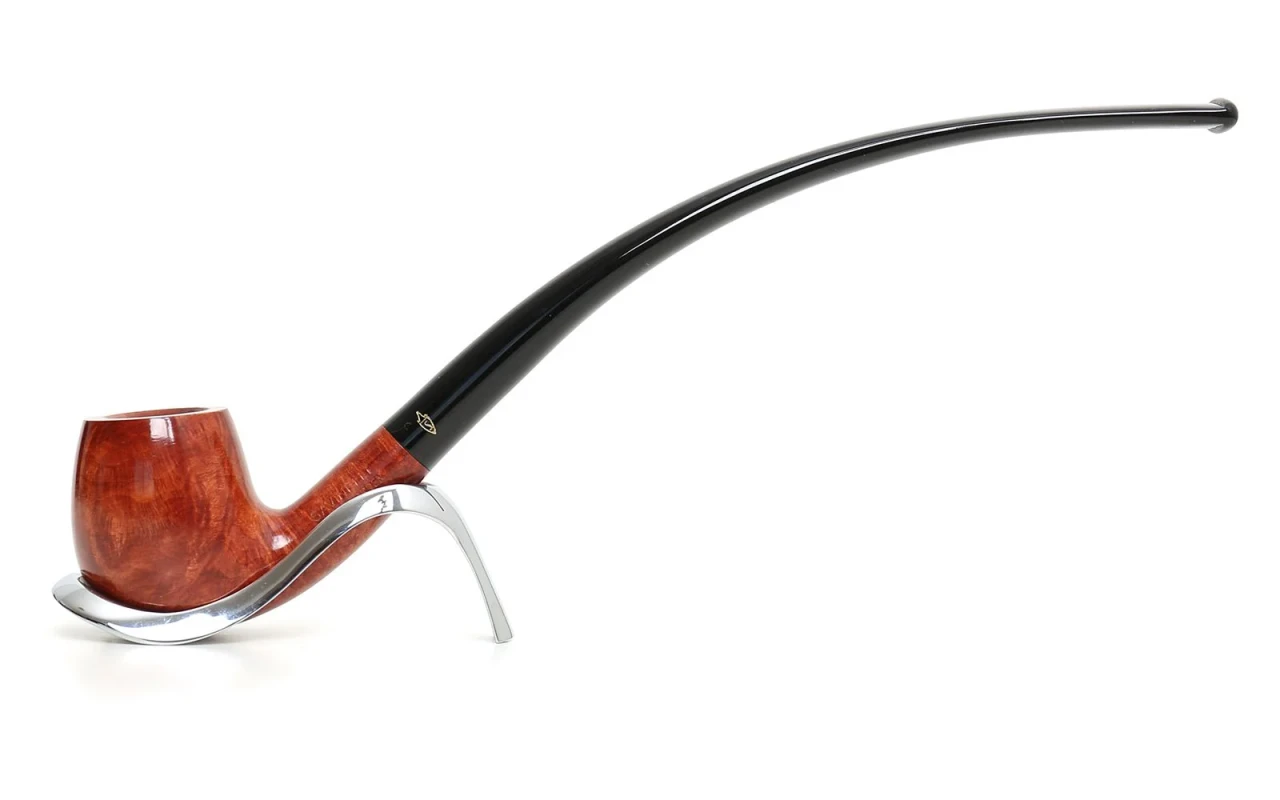
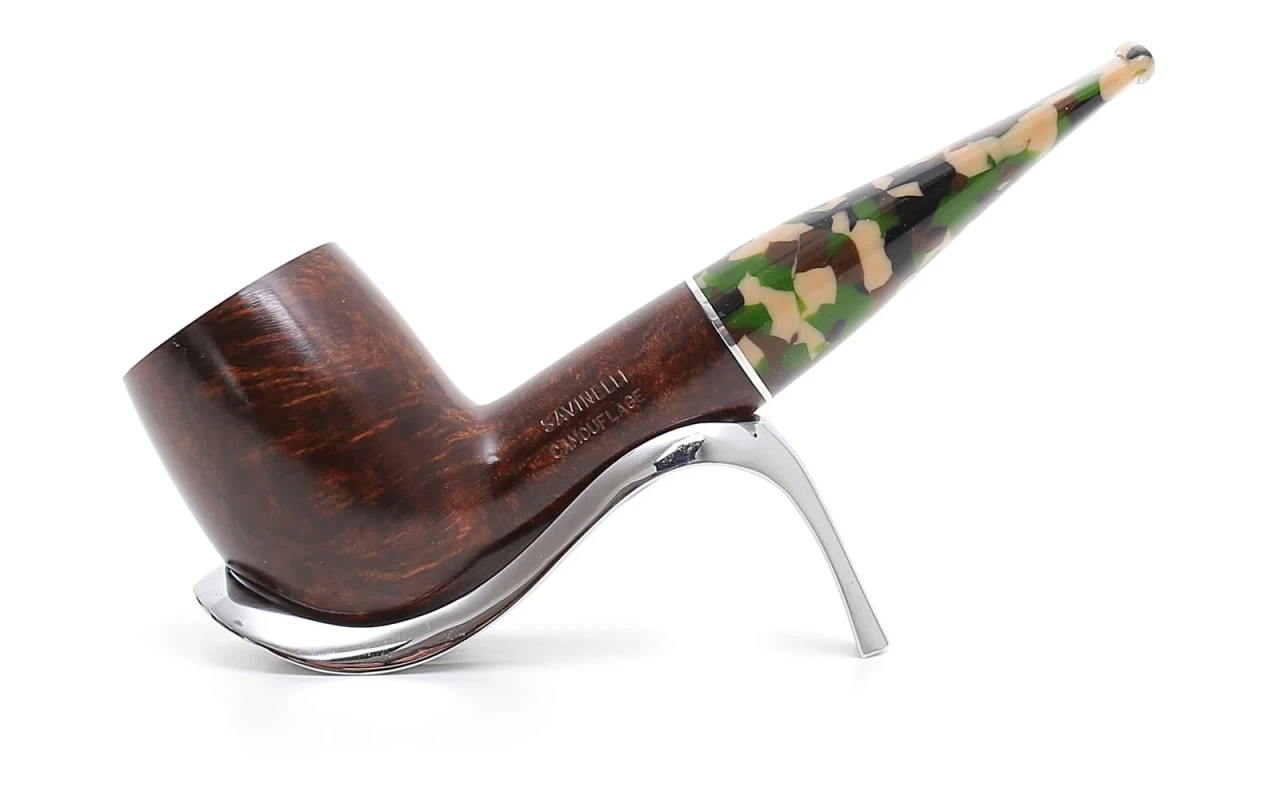
Sanding should be stopped when the pipe's surface appears even, feels smooth to the touch, and shows no visible imperfections. It is important not to overdo it to avoid compromising the shape or thickness of the briar, preserving the pipe's original character.
How do you know when to stop sanding a pipe? Deep dive
Knowing when to stop sanding a pipe is crucial to preserve both its aesthetics and functionality. During sanding, carefully observe the surface: when it becomes uniform, free from deep scratches or imperfections, and smooth to the touch, it is time to cease sanding. Continuing beyond this point risks altering the pipe’s original shape or excessively thinning the briar, which could compromise its durability and structural integrity. It is advisable to proceed with light, progressive sanding while frequently checking the visual and tactile result. This approach maintains the material’s integrity and enhances the finish, resulting in an aesthetically pleasing and functional pipe over time.