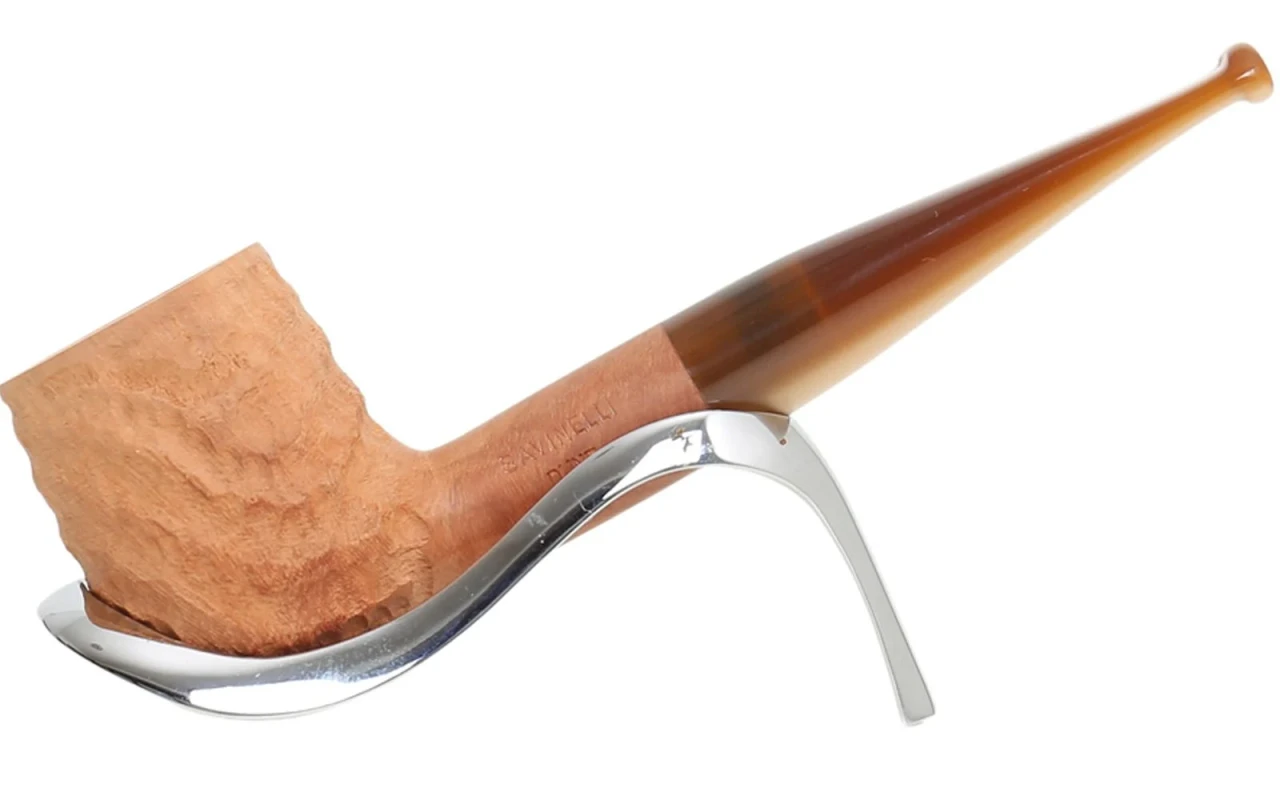
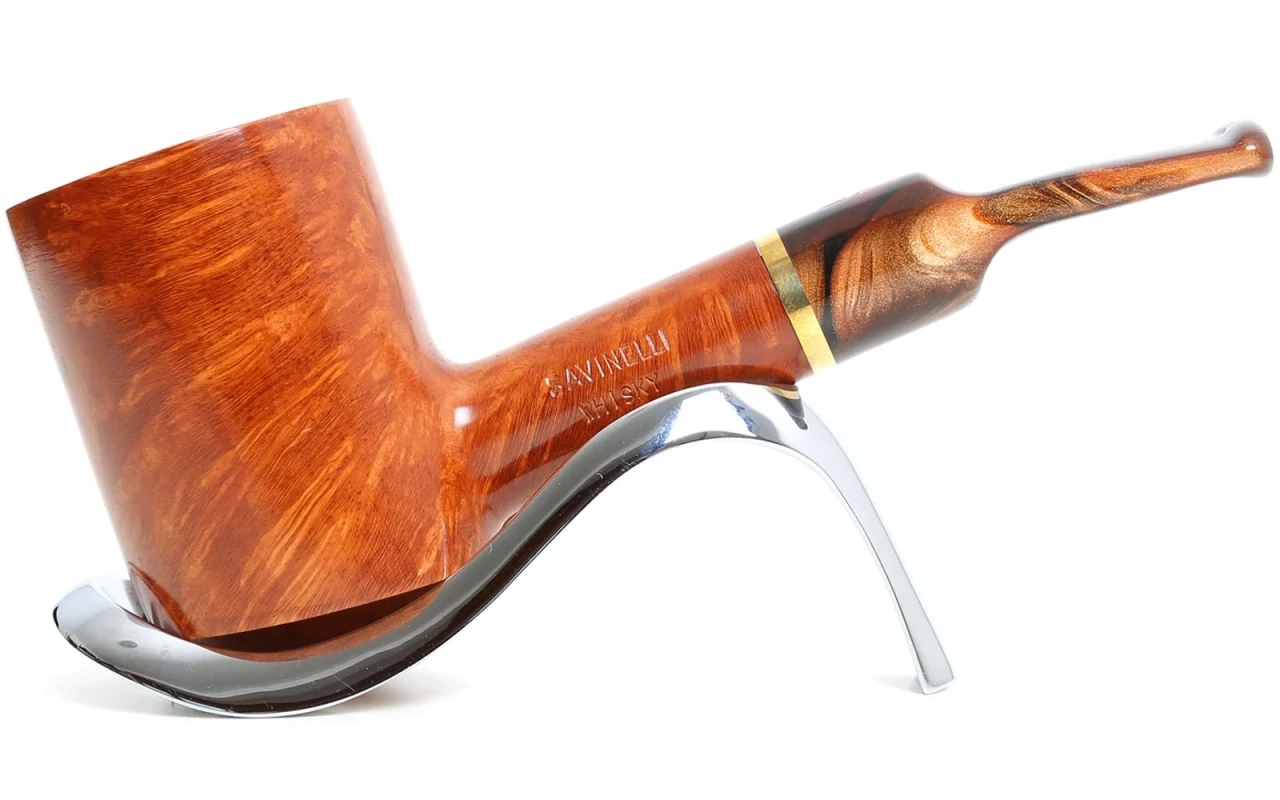
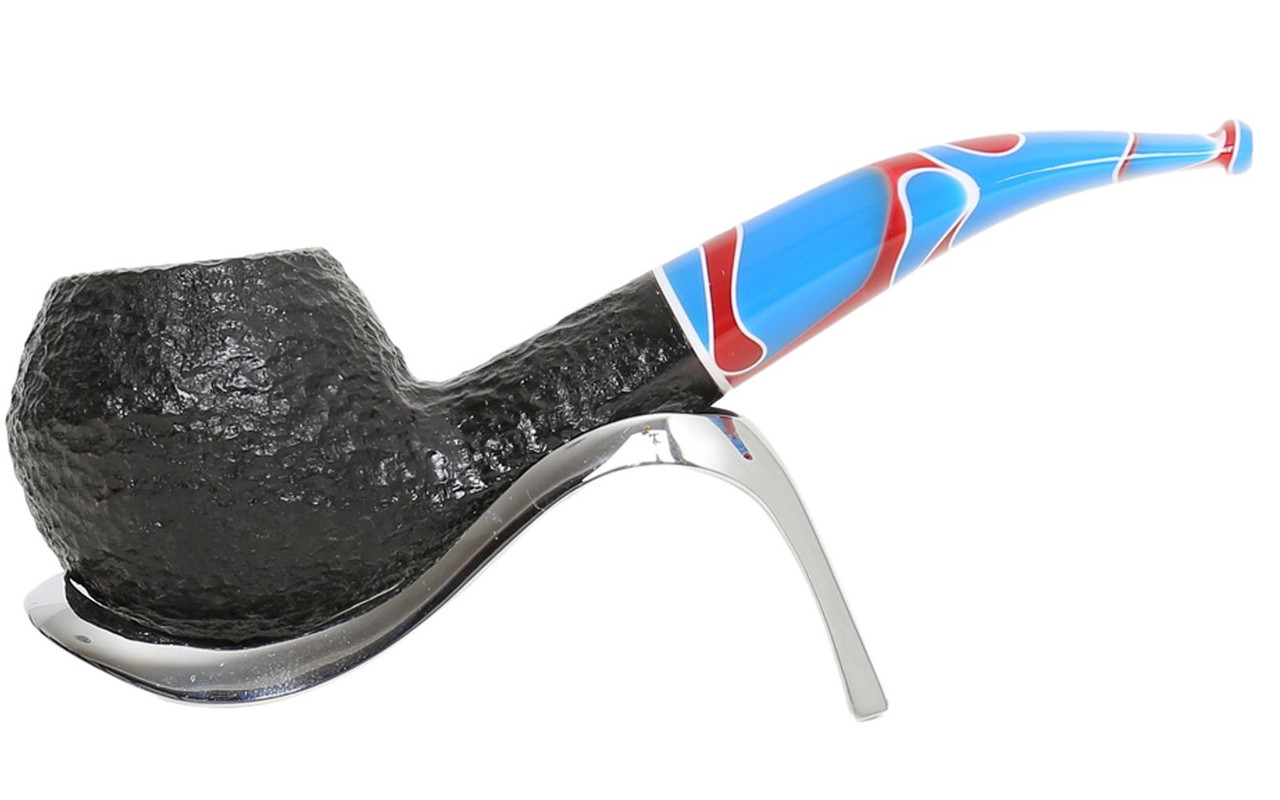
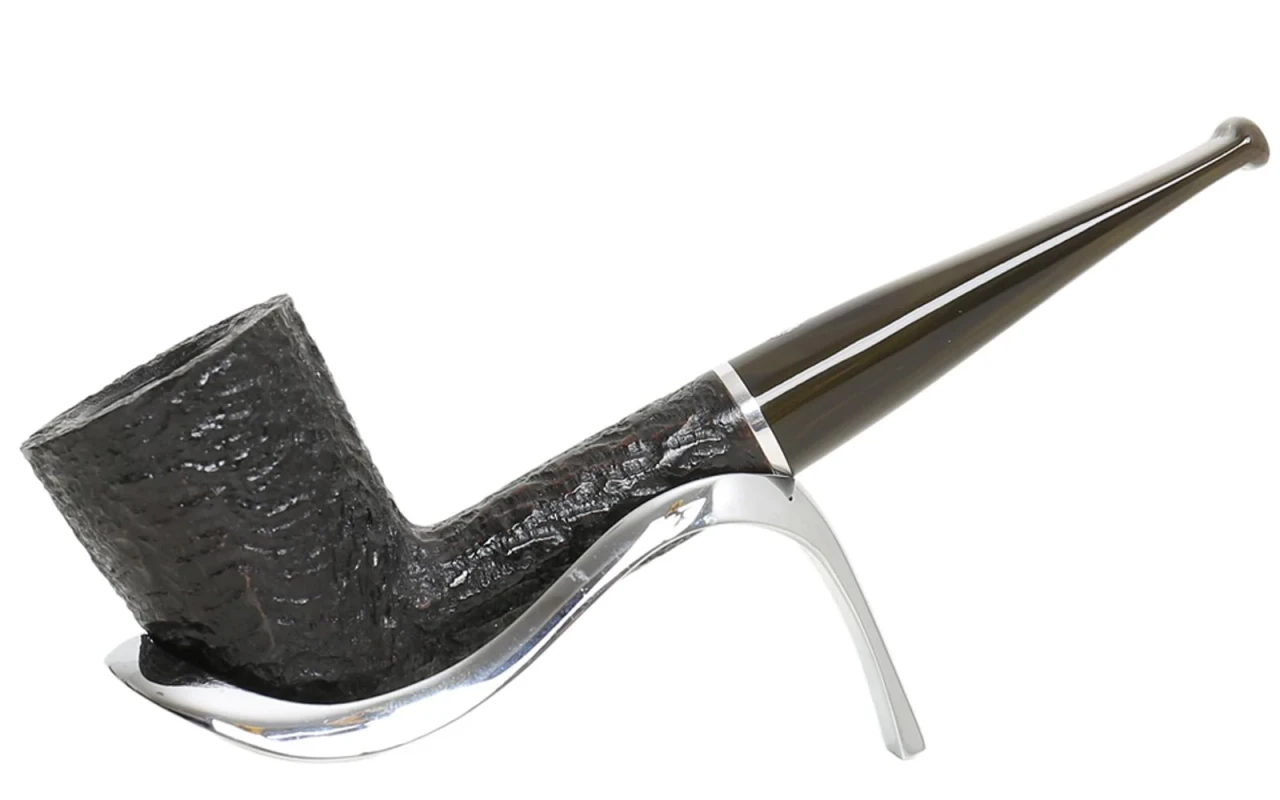
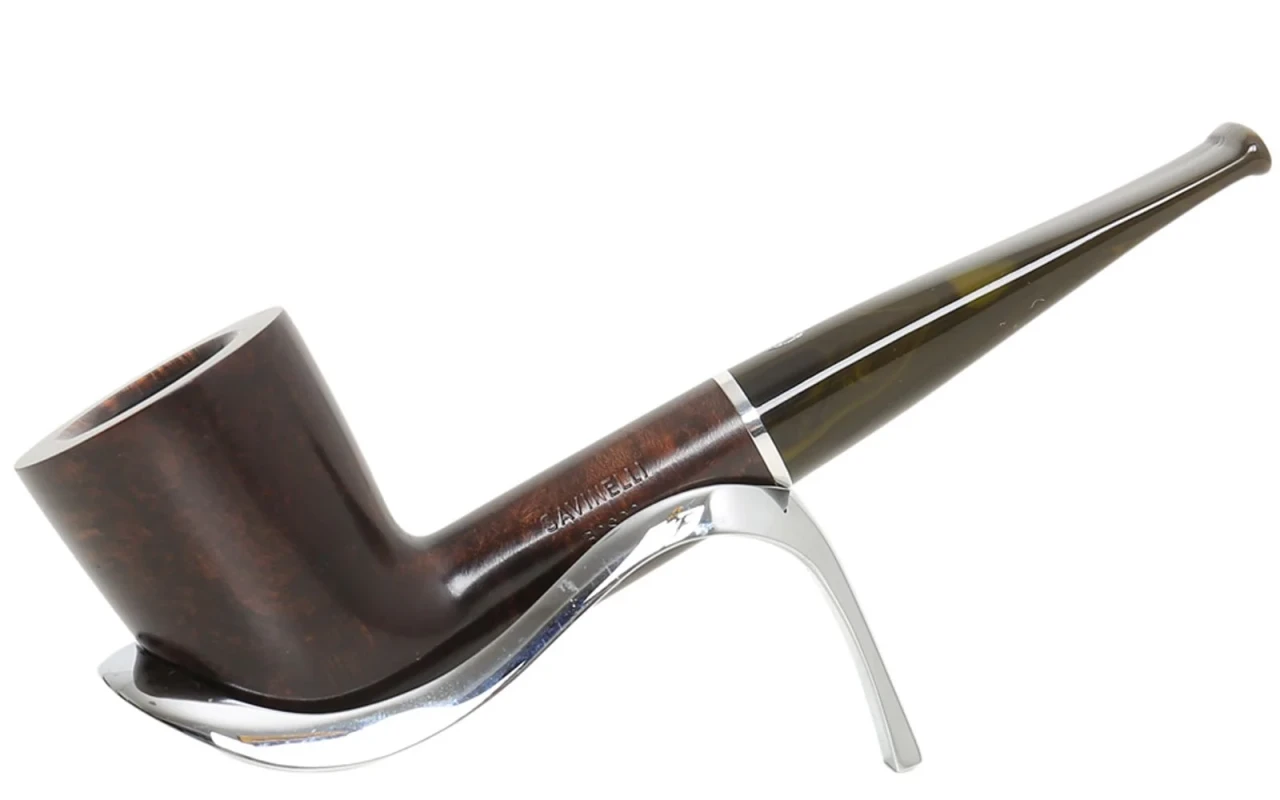
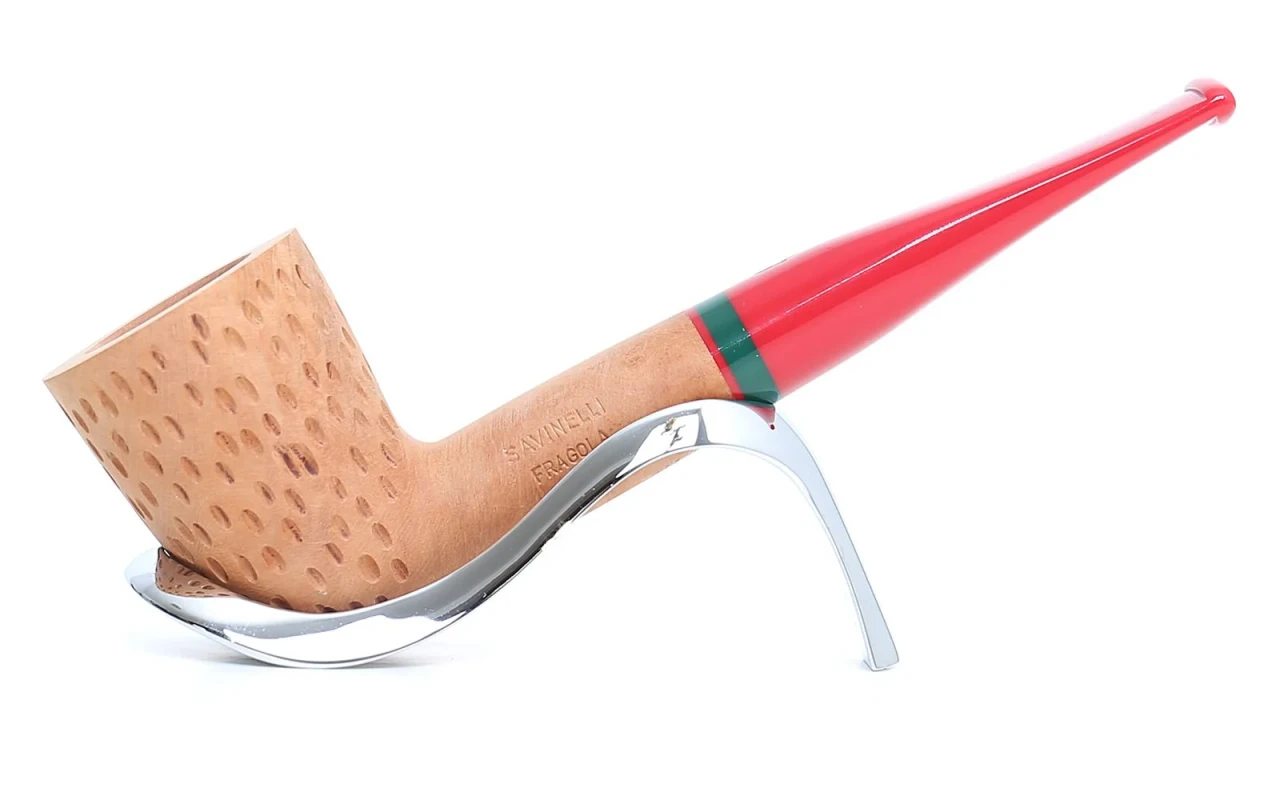
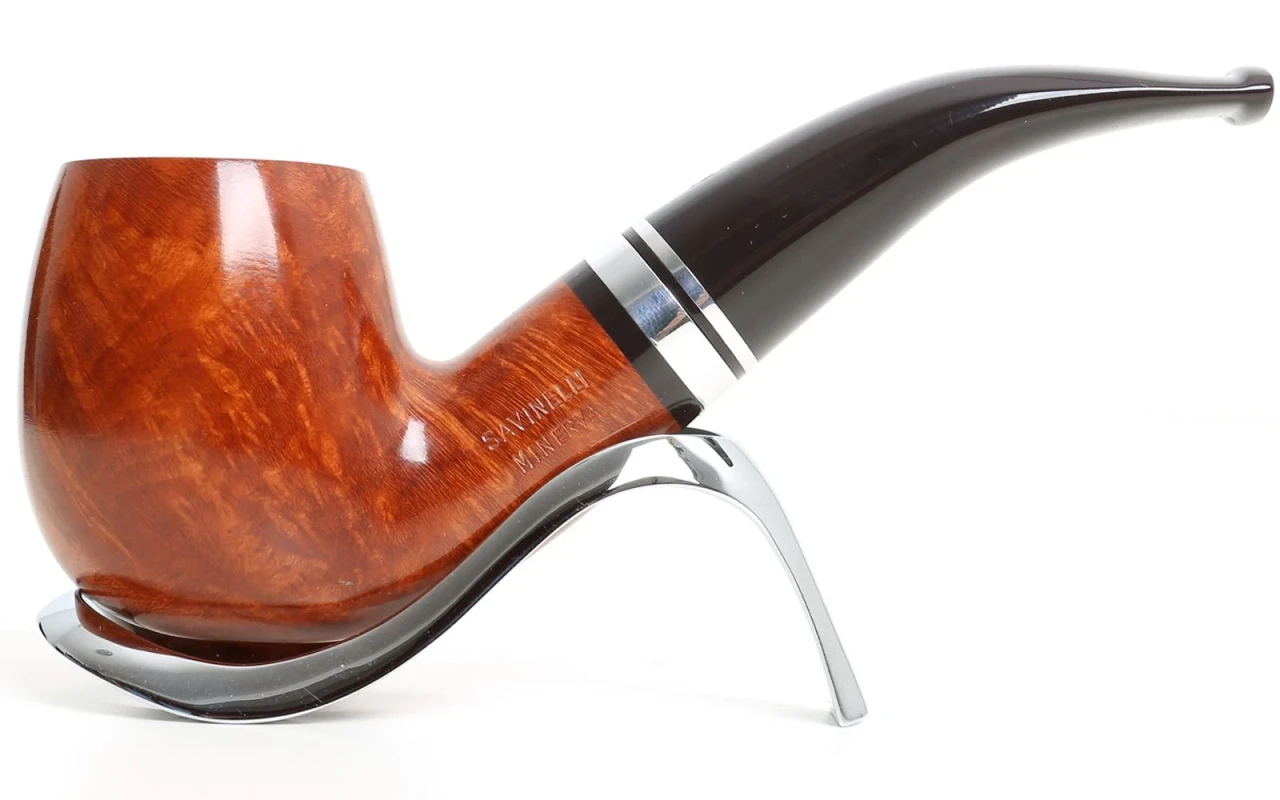
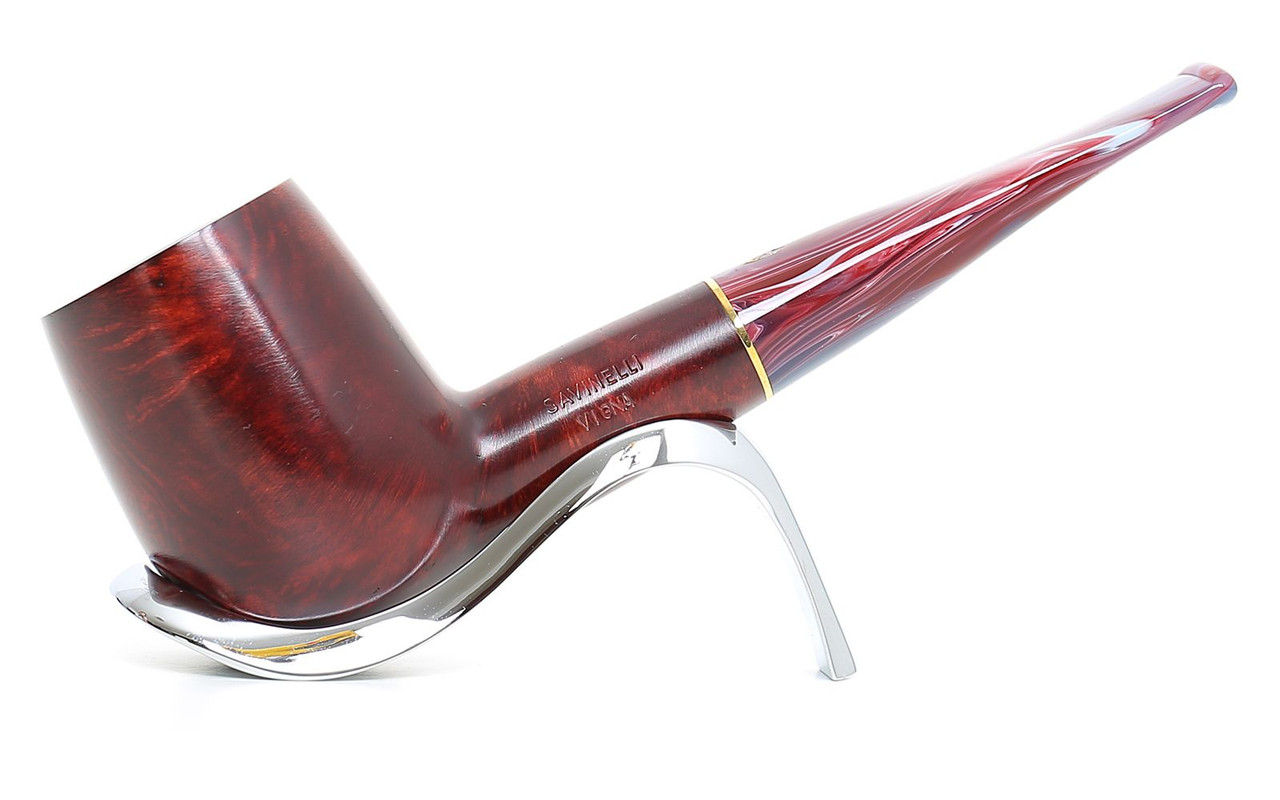
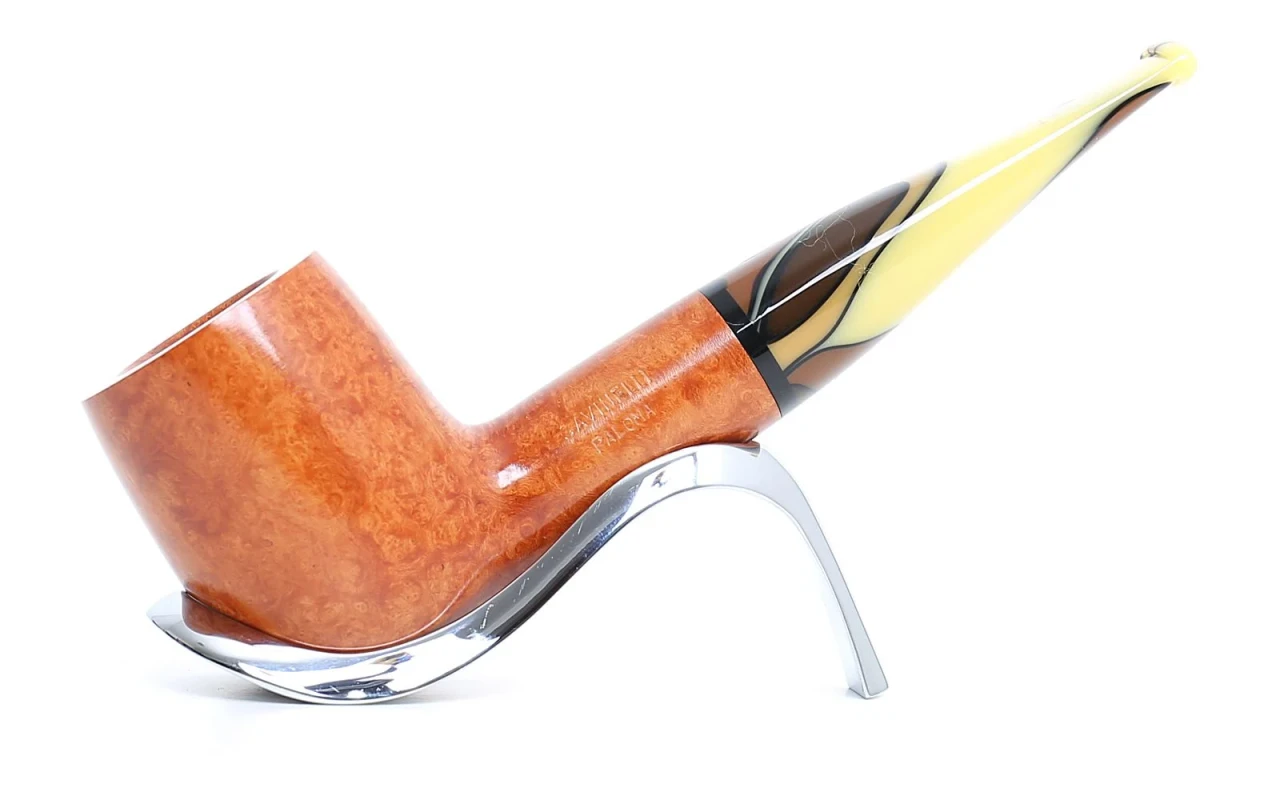
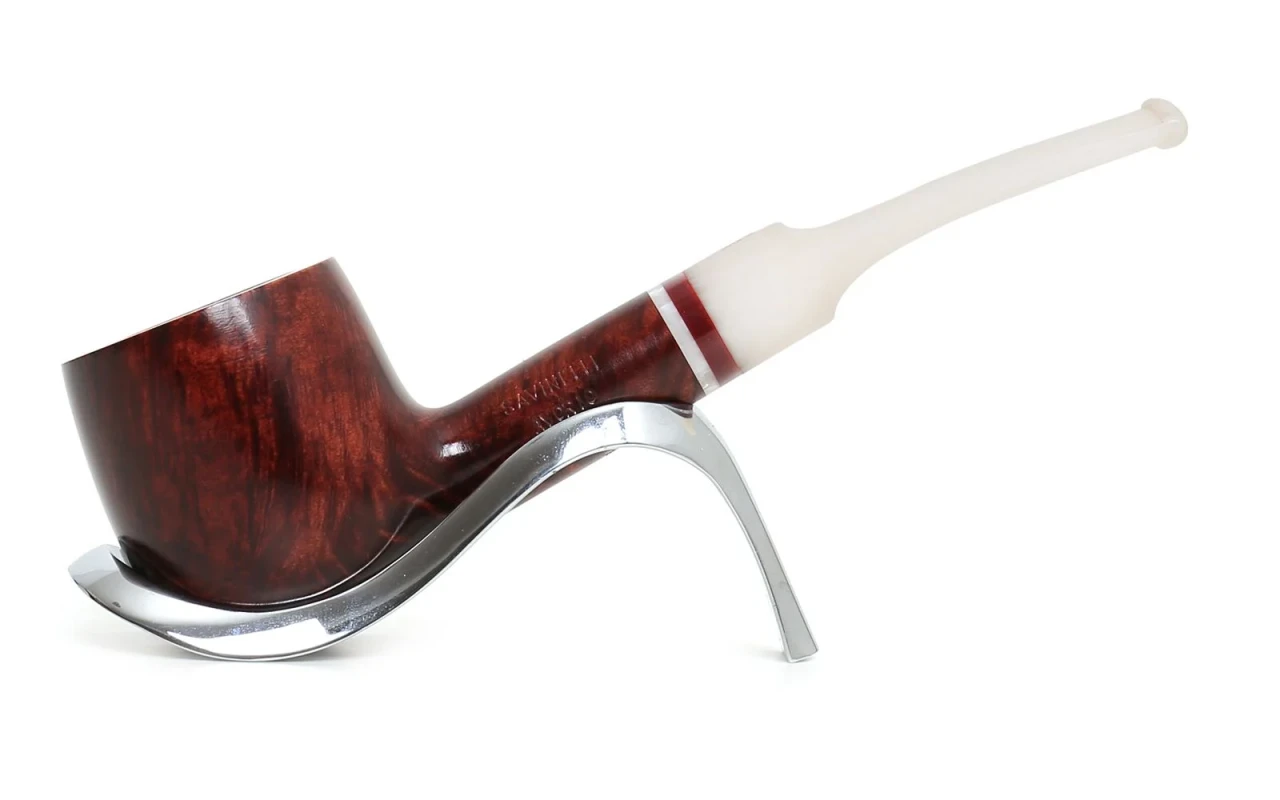
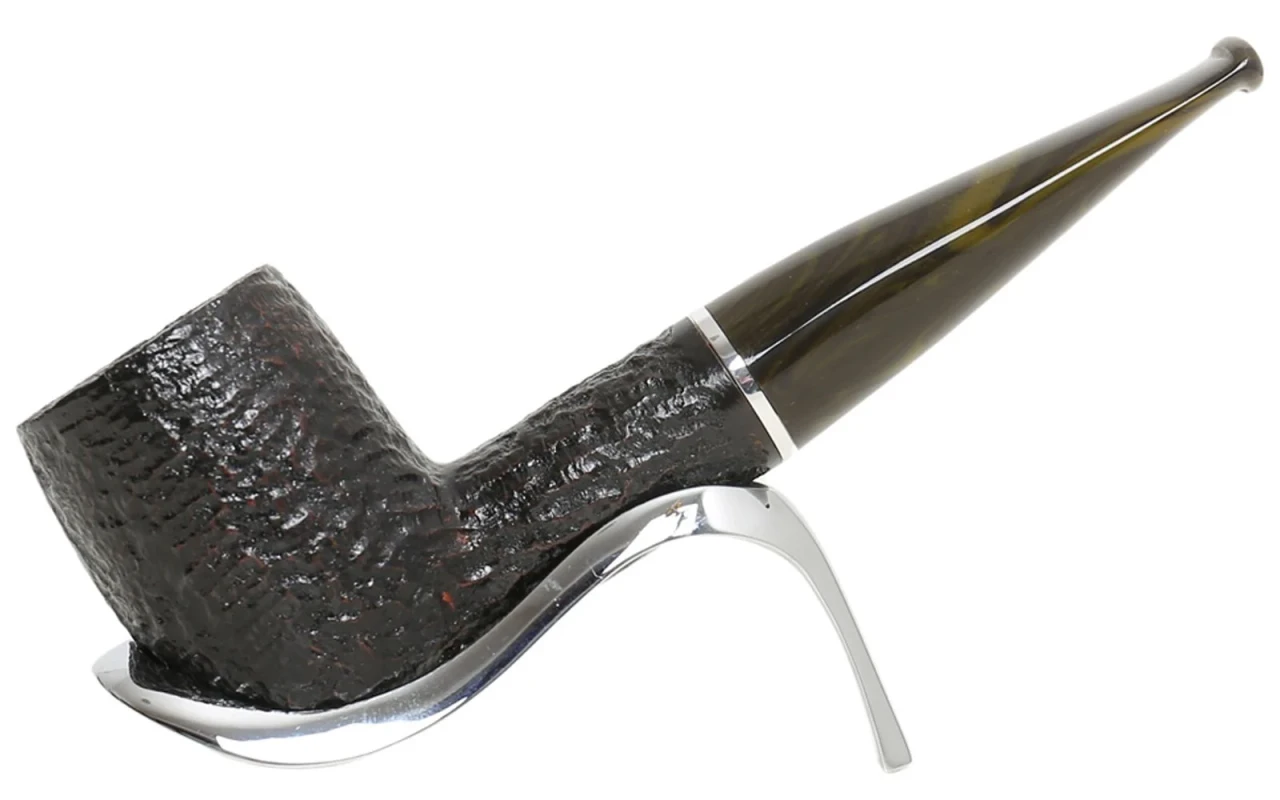
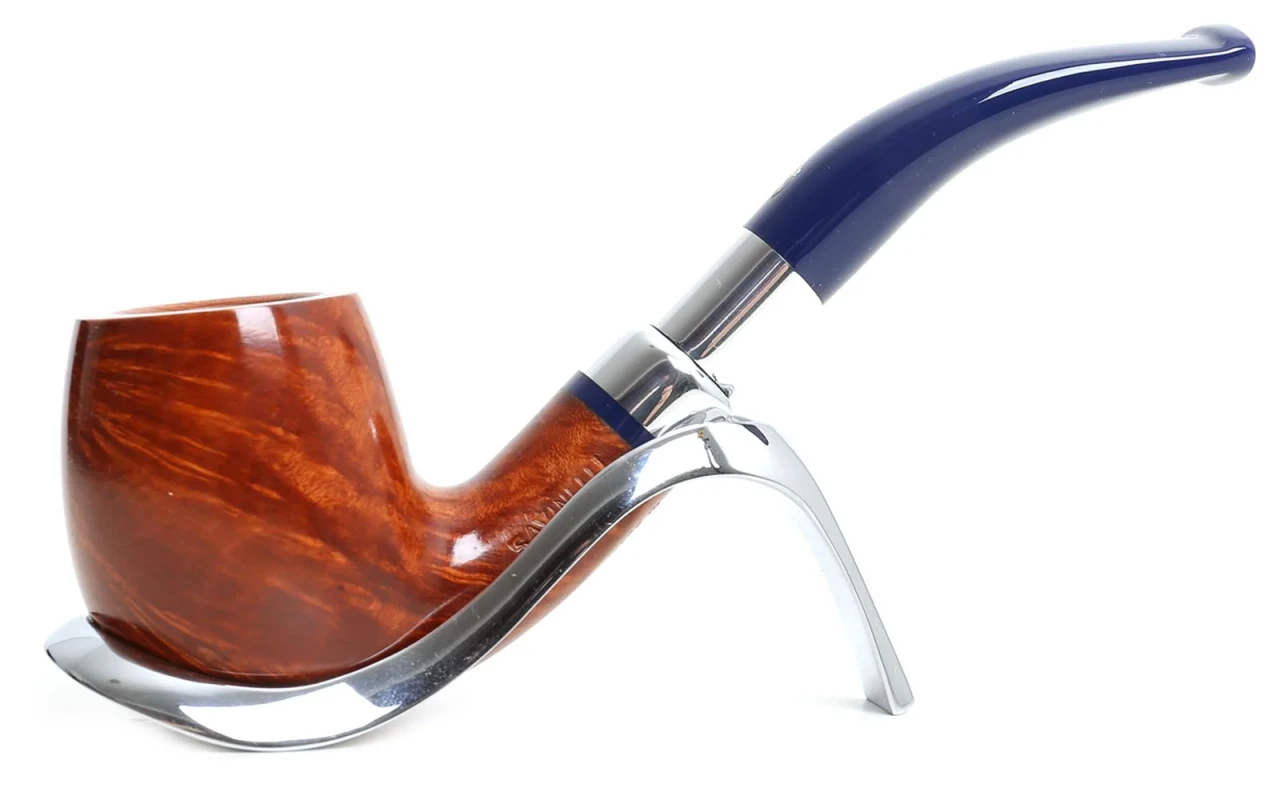
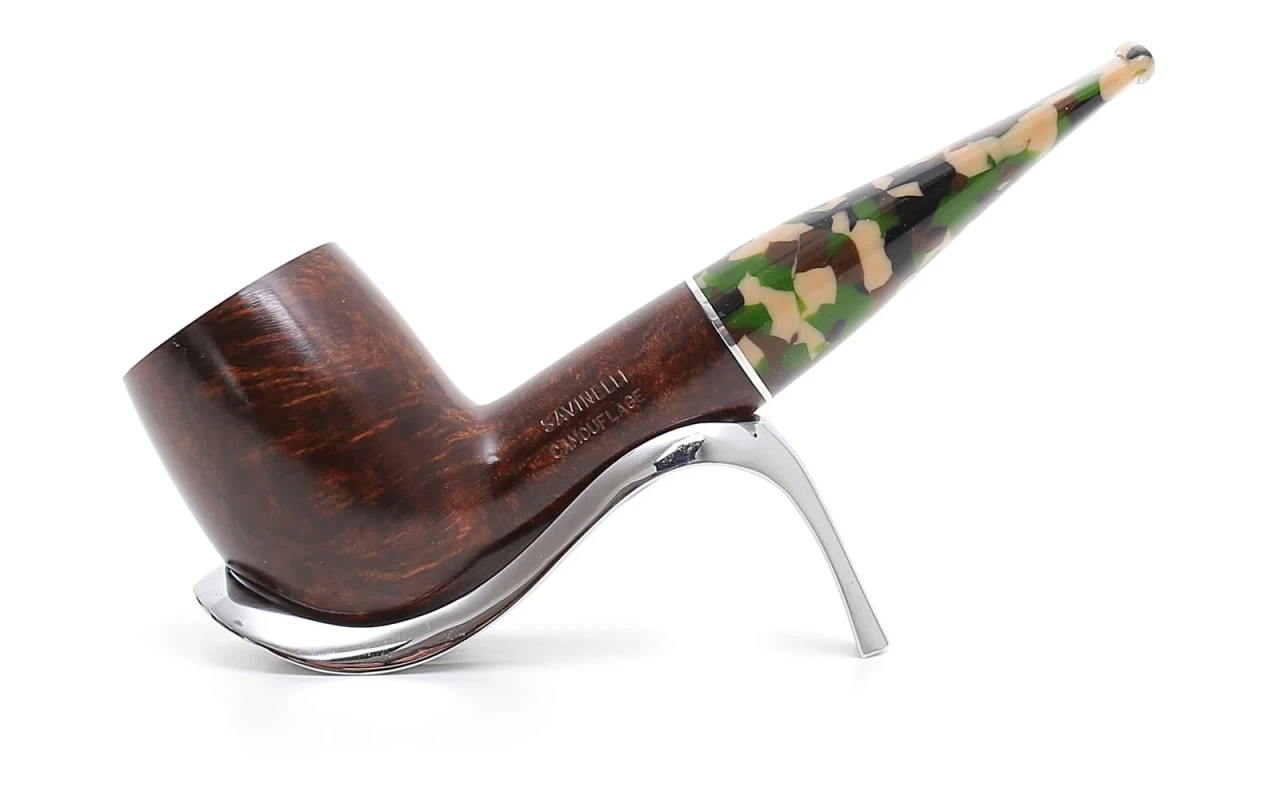
To determine if a block is suitable for a straight pipe, it is important to assess the wood quality, its compactness, and the absence of defects such as knots or cracks. Additionally, the shape and size of the block must allow the creation of a linear and proportioned bowl, typical of straight pipes.
How can you tell if a block is suitable for a straight pipe? Deep dive
Selecting a suitable block for a straight pipe requires careful attention to several key factors. Firstly, the wood should be of high quality, preferably briar, renowned for its heat resistance and moisture absorption capabilities. The block must be compact and free from defects such as knots, cracks, or excessive porosity that could compromise the pipe’s structure and durability. For a straight pipe, the block’s shape must allow for carving a linear stem without bends or distortions, maintaining balanced proportions between the bowl and the shank. It’s also important to consider the wood’s weight and thickness, as these affect the finished pipe’s balance and handling. In summary, a block suitable for a straight pipe offers a smooth, compact, and uniform surface, with dimensions sufficient to shape a straight and well-proportioned stem, thus ensuring a quality and functional final product.