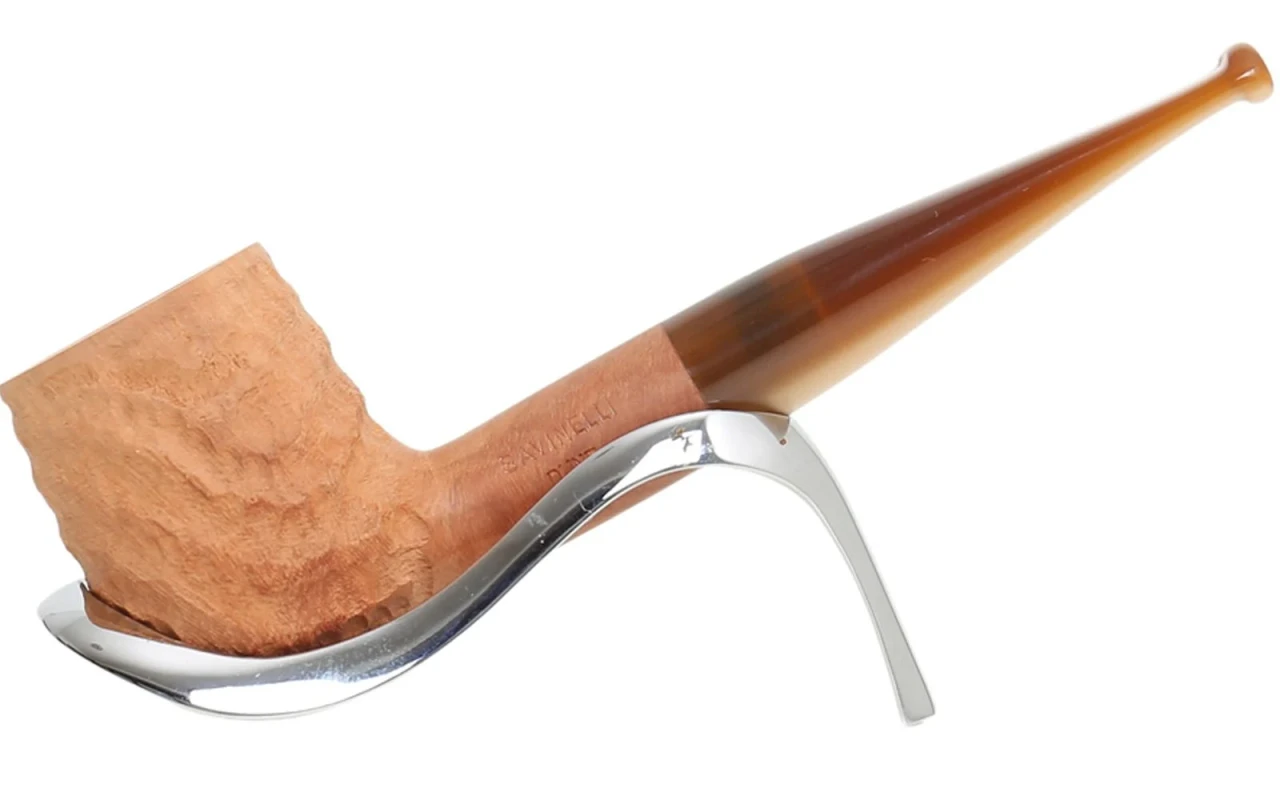
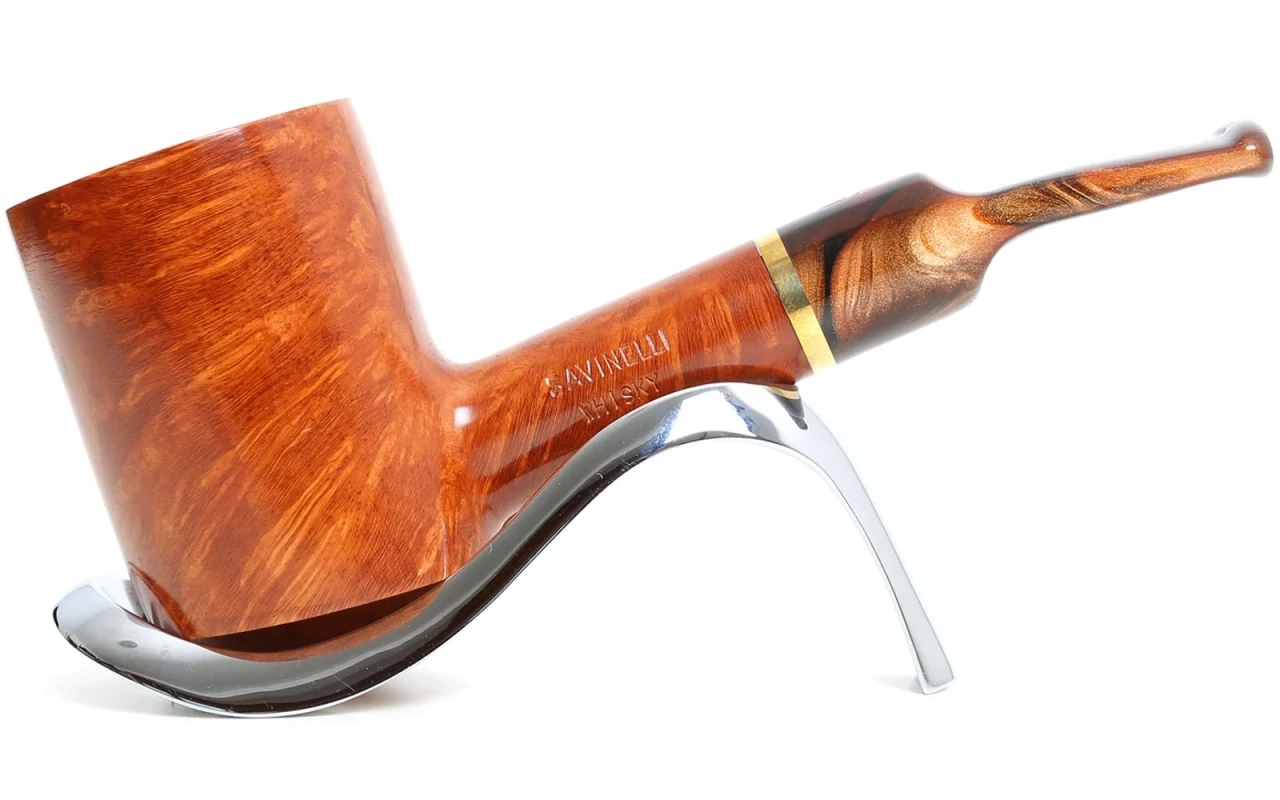
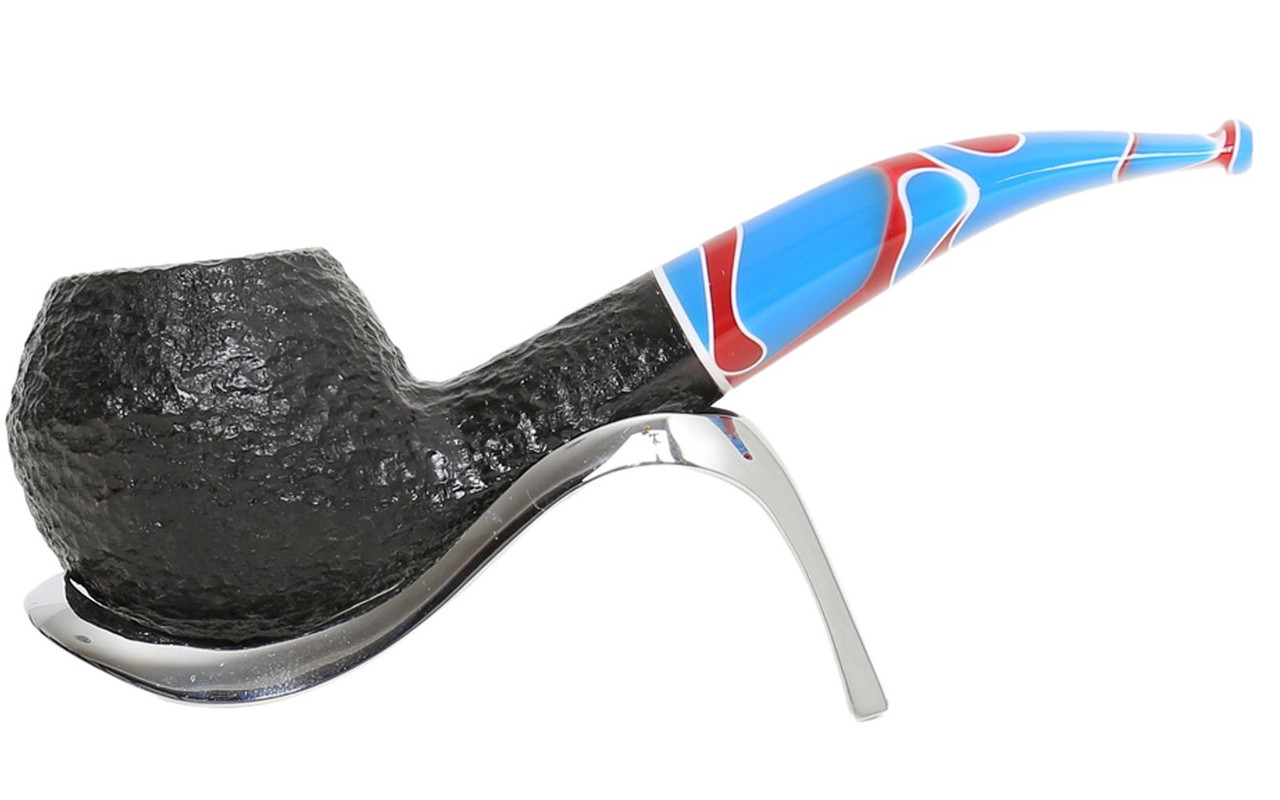
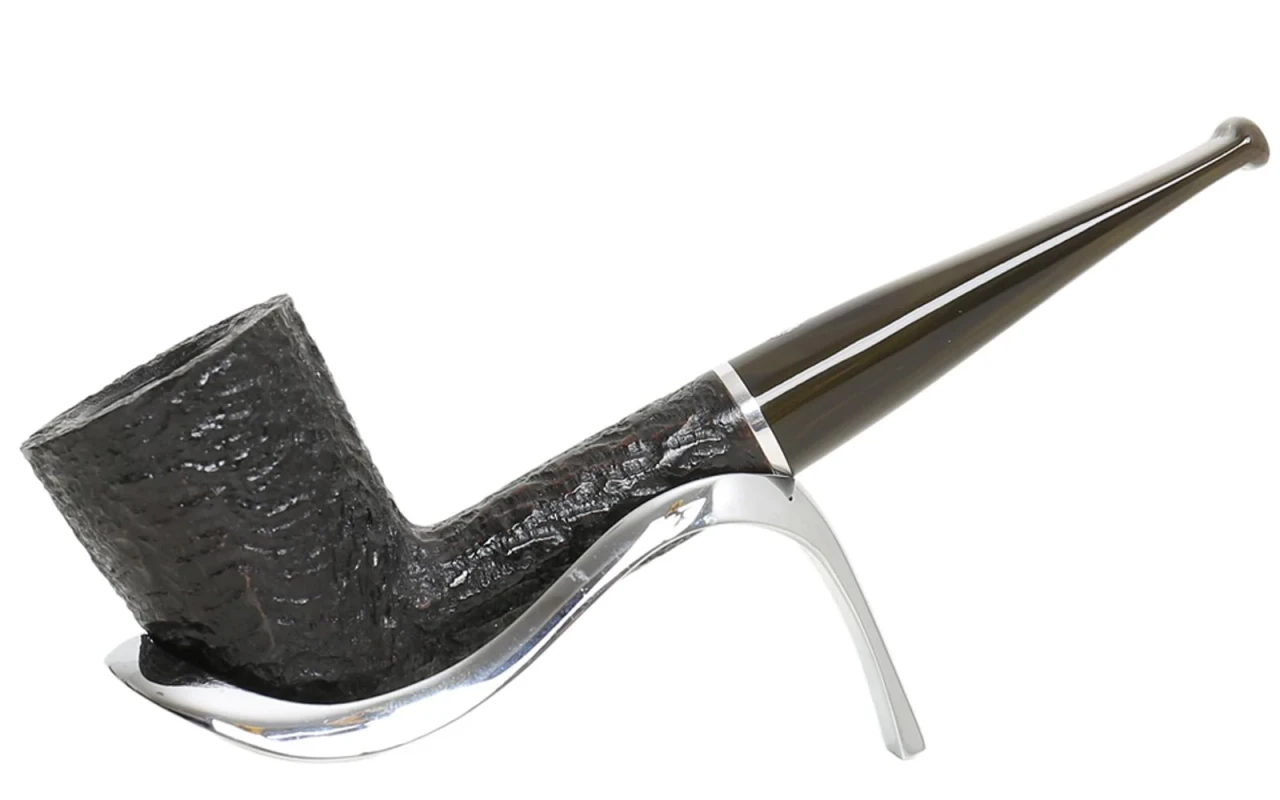
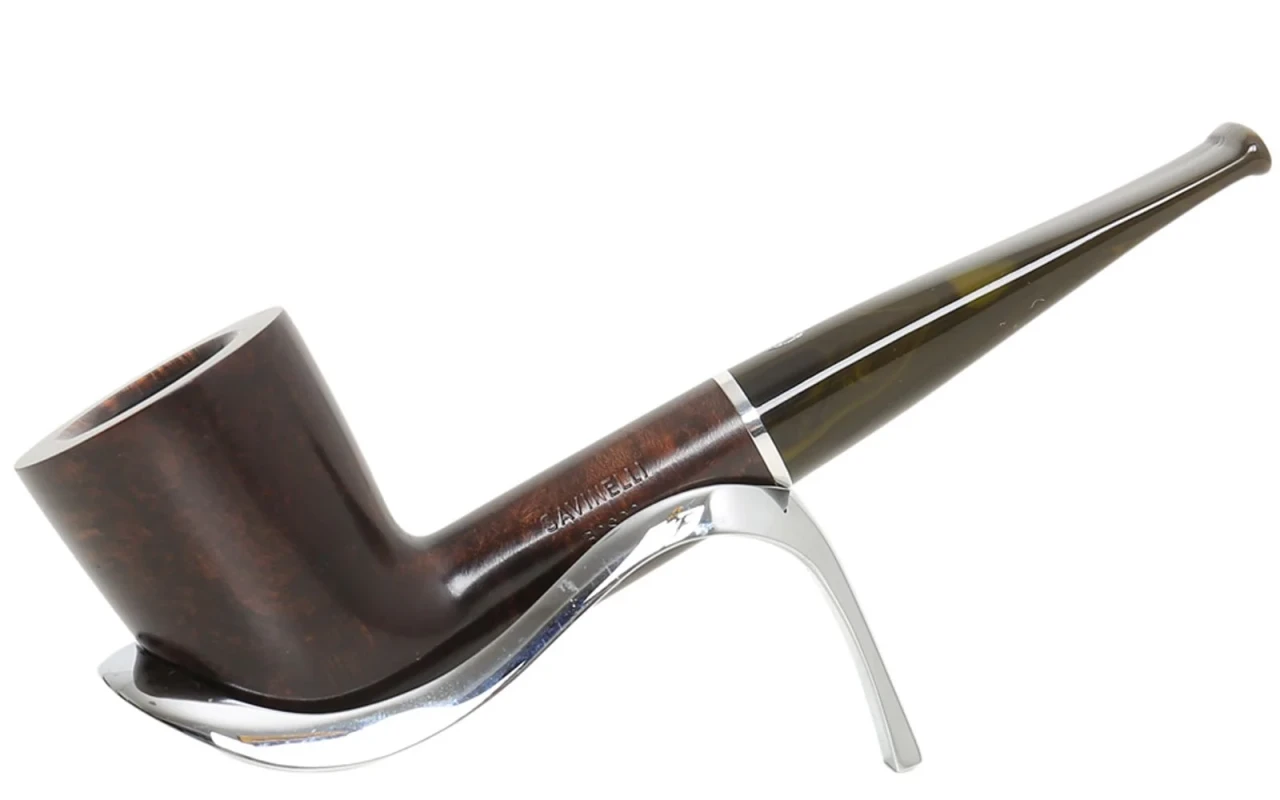
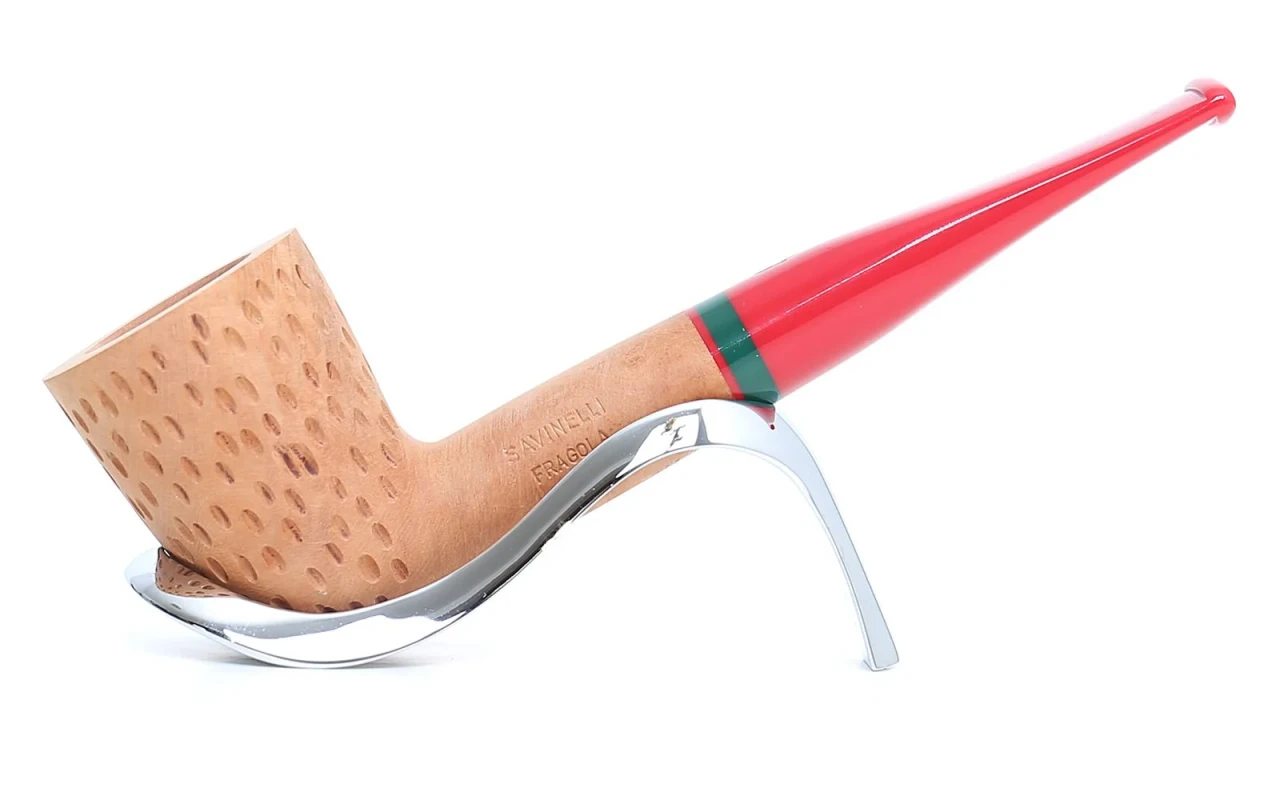
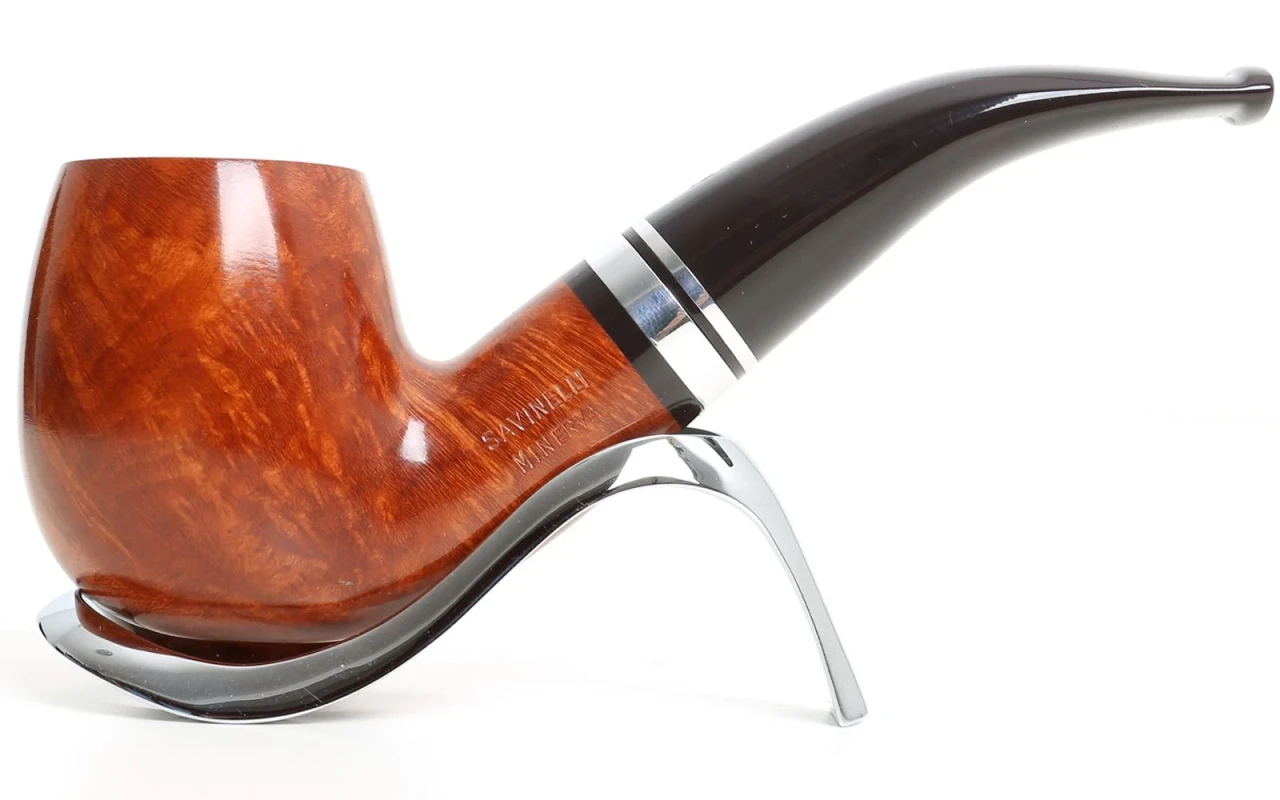
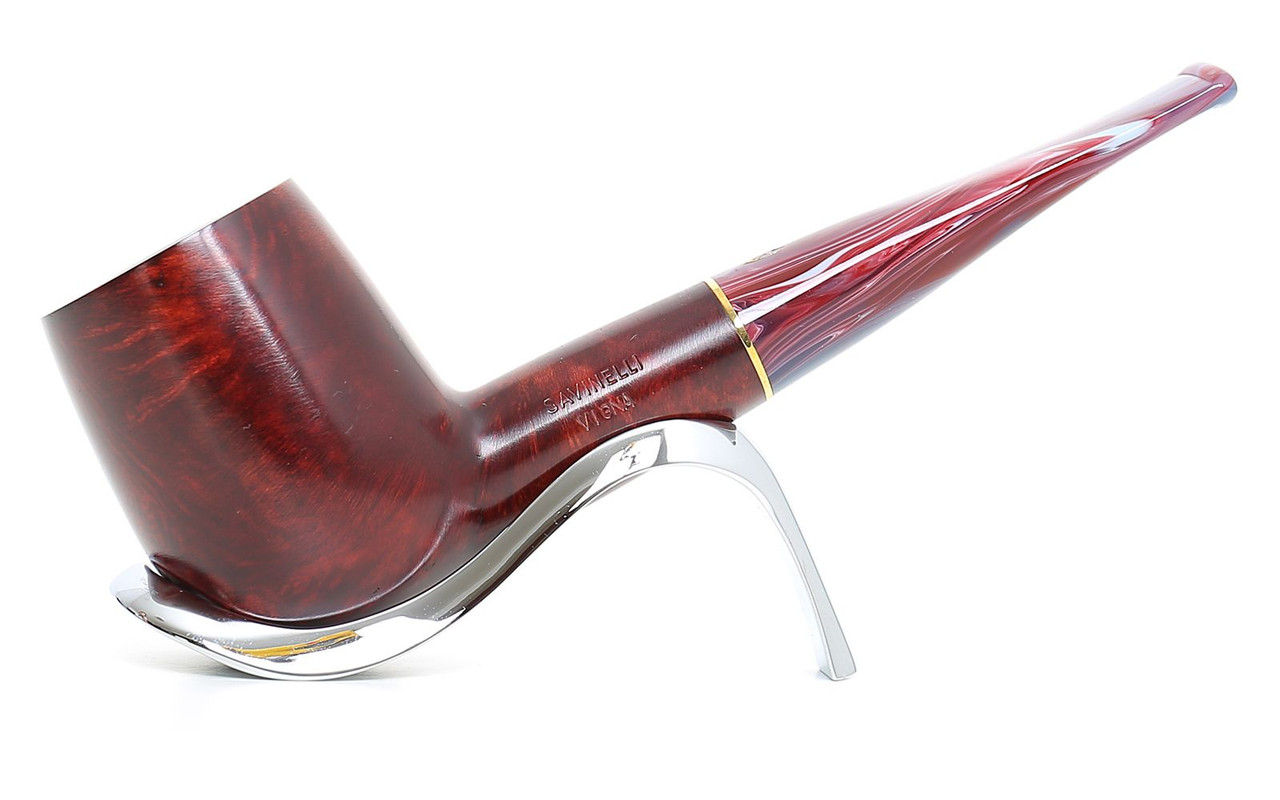
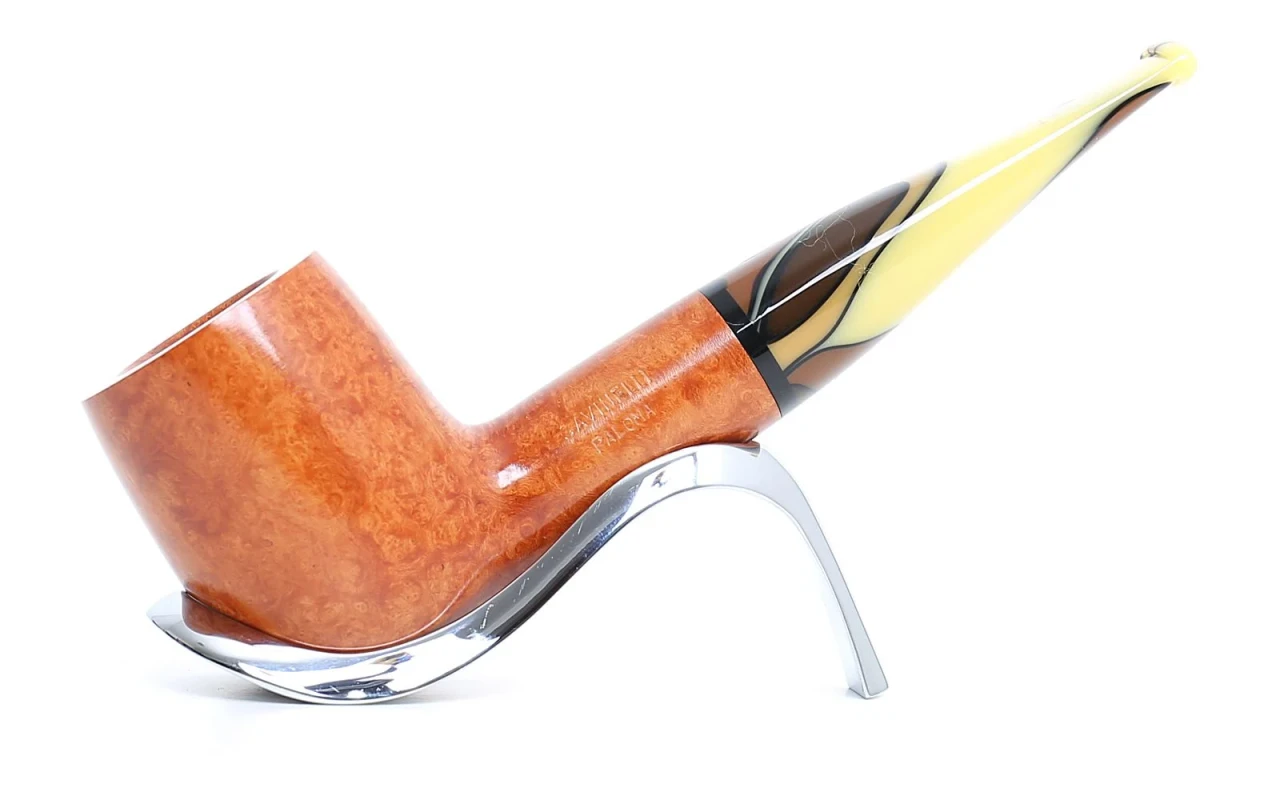
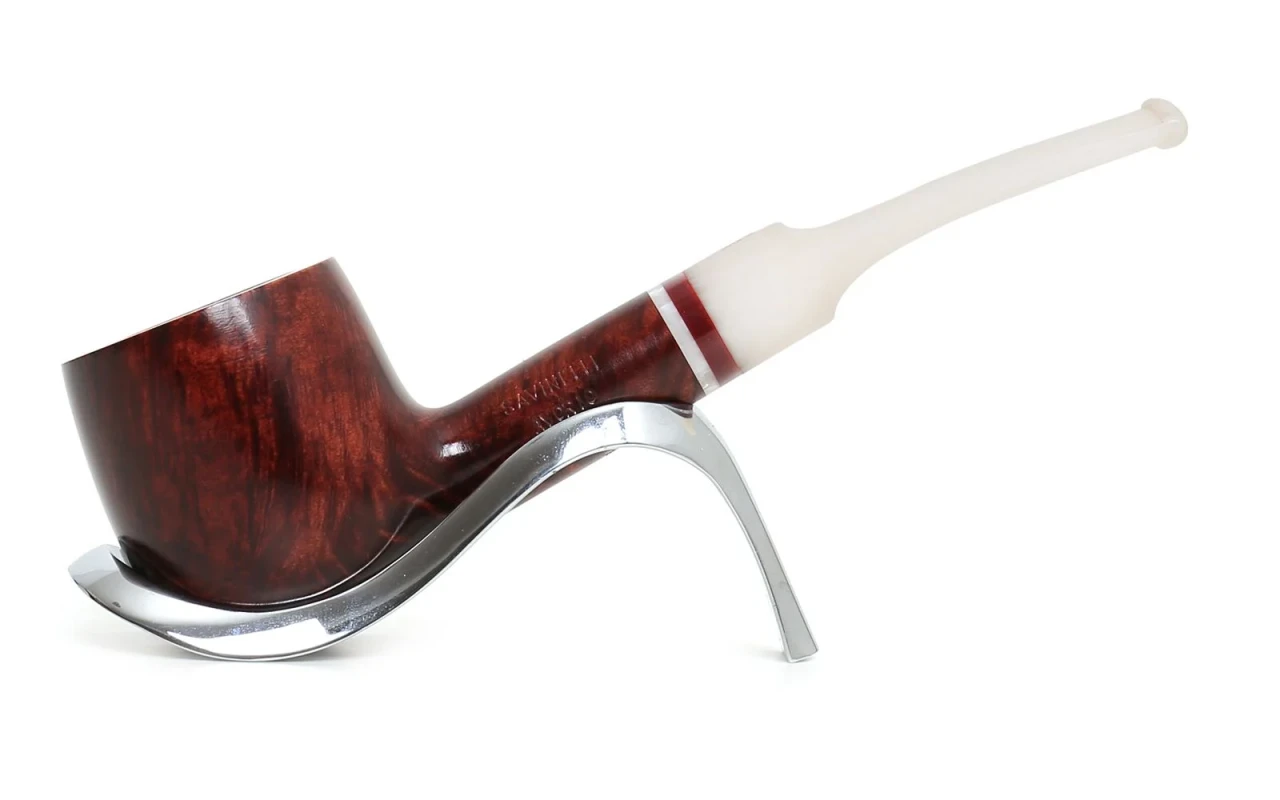
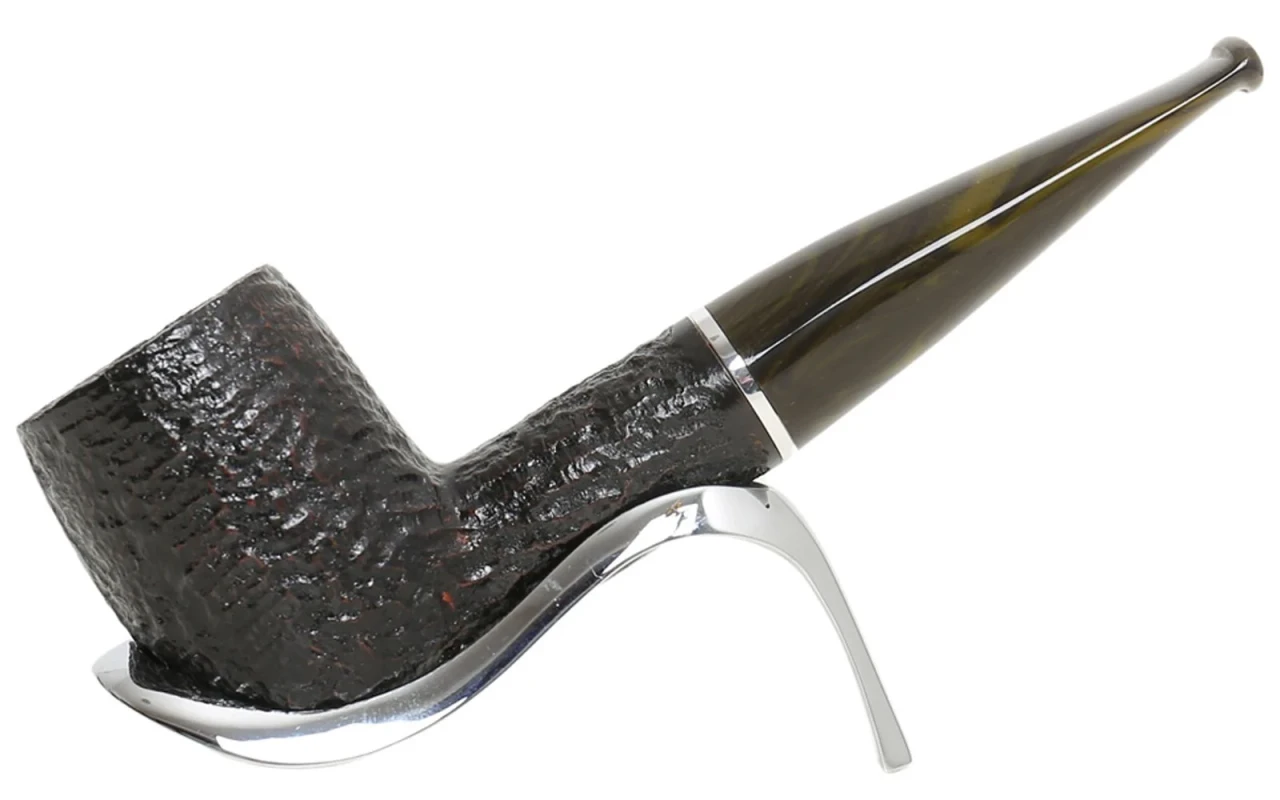
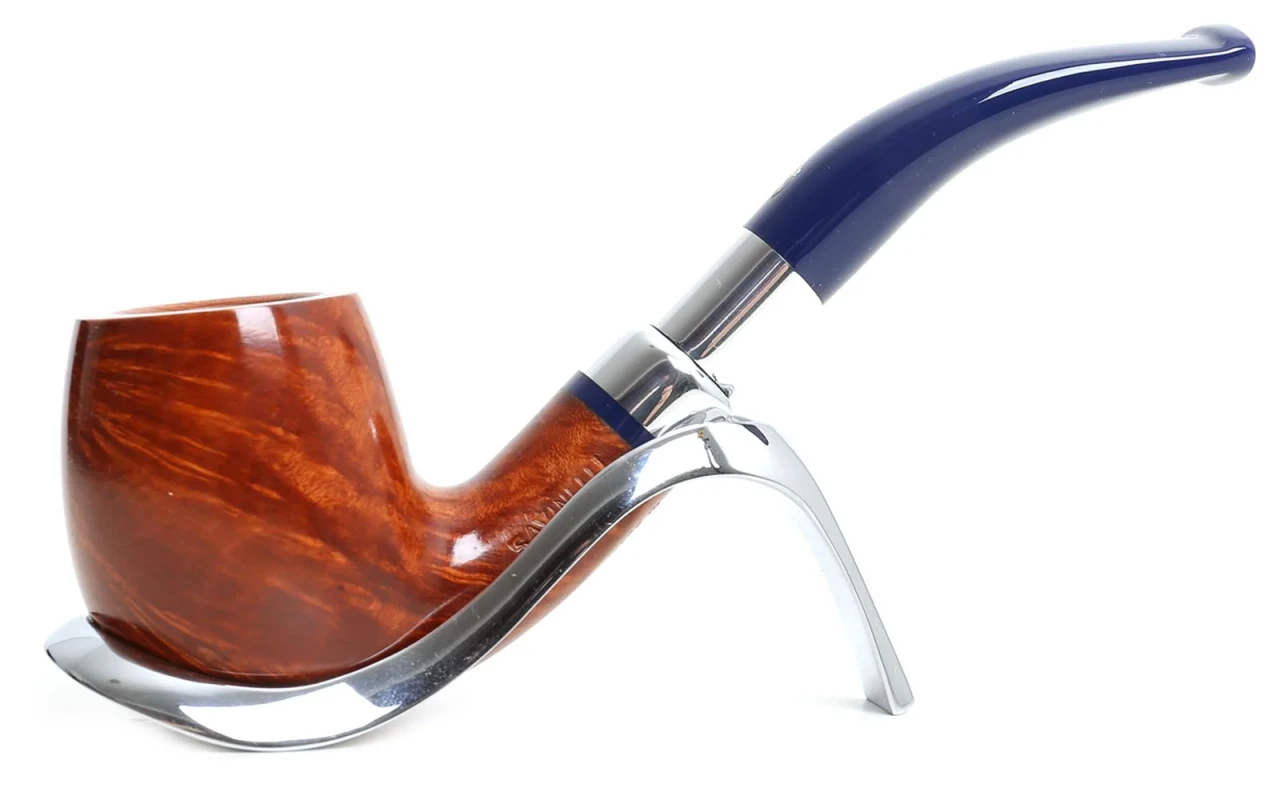
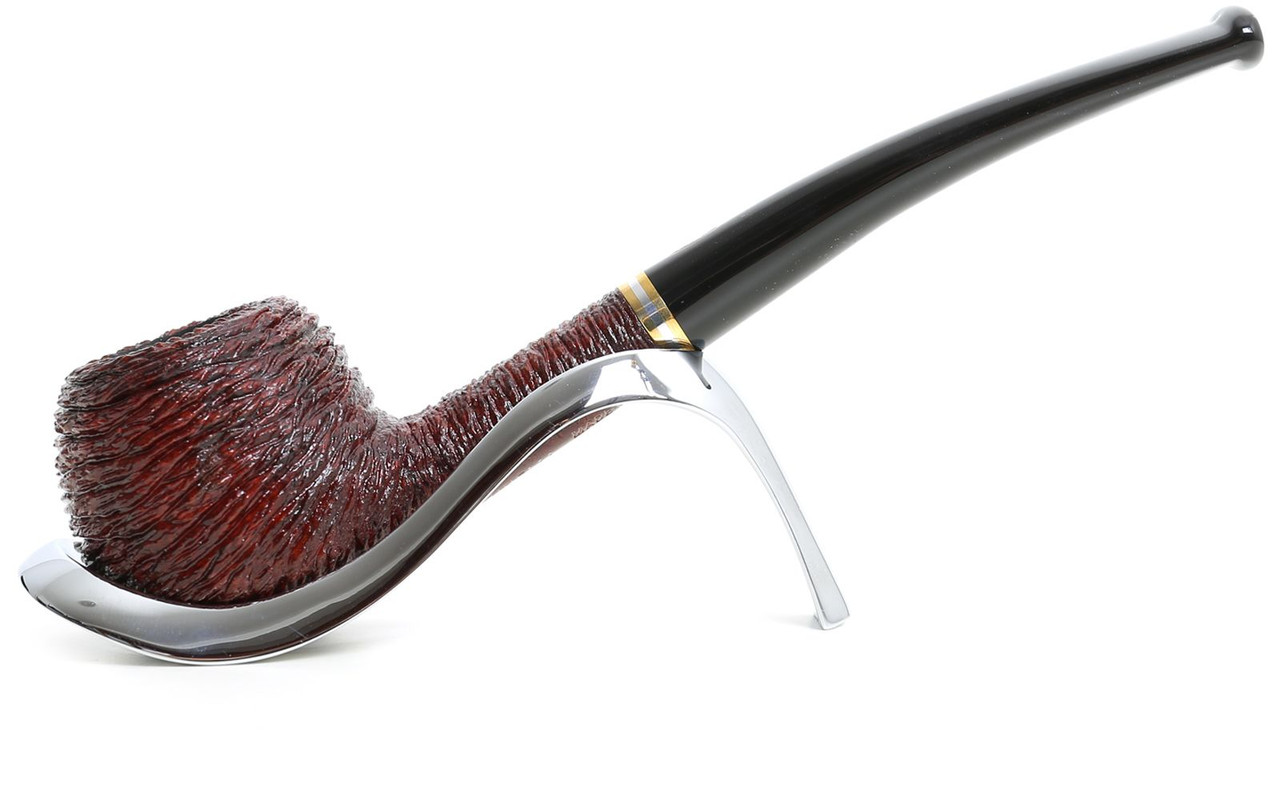
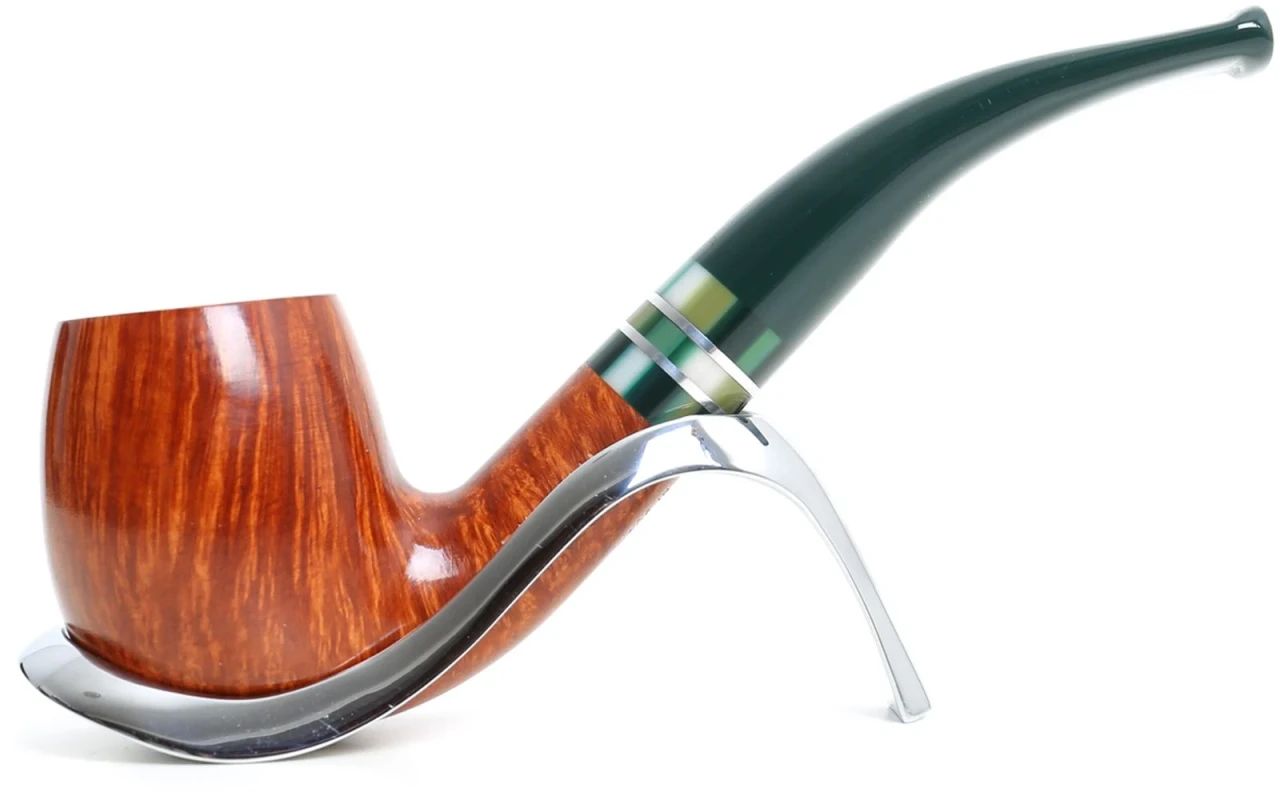
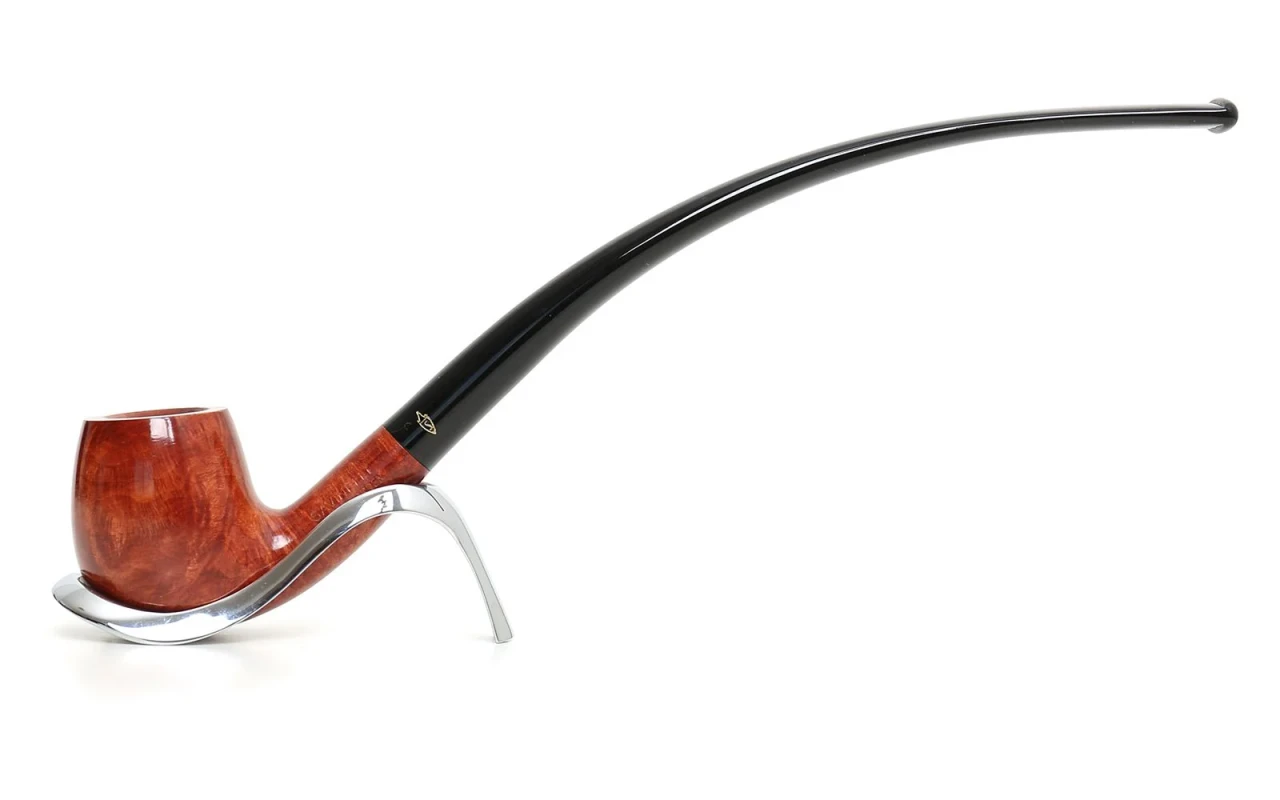
The choice between colored or natural pipes depends on personal taste and aesthetic appreciation. Natural pipes showcase the beauty of the wood and its unique character, while colored pipes offer more uniform finishes and special visual effects. Both can be of high quality, with craftsmanship and materials care being paramount.
Are the best pipes colored or left natural? Deep dive
Deciding whether to prefer colored or natural pipes is primarily a matter of aesthetic preferences and appreciation of the material. Natural pipes highlight the grain and unique characteristics of the wood, often briar, revealing its authentic beauty and each piece’s distinctive character. This type of finish can enhance natural imperfections and give a more rustic, traditional look. Conversely, colored pipes are treated with finishes ranging from simple oil or wax treatments to more elaborate colorations that enhance or alter the original wood tone. These finishes can provide a more uniform, glossy, or satin appearance and allow for particular aesthetic effects such as shading or unusual hues. The quality of a pipe does not depend solely on whether it is colored or natural, but on the quality of the wood, artisanal mastery in crafting, and attention to detail. Both options can be excellent, provided the pipe is well made and properly finished. Additionally, the choice can affect maintenance: natural pipes may require more careful care to preserve the wood, while colored pipes can offer greater surface protection. Ultimately, the preference between colored or natural pipes is subjective and linked to personal taste, with neither choice being inherently better than the other in terms of quality or functionality.