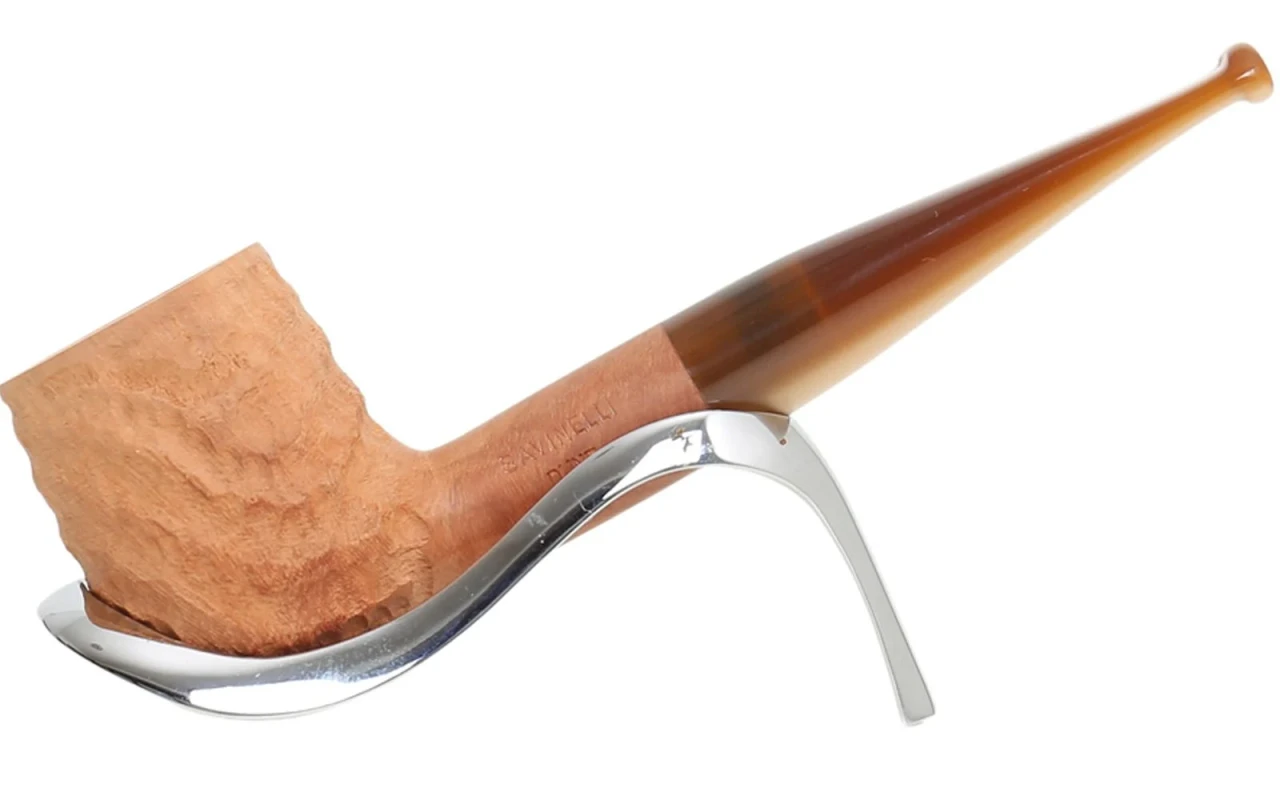
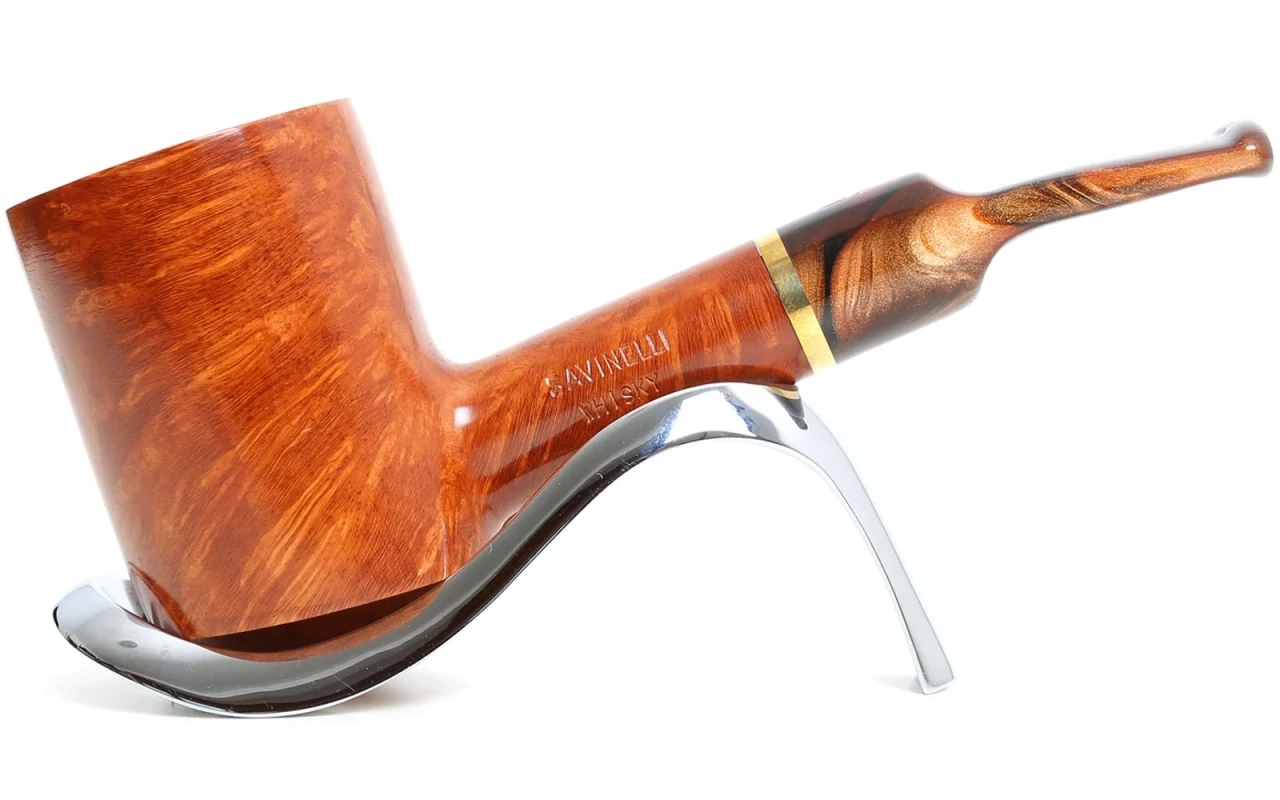
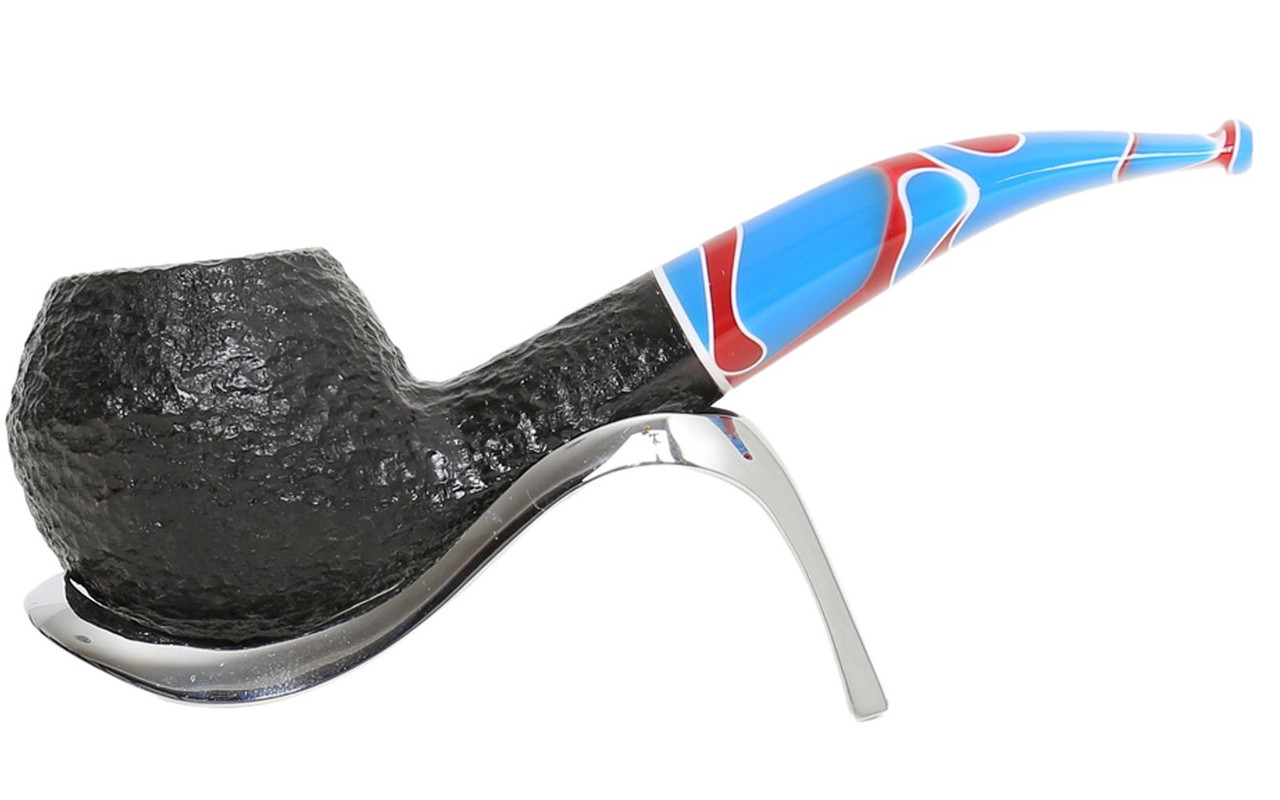
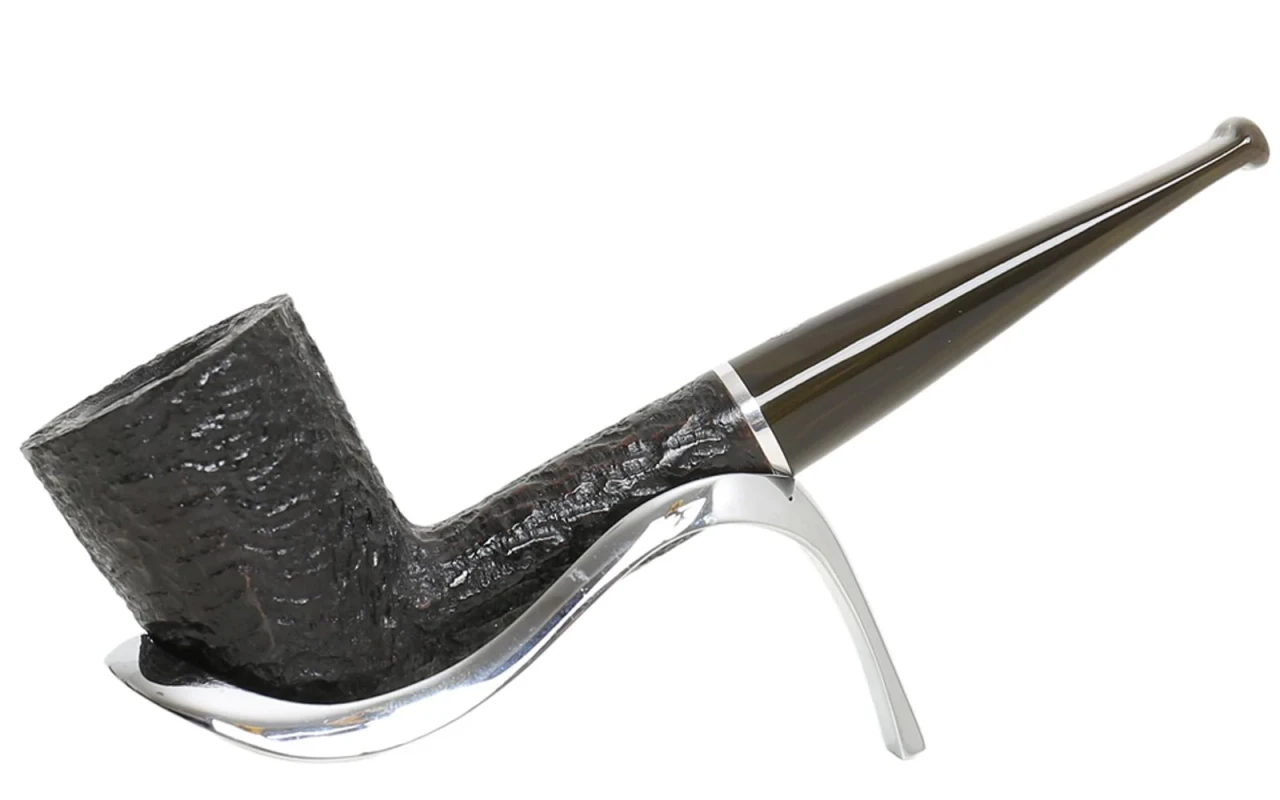
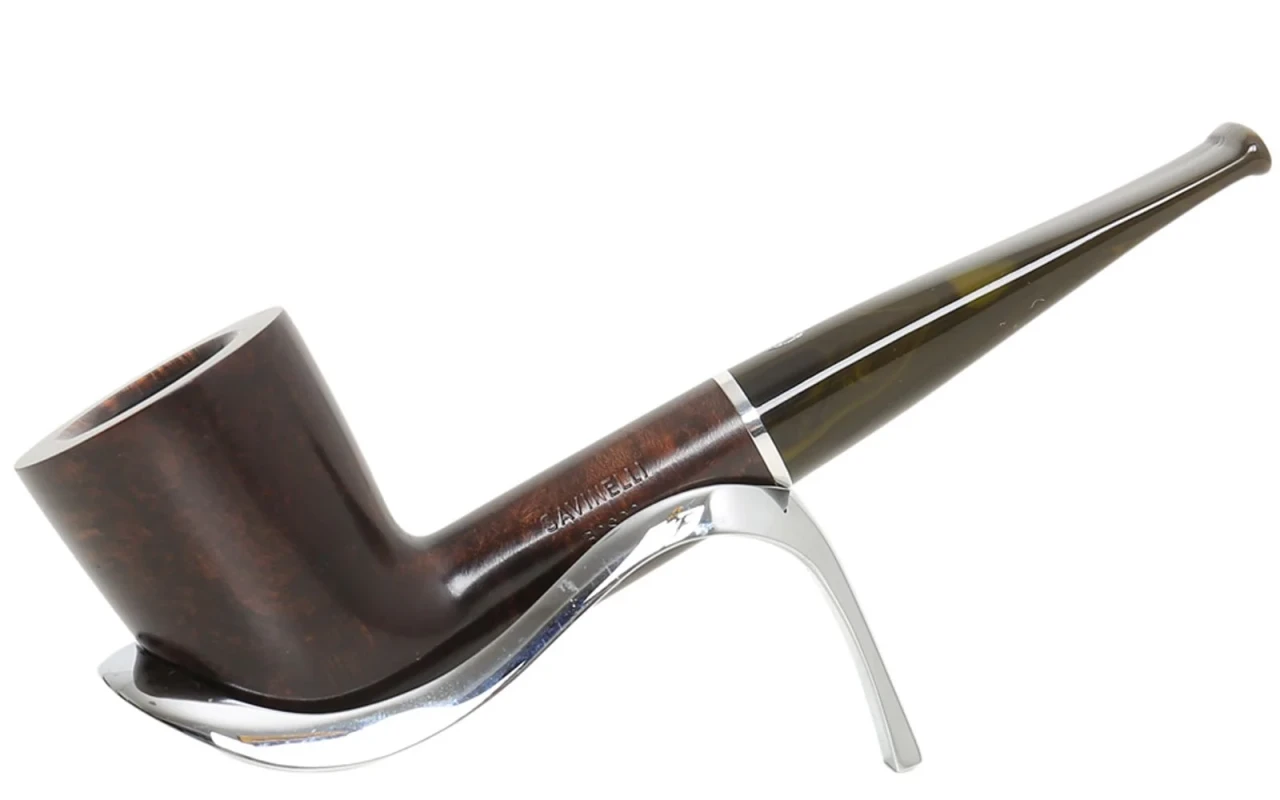
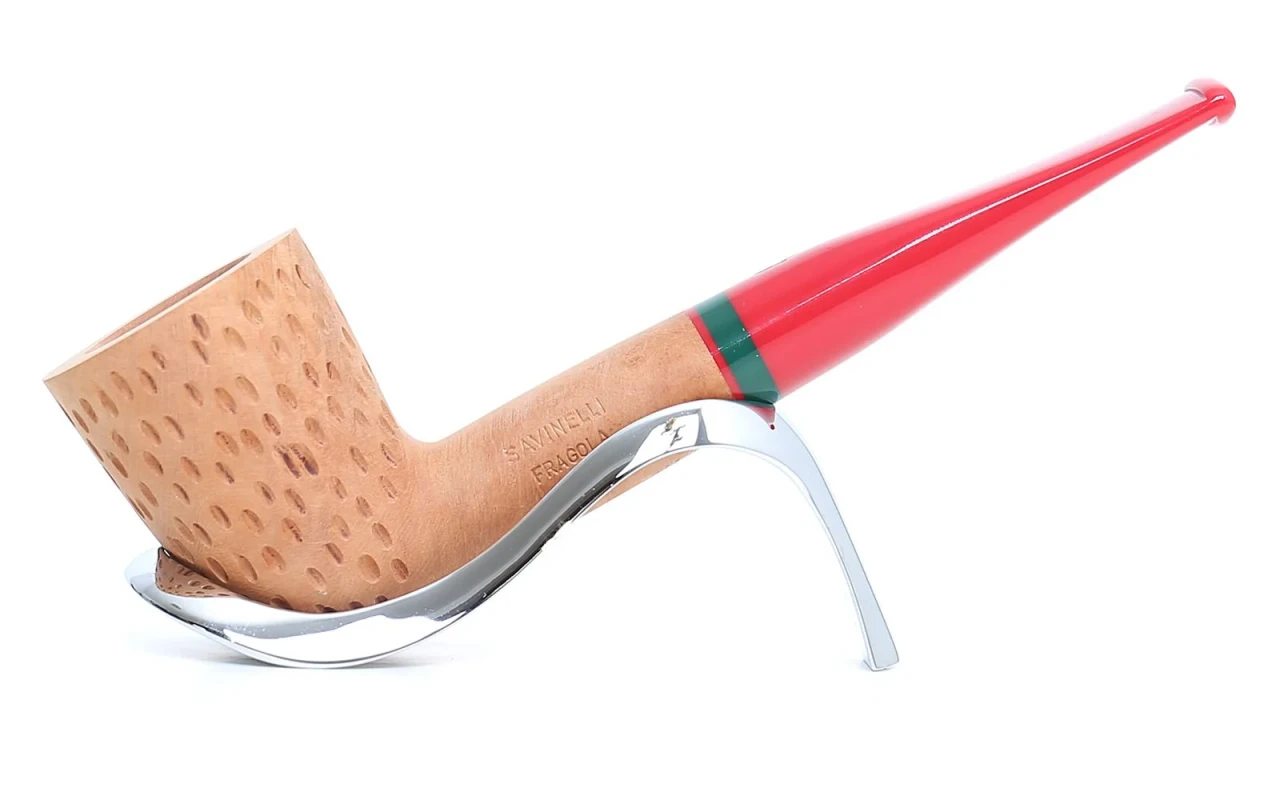
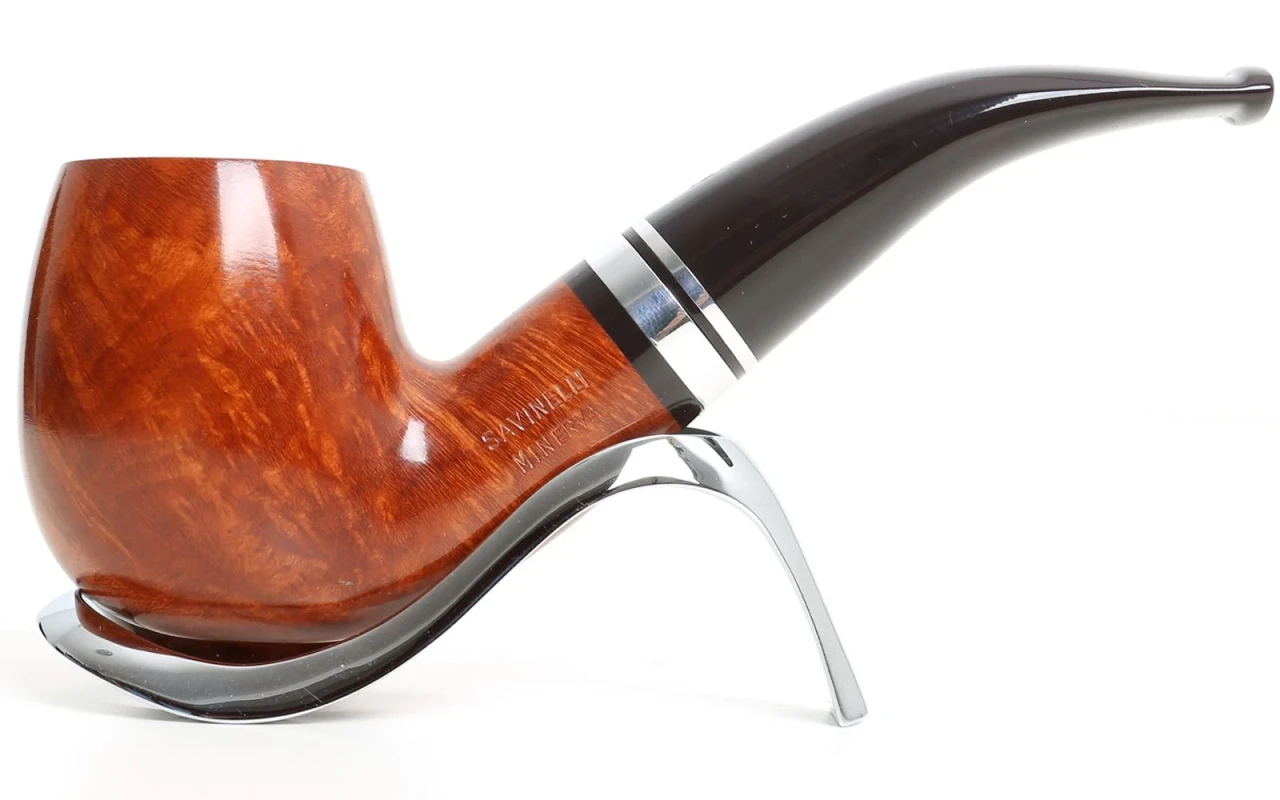
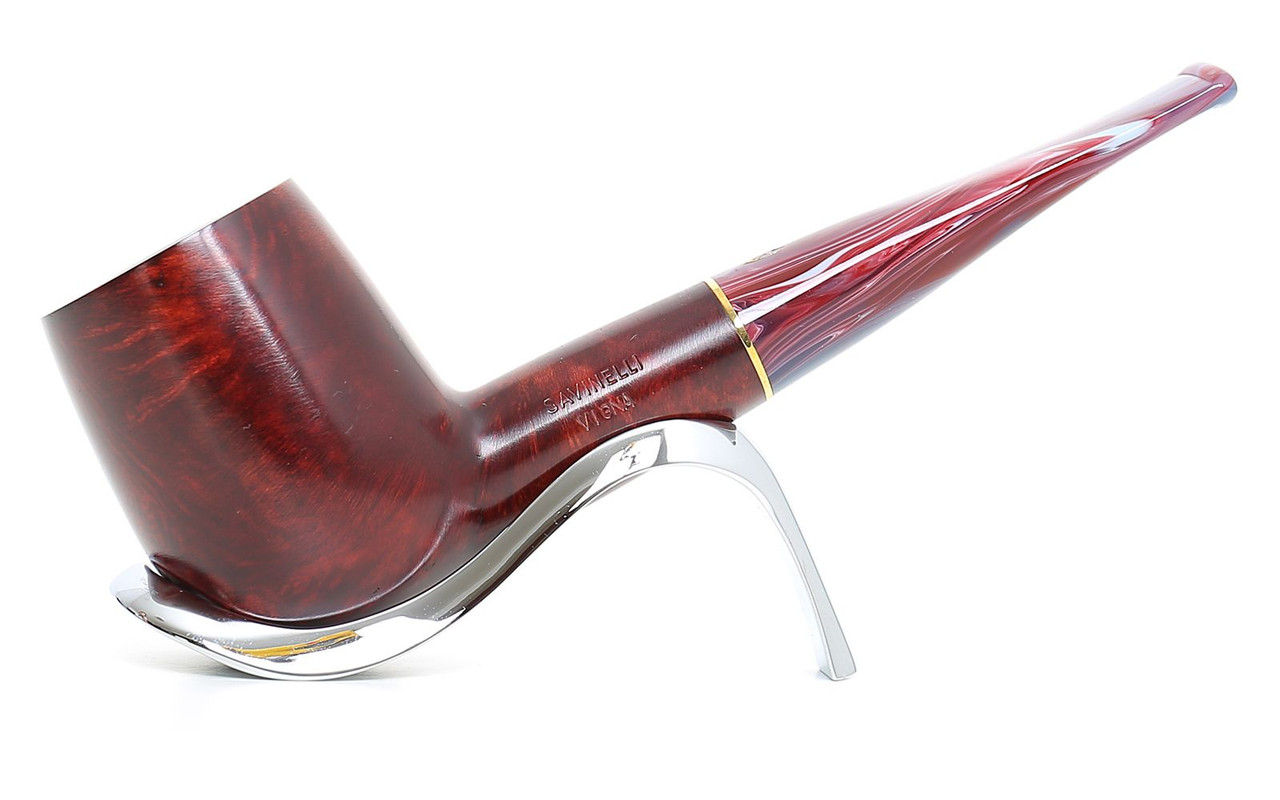
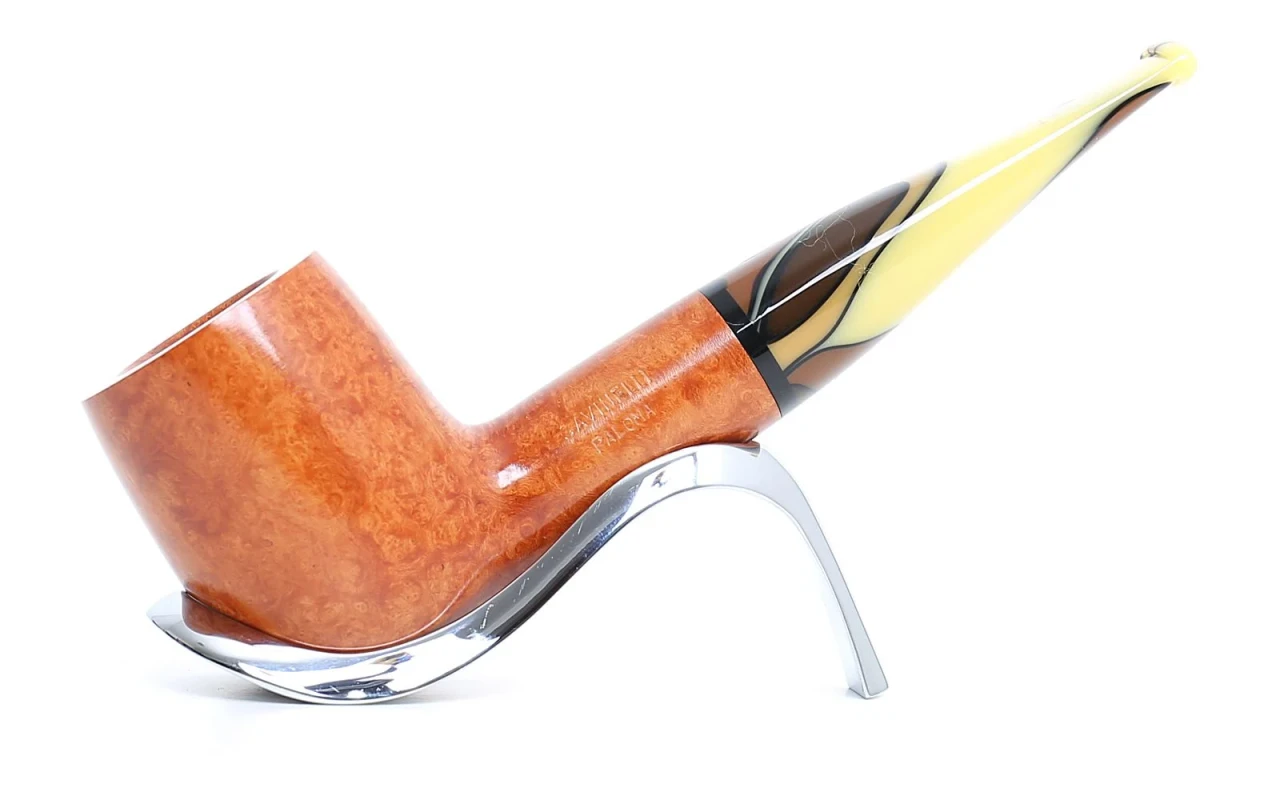
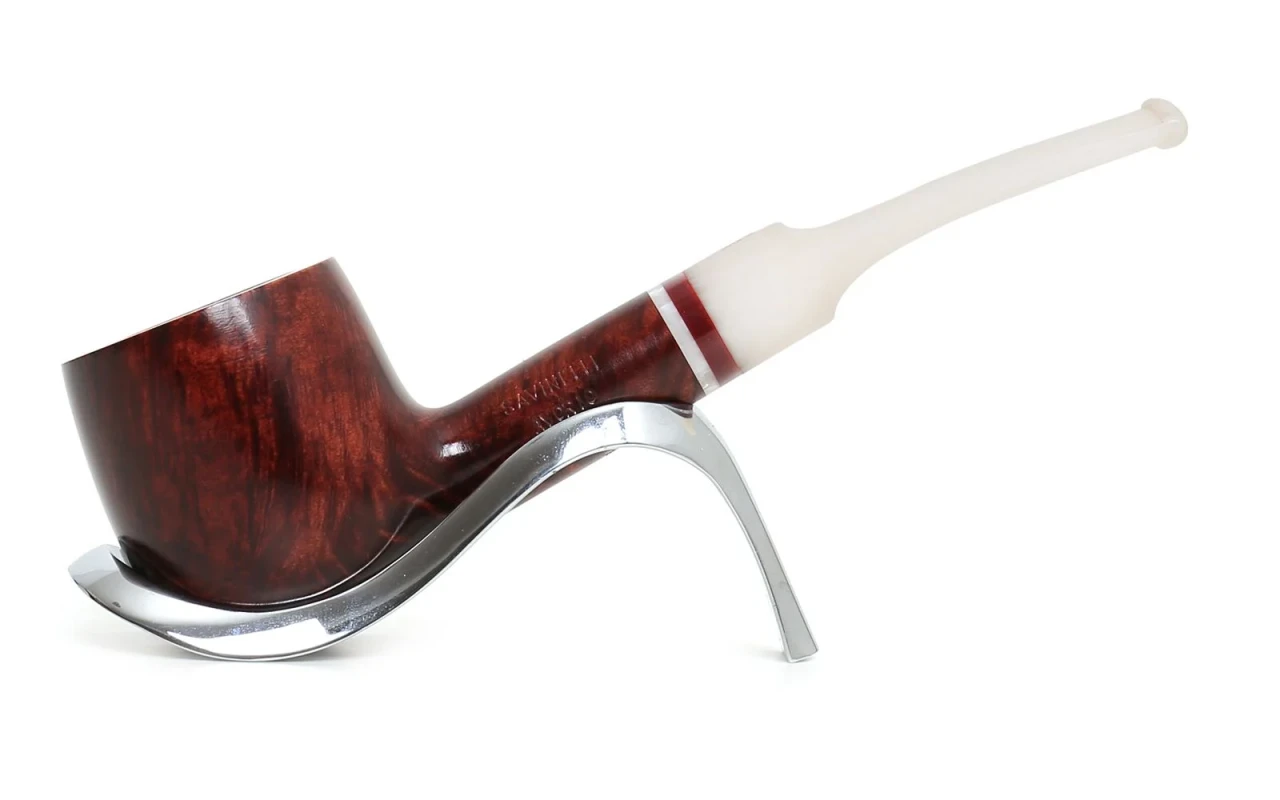
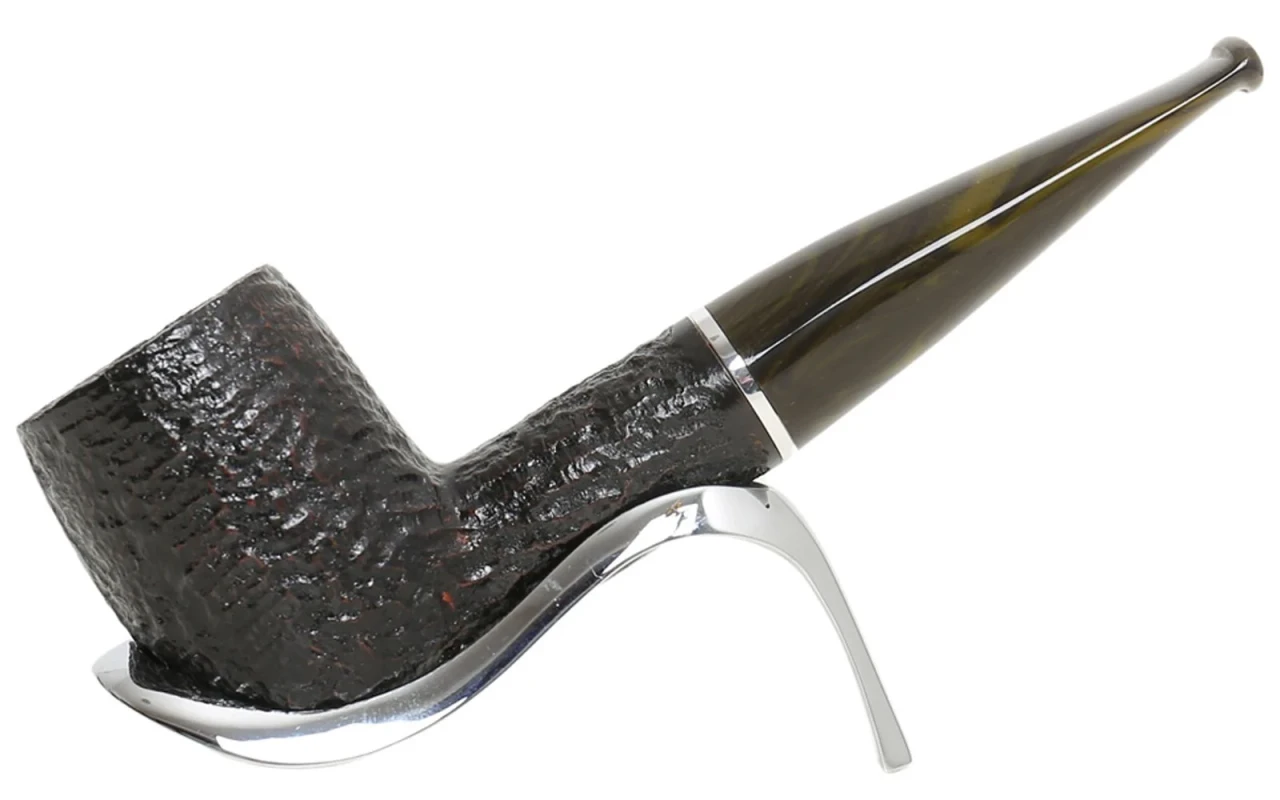
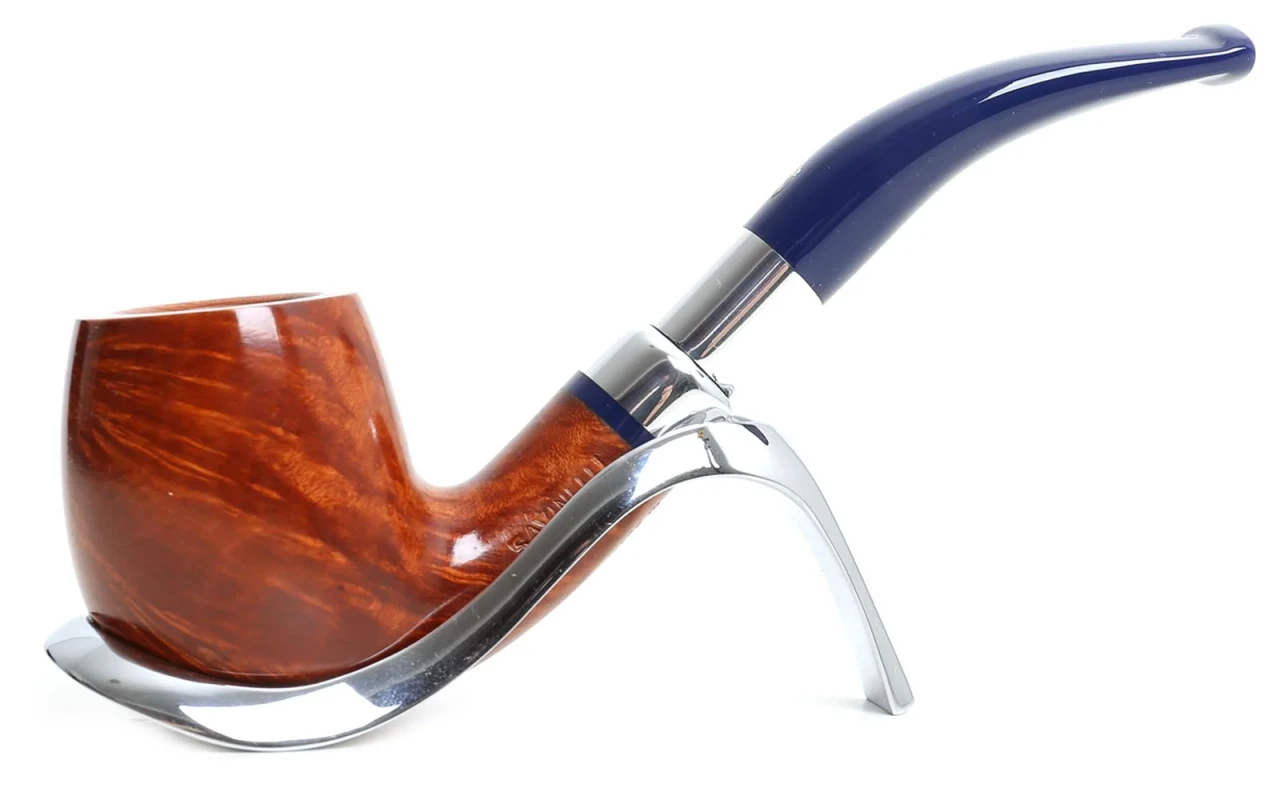
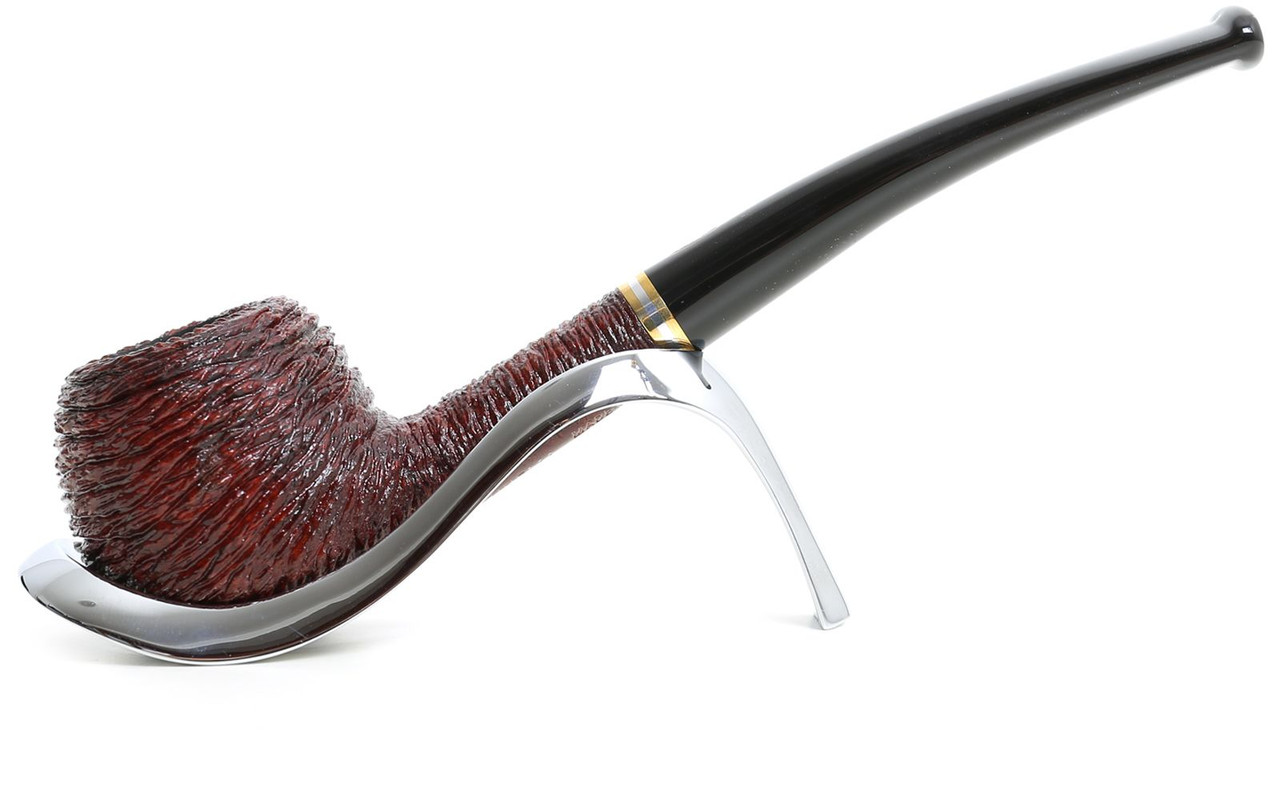
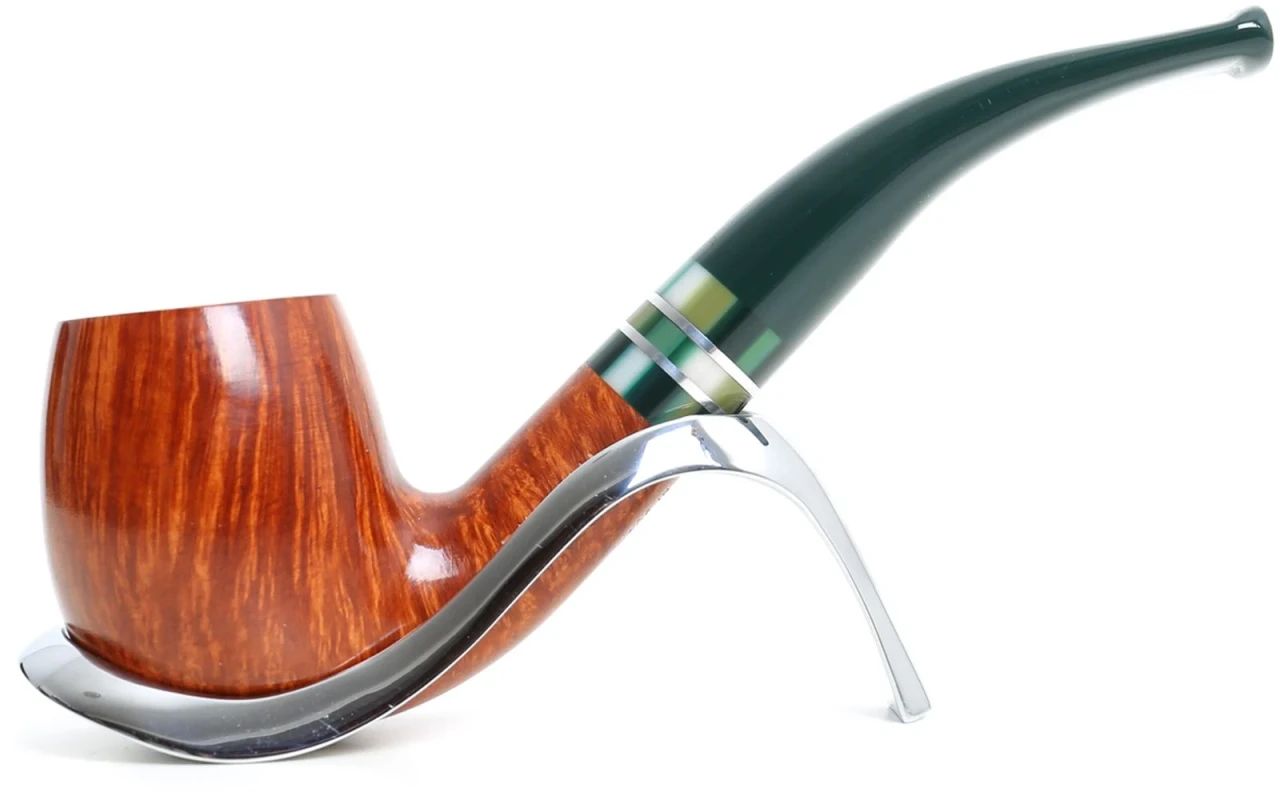
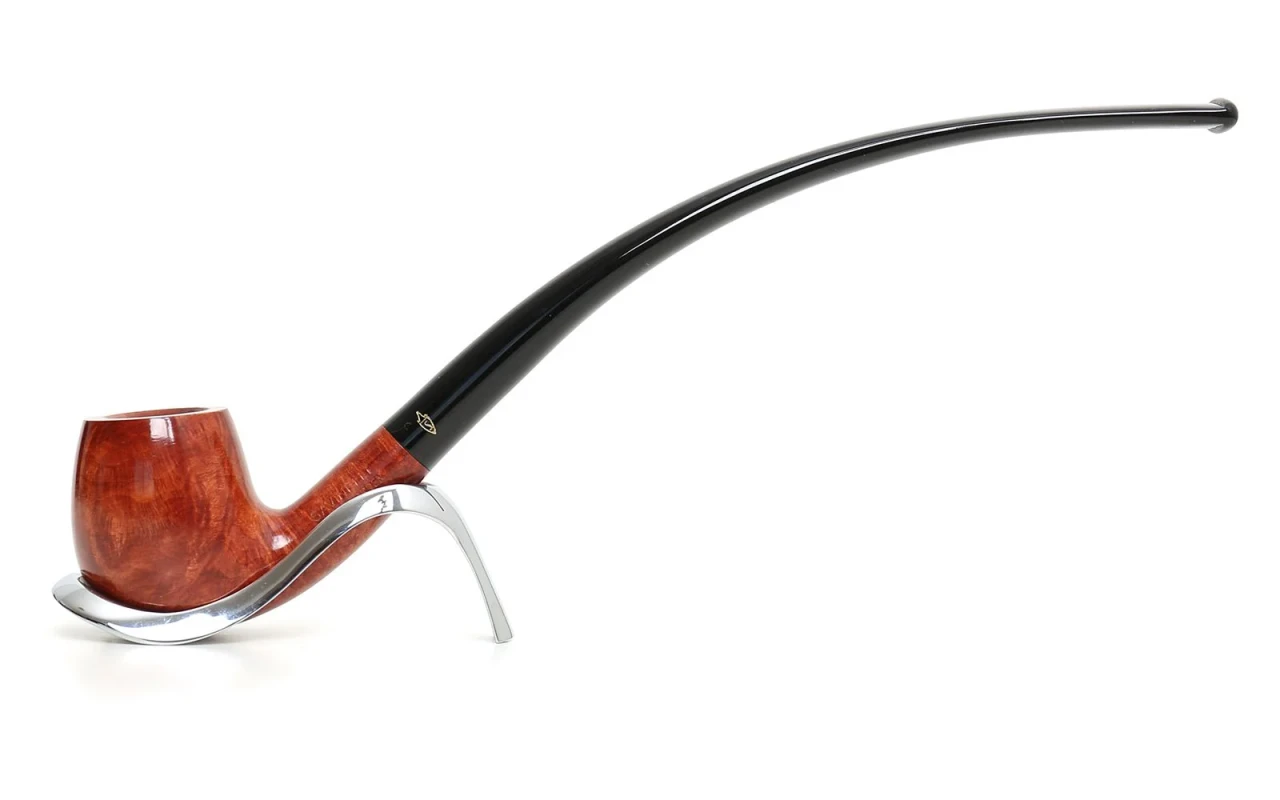
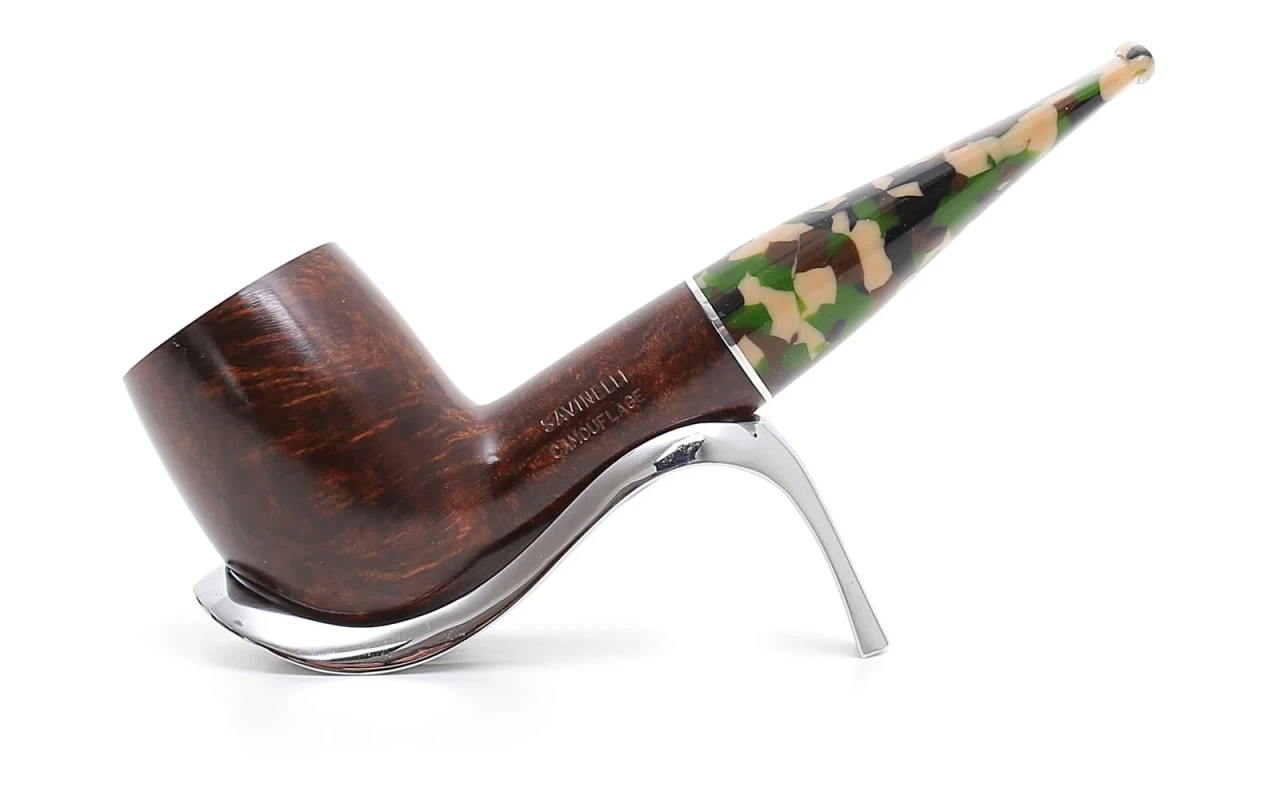
Curved pipes require more drying time because their shape prevents direct and rapid airflow through the bowl and shank. Moisture tends to stagnate in the curves, slowing evaporation and the release of residual moisture after use.
Why do curved pipes require more drying time? Deep dive
Curved pipes have a shape that directly affects the drying process. Unlike straight pipes, where the airflow path is linear and facilitates quick air exchange, curved pipes have a more tortuous path. This causes moisture produced from tobacco combustion and saliva to accumulate more in the bends of the shank and bowl. Air struggles to circulate freely, thus slowing down the evaporation of residual moisture. Consequently, these pipes require a longer time to dry completely after each use. To maintain the pipe in good condition and prevent moisture buildup that could impair flavor and the wood’s durability, it is important to let the curved pipe dry thoroughly, perhaps using appropriate stands or extending the interval between uses. Proper care and maintenance are essential to preserve smoking quality and pipe longevity.