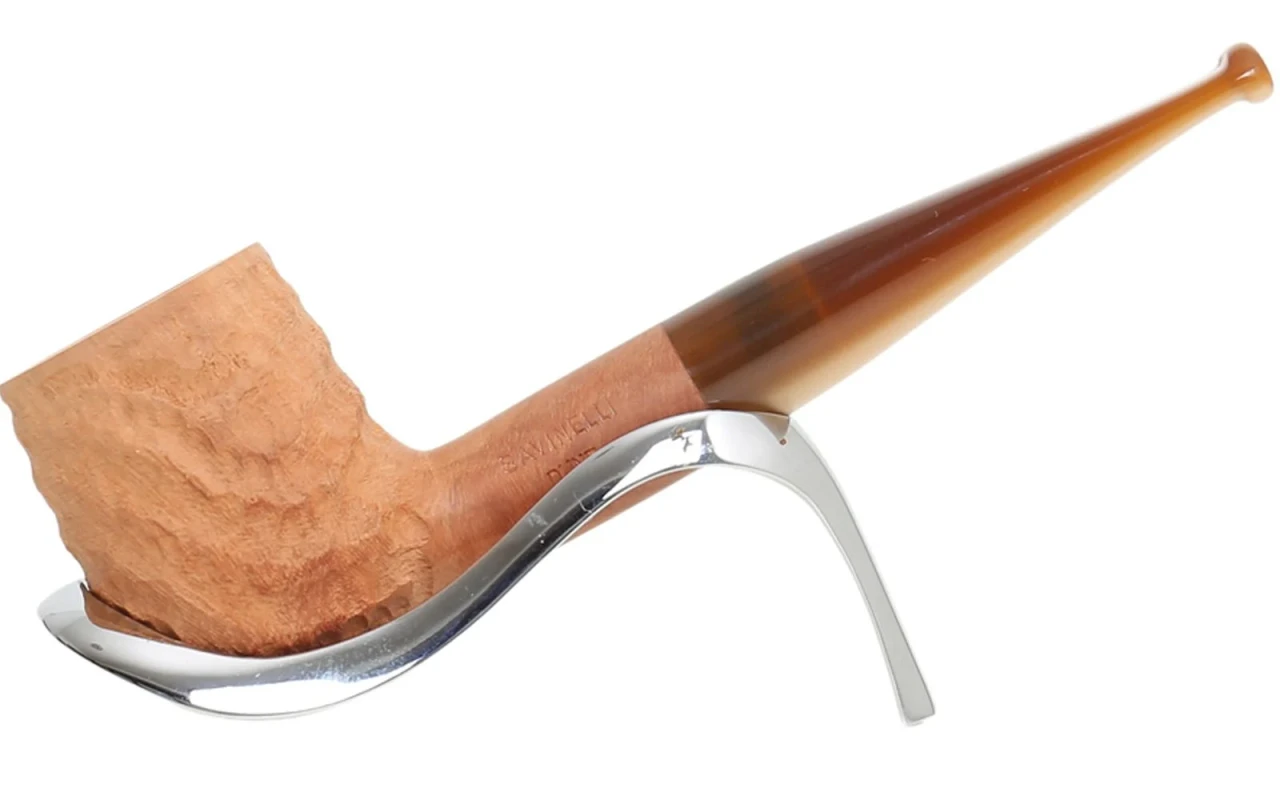
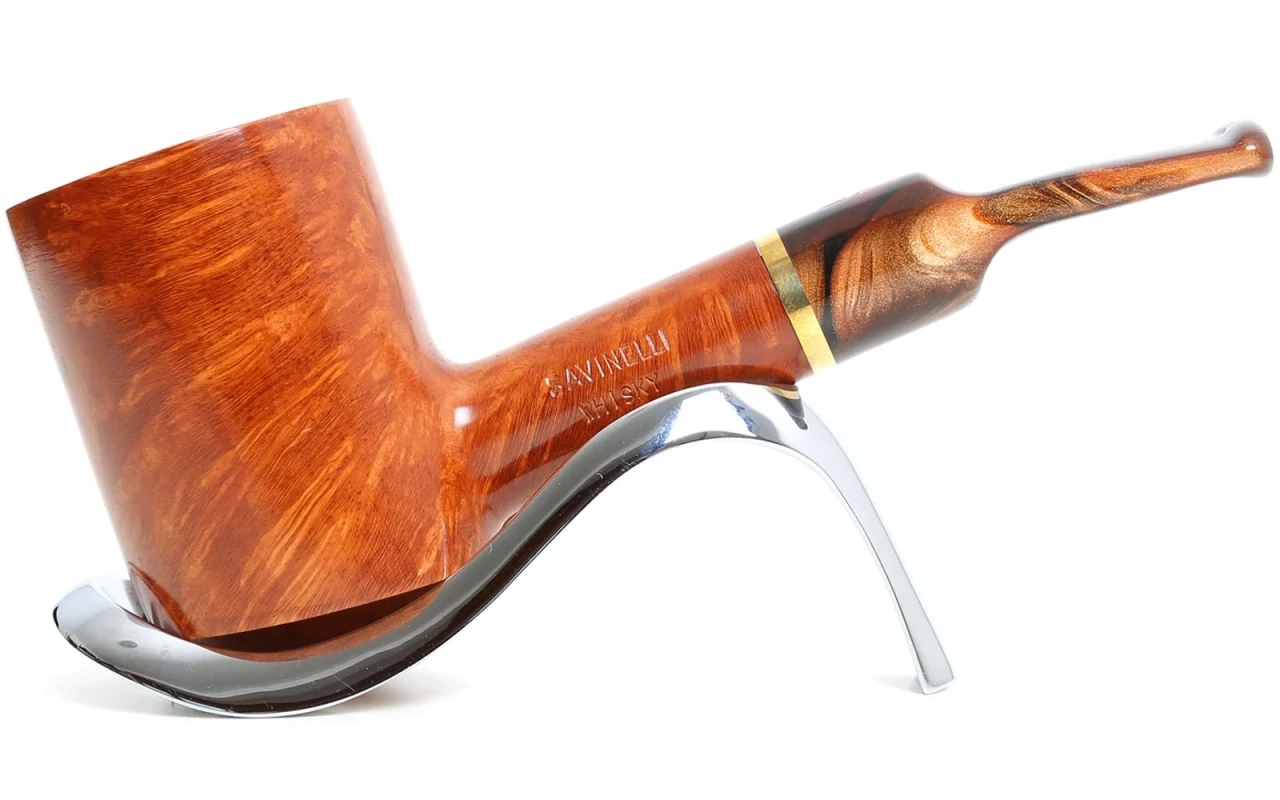
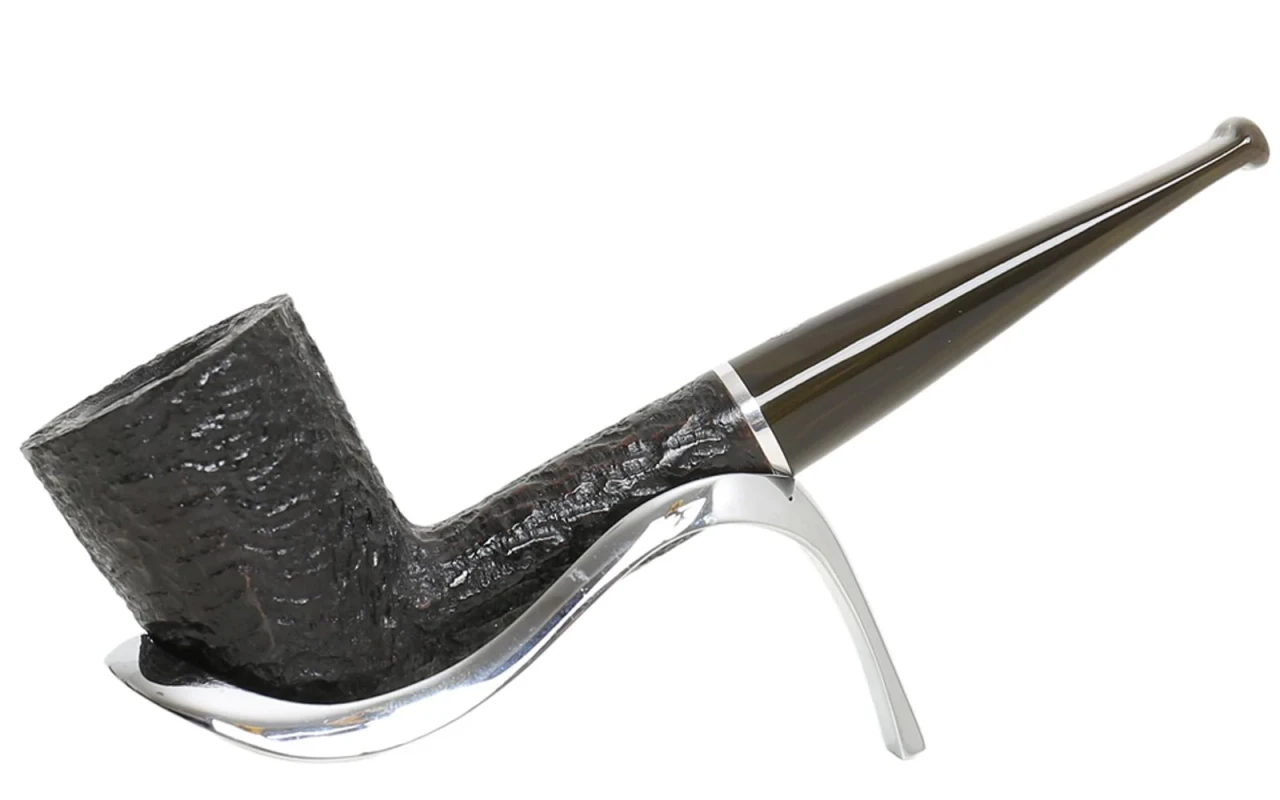
To avoid engraving the pipe wood with a milling cutter, it is essential to use suitable tools and proceed gently, adjusting the cutter's speed and applying light pressure. It is advisable to test on similar woods and always maintain good manual skill to preserve the material's integrity.
How to avoid engraving the pipe wood with a milling cutter? Deep dive
Avoiding engraving the pipe wood with a milling cutter requires attention and technique. First of all, it is important to choose an appropriate milling cutter, preferably with a fine and sharp tip, allowing precise control without damaging the surface. The cutter’s speed must be regulated to prevent overheating the wood, as heat can cause burns or deformations. During the operation, a light and constant pressure should be applied, avoiding sudden movements or excessive force that could engrave too deeply or create unwanted marks. Practicing on pieces of similar wood before working on the actual pipe is useful to gain confidence with the tool and assess the cutter’s effect on the material. Additionally, keeping the milling cutter well sharpened and clean helps achieve clean and precise cuts, reducing the risk of slipping or damage. Finally, working in a well-lit environment and ensuring good stability of the pipe during processing contribute to improving precision and protecting the wood from accidental engravings.