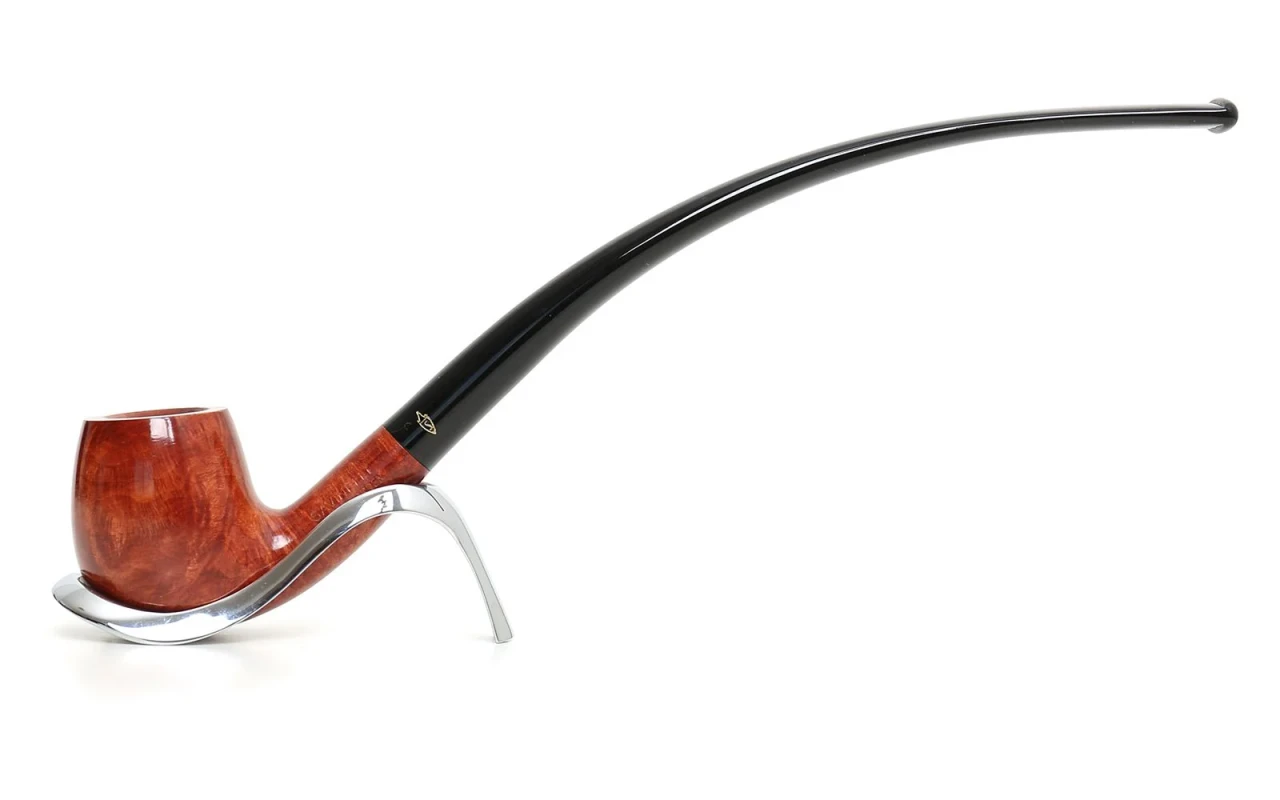
Condensation inside the pipe forms due to the cooling of the hot smoke within the bowl and shank. The moisture present in the tobacco and smoke turns into liquid, accumulating as droplets. This phenomenon is common and can affect the flavor and cleanliness of the pipe if not properly managed.
Why does condensation form inside the pipe during smoking? Deep dive
During smoking, the hot smoke produced by the combustion of tobacco travels through the bowl and shank of the pipe, which are cooler in temperature compared to the smoke itself. This temperature difference causes the condensation of water vapor contained in the smoke, transforming it into liquid droplets that accumulate inside the pipe. Moisture present in the tobacco, along with the natural humidity of the smoke, contributes to this effect. Condensation can influence the smoking experience by making it wetter or altering certain aromatic notes. Additionally, excessive condensation can lead to buildups that require more frequent cleaning to keep the pipe in good condition and ensure an optimal smoking experience. To limit condensation formation, it is advisable to smoke slowly, avoiding rapid inhalation, and maintain proper pipe care by regularly cleaning to remove residue and moisture. The choice of pipe materials and shapes can also affect the amount of condensation, as some designs facilitate better heat and moisture dispersion. Understanding this phenomenon helps improve pipe management and fully enjoy the culture of slow smoking.