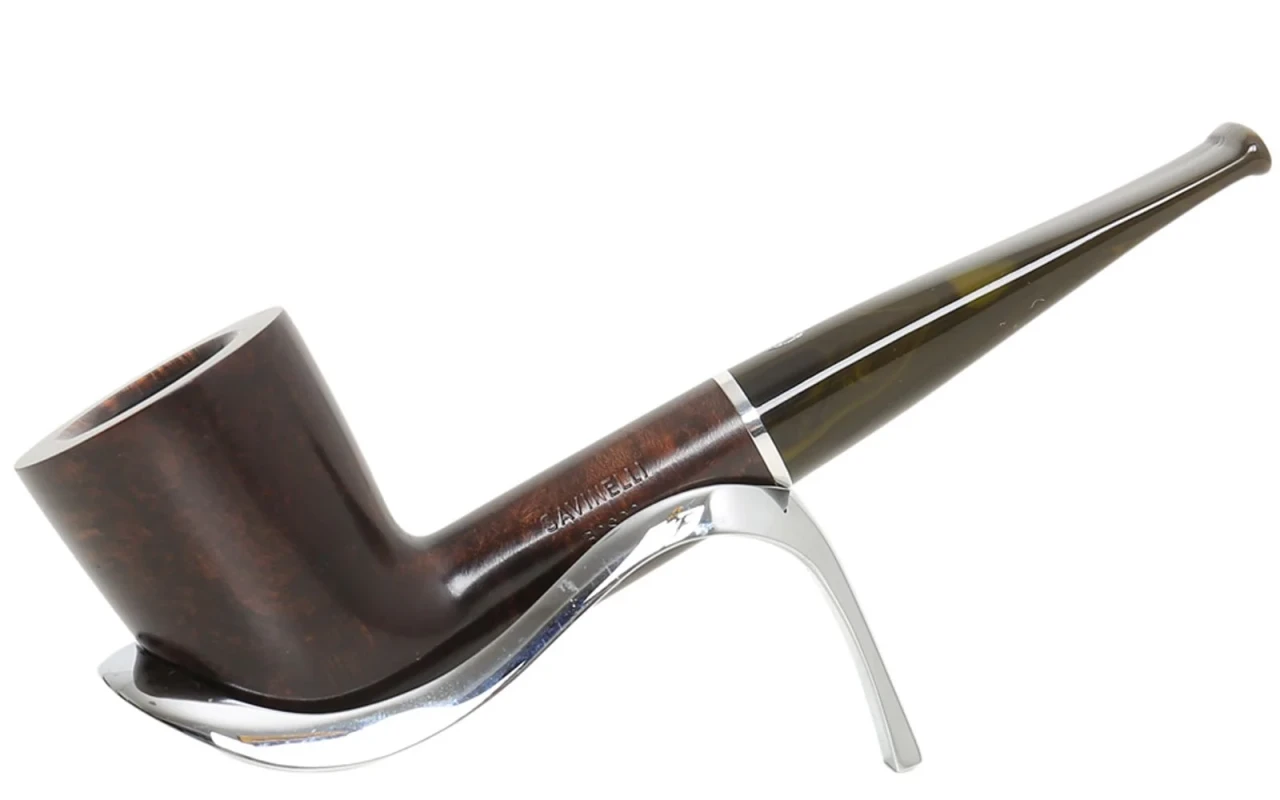
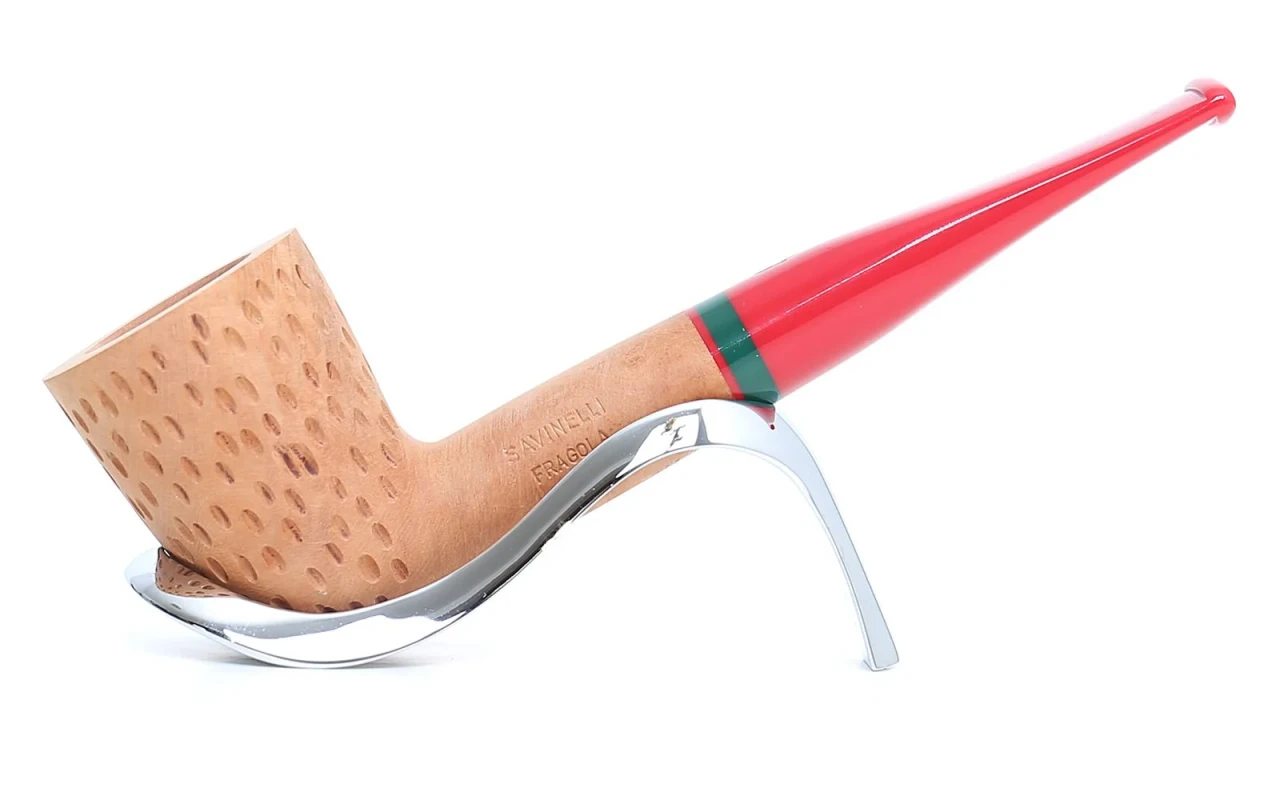
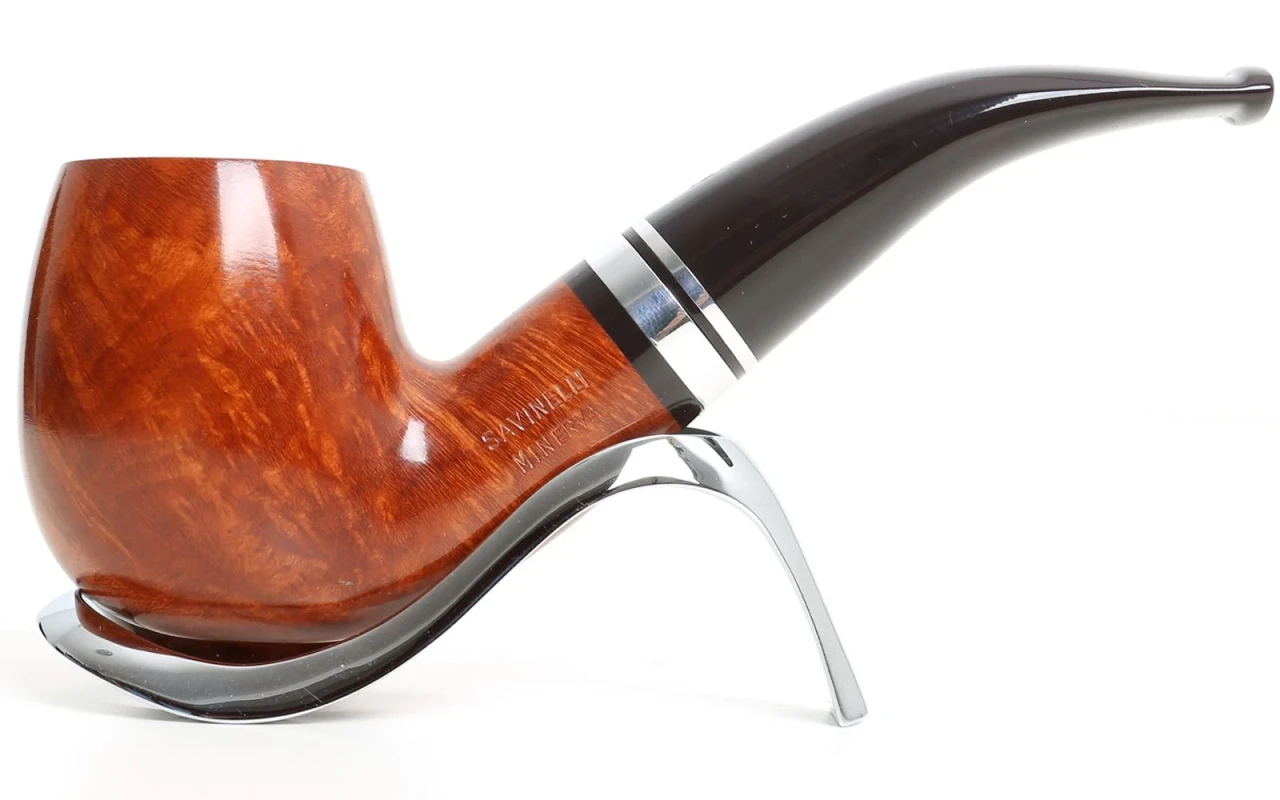
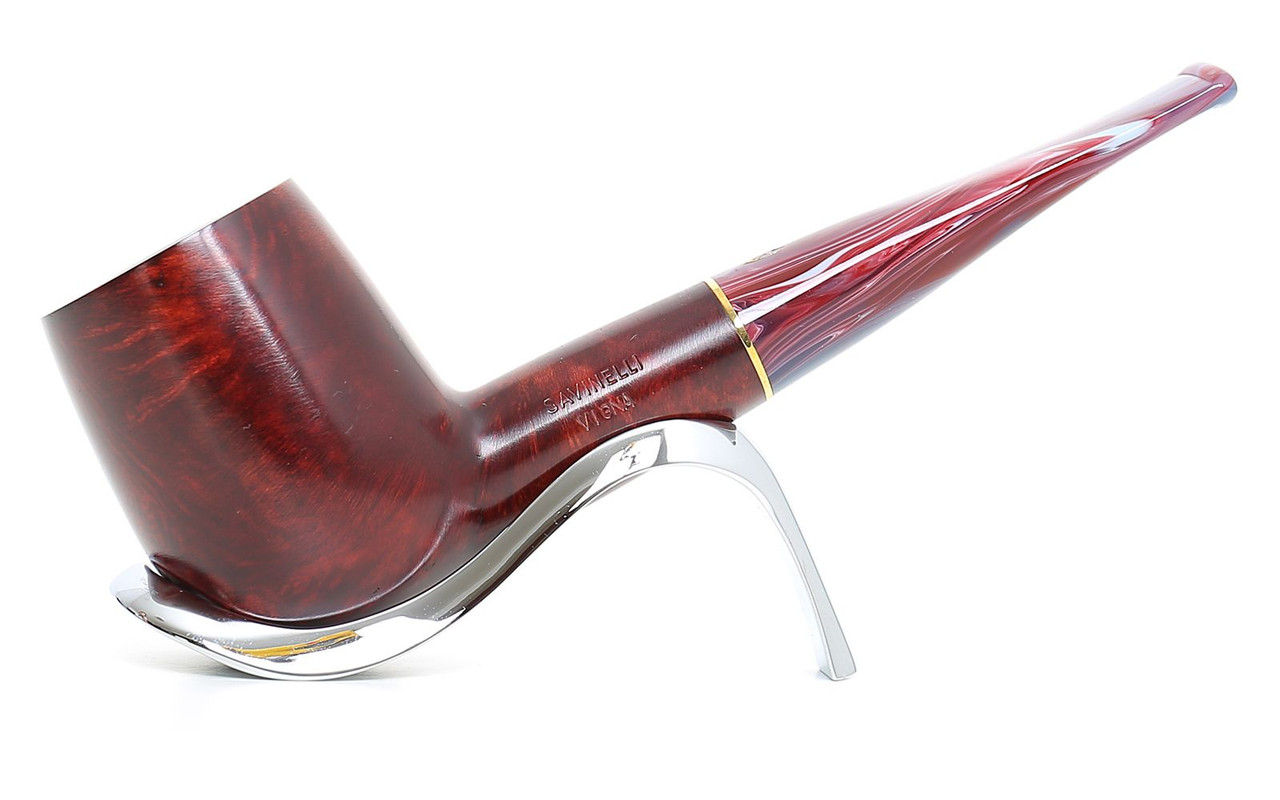
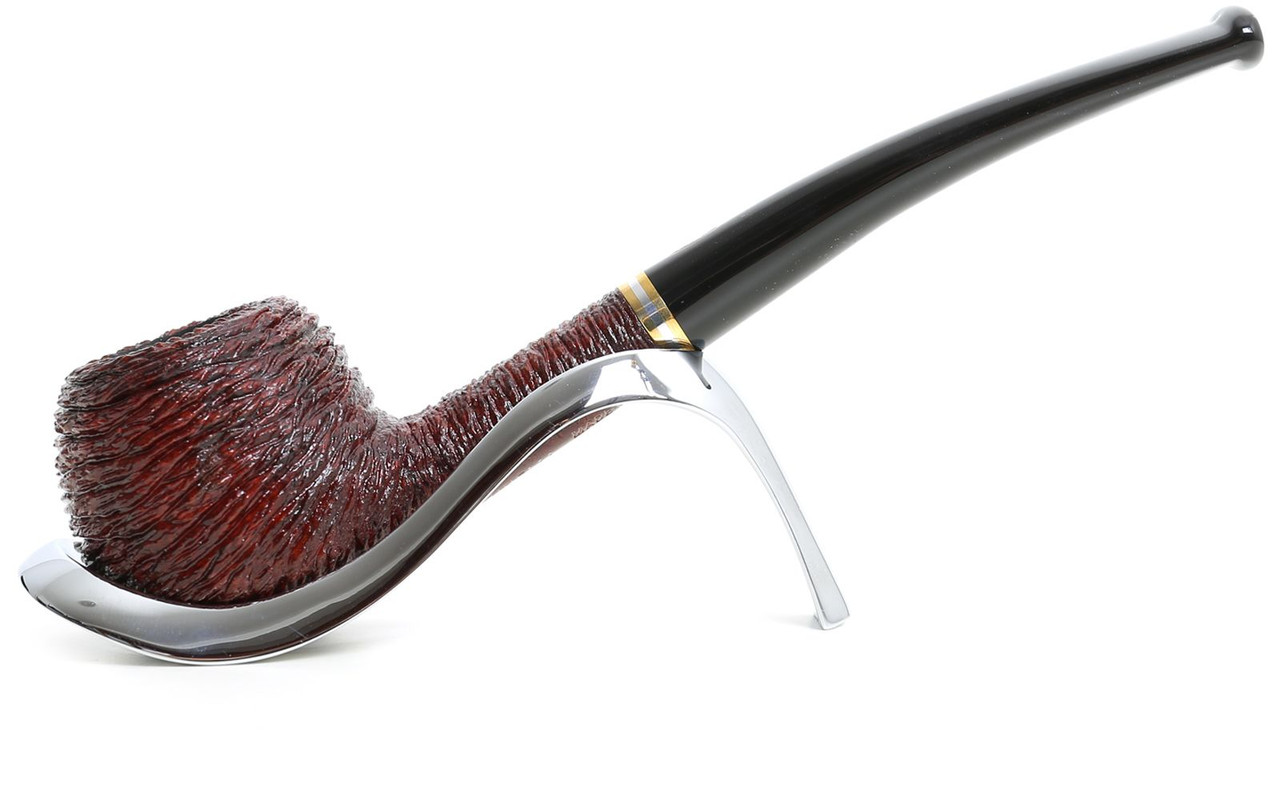
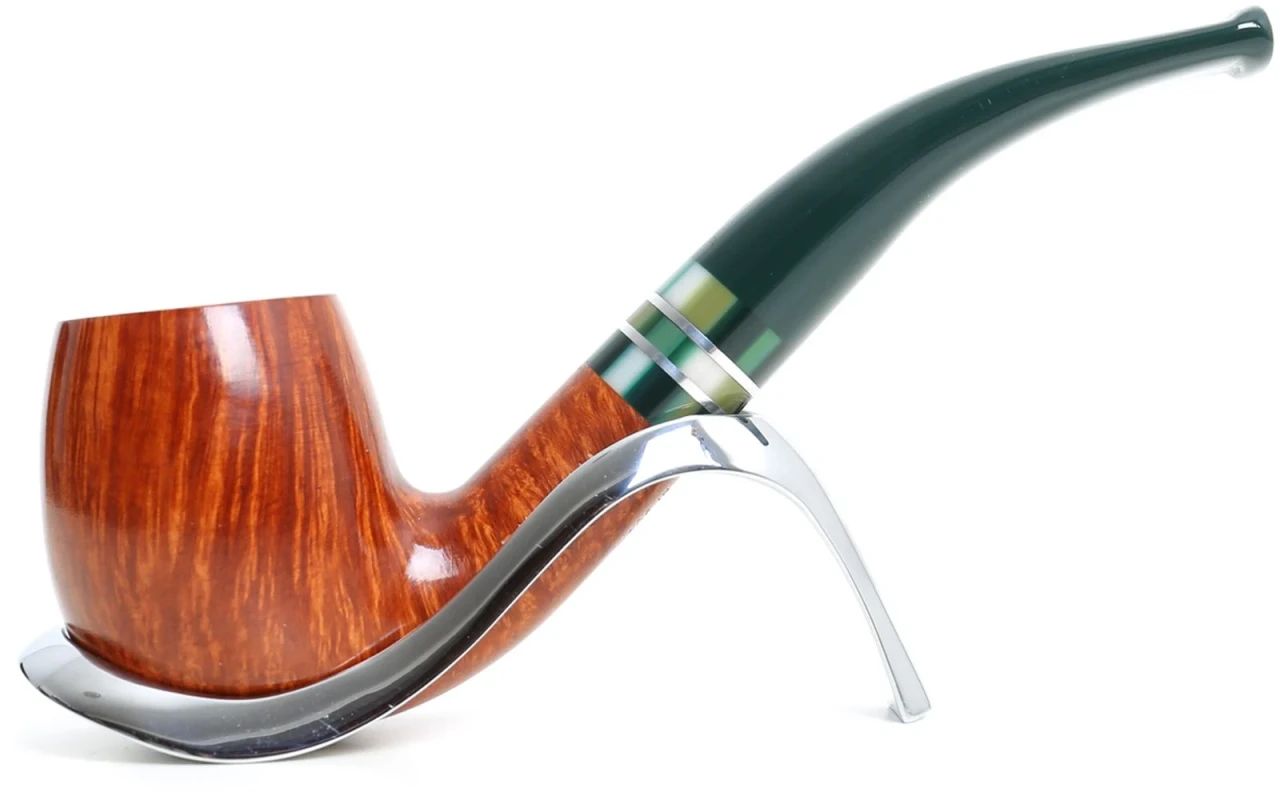
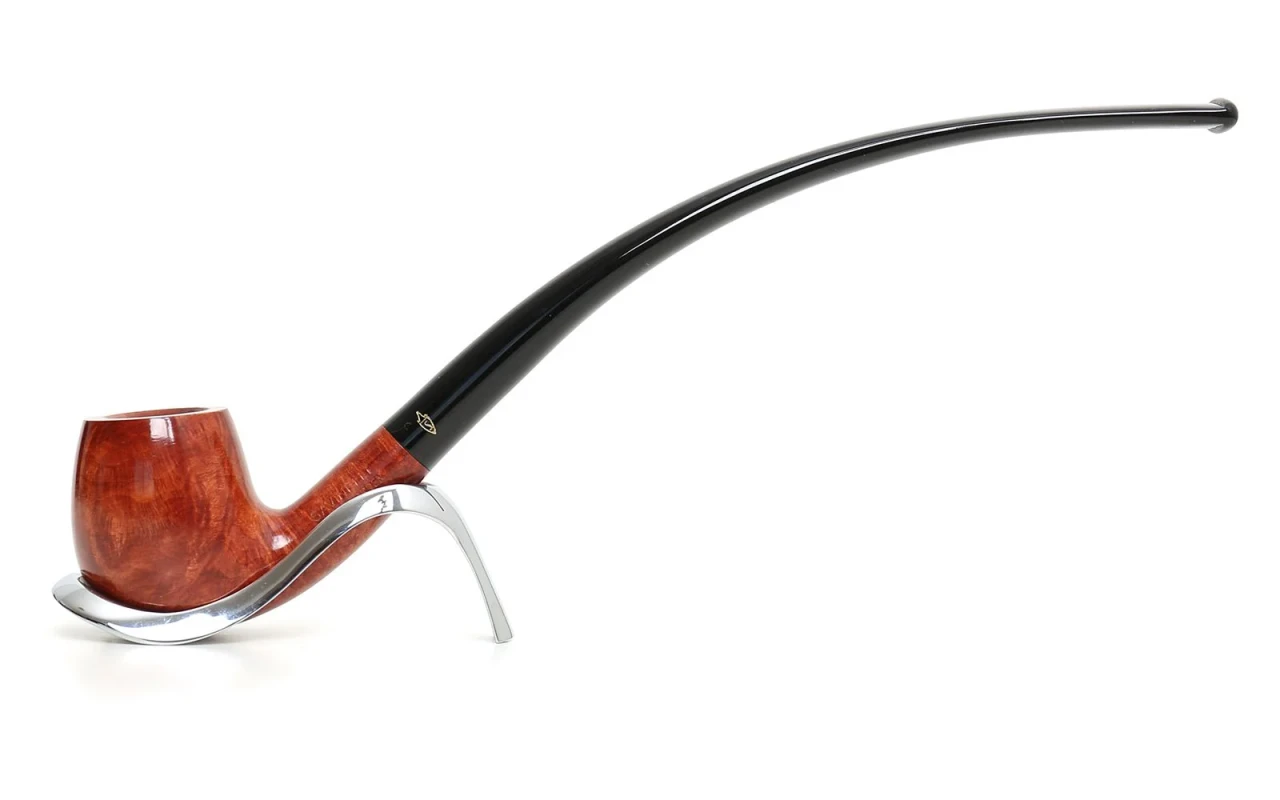
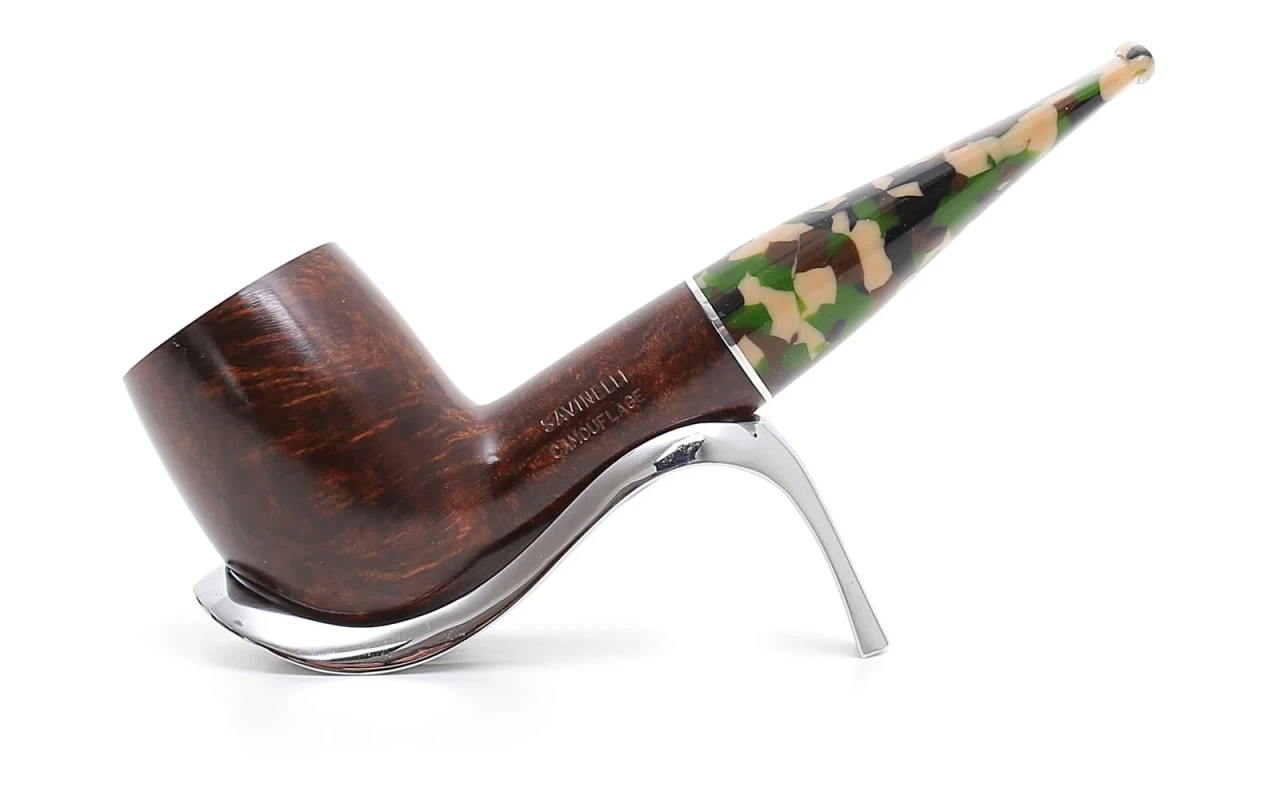
Pipe breaking-in is often misunderstood: it does not require burning tobacco empty or using extreme methods. The pipe breaks in by being smoked regularly and carefully, allowing heat to stabilize and flavor to develop naturally without forcing or harmful practices.
What false beliefs should be avoided about pipe breaking-in? Deep dive
Many false beliefs surround the breaking-in of a pipe, a fundamental process for achieving an optimal smoking experience. One of the most widespread misconceptions is that it is necessary to burn tobacco empty or use aggressive methods such as lighting the pipe without tobacco or with different materials to ‘clean’ or ‘prepare’ it. In reality, breaking in consists of smoking the pipe regularly and moderately, allowing heat to distribute evenly and the internal coating to stabilize. This process helps create a protective patina that enhances flavor and preserves the briar. Forcing the breaking-in with extreme practices can damage the pipe, compromising smoke quality and the instrument’s longevity. It is also important to avoid using overly strong or moist tobaccos during breaking-in, favoring lighter blends that facilitate settling. Patience and care are thus the key elements for proper breaking-in, which does not require complicated procedures but only careful and consistent use of the pipe.