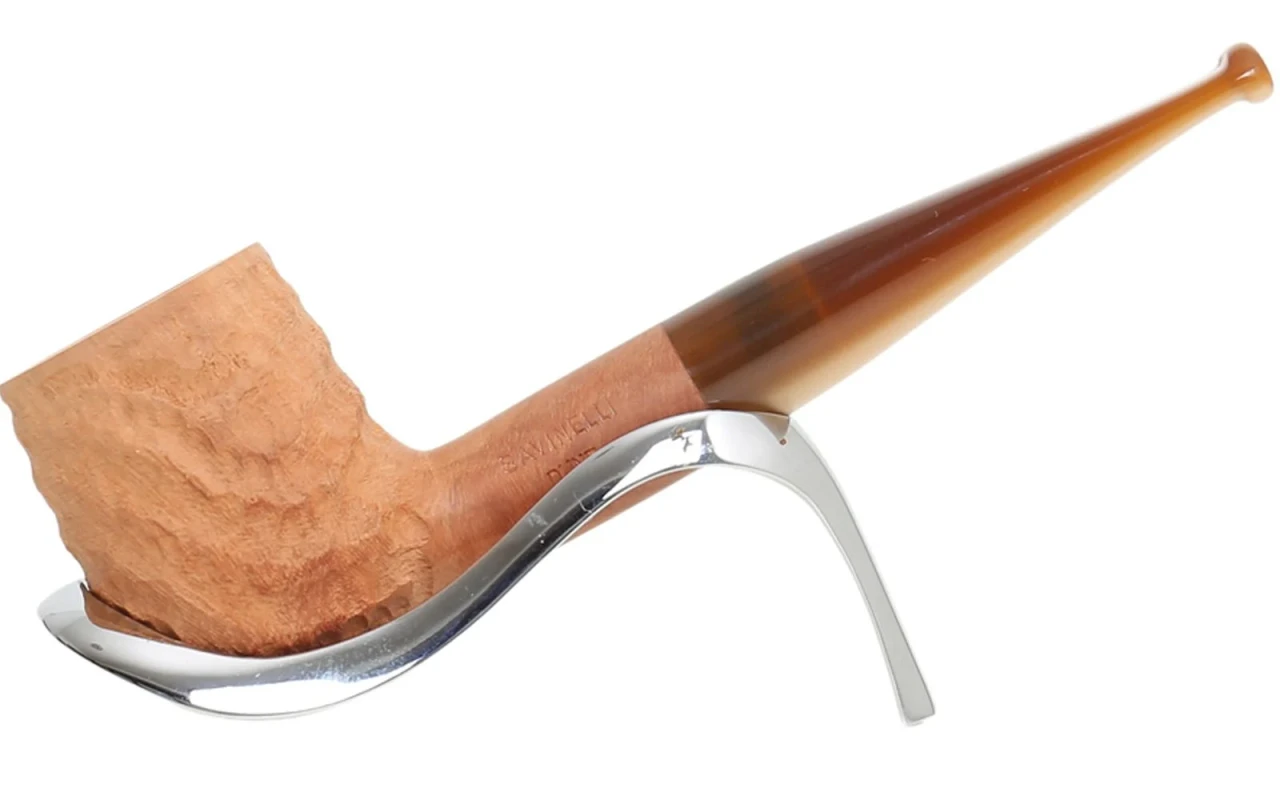
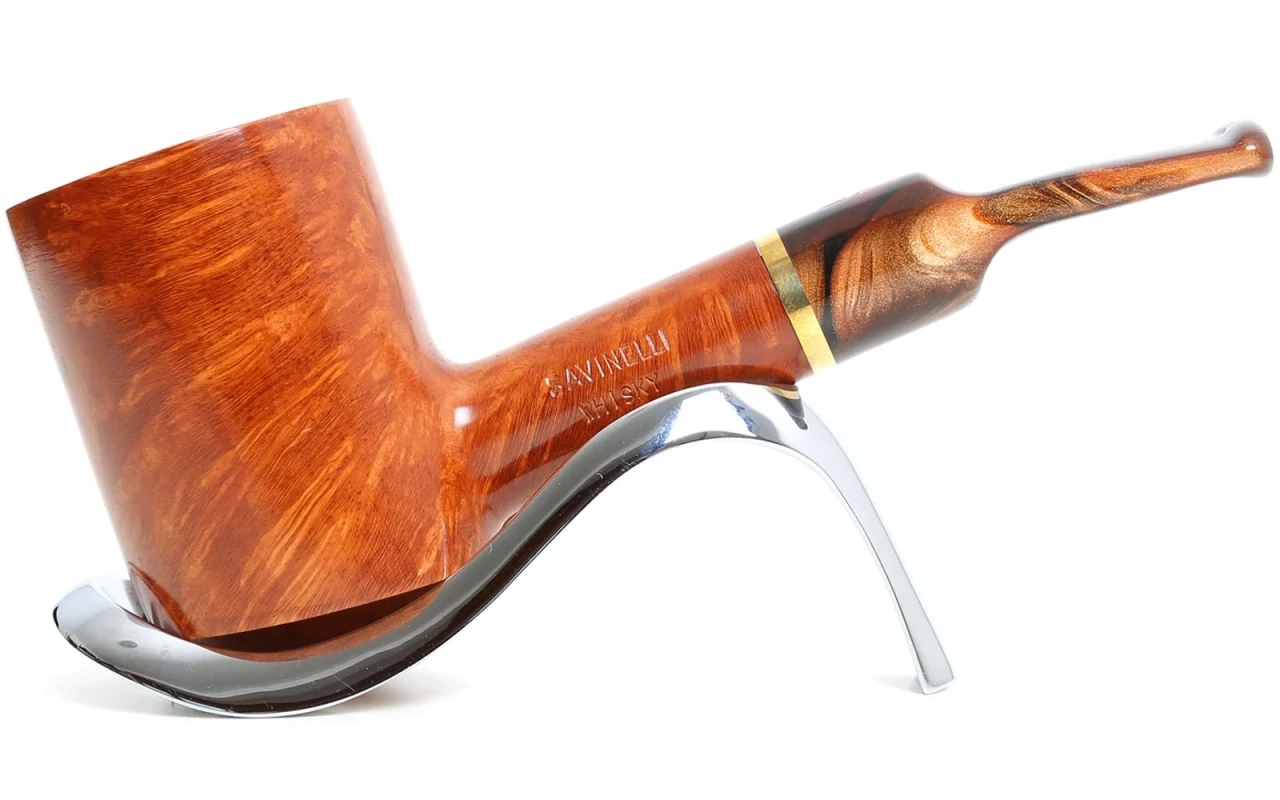
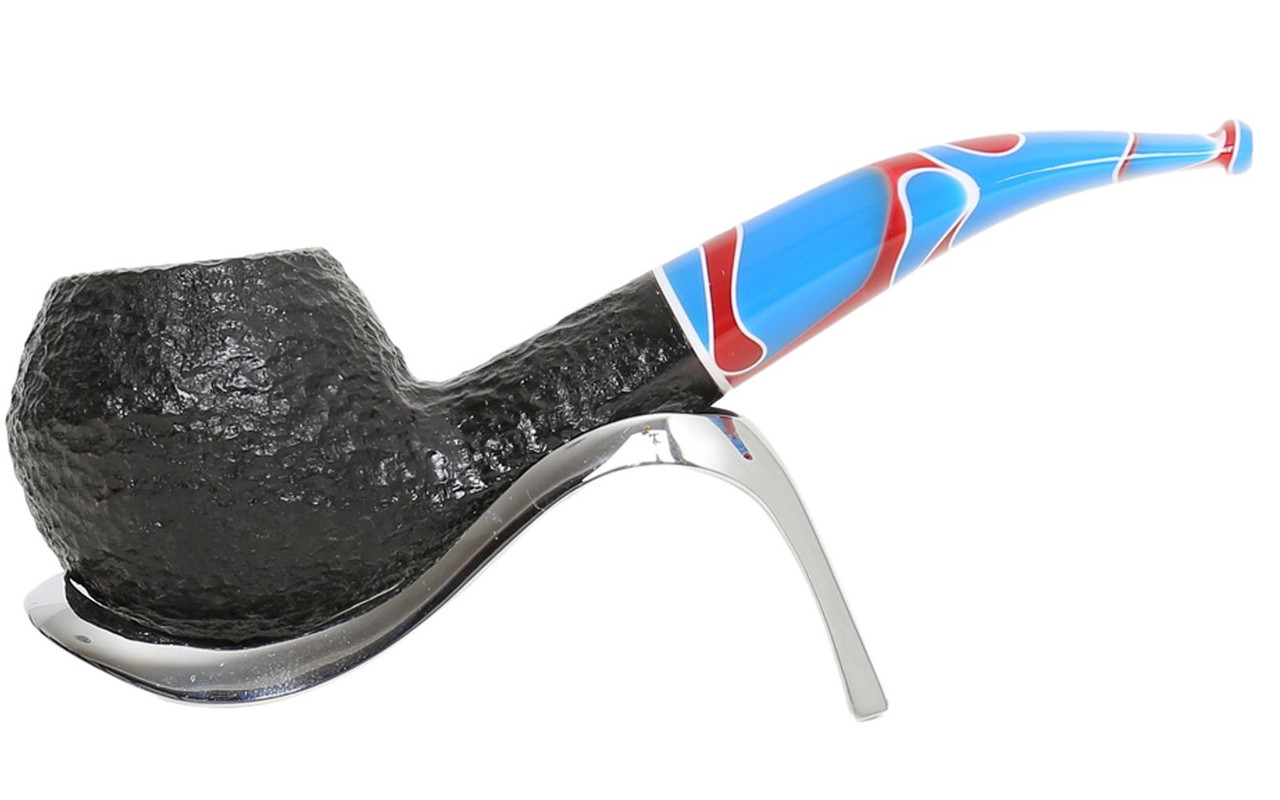
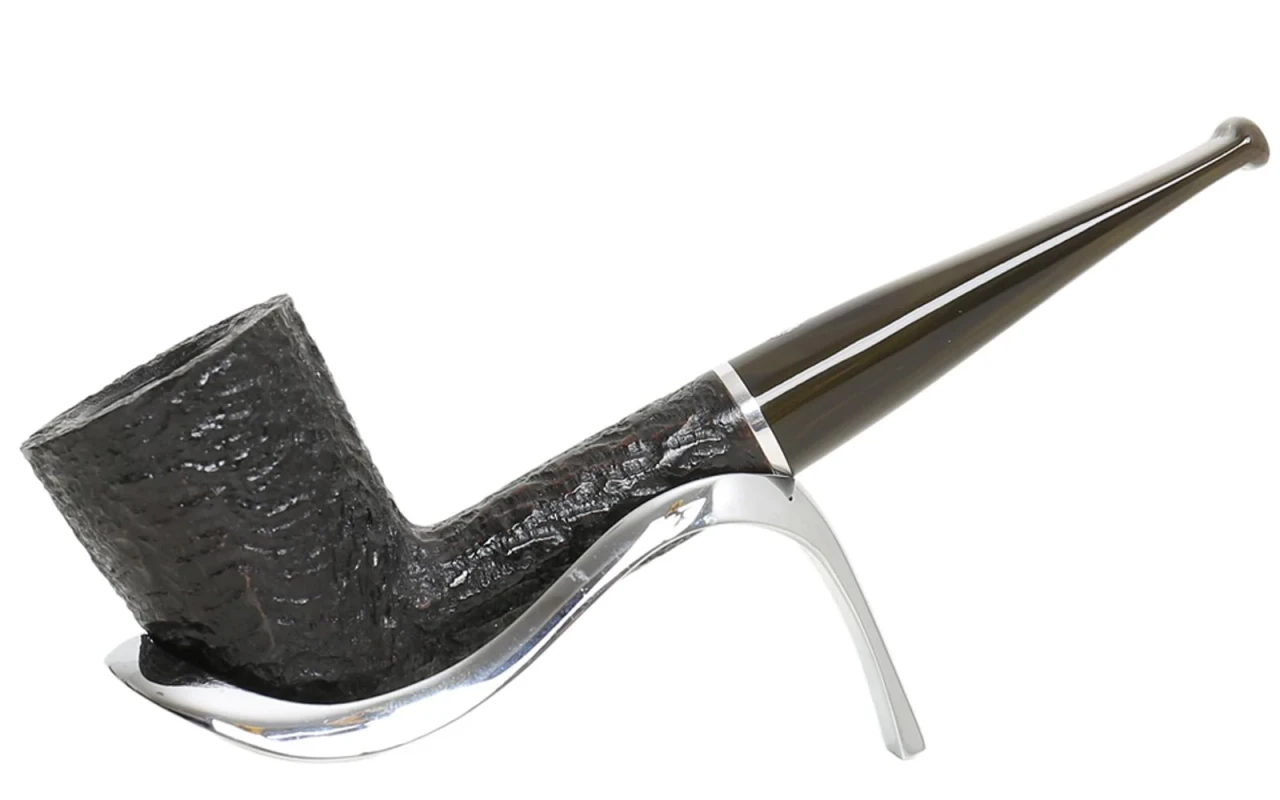
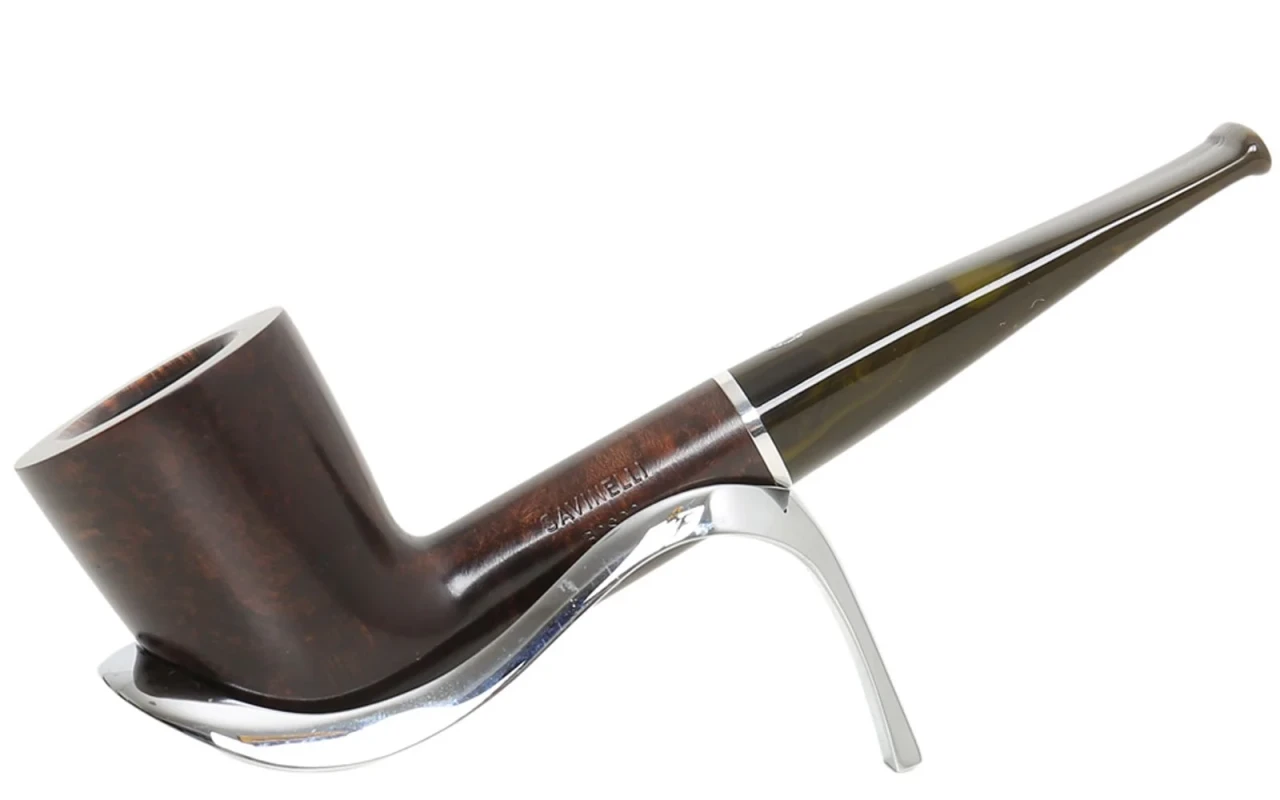
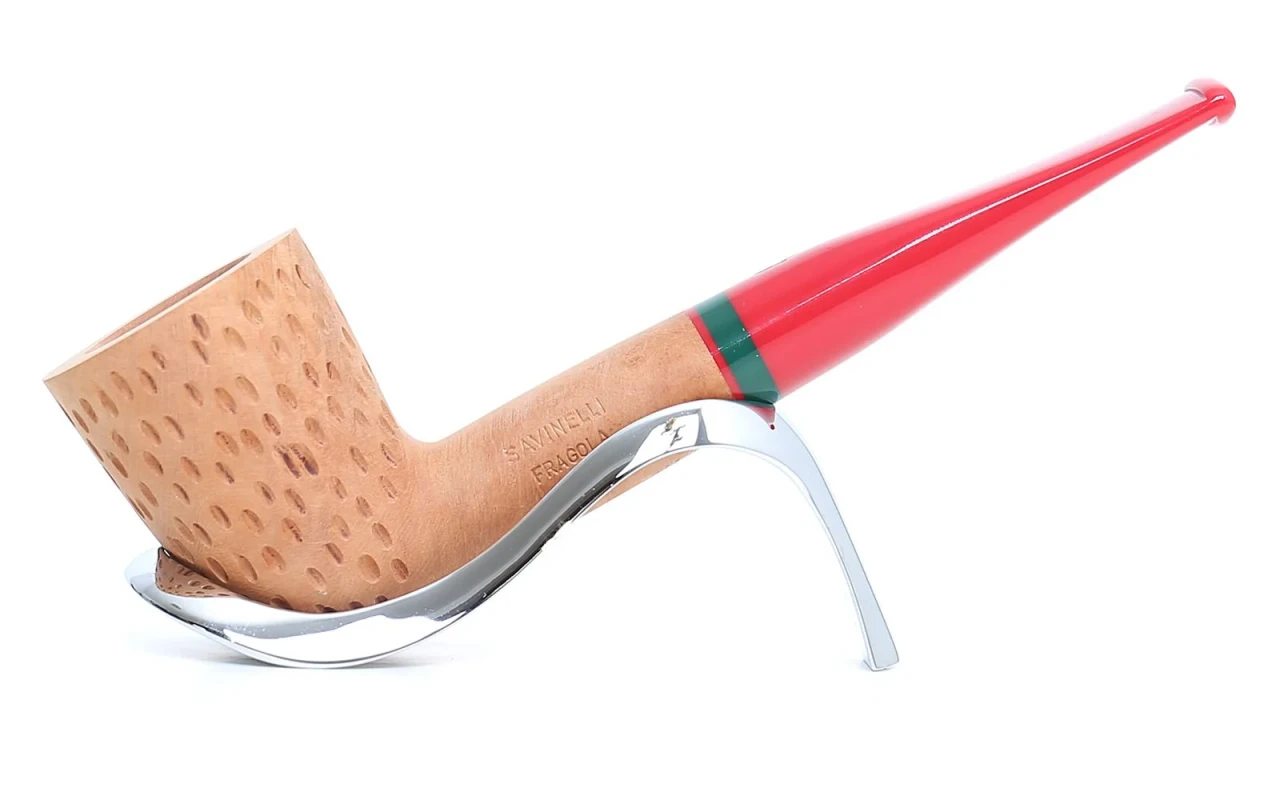
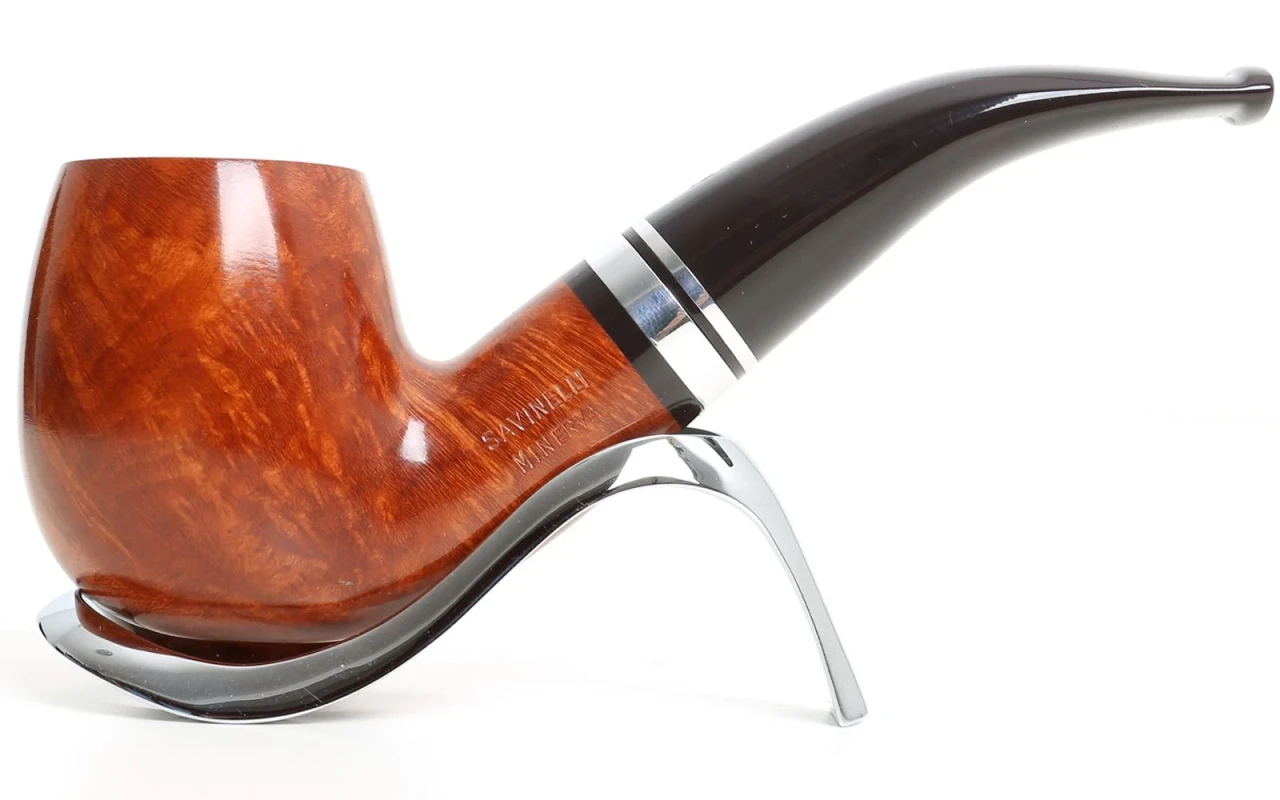
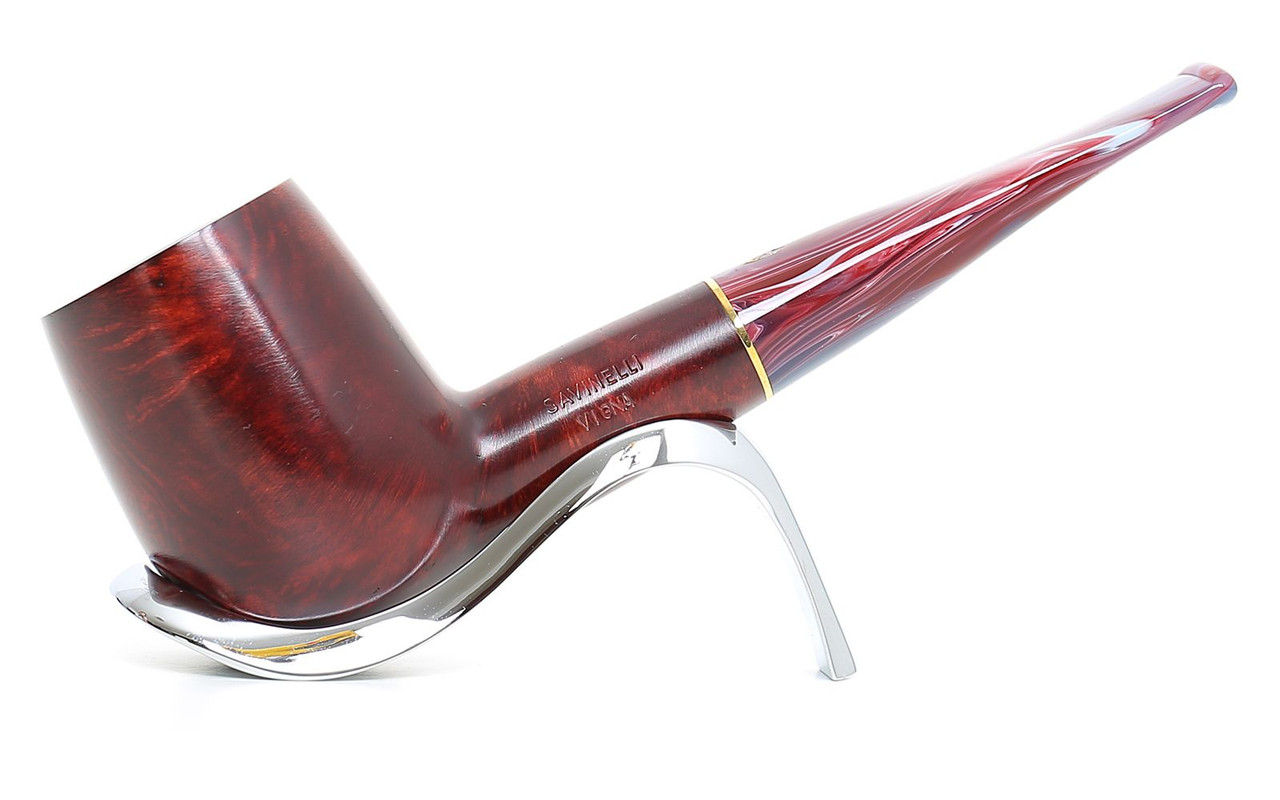
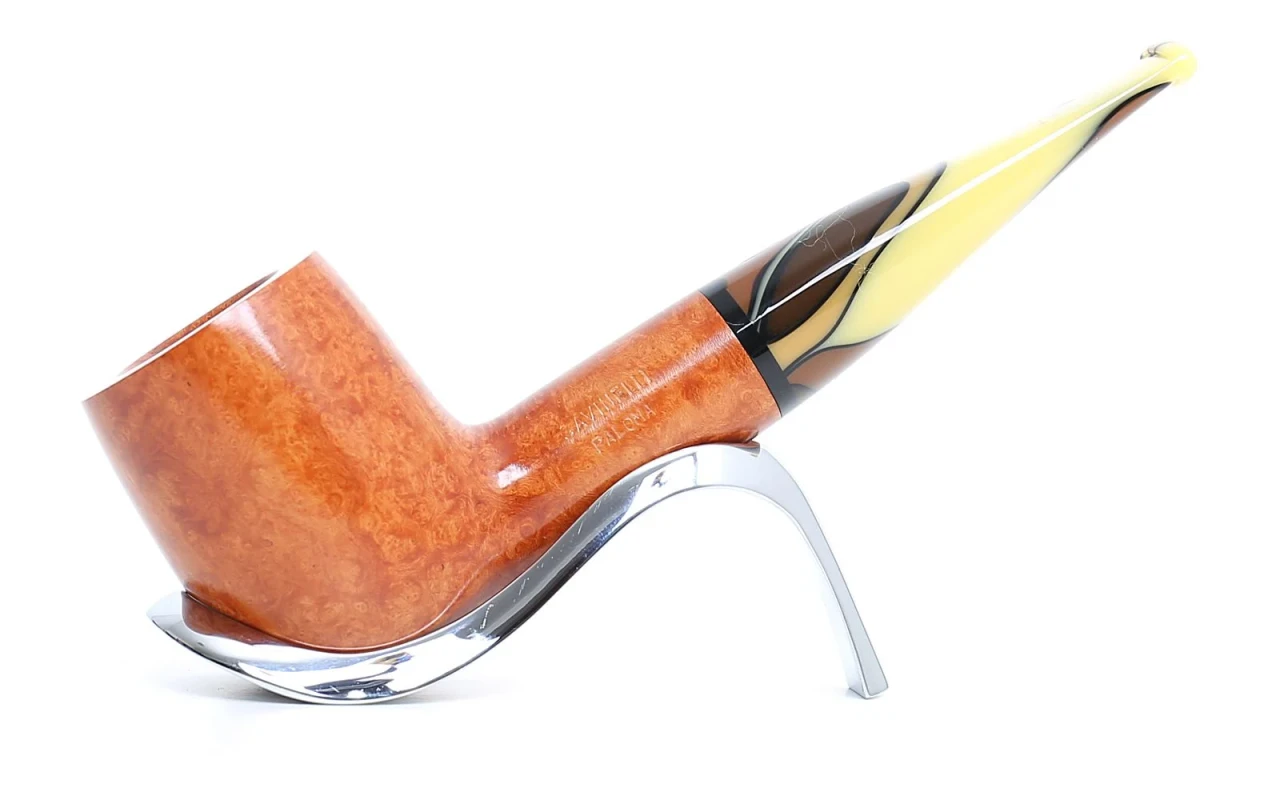
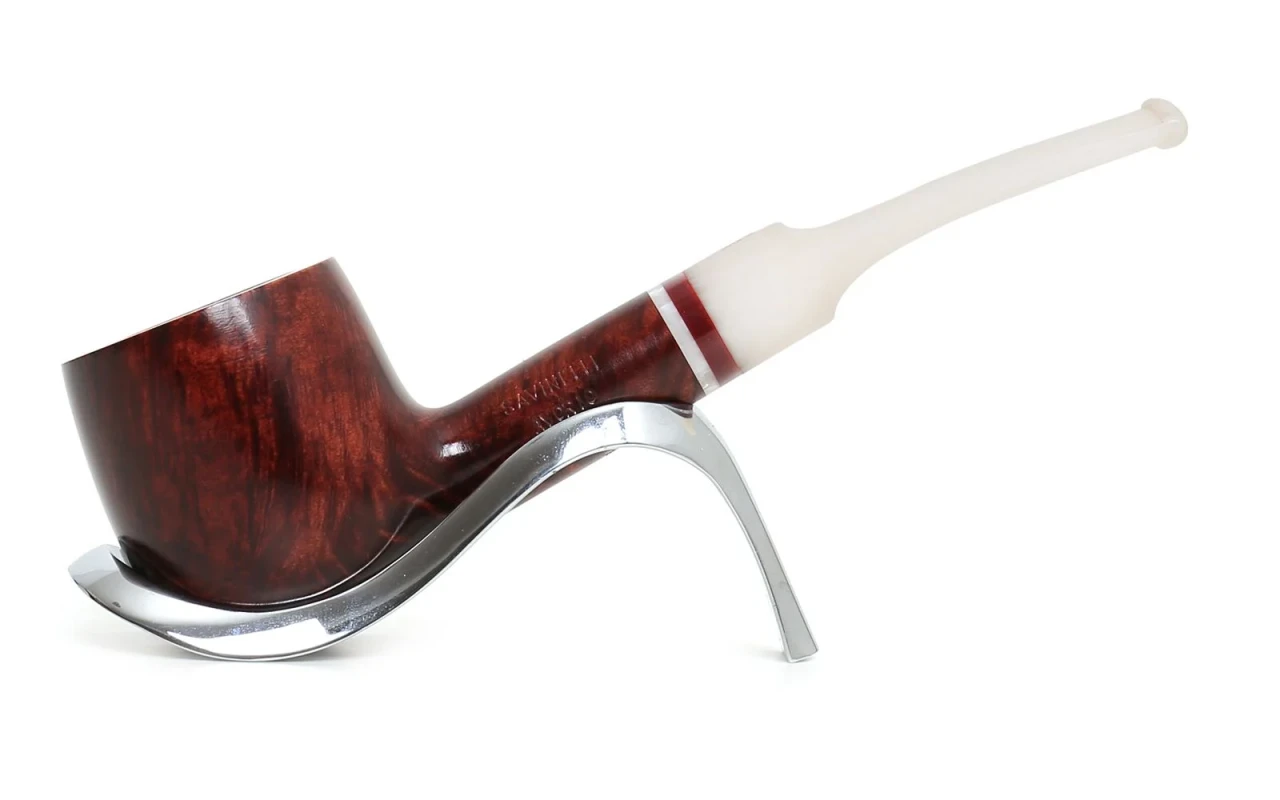
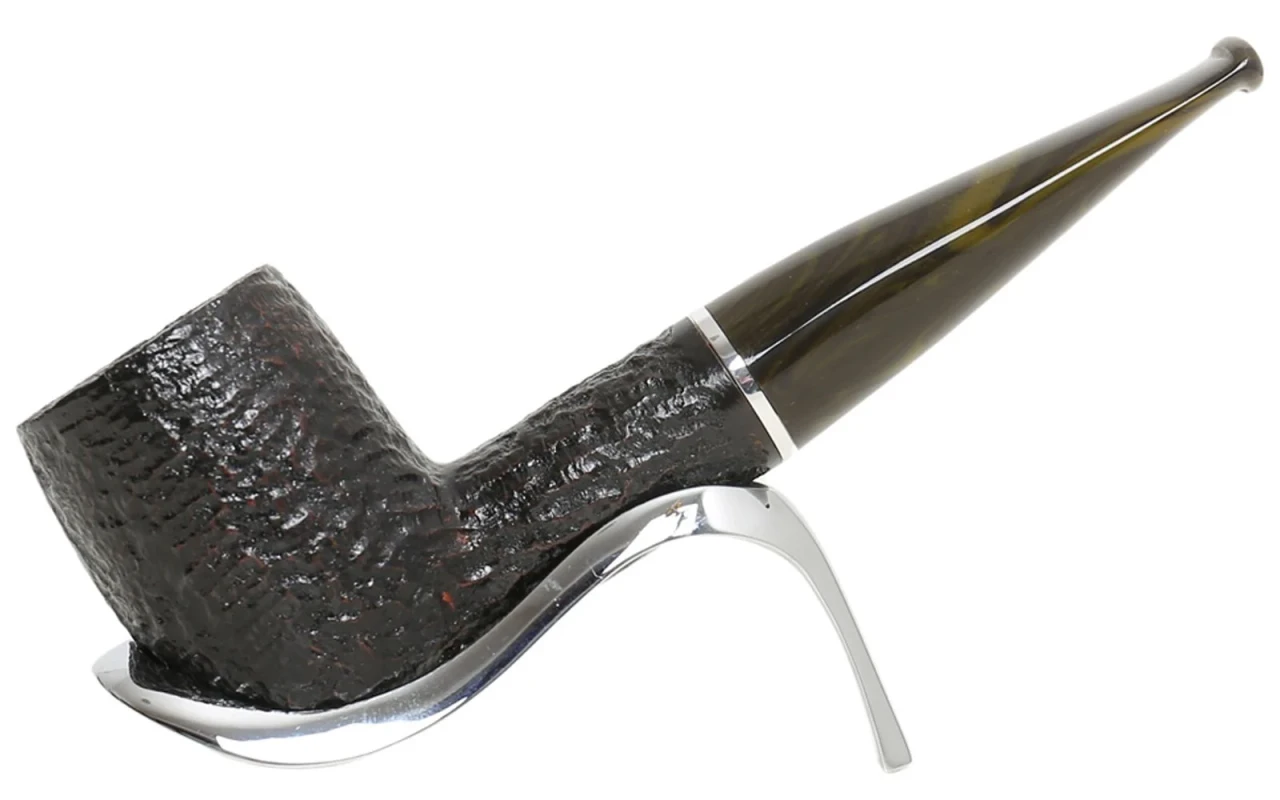
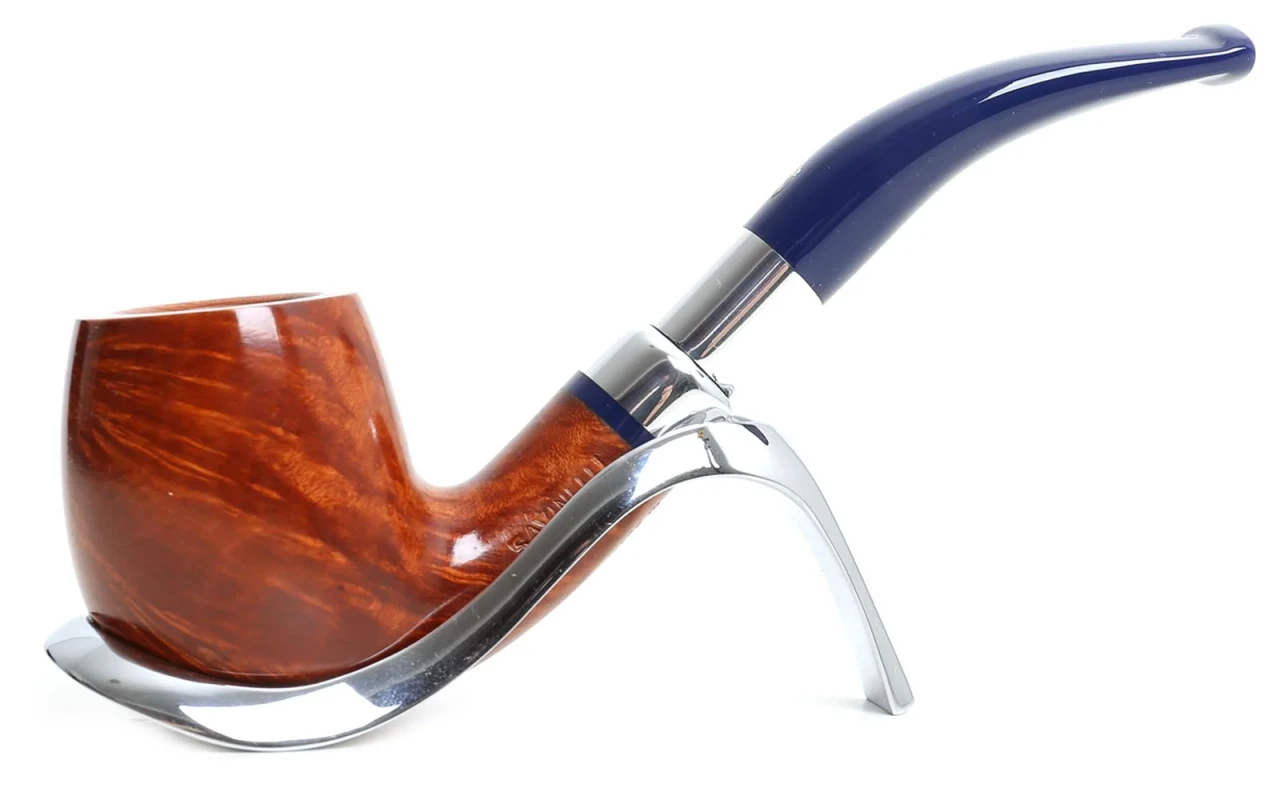
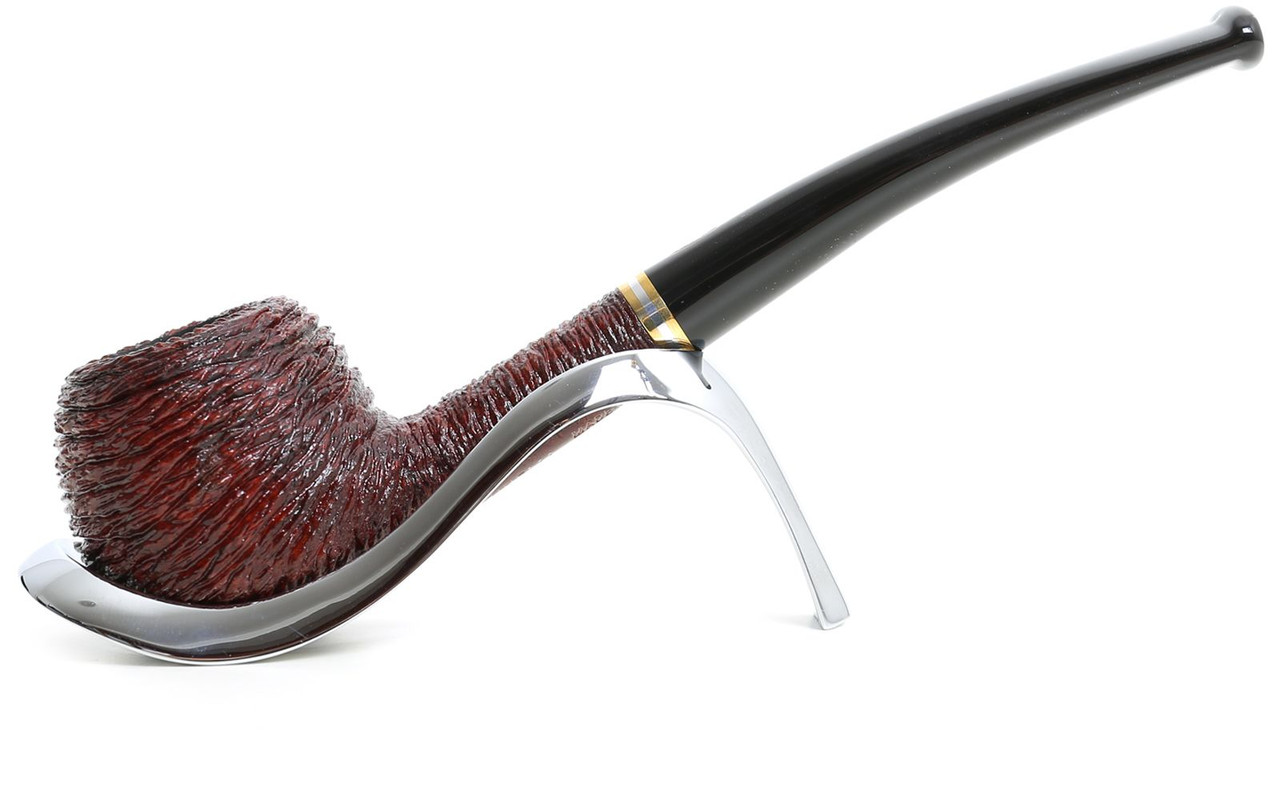
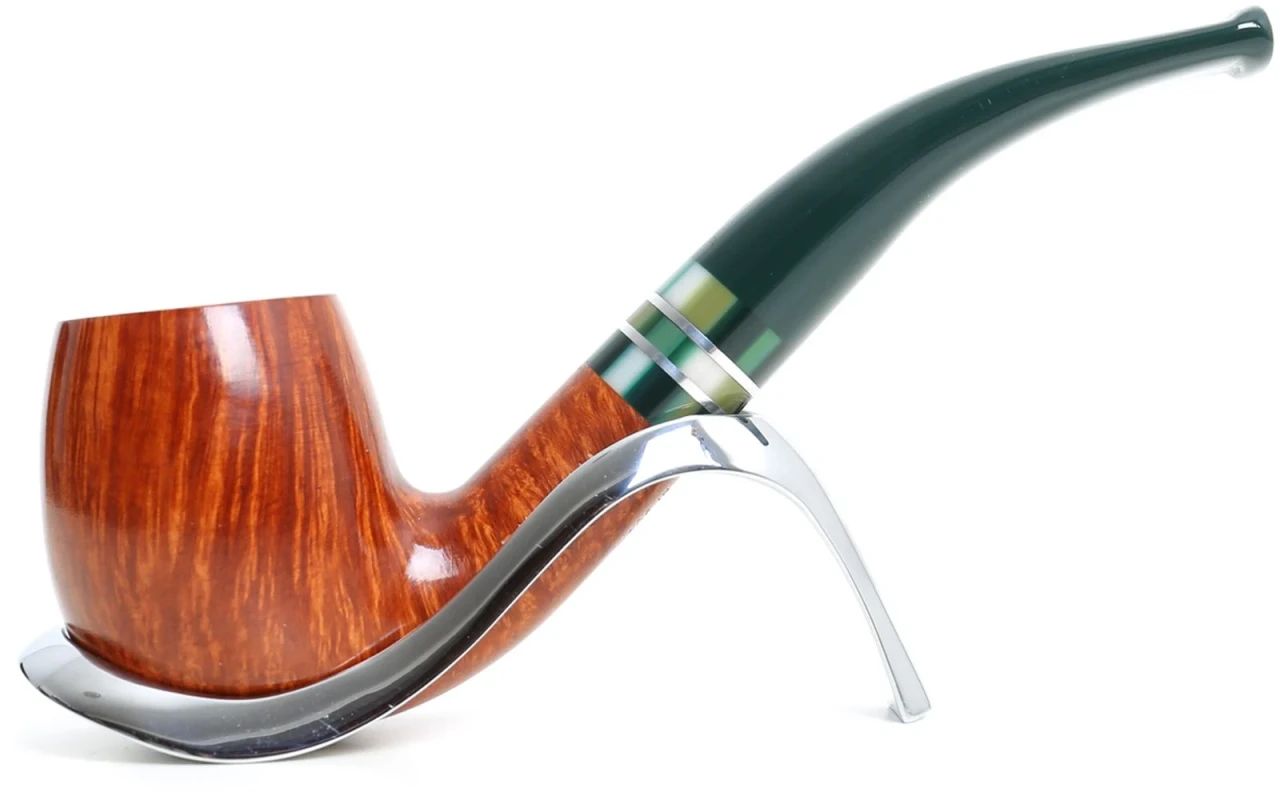
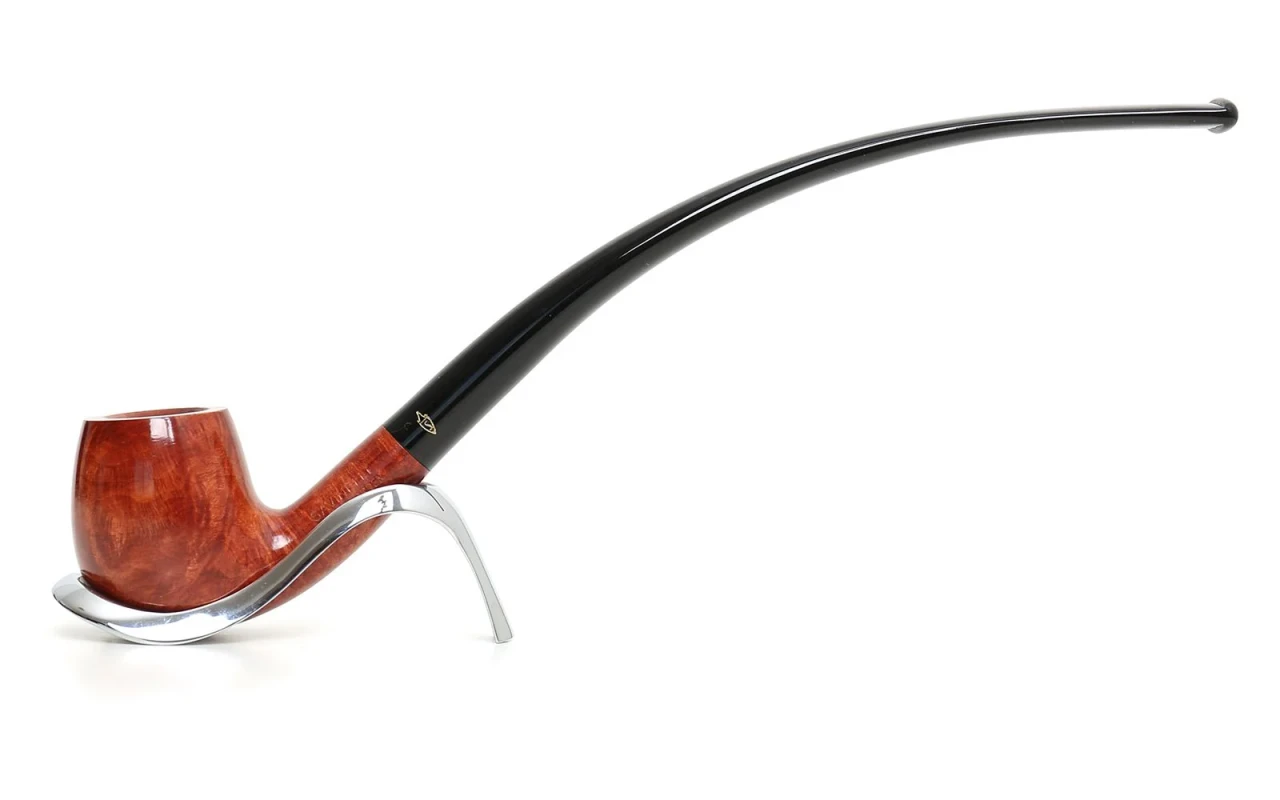
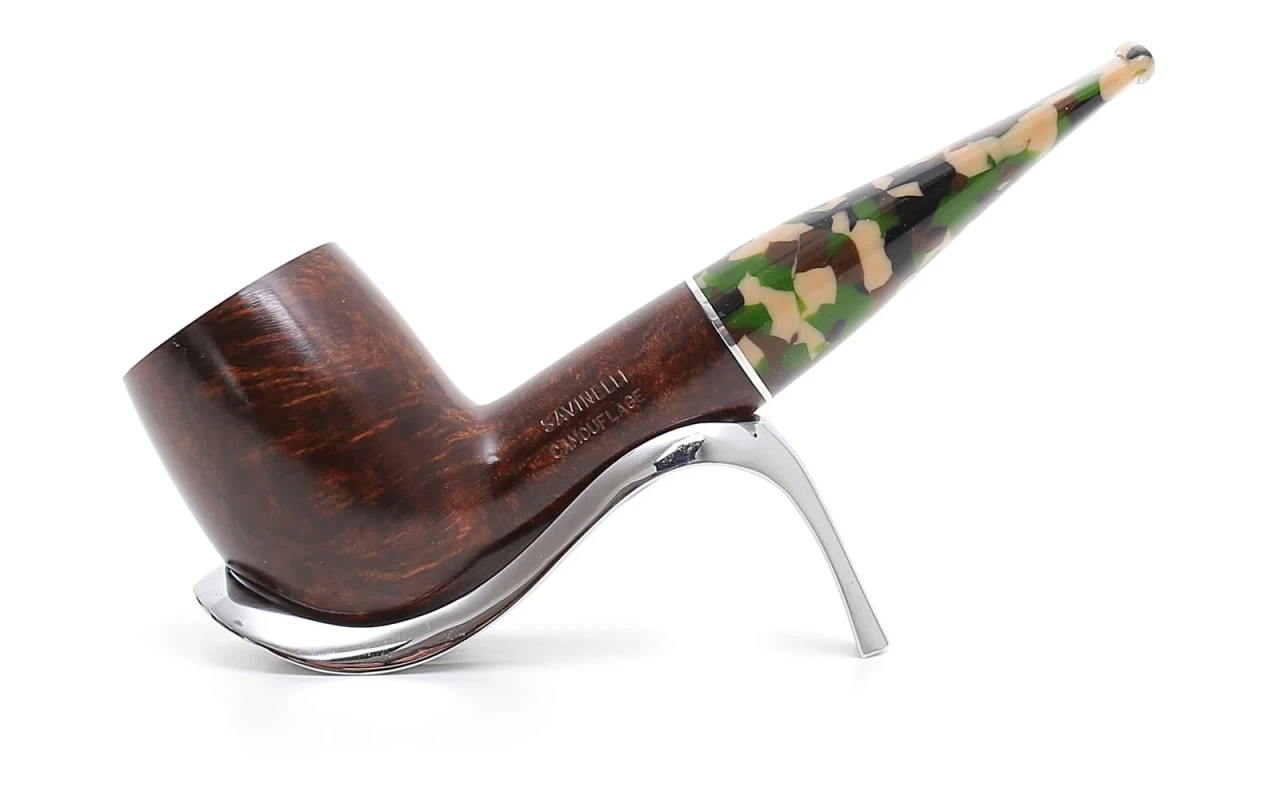
Pipe production has evolved significantly, shifting from traditional handcrafted methods to more industrialized processes. Materials, crafting techniques, and designs have changed, with greater focus on quality, finishes, and variety of shapes, while preserving the tradition of slow and refined smoking.
How has pipe production changed over the last centuries? Deep dive
Over the last centuries, pipe production has undergone substantial transformations reflecting technological, cultural, and market changes. Initially handmade by artisans, pipes were often unique pieces crafted with local materials such as Erica briar. With the advent of the industrial revolution, production became increasingly mechanized, enabling wider distribution and standardization. Materials diversified beyond briar to include precious woods, ceramics, and even metals, expanding aesthetic and functional possibilities. Finishing techniques grew more sophisticated, incorporating polishing, inlays, and treatments that highlight the natural beauty of the material. Additionally, the variety of shapes increased to accommodate different tastes and needs, yet always maintaining a connection to the tradition of slow, contemplative smoking. Today, pipe production skillfully blends artisanal craftsmanship and innovation, offering products that are functional, elegant, and emblematic of a centuries-old culture.