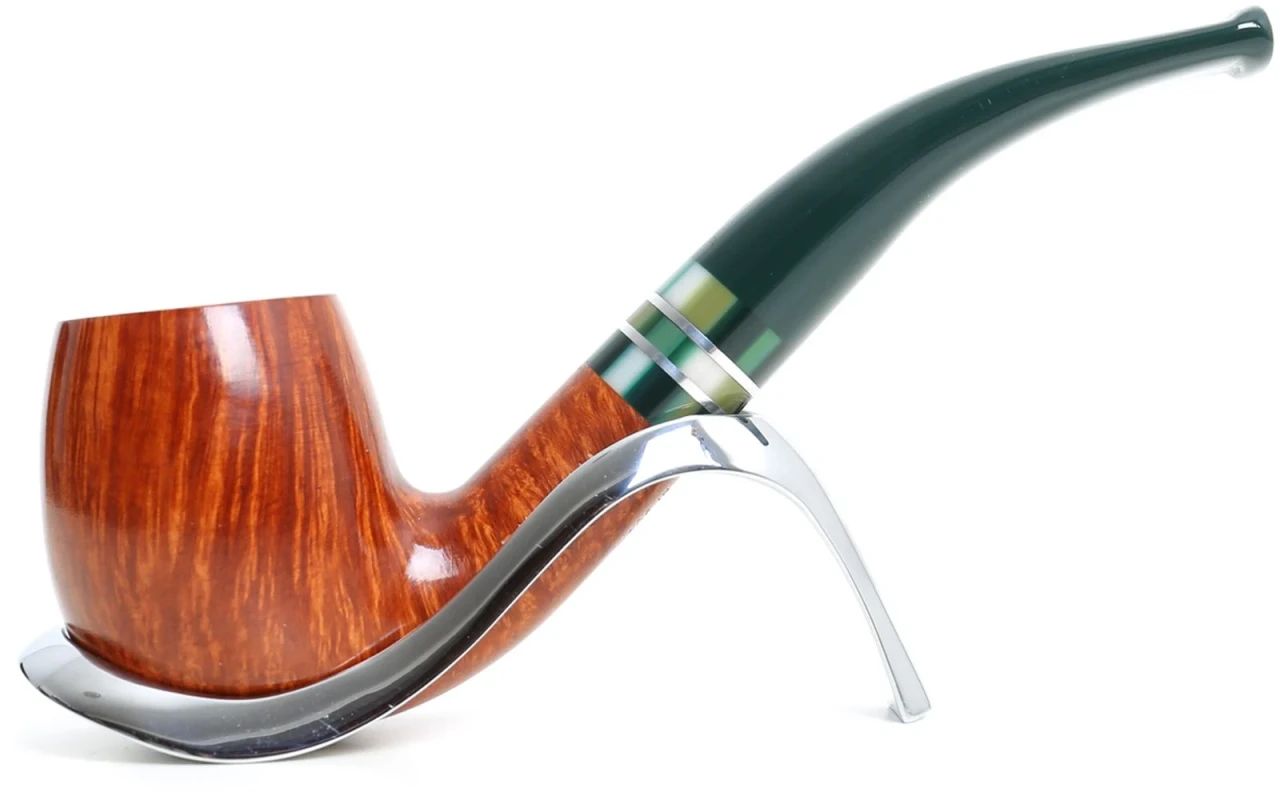
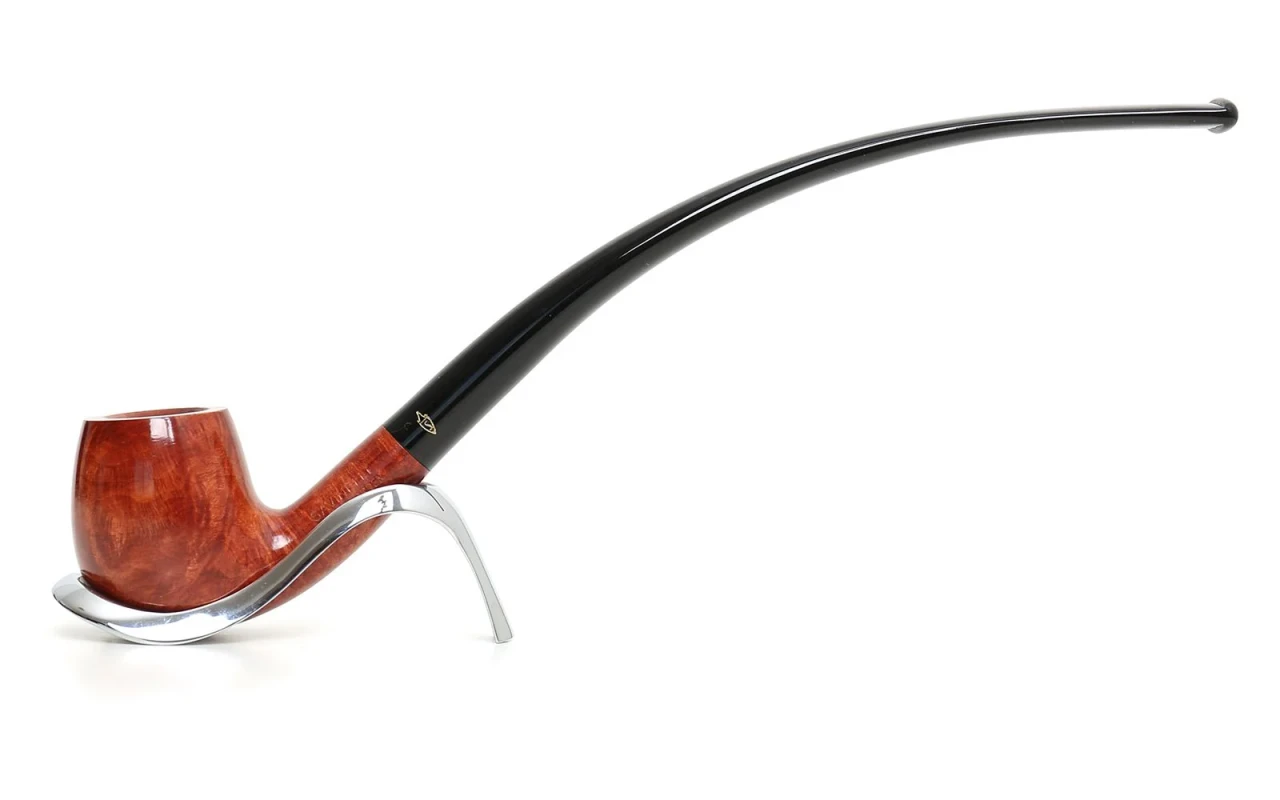
The pipe is considered a ritual because its use involves a series of precise and meditative actions—from tobacco preparation to lighting and smoking. This slow and mindful process promotes a moment of reflection and relaxation, distinguishing it from mere smoking as a cultural and personal experience.
Why is the pipe considered a ritual? Deep dive
The pipe is considered a ritual because its use encompasses a sequence of deliberate and attentive actions that go well beyond the simple act of smoking. Preparing a pipe requires time and care: choosing the tobacco, preparing it carefully to achieve the right moisture and consistency, precisely filling the chamber, and lighting it calmly while maintaining a steady ember without burning too quickly. This slow and methodical process invites a reflective pause, transforming the smoke into a moment of meditation and relaxation. Furthermore, the pipe is often associated with a culture of slow smoking, where pleasure derives from attention to detail, the quality of materials, and the pipe’s shape itself. The act of smoking the pipe thus becomes a personal and almost ceremonial experience that values patience and contemplation, clearly distinguishing it from the rapid and distracted consumption of other smoking products. In this sense, the pipe is not only a tool but a symbol of a more reflective and cultural approach to smoking.