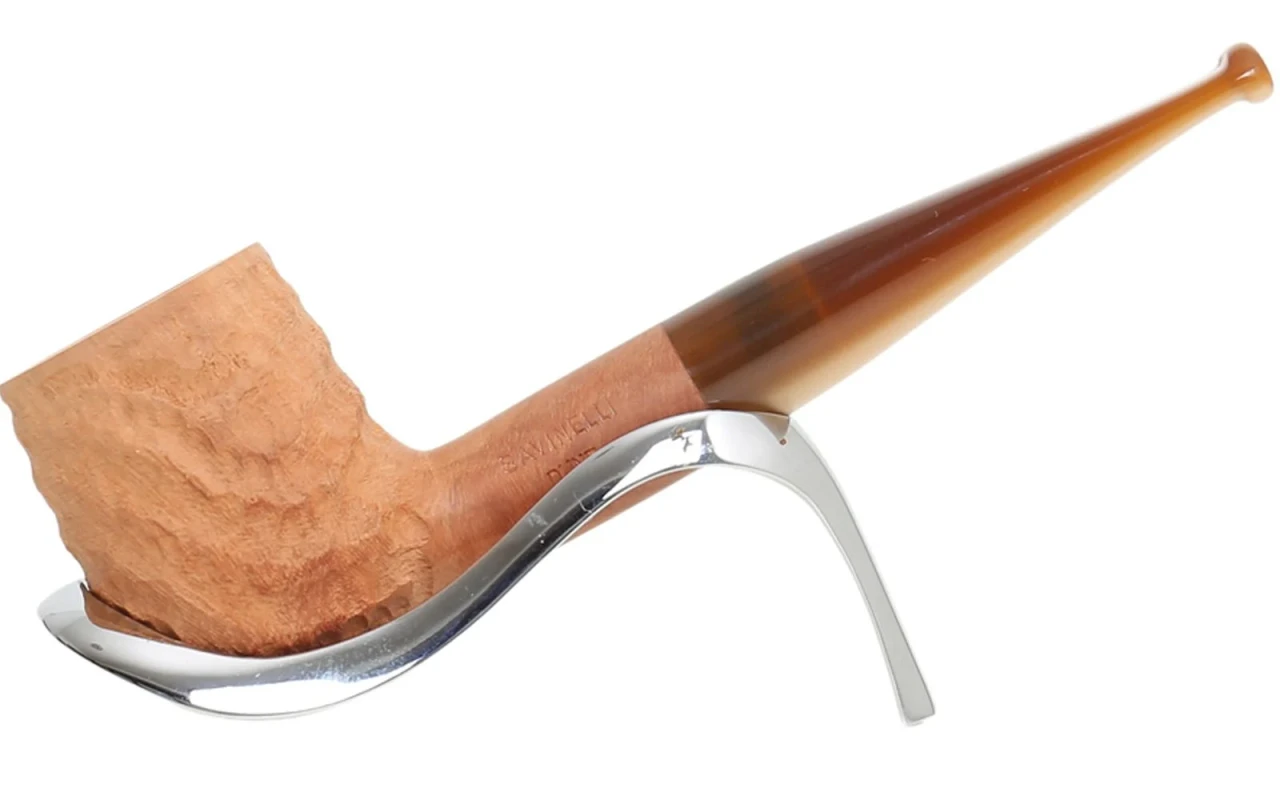
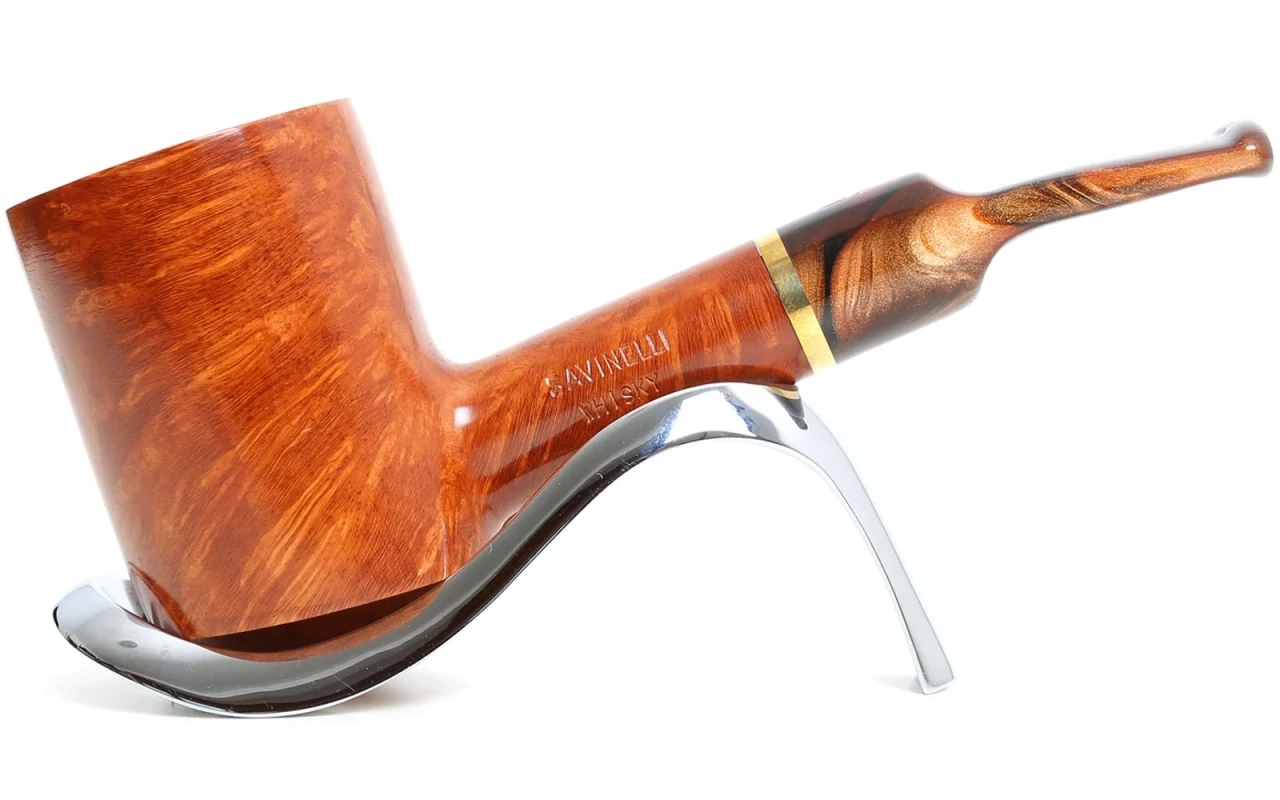
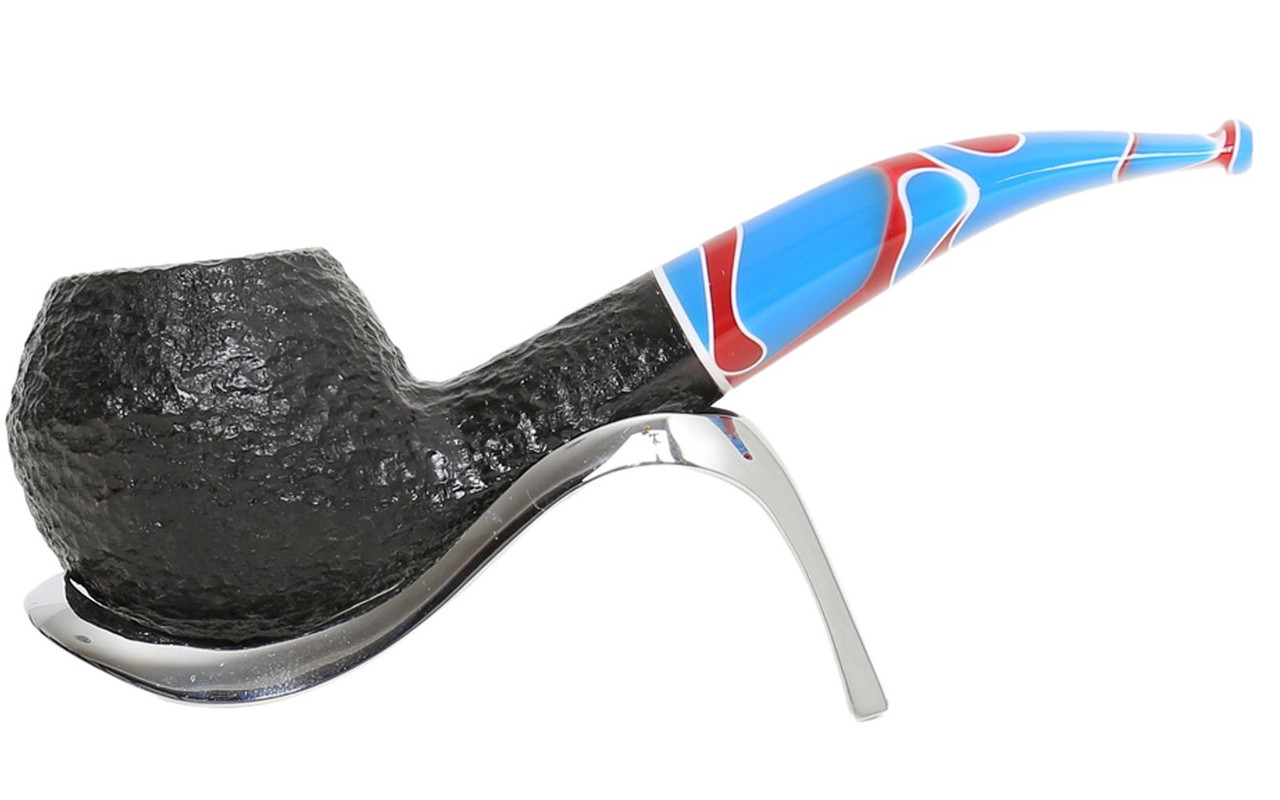
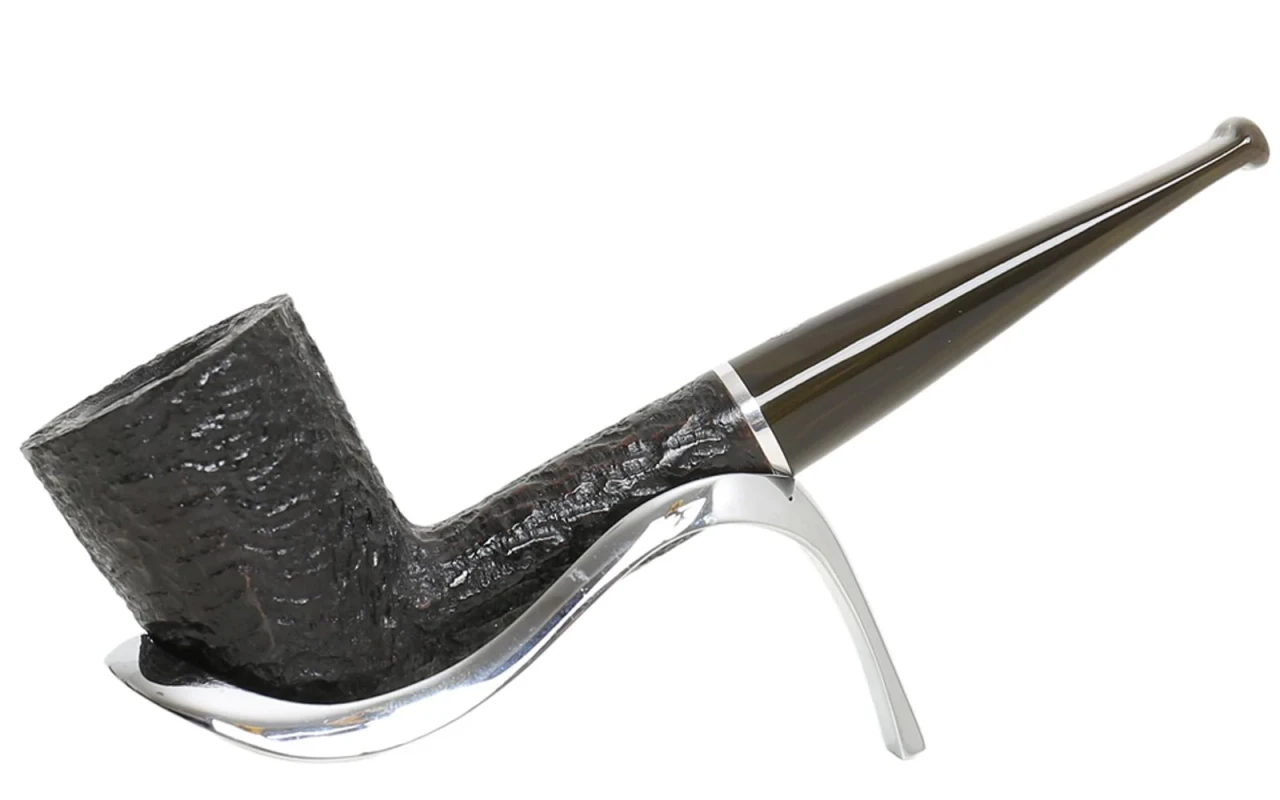
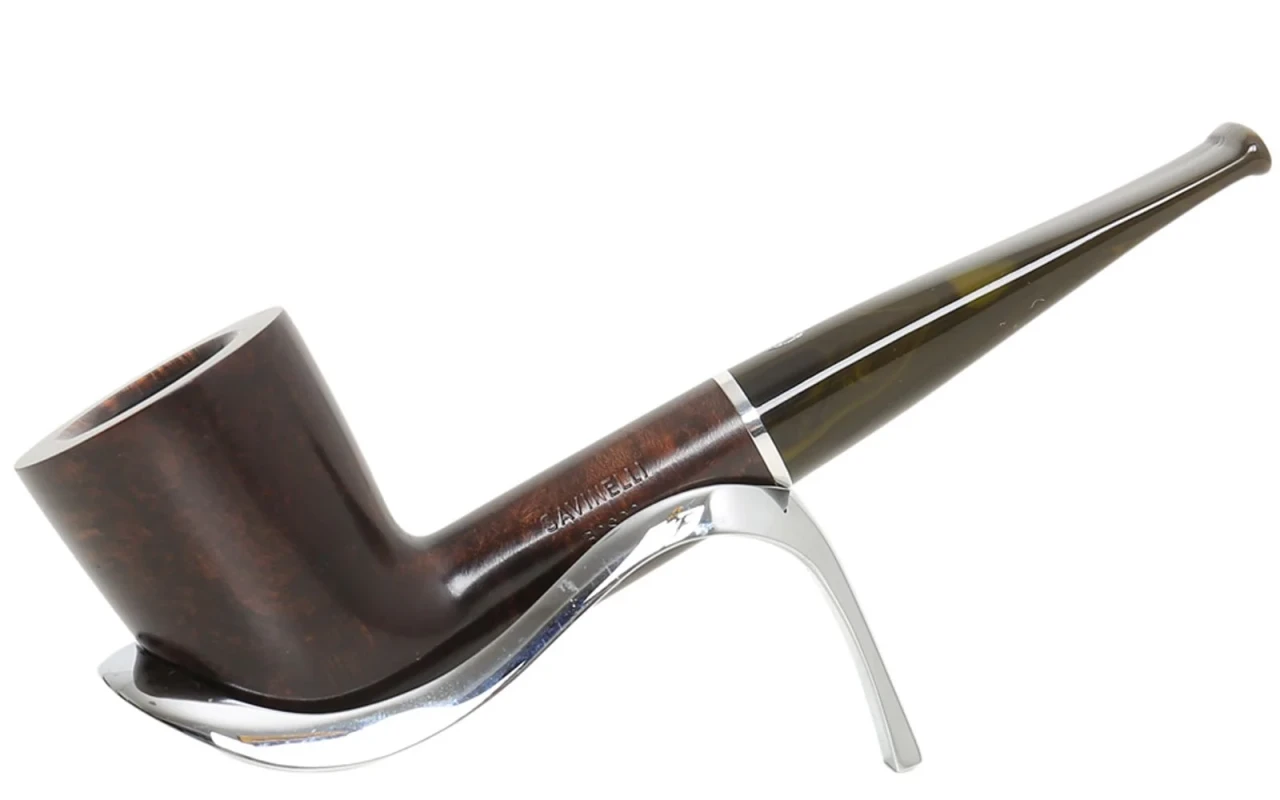
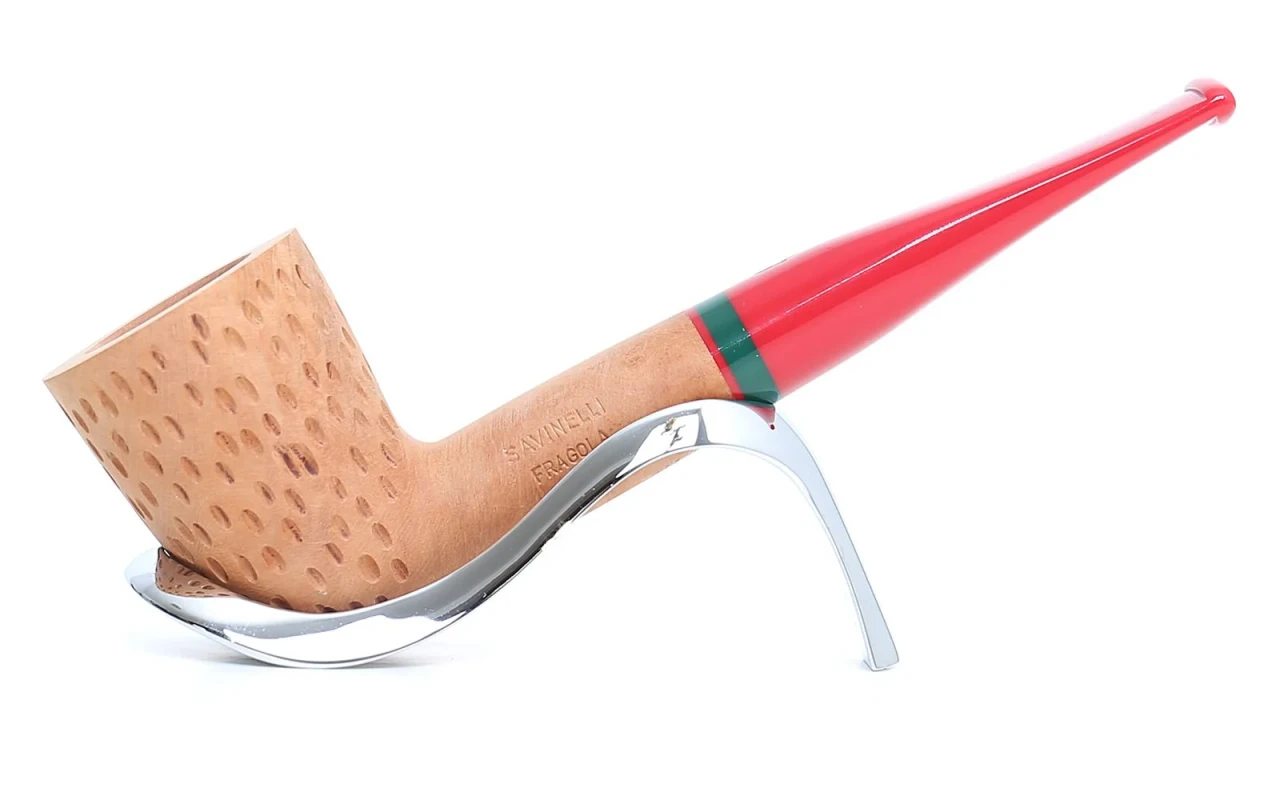
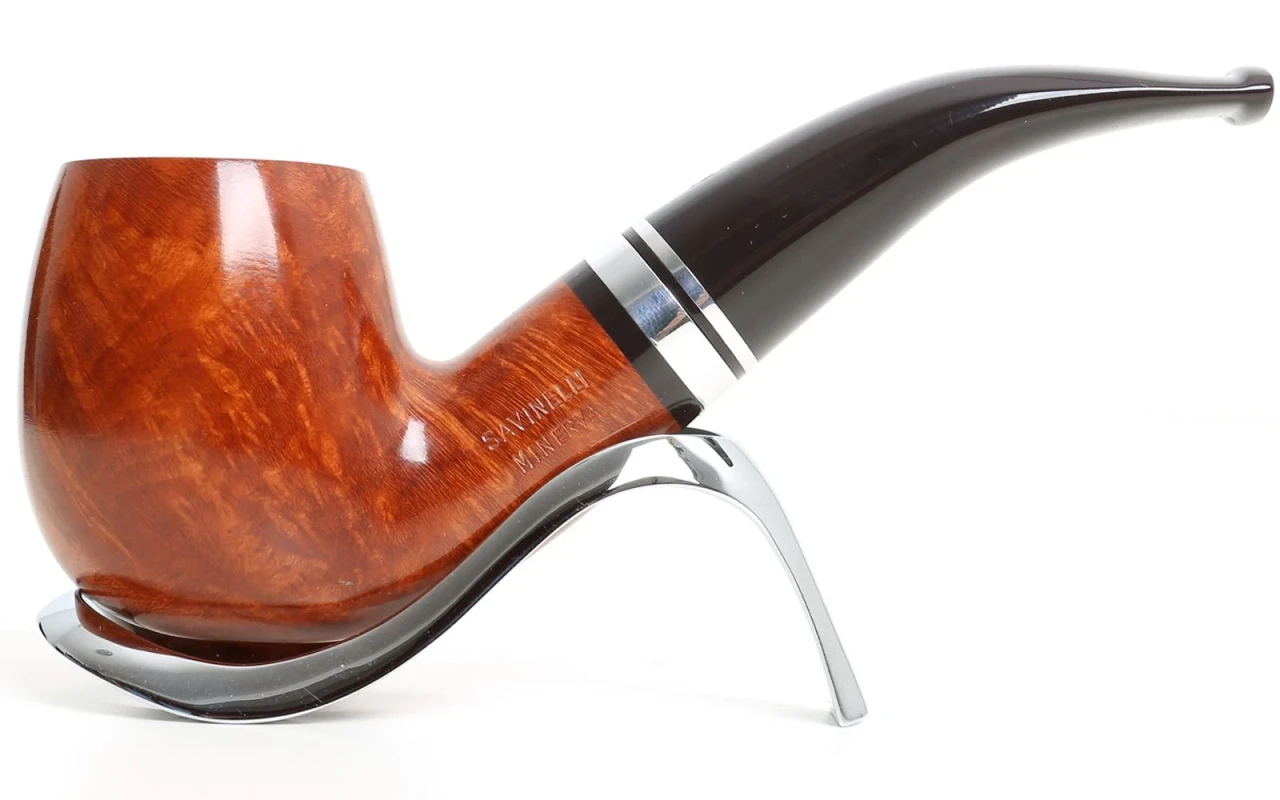
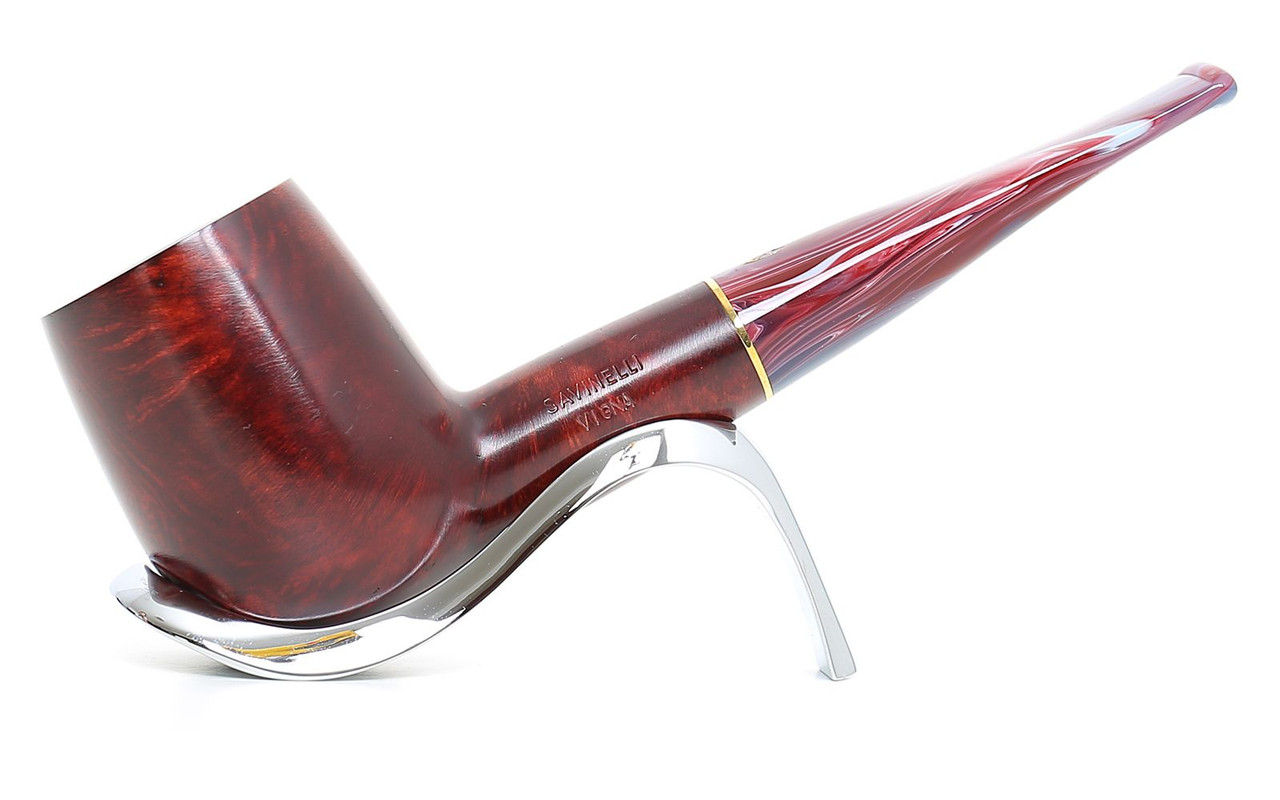
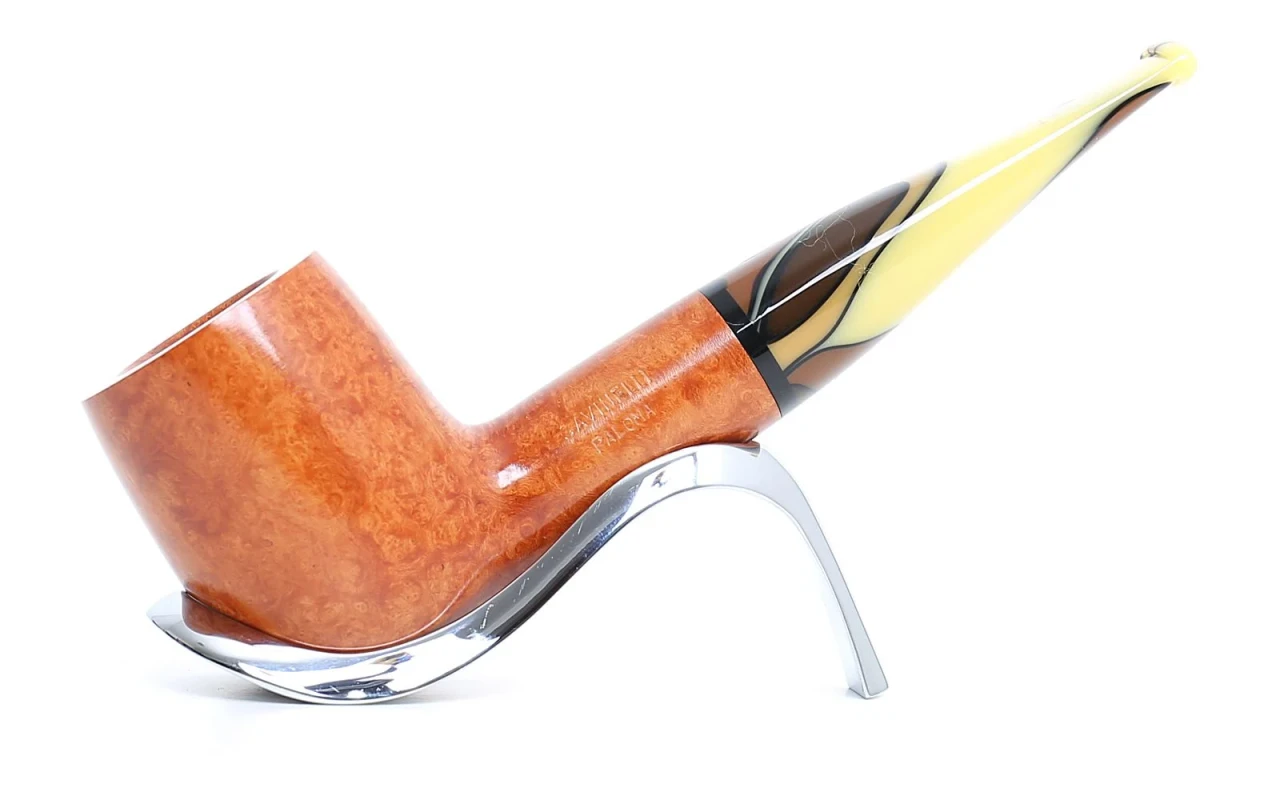
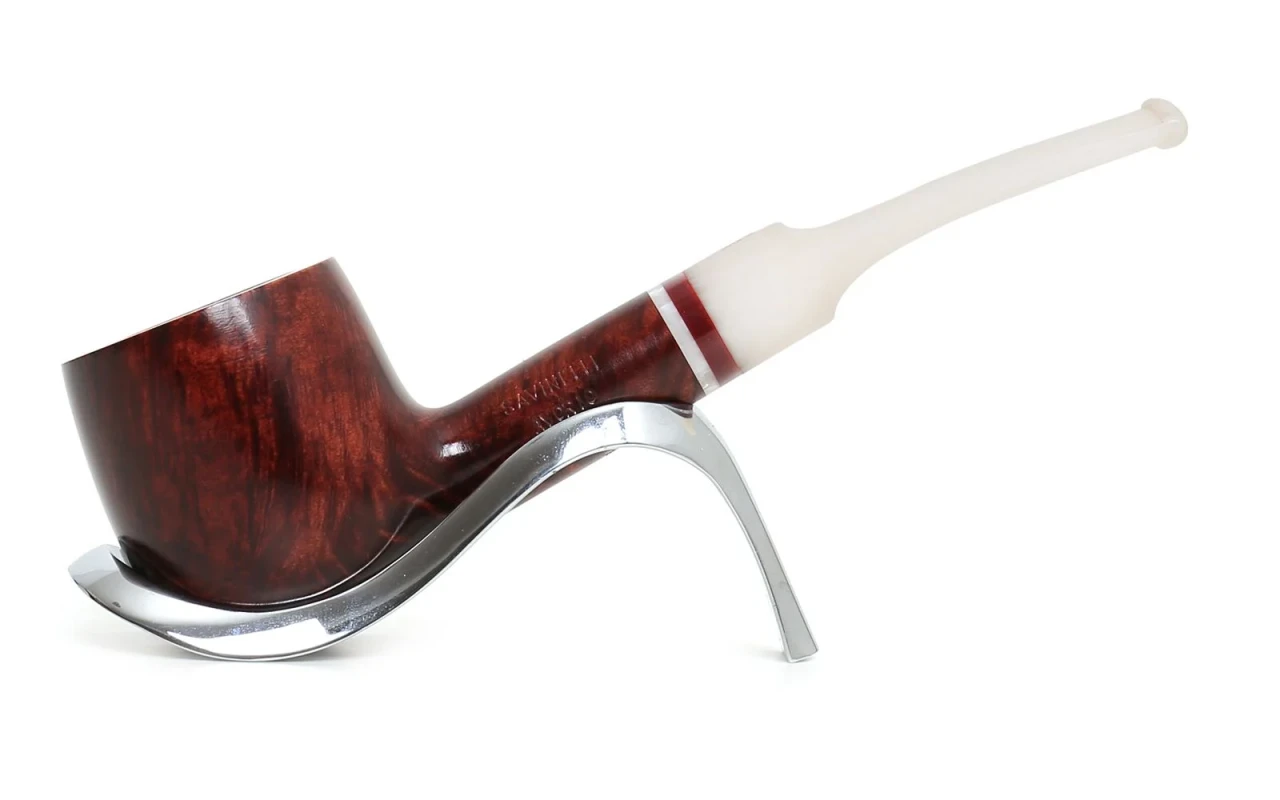
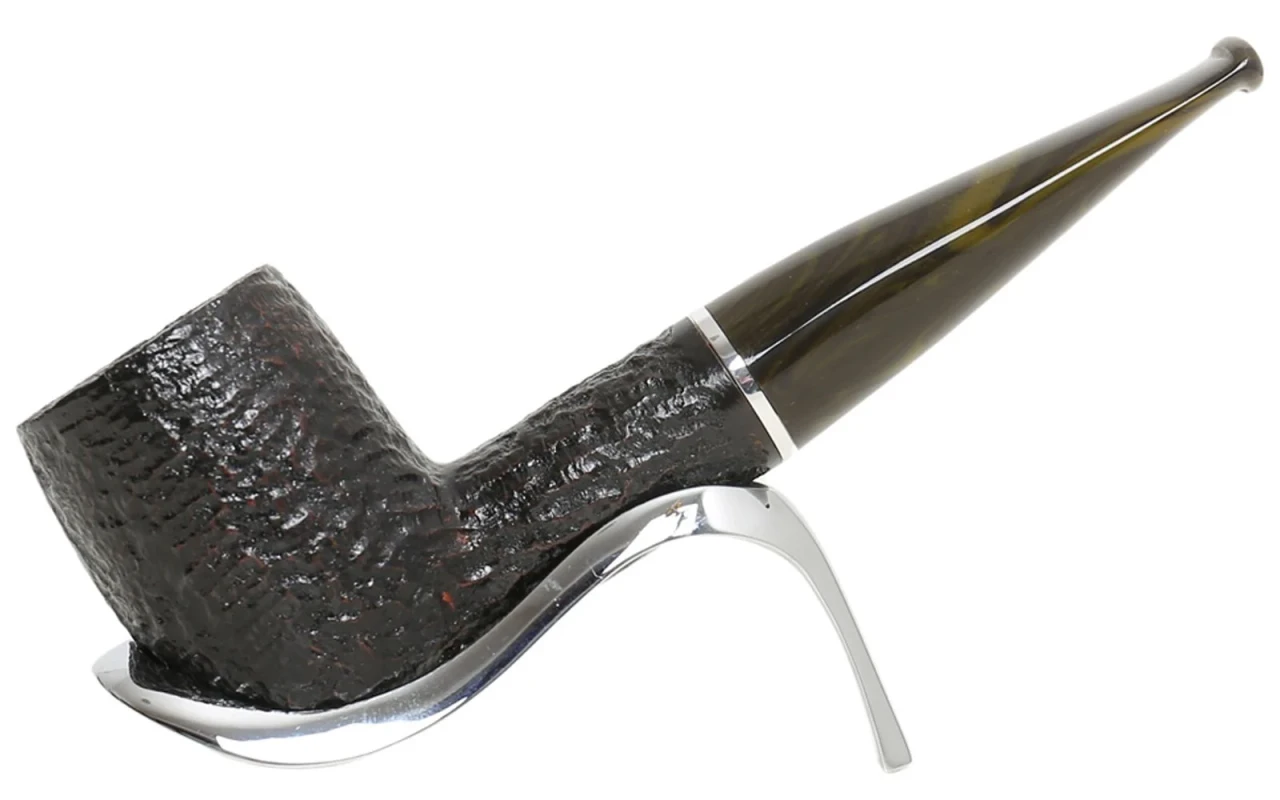
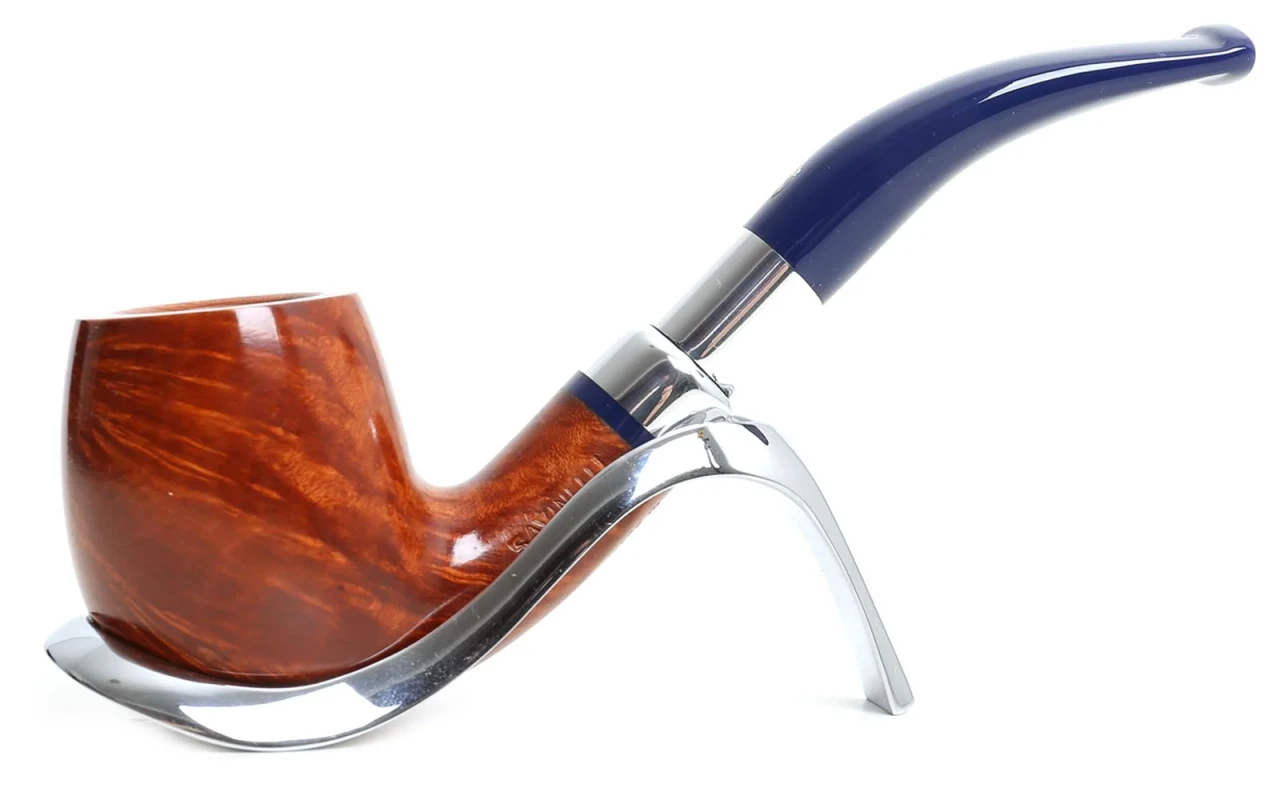
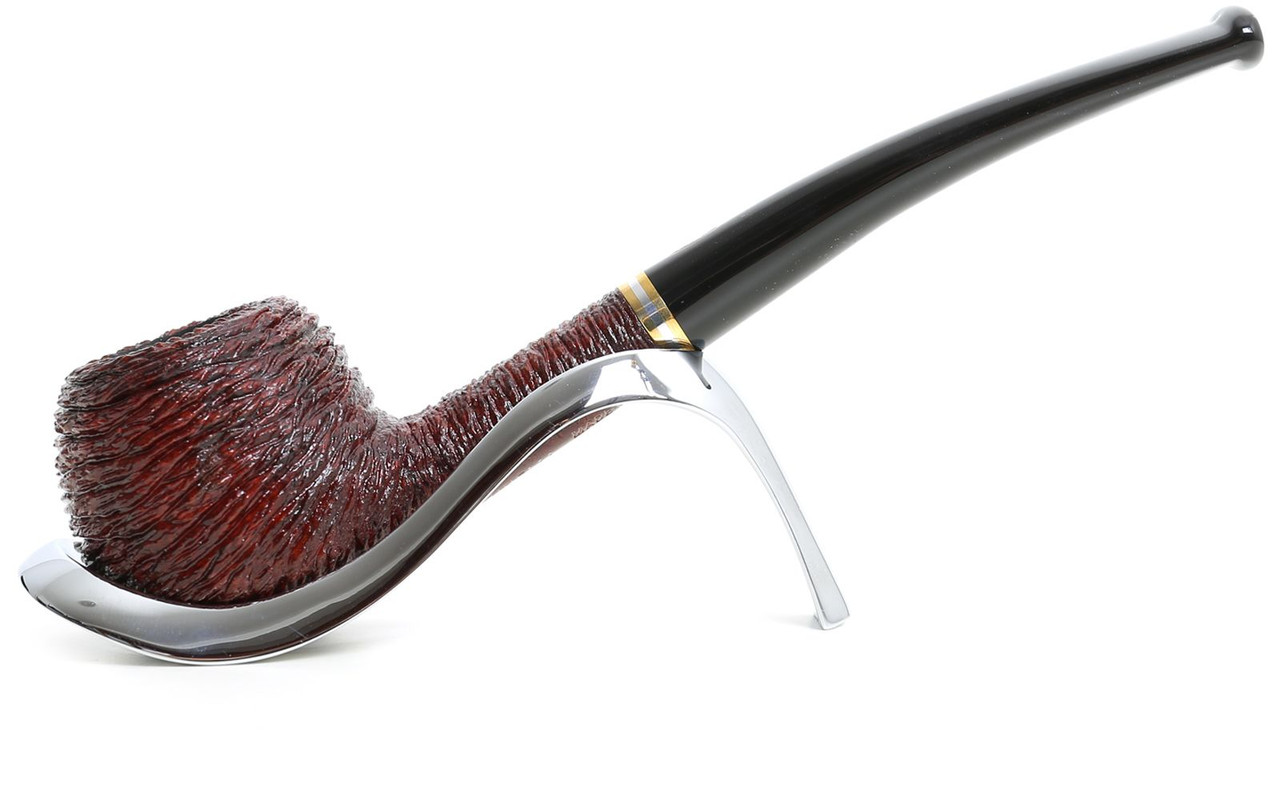
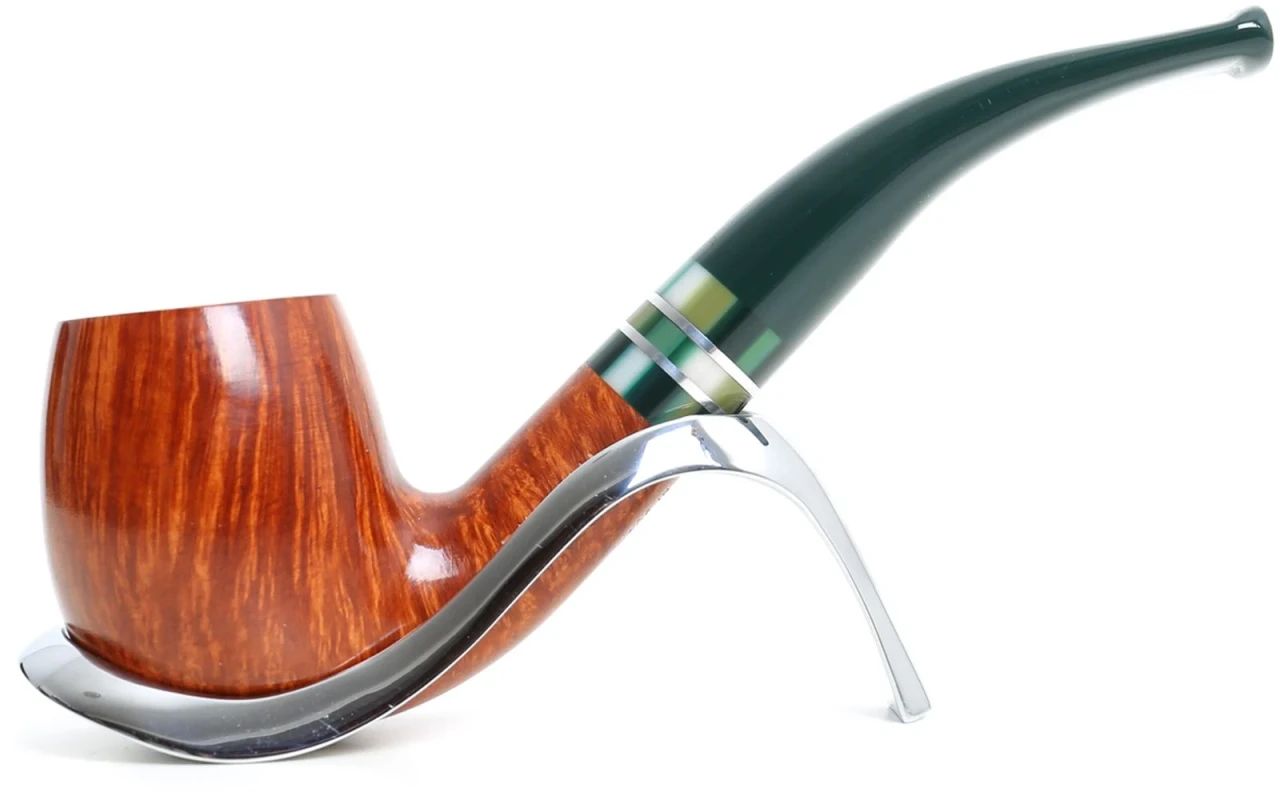
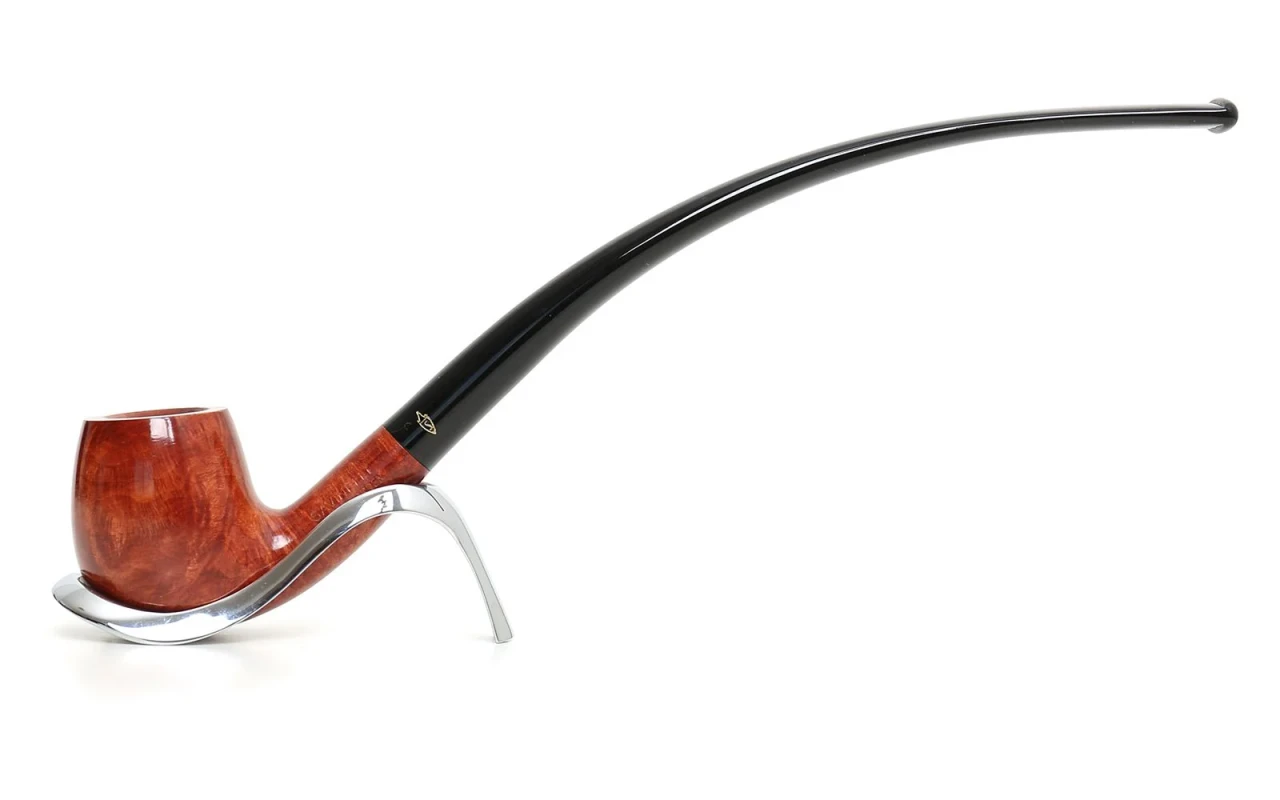
The pipe in Italy has ancient roots dating back to the Renaissance, when tobacco was introduced to Europe. Over time, the pipe became a symbol of culture and refinement, with Italian artisans developing unique shapes and finishes, contributing to a tradition of slow smoking still appreciated today.
What is the history of the pipe in Italy? Deep dive
The history of the pipe in Italy is intertwined with the arrival of tobacco in Europe in the 16th century, following the discovery of the Americas. Initially, tobacco was consumed in various ways, but soon the pipe became a widespread instrument for slow smoking. During the Renaissance, the pipe assumed a significant cultural role, associated with moments of reflection and socializing. Italian craftsmanship contributed to developing high-quality pipes characterized by precious materials such as boxwood and briar, and detailed finishes that enhance their aesthetics. The shapes of Italian pipes often reflect a balance between tradition and innovation, featuring classic models and original designs. Over the centuries, the pipe has remained a symbol of elegance and a more meditative approach to smoking compared to other products. Today, pipe culture in Italy continues to thrive, with enthusiasts valuing maintenance, tobacco selection, and the art of slow smoking, keeping alive a historical and artisanal tradition of great value.