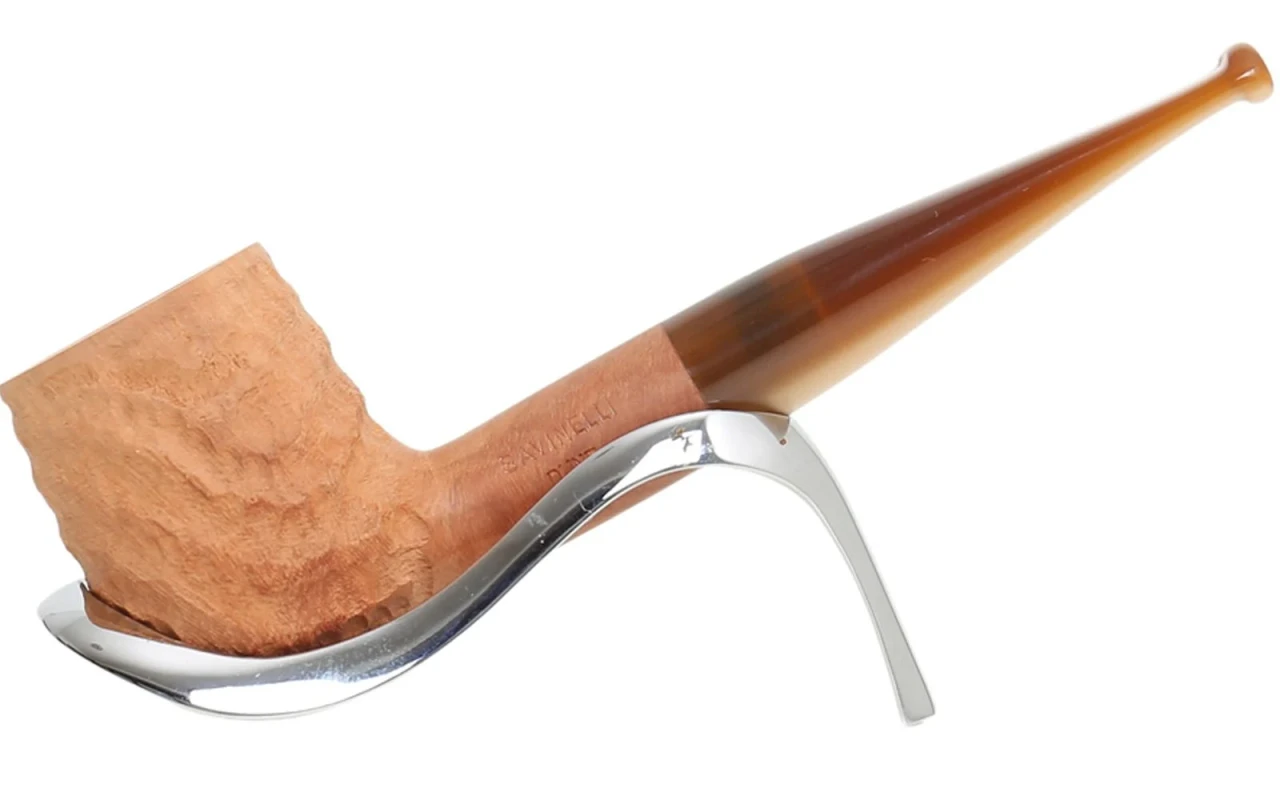
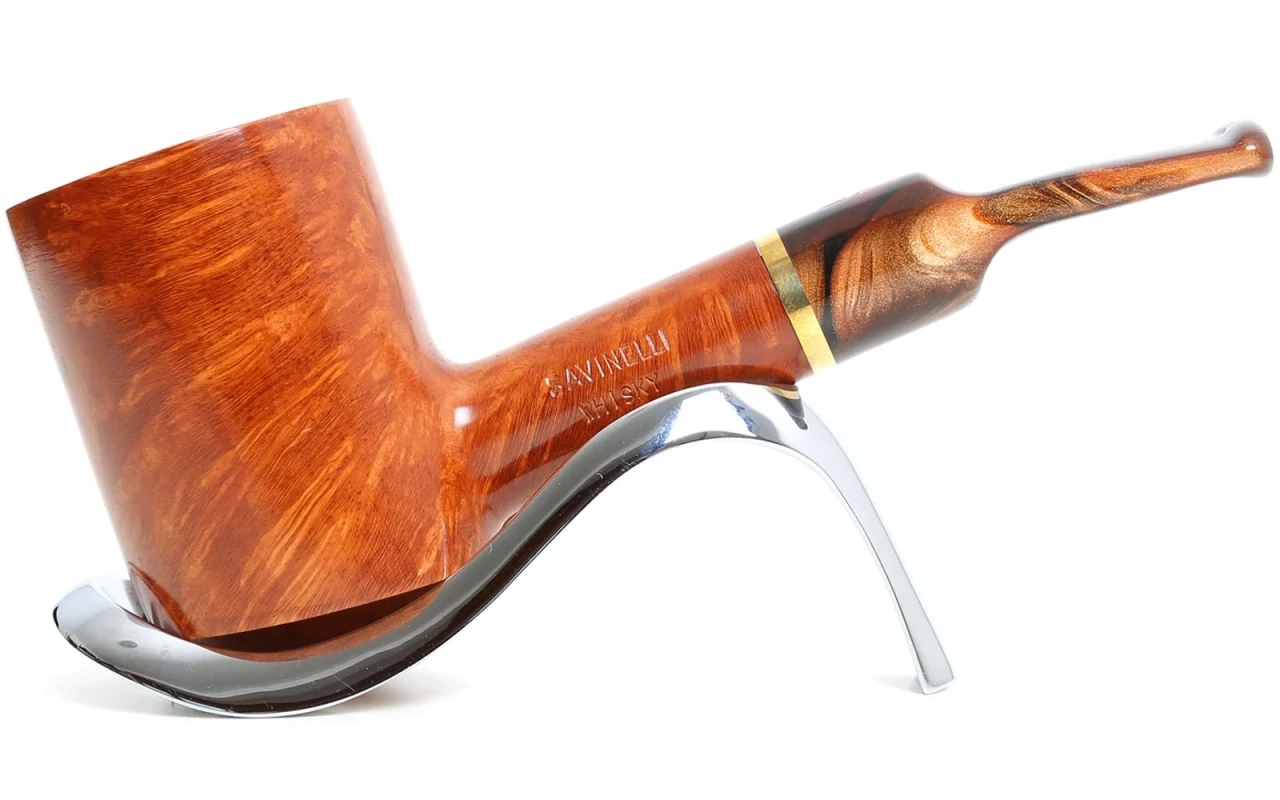
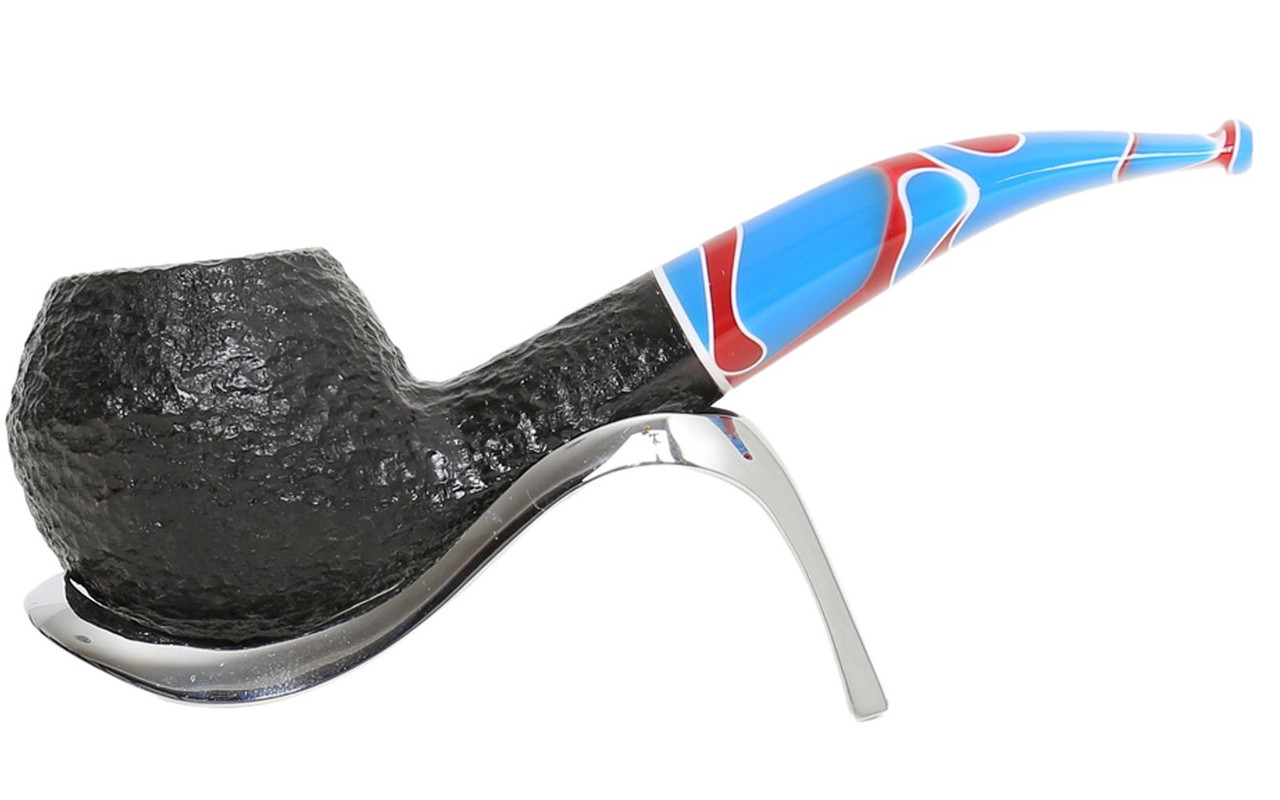
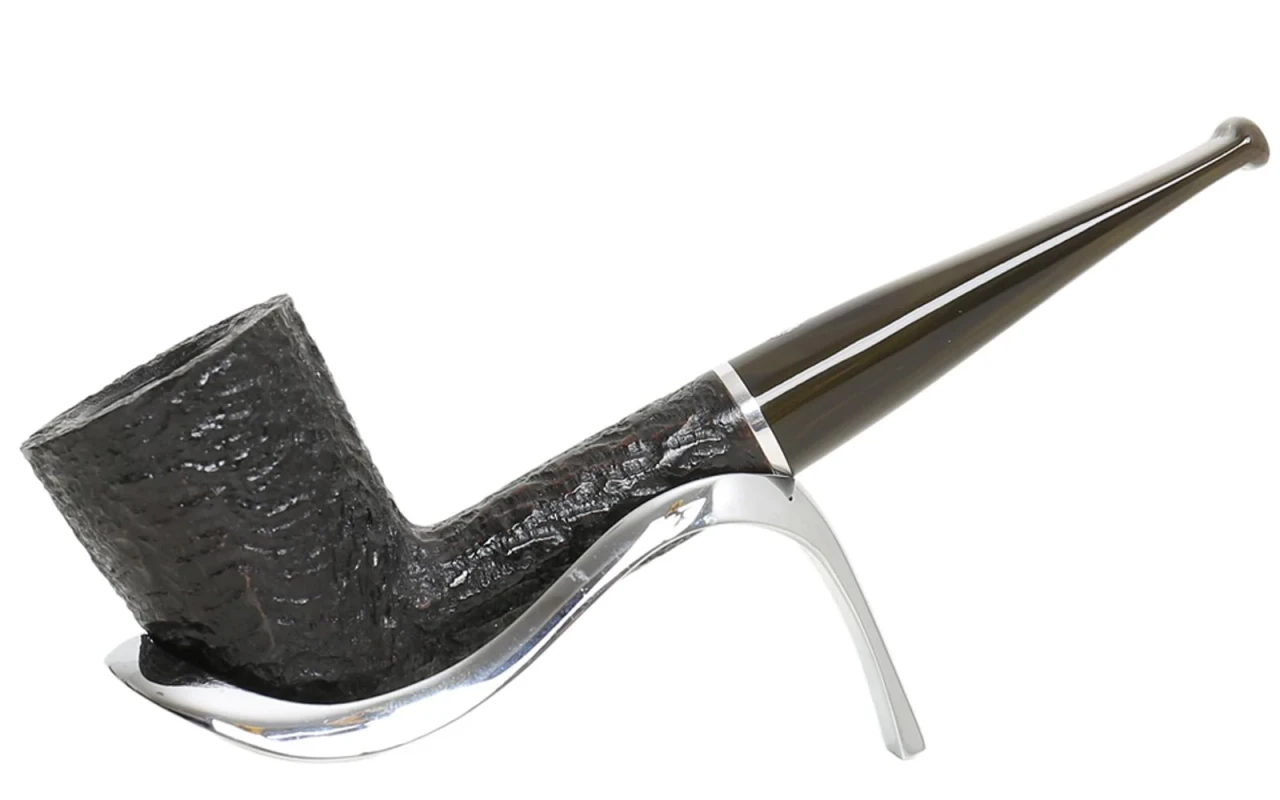
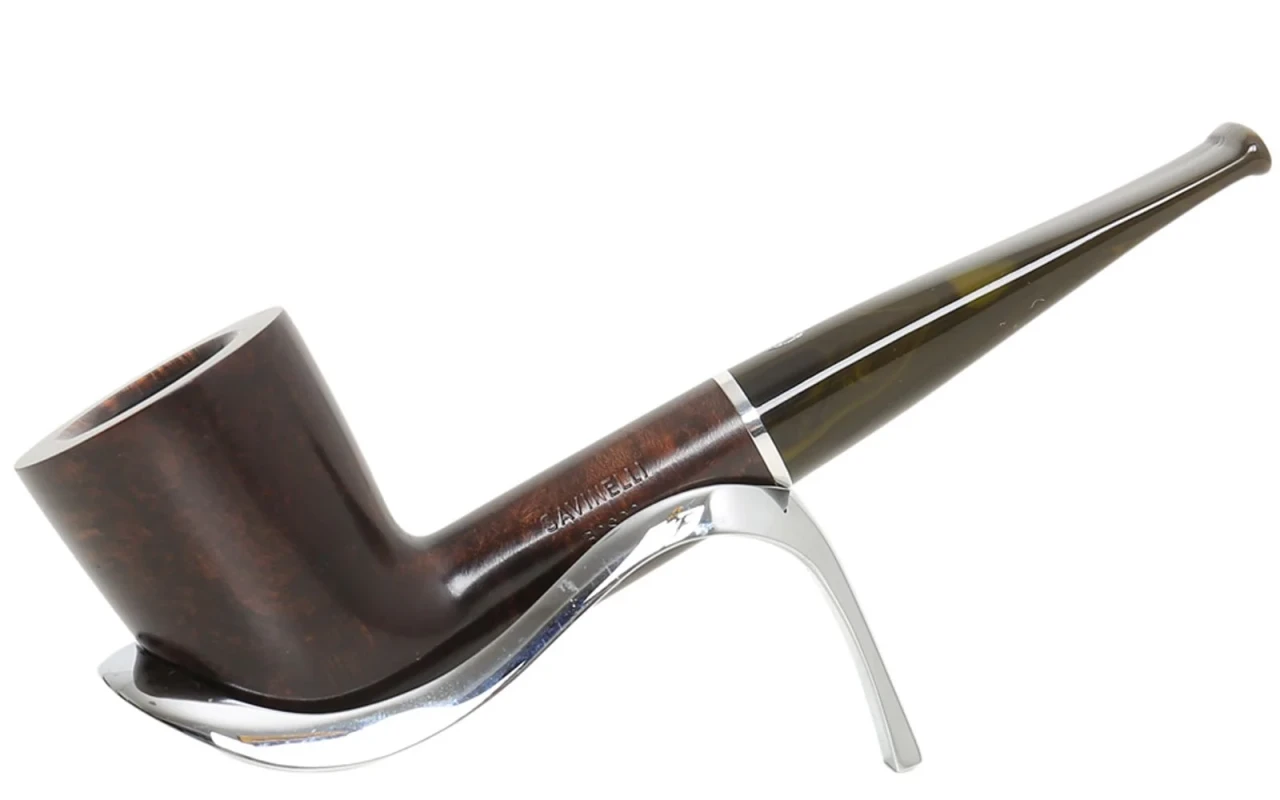
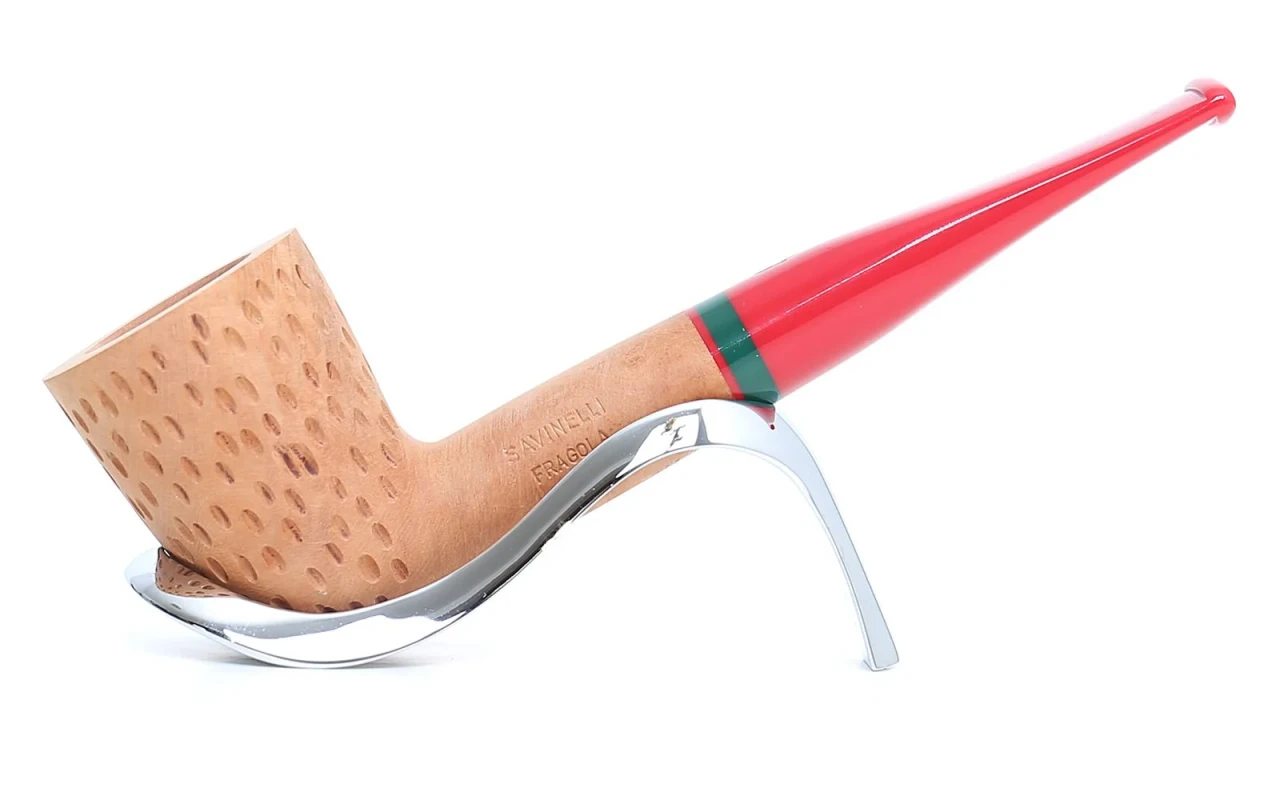
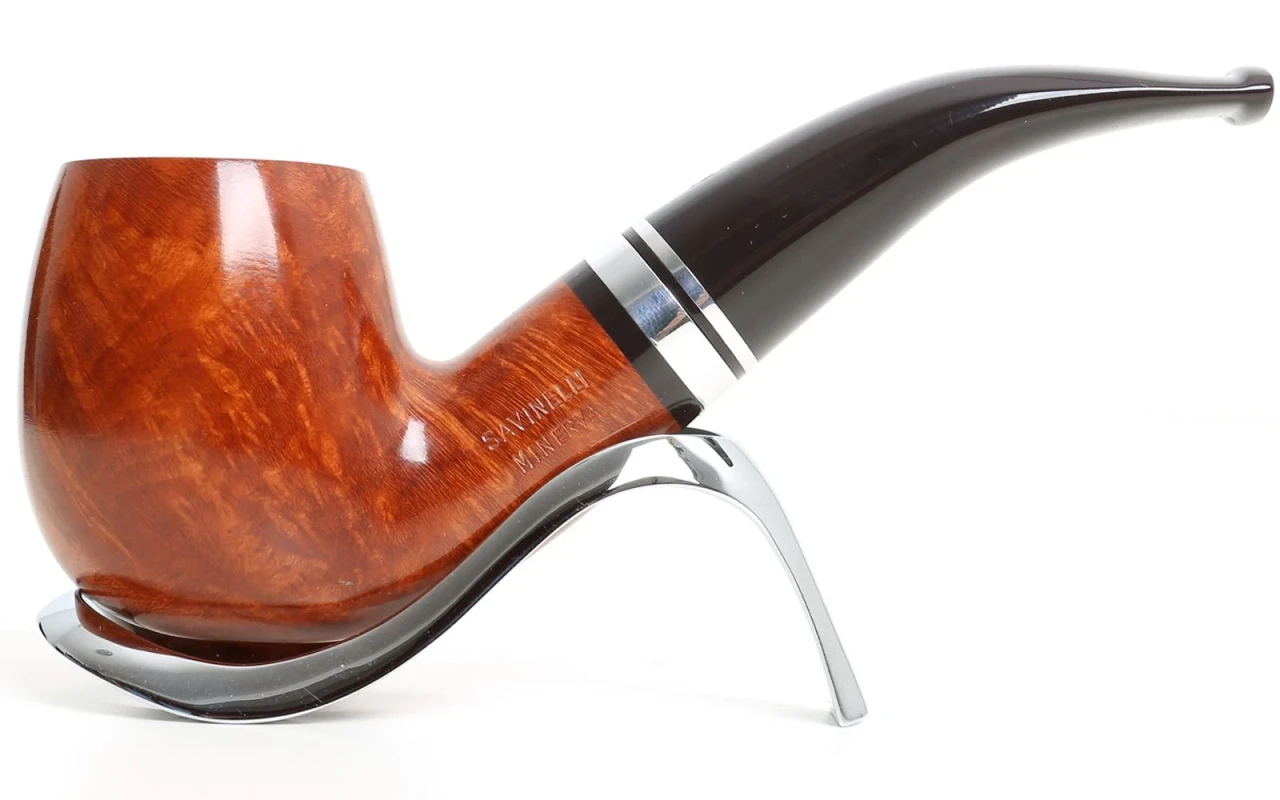
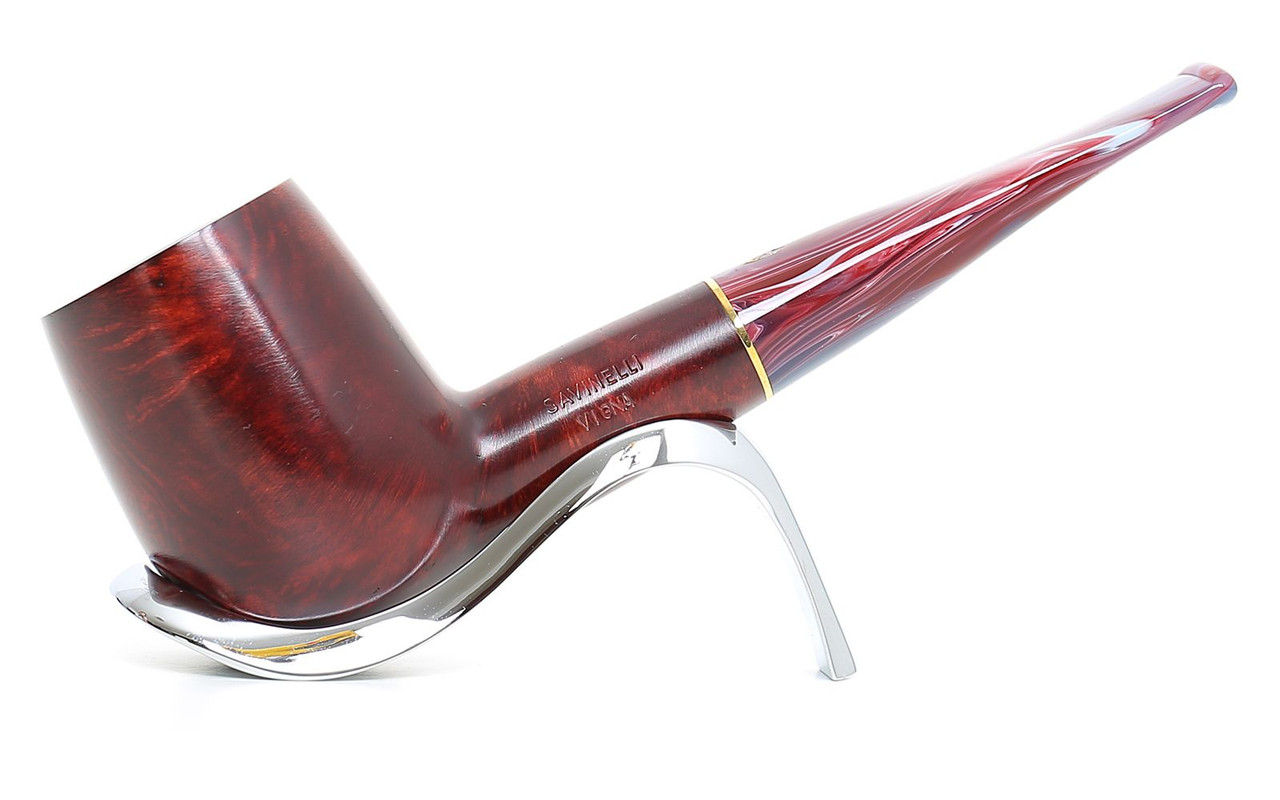
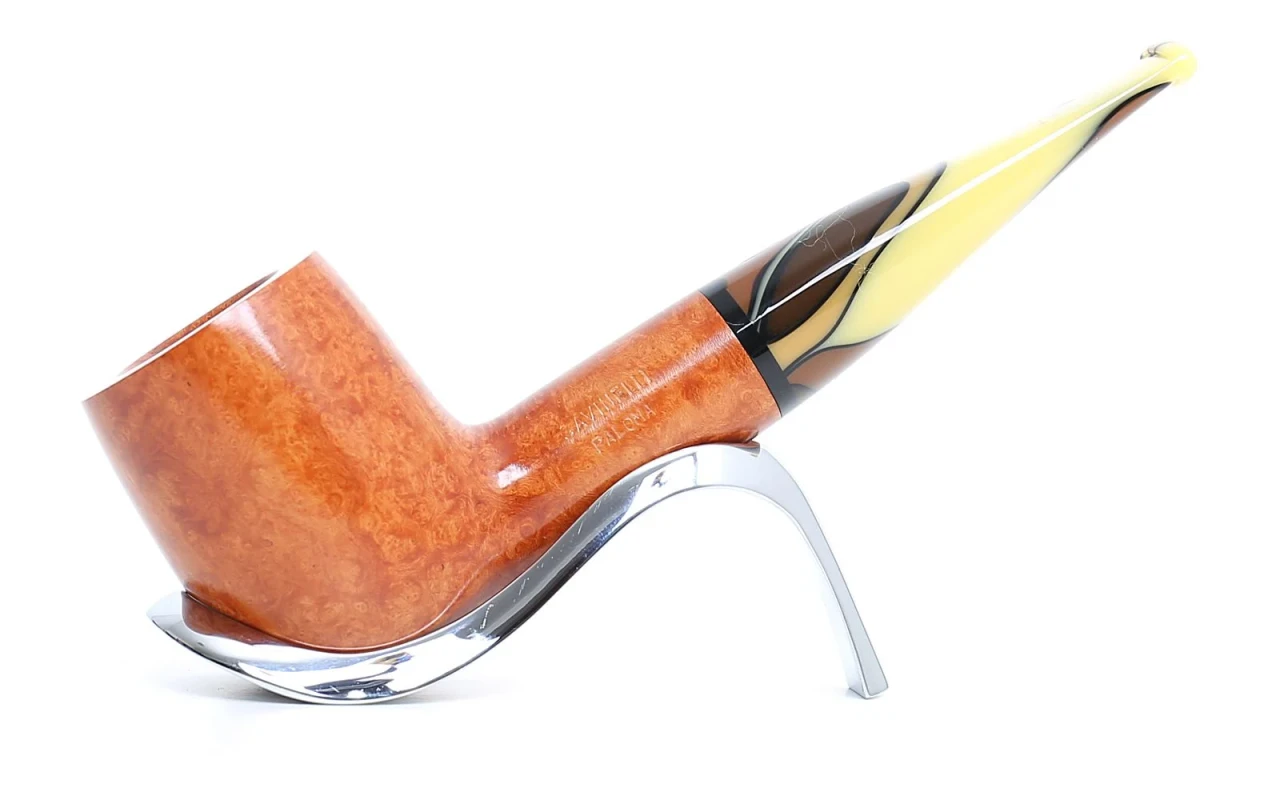
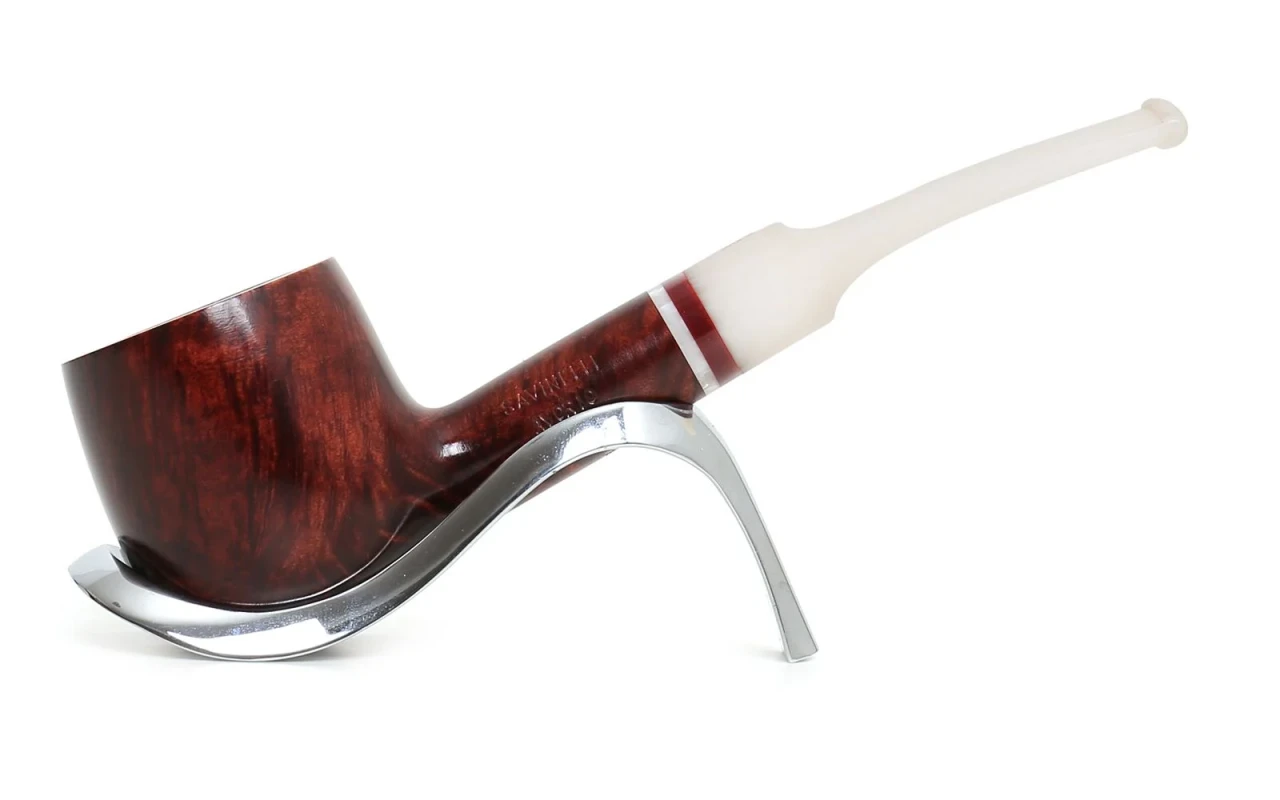
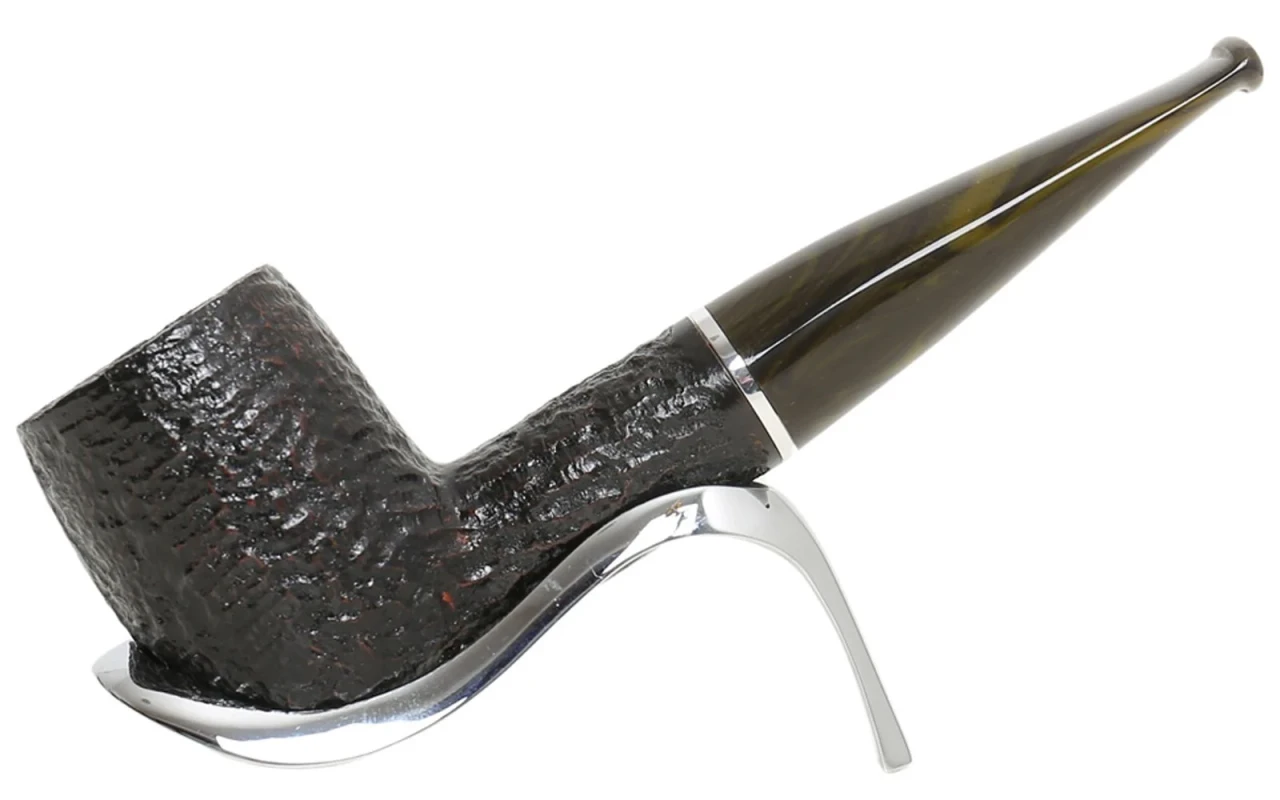
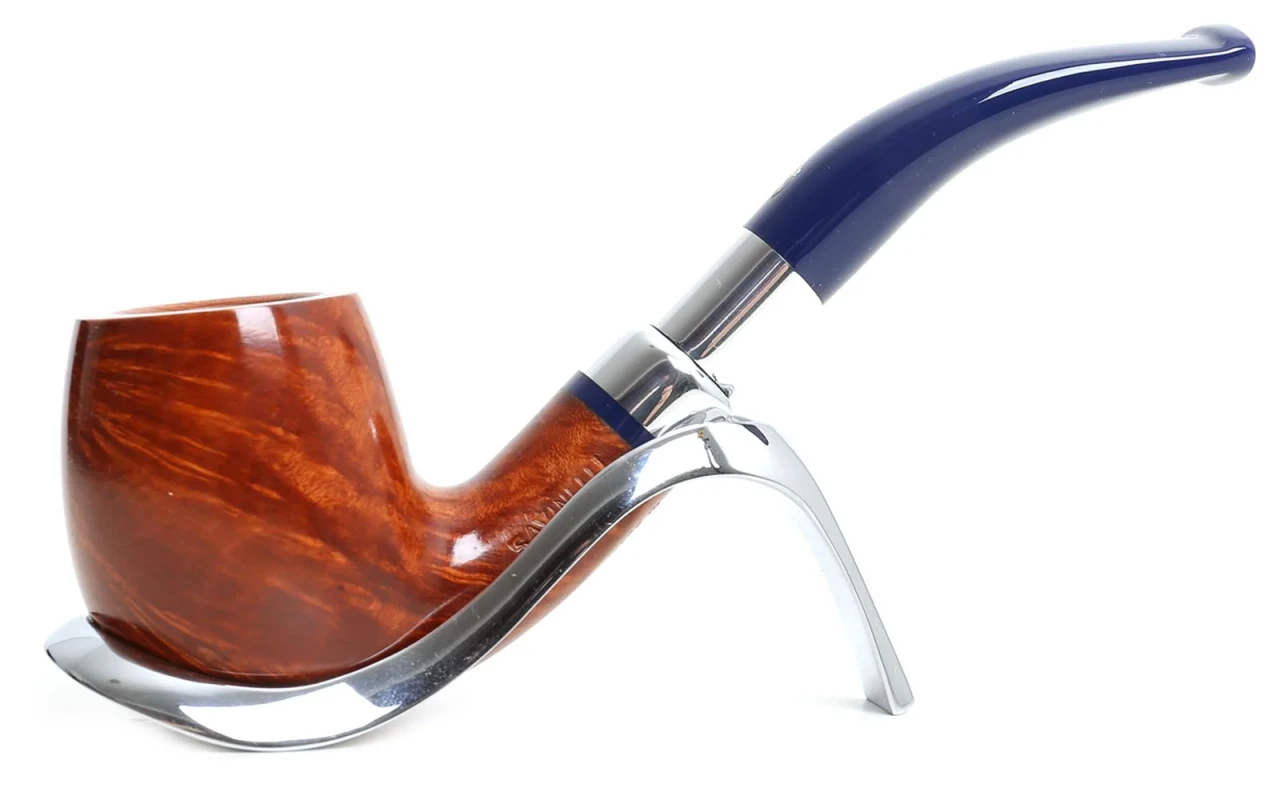
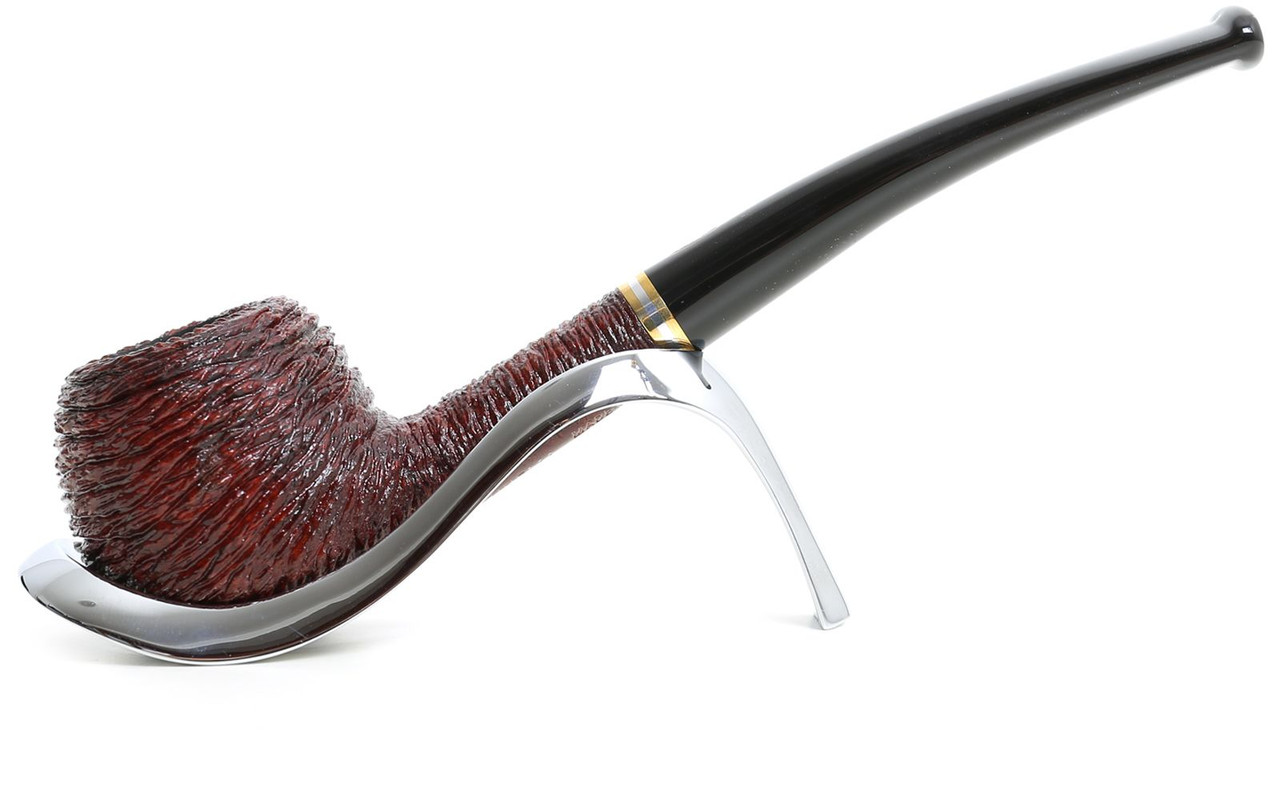
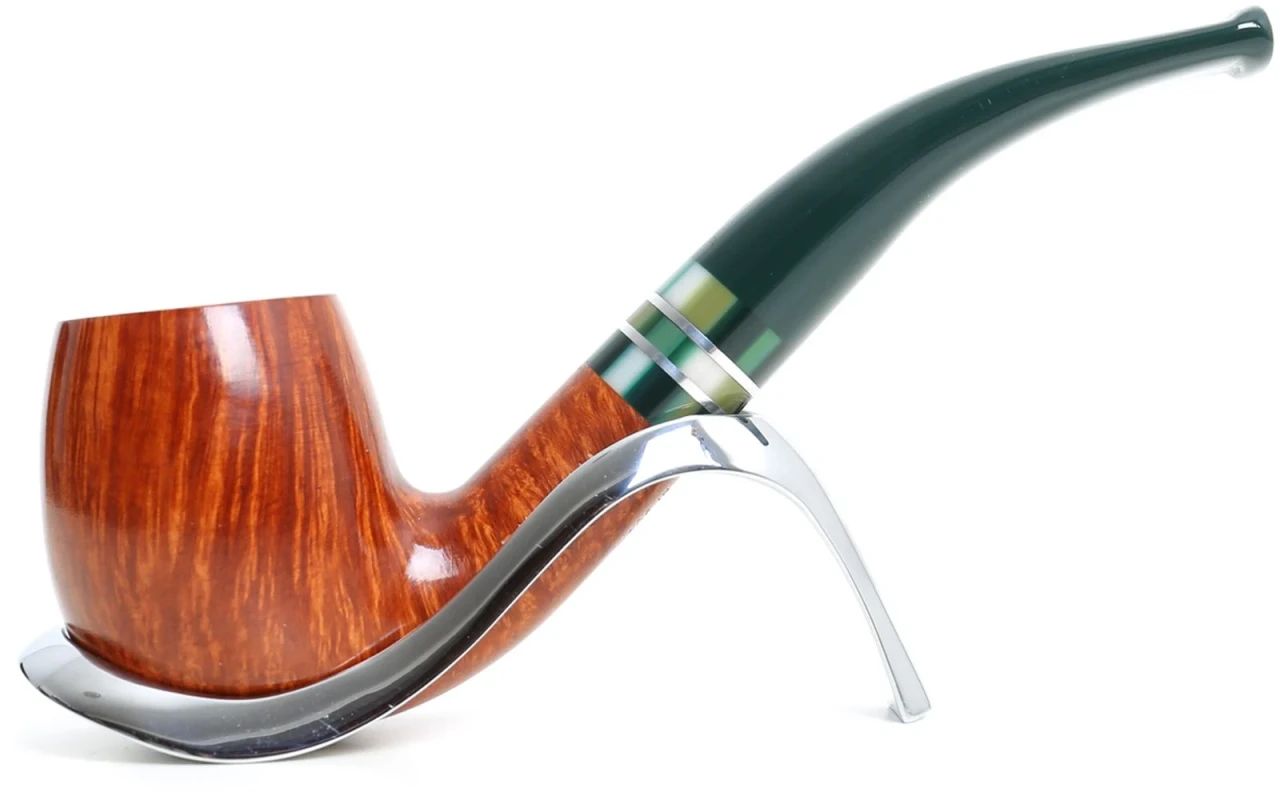
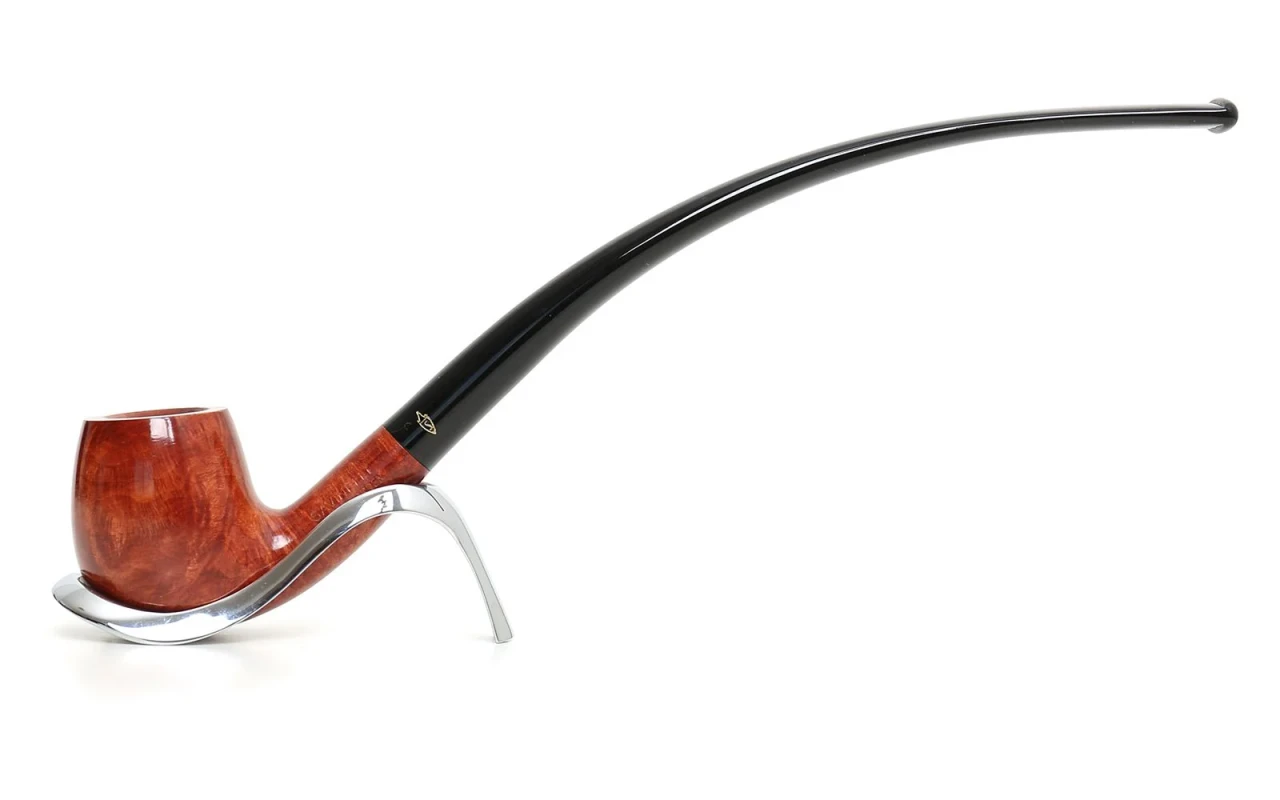
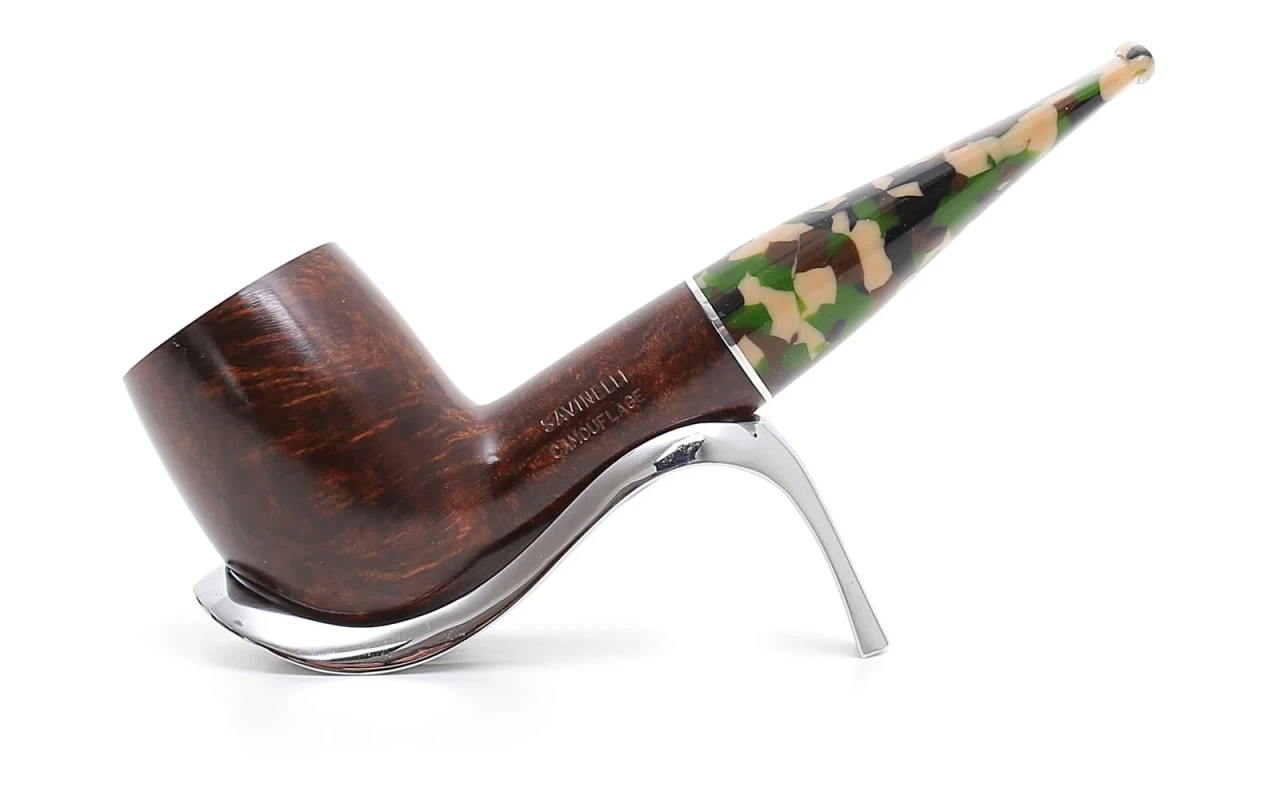
The introduction of briar revolutionized the pipe by providing a material that was durable, lightweight, and aesthetically refined. This allowed for the creation of longer-lasting pipes with more varied shapes, enhancing the smoker's experience and establishing briar as the preferred material for quality pipes.
How did the pipe change after the introduction of briar? Deep dive
Before the introduction of briar, pipes were mainly made from less durable materials like common wood or terracotta, which often limited their longevity and smoking quality. Briar, derived from the root of the heath tree, proved to be an ideal material due to its heat resistance, lightness, and ability to absorb moisture. This enabled manufacturers to craft pipes with more complex shapes and refined finishes, improving both aesthetics and functionality. Briar also contributed to a better smoking experience since its porous structure facilitated a more even combustion and a cleaner flavor. Over time, briar became synonymous with quality and craftsmanship in the pipe world, profoundly influencing the slow-smoking culture and enthusiasts’ choices. Its introduction marked a turning point in the history of the pipe, elevating it from a mere tool to a cult object and collector’s item.