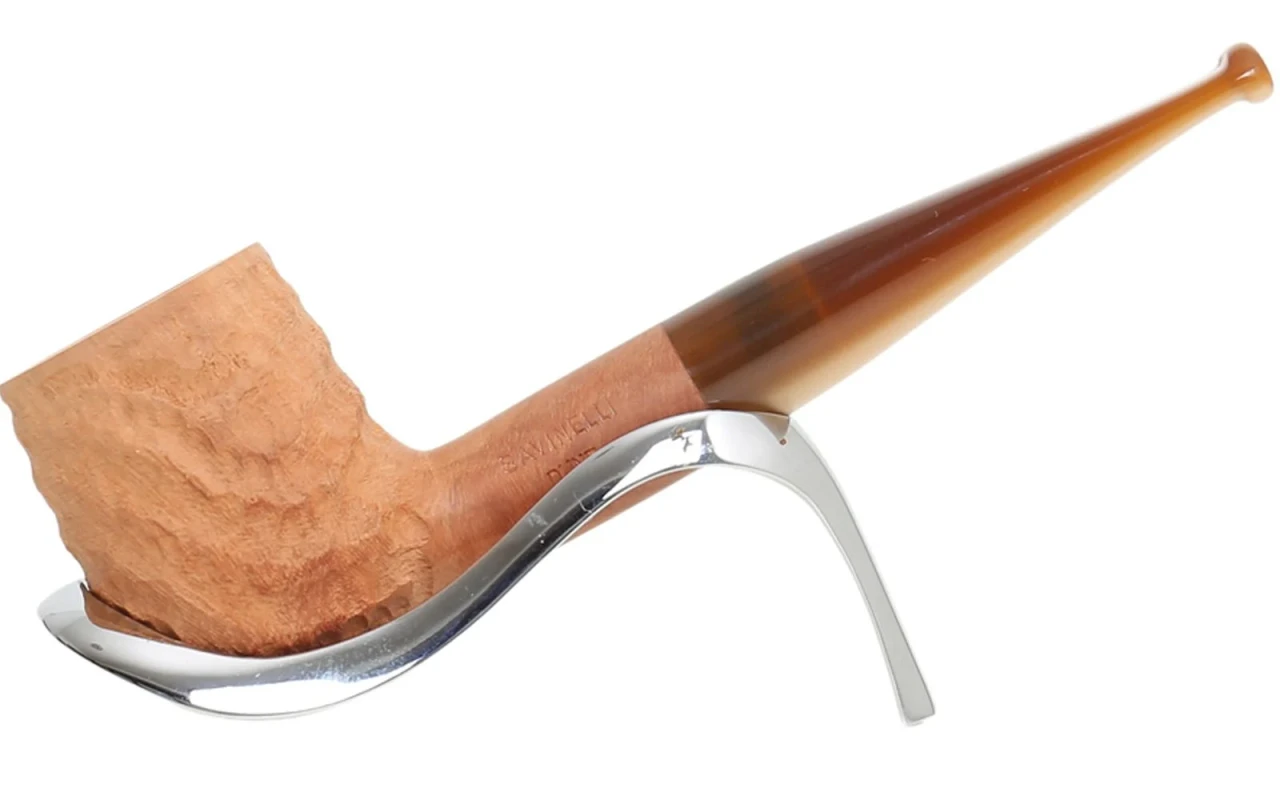
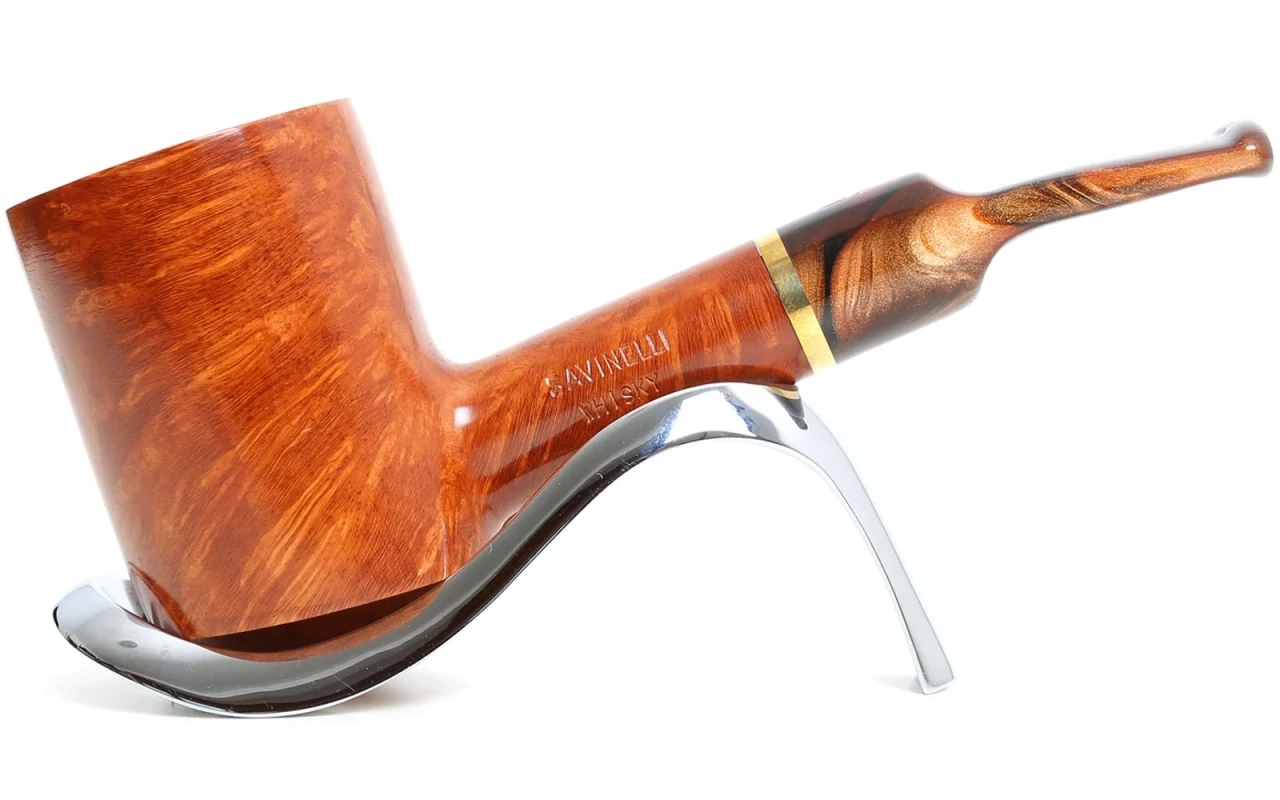
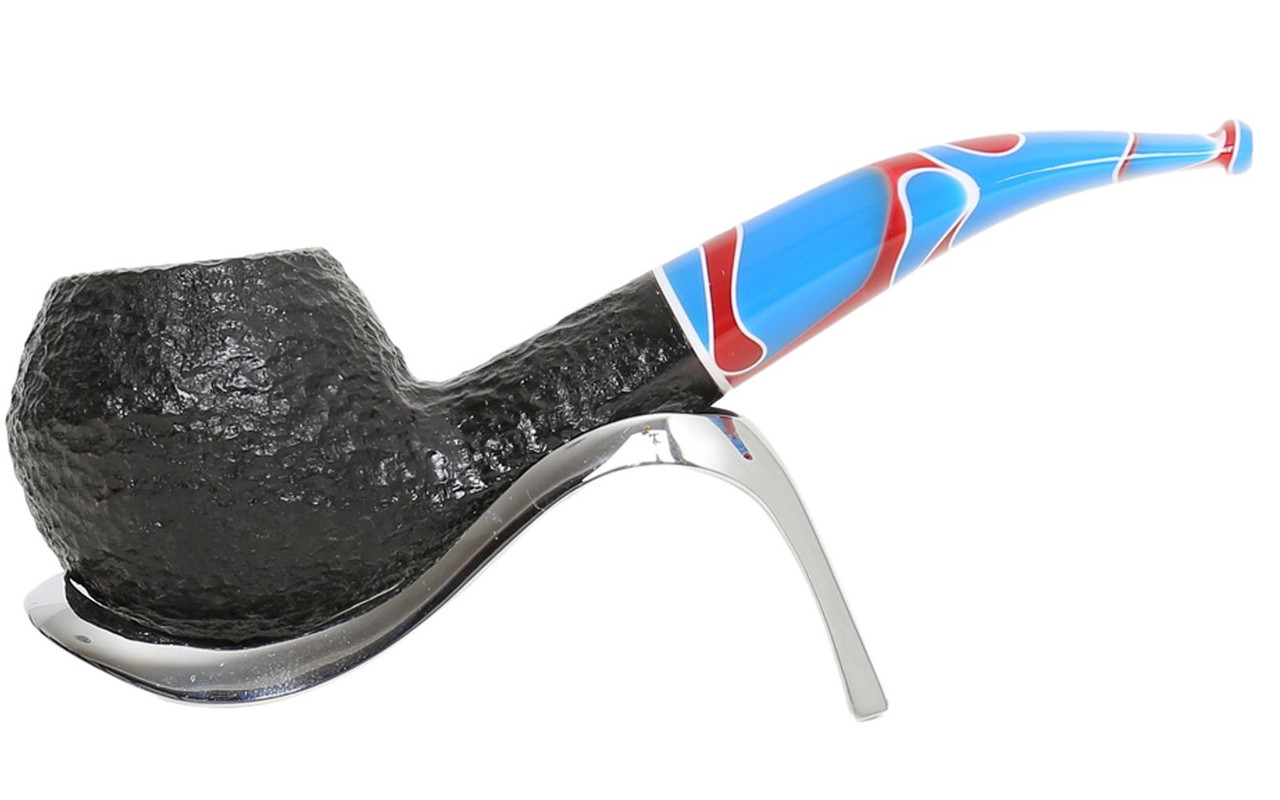
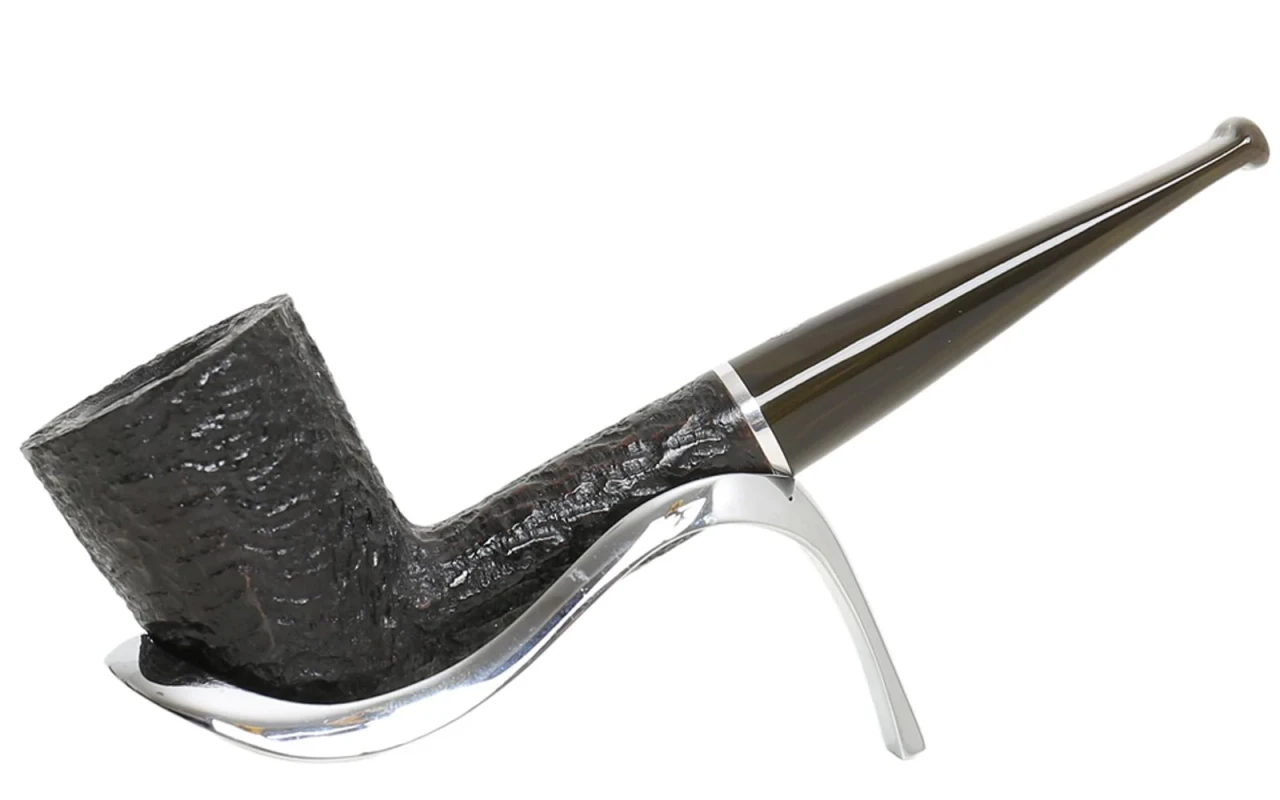
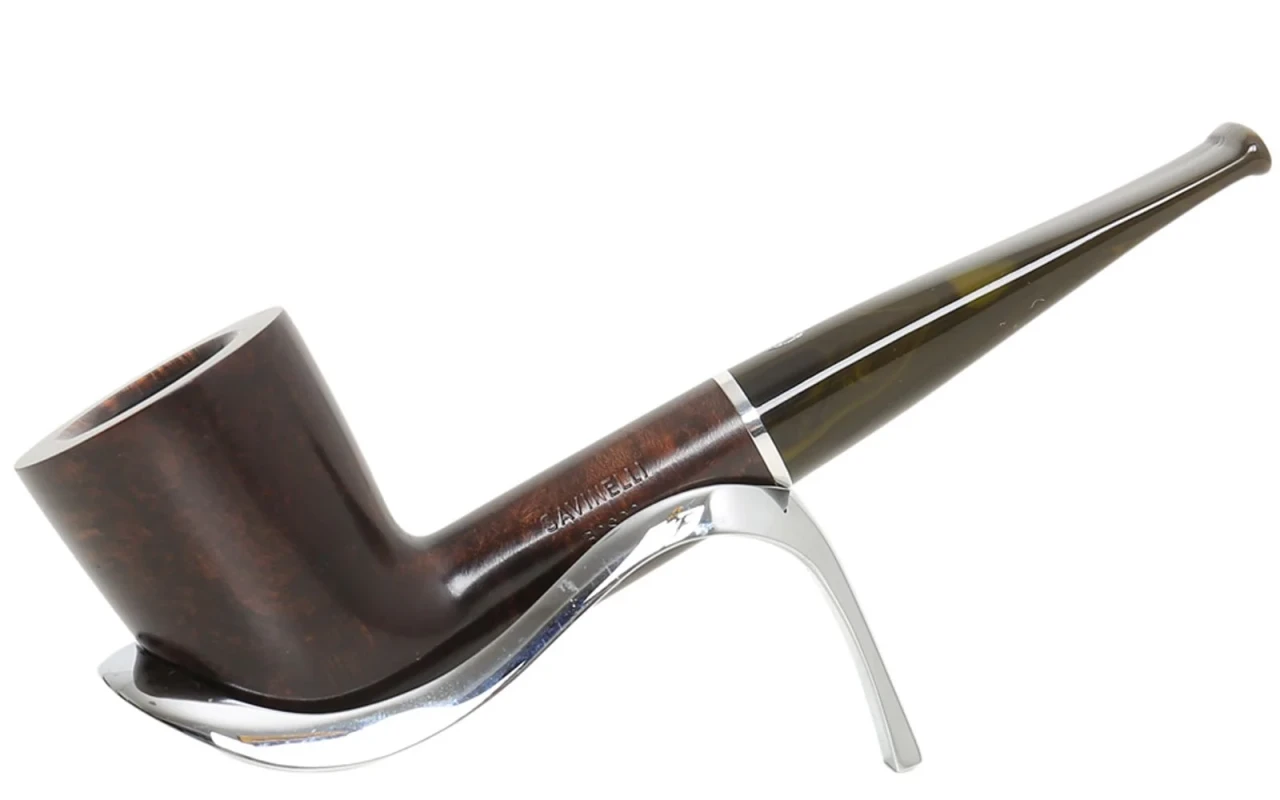
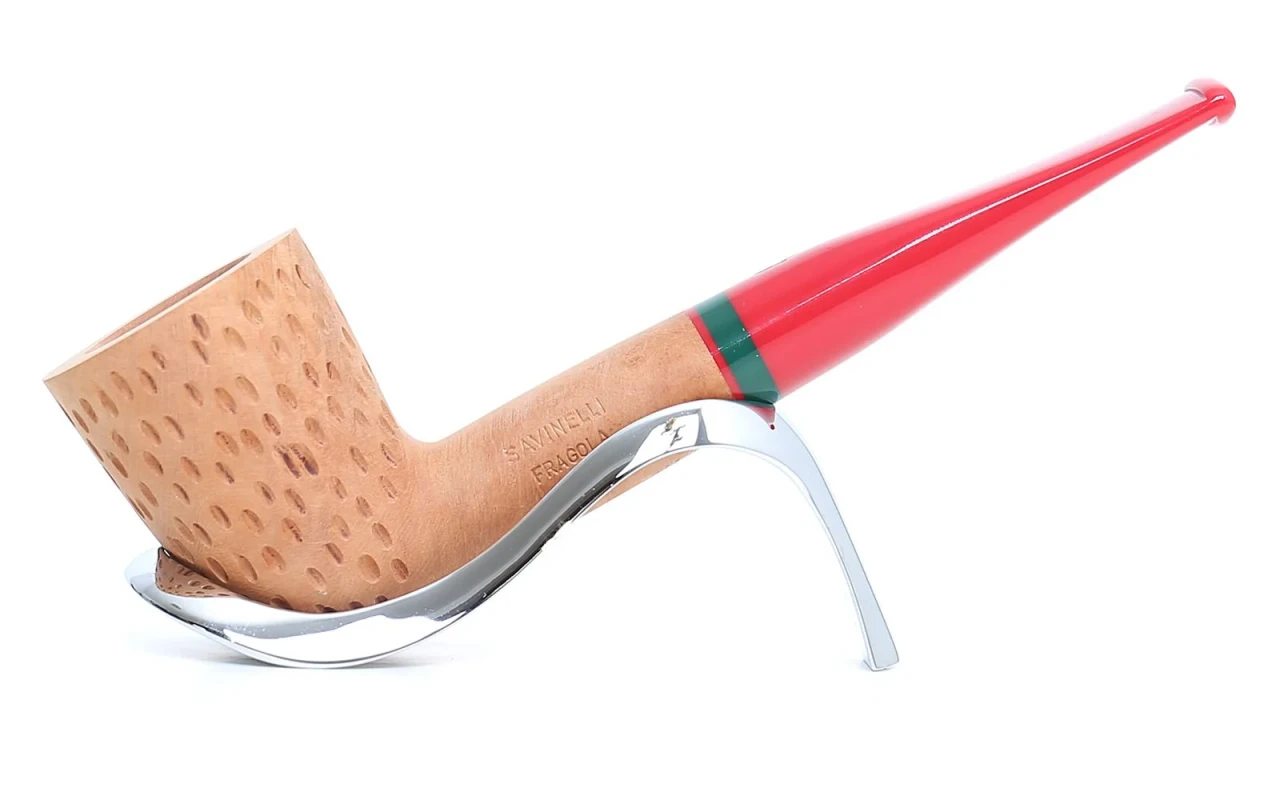
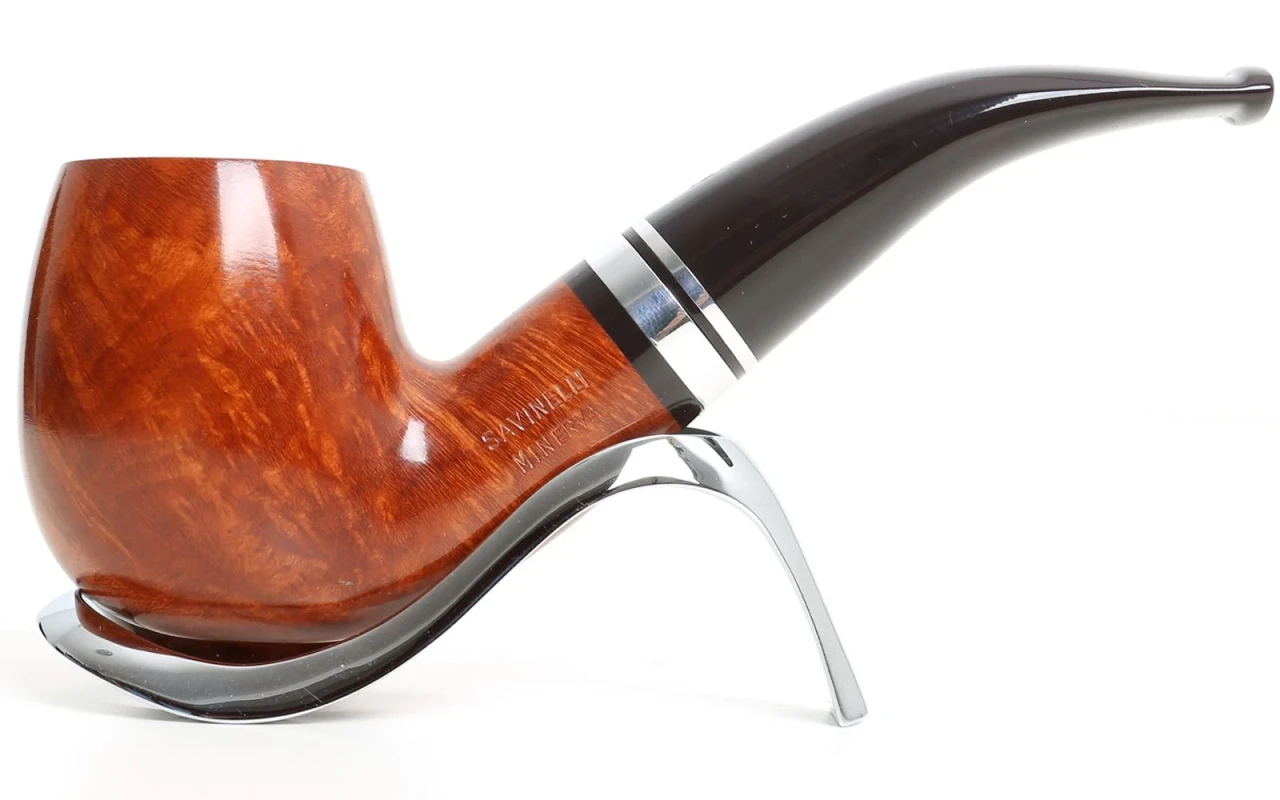
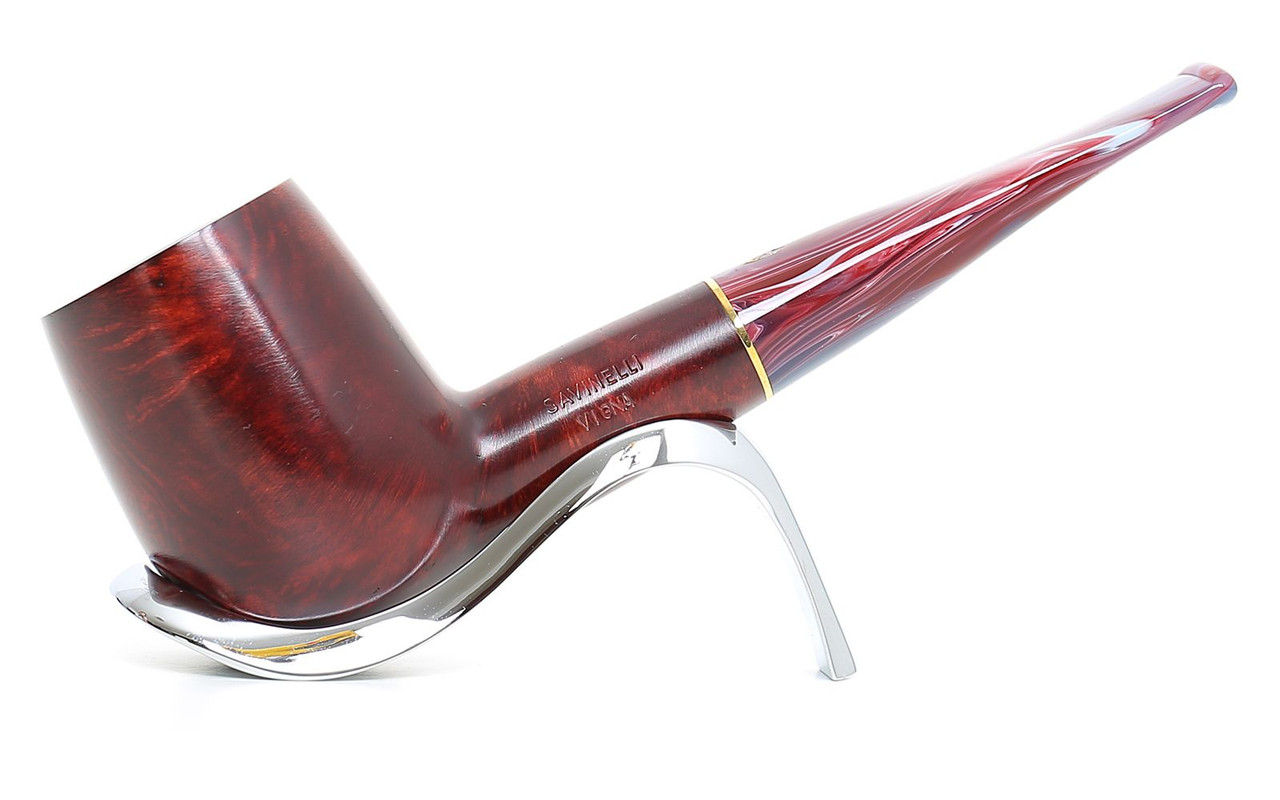
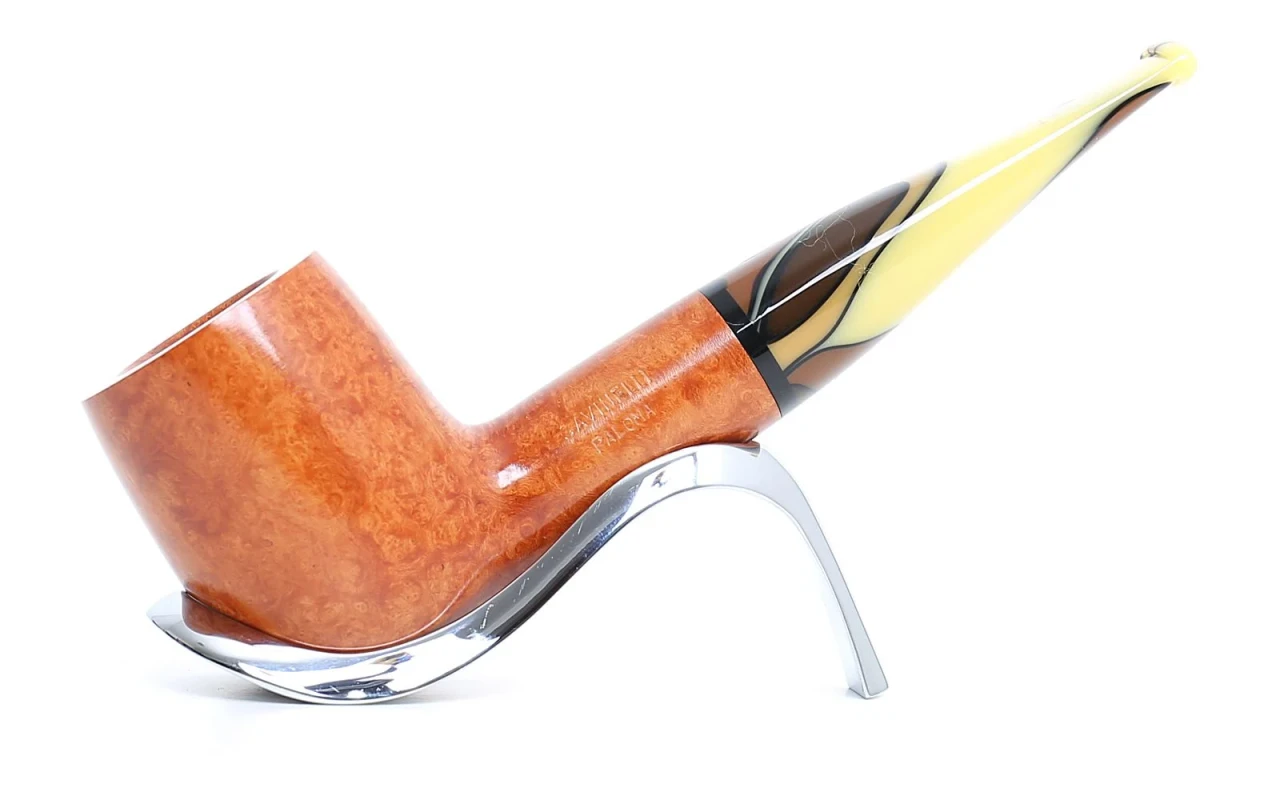
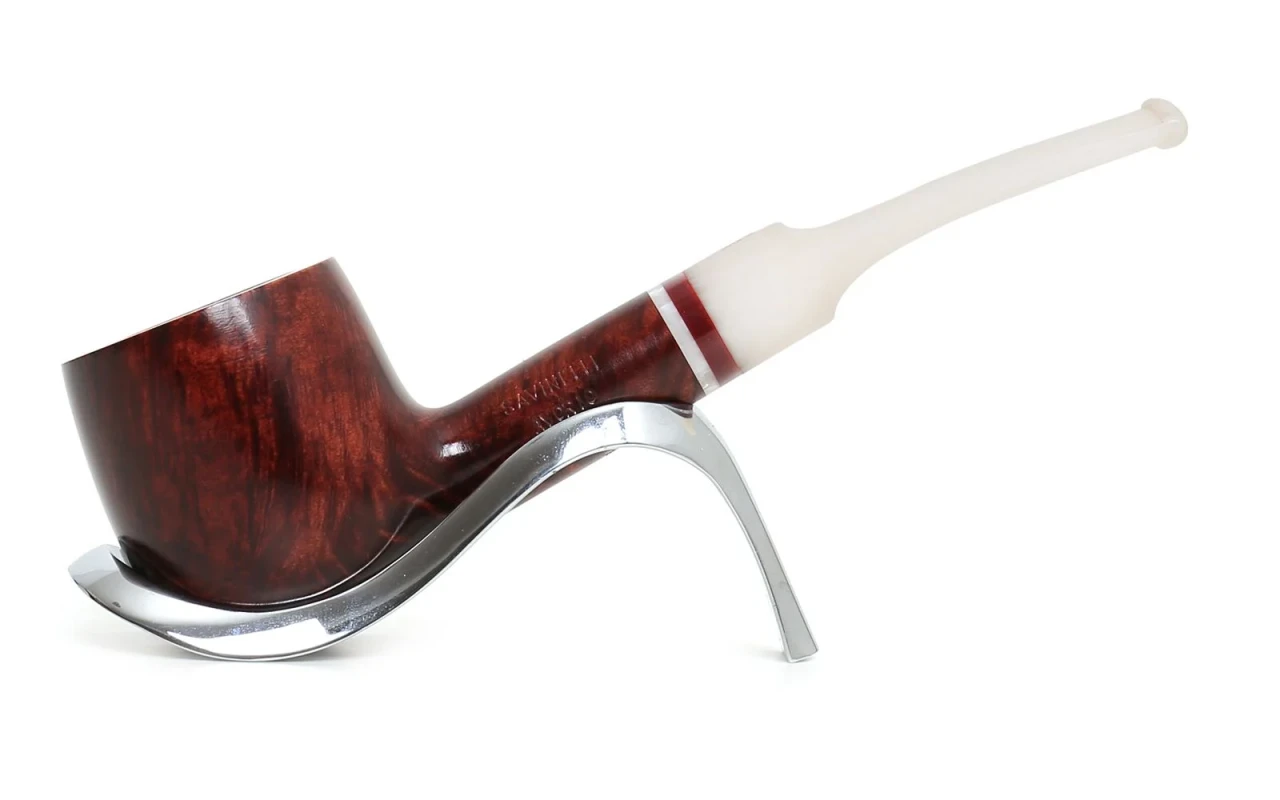
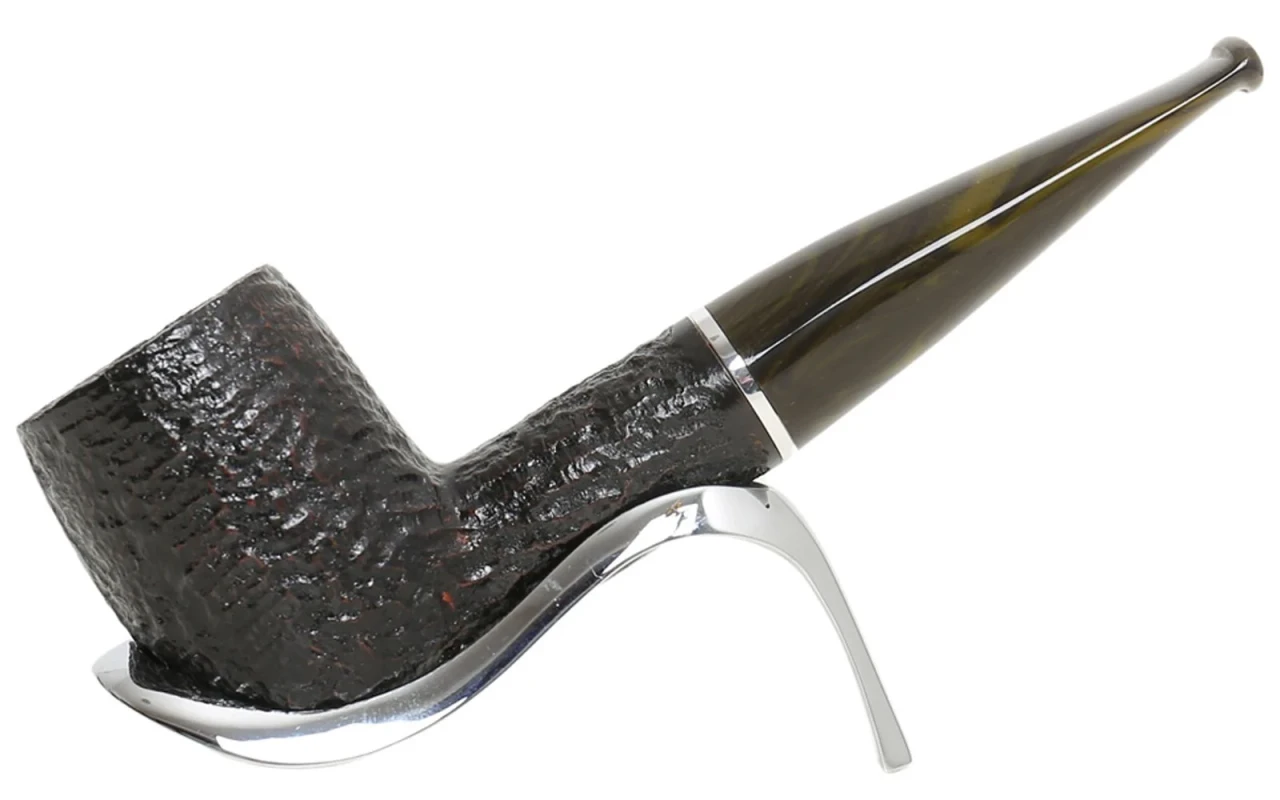
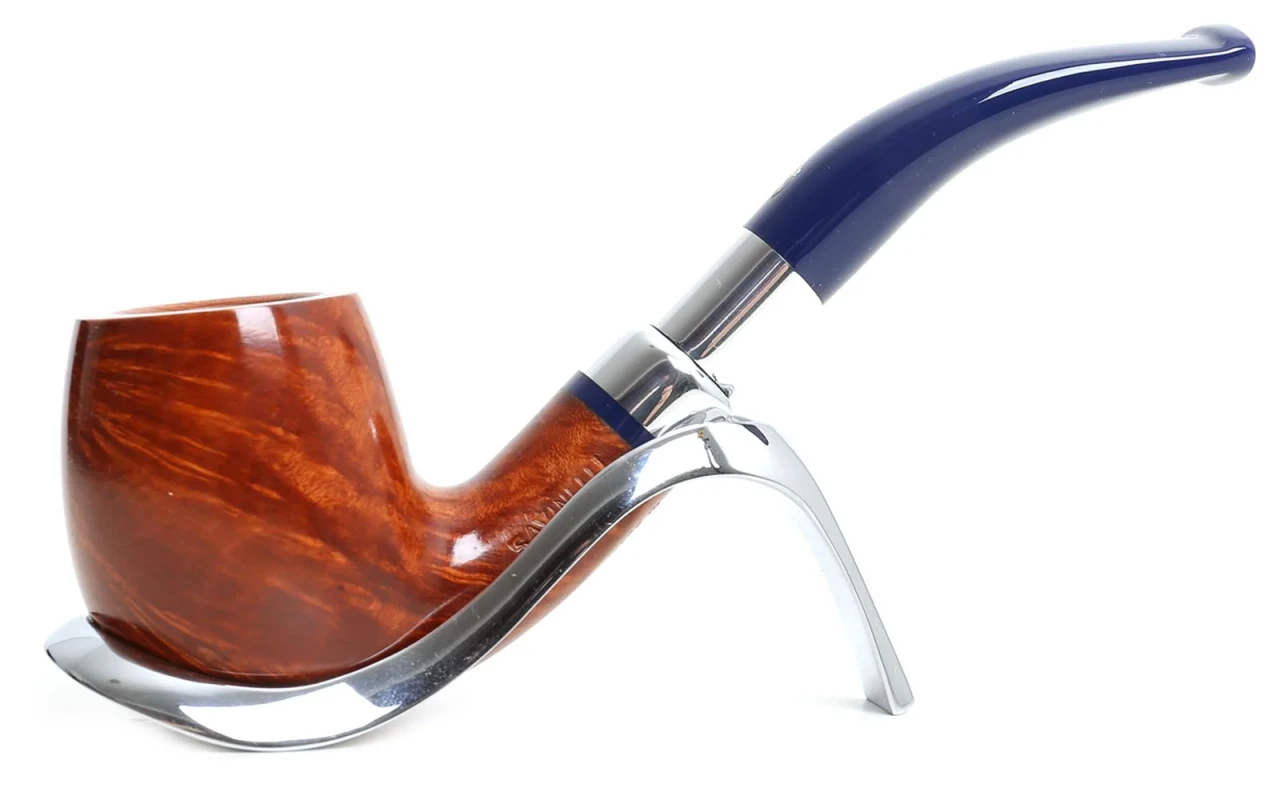
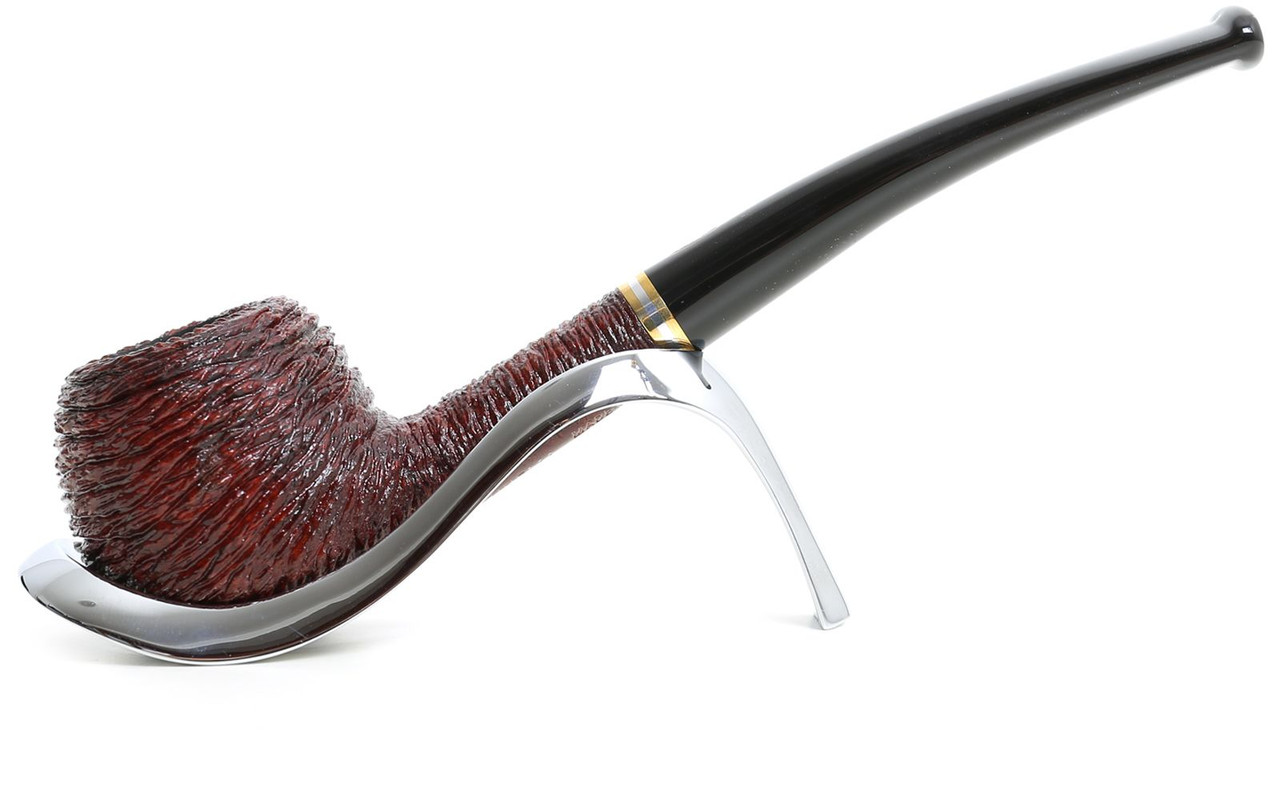
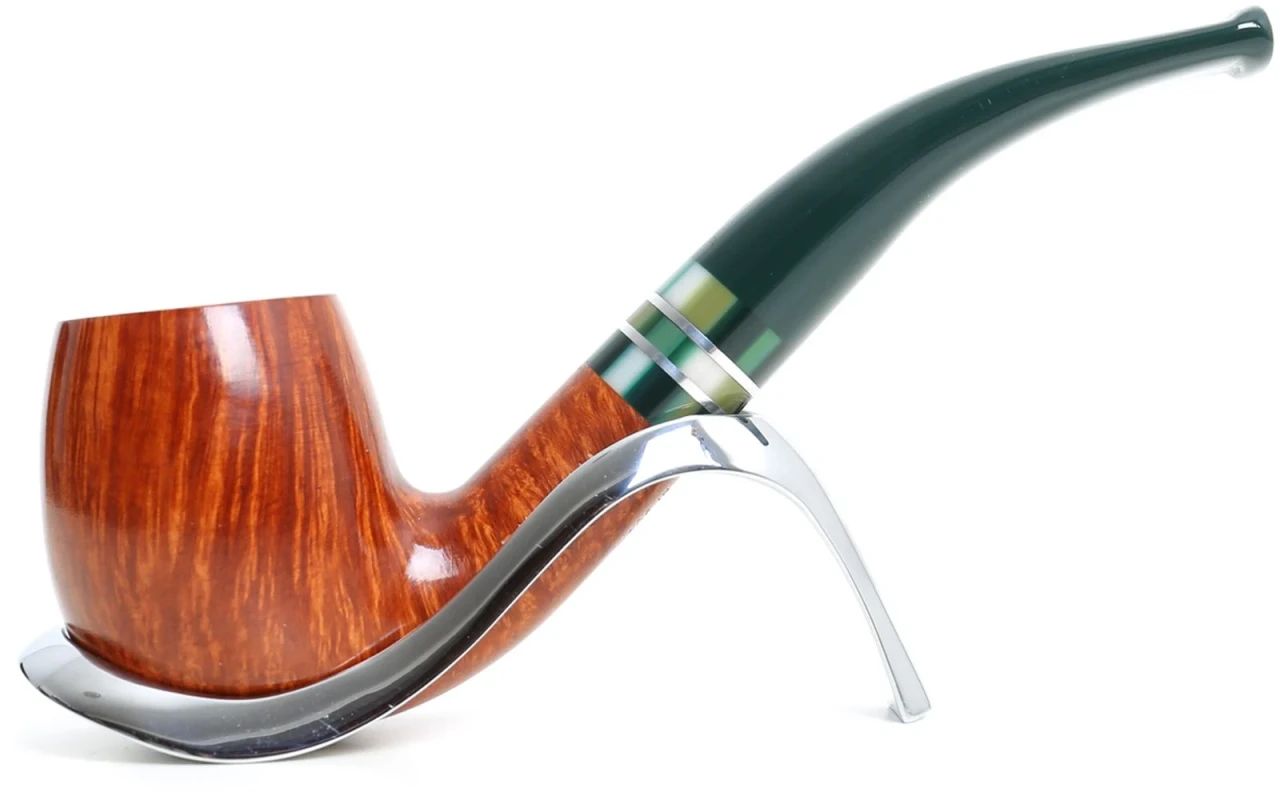
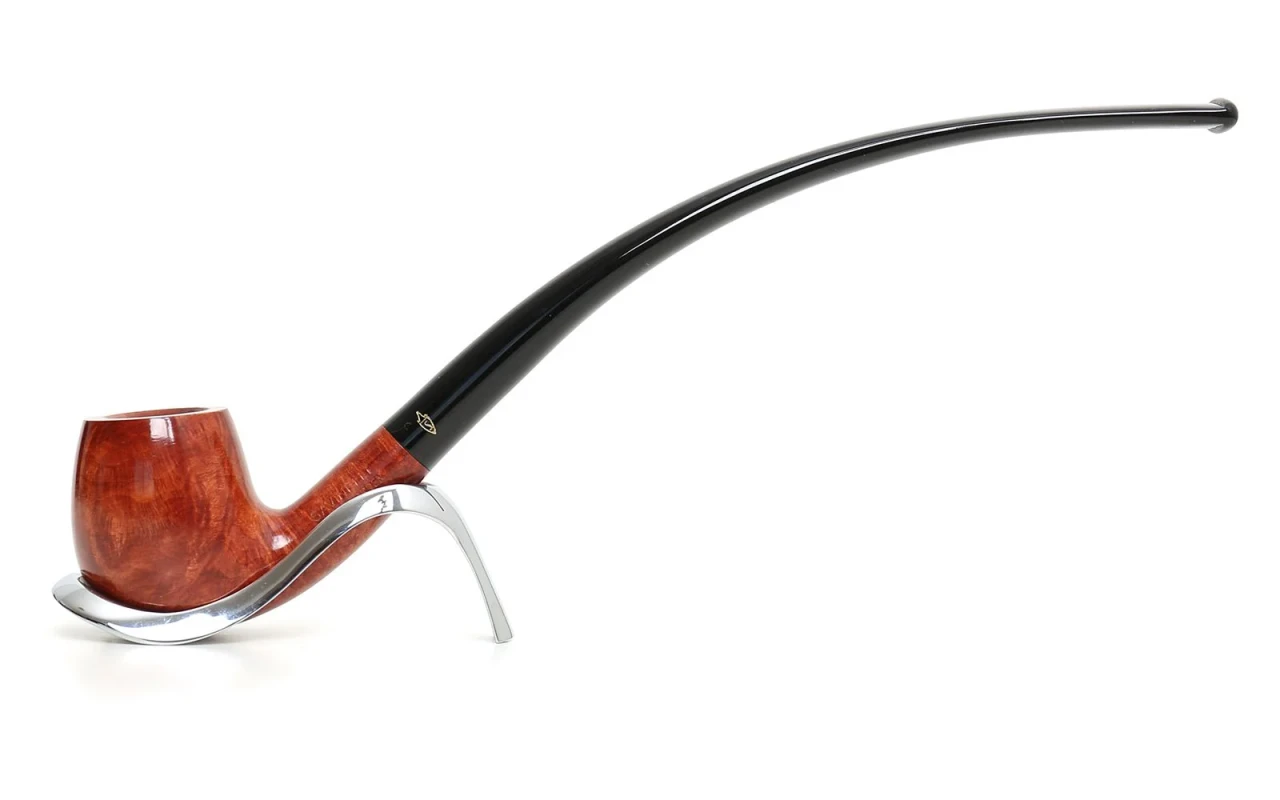
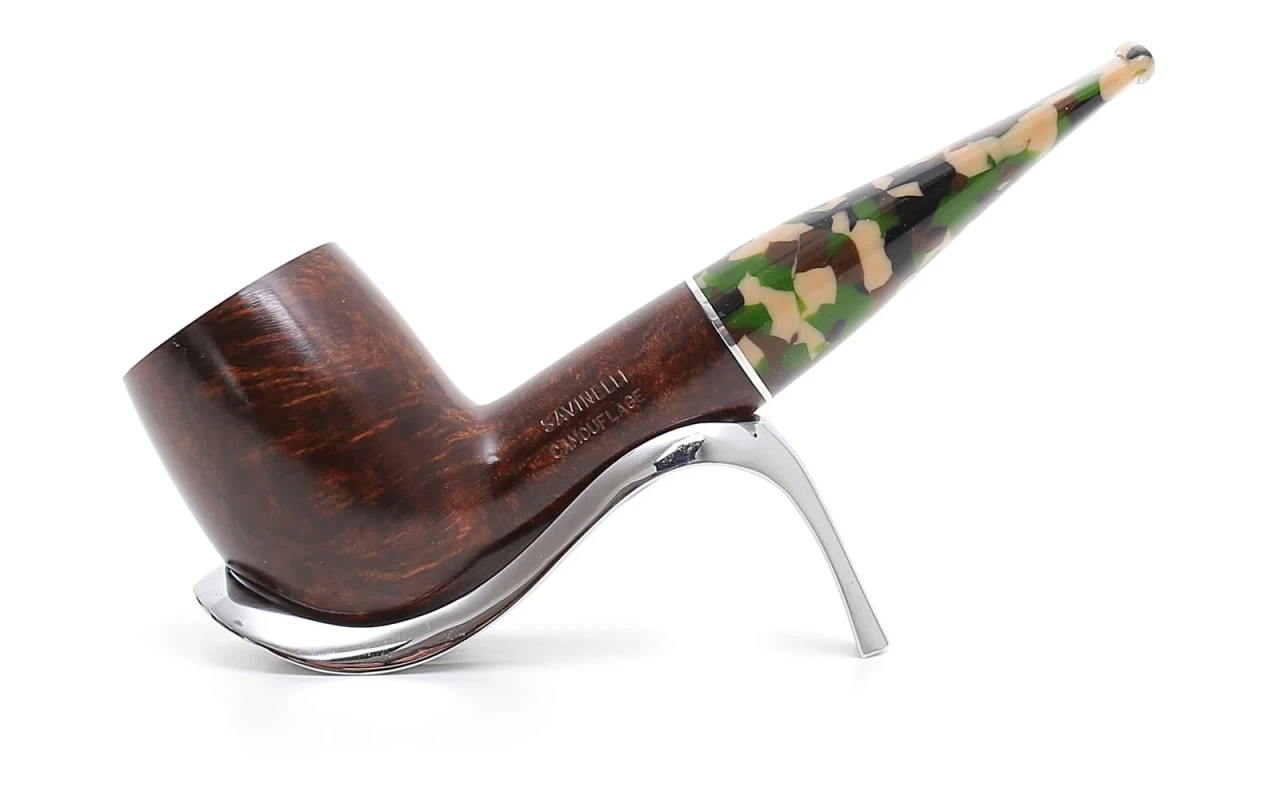
The progenitor of the modern pipe is generally considered to be the terracotta pipe used by ancient civilizations, such as Native Americans and prehistoric Europeans. These early models evolved over time into briar wood pipes, which represent the classic and most widespread form today.
What is the progenitor of the modern pipe? Deep dive
The modern pipe has ancient roots dating back to various cultures around the world. Early pipes were often made from materials such as terracotta, stone, or bone and were used by indigenous peoples in America and ancient European civilizations. These primitive tools were simple yet functional, representing the direct progenitor of contemporary pipes. Over the centuries, the pipe underwent numerous transformations, particularly with the introduction of briar wood in the 18th century, which allowed for the creation of more durable pipes with refined aesthetics and improved combustion qualities. The briar pipe is therefore considered the classic form and the model from which modern pipes derive, thanks to its combination of functionality, aesthetics, and longevity. This evolution has led to the wide variety of shapes, finishes, and materials that characterize the world of pipes today, while maintaining a direct link to the historical and cultural origins of this slow-smoking instrument.