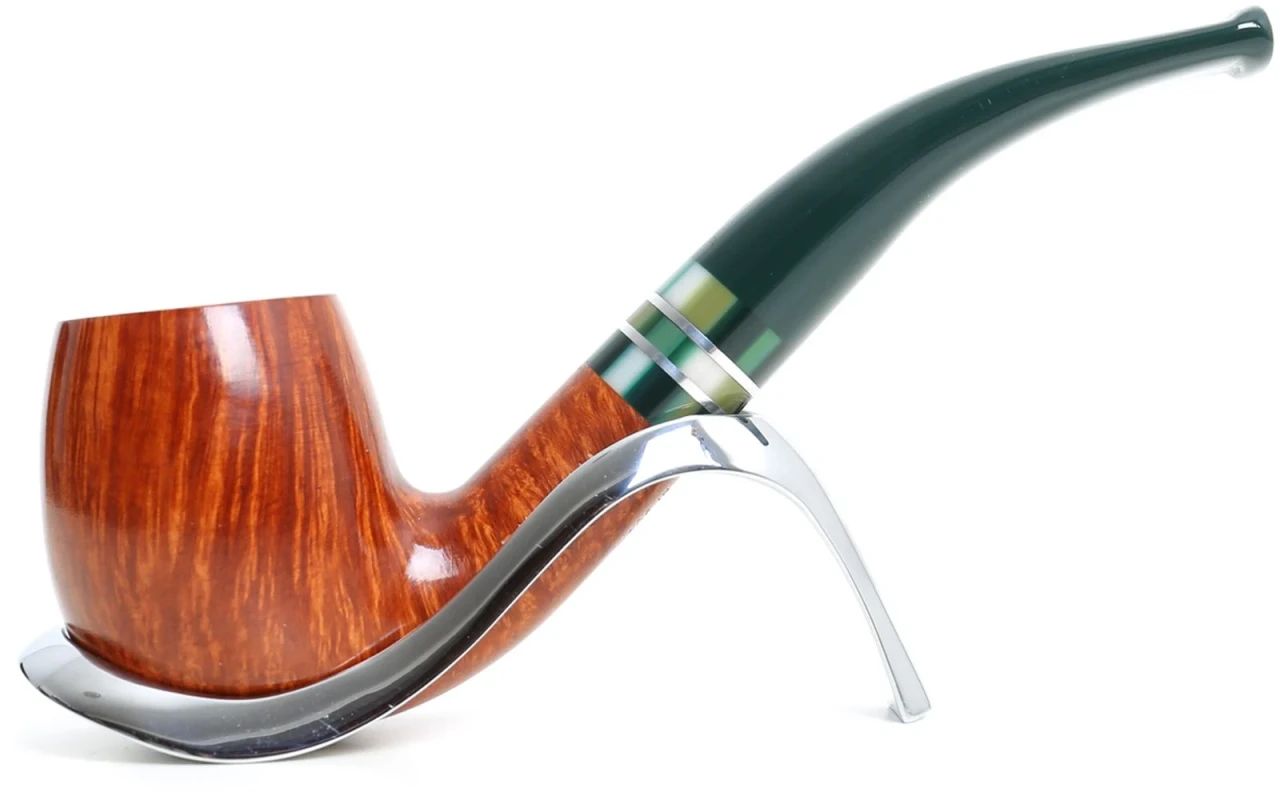
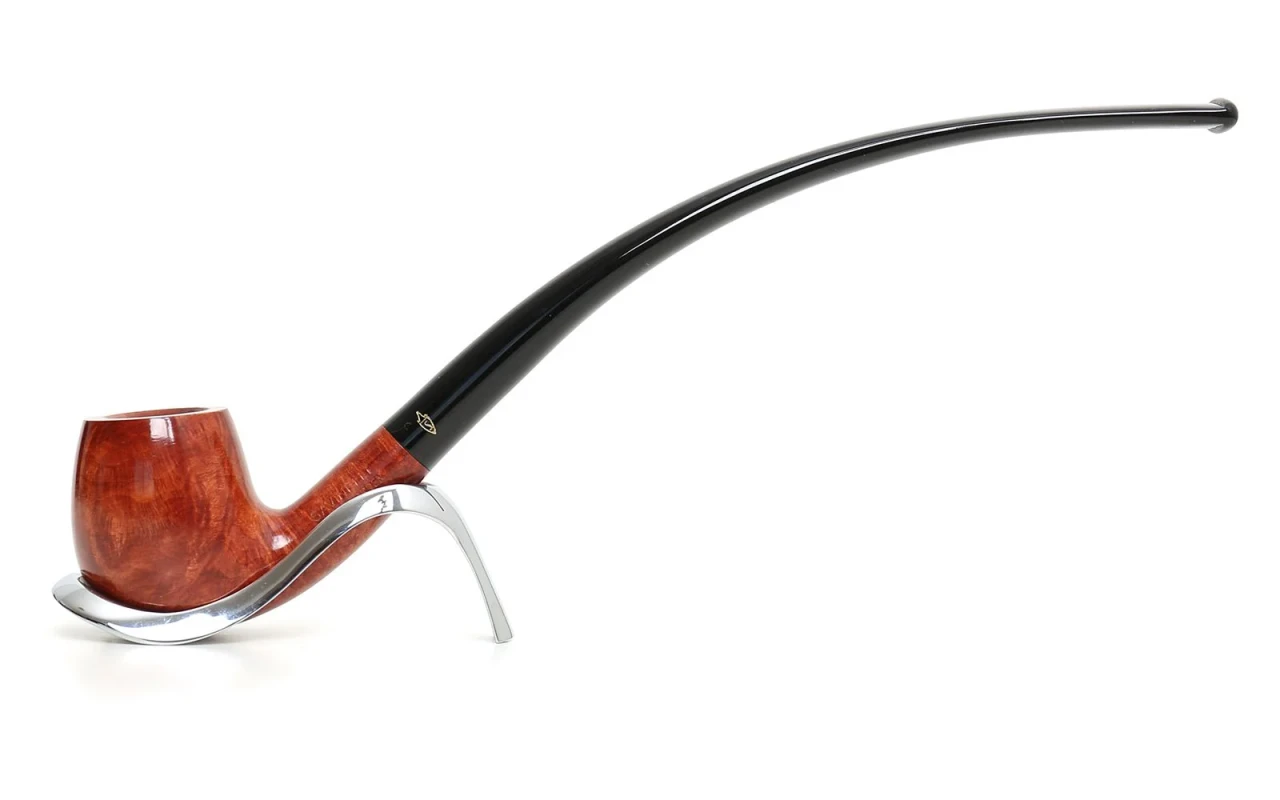
Various pipe smoking tools have been discovered in archaeological excavations, including clay, stone, and bone pipes, often decorated and in diverse shapes. These artifacts attest to the ancient spread of slow-smoking practices across many cultures, highlighting the social and ritual significance of pipes in the past.
Which pipe smoking tools have been found in archaeological excavations? Deep dive
Archaeological excavations have uncovered numerous pipe smoking tools dating back to different eras and cultures. Among the most common finds are pipes made of clay, stone, bone, and occasionally metals, often finely crafted and decorated, reflecting both the artisans’ skill and the symbolic value attributed to these items. The shapes range from simple tubes to more complex constructions featuring combustion chambers and mouthpieces, indicating a long technical evolution. These instruments were used not only for the consumption of tobacco or other herbs, but frequently held ritualistic or social roles, demonstrating the importance of slow smoking as a cultural practice. The presence of such artifacts across various geographic regions underlines the global dissemination of the pipe and its historical significance over time.