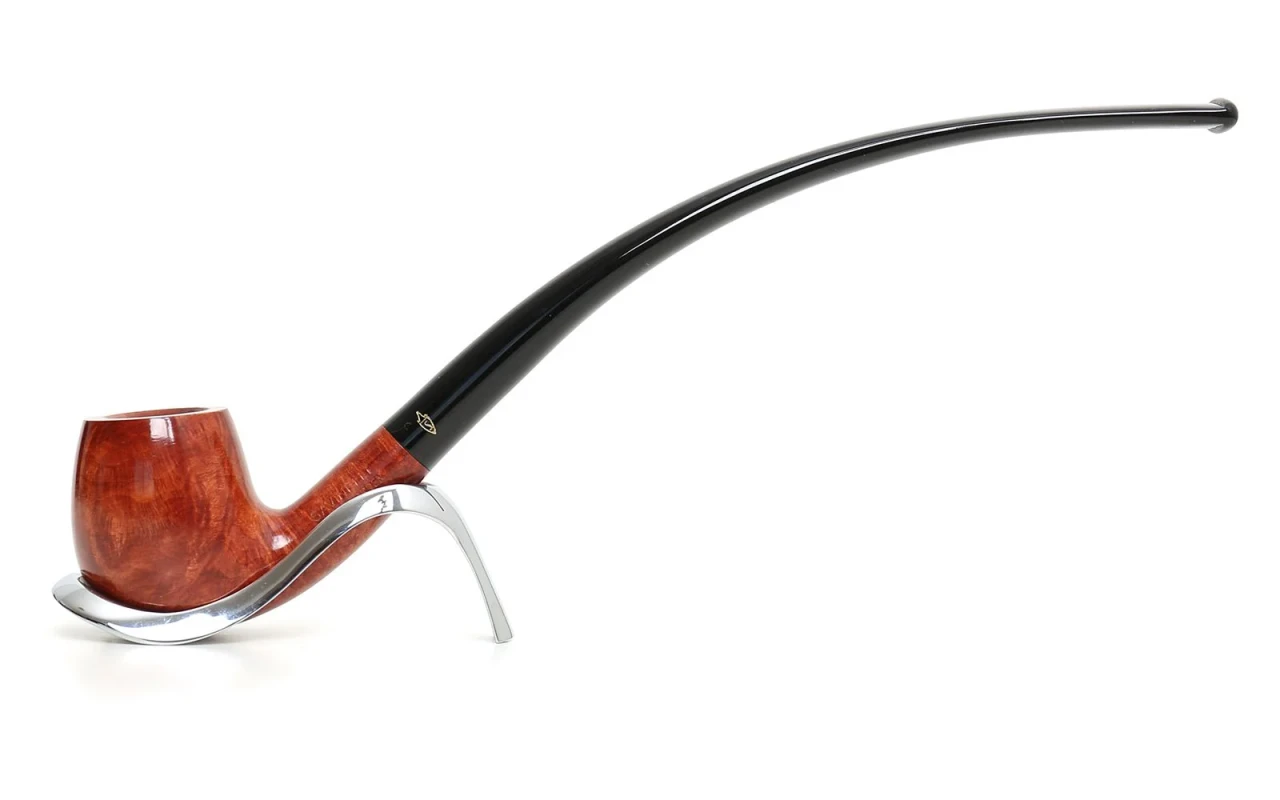
Before the introduction of tobacco, various cultures around the world smoked herbs for ritualistic, medicinal, or social purposes. Peoples such as Native Americans, ancient Egyptians, and certain African tribes used diverse aromatic and medicinal plants in their pipes or similar smoking instruments.
Which peoples smoked herbs before pipe tobacco? Deep dive
Prior to the advent of tobacco, many cultures across different regions engaged in smoking herbs and aromatic plants, often for ritualistic, medicinal, or social reasons. For instance, Native Americans smoked herbs such as sage and other sacred plants in spiritual ceremonies. In Africa, some tribes utilized local herbs for therapeutic or ritualistic functions, employing pipes or comparable devices. Ancient Egyptians and other Mediterranean civilizations also used aromatic herbs for smoking, frequently linked to religious or healing practices. These traditions predated and influenced the use of pipe tobacco, which spread globally following the discovery of the Americas. The culture of slow smoking and pipe usage thus evolved by integrating these ancient customs with tobacco, giving rise to a rich history of materials, shapes, and rituals associated with pipe smoking.