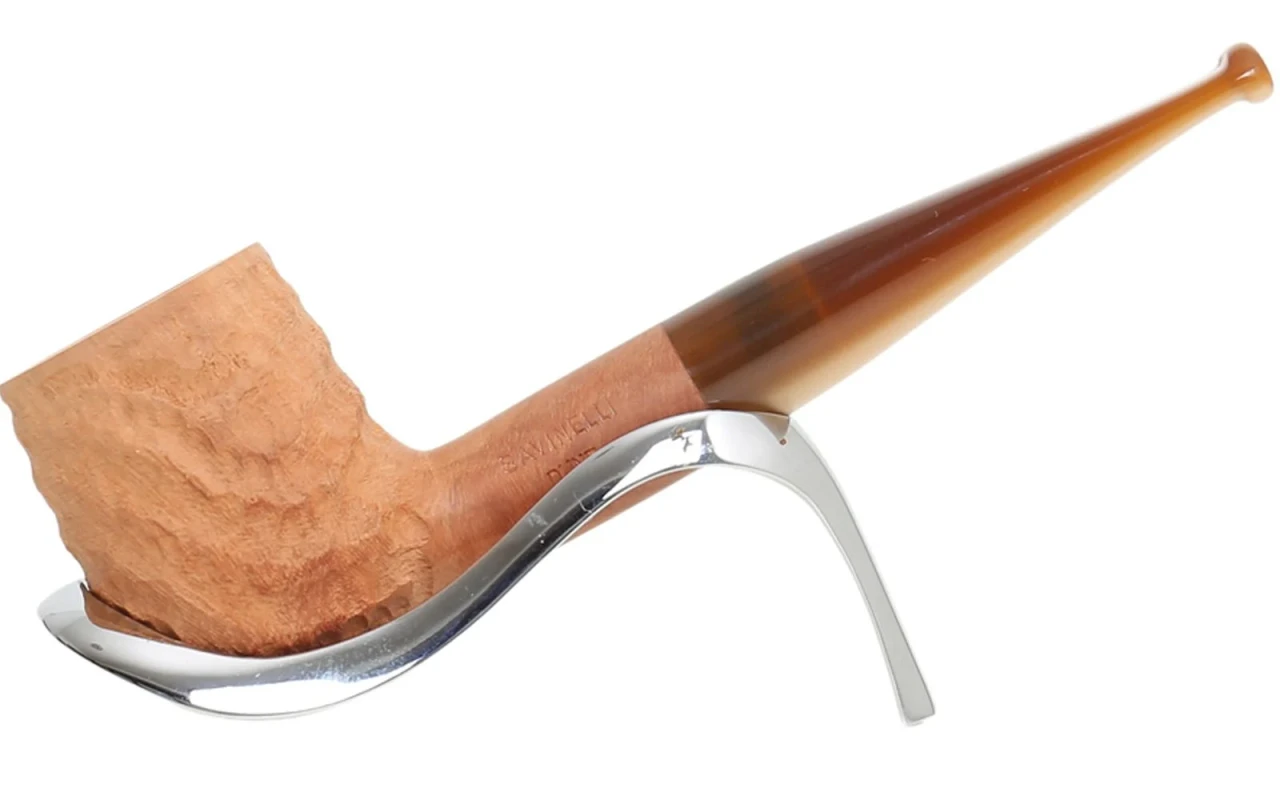
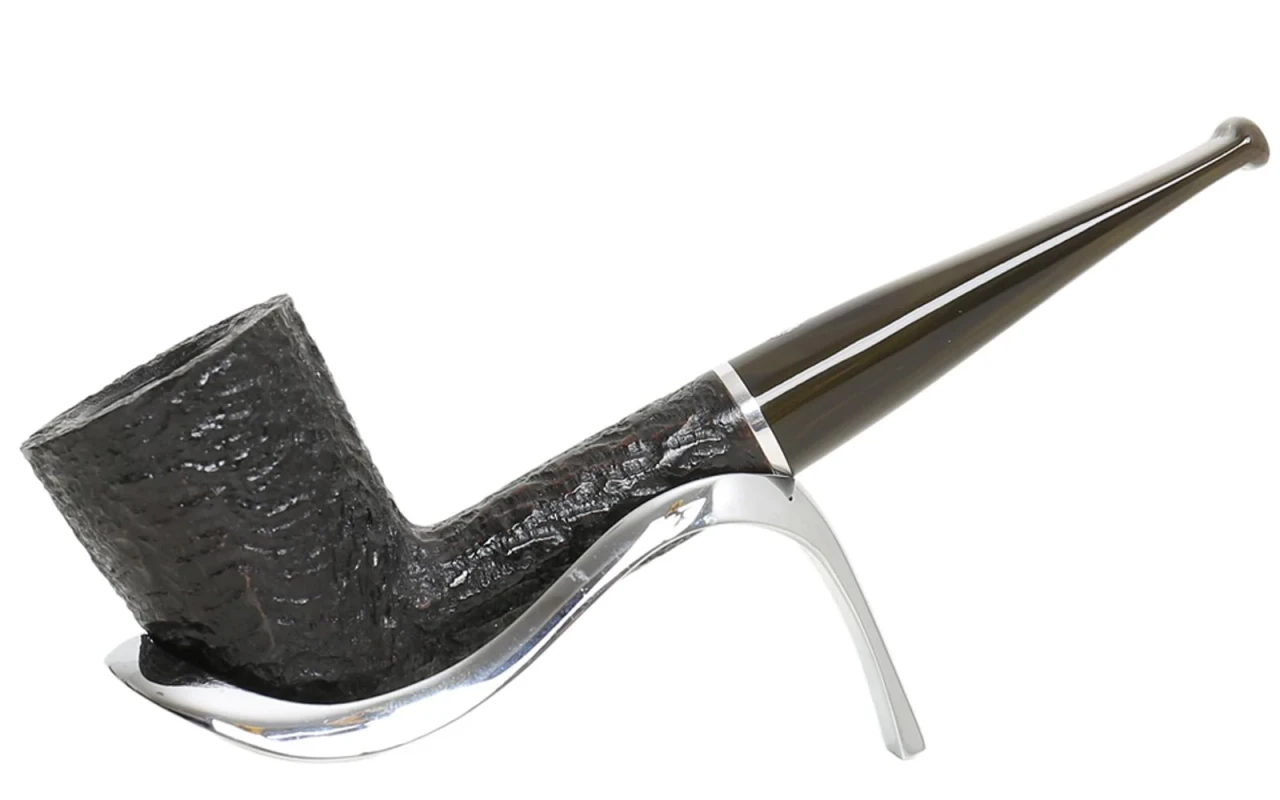
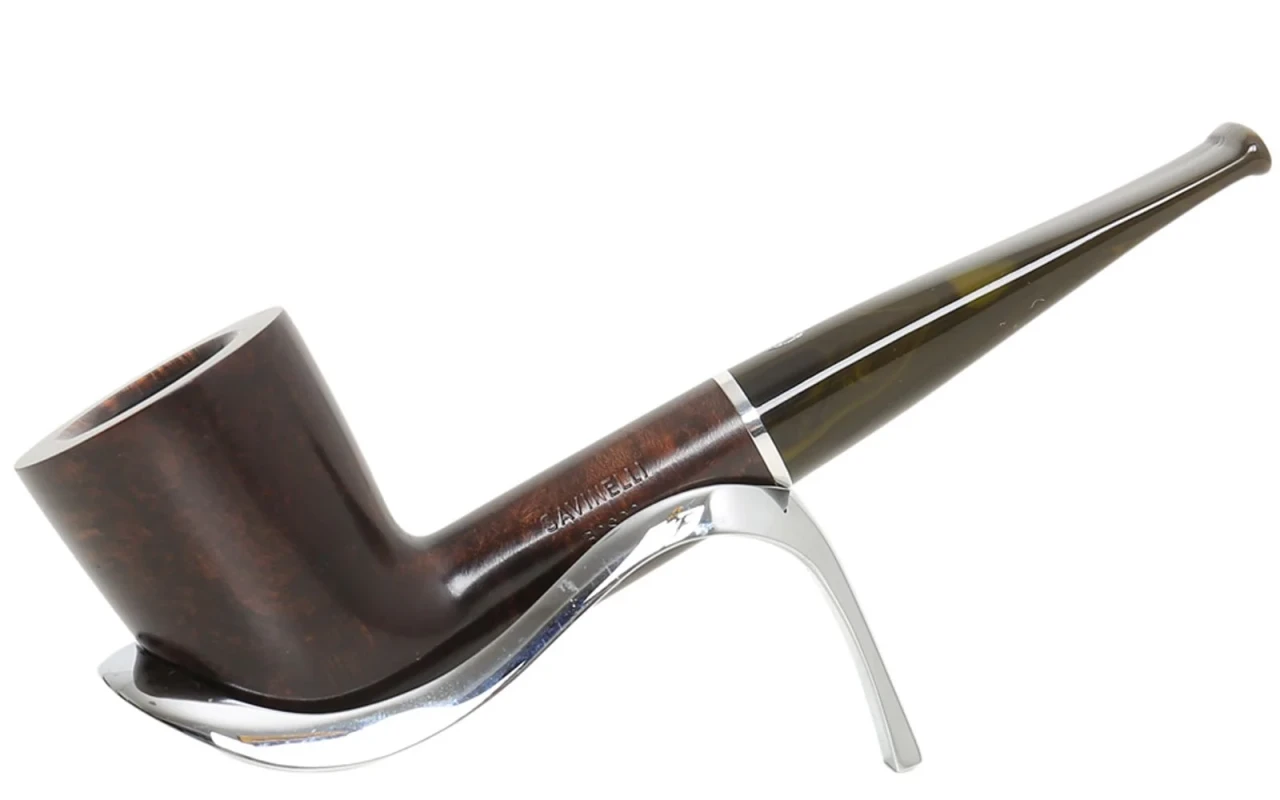
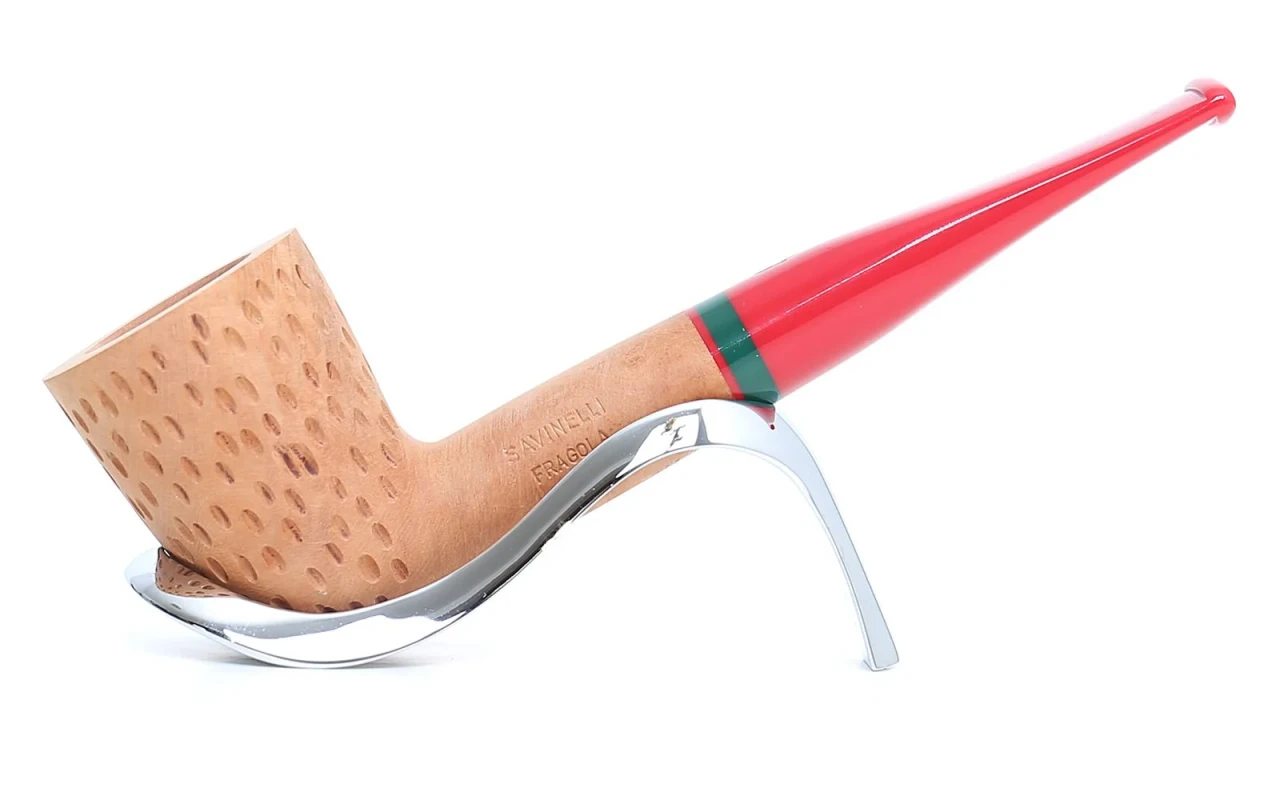
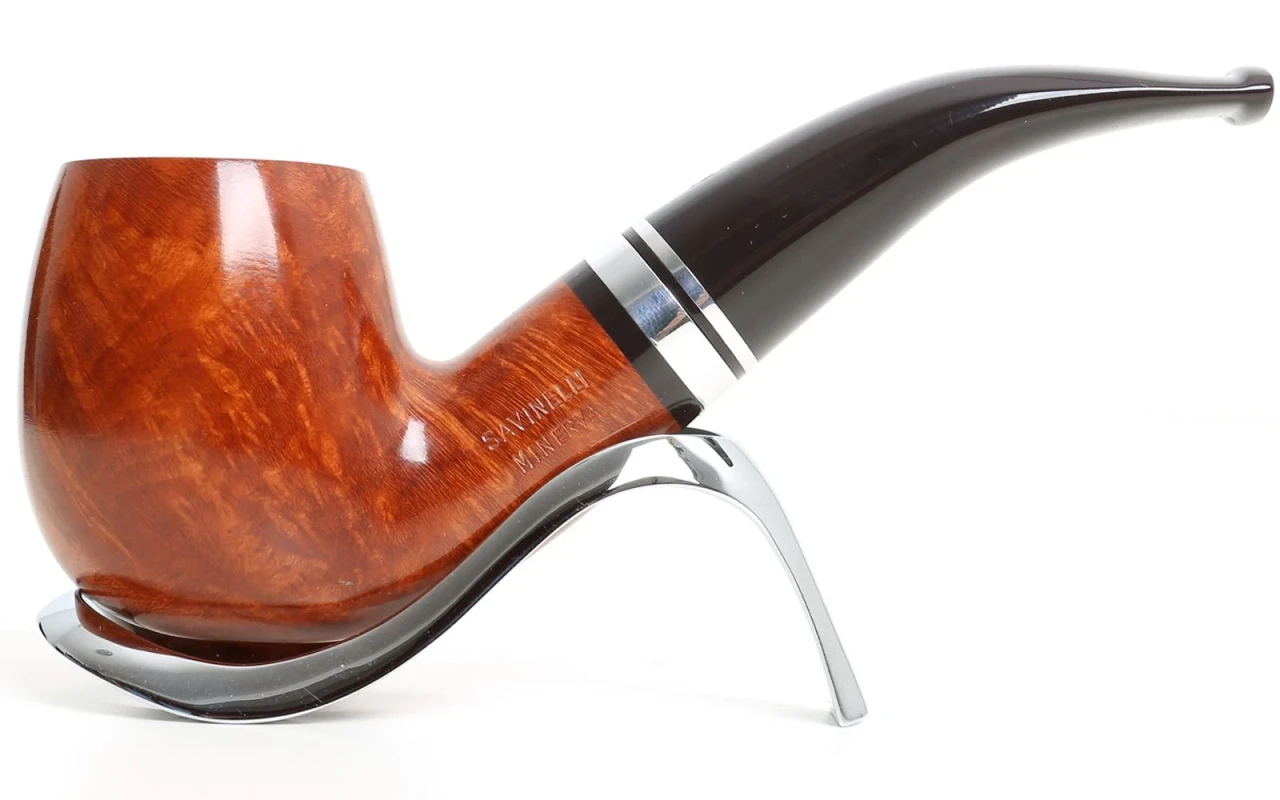
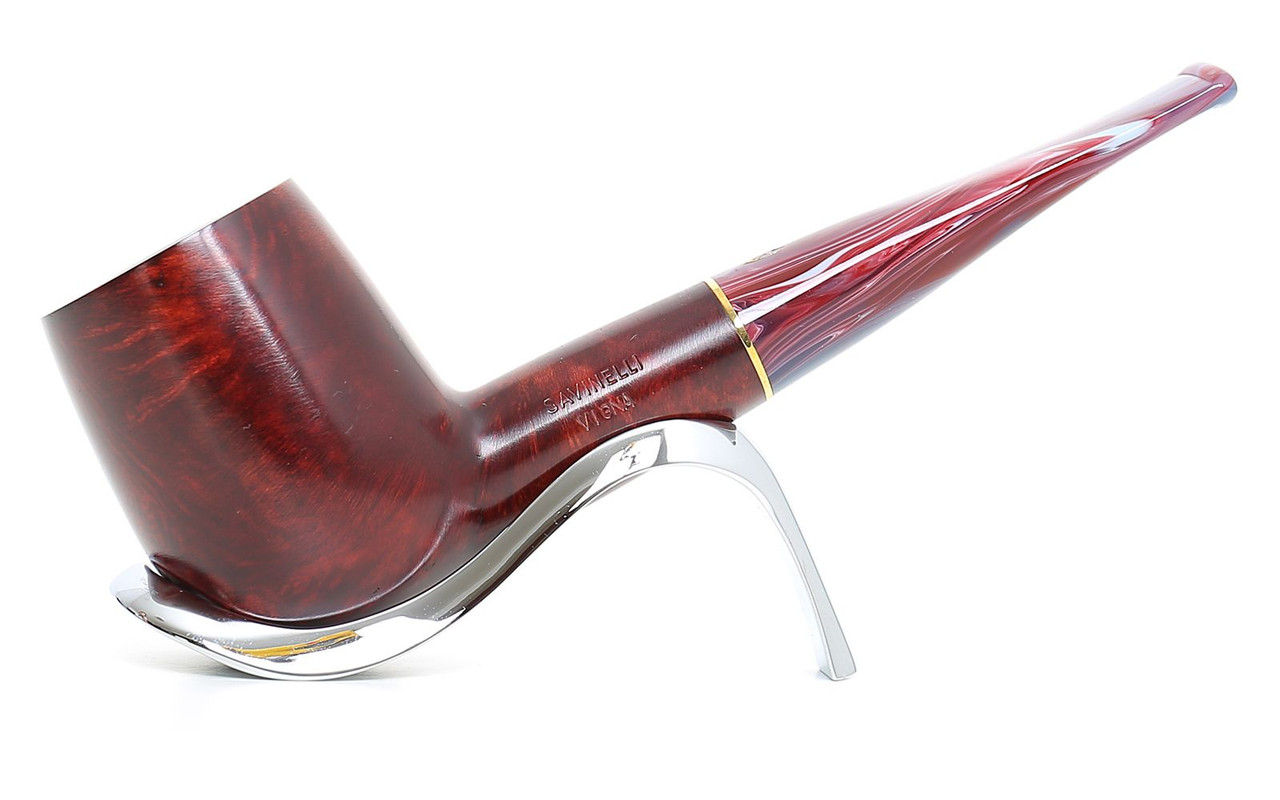
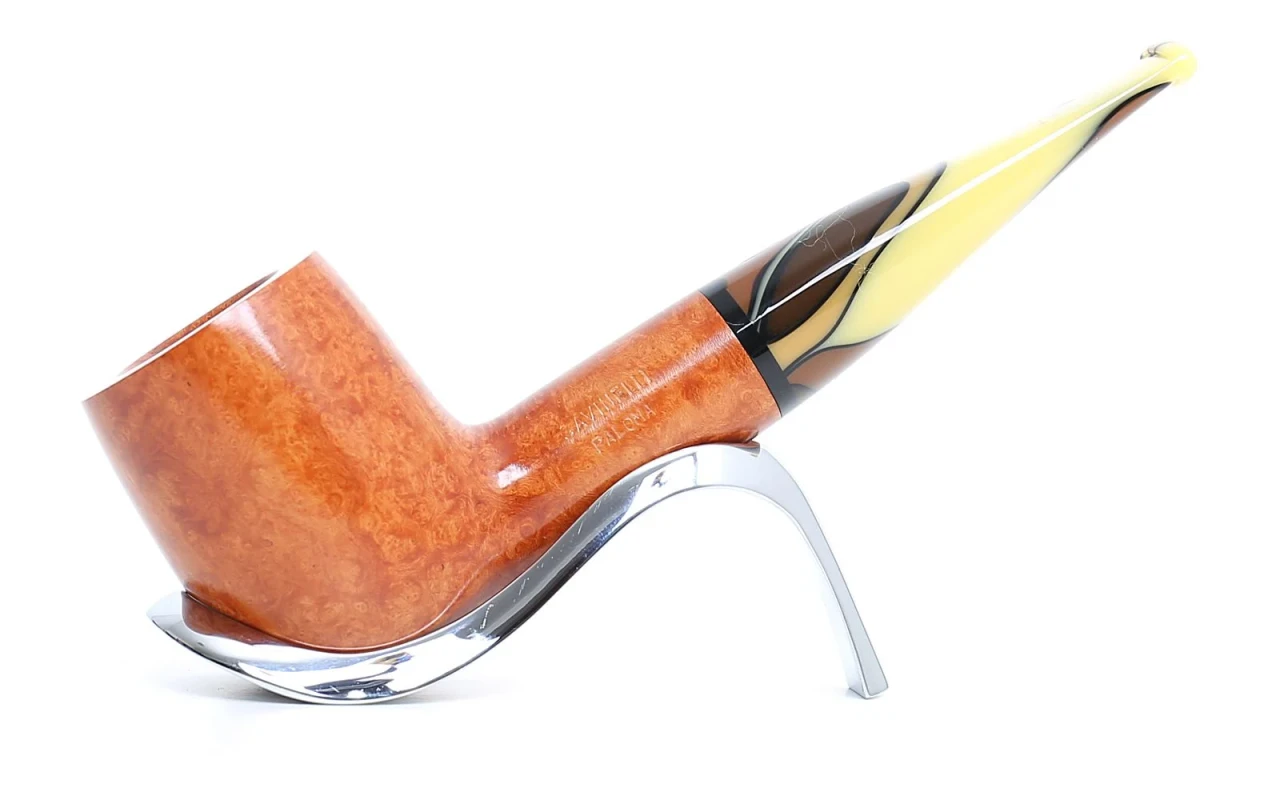
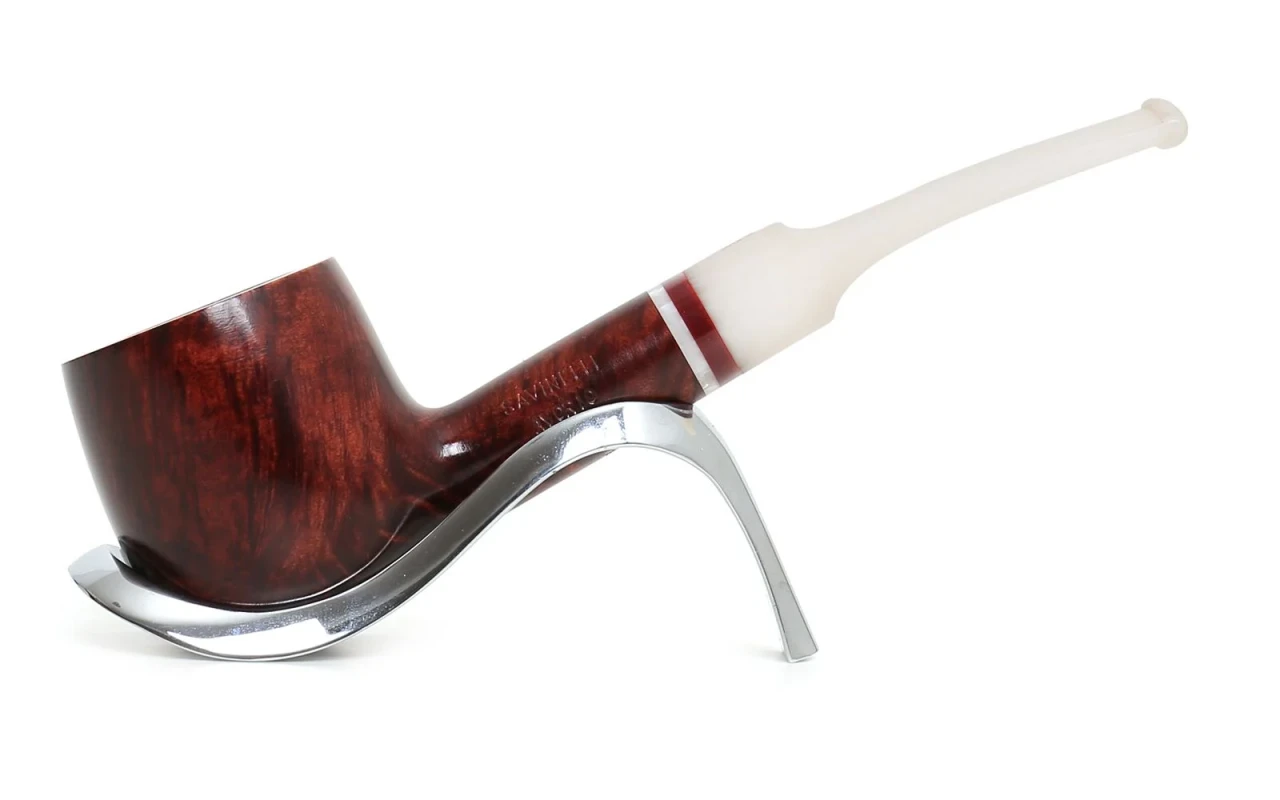
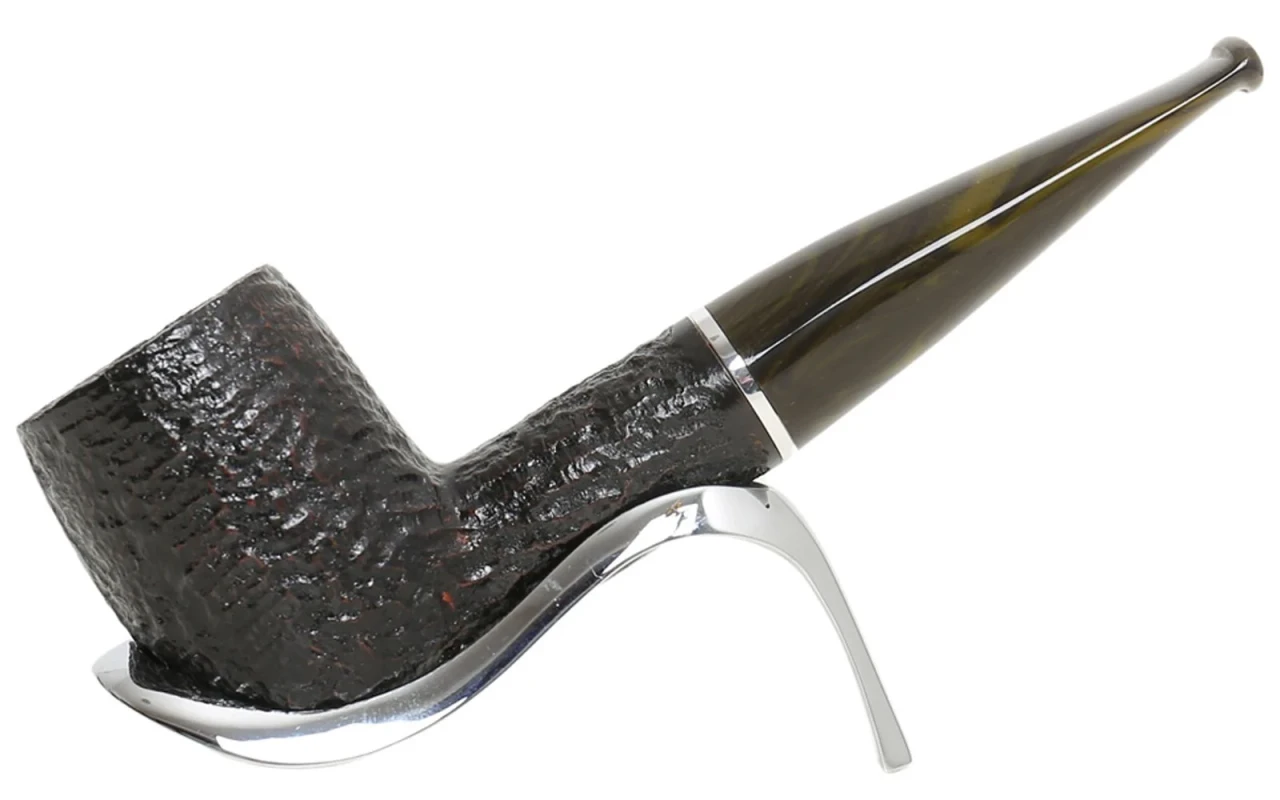
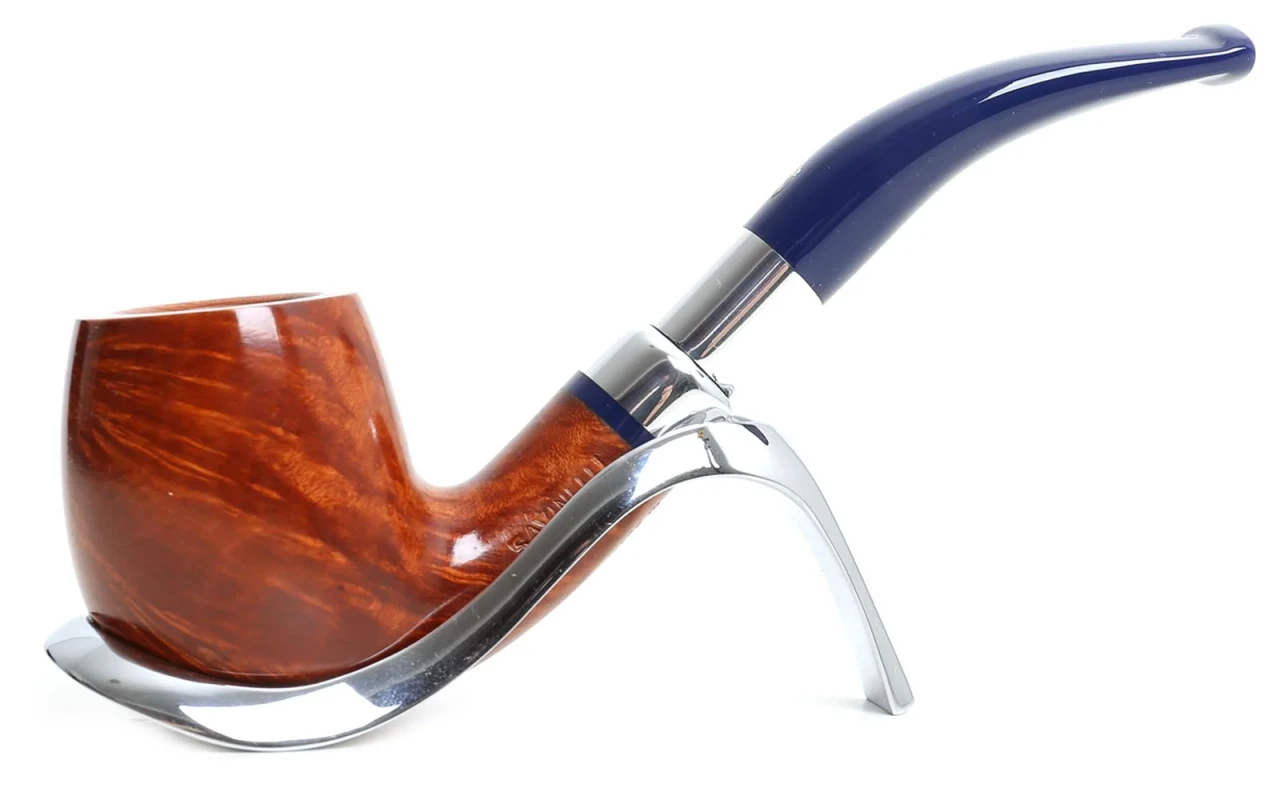
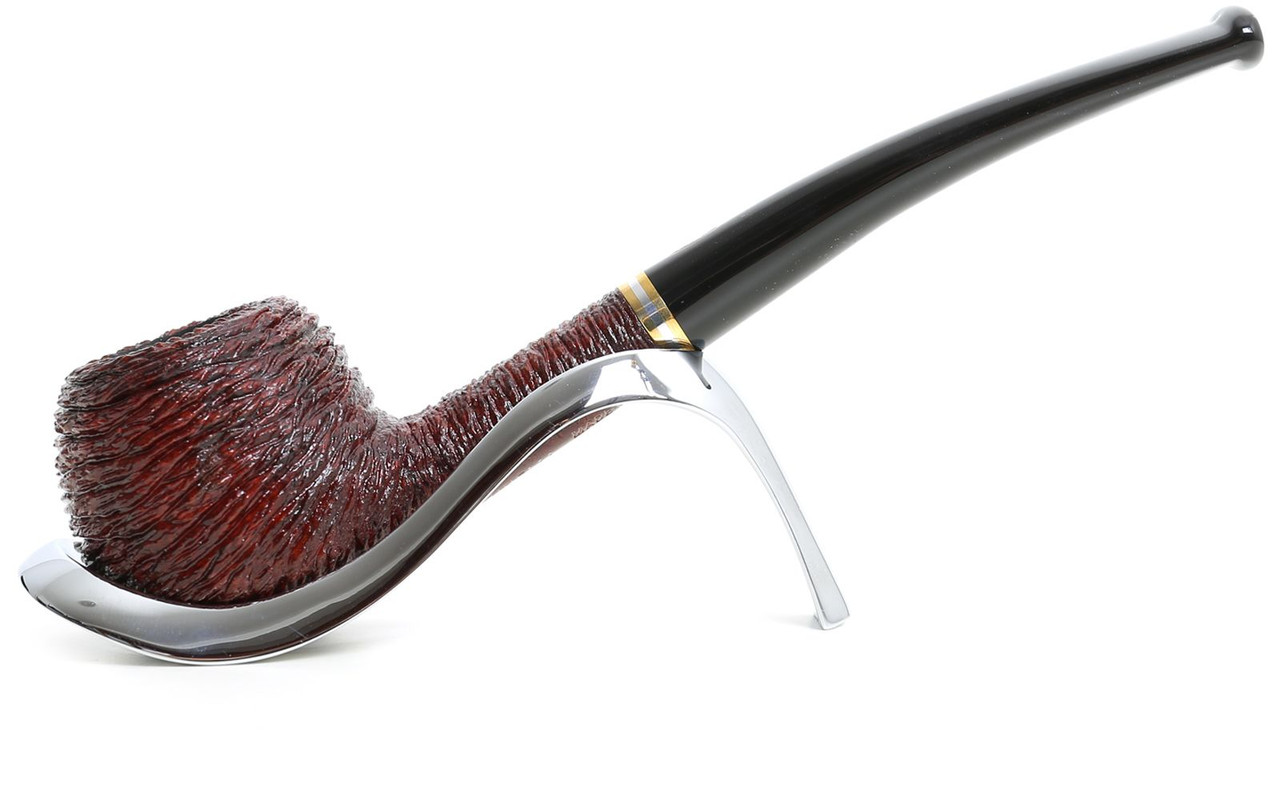
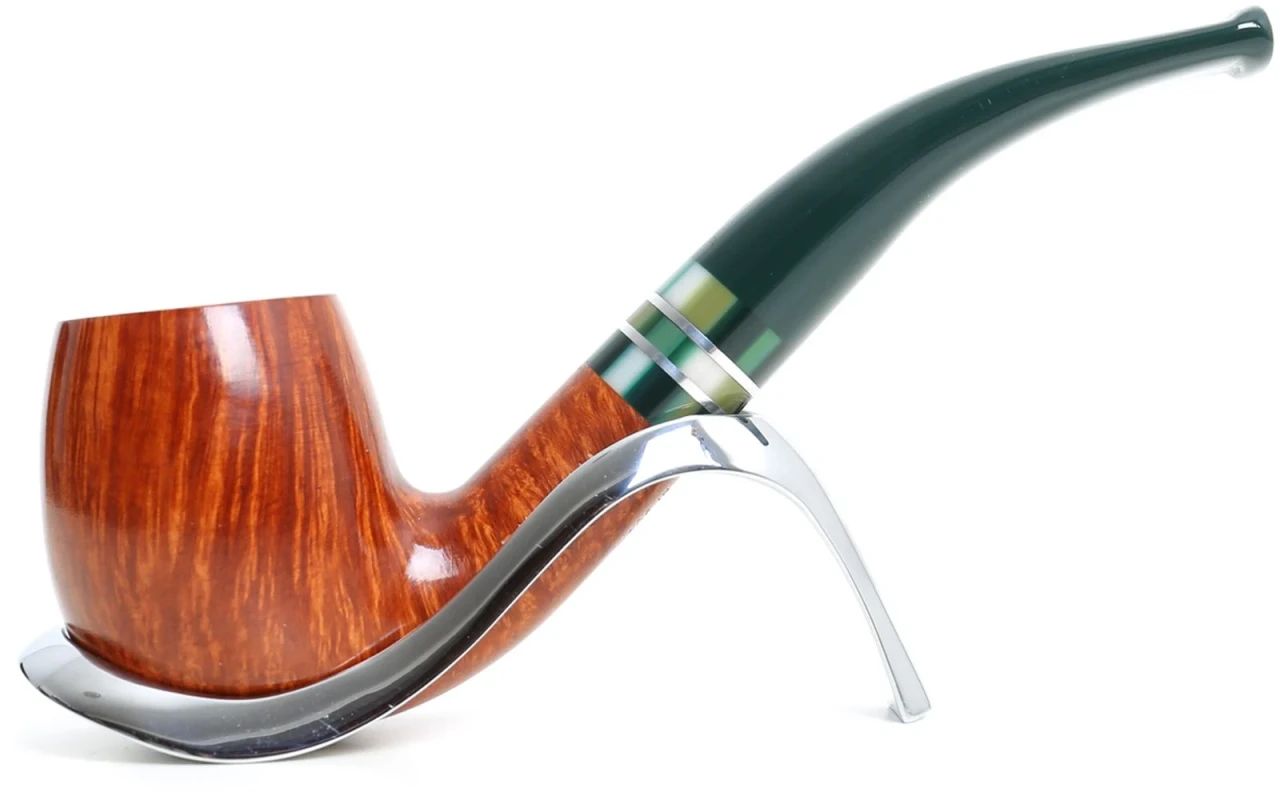
The history of the pipe concerns the evolution of the smoking instrument itself, from its origins as a smoking tool to the various shapes and materials used over time. The history of tobacco, on the other hand, focuses on the cultivation, spread, and use of the plant and its leaves, which are the primary content of the pipe.
What is the difference between the history of the pipe and that of tobacco? Deep dive
The history of the pipe centers on the development of the object used for smoking, beginning with the earliest rudimentary pipes made from natural materials to the modern artisanal and industrial creations that vary in shape, material, and finish. This history also reflects cultural and social aspects associated with slow smoking, with the pipe taking on symbolic and ritual meanings across different eras and populations. Conversely, the history of tobacco pertains to the plant itself—its discovery, cultivation, and worldwide dissemination—as well as the various methods of preparation and consumption. While the pipe is the instrument that facilitates consumption, tobacco is the substance smoked, with a history encompassing distinct agricultural, commercial, and cultural elements. In summary, the history of the pipe narrates the story of the object and its role in slow smoking, whereas the history of tobacco involves the plant and its use as the raw material for smoking.