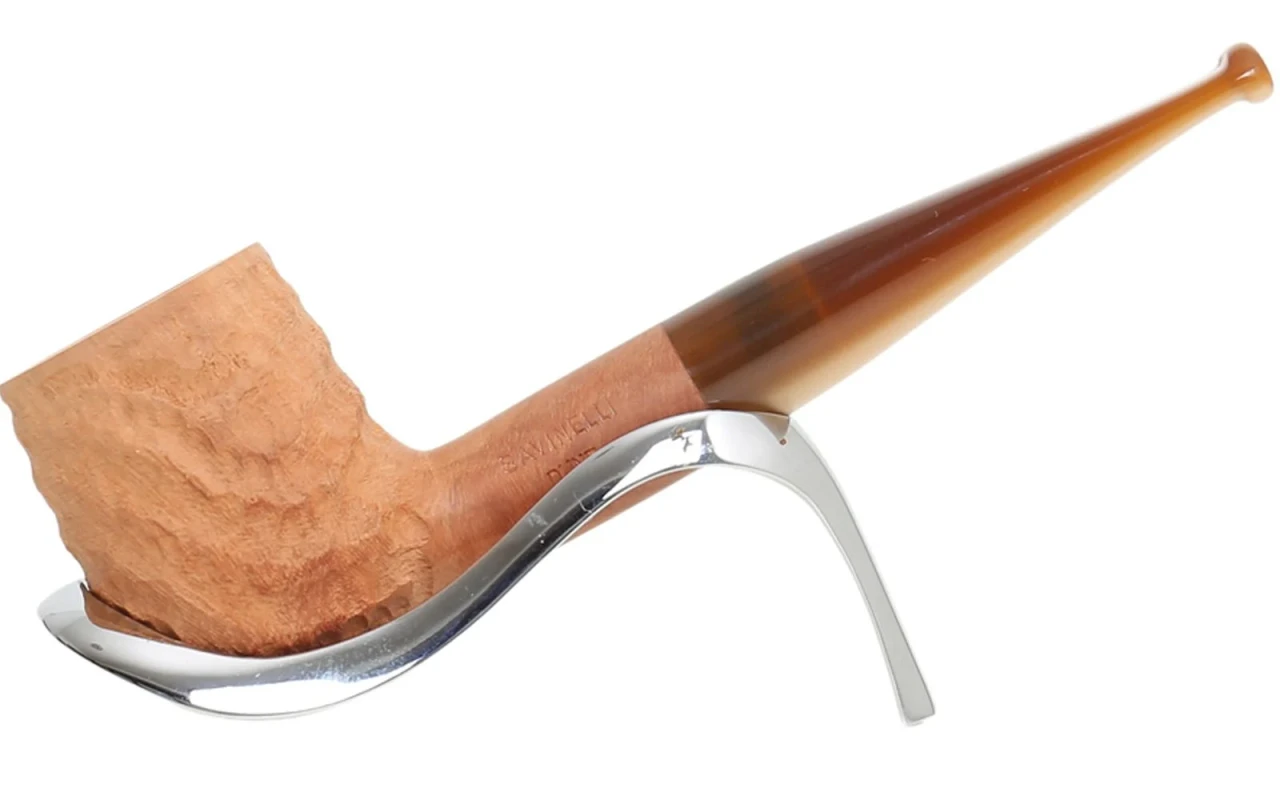
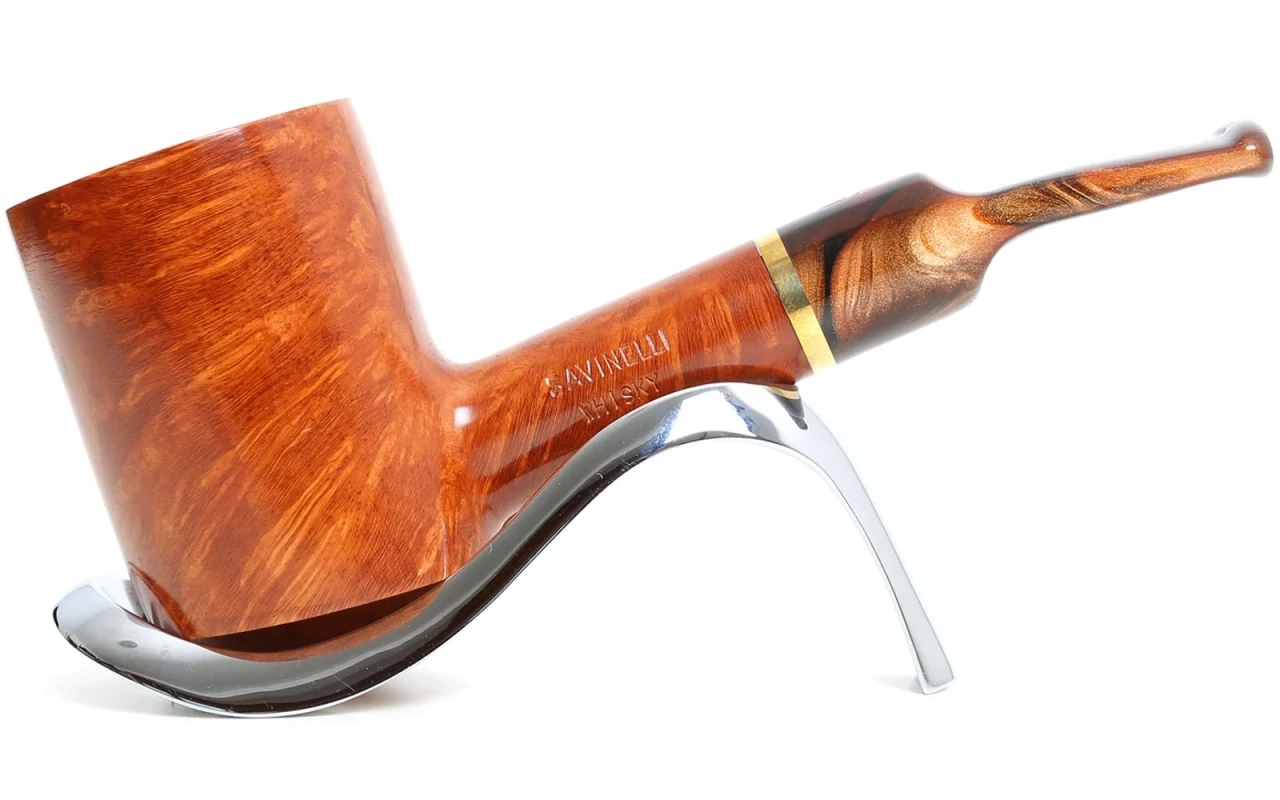
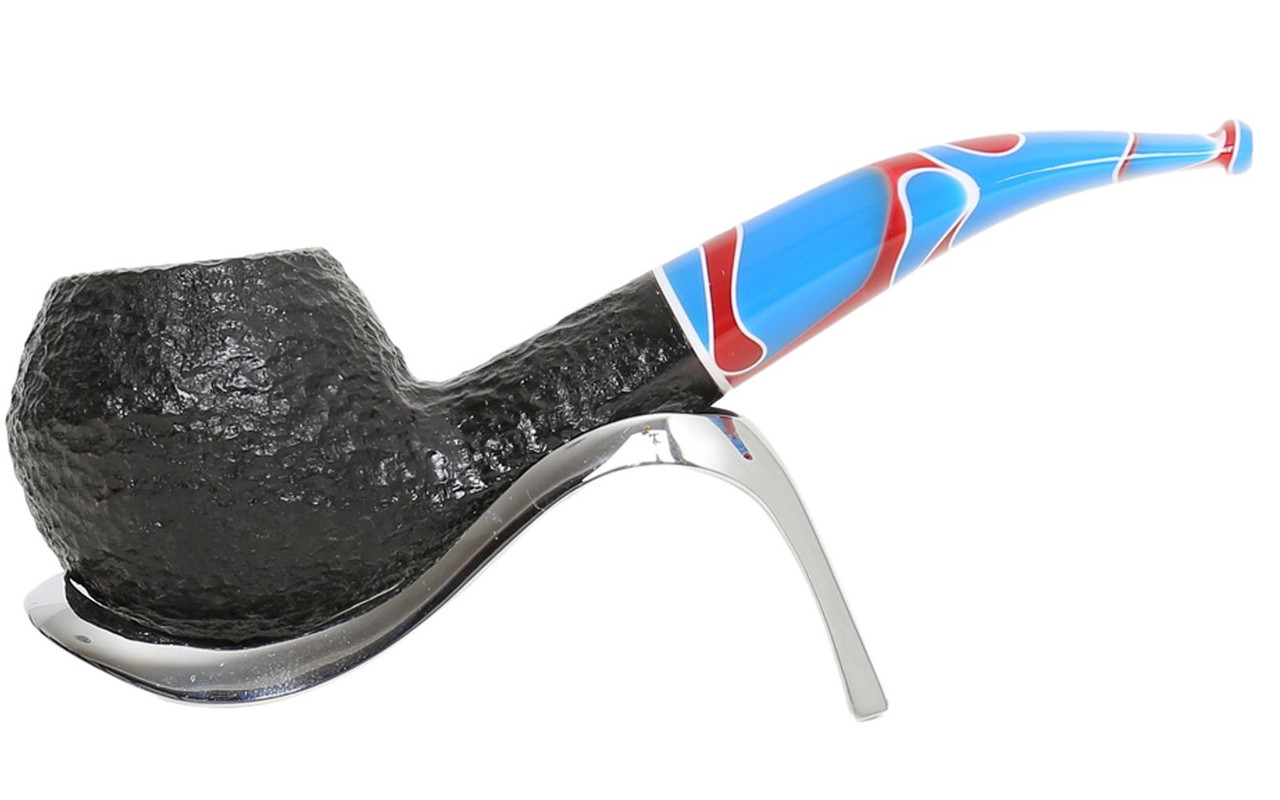
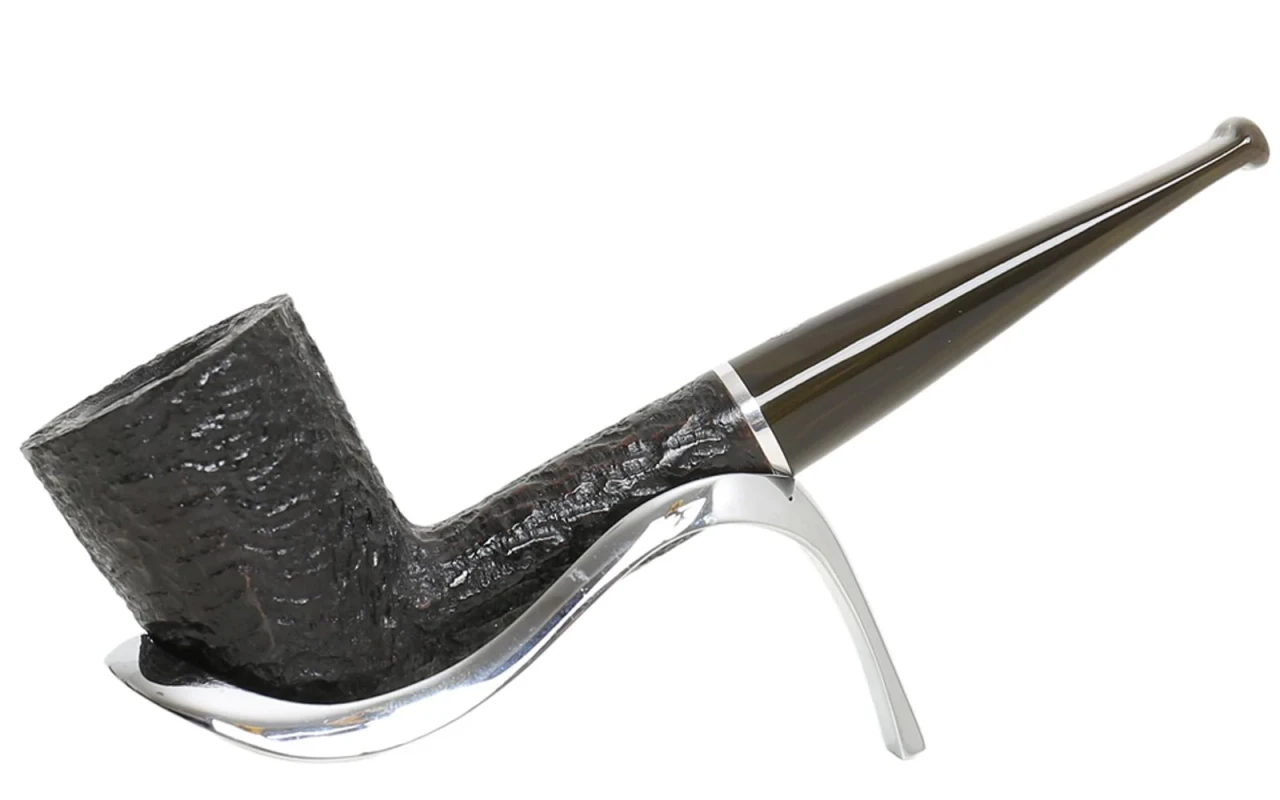
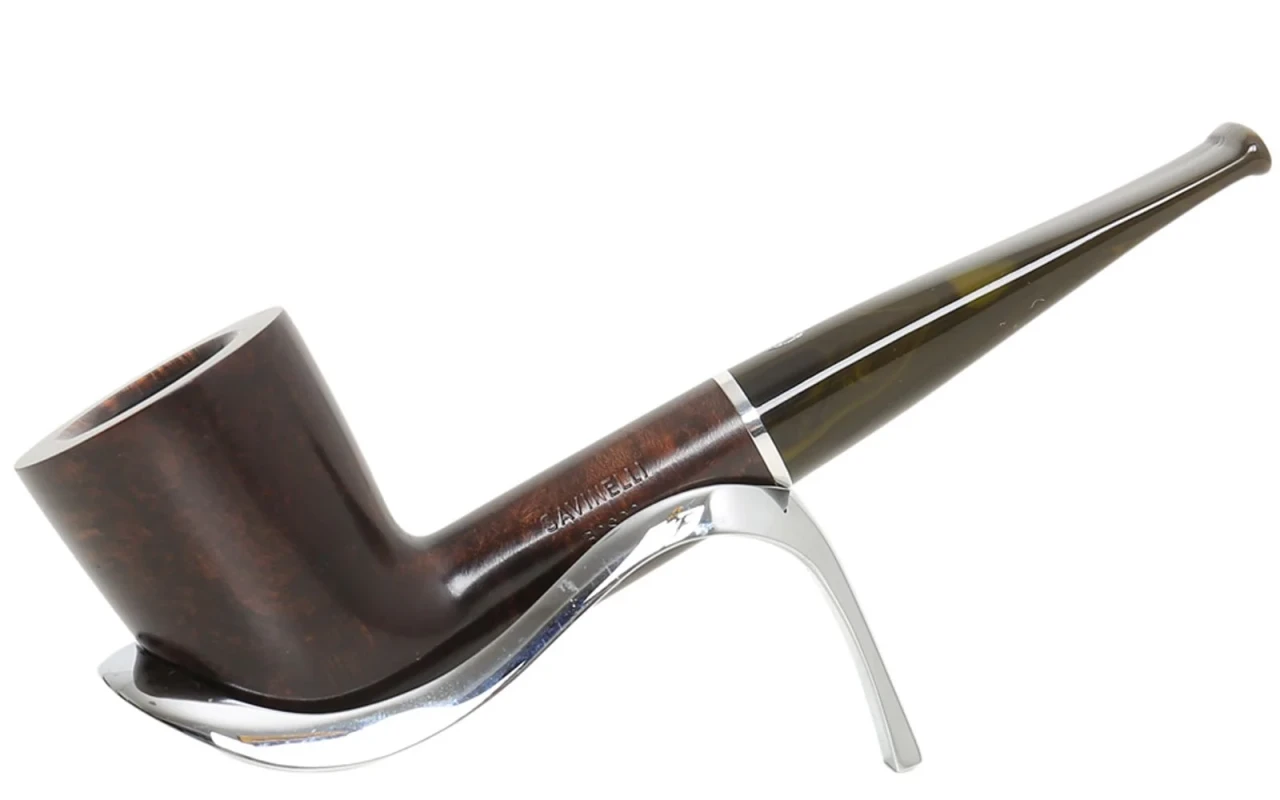
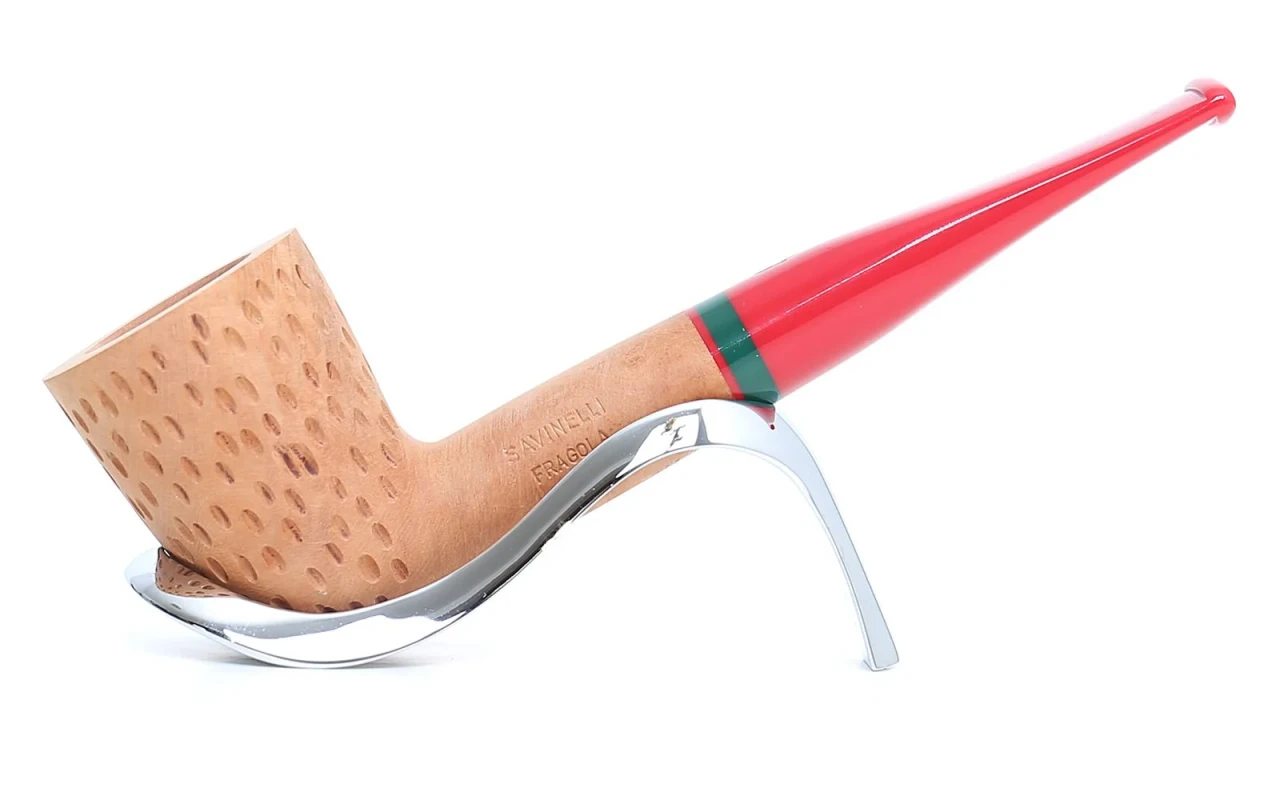
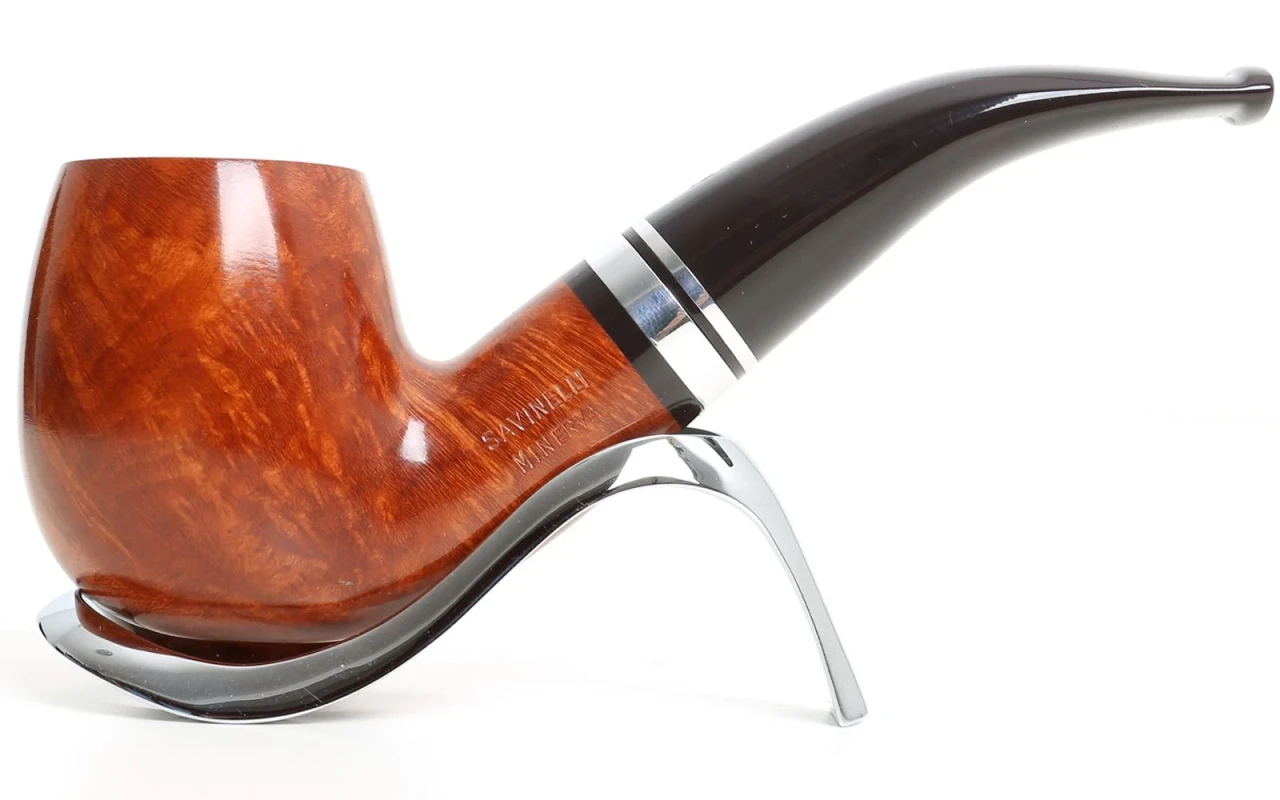
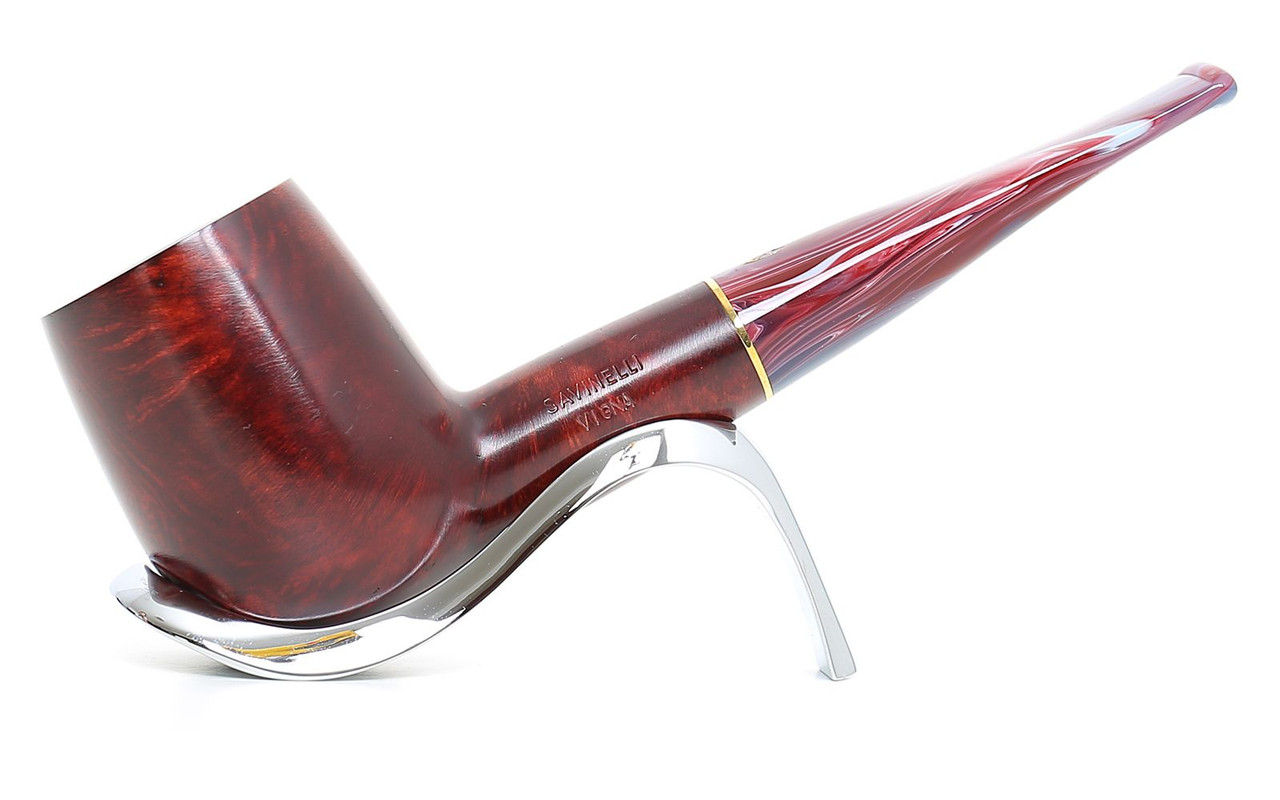
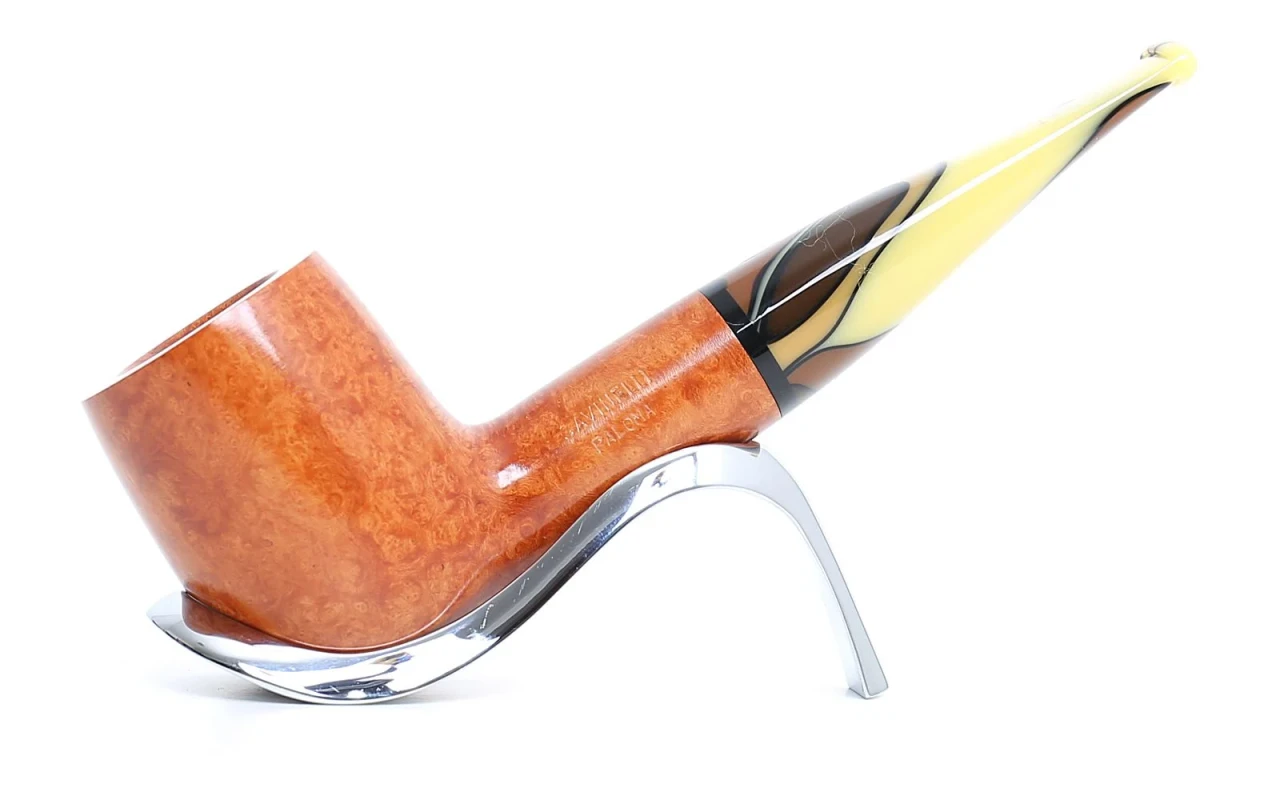
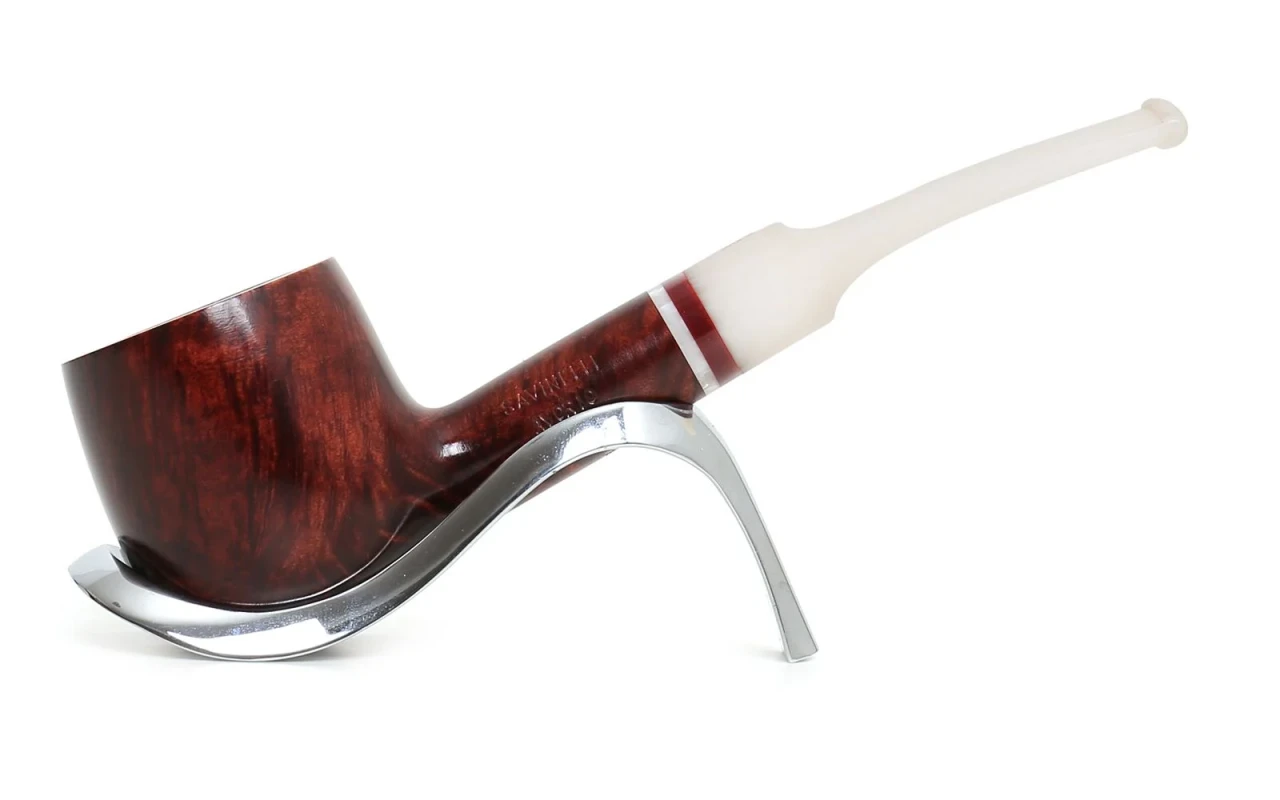
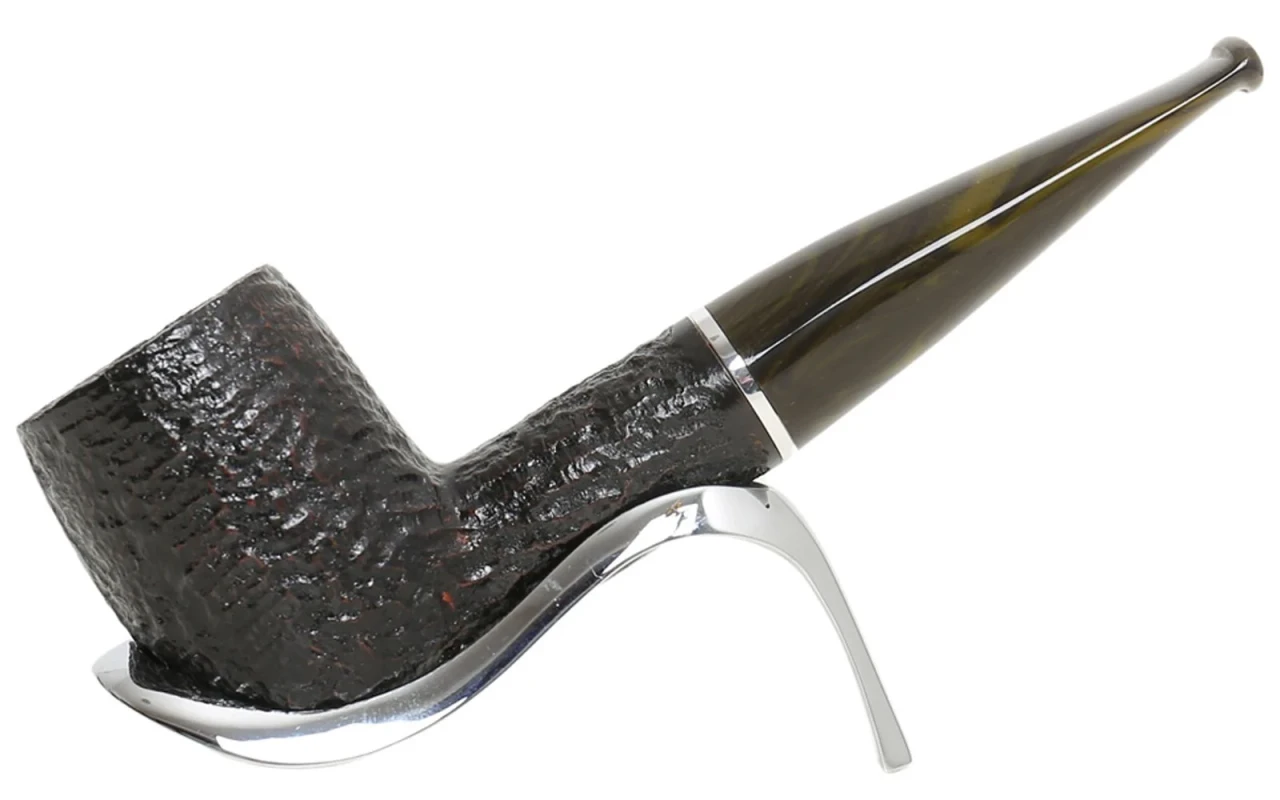
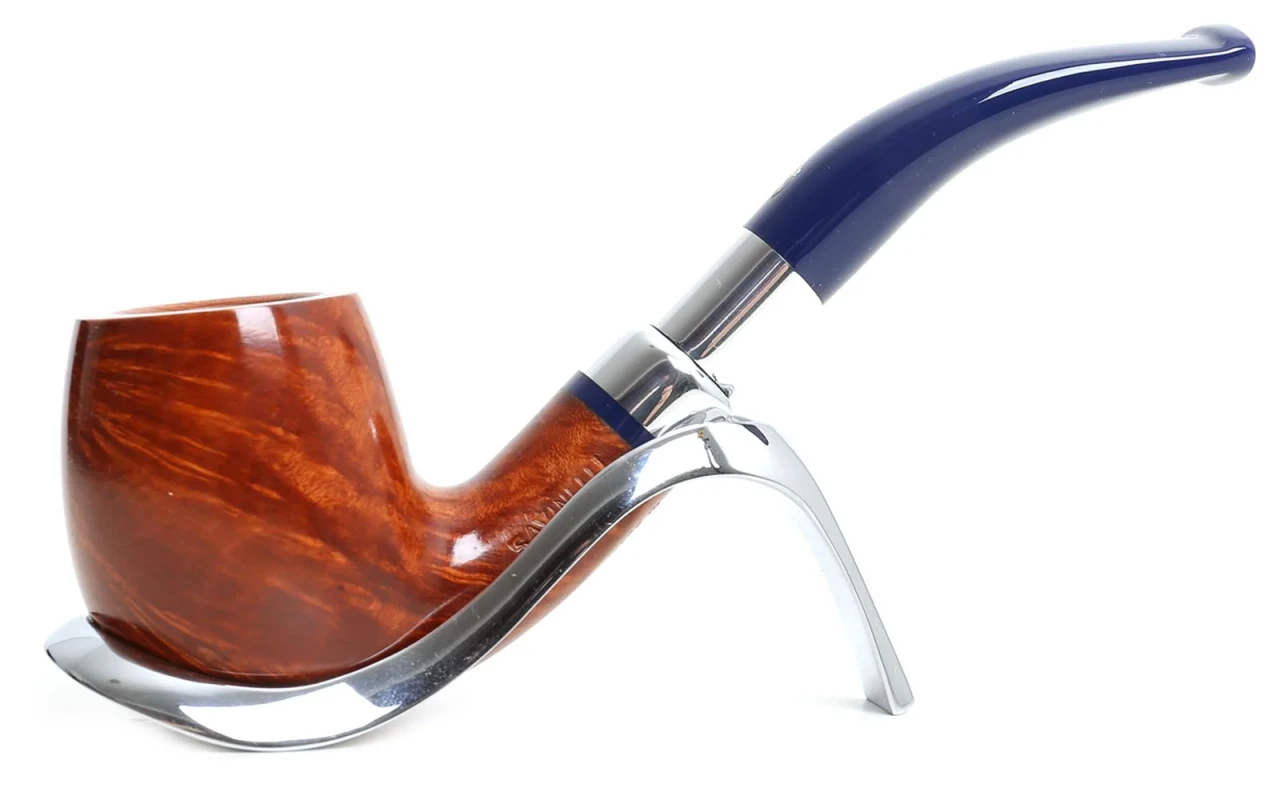
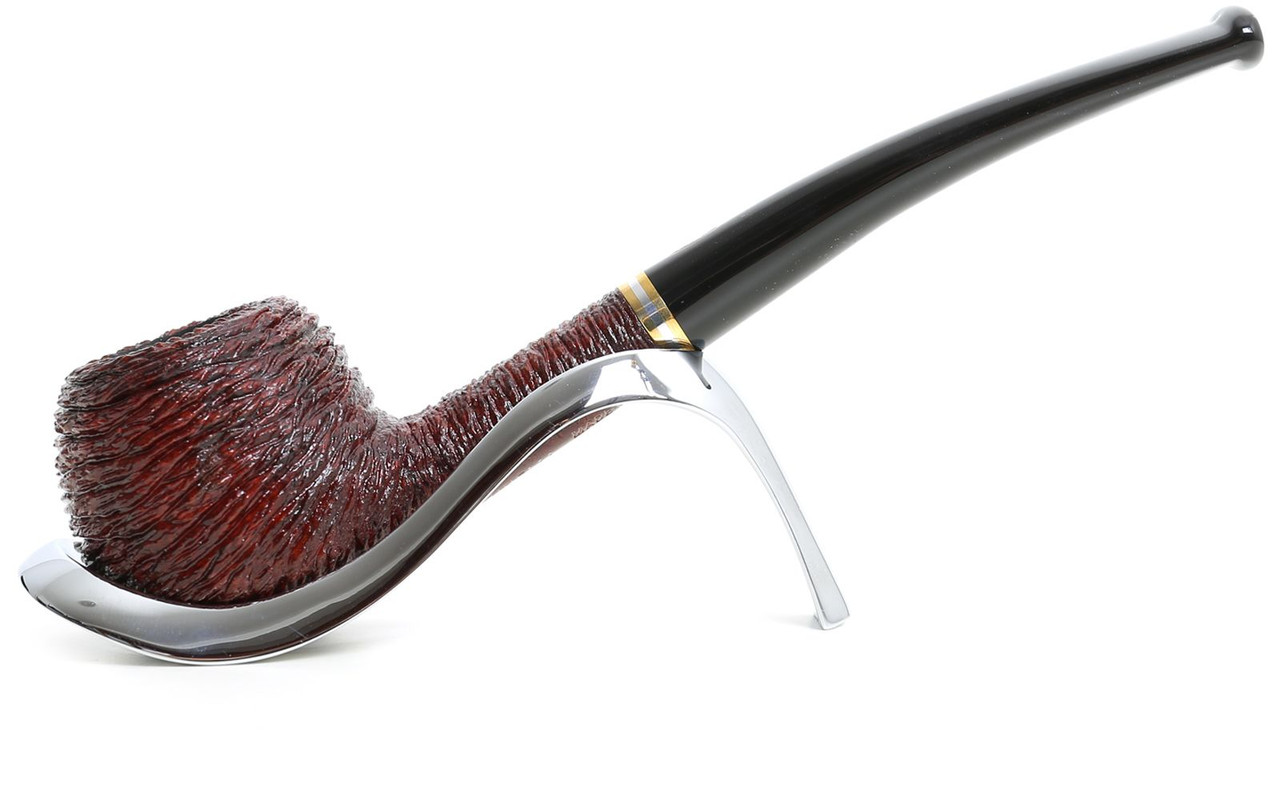
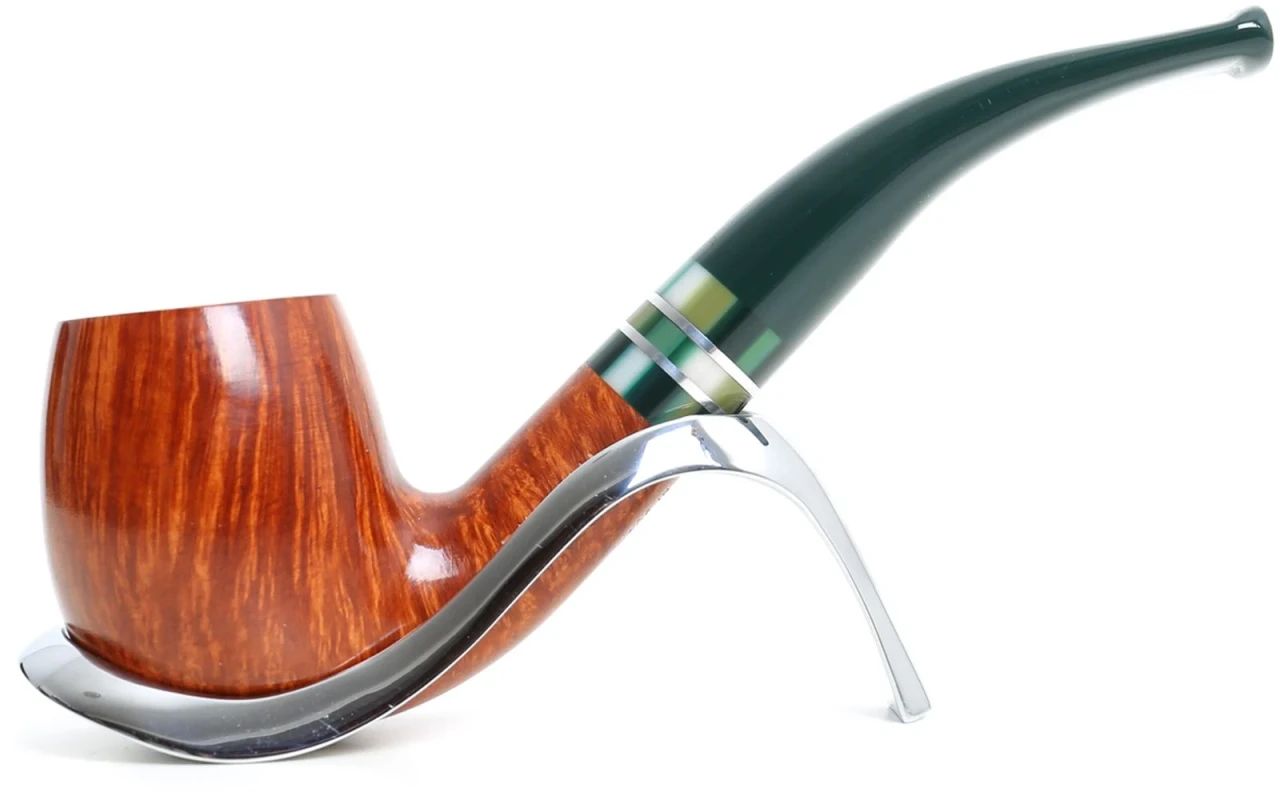
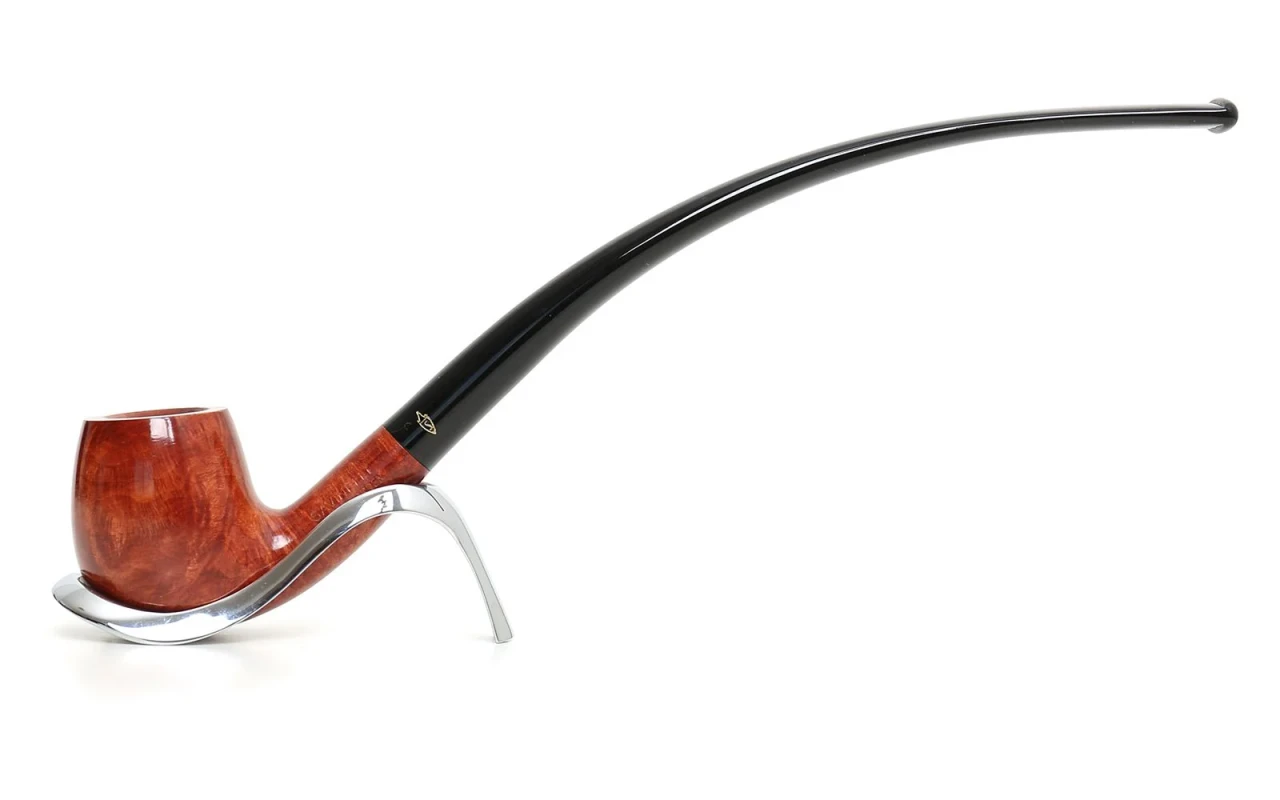
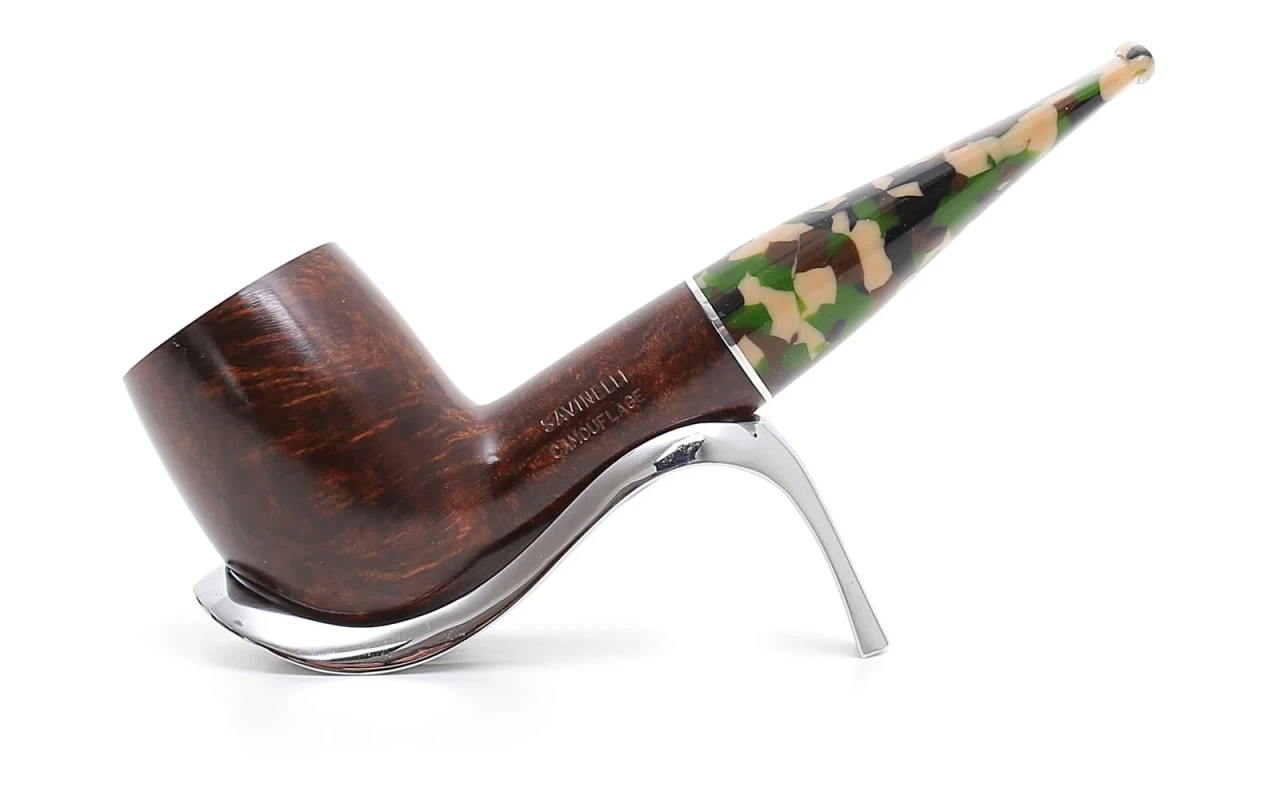
The briar pipe became the standard for smoking tobacco starting from the 19th century, thanks to its heat resistance and lightness. Briar, derived from the root of the boxwood, offers an ideal combination of durability and aesthetics that has won over smokers and craftsmen over time.
When did the briar pipe become the standard for smoking tobacco? Deep dive
The briar pipe achieved the status of the standard for smoking tobacco during the 19th century. Before that, different materials such as common wood, metal, or terracotta were used, but none offered the same combination of heat resistance, lightness, and aesthetic beauty as briar. This material comes from the root of the boxwood, a Mediterranean shrub, and is prized for its compact structure and ability to withstand the high temperatures generated by tobacco combustion. Additionally, briar allows for refined artisanal workmanship, enabling the creation of pipes with elegant and durable shapes and finishes. Over time, the briar pipe has become synonymous with quality and tradition in the world of slow smoking, establishing itself as the preferred choice for both experienced smokers and collectors. Its widespread use was also favored by the growing popularity of pipe tobacco in the 19th century, a period in which the artisanal and industrial production of briar pipes developed significantly, consolidating its position as the reference material in the sector.